
Michelin Plate
Our verdict
Mision 19 holds consecutive Michelin Plate recognition (2024 and 2025), placing it among the more closely watched addresses in Tijuana's Zona Urbana Rio corridor. The kitchen works in the register of contemporary Mexican, anchored to the produce and seafood logic that defines Baja's border-region identity. Price range sits at $$$, appropriate to its competitive tier.

Pearl is the En Primeur Club membership app, where members save venues, book tables and use the concierge.
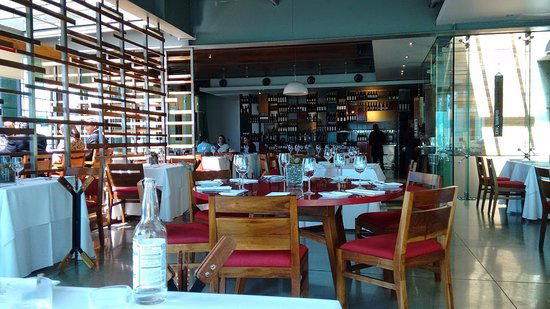
Where Baja's Border Identity Meets the Contemporary Mexican Table
The Zona Urbana Rio district runs along Tijuana's commercial spine, a stretch that has matured over the past two decades from office towers and shopping plazas into one of northern Mexico's more credible fine-dining corridors. Approaching Mision 19 along Via Corporativo, the built environment signals intention: this is not the taco-stand Tijuana of tourist shorthand, nor the airport-hotel Tijuana of indifferent business travel. It belongs to a third Tijuana, one that has spent years making the case that the border is a resource rather than a constraint.
That framing matters because Baja California occupies a specific and somewhat anomalous position in Mexico's culinary geography. The peninsula does not carry the historical weight of Oaxacan mole traditions, the layered indigenous techniques of Puebla, or the chile-forward thermal intensity of Yucatecan cooking. What it has instead is an unusually short supply chain, a Pacific coastline of considerable range, and the productive friction of a border that moves people, ingredients, and techniques in both directions. Restaurants that understand this tend to work in a register that feels lighter and more produce-forward than their counterparts inland. Mision 19 operates in that register.
Baja on a Plate: The Regional Logic Behind the Menu
Contemporary Mexican cooking has fragmented into several distinct regional schools over the past fifteen years. Chefs working in Mexico City, as at Pujol in Mexico City, have tended toward deep-technique expressions of pre-Hispanic tradition. The Valle de Guadalupe corridor, anchored by addresses like Animalón in Valle de Guadalupe, leans into the wine-country idiom of long lunches, live-fire cooking, and proximity to Baja's grape-growing belt. Oaxacan restaurants such as Levadura de Olla Restaurante in Oaxaca draw their authority from fermentation, smoke, and the specificities of the Central Valleys.
Baja border cooking does something different. The Pacific determines the protein vocabulary: tuna, clams, sea urchin, and abalone appear in preparations that acknowledge both Mexican culinary logic and the California-Baja fusion that has been documented in the region since at least the 1990s. Produce from the Mexicali and Ensenada agricultural zones provides a local anchoring that distinguishes serious kitchens from those merely importing ingredients from central Mexico. The leading Baja kitchens, of which Mision 19 is one of the more visible examples in Tijuana proper, treat the border's porosity as a creative condition rather than a problem. Compare this to Olivea Farm to Table in Ensenada, which pursues a similar farm-proximity logic further down the peninsula.
Northern Mexico's fine-dining tier more broadly has earned increasing institutional recognition. KOLI Cocina de Origen in Monterrey and Pangea in San Pedro Garza Garcia represent the norteño school working from ranching and desert-produce traditions. Baja's version of that northern ambition is distinct: maritime rather than arid, border-inflected rather than regionally self-contained.
Michelin Recognition and What It Signals in This Market
Michelin awarded Mision 19 a Plate in both 2024 and 2025, a recognition that sits below star level but carries a specific meaning in the context of Michelin's expanding Mexico coverage. A Plate designation indicates a kitchen producing food of consistent quality, positioned above casual and fast-casual tiers but not yet carrying the inspectors' confidence of a starred establishment. Consecutive Plate recognition across two guide cycles suggests stability, which in a volatile restaurant market is its own credential.
For context, the restaurants earning Michelin attention in Baja and the broader border region compete in a different atmosphere from the Mexico City concentration of starred tables. The guide's Mexico expansion has brought scrutiny to cities that had previously operated outside Michelin's sight lines, and the border corridor has responded. That Mision 19 has held recognition across two consecutive years, while the Tijuana dining scene continues to develop around it, positions it as one of the reference points against which newer kitchens in the city will be measured.
The spread of opinion across that volume tends to reflect a kitchen that performs reliably across service types and dining occasions.
Tijuana's Restaurant Tier in Practice
Mision 19's $$$ pricing places it at the upper end of the Tijuana dining tier, above street-level operators like Tacos El Franc and mid-market positions occupied by addresses such as Carmelita Molino y Cocina and Oryx. That pricing tier in Tijuana still benchmarks considerably below comparable Michelin-acknowledged tables in Mexico City or Los Angeles, which makes the border crossing a rational consideration for visitors travelling from Southern California.
The dining scene around Mision 19 in Zona Urbana Rio reflects the district's commercial maturity. This is not a neighbourhood where restaurants open and close on short cycles driven by trend; the infrastructure supports longer-term operations. Visitors planning an evening here would benefit from treating the area as a self-contained dining district rather than a single-stop destination. The full range of what Tijuana's food and hospitality scene offers is documented across our full Tijuana restaurants guide, our full Tijuana bars guide, our full Tijuana hotels guide, our full Tijuana wineries guide, and our full Tijuana experiences guide.
For those approaching from the wine side of Baja's identity, the Valle de Guadalupe corridor is accessible for a day trip, with Lunario in El Porvenir representing the wine-country fine-dining format that sits in a different but complementary register to urban border cooking.
The influence of Baja-trained chefs and the border-crossing culinary sensibility has spread north as well. Alma Fonda Fina in Denver and Cariño in Chicago represent the diaspora expression of regional Mexican cooking in American cities, and both share with Mision 19 a concern for regional specificity over generic Mexican-restaurant syntax. For premium Mexican dining at the technical end, Le Chique in Puerto Morelos offers another point of comparison on the molecular-technique side of the spectrum.
Planning a Visit
Mision 19 sits at Via Corporativo 2, in the Misión de San Javier section of Zona Urbana Rio, a district reachable from the San Ysidro border crossing by taxi or rideshare in under twenty minutes outside peak traffic hours. Booking ahead is the prudent approach given the kitchen's sustained recognition across two guide cycles.
Frequently asked questions
How do I find Mision 19?
Mision 19 is located at Via Corporativo, 2, Misión de San Javier 10643, Zona Urbana Rio Tijuana, 22010 Tijuana, B.C. Mexico, Tijuana.
Price Lens
| Venue | Cuisine | Price | Awards | Notes |
|---|---|---|---|---|
| Mision 19This venue (the venue you are viewing) | Modern Baja Med | $50–100 | Michelin Plate | Not listed |
| Carmelita Molino y Cocina | Modern Mexican with Nixtamalized Corn | $20–30 | Michelin Bib Gourmand | Mexican |
| Tacos El Franc | Tijuana-Style Taqueria | $10–20 | Michelin Plate | Mexican |
| Oryx | Modern Mexican | $50–100 | Michelin Plate | Mexican |
Recognition history
Dated appearances from independent guides and award organizations, with the underlying list record or original source where available.
Michelin Plate
Michelin
Full recognition history (3 entries)
Michelin Plate
Michelin
Michelin Plate
Michelin
Continue exploring
More in Tijuana
Restaurants in Tijuana
All restaurants in Tijuana →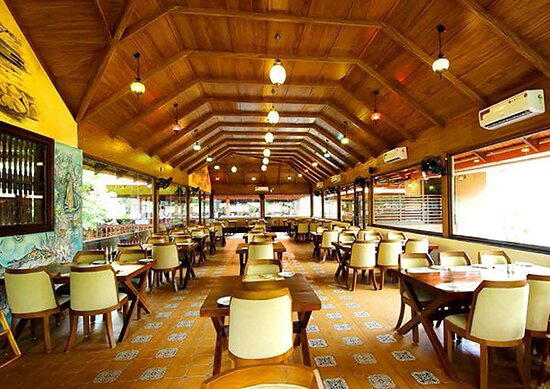
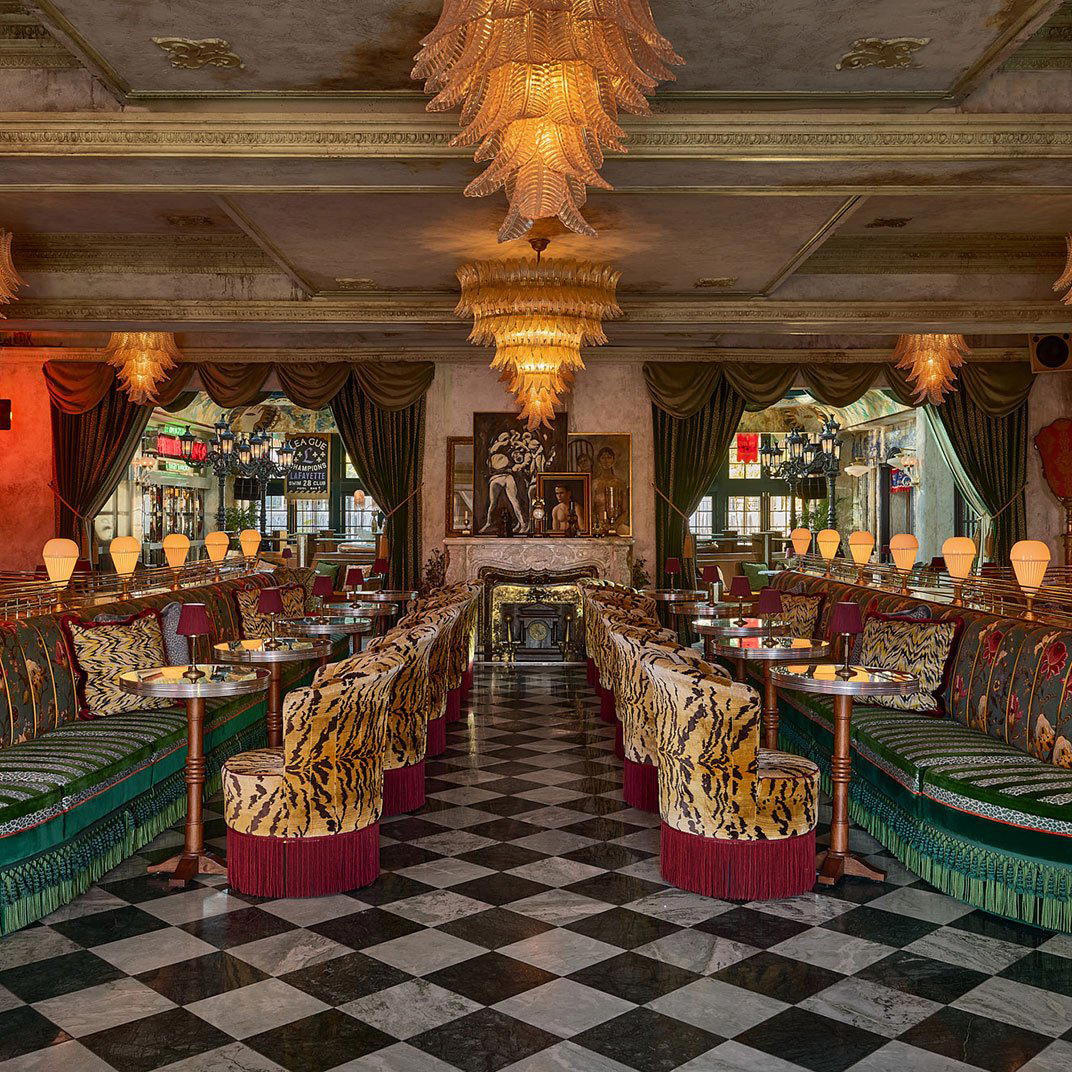
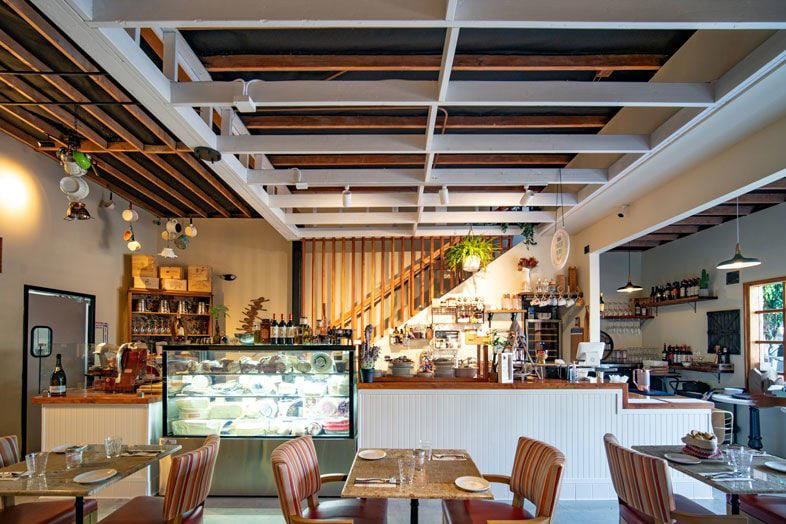
Bars in Tijuana
All bars in Tijuana →



Details
- Modern
- Elegant
- Sophisticated
- Trendy
- Date Night
- Special Occasion
- Group Dining
- Open Kitchen
- Private Dining
- Extensive Wine List
- Craft Cocktails
- Farm To Table
- Local Sourcing
- Sustainable Seafood
- Street Scene
- Tasting Menu
- A La Carte
- Wine Pairing
- Regional Wines
- Vegetarian Friendly
- Vegan Options
Current opening hours
- Monday
- 1–10 PM
- Tuesday
- 1–10 PM
- Wednesday
- 1–10 PM
- Thursday
- 1–10 PM
- Friday
- 1–10 PM
- Saturday
- 1–10 PM
- Sunday
- Closed
Hours can change for holidays and private events. Hours as of .
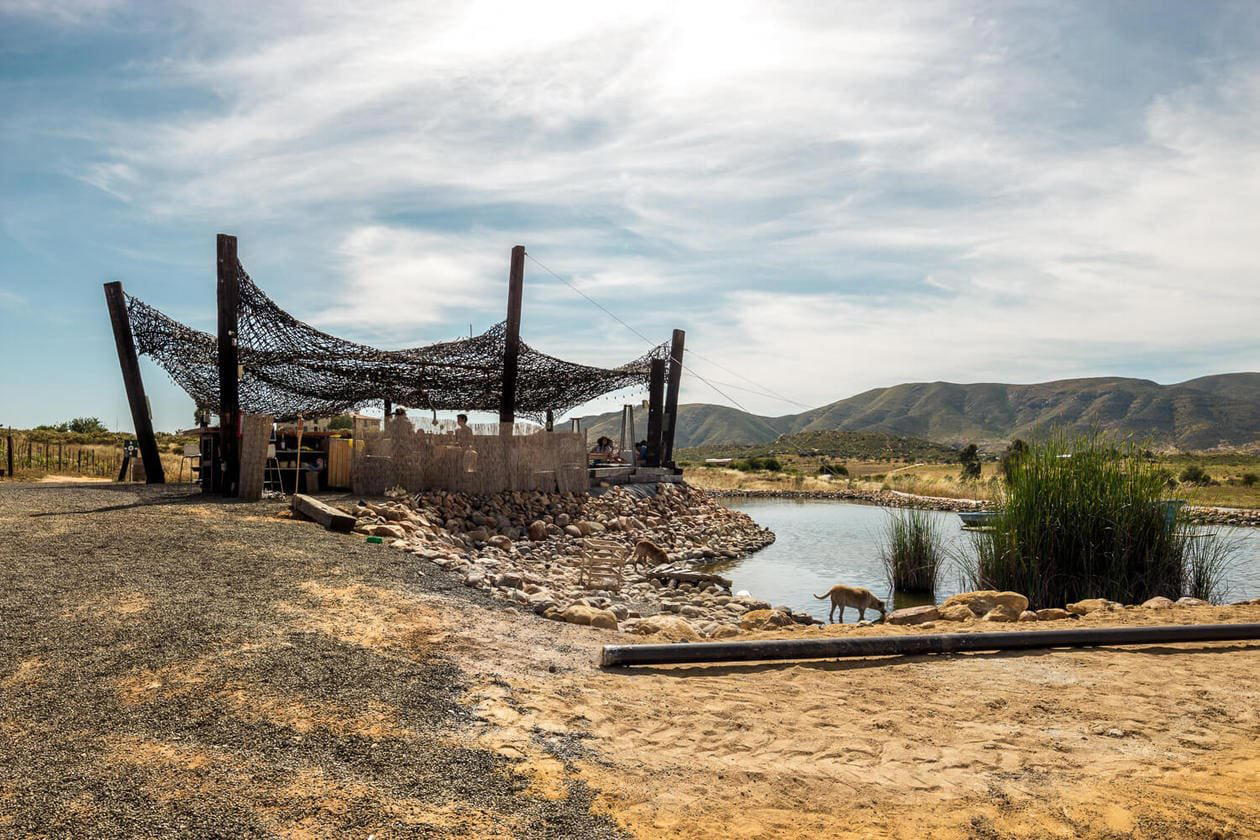
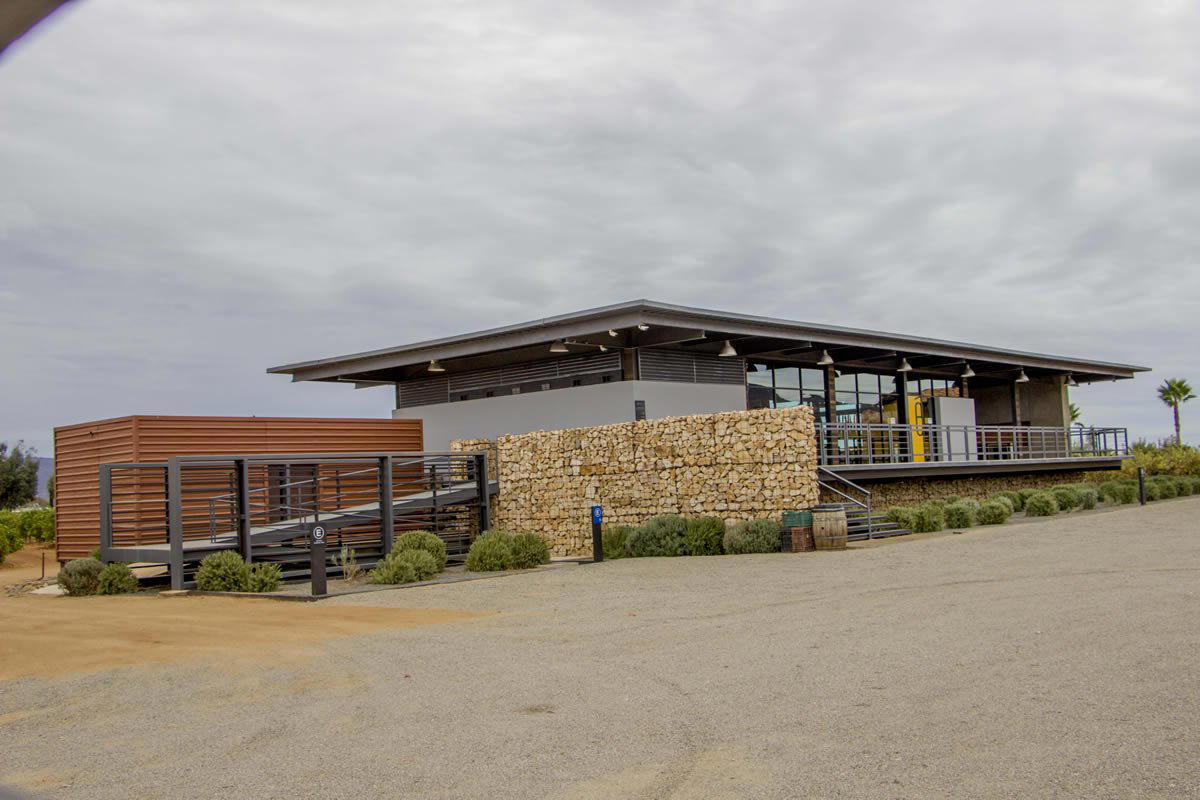
Chic, contemporary decor with sleek, modern industrial elements, classy yet approachable upscale elegance, and balanced lighting creating a refined, inviting atmosphere.