Michelin Plate
Our verdict
A kaiseki-style counter in Osaka's Fukushima ward where the ritual calendar of Japan shapes each course. Tanabata, the lunar months, and the culinary heritage of Fukuoka's Yame region all find expression at the table. The cooking treats ceremonial tableware and seasonal pairing as inseparable from the food itself.

Pearl is the En Primeur Club membership app, where members save venues, book tables and use the concierge.
The menu
What to order
- Kuruma shrimp clear soup
- Seasonal wanmono
- Golden eye snapper donabe rice
- Yame tea ritual
Where the Lunar Calendar Sets the Menu
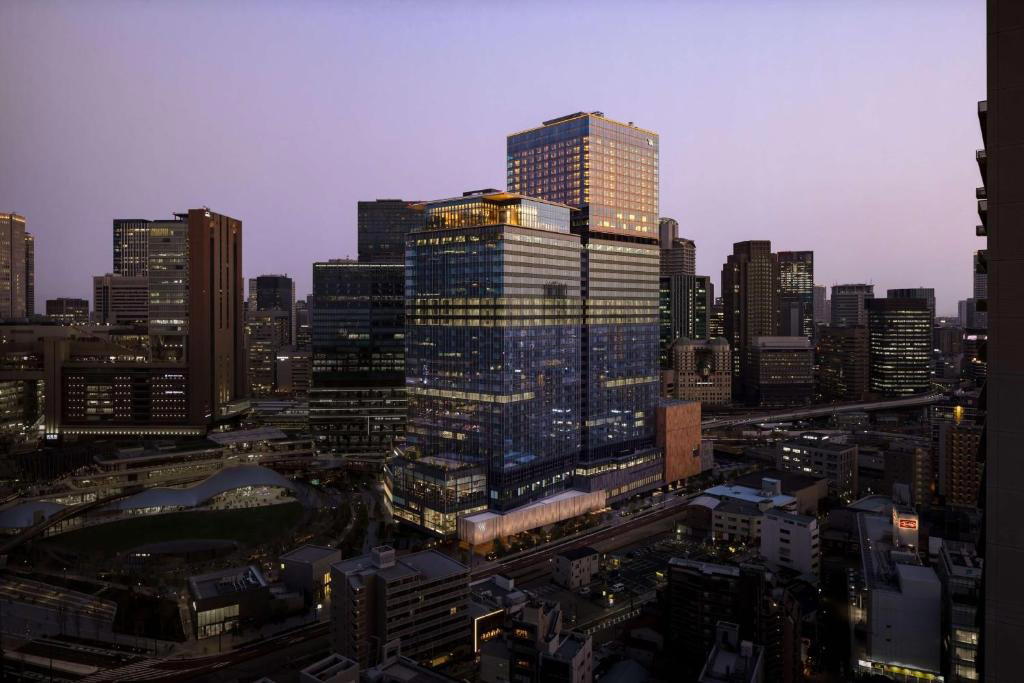
Fukushima ward sits just west of Umeda, separated from Osaka's commercial centre by a short walk across the Yodo River. The neighbourhood has built a quiet reputation over the past decade as a district where serious Japanese restaurants operate without the foot traffic or tourist pressure of Namba or Shinsaibashi. Oryori Nonohara is on Fukushima's residential fringe, at an address that requires intent to reach. That geography is, in some ways, the first signal about what kind of dining awaits.
Among Osaka's formal Japanese restaurants, a defined tier has emerged that treats the ceremonial calendar not as decoration but as structural content. The seasonal kaiseki tradition already ties cooking to the progression of the year, but a smaller group of houses pushes further, aligning specific dishes, tableware, and even the provenance of tea and sweets to named festivals and their associated folklore. Oryori Nonohara belongs to this group. The menu does not simply change with the seasons; it changes with the rituals embedded inside those seasons.
Ceremony as Architecture
The most documented expression of this approach arrives in the seventh lunar month, when the restaurant marks Tanabata, the Star Festival. The wanmono course, a clear soup served in lidded lacquerware, traditionally regarded as the most technically demanding single course in kaiseki, is presented in bowls that feature the Milky Way rendered in powdered precious metal. The visual register of the tableware is not incidental; it is the argument. The bowl carries the myth before the soup is tasted.
The pairing inside that course extends the narrative. Hamo (pike conger) and samatsu mushroom appear together as a reference to Hikoboshi and Orihime, the celestial lovers represented by the stars Altair and Vega, permitted to meet only once a year across the river of stars. In Japanese culinary tradition, hamo is one of the defining ingredients of Kyoto's summer table, and its appearance in Osaka kaiseki marks a shared regional lexicon. The samatsu mushroom, an early-autumn matsutake relative, bridges the tail of summer and the opening of autumn, which is precisely where Tanabata falls on the lunar calendar. The pairing is climatically accurate and mythologically coherent.
This kind of layered reasoning, where ingredient season, regional provenance, and cultural narrative align within a single course, is what separates the most considered formal Japanese restaurants from those that deploy ceremony as aesthetic rather than logic. Peer houses in the Kansai region that operate in this register include Kashiwaya Osaka Senriyama and Taian, both of which hold Michelin recognition and treat seasonal ritual as a structural element of the kaiseki sequence.
Provenance, Tableware, and the Role of Place
The drinks and sweets program at Oryori Nonohara extends the logic of provenance that runs through the food. Tea is sourced from the Yame area of Fukuoka Prefecture, one of Japan's most respected gyokuro-producing regions, served as a direct reference to the chef's hometown. This kind of geographic declaration is common in the most deliberate kaiseki houses: the choice of tea is not neutral, and naming its origin transforms a service detail into a statement about roots and loyalty.
The sweet course includes umegae mochi, a rice cake associated with Dazaifu Tenmangu Shrine in Fukuoka. Dazaifu Tenmangu is one of Japan's principal shrines dedicated to Sugawara no Michizane, the deified scholar, and the umegae mochi sold at the shrine's precincts carries centuries of association with the site. Its appearance at a table in Osaka's Fukushima ward is a deliberate act of geographical and spiritual transportation, the dessert course as a map back to origin.
Tableware program shifts across the year to reflect the season in progress. This is standard in serious kaiseki, but the reported use of lacquerware with precious metal decoration for the Tanabata wanmono places the investment in tableware at a level consistent with the highest tier of formal Japanese dining. In that context, the question of what is being served becomes inseparable from the question of what it is being served in.
Where Nonohara Sits in the Osaka Formal Dining Scene
Osaka's upper tier of formal Japanese restaurants has historically operated in the shadow of Kyoto's kaiseki establishment, but the city's own roster has grown in depth and confidence. Houses like Taian and Kashiwaya anchor the Michelin-recognised stratum, while Osaka's broader formal dining ecosystem now includes significant French innovation at addresses like HAJIME, La Cime, and Fujiya 1935.
Oryori Nonohara's distinguishing position within the Japanese category is its commitment to the ceremonial dimension of cooking at a degree of specificity that goes beyond seasonal ingredient rotation. The Fukuoka provenance thread, tea, sweets, the chef's declared hometown, creates a sub-identity within the kaiseki form that is legible to guests who pay attention. For those exploring the wider Japanese restaurant landscape across the region, comparable depth of ceremonial intent can be found at Gion Sasaki in Kyoto, and similar provenance-led thinking at Goh in Fukuoka, where the Yame region's teas and ingredients appear in a different but related culinary context. Internationally, the ceremonial-object approach to tasting menu service finds a parallel at Atomix in New York City, which draws on Korean court traditions in a structurally similar way.
For visitors building a broader Japan itinerary, the full spectrum of formal Japanese cooking at this level is accessible across Harutaka in Tokyo, akordu in Nara, and 1000 in Yokohama. For Osaka specifically, the full context is in our Osaka restaurants guide, with city-wide recommendations across hotels, bars, wineries, and experiences.
Planning Your Visit
Reservations: No direct booking details are publicly listed; contact through local concierge services or specialist Japan reservation agents is the most reliable approach. Address: 7 Chome-17-11 Fukushima, Fukushima Ward, Osaka. Getting there: Fukushima Station (JR Osaka Loop Line) and Fukushima Station (Hanshin Main Line) both serve the area. Dress: Smart dress is standard at formal Japanese counters of this type; highly casual attire is out of place. Timing: The Tanabata-specific menu occurs in the seventh lunar month, which falls in August on the Gregorian calendar; visiting during this window brings the full ceremonial arc into play. Note:
Frequently asked questions
What's Oryori Nonohara's location?
Oryori Nonohara is located at 7 Chome-17-11 Fukushima, Fukushima Ward, Osaka, 553-0003, Japan, Osaka.
What distinctions does Oryori Nonohara have?
Oryori Nonohara has received recognition including: The restaurant weaves the culture and traditional ceremonies of Japan into its menu. In the seventh lunar month, to celebrate Tanabata, the Star Festival, wanmono is served in lacquer bowls featuring the Milky Way in powdered precious metal….
What do regulars order at Oryori Nonohara?
The menu is set rather than à la carte, so ordering is not a choice guests make individually. The most documented dish in the repertoire is the wanmono served in the seventh lunar month: hamo and samatsu mushroom in lacquer bowls decorated with the Milky Way in powdered precious metal, tied to the Tanabata Star Festival. Sweets from Dazaifu Tenmangu Shrine in Fukuoka and Yame-area tea appear consistently as closing elements of the meal.
Is Oryori Nonohara reservation-only?
No direct booking contact or website is publicly listed for Oryori Nonohara. The most reliable route is through a local Osaka concierge service or a specialist Japan reservation agent. Given the format and scale typical of this tier of Osaka kaiseki, walk-in access is not a realistic expectation.
What's Oryori Nonohara best at?
The restaurant's clearest strength is the integration of Japanese ceremonial culture into the menu structure itself. Tableware changes with the seasons, the lunar calendar drives course composition, and individual dishes reference specific cultural narratives, the Tanabata wanmono pairing hamo and samatsu mushroom to recall the myth of Hikoboshi and Orihime being one documented example. This places Oryori Nonohara closer to the Kyoto tradition of ritual kaiseki than to the broader Osaka restaurant scene.
Is Oryori Nonohara good for vegetarians?
The documented menu at Oryori Nonohara includes hamo (pike conger eel) and samatsu mushroom as a named wanmono pairing, and umegae mochi sweets, suggesting a format built around traditional kaiseki structure rather than plant-forward cooking. Guests with specific requirements should communicate them at the point of reservation through a concierge or agent.
How does Oryori Nonohara incorporate Japanese cultural ceremonies into its menu?
The restaurant structures its courses around the Japanese lunar calendar, with individual festivals directly shaping dishes and tableware. In the seventh lunar month, for Tanabata, the wanmono arrives in lacquer bowls inlaid with the Milky Way in powdered precious metal, and the hamo and samatsu mushroom pairing references the myth of the stars Altair and Vega. Tea sourced from the Yame area of Fukuoka and sweets from Dazaifu Tenmangu Shrine in Fukuoka extend this logic of place and tradition through to the final courses. This level of ceremonial specificity within a kaiseki format is the defining characteristic of Nonohara's approach in Osaka.
A Pricing-First Comparison
Comparable venues nearby, for context on price, style, and recognition.
| Venue | Cuisine | Price | Awards | Notes |
|---|---|---|---|---|
| Oryori NonoharaThis venue (the venue you are viewing) | Modern Japanese Kappo Omakase | $300–500 | Michelin Plate | Not listed |
| Numata Sou | Tempura Omakase | Not listed | 1 Michelin Star · Tabelog 100 #11 | Kita, Seasonal Tempura Omakase |
| Tempura Urakami | Traditional Tempura Omakase | $150–200 | Michelin Plate | Fukushima, Traditional Tempura Omakase |
| Tsunechan | Premium Yakiniku | $100–150 | Tabelog Bronze #488 | Sakai-ku, Premium Yakiniku |
| Otsuki | Modern Japanese Washoku | $150–200 | Michelin Plate | Fukushima, Modern Japanese Washoku |
| Sushisho Nehachi | Modern Omakase Sushi | $50–100 | Michelin Plate | Fukushima, Modern Omakase Sushi |
Recognition history
Dated appearances from independent guides and award organizations, with the underlying list record or original source where available.
Michelin Plate
Michelin