Orso's
Orso's occupies a corner of Old Town's Wells Street corridor, where Italian-American hospitality traditions run deep and the pace of a meal still matters. The room rewards those who settle in rather than rush through, sitting comfortably alongside Chicago's broader Italian dining conversation. For visitors orienting around the city's neighbourhood restaurant culture, it belongs on the itinerary alongside the area's established names.
Pearl is the En Primeur Club membership app — saves, bookings, and concierge access live there. Same editors, same standards.
- Address
- 1401 N Wells St, Chicago, IL 60610
- Phone
- +13127876604
- Website
- orsosrestaurant.com
- Directions
- Get directions
 Saves & bookings on Pearl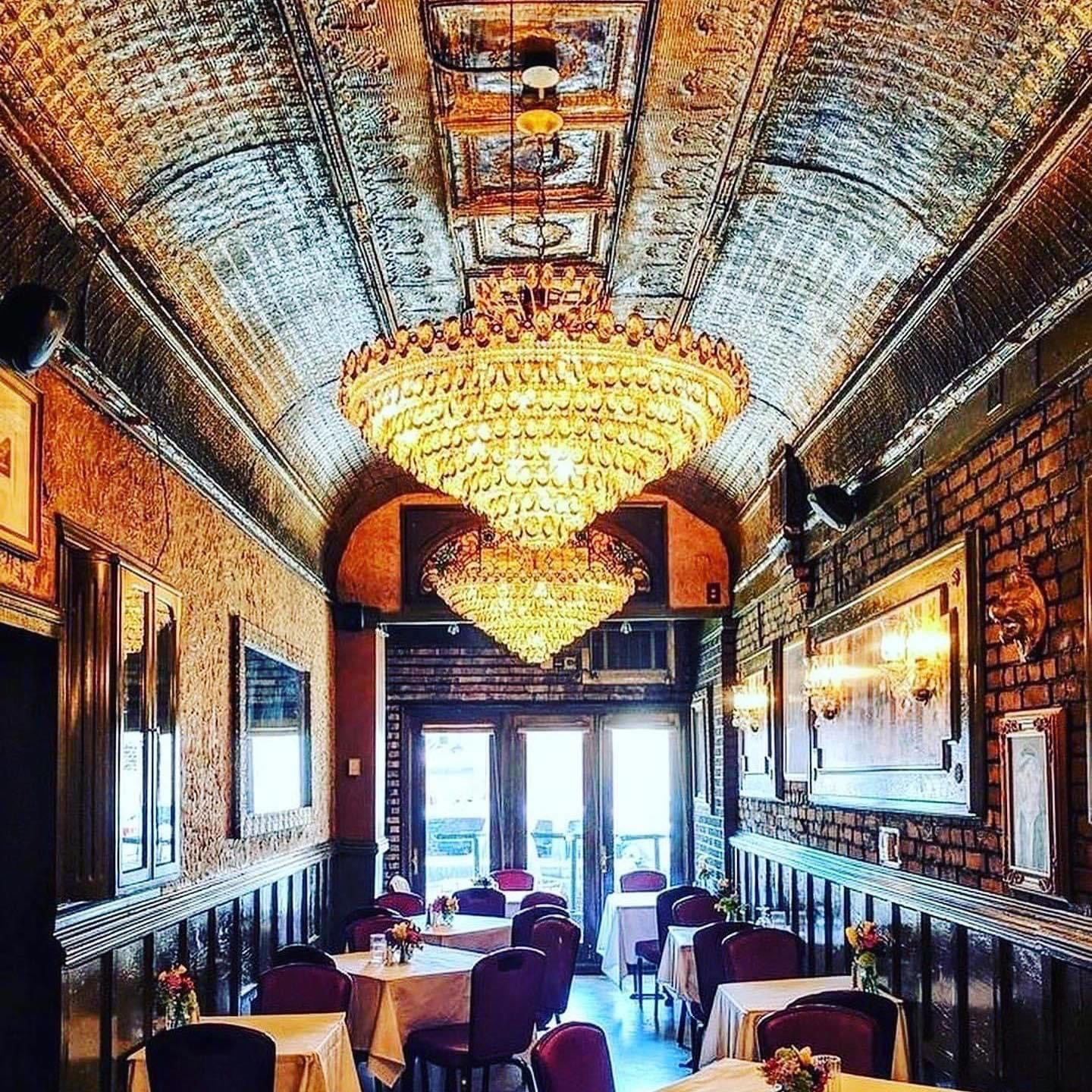
Old Town's Dining Rhythm and Where Orso's Sits Within It
Wells Street in Old Town has always operated on a different clock from Chicago's downtown restaurant corridor. Orso's is a Chicago restaurant serving Classic Italian Trattoria fare at 1401 N Wells St. The blocks between North Avenue and Division Street carry a neighbourhood tempo, tables turn slower, conversations run longer, and the relationship between a room and its regulars tends to outlast any single season's press cycle. At 1401 N Wells St, Orso's occupies a position in that corridor that speaks to how Italian-American dining has embedded itself into Chicago's North Side identity over decades.
Italian restaurants in this city have historically anchored themselves in neighbourhood loyalty rather than destination dining, a pattern that distinguishes Chicago's Italian scene from, say, New York's, where chef-driven Italian concepts compete on a national stage. Chicago's version is more local, more habitual, and often more honest for it. Orso's address places it squarely in this tradition, in a stretch of Wells Street where the evening foot traffic is as much a part of the dining experience as anything on the plate.
The Ritual of the Meal: Pacing, Custom, and the Architecture of an Italian Dinner
Italian dining in America has a particular ritual logic that its leading practitioners understand and its worst ones ignore. The meal is meant to move through stages, antipasto giving way to pasta, then secondi, then the long, unhurried conclusion over dessert and digestivo, with each course marking a shift in the evening's energy rather than simply adding to a calorie count. This is the structure that defines Italian restaurant culture in cities from Milan to Buenos Aires, and the American versions that respect it tend to produce a different dining experience from those that treat pasta as an entrée and call it done.
On Chicago's North Side, where neighbourhood Italian spots have served as the backdrop for decades of ordinary life, birthday dinners, first dates, post-theatre suppers, the pacing of the meal carries particular weight. The room at Orso's on Wells Street fits within that tradition: Old Town's dining culture rewards lingering, and the neighbourhood's regulars tend to know how to use a restaurant. The comparison set here is not Alinea or Smyth, where the kitchen controls every beat of the experience through a fixed tasting format. It is the more democratic, self-directed Italian dinner, where the guest sets the pace and the kitchen's job is to meet them.
That distinction matters when placing Orso's within Chicago's broader dining picture. Progressive American kitchens like Oriole or Next Restaurant have built their reputations on precision and choreography. A neighbourhood Italian room operates on entirely different terms, flexibility, familiarity, and the accumulated social knowledge of a room that has seen the same faces across many years.
Chicago's Italian Dining Scene in Context
Chicago has always maintained a serious Italian restaurant culture, shaped in part by the city's large Italian-American community and in part by the neighbourhood geography that kept distinct dining identities alive on the North Side, Near West Side, and Andersonville. This is a city where the pasta course is not an afterthought, and where a well-executed risotto or a properly dressed salad can generate more neighbourhood loyalty than a Michelin citation.
The trajectory of Italian dining nationally has moved in two directions simultaneously: toward hyper-regional specificity (Ligurian, Sicilian, Friulian) on one side, and toward the comfort-forward red-sauce American Italian tradition on the other. Chicago has practitioners across that spectrum. Kasama demonstrates how Chicago's dining scene rewards operators who commit to a defined point of view, a lesson that applies across cuisines. For Italian specifically, the restaurants that have lasted on the North Side tend to have found a register that matches their neighbourhood: not too formal, not too casual, and rooted enough in the cuisine's logic that the food holds up across repeated visits.
Compare this with how Italian dining anchors itself in other American cities. In New York, Le Bernardin represents the formal end of French-inflected fine dining, while the city's Italian rooms operate on a separate prestige axis entirely. In New Orleans, Emeril's shows how a city's culinary identity can absorb and transform Italian influence through local ingredients and traditions. Chicago's version of that synthesis is quieter, less celebrity-driven, and more dependent on the neighbourhood institutions that have simply stayed put.
Placing Orso's in the Peer Conversation
Within Chicago's Italian dining category, Orso's sits in the neighbourhood anchor tier rather than the destination tier occupied by tasting-menu-led rooms. Its Wells Street address puts it in competition with the surrounding Old Town casual-to-mid dining corridor, not with the Michelin-tracked progressive kitchens further south or west. That is a positioning choice that most enduring neighbourhood restaurants make deliberately.
The American comparison points are useful here. Lazy Bear in San Francisco, Single Thread Farm in Healdsburg, or The French Laundry in Napa represent one pole of American fine dining, destination-driven, reservation-scarce, format-controlled. Providence in Los Angeles, Blue Hill at Stone Barns, Addison in San Diego, and The Inn at Little Washington occupy a similarly formal register. Orso's belongs to a different conversation, one where Bacchanalia in Atlanta or Atomix in New York City offer instructive comparisons in how neighbourhood restaurants build durable reputations through consistency rather than novelty.
Internationally, 8½ Otto e Mezzo Bombana in Hong Kong illustrates how Italian fine dining travels and adapts, a useful frame for understanding what the cuisine looks like when it operates at the formal end of the spectrum.
Planning Your Visit
| Venue | Style | Price Tier | Booking Lead Time |
|---|---|---|---|
| Orso's | Neighbourhood Italian, Old Town | Not confirmed | |
| Alinea | Progressive American, Creative | $$$$ | Several weeks in advance |
| Smyth | Progressive American, Contemporary | $$$$ | Several weeks in advance |
| Next Restaurant | American Cuisine | $$$$ | Variable ticket release |
| Kasama | Filipino | $$$$ | Advance booking advised |
Orso's is located at 1401 N Wells St in Chicago's Old Town neighbourhood.
Price Lens
Comparable venues nearby, for context on price, style, and recognition.
| Venue | Cuisine | Price | Notes |
|---|---|---|---|
| Orso'sThis venue — the venue you are viewing | Old Town, Classic Italian Trattoria | $$ | Not listed |
| Cafe Spiaggia | Streeterville, Casual Italian | $$ | Not listed |
| Bacino's | Not listed | $$ | Lincoln Park, Classic Chicago Deep-Dish Pizza & Italian Comfort Food |
| La Scarola | West Town, Classic Italian Trattoria | $$ | Not listed |
| La Crosta Woodfire Pizzeria Italiana | Not listed | $$ | Lincoln Park, Authentic Italian Woodfire Pizza |
| Reno | Not listed | $$ | Logan Square, Wood-Fired Italian Pizza & Bagels |
Continue exploring
More in Chicago
Restaurants in Chicago
Browse all →
At a Glance
- Classic
- Cozy
- Romantic
- Elegant
- Date Night
- Group Dining
- Celebration
- Brunch
- Private Dining
- Live Music
- Extensive Wine List
Current opening hours
- Monday
- 11 AM–9 PM
- Tuesday
- 11 AM–9 PM
- Wednesday
- 11 AM–9 PM
- Thursday
- 11 AM–10 PM
- Friday
- 11 AM–10:30 PM
- Saturday
- 11 AM–10:30 PM
- Sunday
- 11 AM–9 PM
Hours can change for holidays and private events. Last verified .
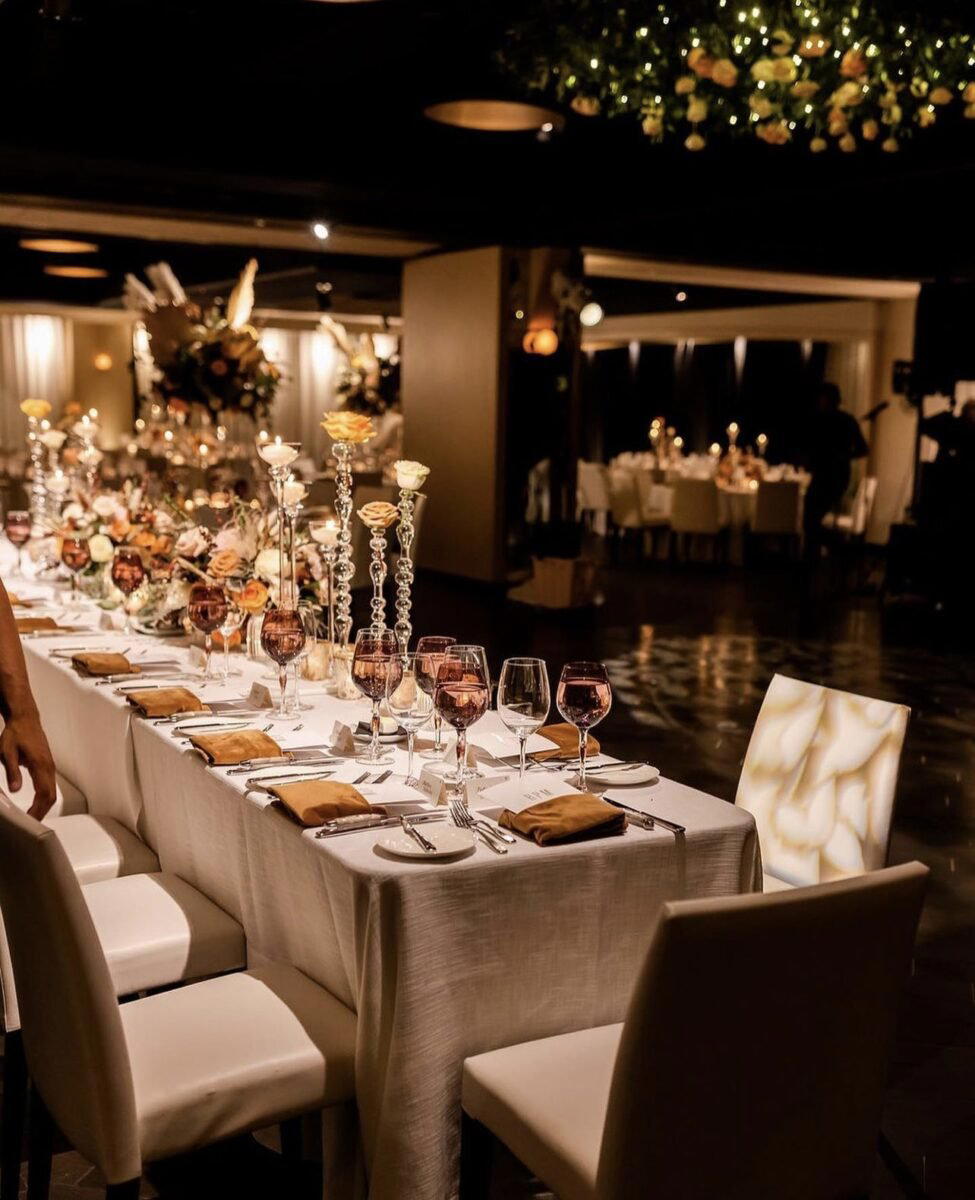
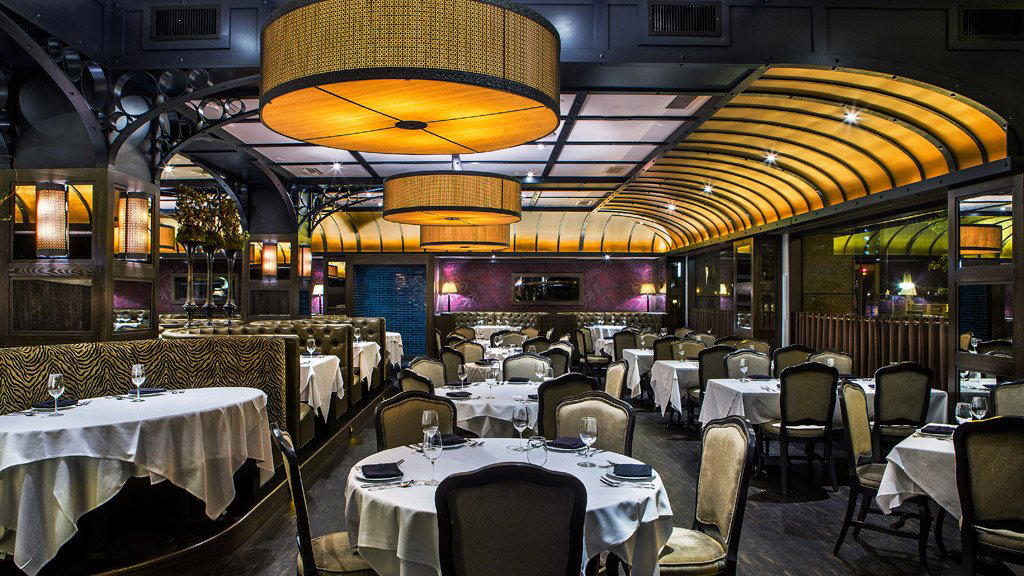
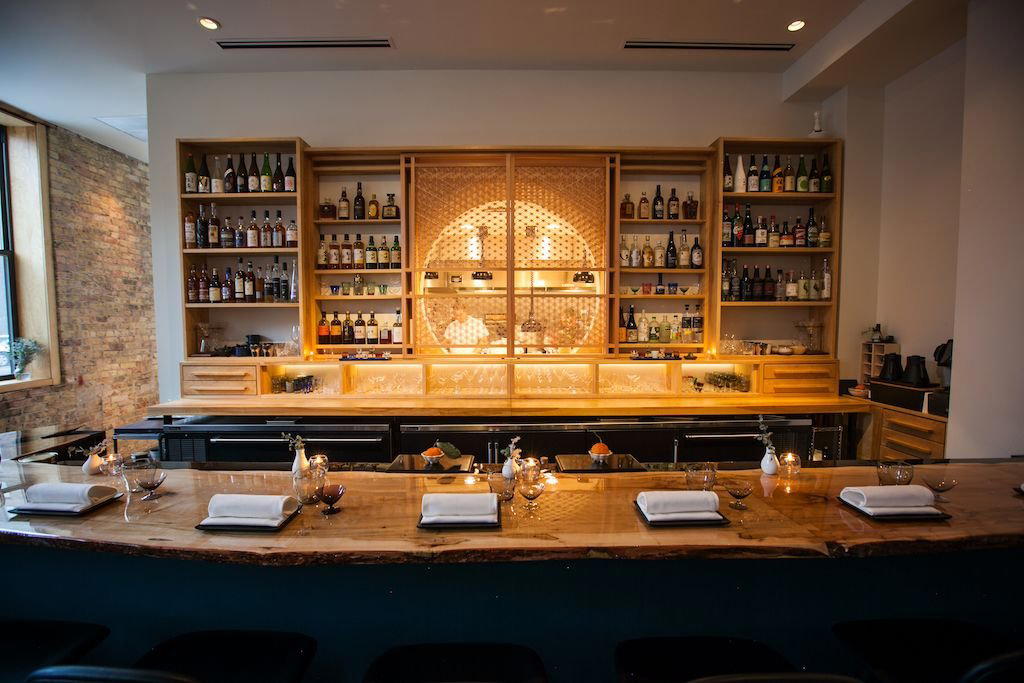
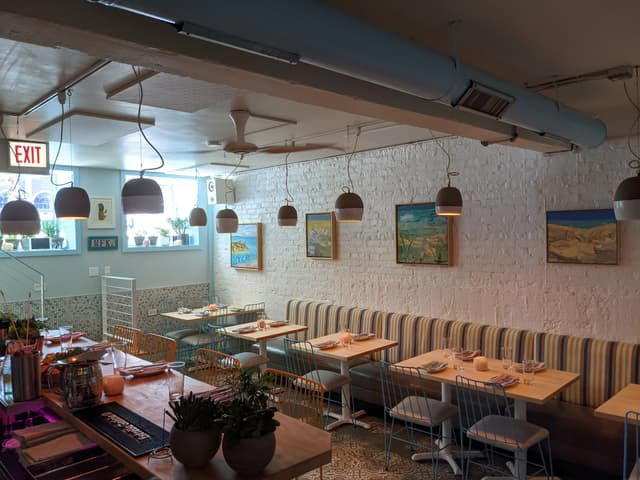
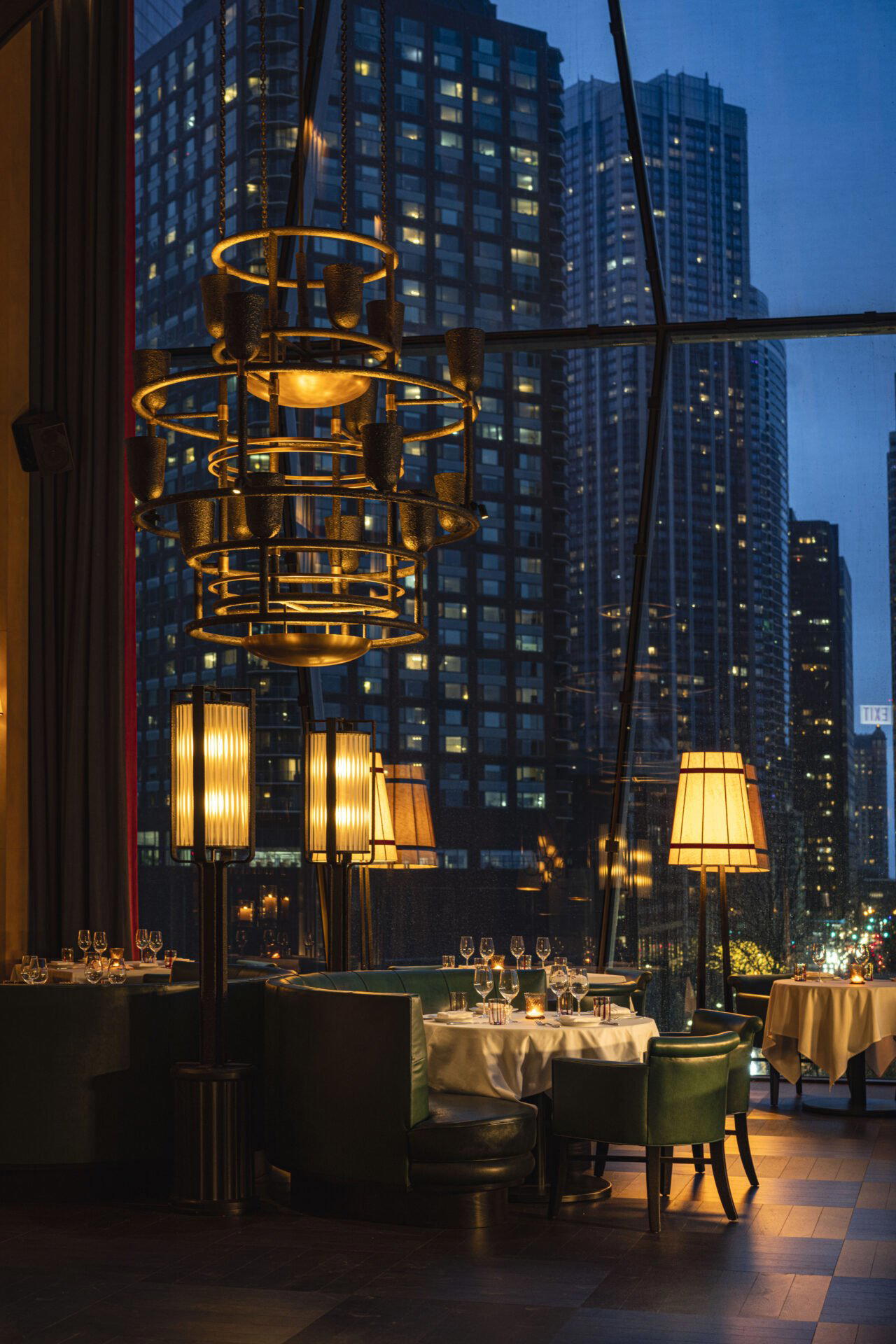
Old world charm with crystal chandeliers, decorative tin ceilings, stained glass, and photos of famous past visitors creating a romantic and memorable atmosphere.