On Spiegelgasse in Vienna's First District, Orpheas occupies a street address that places it within the city's most concentrated stretch of fine dining. The venue sits in a neighbourhood where sourcing provenance and culinary tradition carry weight, and where the expectations set by Michelin-recognised neighbours shape what any serious table must offer. Details on format and booking are best confirmed directly with the restaurant.
Pearl is the En Primeur Club membership app — saves, bookings, and concierge access live there. Same editors, same standards.
- Address
- Spiegelgasse 10, 1010 Wien, Austria
- Phone
- +434315123888
- Website
- orpheas.at
- Directions
- Get directions
 Saves & bookings on Pearl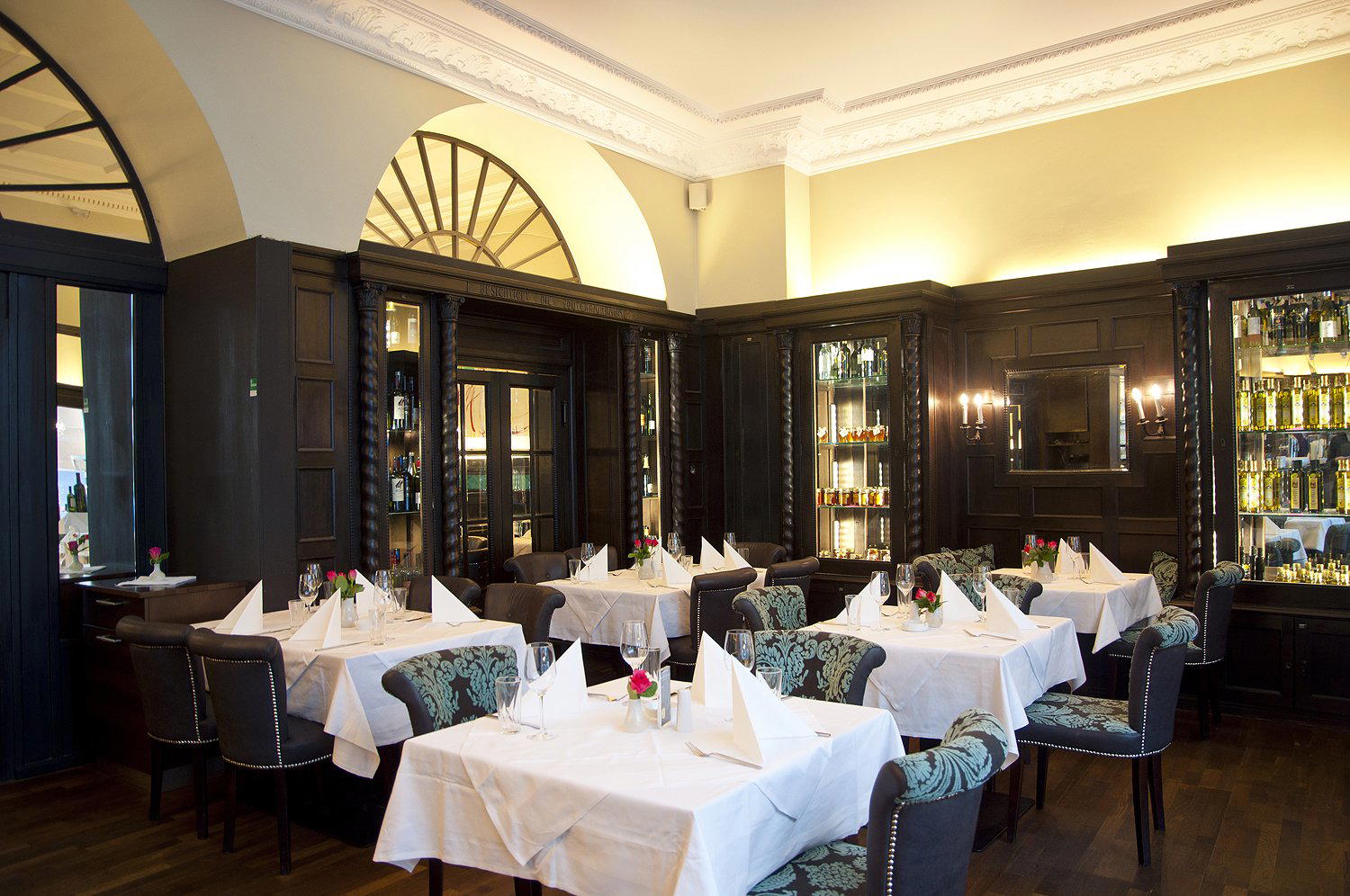
Spiegelgasse and the First District's Dining Compact
Vienna's First District operates as a kind of culinary compact between restaurants and a guest base that arrives with pre-formed expectations. The streets running south of the Graben and toward the Staatsoper have historically housed the city's most concentrated fine-dining addresses, and Spiegelgasse 10 sits inside that zone with the weight of that geography pressing down on it. A restaurant in this postcode is not making a speculative bet on a neighbourhood in transition. It is entering a conversation that has been going on for decades, between Austrian produce, Central European culinary tradition, and a cosmopolitan dining public that compares notes across cities.
Orpheas is a name that carries Greek mythological resonance in a city whose coffee houses and opera houses have always drawn on classical reference. Whether that signals a Mediterranean culinary inflection or a more atmospheric choice of branding is a question the restaurant's positioning will answer over time. What the address guarantees is footfall from a guest profile that includes opera-night diners, business travellers staying in the Innere Stadt's hotels, and weekend visitors working through the First District's cultural and gastronomic circuit in a single itinerary.
What Ingredient Sourcing Means in an Austrian Context
The editorial angle that matters most for any serious restaurant in Vienna is where the food comes from. Austria's supply chain for premium ingredients has a coherence that few European countries can match at this scale. The Wachau Valley, less than two hours west of the city, produces apricots, rye, and freshwater fish with a traceability that satisfies the sourcing demands of the most particular kitchen. Styria, to the south, provides pumpkin oil that has become as category-defining as Champagne is for sparkling wine. The Waldviertel, to the northwest, offers root vegetables and game through the colder months that are specific enough to carry a provenance marker on any menu serious about its supply.
This infrastructure is not incidental to Vienna's dining reputation. It is the foundation on which restaurants like Steirereck im Stadtpark have built international recognition, with sourcing relationships that extend to individual farmers and fishing cooperatives. At Mraz and Sohn, the creative approach is anchored in Austrian product, with the kitchen's conceptual moves dependent on the quality of the raw material. Konstantin Filippou, operating across the spectrum of Modern European cooking, similarly treats sourcing as argument rather than decoration. Any restaurant entering Spiegelgasse's address book is implicitly measured against these benchmarks.
Beyond Vienna, the Austrian approach to sourcing extends to the alpine restaurants that have carved out their own reputations on the strength of hyper-local ingredient access. Döllerer in Golling an der Salzach has built an entire philosophy around alpine terrain as pantry. Kräuterreich by Vitus Winkler takes herb cultivation to a level that functions as both kitchen practice and cultural statement. Obauer in Werfen has maintained a two-decade sourcing relationship with the Salzach Valley that predates the current premium on provenance by a generation. These are the standards against which ingredient integrity is measured in Austria.
The First District's Competitive Tier
Spiegelgasse sits in a stretch of the First District that functions, in practical terms, as Vienna's top-tier dining corridor. Amador, with its technically demanding format, operates at the premium end of the city's creative segment. Doubek represents the neighbourhood's more grounded, product-driven register. Both define what a First District address implies about expectation and delivery. Restaurants that occupy this postcode without the awards architecture or the sourcing depth to match it tend not to sustain the attention of the guest profile that defines the area's dining rhythm.
Internationally, the sourcing-led approach that defines Vienna's strongest tables has parallels in cities where product integrity is the primary argument. Le Bernardin in New York has operated for decades on the premise that seafood sourcing is the entire conversation. Atomix, also in New York, treats Korean ingredient provenance as a point of cultural specificity rather than marketing. The thread connecting these approaches is that sourcing becomes narrative, and the kitchen's technical decisions follow from that narrative rather than precede it.
Austria Beyond the Capital
For readers building an Austrian itinerary around serious dining, Vienna is the starting point rather than the conclusion. The alpine corridor from Salzburg through Tirol to Vorarlberg contains a concentration of Michelin-recognised restaurants that is disproportionate to the region's population. Ikarus in Salzburg operates on a rotating guest chef format that makes it structurally unlike any other restaurant in the country. Griggeler Stuba in Lech combines mountain-lodge atmosphere with kitchen ambition that sits well above its setting's apparent register. Gourmetrestaurant Tannenhof in Sankt Anton am Arlberg and Schwarzer Adler in Hall in Tirol represent the more classically grounded end of Tyrolean fine dining. Landhaus Bacher in Mautern an der Donau and Ois in Neufelden round out an Upper Austria and Wachau circuit that rewards an overnight rather than a day trip. Restaurant 141 by Joachim Jaud in Mieming is among the more closely watched addresses in Tirol for guests tracking where the next generation of Austrian cooking is taking shape.
Planning a Visit
Orpheas is located at Spiegelgasse 10 in Vienna's First District, a five-minute walk from the Stephansplatz U-Bahn hub, which connects directly to the airport via the U3 line. The Innere Stadt's concentration of fine dining means that booking ahead is standard practice for any serious table in the area, regardless of awards status. For current hours, pricing, and reservation procedures, the restaurant should be contacted directly, as these details shift seasonally and are not reliably captured by third-party listings. The First District's restaurant density means that an evening here can be paired efficiently with pre-dinner drinks at one of the neighbourhood's established bar addresses before the short walk to the venue. For a fuller picture of where Orpheas sits within Vienna's broader dining scene, our full Vienna restaurants guide maps the city's key addresses by style and price tier.
How Orpheas Vienna compares with similar nearby venues.
| Venue | Cuisine | Price |
|---|---|---|
| Do & Co Restaurant am Stephansplatz | Asian | €€ |
Continue exploring
More in Vienna
Restaurants in Vienna
Browse all →
Bars in Vienna
Browse all →
Hotels in Vienna
Browse all →
At a Glance
- Cozy
- Classic
- Intimate
- Family
- Business Dinner
- Casual Hangout
- Standalone
Current opening hours
- Monday
- 11:30 AM–11 PM
- Tuesday
- 11:30 AM–11 PM
- Wednesday
- 11:30 AM–11 PM
- Thursday
- 11:30 AM–11 PM
- Friday
- 11:30 AM–11 PM
- Saturday
- 11:30 AM–11 PM
- Sunday
- Closed
Hours can change for holidays and private events. Last verified .
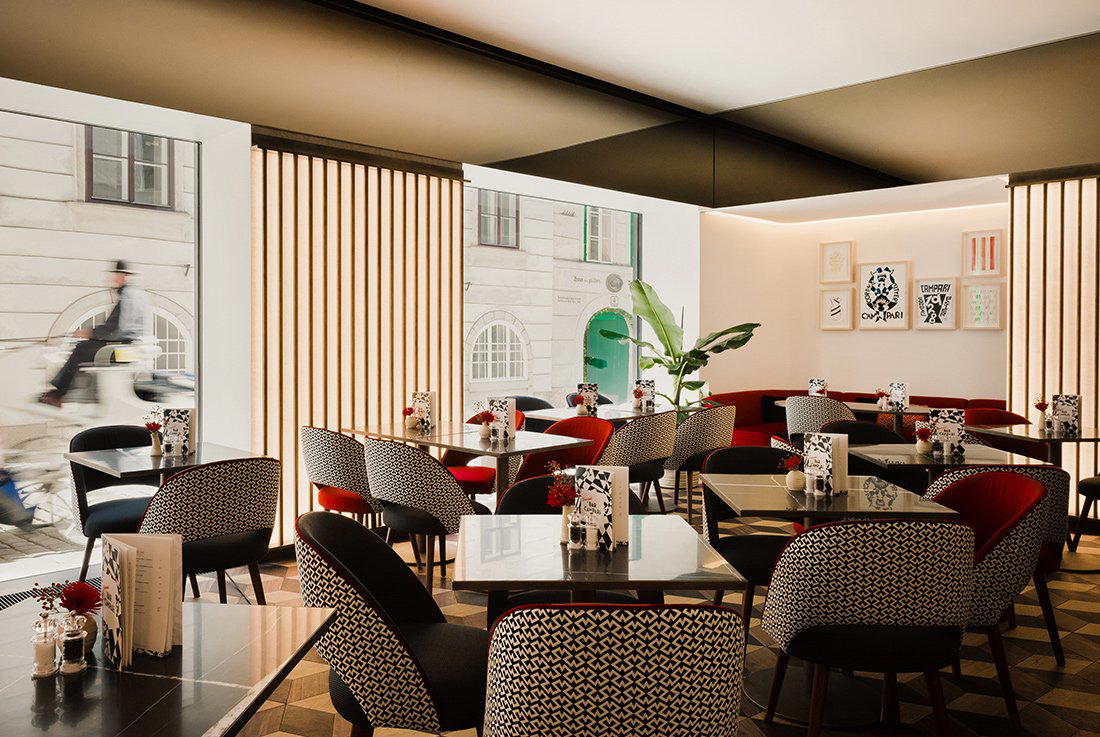
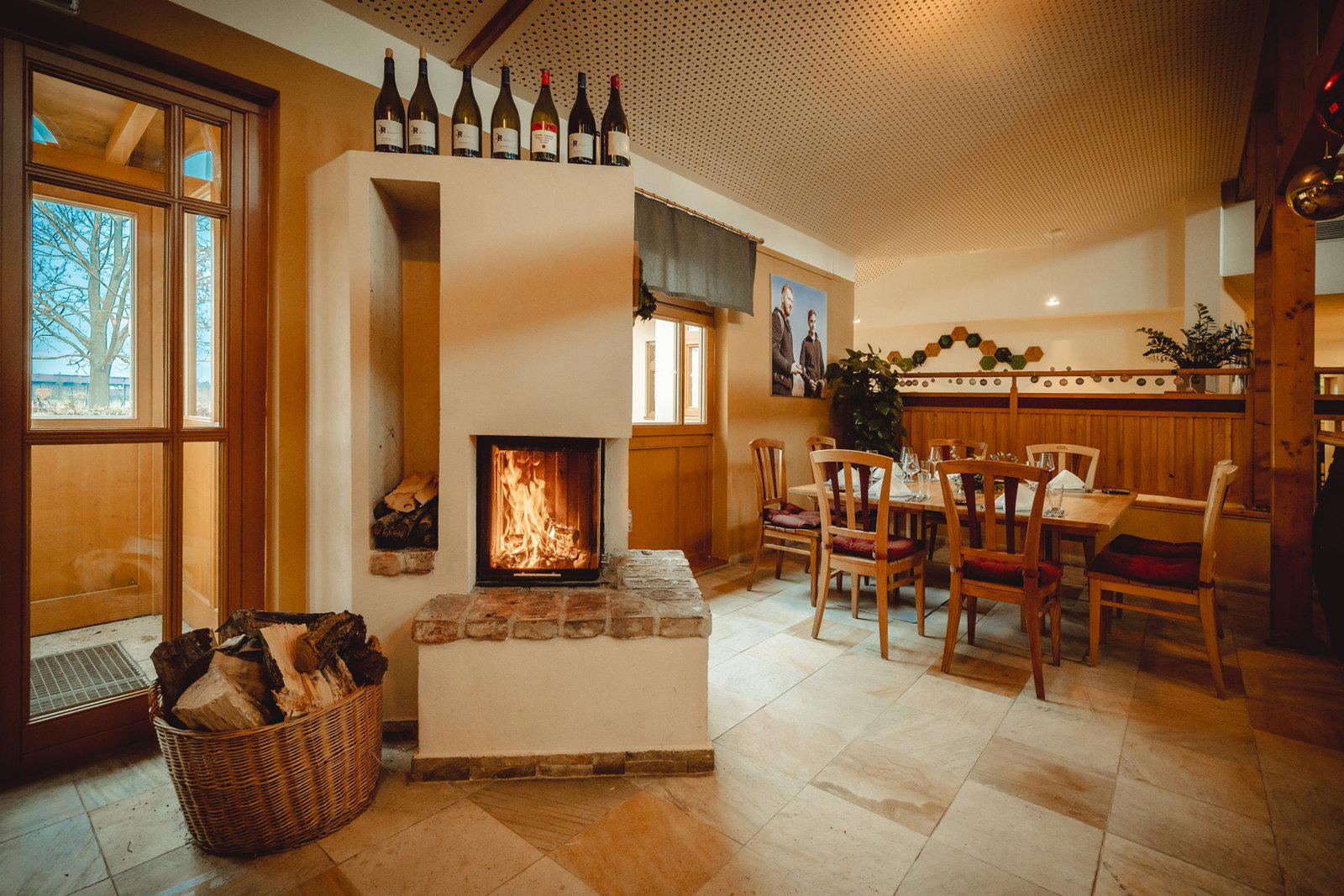
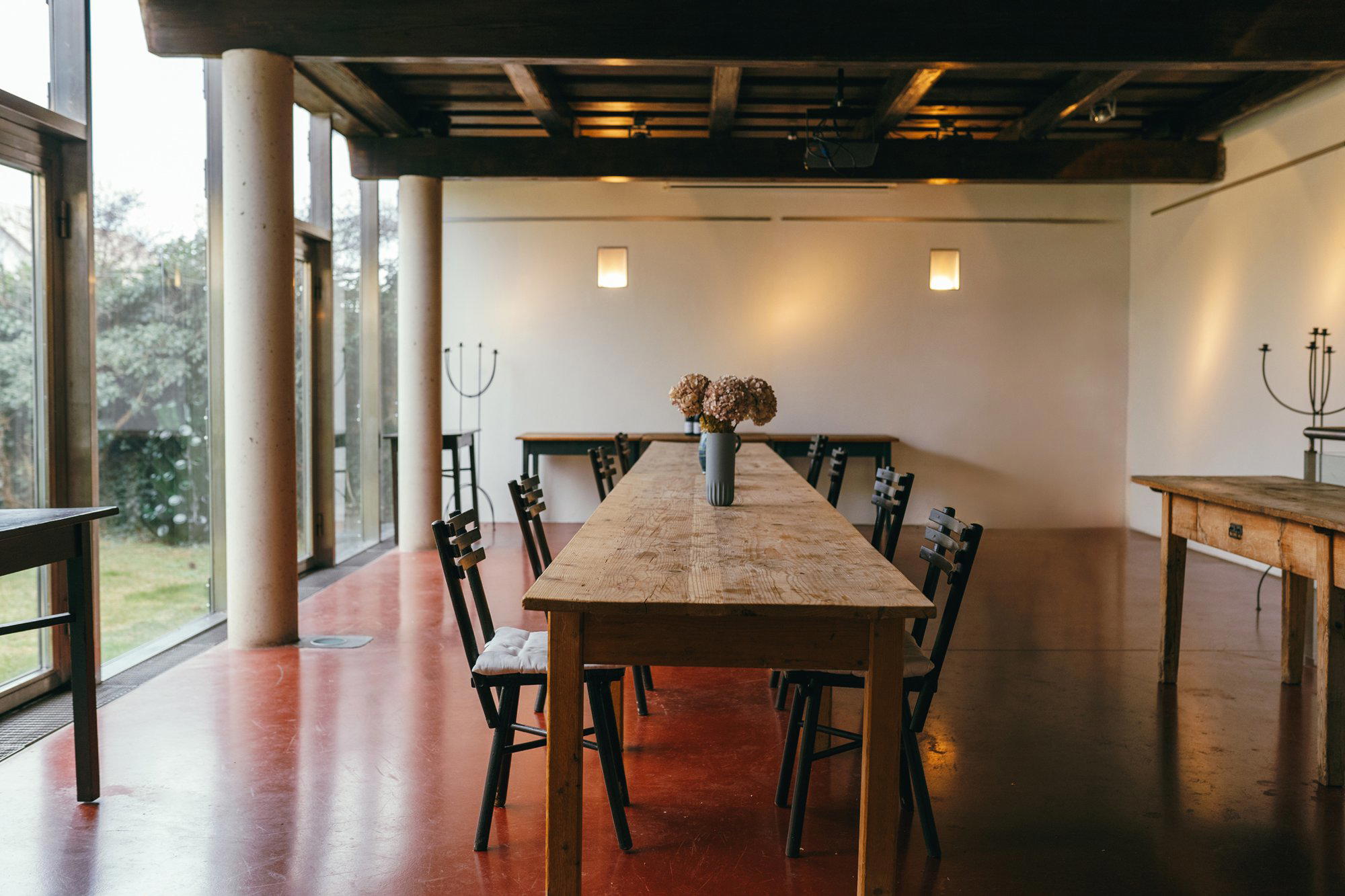
Cozy and warm atmosphere with elegant, timeless decor appropriate for the central location, providing a relaxed and traditional Greek dining experience.
Know Before You Go
- Getting there
- Spiegelgasse 10, 1010 Wien, Austria