
Tabelog 100 #83
Our verdict
Kyoto’s ramen culture is not confined to the city-center queue. Ore no Ramen Appare Ya sits in Joyo, south of central Kyoto, where a car-led location, counter format, Tabelog Ramen WEST 100 recognition, and ramen-tsukemen focus place it in a different rhythm from station-area bowls built for quick turnover.

Pearl is the En Primeur Club membership app, where members save venues, book tables and use the concierge.
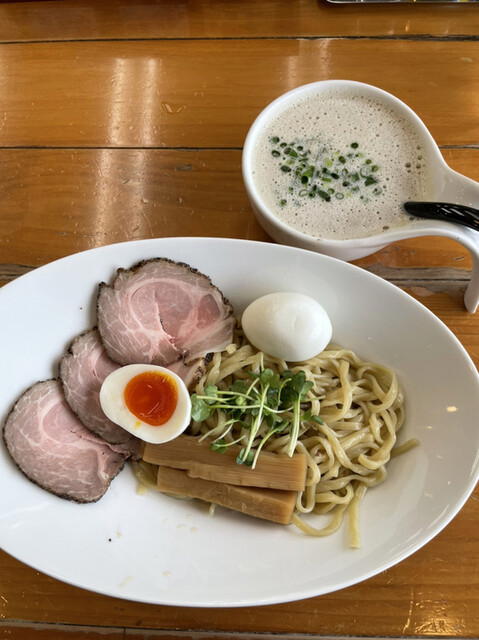
As Kyoto thins out beyond the most familiar visitor routes, ramen changes. This is not only temple lanes, department-store basements, or compact dining alleys; a serious bowl can demand planning, transport patience, and queue rituals. Ore no Ramen Appare Ya belongs to the ramen tradition where the trip filters the audience: diners are not browsing between sightseeing stops, but arriving with intent.
That intent is supported by one of Japan’s useful ramen signals. The shop was selected for Tabelog Hyakumeiten in 2025. In a category where national fame can arrive through social media before consistency is proven, Hyakumeiten recognition is a meaningful specialist marker. It places the restaurant in Kyoto’s ramen conversation, not simply the city’s broader casual lunch field.
Kyoto ramen, not downtown-only Kyoto ramen
Central Kyoto rewards compact movement: market grazing, reservation dining, counter meals, and quick detours from major rail lines. A more purposeful Kyoto ramen stop asks whether a meal is worth building time around when the reward is not a view, kaiseki room, or hotel dining room, but a bowl. In Japanese ramen culture, the answer is often yes, especially when the audience is regulars and ramen-focused travelers.
The format reinforces that. Ramen and tsukemen are the core categories, in a direct shop setting rather than a lounge-like one. Attention stays on pace, bowl construction, and turnover, not the long-form performance of fine dining. Compared with Kyoto peers such as Menya Takei Honten, also part of the ramen and tsukemen conversation, this belongs to the same discussion about destination noodles: affordable by luxury-travel standards, but demanding in time and logistics.
It also complicates the usual Kyoto food itinerary. A visitor can eat beautifully for days in the center without seeing how much of the city’s strongest casual food culture lives beyond the postcard core. Tea rooms, bakeries, soba shops with local gravity, and ramen counters all belong to that wider map. Ore no Ramen Appare Ya pulls Kyoto dining away from atmosphere-first consumption and back toward a Japanese truth: some of the most serious casual meals happen in ordinary places that require intention.
A focused shop with destination logic
Ramen shops do not need elaborate rooms to create a following; a focused format can sharpen the experience because the meal runs on sequence, not leisure. Here, the draw is not luxury staging but a specialist noodle stop with a clear category identity. That scale of ambition can move quickly, but timing still matters for travelers who are building a Kyoto day around a specific meal.
The food category is direct. Ramen and tsukemen place the restaurant in the branch of Japanese noodle culture where broth, noodle texture, dipping concentration, and serving temperature carry the argument. Tsukemen especially rewards shops that manage contrast: noodles served separately, broth strong enough to cling, and pacing that keeps the meal from feeling heavy before it feels complete. No single dish needs mythologizing. The appeal is narrow-category discipline, visible enough to earn recognition in a crowded field.
That is why the Tabelog score, listed at 3.72, should be read carefully. On Tabelog, high-3 scores can indicate serious local consensus, especially where users compare many similar shops. This is not a Michelin-style signal and should not be treated like one; it is a sign that a specialist audience has paid attention.
For travelers comparing Kyoto categories, this differs from polished dining rooms, contemporary city restaurants, or compact urban stops elsewhere in Kyoto. It is closer in spirit to the everyday Kyoto that values repetition, queue discipline, and a narrow specialty over ceremony.
How to fit it into a Kyoto food trip
The practical case is simple: this is a purposeful detour, not a filler meal. It is in Kyoto, and the best plan is to treat it as a meal that deserves its own timing rather than something to improvise between appointments. For visitors, the point is less scenic convenience than understanding how a ramen shop can become a destination through focus.
Payment and logistics should be approached with the usual caution for small specialist ramen shops. Average spend sits in the low ramen band, with Tabelog listing JPY 1,000 - JPY 1,999, so the luxury is not price but time allocation. A traveler staying centrally may find more conventional convenience from other Kyoto dining. A traveler who wants to understand regional noodle obsession outside the hotel-and-temple circuit should make space for Ore no Ramen Appare Ya.
The strongest use is as part of a wider Kyoto day, not a rushed standalone dash. That context makes the distance intentional and places the restaurant in conversation with Kyoto beyond the most curated visitor routes, where everyday dining is less staged for tourists and more accountable to repeat local attention.
For broader planning, compare it against Our full Kyoto restaurants guide, then build the rest of the trip through Our full Kyoto hotels guide, Our full Kyoto bars guide, Our full Kyoto wineries guide, and Our full Kyoto experiences guide. For readers mapping casual Japanese dining beyond Kyoto, EP Club also covers other dining destinations generically across Japan and abroad.
Frequently asked questions
Would Ore no Ramen Appare Ya be comfortable with kids?
Ore no Ramen Appare Ya is a ramen and tsukemen shop with pricing listed at JPY 1,000 - JPY 1,999. Families should treat it like a focused casual noodle stop and plan around the shop’s format on the day.
Is Ore no Ramen Appare Ya better for a quiet night or a lively one?
It is better understood as a focused ramen and tsukemen meal than a lively social outing. The Tabelog Hyakumeiten 2025 recognition gives it credibility, but the appeal is specialist and compact rather than ceremonial.
What price level is Ore no Ramen Appare Ya?
Pricing at Ore no Ramen Appare Ya is listed as JPY 1,000 - JPY 1,999.
Where exactly is Ore no Ramen Appare Ya?
Kyoto.
Do they take walk-ins at Ore no Ramen Appare Ya?
Plan as you would for a recognized specialist ramen shop: demand can be steady, and the Tabelog Hyakumeiten 2025 profile makes timing important. Check current operating details before going.
Just the Basics
Nearby venues at a similar price tier for orientation.
| Venue | Cuisine | Price | Awards | Notes |
|---|---|---|---|---|
| Ore no Ramen Appare YaThis venue (the venue you are viewing) | Japanese Ramen | $10–20 | Tabelog 100 #83 | Not listed |
| Menya Takei Honten | Japanese Tsukemen / Ramen | $10–20 | Tabelog 100 #77 | JPY 1,000 - JPY 1,999 JPY 1,000 - JPY 1,999 View spending breakdown |
| Seikou Udoku | Not listed | Not listed | Not listed | JPY 999 |
| Nakamura Tokichi Honten Uji honten | Japanese Tea House Café | $10–20 | Tabelog 100 #14 | JPY 2,000 - JPY 2,999 JPY 1,000 - JPY 1,999 |
| Mogu Mogu Bakery | Not listed | $1–10 | Tabelog 100 #78 | JPY 999 - JPY 999 |
| Shubaku | Japanese Soba | Not listed | Tabelog 100 #67 | JPY 1,000 - JPY 1,999 JPY 1,000 - JPY 1,999 View spending breakdown |
Recognition history
Dated appearances from independent guides and award organizations, with the underlying list record or original source where available.
Tabelog 100 #83 · No. 83
Tabelog · Tabelog 100 - Ramen - WEST - 2025
Continue exploring
More in Kyoto
Restaurants in Kyoto
All restaurants in Kyoto →
Bars in Kyoto
All bars in Kyoto →

Hotels in Kyoto
All hotels in Kyoto →
Wineries in Kyoto
Browse all →
Details
- Classic
- Cozy
- Rustic
- Solo
- Casual Hangout
- Group Dining
- Standalone
- Mountain
- Street Scene
- A La Carte
- Counter Dining
A modest, tucked-away ramen shop with a no-frills, destination feel; the atmosphere is quiet and utilitarian rather than polished or upscale.