Orangerie


Timmendorfer Strand's most decorated restaurant, Orangerie holds a Michelin star and 80 points in La Liste 2026, delivering classic French cooking under Chef Philippe Maurin at one of the Baltic coast's few addresses operating at this level. The €€€ price point places it comfortably below Germany's multi-star bracket while matching the seriousness of regional fine-dining peers.
Pearl is the En Primeur Club membership app — saves, bookings, and concierge access live there. Same editors, same standards.
- Address
- Strandallee 73, 23669 Timmendorfer Strand, Germany
- Phone
- +49 4503 6050
- Directions
- Get directions
 Saves & bookings on Pearl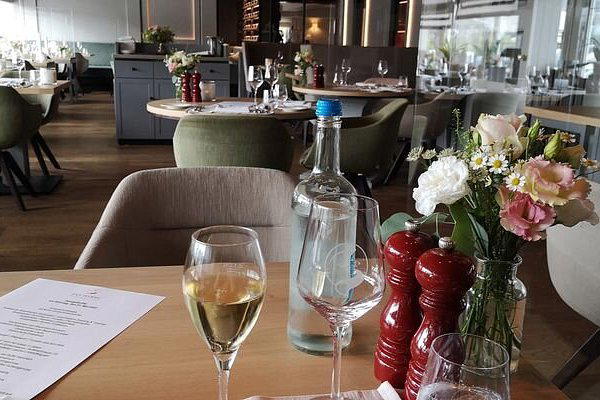
Classic French on the Baltic Shore
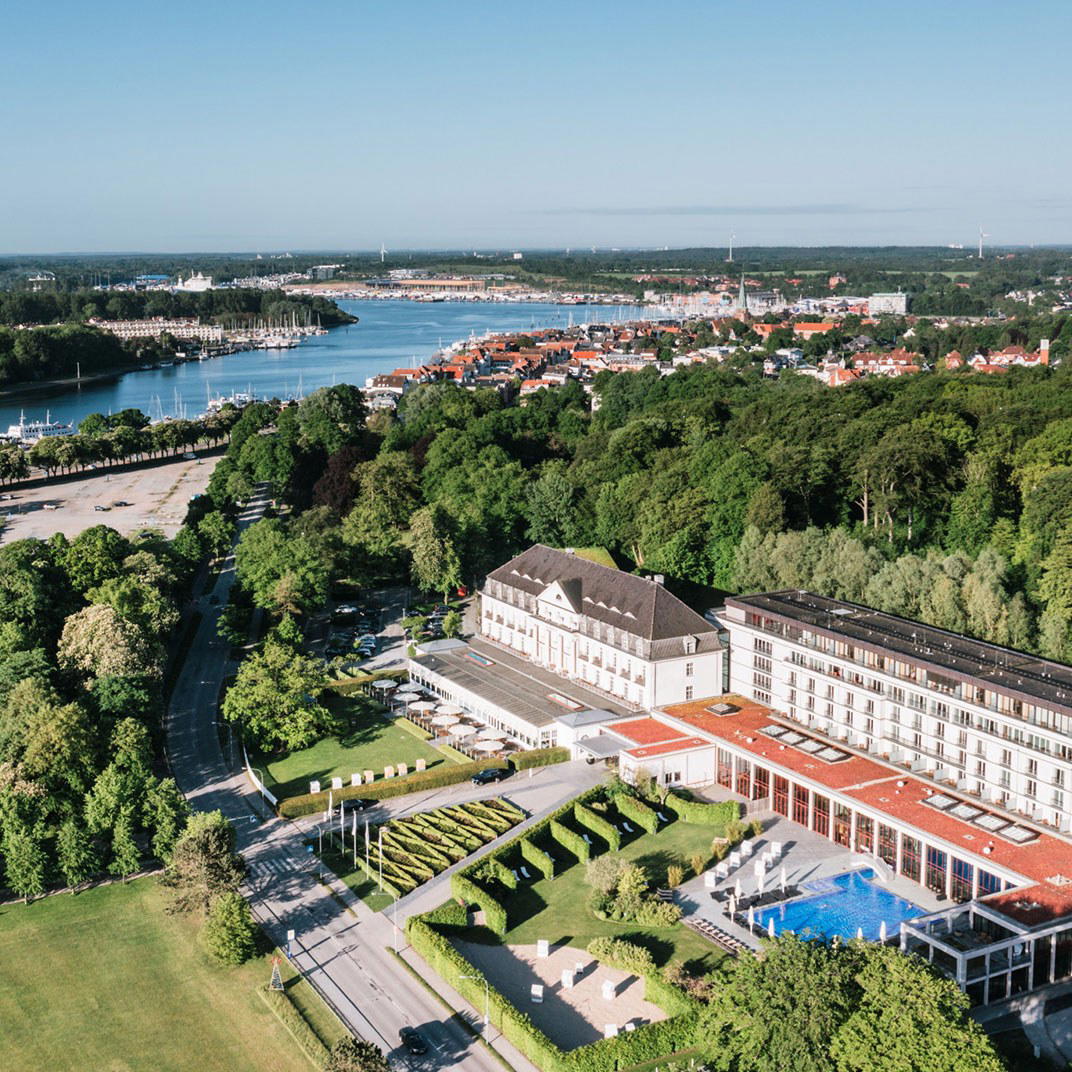
The Baltic coast of Schleswig-Holstein is not the first region most diners associate with classic French gastronomy. The shoreline towns here built their reputations on bracing sea air, white sand, and the kind of North German hospitality that values freshness and directness over elaboration. That makes Orangerie, at Strandallee 73 in Timmendorfer Strand, an arresting proposition: a Michelin-starred address applying the logic of classical French technique to a seaside resort town where the dining culture more typically runs toward smoked fish and Labskaus. The address sits on the Strandallee, the main promenade strip that faces the bay, and the approach carries the particular quality of Baltic light, wide and low in the afternoon, that distinguishes this coast from anything you'd find in southern Germany.
The French fine-dining tradition that Orangerie draws on has deep roots in Germany, even if its expressions are unevenly distributed across the country. Houses like Schwarzwaldstube in Baiersbronn and Vendôme in Bergisch Gladbach represent the upper tier of that tradition at the €€€€ bracket. Orangerie occupies a slightly different position: one Michelin star retained in both 2024 and 2025, 80 points in the La Liste Leading Restaurants 2026 ranking, and a €€€ price range that places it below the multi-star tier without signaling any corresponding drop in seriousness. For the Baltic coast specifically, that consistency is notable. This is not a region where Michelin stars accumulate easily, and holding one across consecutive years reflects kitchen discipline of a particular kind.
Terroir, Provenance, and the French Kitchen at the Sea
Classical French cooking carries its own internal logic of provenance, even when practiced far from France. The tradition insists on the quality of primary ingredients as the structural foundation of a dish: the fat of the butter, the breed behind the duck, the age and source of the cream. In coastal northern Germany, that logic encounters a genuinely distinct larder. The Baltic produces flatfish, herring, and crustaceans with a cold-water character that differs meaningfully from Atlantic or North Sea equivalents. Schleswig-Holstein's agricultural hinterland supplies lamb, poultry, and dairy shaped by the region's flat pasture and relatively cool growing conditions. A classical French kitchen operating here has the option to work against its environment, importing southern ingredients to maintain orthodoxy, or to work with it, finding the French grammar that leading fits northern German vocabulary.
Chef Philippe Maurin leads the kitchen at Orangerie. The classical French framework he works within, rather than any single personal narrative, is what orients the experience. That framework, at its most disciplined, demands that technique serve the ingredient rather than override it, and that the sourcing decisions behind each course carry as much weight as the cooking method. For a region with the Baltic immediately offshore and one of Germany's most productive agricultural zones extending inland, the potential for genuine provenance-led cooking within a French structure is considerable.
Where Orangerie Sits in the German Fine-Dining Picture
Germany's Michelin-starred restaurants cluster heavily in cities and in specific regional corridors: Baden-Württemberg, Bavaria, the Rhine-Mosel valley. One-star addresses in northern coastal resort towns occupy a smaller, less populated category. The peer comparison is instructive. Restaurant Haerlin in Hamburg, roughly an hour southwest along the A1, operates at a higher bracket. JAN in Munich and ES:SENZ in Grassau represent the Bavarian fine-dining axis. Further afield, Aqua in Wolfsburg and CODA Dessert Dining in Berlin illustrate the creative end of the German spectrum. Orangerie doesn't compete in any of those registers. Its competitive set is narrower and geographically specific: it is the serious option on a stretch of coastline that does not produce many of them, and its La Liste score of 80 points situates it in a credible international frame of reference for classic French cooking.
That La Liste recognition matters here because the list's methodology weights classical tradition more explicitly than Michelin's framework does. An 80-point score in the 2026 edition, alongside a Michelin star, positions Orangerie as an address taken seriously by two separate critical frameworks with different evaluative priorities. For classic French in the €€€ tier, that dual recognition is a meaningful signal. Compare it to the broader European picture: Waterside Inn in Bray and Cheval Blanc by Peter Knogl in Basel represent classic French at the three-star level. Orangerie is not playing at that altitude, but the tradition it draws on is the same one, and the consistency of its recognition over successive years argues for genuine kitchen stability.
The Experience and What to Expect
Timmendorfer Strand operates as a resort town, which means the seasonal rhythm of the place matters more than it would in a city. Booking ahead is advisable, particularly in the warmer months when the Strandallee fills with visitors from Hamburg and further afield. The €€€ price position means the bill will read in the range typical of serious one-star addresses rather than the higher outlay required at the country's most expensive kitchens: a meaningful distinction when the alternative in this town is a much more casual register.
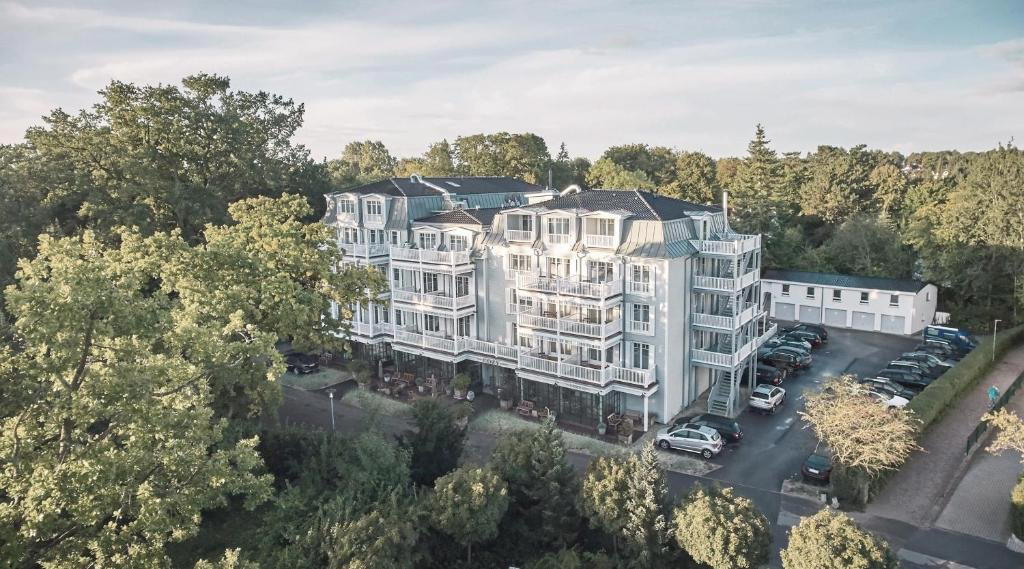
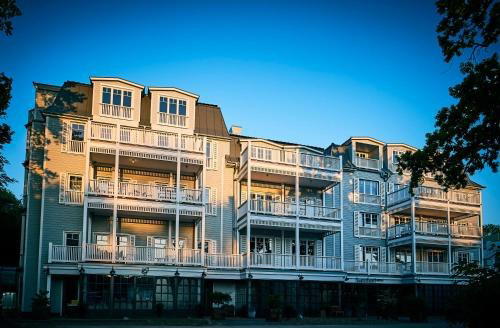
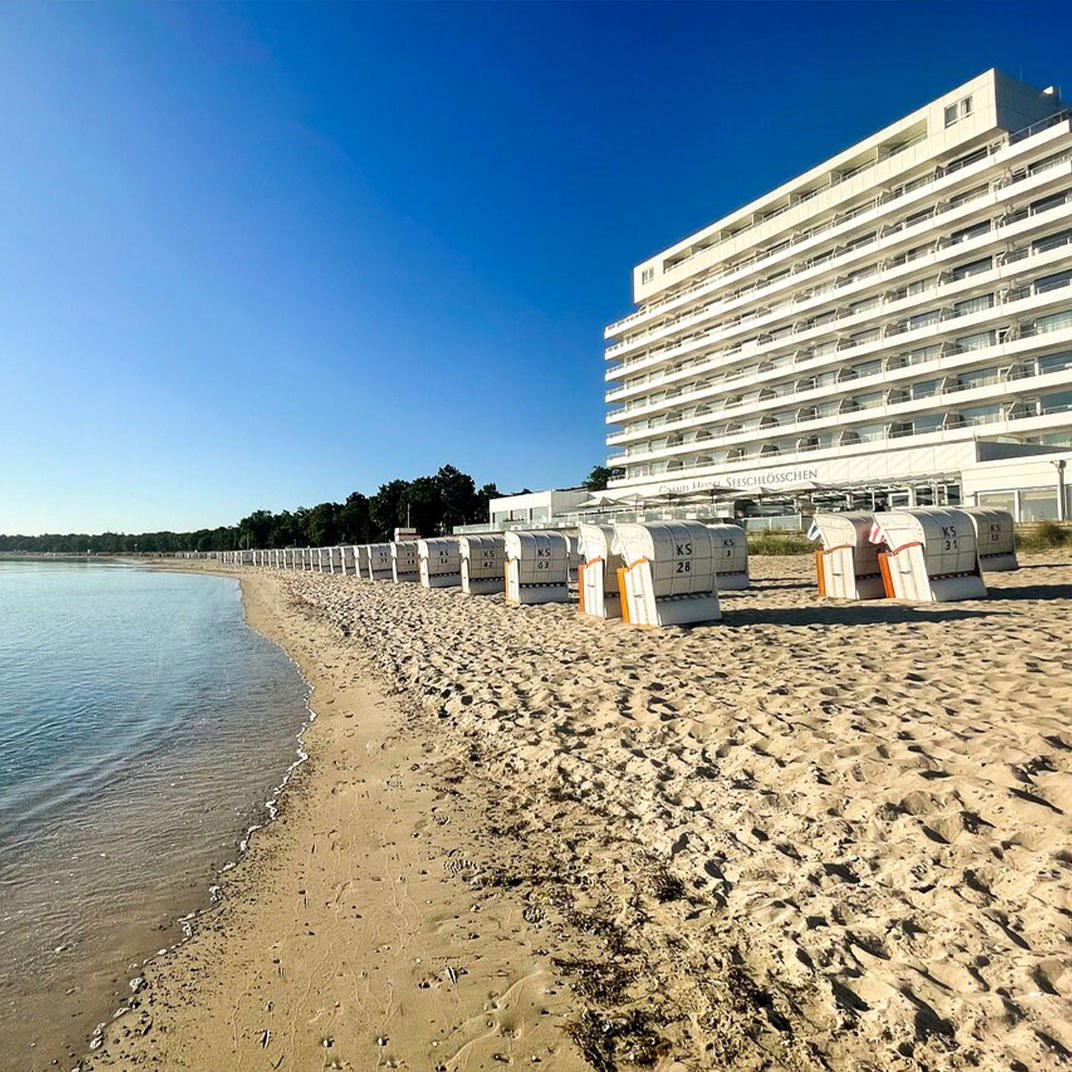
The atmosphere on the Strandallee carries the particular quality of a German seaside resort that has been taken seriously since the nineteenth century. Timmendorfer Strand was established as a Baltic spa destination for Hamburg's bourgeoisie, and that history shapes the architectural fabric and the expectation of a certain quality of leisure. Orangerie fits that context: formal enough to signal occasion, positioned in a location where the sea is present as backdrop even when it isn't visible from the table. For diners accustomed to the compressed intensity of city fine dining, the resort setting offers a different rhythm. The transition from a Baltic afternoon walk to a French tasting menu carries its own internal logic.
For those building a broader stay around the meal, the town and surrounding area are worth exploring properly. See our full Timmendorfer Strand hotels guide for accommodation options that match the register of an Orangerie dinner.
Further afield in the German fine-dining circuit, those interested in the classic French tradition at different price points and star levels will find Waldhotel Sonnora in Dreis, Schanz in Piesport, Bagatelle in Trier, and Victor's Fine Dining by Christian Bau in Perl worth placing in the same broader conversation about French-influenced fine dining in Germany's western and southern reaches.
Planning Your Visit
Orangerie is at Strandallee 73, 23669 Timmendorfer Strand. The town is accessible by train from Hamburg, making it a viable day trip for Hamburg-based visitors or a natural stop on a longer Baltic itinerary. The €€€ price range signals a serious dinner commitment rather than a casual meal. Given the Michelin star and La Liste recognition, reserving a table in advance is the practical approach, particularly in the peak summer season when the town's visitor numbers are at their highest and the restaurant's capacity will be under more pressure.
In Context: Similar Options
Comparable venues nearby, for context on price, style, and recognition.
| Venue | Cuisine | Price | Awards | Notes |
|---|---|---|---|---|
| OrangerieThis venue — the venue you are viewing | Classic French Fine Dining | $$$$ | Michelin 1 Star | Not listed |
| HORIZONT | Nordic Seafood with Asian Fusion | $$$ | Not listed | Timmendorfer Strand |
| Atlantic Restaurant | Modern French Fine Dining | $$$$ | Michelin 1 Star | St. Georg |
| GLORIE | Modern French-German Classics | $$$$ | Michelin 1 Star | Elbbrucken |
| Piment | French with Moroccan Influences | $$$$ | Michelin 1 Star | Anscharhoehe |
| HILMAR | Contemporary French Fine Dining | $$$$ | Michelin 1 Star | Aerzen |
Recognition history
Dated appearances from independent guides and award organizations, with the underlying list record or original source where available.
La Liste Top Restaurants
La Liste
Michelin 1 Star
Michelin
Michelin 1 Star
Michelin
Michelin 1 Star
Michelin
Continue exploring
More in Timmendorfer Strand
Restaurants in Timmendorfer Strand
Browse all →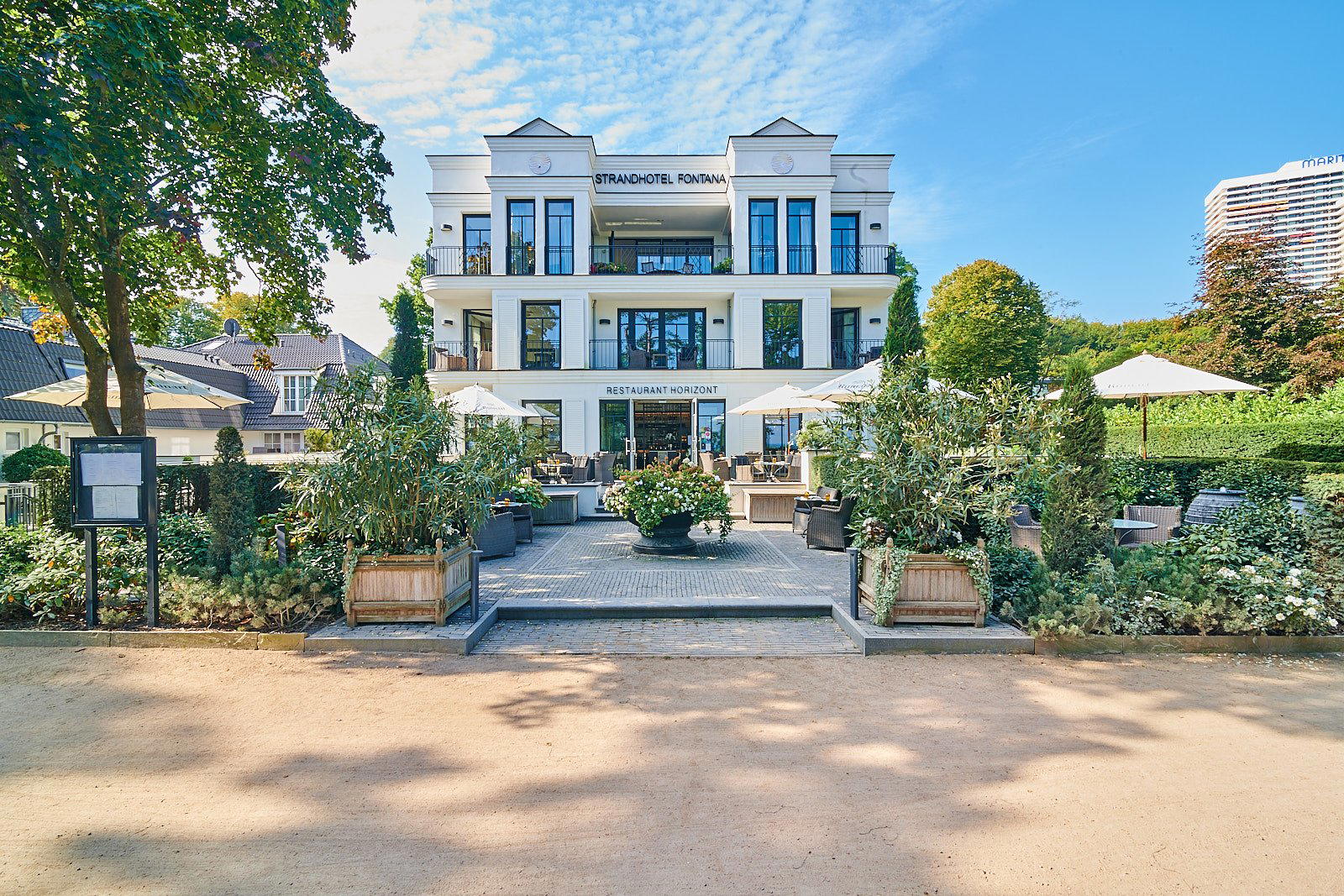
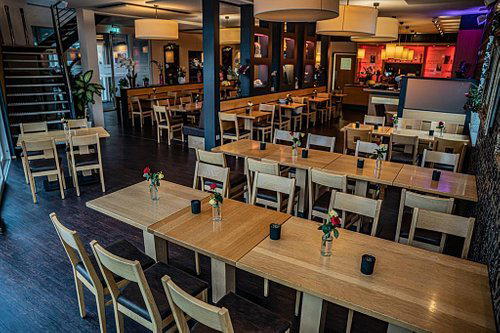
Bars in Timmendorfer Strand
Browse all →
At a Glance
- Elegant
- Sophisticated
- Romantic
- Classic
- Date Night
- Special Occasion
- Terrace
- Hotel Restaurant
- Extensive Wine List
- Sommelier Led
- Local Sourcing
- Street Scene
Current opening hours
- Monday
- Closed
- Tuesday
- Closed
- Wednesday
- 6:30–10 PM
- Thursday
- 6:30–10 PM
- Friday
- 6:30–10 PM
- Saturday
- 6:30–10 PM
- Sunday
- 6:30–10 PM
Hours can change for holidays and private events. Last verified .
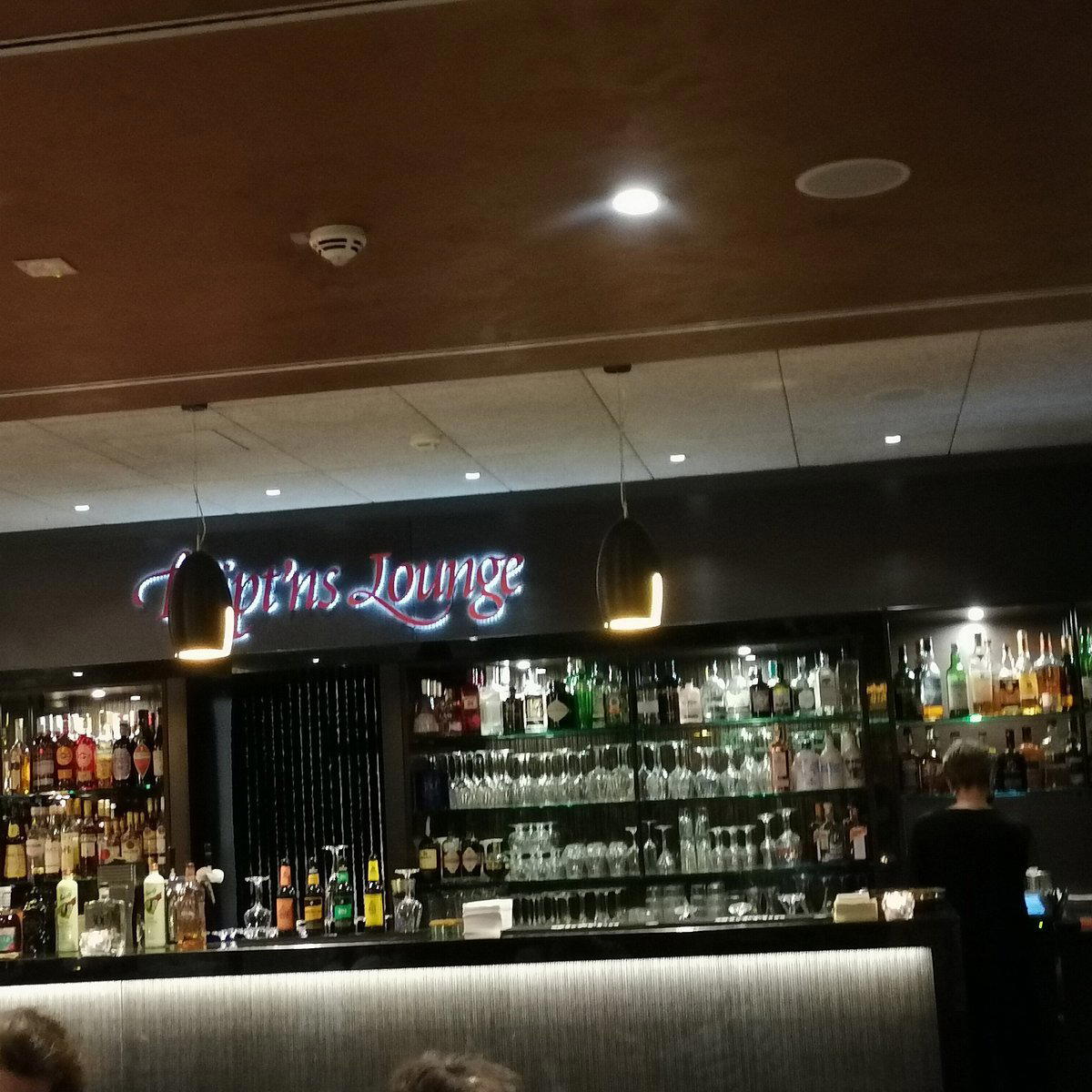
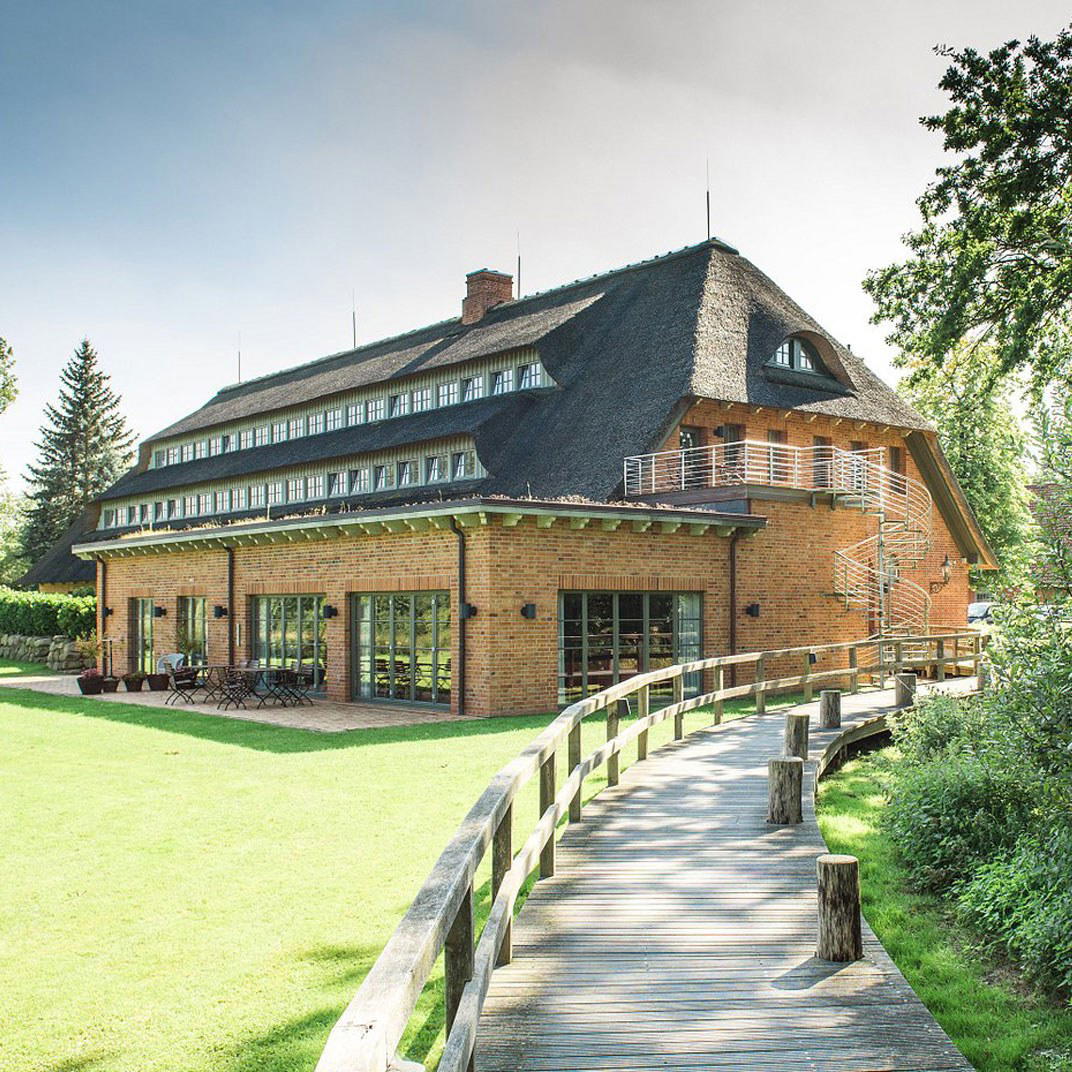
Refined and elegant with traditional decor, warm lighting, and a professional yet welcoming atmosphere.