
1 Michelin Key
A renovated country estate set across 12 buildings in the lake-dotted Wagria countryside of Schleswig-Holstein, Hotel Gut Immenhof offers 50 rooms at around $191 per night. The property is as well known for its equestrian facilities as for its farmstead character, with a local store, ponies on site, and no two guest rooms sharing the same layout.

Pearl is the En Primeur Club membership app — saves, bookings, and concierge access live there. Same editors, same standards.
- Address
- Rothensande 1, 23714 Malente
- Phone
- +49 4523 88280
- Website
- gut-immenhof.de
- Directions
- Get directions
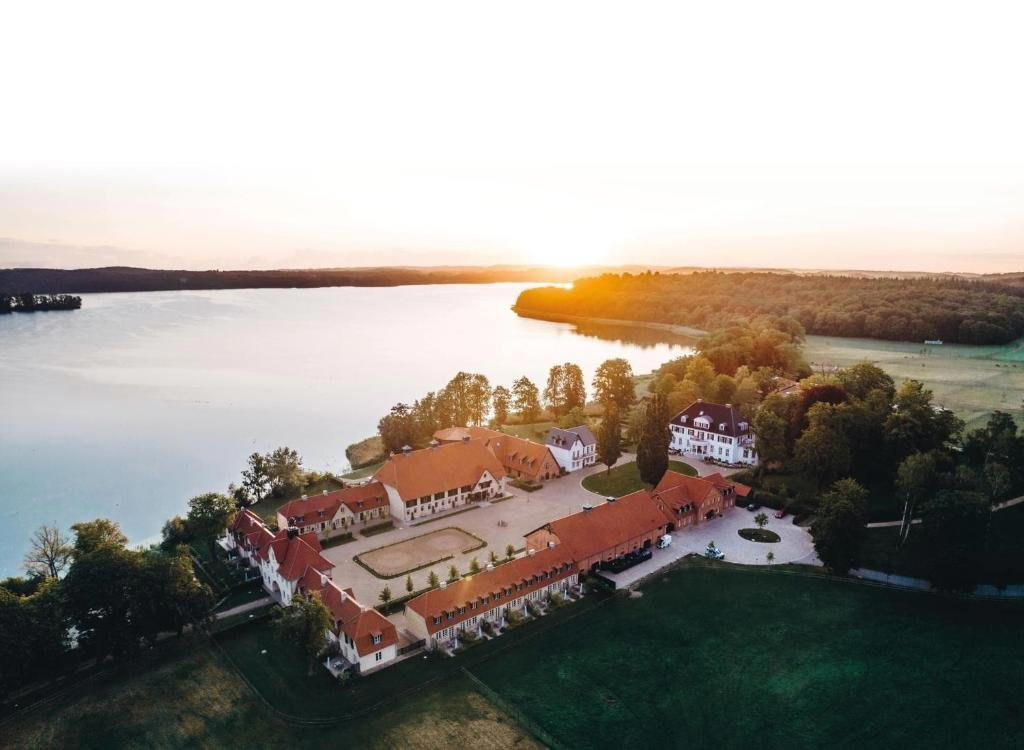
Where the Wagria Countryside Sets the Agenda
Arriving at Rothensande 1, the approach tells you immediately what kind of property this is. Twelve buildings spread across the Wagria countryside outside Malente, the cluster of structures forming a working estate rather than a resort that has imported countryside signifiers from elsewhere. Lakes lie nearby, wildflowers appear in season, and the land itself is the organizing principle of the stay. That spatial logic, where the landscape shapes the rhythm of the visit rather than the interiors, places Hotel Gut Immenhof in a small category of German rural hotels that read as genuine country estates rather than countryside-themed hotels.
The Wagria peninsula, tucked into the eastern corner of Schleswig-Holstein between the Baltic coast and the Holstein lakes, has historically flown well below the radar of international travel writing. For context on the broader German countryside hotel category, properties like Gut Steinbach Hotel Chalets Spa in Reit im Winkl and Das Kranzbach Hotel & Wellness Retreat in Kranzbach operate from a similar premise of integrating landscape with lodging, though in the Alpine south rather than the lake-heavy north.
Twelve Buildings, One Estate Logic
The architectural character of Hotel Gut Immenhof is worth examining closely, because it represents a design decision that has meaningful implications for how a stay feels. Rather than consolidating the property into a single main building with annexes, the estate is distributed across 12 structures. That decision, whether inherited from the original estate layout or deliberately maintained through renovation, produces a guest experience where movement between spaces is part of the daily pattern. You are not moving through corridors; you are moving across a property that happens to have corridors between its buildings replaced by courtyards, paths, and outdoor air.
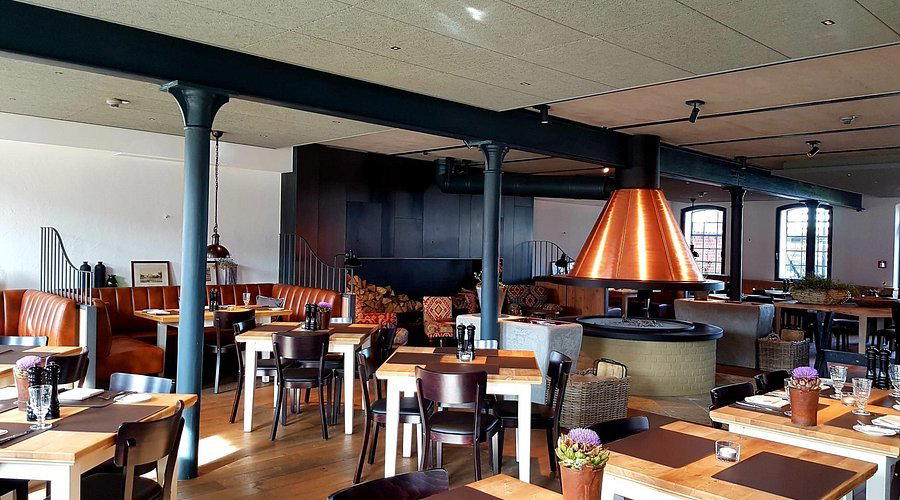
Renovation has brought fresh color schemes and warm lighting to the interiors while preserving the estate's overarching unity. The design approach echoes what has become a recognizable strand of German country hotel thinking: use the inherited bones of a historic agricultural property, update finishes and fixtures to a contemporary comfort standard, and let the architecture's age be legible rather than concealed. At 50 rooms, the property sits at a scale that supports genuine estate character without tipping into resort anonymity. For comparison, larger-footprint German properties like the Fairmont Hotel Vier Jahreszeiten in Hamburg or Mandarin Oriental Munich operate in a fundamentally different register, where scale and city-hotel services define the proposition. Gut Immenhof's 50-room count keeps it closer in spirit to properties like Hotel Ketschauer Hof in Deidesheim or Villa Contessa in Bad Saarow, both of which operate boutique-scale estate or manor propositions in regions that reward deliberate, off-the-beaten-track visits.
No Two Rooms the Same
50 rooms across the estate are individually configured, no two identical. That is worth stating as a logistical fact rather than a decorative claim. In multi-building estates, the room variation is often a byproduct of adapting different structures into accommodation rather than a deliberate design strategy, but the result is the same: guests choosing between rooms are making a genuine choice rather than selecting between differently numbered versions of the same template. Fresh color schemes and warm lighting create continuity across the variation, which prevents the property from feeling incoherent while preserving the individual character of each space. At a nightly rate around $191, Gut Immenhof sits at a price point that undercuts most comparable German country estate properties by a meaningful margin, which partly explains why the property has maintained its following among guests who know the region.
For those comparing the northern German countryside hotel tier, Weissenhaus Private Nature Luxury Resort and BUDERSAND Hotel in Hörnum occupy the premium end of Schleswig-Holstein hospitality, both positioned at higher price points with correspondingly intensive service and amenity offerings. Gut Immenhof's positioning is deliberately different: lower intensity, lower price, and a stronger emphasis on the estate's own character as the primary attraction.
Equestrian Facilities and Farmstand Life
Two features at Hotel Gut Immenhof define its day-to-day character more than any interior detail. The equestrian facilities have been part of the estate's identity for many years, and they represent a genuine operational commitment rather than a decorative nod to countryside heritage. Ponies are on the property for younger guests, a detail that positions the hotel clearly in the family-with-children market without excluding guests traveling without children. The local store offering farmstand produce gives the property a domestic texture that most hotels in its price bracket either cannot or do not attempt. Buying something from a farmstand on hotel grounds is a different experience from using a spa or ordering room service, and it says something specific about the kind of stay the property is organized around.
This farmstead integration connects Gut Immenhof to a broader pattern in German rural hospitality, where properties that have maintained working or semi-working estate functions tend to develop a more grounded guest experience than those that have converted fully to leisure use. The Wagria setting, with its lakes and seasonal wildflowers, reinforces that integration between property and land. See our full Malente restaurants guide for coverage of the surrounding area's dining options, which are not provided by the hotel itself in any documented form.
Planning Your Stay
Malente is reachable by train from Hamburg in under two hours, placing the property within practical range for a weekend stay from northern Germany's largest city. At around $191 per night across 50 rooms, the property is accessible relative to comparable estate formats elsewhere in Germany, including Schloss Elmau Luxury Spa Retreat & Cultural Hideaway in Elmau or Hotel Bareiss in Baiersbronn, which operate at significantly higher price points. Guests traveling with families will find the property's combination of ponies, open estate grounds, and farmstand produce more practically useful than the amenity lists of urban hotels like Excelsior Hotel Ernst in Cologne or Breidenbacher Hof in Düsseldorf. The multi-building layout means the experience is spread across the estate rather than concentrated in any single building, so guests should plan their stay with that in mind.
How It Stacks Up
Comparable venues nearby, for context on price, style, and recognition.
| Venue | Cuisine | Price | Awards | Notes |
|---|---|---|---|---|
| Hotel Gut ImmenhofThis venue — the venue you are viewing | Renovated country estate with equestrian focus | $300–500 | 1 Michelin Key | Not listed |
| me and all kiel | Contemporary boutique hotel with casual luxury positioning; part of Hyatt's JdV collection emphasizing personalized, locally-inspired experiences. | $100–200 | Michelin Selected | Kiel Inner Fjord / Kaistraße |
| me and all hotel Ulm | Modern urban lifestyle hotel blending old and new. | $100–200 | Michelin Selected | Bahnhofplatz |
| me and all hotel düsseldorf-oberkassel | Boutique design hotel with bold, local-inspired urban aesthetics | $100–200 | Michelin Selected | Oberkassel |
| me and all hotel düsseldorf | Japanese-inspired boutique urban hotel | $1–100 | Michelin Selected | Little Tokyo |
| HENRI Hotel Hamburg Downtown | Retro-chic boutique hotel blending vintage European townhouse aesthetics with modern comforts in a refurbished historic office building. | Not listed | Michelin Selected | Hamburg-Altstadt |
Recognition history
Dated appearances from independent guides and award organizations, with the underlying list record or original source where available.
Michelin 1 Key
Michelin
Full recognition history (2 entries)
Michelin 1 Key
Michelin
Continue exploring
More in Malente
Hotels in Malente
Browse all →
Bars in Malente
Browse all →
Restaurants in Malente
Browse all →

Details
- Romantic
- Cozy
- Rustic
- Scenic
- Quiet
- Family Vacation
- Romantic Getaway
- Wellness Retreat
- Weekend Escape
- Waterfront
- Garden
- Spa
- Sauna
- Fitness Center
- Restaurant
- Wi Fi
- Kids Club
- Garden
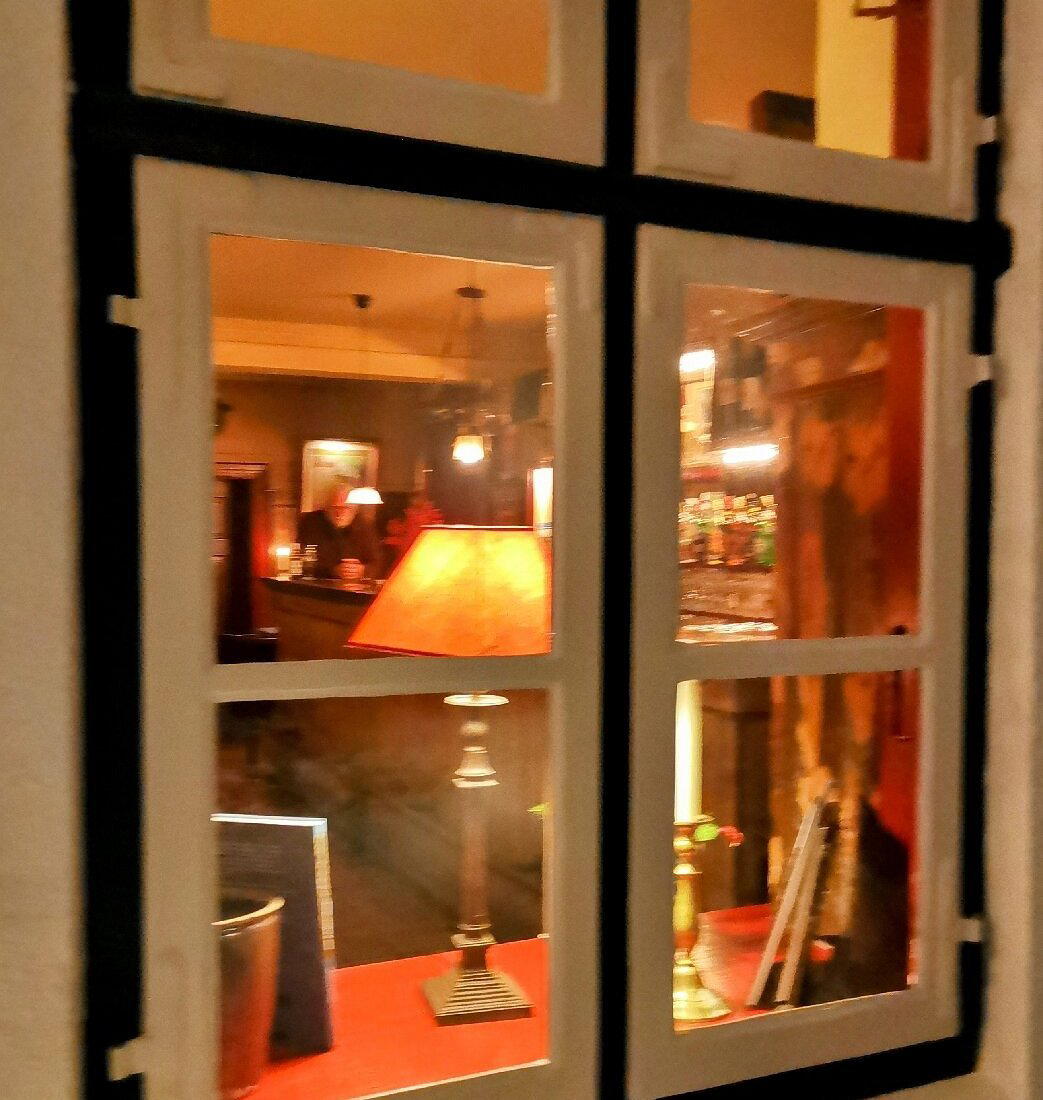
Peaceful and hospitable atmosphere with warm lighting, cozy modern-rustic interiors, and a tranquil lakeside retreat praised by guests.