Onism
Our verdict
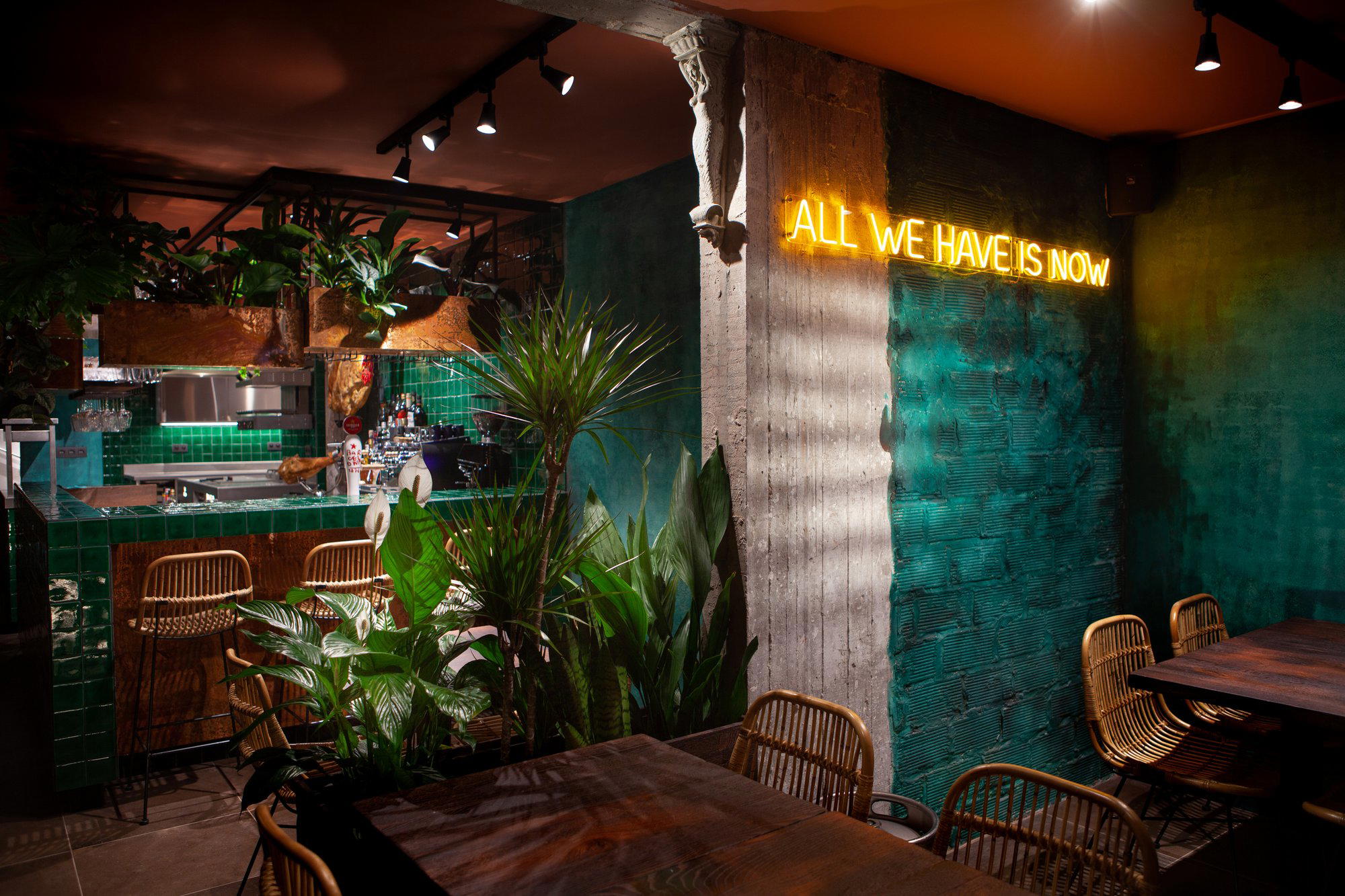
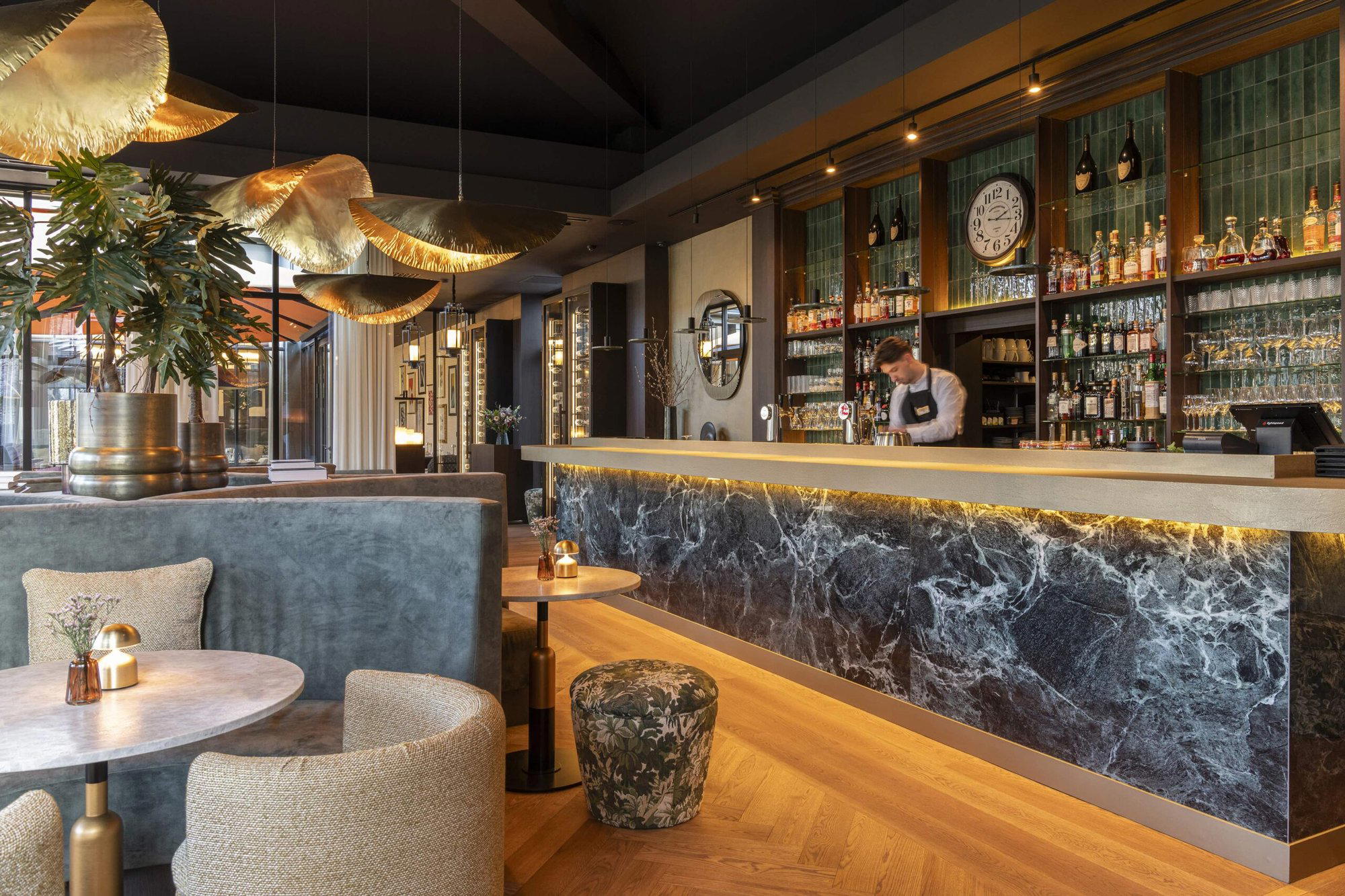
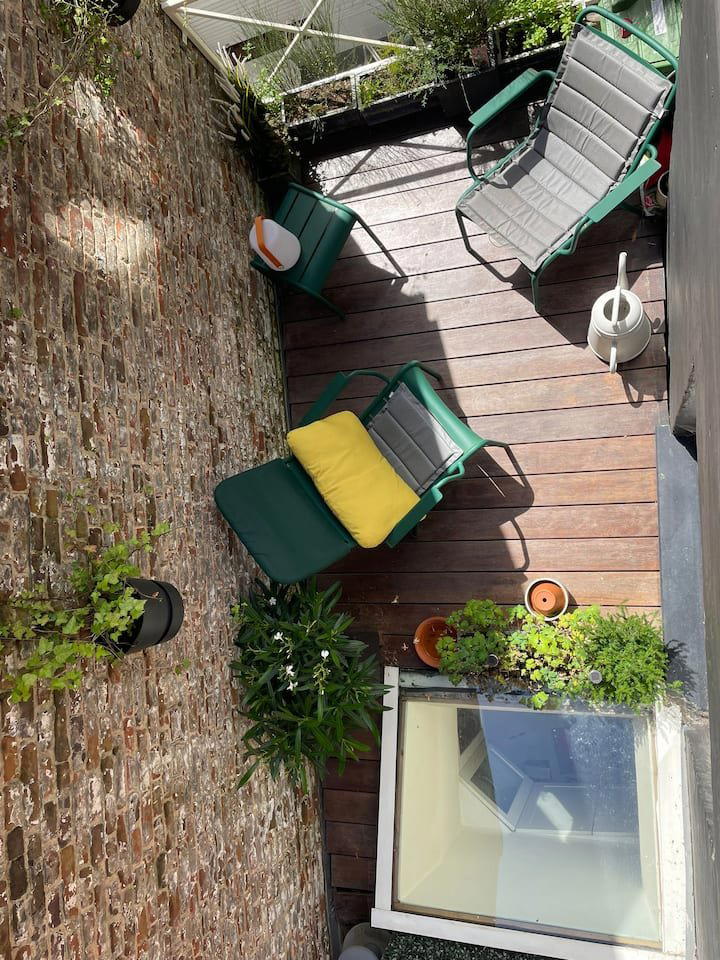
Onism serves Global Fusion Tapas for dinner in Blankenberge, with an extensive wine list, a terrace, and street-scene views that suit a leisurely, conversational evening.

Pearl is the En Primeur Club membership app — saves, bookings, and concierge access live there. Same editors, same standards.
- Address
- Graaf Jansdijk 5, 8370 Blankenberge, Belgium
- Phone
- +32468319104
- Hours
- Mon–Tue 6–9 PMWed–Thu ClosedFri–Sat 6–9 PMSun Closed
- Website
- onism.be
- Directions
- Get directions
- Booking
- Book on the venue's website
Where the Belgian Coast Meets a Quieter Kind of Ambition
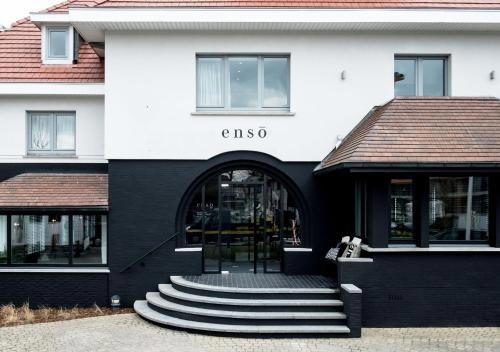
Blankenberge sits at an interesting juncture in Belgian coastal dining. The town has long been defined by its promenade, its weekend crowds from Ghent and Brussels, and a restaurant scene shaped largely by the rhythms of summer tourism. Walk the Graaf Jansdijk and you pass the full range: terrace brasseries pitched at the day-tripper trade, seafood houses leaning on the North Sea's proximity, and, less frequently, addresses that seem to be operating on a different register entirely. Onism, at number 5, belongs to the last category.
The address itself signals something about intent. Graaf Jansdijk runs parallel to the seafront but sits back from it, which in Blankenberge terms places a restaurant in a quieter orbit than the busiest promenade stretches. That physical positioning matters in a coastal town where foot traffic and sea views drive a significant portion of dining decisions. An address here suggests the kitchen is not competing on proximity to the beach.
The Cultural Weight of Coastal Belgian Cooking
To understand where a restaurant like Onism sits within Belgian dining culture, it helps to trace the tradition it is working inside. The Belgian coast has historically produced two distinct cooking registers. The first is the populist seafood brasserie model: moules-frites, garnaalkroketten, sole meunière, grilled plaice, all served in generous portions with beer and bread. This model thrives on volume and seasonal demand and constitutes the majority of what visitors eat between June and August.
The second register is less visible but has deeper roots in Belgian culinary identity. Flemish cooking, at its most considered, draws on a tradition of pairing North Sea produce with the kind of precise, technique-driven preparation that has made Belgian fine dining a serious force in European restaurant culture. Houses like Bartholomeus in Heist and Willem Hiele in Oudenburg both work in this second register, using coastal proximity not as a marketing shorthand but as a genuine sourcing framework. They have demonstrated that the area west of Bruges can sustain serious year-round kitchens, not just seasonal tourist operations. That context matters when reading any newer or less-documented address along this stretch of coast.
The broader Belgian fine dining scene anchors itself in institutions further inland: Hof van Cleve in Kruishoutem, Boury in Roeselare, Zilte in Antwerp. These carry the award weight that defines the country's reputation internationally. But the coastal corridor between De Panne and Zeebrugge has its own culinary logic, one tied more closely to tides and seasons than to city dining calendars.
Blankenberge's Dining Scene in 2024
Within Blankenberge itself, the dining options cluster into recognisable types. Oesterput focuses on oysters and shellfish in a format built around the raw bar tradition. Bistro De Boeie operates as a neighbourhood bistro with the kind of Belgian-French crossover menu that anchors midweek local trade. Cabo and Carrello occupy the casual end of the spectrum, while Ten Doele represents the town's more traditional brasserie offering. Onism does not fit neatly into any of these categories, which is either its strength or its challenge depending on what the kitchen is actually doing.
What the address and name suggest is deliberate positioning: the name itself references a philosophical concept (the awareness that every passerby is living a life as vivid and complex as one's own), which implies a certain intentionality in the project beyond direct seaside hospitality.
The Broader Context: Belgian Coastal Dining and Its Ambitions
The Belgian coast has historically struggled to retain serious kitchen talent outside of the summer months. The seasonal demand curve means that destination restaurants must either close for significant portions of the year or build a local clientele strong enough to sustain year-round operation. This is not a trivial problem. Addresses like Bartholomeus have solved it partly through Michelin recognition, which drives destination traffic from further afield. Without that kind of external validation pulling in visitors from Brussels, Antwerp, or abroad, coastal restaurants depend heavily on repeat trade from the region between Bruges and the coast.
This dynamic shapes what kind of cooking makes sense in Blankenberge. A kitchen that pitches itself at the serious end of the spectrum is making a bet on year-round relevance, which requires either strong local demand, destination appeal, or both. Internationally, the parallel would be something like the relationship between coastal Brittany restaurants and Parisian critics, or the way Le Bernardin in New York built a case for seafood as a serious fine dining register rather than a populist one. The cultural argument that coastal produce deserves precise, respectful cooking is one that has been made successfully in multiple markets. Whether Onism is advancing that argument in Blankenberge is, for now, something the kitchen will need to demonstrate over time.
For Belgian fine dining reference points further afield, Bozar Restaurant in Brussels, De Jonkman in Sint-Kruis, Castor in Beveren, L'air du temps in Liernu, and d'Eugénie à Emilie in Baudour all illustrate the depth of the country's restaurant culture outside its headline cities. Even internationally, venues like Atomix in New York demonstrate what deliberate, culturally grounded cooking looks like when a kitchen commits fully to its reference points. The question for any newer coastal address in Belgium is whether it can build that kind of conviction into a setting where the temptation to default to tourist-trade simplicity is considerable.
Planning a Visit
Onism is located at Graaf Jansdijk 5, 8370 Blankenberge. Blankenberge is accessible by direct train from Brussels, Ghent, and Bruges, with the Bruges connection typically running around fifteen minutes. The town is compact and walkable once you arrive, and the Graaf Jansdijk address is within easy reach of the station. Those exploring the wider Blankenberge dining scene can consult our full Blankenberge restaurants guide for updated options across price points and formats.
Frequently asked questions
How do I find Onism?
Onism is located at Graaf Jansdijk 5, 8370 Blankenberge, Belgium, Blankenberge.
What makes Onism worth seeking out?
Blankenberge's dining scene is dominated by brasseries built around summer tourist volume, making an address on Graaf Jansdijk that operates with a quieter, more focused approach comparatively rare. The town draws visitors from Ghent, Brussels, and Bruges, but the kitchen ambition on the coast rarely keeps pace with those inland cities. Onism appears to be working in a different register from that pattern.
Pricing, Compared
Comparable venues nearby, for context on price, style, and recognition.
| Venue | Cuisine | Price | Notes |
|---|---|---|---|
| OnismThis venue — the venue you are viewing | Global Fusion Tapas | Not listed | Not listed |
| Carrello | Modern Mexican Coastal | Not listed | Not listed |
| Bistro De Boeie | Classic Belgian Bistro | $30–50 | Centrum, Classic Belgian Bistro |
| Oesterput | Belgian Seafood | $30–50 | Blankenberge, Belgian Seafood |
| Cabo | Modern French-Belgian Brasserie | $30–50 | Marina, Modern French-Belgian Brasserie |
| Ten Doele | Traditional Belgian-French Cuisine | $50–100 | Blankenberge, Traditional Belgian-French Cuisine |
Continue exploring
More in Blankenberge
Restaurants in Blankenberge
Browse all →
Bars in Blankenberge
Browse all →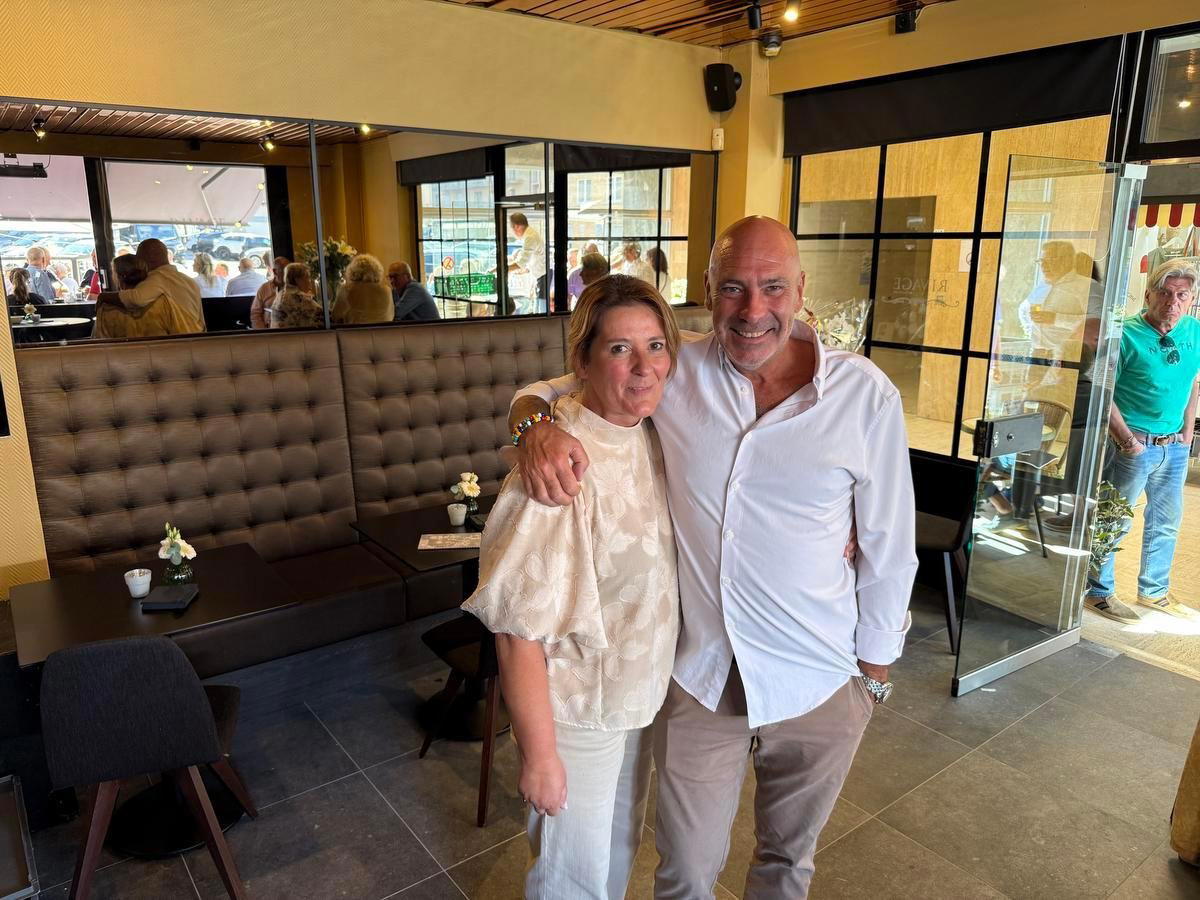
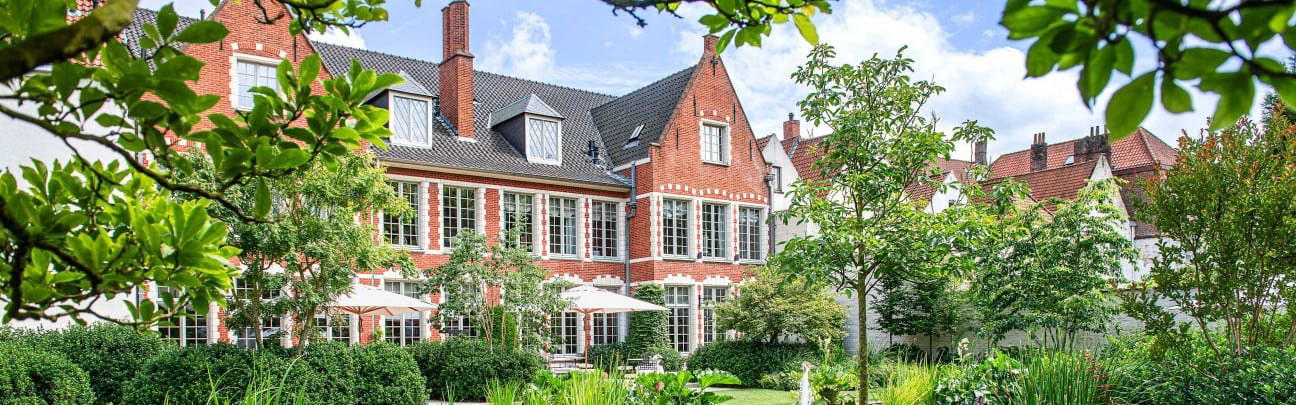
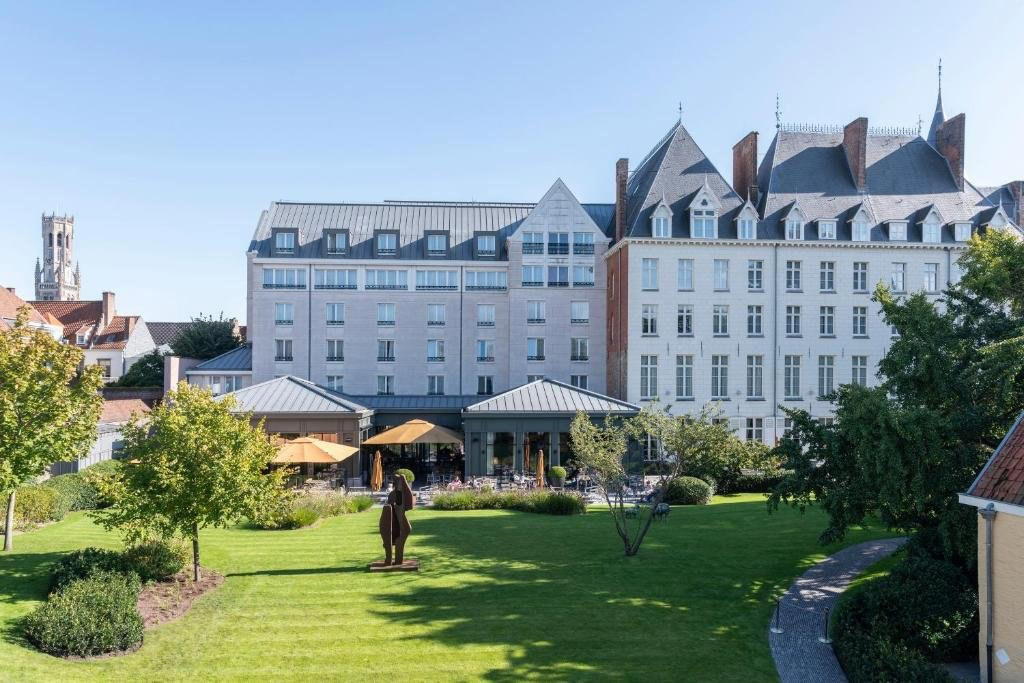
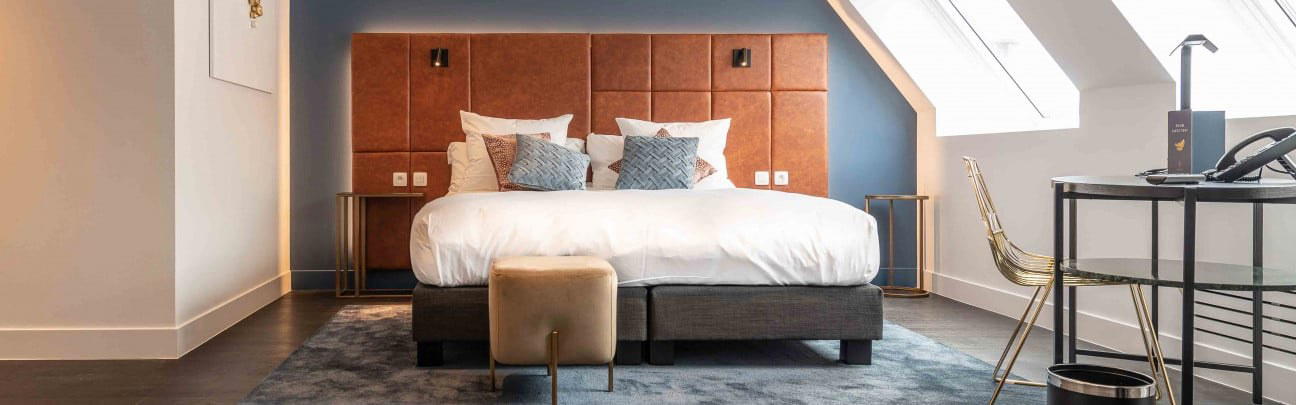
Onism
The wine
- Wine program
- Curated wine list
- Extensive wine list
Details
- Modern
- Trendy
- Cozy
- Date Night
- Special Occasion
- Terrace
- Extensive Wine List
- Street Scene
- Small Plates
- A La Carte
- Gluten Free Options
Current opening hours
- Monday
- 6–9 PM
- Tuesday
- 6–9 PM
- Wednesday
- Closed
- Thursday
- Closed
- Friday
- 6–9 PM
- Saturday
- 6–9 PM
- Sunday
- Closed
Hours can change for holidays and private events. Last verified .
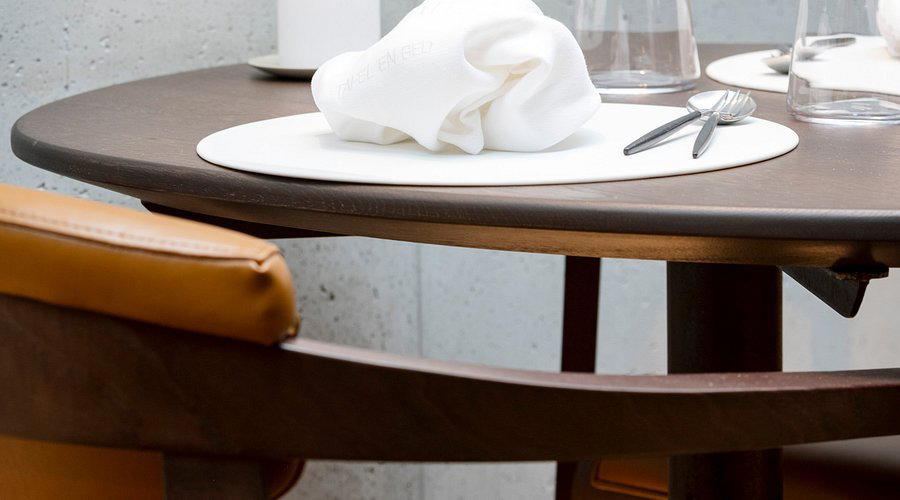
Warm contemporary interior with hip design and cosy terrace overlooking belle-époque houses.