Carrello
Carrello sits on Leopoldstraat in Blankenberge, a Belgian coastal town where the dining scene has quietly developed beyond its seaside-café reputation. The address places it within walking distance of the seafront and the town's compact restaurant strip, where a handful of independent kitchens compete for a clientele that arrives mainly from late spring through early autumn.
Pearl is the En Primeur Club membership app — saves, bookings, and concierge access live there. Same editors, same standards.
- Address
- Leopoldstraat 38, 8370 Blankenberge, Belgium
- Phone
- +3250677678
- Website
- carrello.be
- Directions
- Get directions
 Saves & bookings on Pearl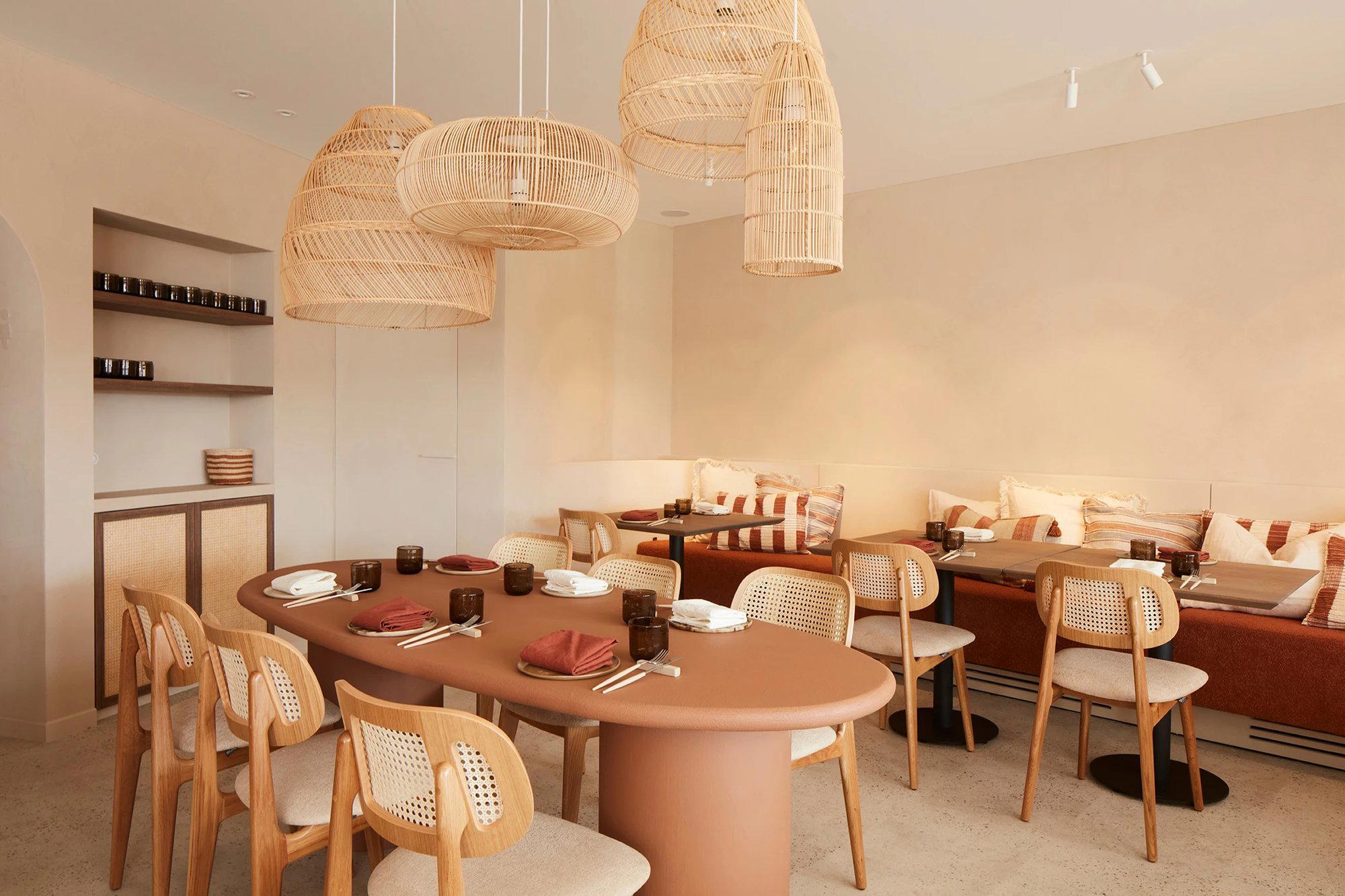
Blankenberge and the Coastal Dining Question
Belgian coastal towns have long operated under a specific dining logic: a short, intense tourist season, a local population that thins considerably in winter, and a food culture shaped by proximity to the North Sea. Blankenberge sits squarely inside that pattern. The town's restaurant strip is dense enough to offer real choice, yet the majority of its kitchens are built around accessibility and turnover rather than depth. Against that backdrop, a restaurant that holds a fixed address on Leopoldstraat and sustains a regular clientele across seasons is already making a particular kind of commitment to the town.
Carrello is a restaurant at Leopoldstraat 38 in Blankenberge, Belgium, serving Modern Mexican Coastal cuisine. Carrello, at Leopoldstraat 38, occupies one of the more legible commercial streets in the centre, a few minutes on foot from the seafront promenade. That address matters in Blankenberge, where location choices tend to signal the intended audience: the promenade itself draws high-volume summer trade, while the streets a block or two inland tend to support formats that depend less on passing footfall. Leopoldstraat sits in the middle of that range, accessible without being purely transactional.
The Cuisine Tradition Behind the Name
The word carrello is Italian for trolley or cart, a reference that carries specific weight in continental European dining culture. The carrello in a traditional Italian trattoria or ristorante is not merely a service prop; it is a philosophy about presentation, abundance, and the unhurried pace of a meal. Dessert trolleys laden with tarts and cream cakes, antipasto carts, cheese trolleys rolled tableside by a waiter who expects to spend a few minutes with you rather than a few seconds: these are signals of a kitchen that treats the meal as a sequence of decisions rather than a fixed transaction.
That reference point places Carrello in a culinary conversation that runs well beyond Belgium's coast. Italian dining culture has had a sustained influence on Belgian restaurant formats, particularly outside Brussels, where the flexibility of Italian cuisine, its capacity to operate at both neighbourhood and destination registers, makes it a natural fit for mid-sized towns.
For comparison, the North Sea coast's most culinarily ambitious addresses tend to look toward French and Belgian fine dining as their primary reference: Boury in Roeselare and Hof van Cleve - Floris Van Der Veken in Kruishoutem set the high-water mark for that tradition in West and East Flanders respectively. A restaurant that frames itself around an Italian reference is making a different kind of claim, one about conviviality and generosity of format rather than technical precision as an end in itself.
Carrello Within Blankenberge's Restaurant Set
Blankenberge's dining options distribute across a fairly clear spectrum. At one end, seafood-focused addresses like Oesterput work the North Sea heritage directly, with oysters and mussels as the organizing principle. At the other, neighbourhood bistro formats such as Bistro De Boeie and Ten Doele serve the kind of Belgian comfort cooking that locals return to year-round rather than once-a-summer. Onism and Cabo occupy slightly different registers within that mix.
Carrello's position within that set is shaped by its address and its name before anything else. Leopoldstraat is a street that supports restaurants with some expectation of repeat business, and a kitchen that names itself after a piece of Italian service equipment is making an implicit promise about hospitality style. In the context of a Belgian coastal town, that promise of warmth and tableside attention carries its own distinction.
Belgian Coastal Dining in Broader Context
Belgium's dining reputation is built primarily around Brussels and the university cities, with individual destination restaurants scattered through Flanders and Wallonia. Zilte in Antwerp operates at the summit of the Flemish urban tier; Bozar Restaurant in Brussels anchors the capital's formal dining circuit. The coastal strip, running from De Panne through Ostend and Blankenberge to Knokke-Heist, has its own internal hierarchy, with Ostend holding the sustained restaurant concentration and Knokke-Heist attracting the highest-spending seasonal visitors.
Blankenberge sits in the middle of that coastal range, neither especially developed dining destination nor the least. Restaurants like Willem Hiele in Oudenburg, just inland from the coast, demonstrate that serious cooking can take root near the sea even outside the more prominent resort towns. The coastal context shapes ingredients and seasons, but it does not determine ambition.
Further afield, the comparison set for a restaurant with Italian heritage framing might include addresses like Vrijmoed in Gent, La Durée in Izegem, and d'Eugénie à Emilie in Baudour, each of which operates in a smaller Belgian city while building a following that extends beyond its immediate catchment. For international reference on what the Italian dining tradition looks like at full scale, Le Bernardin in New York City and Lazy Bear in San Francisco show how European hospitality registers translate into different urban contexts, though the comparison is deliberately wide-angle. Cuchara in Lommel and Ralf Berendsen in Neerharen represent the Belgian provincial dining model in its most committed form.
Planning a Visit
Carrello is located at Leopoldstraat 38 in central Blankenberge, within the town's main commercial and restaurant zone. Blankenberge is directly accessible by train from Bruges in under twenty minutes and from Ghent in roughly an hour, making a day or evening trip from either city direct. The coastal town's busiest period runs from late June through August, when tables at the better-regarded addresses along the Leopoldstraat corridor tend to fill earlier in the evening; a midweek visit in shoulder season, May or September, typically means a quieter room and more attentive service across the town's restaurant sector. Phone, hours, and booking details are best checked directly before visiting.
Cost and Credentials
Comparable venues nearby, for context on price, style, and recognition.
| Venue | Cuisine | Price | Notes |
|---|---|---|---|
| CarrelloThis venue — the venue you are viewing | Modern Mexican Coastal | $$ | Not listed |
| Cabo | Marina, Modern French-Belgian Brasserie | $$$ | Not listed |
| Oesterput | Blankenberge, Belgian Seafood | $$ | Not listed |
| Ten Doele | Not listed | $$$ | Blankenberge, Traditional Belgian-French Cuisine |
| Bistro De Boeie | Centrum, Classic Belgian Bistro | $$ | Not listed |
| Onism | Blankenberge, Global Fusion Tapas | $$ | Not listed |
Continue exploring
More in Blankenberge
Restaurants in Blankenberge
Browse all →
Bars in Blankenberge
Browse all →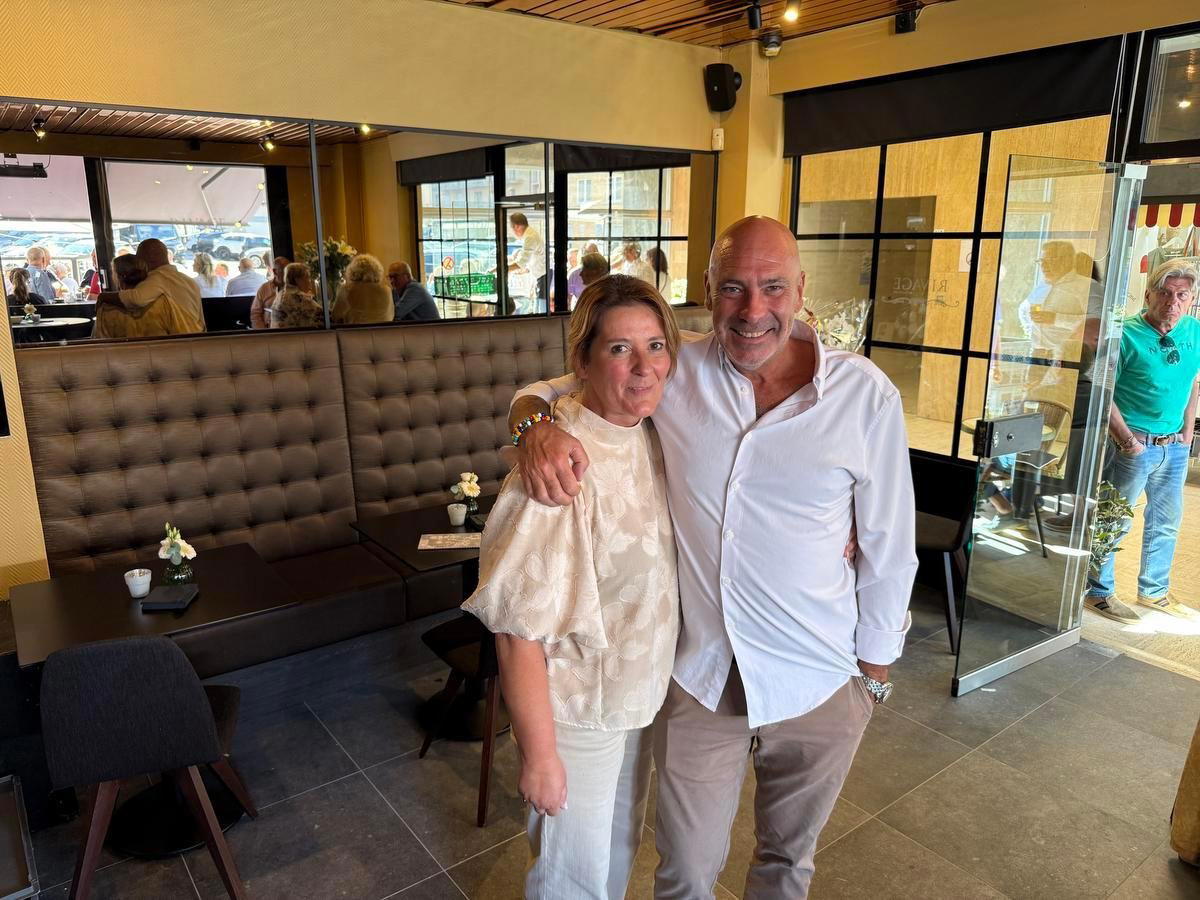
At a Glance
- Lively
- Elegant
- Cozy
- Date Night
- Casual Hangout
- Craft Cocktails
Current opening hours
- Monday
- 6:30–9 PM
- Tuesday
- 12–1:30 PM, 6:30–9 PM
- Wednesday
- Closed
- Thursday
- Closed
- Friday
- 6:30–9 PM
- Saturday
- 6:30–9 PM
- Sunday
- 12–1:30 PM, 6:30–9 PM
Hours can change for holidays and private events. Last verified .
Cozy summery atmosphere with tasteful Mexican decor in a beautifully renovated space.