One Ten Providence
One Ten Providence occupies a quiet address on Sankt Peders Stræde in Copenhagen's Latin Quarter, placing it within walking distance of the city's most debated dining corridor. With Copenhagen's fine-dining scene in near-constant reinvention, the address signals a positioning that sits between neighbourhood intimacy and serious culinary intent — a format the city has refined across multiple generations of ambitious restaurants.
Pearl is the En Primeur Club membership app — saves, bookings, and concierge access live there. Same editors, same standards.
- Address
- Sankt Peders Stræde 27, st, 1453 København, Denmark
- Phone
- +4528451237
- Website
- oneten.dk
- Directions
- Get directions
 Saves & bookings on Pearl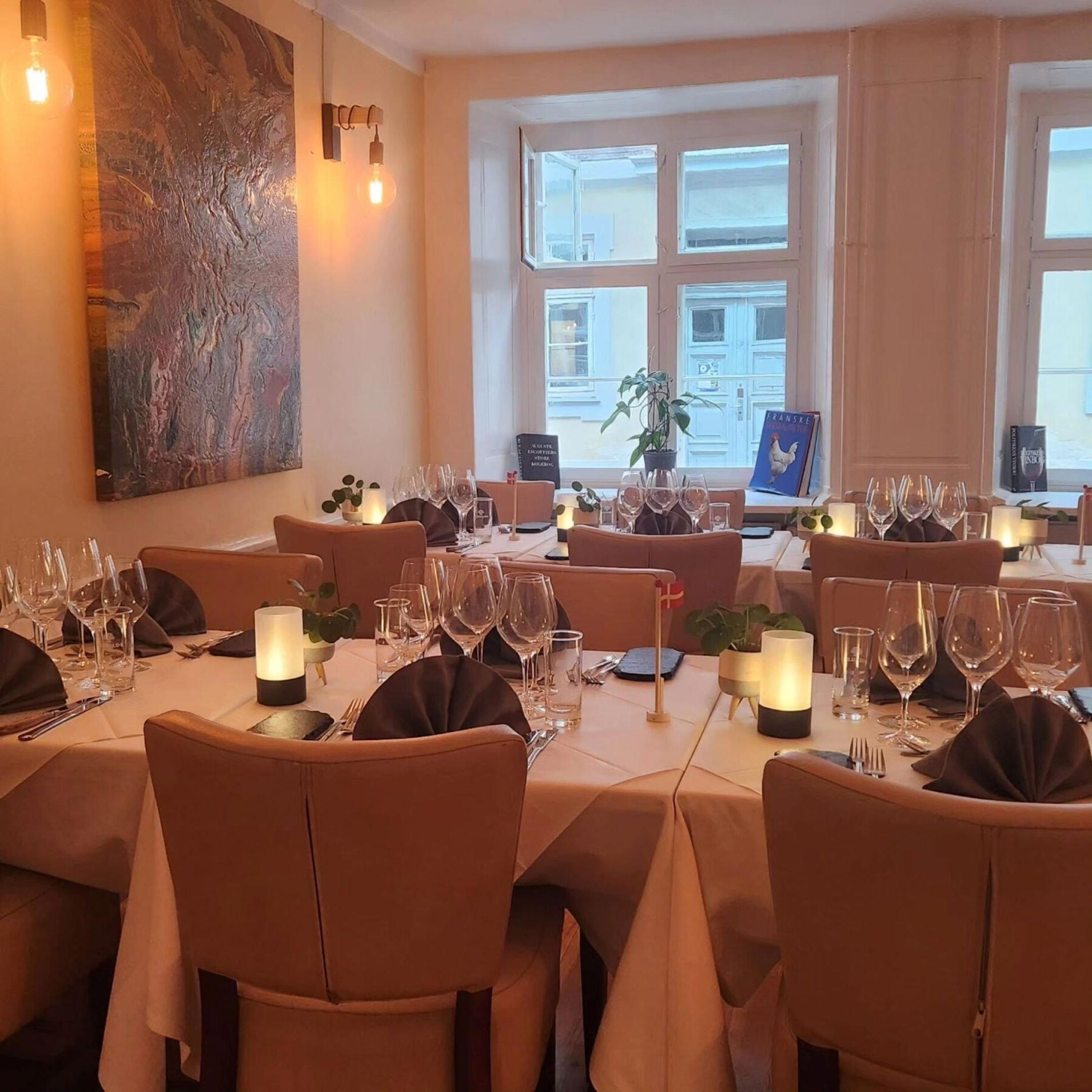
Sankt Peders Stræde and the Pressure of Copenhagen's Dining Corridor
The Latin Quarter in Copenhagen operates differently from the city's more photogenic dining districts. Where Christianshavn and the harbour-adjacent blocks trade on atmosphere and postcard geometry, Sankt Peders Stræde runs quieter, populated by a mix of long-standing neighbourhood institutions and newer addresses that have chosen depth over visibility. One Ten Providence sits at number 27 on that street, a location that places it inside one of the city's most competitive dining corridors without announcing itself loudly. In a city where restaurant identity is often built on restraint — in design, in service register, in the act of not overselling — that choice of address carries meaning.
Copenhagen's restaurant culture has, over the past two decades, undergone a compression and then an expansion. The original New Nordic moment, associated most directly with Noma, established a template for how Scandinavian ingredients and technique could hold an international conversation. That template has since fractured productively. Geranium moved toward a more cerebral, vegetable-forward formalism. Alchemist pushed the theatrical dial further than most European cities would sustain. Koan folded kaiseki logic into a Nordic frame. Kadeau anchored itself to Bornholm provenance with singular focus. The effect of this divergence is that a new address in Copenhagen no longer inherits a single dominant model, it enters a scene that has already argued through several versions of itself and arrived at something more plural.
What the Address Implies About Format
Restaurants on Sankt Peders Stræde tend to operate in smaller formats. The street does not lend itself to large-footprint operations; the building stock runs to compact ground-floor spaces with limited frontage. That physical constraint has historically sorted the street toward restaurants where the room itself is secondary to what happens inside it, kitchens that work in close quarters, service teams that operate in high proximity to the dining room, and formats where the ratio of kitchen effort to cover count tilts toward intensity rather than scale.
This is a pattern that Copenhagen has refined across a long stretch of its dining history. The city's most discussed rooms, from neighbourhood tasting counters to the more formal multi-course operations outside the centre, including Jordnær in Gentofte, tend to be small by international standards. The format discipline this requires has become something of a local credential: a restaurant that chooses a constrained space in Copenhagen is implicitly committing to kitchen-led quality rather than volume-driven economics.
The Evolution Question: What Changes, What Holds
For any restaurant operating in Copenhagen's current moment, the most pointed question is not what it does, but what it has become relative to where it started. The city's dining culture rewards iterative ambition. Restaurants that arrived with a fixed concept and held it rigidly have generally fared less well than those that absorbed the city's evolving conversation about ingredients, format, and what a dining room is actually for.
The broader Danish fine-dining circuit has demonstrated this across geographies. Frederikshøj in Aarhus, Henne Kirkeby Kro, and LYST in Vejle have each navigated the tension between regional anchoring and the demand for continuous development that the Michelin and 50 Best frameworks implicitly require. Closer to Copenhagen, addresses like Dragsholm Slot Gourmet in Hørve and Frederiksminde in Præstø have used their remove from the capital to develop at a slightly different pace, insulated from the city's trend cycles without being disconnected from them.
One Ten Providence on Sankt Peders Stræde occupies a different position: inside the city, subject to its rhythms, but on a street that does not demand the kind of performative novelty that some Copenhagen addresses project. That positioning is neither a criticism nor a guarantee, it is simply the frame within which the restaurant operates and through which its current direction should be read.
Copenhagen in a Wider Frame
For visitors arriving from cities where fine dining is primarily organised around celebrity-chef brands and media cycles, Copenhagen can feel like a corrective. The city's dining culture has, since the mid-2000s, developed a relationship with craft and sourcing that is less dependent on individual personalities than on shared vocabulary. This does not make Copenhagen restaurants interchangeable, the differences between a room like Koan and a more classically structured tasting menu are substantial, but it does mean that the scene rewards visitors who arrive with curiosity rather than just a checklist.
Restaurants in the Latin Quarter and surrounding streets function as part of that broader ecosystem. They are not isolated from the city's major critical conversations, and they do not exist in a separate tier from the Michelin-decorated addresses that draw international attention. They are, instead, part of the same ongoing argument about what Copenhagen dining is and where it is going next. For a full map of where One Ten Providence sits within that argument, the EP Club Copenhagen guide provides city-wide context across price tiers and neighbourhoods.
It is also worth noting that Copenhagen's most interesting culinary developments in recent years have not been confined to the capital. Alimentum in Aalborg, ARO in Odense, MOTA in Nykøbing Sjælland, and Domæne in Herning each represent the dispersal of serious cooking beyond the capital, a structural shift that has made Denmark's dining geography more interesting to map than it was even a decade ago.
Planning a Visit
One Ten Providence is located at Sankt Peders Stræde 27 in Copenhagen's Latin Quarter, within walking distance of the city's central metro connections and the cluster of cultural institutions around Strøget and Rådhuspladsen. The Latin Quarter is compact and navigable on foot; the street itself is direct to reach from most central Copenhagen hotels. Copenhagen's most sought-after rooms across all price tiers tend to fill several weeks in advance, particularly on weekends and during the summer high season, so lead time matters regardless of format tier.
For comparable international reference points at the upper end of the tasting-menu format, Le Bernardin in New York City and Atomix in New York City offer a sense of how cities outside Scandinavia are framing the same conversation about precision, sourcing, and the relationship between kitchen ambition and dining room experience.
How One Ten Providence Copenhagen: Dinner Hours and Dress Code compares with similar nearby venues.
| Venue | Cuisine |
|---|---|
| Brace | Italian |
Continue exploring
More in Copenhagen
Restaurants in Copenhagen
Browse all →
Bars in Copenhagen
Browse all →
Hotels in Copenhagen
Browse all →

At a Glance
- Cozy
- Romantic
- Intimate
- Elegant
- Date Night
- Business Dinner
- Special Occasion
- Historic Building
- Extensive Wine List
- Local Sourcing
Current opening hours
- Monday
- Closed
- Tuesday
- 5–10 PM
- Wednesday
- 5–10 PM
- Thursday
- 5–10 PM
- Friday
- 5 PM–12 AM
- Saturday
- 5 PM–12 AM
- Sunday
- Closed
Hours can change for holidays and private events. Last verified .
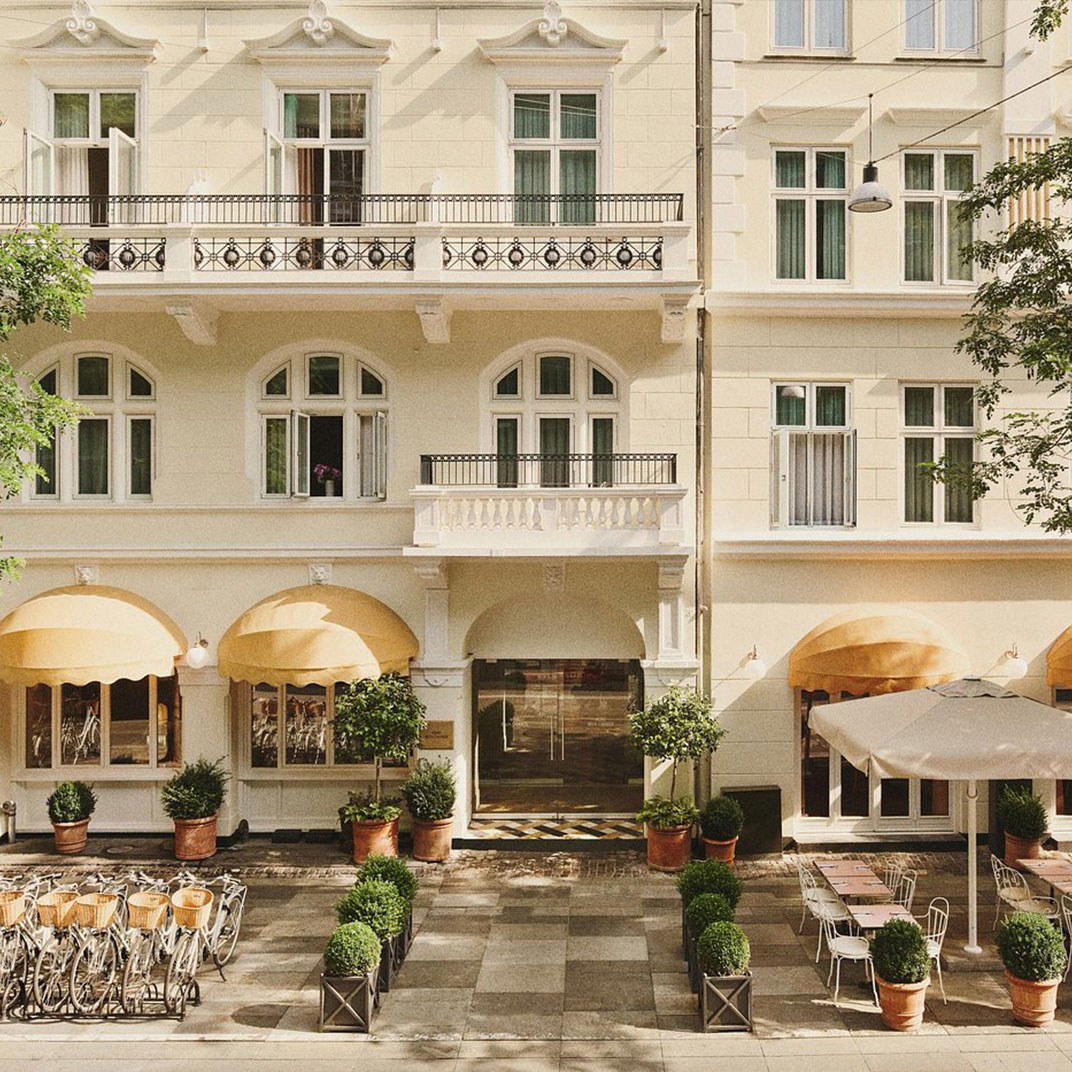
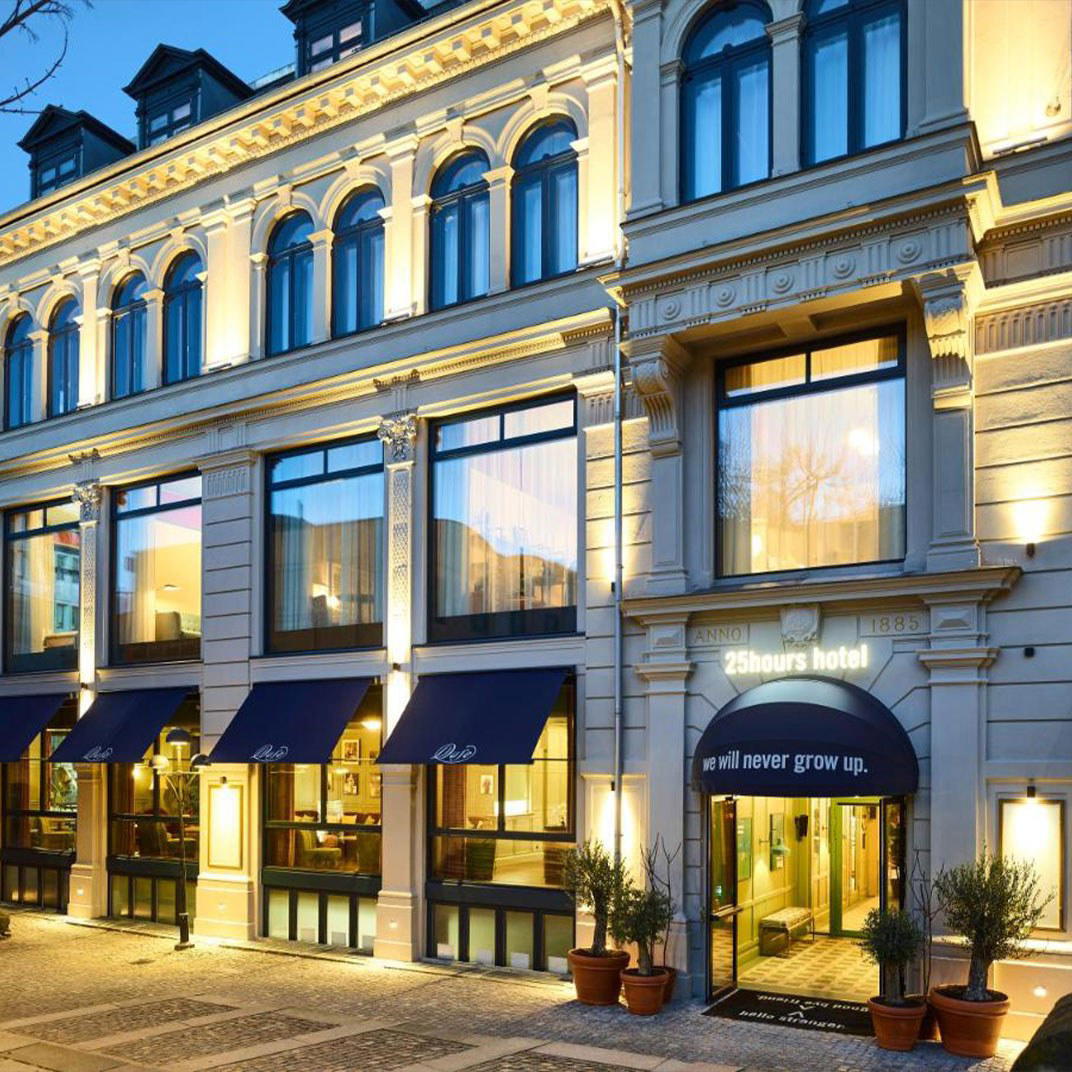
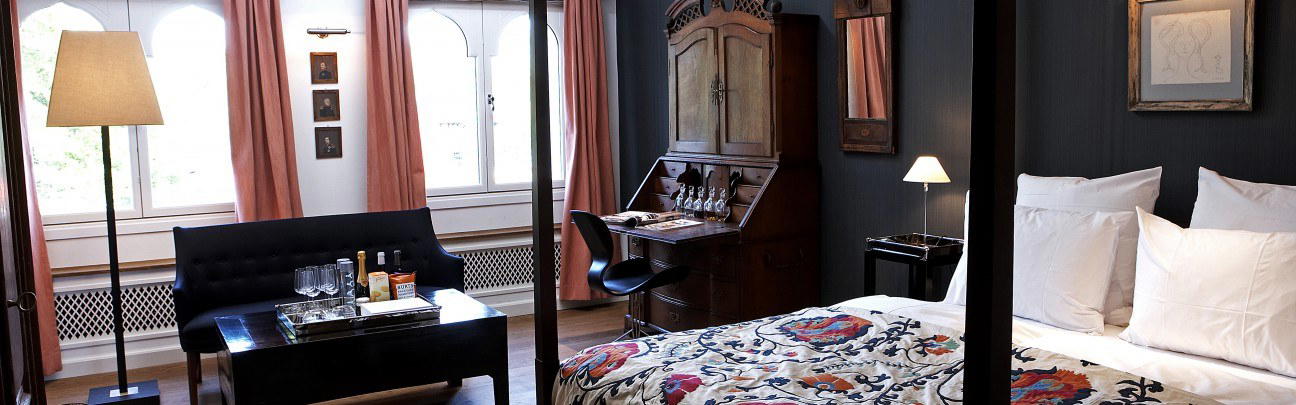
Sophisticated yet relaxed with romantic, cozy lighting in charming, crooked-angled historic rooms.
Know Before You Go
- Getting there
- Sankt Peders Stræde 27, st, 1453 København, Denmark