Brasserie Post


Brasserie Post holds a White Star on Star Wine List, a recognition that signals serious cellar curation rather than a decorative wine menu. Situated at Øster Allé 1 in Copenhagen's Østerbro district, it operates in a city where the bar for sourcing and ingredient provenance is set by some of Europe's most scrutinised kitchens. That context shapes what to expect here.
Pearl is the En Primeur Club membership app — saves, bookings, and concierge access live there. Same editors, same standards.
- Address
- Øster Allé 1, 2100 København, Denmark
- Phone
- +45 28 35 30 34
- Website
- meyers.dk
- Directions
- Get directions
 Saves & bookings on Pearl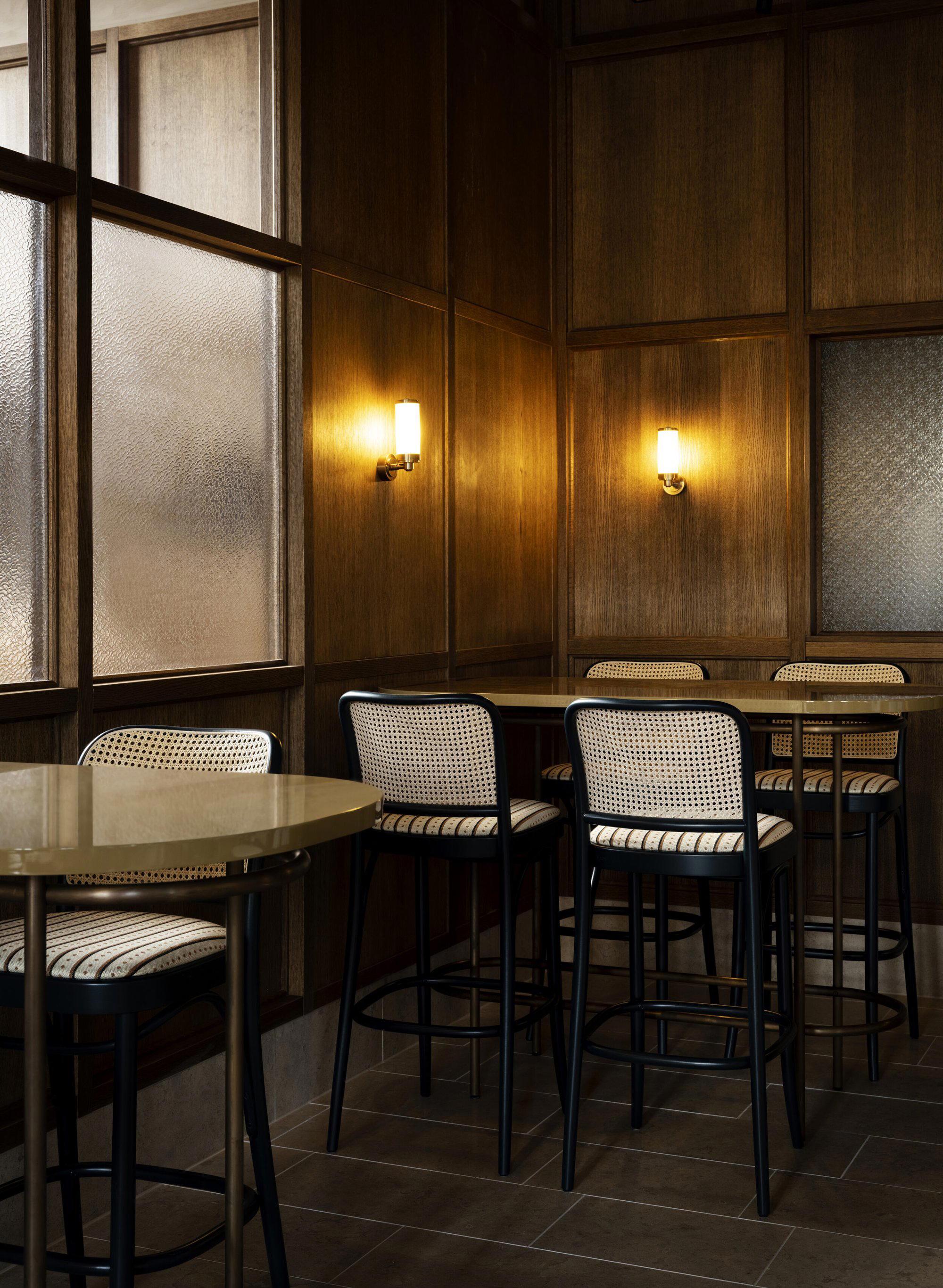
Østerbro and the Brasserie Format in Copenhagen
Copenhagen's dining scene has spent the better part of two decades sorting itself into tiers: the tasting-menu laboratories of the inner city, where venues like Geranium and Alchemist operate at the furthest edge of culinary ambition, and a quieter, more neighbourhood-rooted category of restaurants that take Danish seasonal produce seriously without staging a theatrical event around every plate. Brasserie Post sits in the latter category, on Øster Allé in Østerbro, a district that runs at a different pace than the tourist-dense streets around Nørreport or the harbour.
The brasserie format itself carries particular weight in a Nordic context. Elsewhere in Europe, the word often signals predictable French-inflected cooking and a wine list built around reliable markup rather than genuine selection. In Copenhagen, where sourcing expectations were reset by a generation of chefs trained in the Noma orbit, the format has been quietly reinterpreted. A Copenhagen brasserie that earns serious wine recognition tends to reflect the same rigorous supplier relationships that drive the city's tasting-menu kitchens, just expressed in a more accessible register.
The White Star Recognition and What It Signals
Brasserie Post received a White Star designation from Star Wine List in May 2025, placing it within a cohort of restaurants that wine-focused publications consider worth tracking for cellar quality. The White Star is Star Wine List's entry-level recognition, but its publication date matters as context: it represents an editorial judgment made in the current dining environment, not legacy recognition carried forward from an earlier era.
In a city where wine culture has grown substantially alongside food culture, a restaurant earning wine-list recognition at the brasserie price tier is notable. Copenhagen's most decorated wine programs tend to be concentrated at the high end, at venues like Koan or within tasting-menu formats where wine pairings are built into the structure of the meal. A brasserie earning the same type of editorial attention suggests the list at Brasserie Post is curated with genuine intention rather than assembled for margin alone.
Ingredient Provenance as the Organising Principle
The brasserie style, when it functions well in a Nordic setting, is organised around what Danish suppliers are producing in a given season. Denmark's agricultural geography is small enough that traceability is direct: fish from the waters off Bornholm or the Limfjord, lamb from the heaths of Jutland, dairy and root vegetables from farms that supply both Michelin-starred kitchens and more casual neighbourhood tables. The same supply chains that feed the city's most scrutinised restaurants are accessible to any kitchen that prioritises the relationships.
This sourcing reality matters for understanding the category Brasserie Post occupies. Unlike venues where ingredient provenance is a marketing point layered onto a conventional menu, Copenhagen's neighbourhood restaurant culture has normalised produce-led cooking to the point where it functions as baseline expectation rather than differentiator. What distinguishes kitchens at this tier is execution: how they handle the limitations of seasonal availability, whether they adapt the menu when a key ingredient is unavailable, and whether the cooking respects the source material or overwhelms it with technique.
For comparison across Denmark's wider dining map, the produce-first approach appears at venues across the country: Henne Kirkeby Kro in West Jutland built its reputation on exactly this principle, and Frederikshøj in Aarhus operates similarly. Copenhagen's version of this tradition, at the brasserie register, is less ceremony-heavy but runs on the same underlying logic.
Where Brasserie Post Sits in the Copenhagen Dining Conversation
The address at Øster Allé 1 places the restaurant at the Østerbro end of central Copenhagen, a neighbourhood with a settled residential character and a dining scene that tends toward quality without the self-consciousness of the more tourism-facing areas. Kadeau, which built its reputation on Bornholm produce before opening in Copenhagen, represents one version of what refined neighbourhood dining looks like in this city. Brasserie Post operates at a different register, closer to the French-influenced brasserie tradition, but within the same broader expectation that the cooking will reflect where the ingredients came from.
Visitors familiar with the formal end of Copenhagen's restaurant scene, including Jordnær in Gentofte or the multi-hour commitments required at the city's leading tasting menus, will find the brasserie format here a different kind of proposition: a meal that functions as a meal rather than as a structured experience. That distinction matters when planning a stay in Copenhagen, where the city's reputation can make every dinner feel like it requires a booking strategy. Brasserie Post exists in a tier where the format itself is the relief.
For those building a broader picture of Danish dining, it is worth reading Alimentum in Aalborg, ARO in Odense, and Domæne in Herning alongside Copenhagen entries to understand how the country's food culture extends well beyond the capital. International comparisons also help calibrate expectations: the serious-wine-list-within-accessible-format combination echoes what venues like Le Bernardin in New York have achieved at their own register, and what Emeril's in New Orleans demonstrated for American brasserie-adjacent dining.
Planning a Visit
Brasserie Post is located at Øster Allé 1, 2100 Copenhagen, in the Østerbro district. The area is accessible by Metro (Trianglen station) and cycling infrastructure, consistent with Copenhagen's broader transport habits. Because specific booking methods, current hours, and pricing are not confirmed in available records, checking the restaurant directly for current reservation availability is the appropriate step before visiting. Given the White Star recognition from May 2025, demand may have shifted since the designation was published. Copenhagen's dining scene benefits from a broader plan: our full Copenhagen restaurants guide, Copenhagen hotels guide, bars guide, wineries guide, and experiences guide cover the wider picture.
- French onion soup
- rabbit sausage
- grilled duck breast with Burgundy jus
- beef tartare
- hot smoked salmon
- crème brûlée
- clafoutis with sour cherries
How Brasserie Post Copenhagen compares with similar nearby venues.
| Venue | Cuisine | Price | Awards |
|---|---|---|---|
| Brasserie Post | Not listed | Not listed | Star Wine List (2026) |
| Østerberg Ice Cream | Ice Cream | Not listed | Not listed |
| Geranium | New Nordic, Creative | €€€€ | Not listed |
Recognition history
Dated appearances from independent guides and award organizations, with the underlying list record or original source where available.
Star Wine List
Star Wine List
White Guide Denmark Restaurants - Very Fine Level
White Guide
Continue exploring
More in Copenhagen
Restaurants in Copenhagen
Browse all →
Bars in Copenhagen
Browse all →
Hotels in Copenhagen
Browse all →


At a Glance
- Elegant
- Classic
- Cozy
- Sophisticated
- Date Night
- Business Dinner
- Group Dining
- Special Occasion
- Historic Building
- Design Destination
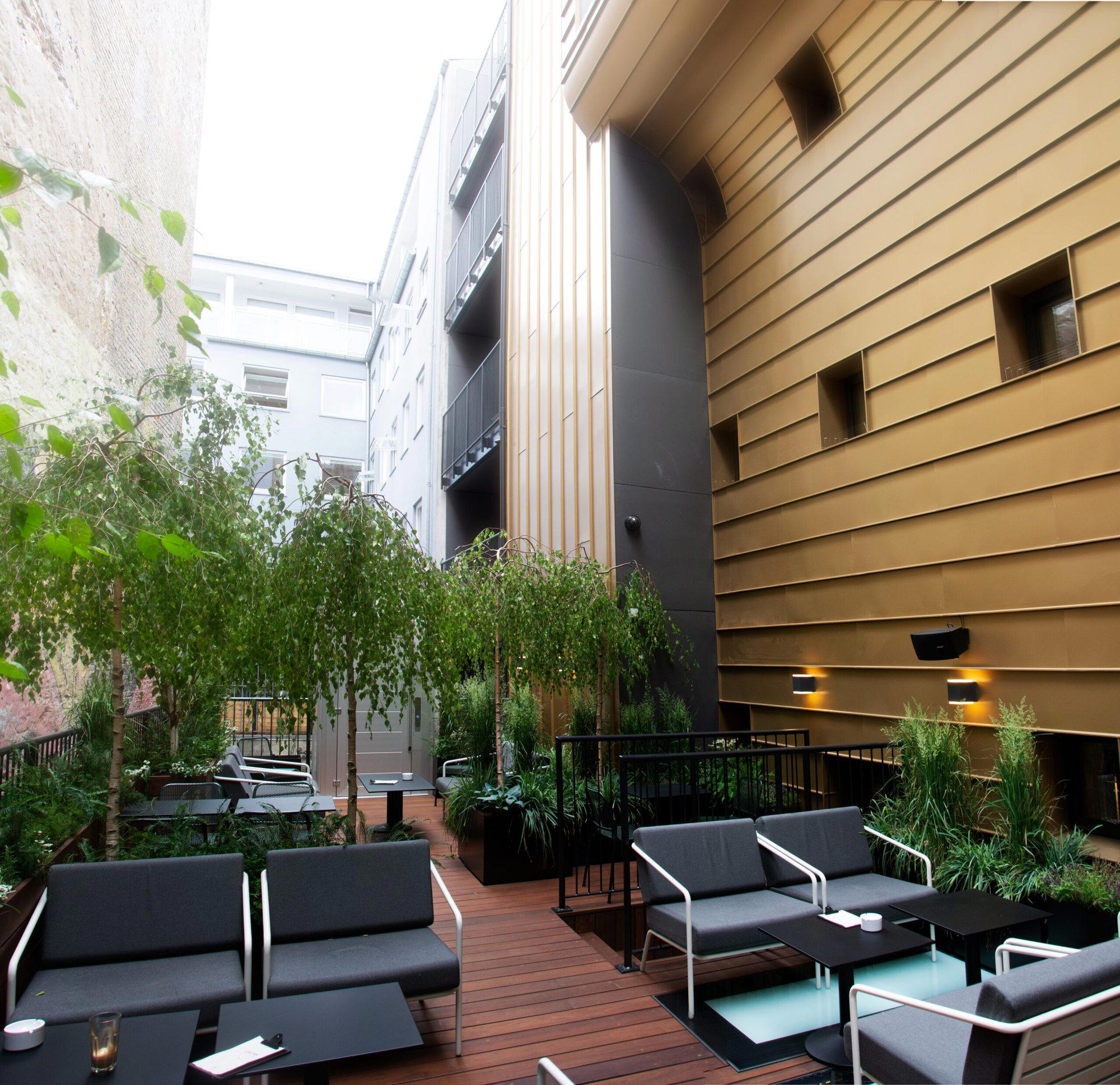
- Courtyard
- Open Kitchen
- Extensive Wine List
- Sommelier Led
- Local Sourcing
Current opening hours
- Monday
- Closed
- Tuesday
- 11:30 AM–4 PM, 5–11:30 PM
- Wednesday
- 11:30 AM–4 PM, 5–11:30 PM
- Thursday
- 11:30 AM–4 PM, 5–11:30 PM
- Friday
- 11:30 AM–4 PM, 5–11:30 PM
- Saturday
- 11:30 AM–4 PM, 5–11:30 PM
- Sunday
- 11:30 AM–4 PM, 5–11:30 PM
Hours can change for holidays and private events. Last verified .
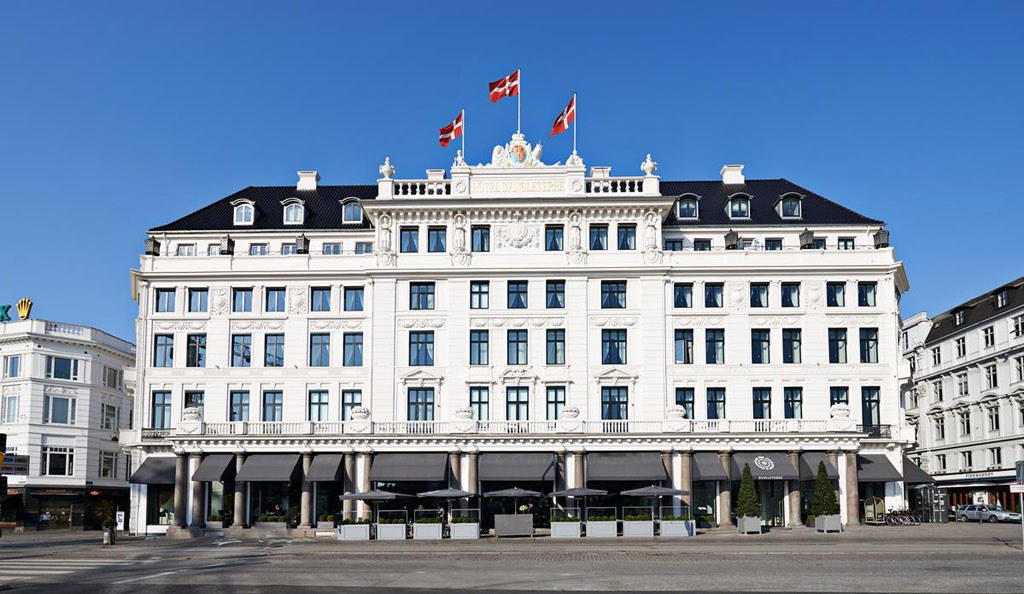
Warmly inviting with sleek aesthetics, featuring tasteful decor and good acoustics in a beautifully renovated historic space with high ceilings and cozy corners; some reviewers note the atmosphere can feel somewhat dull or airport-like.
Know Before You Go
- Getting there
- Øster Allé 1, 2100 København, Denmark