Onami sits on HaArba'a Street in Tel Aviv's corporate-adjacent district, operating within a city that has built one of the Middle East's most self-assured dining scenes. Where many addresses in the area default to business-lunch formats, Onami draws a crowd that arrives with different expectations. The address alone positions it within a Tel Aviv restaurant tier that repays closer attention from anyone mapping the city's dining options seriously.
Pearl is the En Primeur Club membership app — saves, bookings, and concierge access live there. Same editors, same standards.
- Address
- HaArba'a St 18, Tel Aviv-Yafo, 6473918, Israel
- Phone
- +97235621172
- Website
- onami.co.il
- Directions
- Get directions
 Saves & bookings on Pearl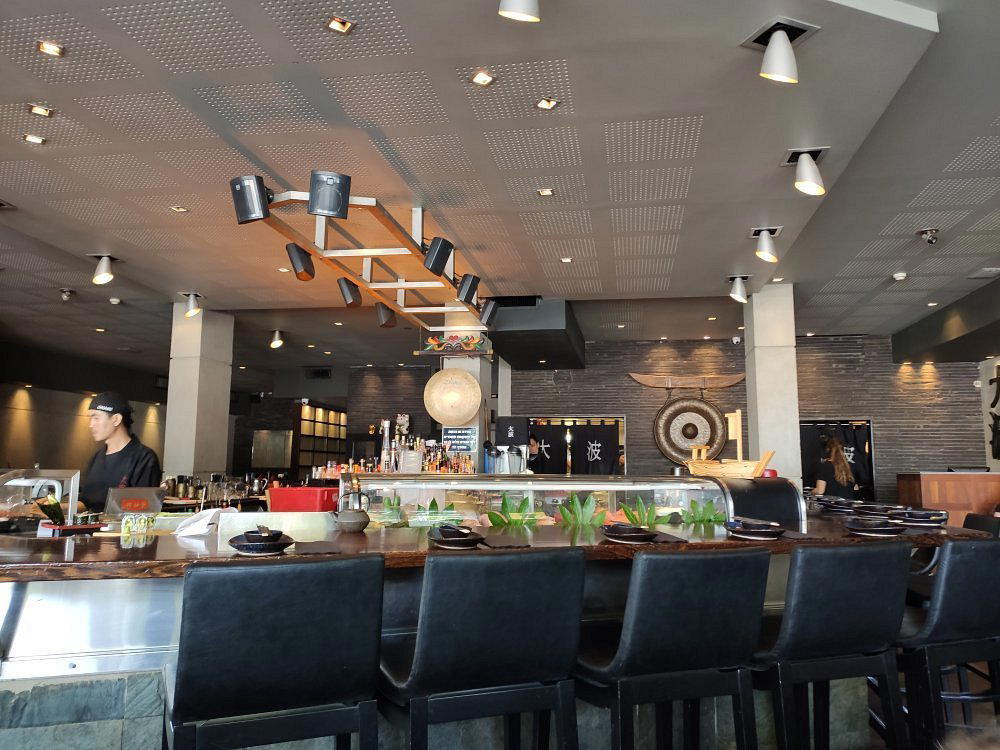
HaArba'a Street and the Space That Sets the Register
Tel Aviv's HaArba'a Street corridor sits at the edge of the city's financial district, a stretch that has steadily accumulated restaurants with enough ambition to pull diners away from the more obviously photogenic neighbourhoods further west. The physical address at number 18 places Onami in a zone where the built environment is harder-edged than the beachside streets — wider pavements, glass-fronted towers, less of the Bauhaus-era residential softness that defines the White City further south. That context matters because restaurants in this part of the city tend to earn their audiences through reputation rather than foot traffic. The neighbourhood does not deliver casual passersby in the way that Dizengoff or the Carmel Market area does; diners here arrive with intent.
The design register of restaurants along HaArba'a and its immediate surrounds has trended toward the considered and the spare. Where the city's older dining rooms leaned into warm wood tones and Mediterranean-casual looseness, addresses in this corridor have more frequently adopted harder materials, deliberate lighting, and seating arrangements that signal a particular seriousness about the meal rather than the occasion. Onami sits within that architectural conversation, in a district where the space itself is expected to carry some of the weight that the menu has not yet had to carry alone.
The Tel Aviv Dining Scene: Where Onami Finds Its Footing
Tel Aviv has constructed a restaurant culture that draws comparisons to cities considerably larger than itself. The density of serious dining options per capita is high, and the city's position at the intersection of Levantine tradition, European technique, and a hyperactive local food culture means that new addresses are tested quickly and calibrated against a well-travelled, opinionated local audience. Comparison points from within Israel are telling: coastal addresses like Uri Buri in Acre built decades-long reputations on seafood and precision; Diana in Nazareth operates in a register of Arab-Israeli cooking that has influenced the broader national food conversation. Within Tel Aviv itself, the competition is direct and unforgiving.
The city's top tier includes restaurants that have earned sustained editorial recognition: Alena at The Norman operates within the grammar of refined Israeli cuisine attached to a hotel context; Aria has built its position around a different formal register; Abie works a more casual but technically alert format. a and Azura each occupy distinct positions in how Tel Aviv handles its culinary inheritance. Onami enters this conversation from the HaArba'a address, a location that has historically been underrepresented in Tel Aviv's most-discussed restaurant lists, which may in part explain why it rewards the reader who looks past the obvious neighbourhoods.
For a wider map of where Onami sits among the city's options, our full Tel Aviv restaurants guide contextualises the neighbourhoods and tiers in more detail.
What the Location Implies About the Format
Restaurants that anchor themselves in business districts tend to develop split personalities: the weekday lunch crowd and the destination-dinner audience operate on different expectations and different timelines. The more interesting addresses in these zones resolve that tension by building a room and a menu that can serve both without appearing to compromise for either. The physical arrangement of the space — seating density, acoustic management, the ratio of bar to table seating, signals which of those audiences a restaurant prioritises. In a city like Tel Aviv, where dining out is both social infrastructure and serious leisure, that calibration is read quickly by a local audience that eats out often.
The broader Israeli dining scene beyond Tel Aviv provides useful reference points. Majda in Har Nof demonstrates how a restaurant outside the metropolitan core can build a distinct identity through cuisine and context. Helena in Caesarea has used a particular physical setting to anchor its reputation. Herbert Samuel Herzliya shows how the Herbert Samuel brand extends its format into different physical contexts. Each of these cases illustrates that in Israel's better restaurants, the relationship between the space and the programme is not incidental, it is part of the editorial position the restaurant takes in its market.
Planning a Visit: Practical Orientation
HaArba'a Street is accessible from central Tel Aviv without difficulty, sitting within the area served by the city's main transport corridors. The street-level address at number 18 is unambiguous. As with many of Tel Aviv's more sought-after tables, arriving with a reservation rather than relying on walk-in availability is the prudent approach, the city's dining culture runs warm most evenings, and the business-district addresses that attract a midweek professional crowd often fill their weekend slots well in advance. For regional context on what the surrounding area offers beyond Onami, addresses including Abu Hassan in Jaffa and options further afield such as Menza in Jerusalem or Pitmaster in Beersheba illustrate how Israel's dining geography extends well beyond the Tel Aviv axis. For a different register entirely, Burger 232 in Maggen and Michael Local Bistro in Liman show how the country's more casual formats are developing their own seriousness. Internationally, the technical ambition of addresses like Le Bernardin in New York and Atomix in New York provide a reference point for the kind of precision-led programme that the upper tier of Tel Aviv dining now aspires to match.
How Onami Tel Aviv compares with similar nearby venues.
| Venue | Cuisine |
|---|---|
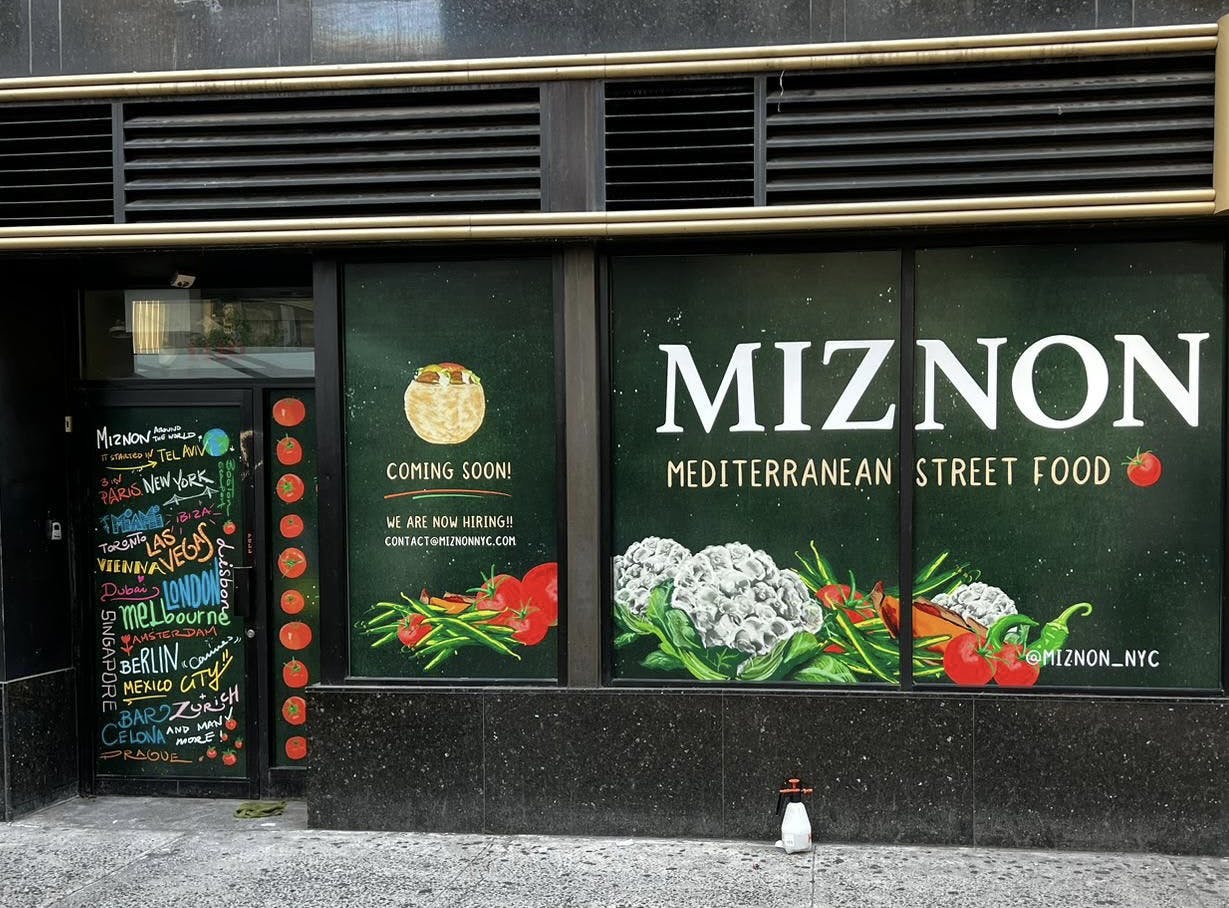
| Miznon | Israeli |
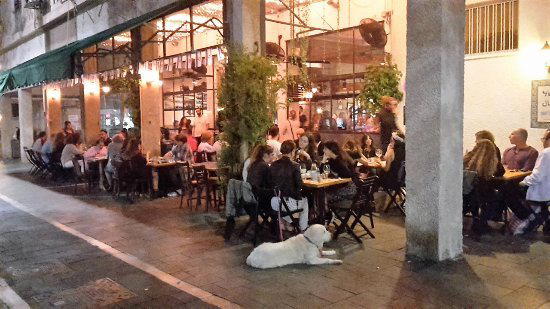
| Ha'Achim | Israeli |
Continue exploring
More in Tel Aviv
Restaurants in Tel Aviv
Browse all →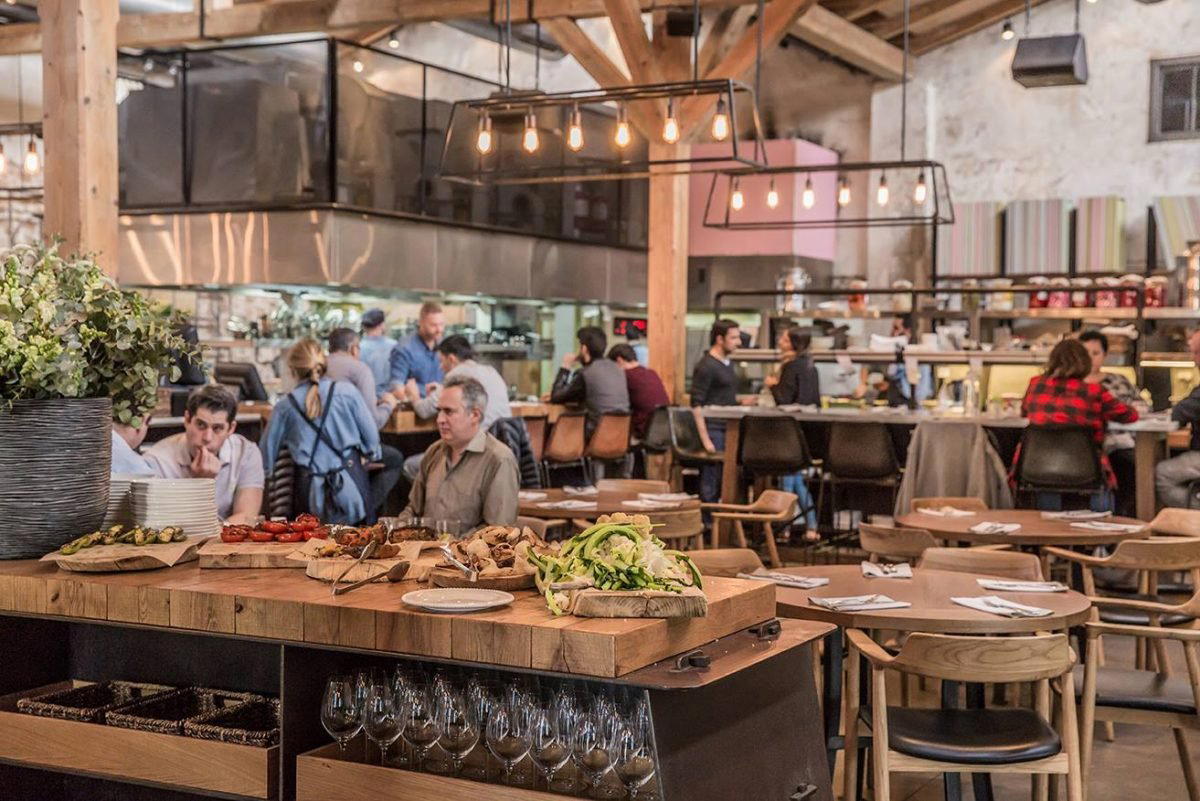
Bars in Tel Aviv
Browse all →

Hotels in Tel Aviv
Browse all →
At a Glance
- Elegant
- Sophisticated
- Modern
- Date Night
- Business Dinner
- Special Occasion
- Open Kitchen
- Extensive Wine List
- Sake Program
- Local Sourcing
Current opening hours
- Monday
- 12–10:30 PM
- Tuesday
- 12–10:30 PM
- Wednesday
- 12–10:30 PM
- Thursday
- 12–10:30 PM
- Friday
- 12–10:30 PM
- Saturday
- 12–10:30 PM
- Sunday
- 12–10:30 PM
Hours can change for holidays and private events. Last verified .
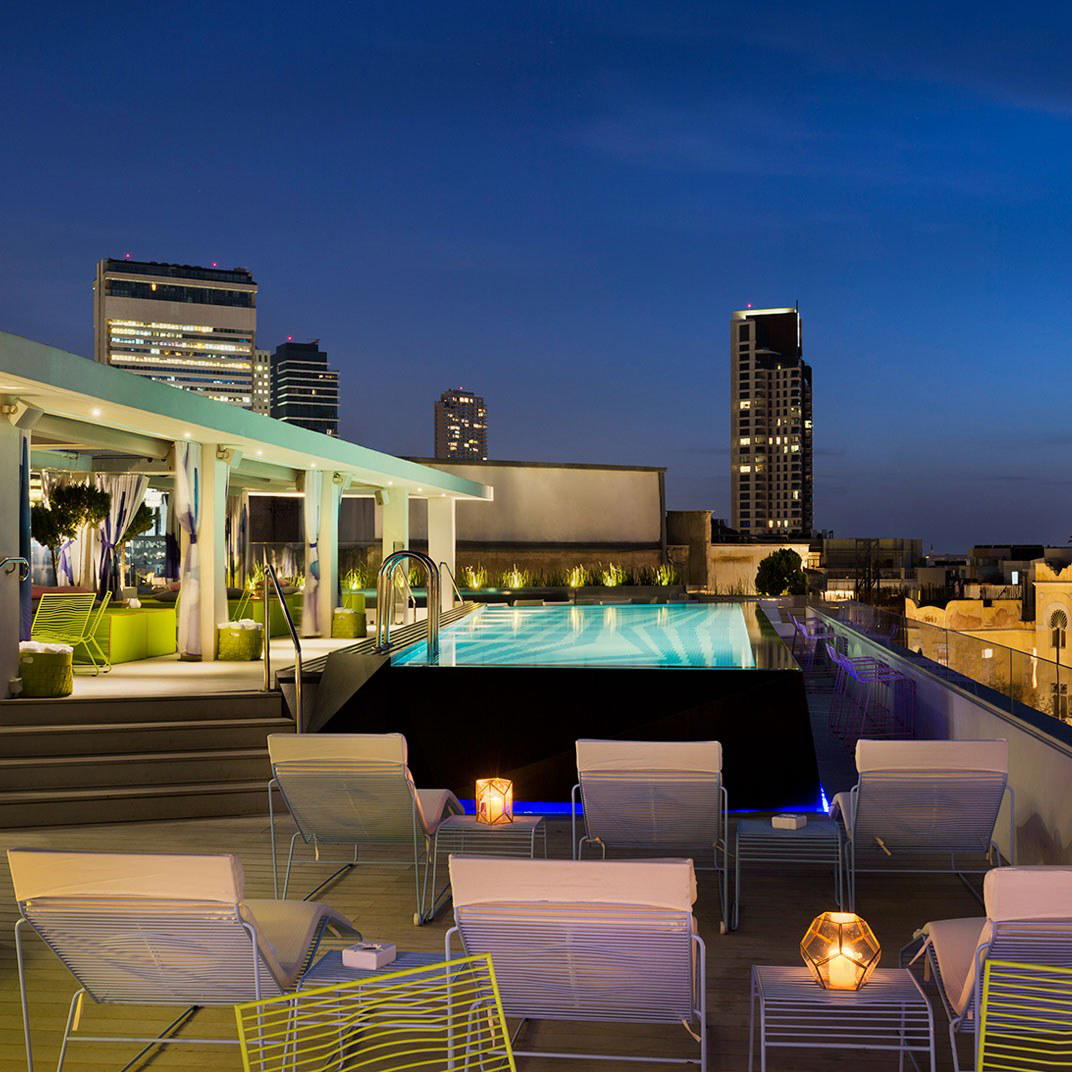
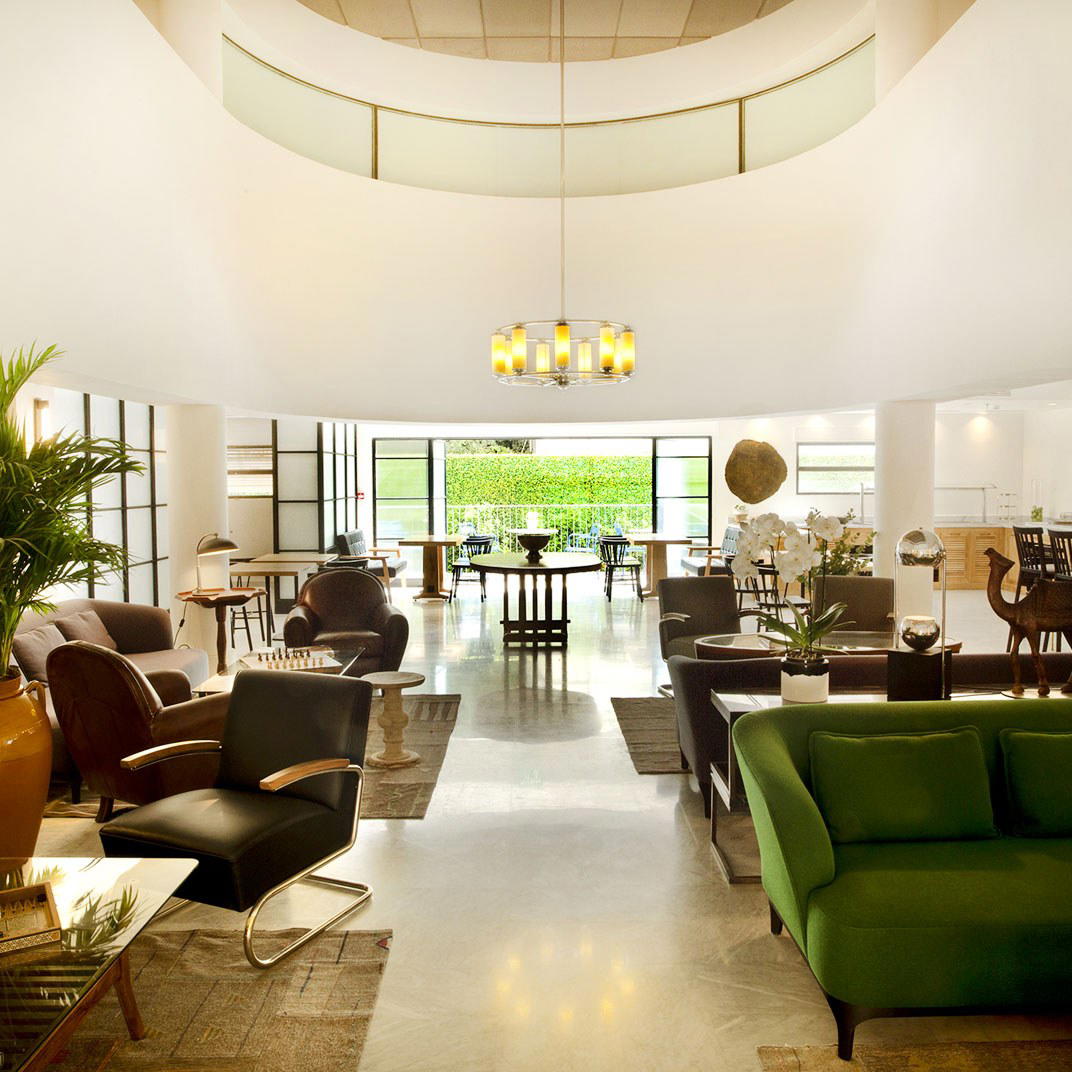
Traditional Japanese ambiance with Zen-like elegance, grand sushi bar at the heart, and sophisticated atmosphere.
Know Before You Go
- Getting there
- HaArba'a St 18, Tel Aviv-Yafo, 6473918, Israel