Moana Surfrider, A Westin Resort & Spa, Waikiki Beach

Michelin Selected
The Moana Surfrider, opened in 1901, holds its place as Waikiki's oldest hotel, its colonial-era veranda facing a beach that has changed considerably around it. Now operating as a Westin Resort and Spa, it sits at 2365 Kalākaua Ave in the centre of the Waikiki strip, offering a historically grounded alternative to the neighbourhood's newer high-rise inventory.

Pearl is the En Primeur Club membership app, where members save venues, book tables and use the concierge.
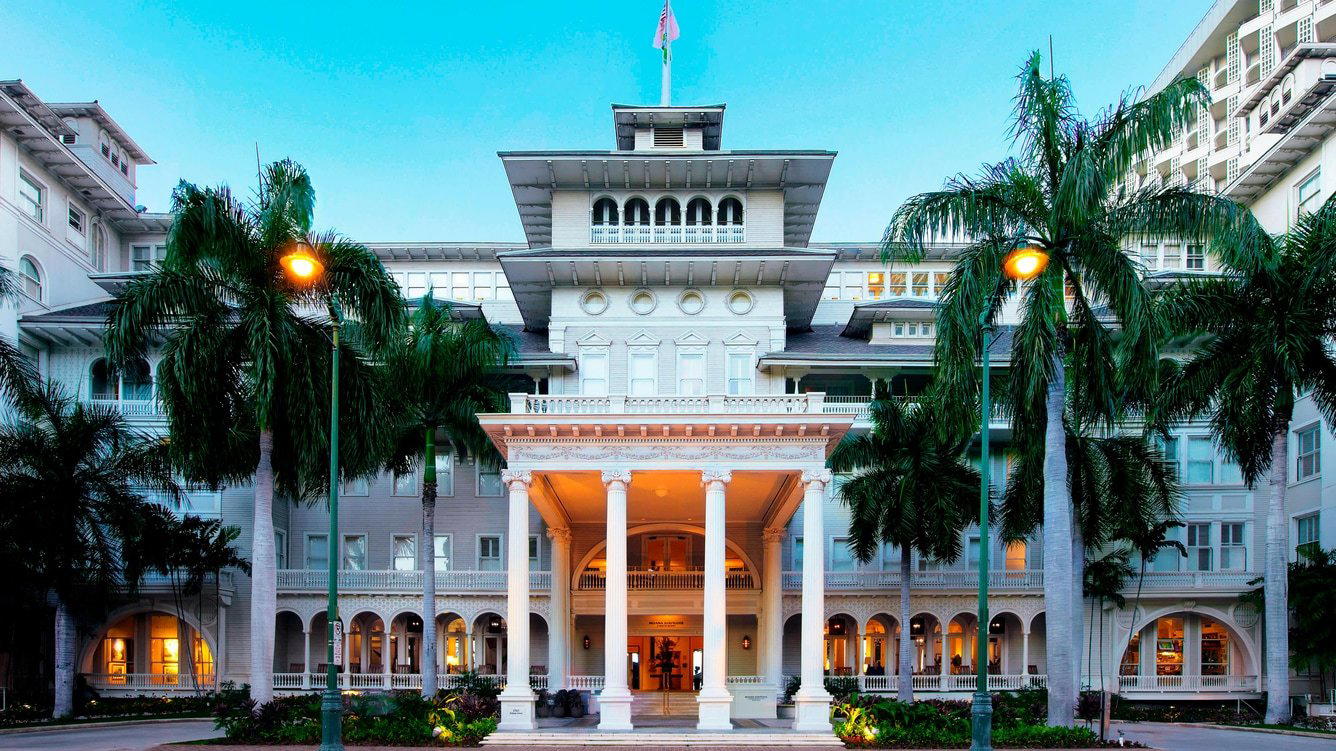
Where Waikiki's Beachfront History Meets a Wellness-Oriented Present
Standing at the eastern edge of Kalākaua Avenue, the Moana Surfrider occupies a position that most Waikiki hotels cannot claim by design alone. Opened in 1901 as the island's first hotel, the property sits directly on Waikiki Beach, and its white colonial facade, wide veranda, and central banyan tree courtyard have shaped the visual grammar of Hawaiian resort hospitality for more than a century. Arriving here, the approach is unhurried in a way that newer towers along the strip rarely manage: the architecture pulls your attention before the lobby does, and the sound of the Pacific arrives before you reach the check-in desk.
Within Waikiki's crowded resort corridor, properties generally sort into two groups: high-volume tower hotels oriented around pool decks and entertainment, and older landmark properties with direct beach frontage and a slower cadence. The Moana Surfrider, a Westin Resort and Spa, belongs firmly to the latter. Its Westin affiliation places it within a global wellness-led brand framework, while the historic structure gives it a physical identity that purpose-built wellness retreats, however well-programmed, cannot replicate. That combination positions it differently from neighbors like the Hilton Hawaiian Village Waikiki Beach Resort or the Hyatt Regency Waikiki Beach Resort and Spa, which operate at much larger scale with correspondingly different guest rhythms.
The Retreat Dimension: Westin Wellness on a Historic Frame
Westin's brand architecture has, over the past decade, committed more explicitly to sleep, movement, and nutrition programming than most of its full-service competitors. At the Moana Surfrider, that framework is layered onto a property where the environment itself does considerable wellness work. Waikiki Beach sits outside the hotel's front door, meaning sunrise ocean swimming and morning walks along the shore are logistical realities rather than aspirational marketing. The banyan tree courtyard, shaded and open to sea breezes, functions as an informal decompression zone between the beach and the guest room floors.
The Heavenly Spa by Westin, the brand's signature treatment concept, appears here as the property's formal wellness anchor. Westin's Heavenly programming spans massage, body treatments, and skin therapies, and at Waikiki properties the treatments draw on Pacific and Hawaiian-influenced techniques alongside standard spa formats. Guests arriving with a wellness-oriented agenda tend to book spa appointments ahead of arrival, particularly for weekend stays when demand from local day visitors competes with in-house guests. For travelers who want the wellness framework with a more isolated setting, properties like Canyon Ranch Tucson or Amangiri in Canyon Point offer more immersive programming, but neither delivers the combination of a city beach, a living historical property, and a structured spa in a single address.
Westin's Heavenly Bed product, the brand's long-running sleep investment, is standard across the portfolio and relevant here because the Waikiki microclimate, ocean air, and relatively consistent trade winds create sleeping conditions that reinforce the brand's recovery-oriented positioning. This is not incidental. Sleep quality is consistently cited as a primary recovery metric among wellness travelers, and properties that combine environmental advantage with deliberate sleep programming occupy a specific tier within that market.
Waikiki's Beach Hotel Tier and Where the Moana Sits
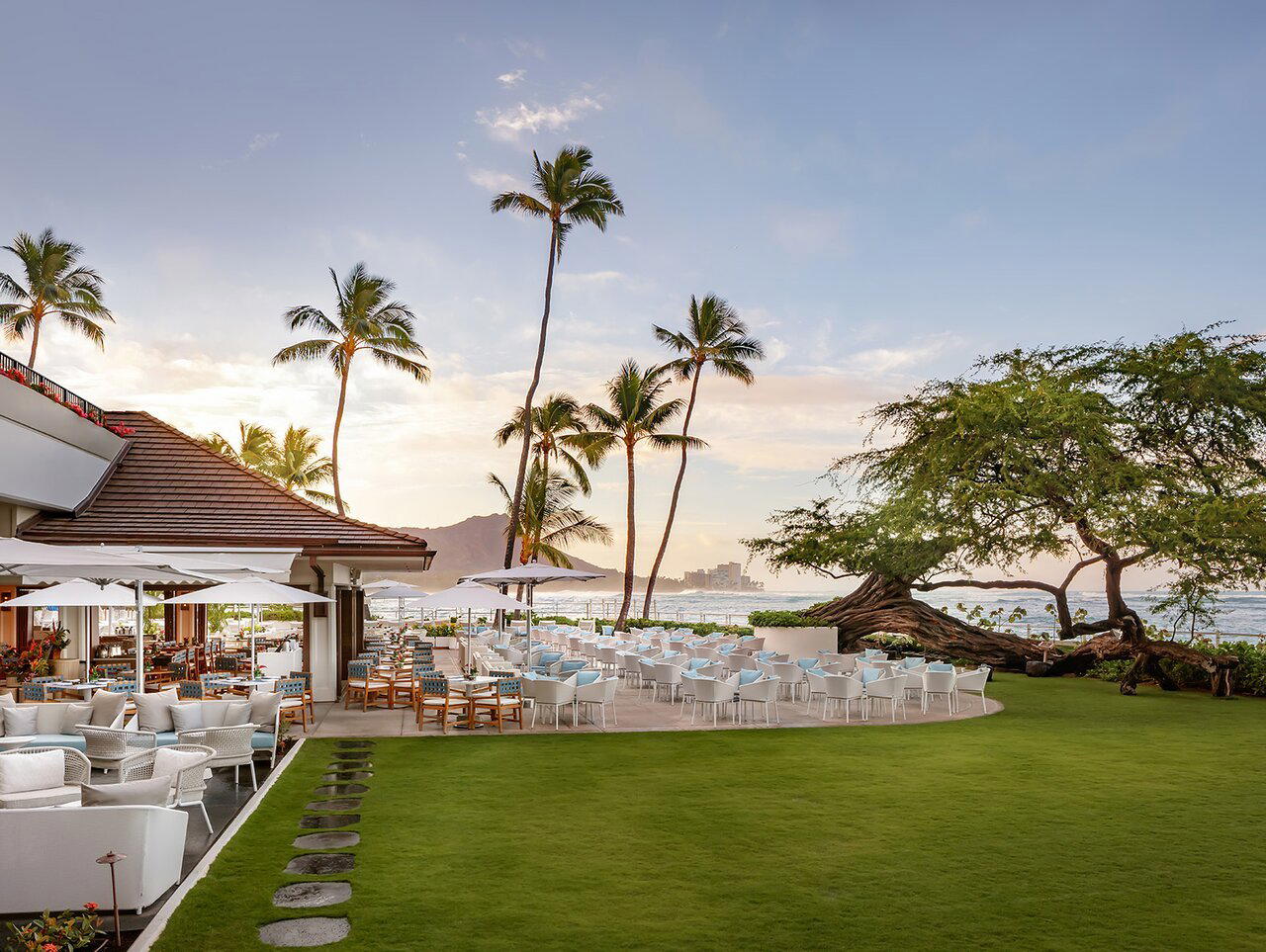
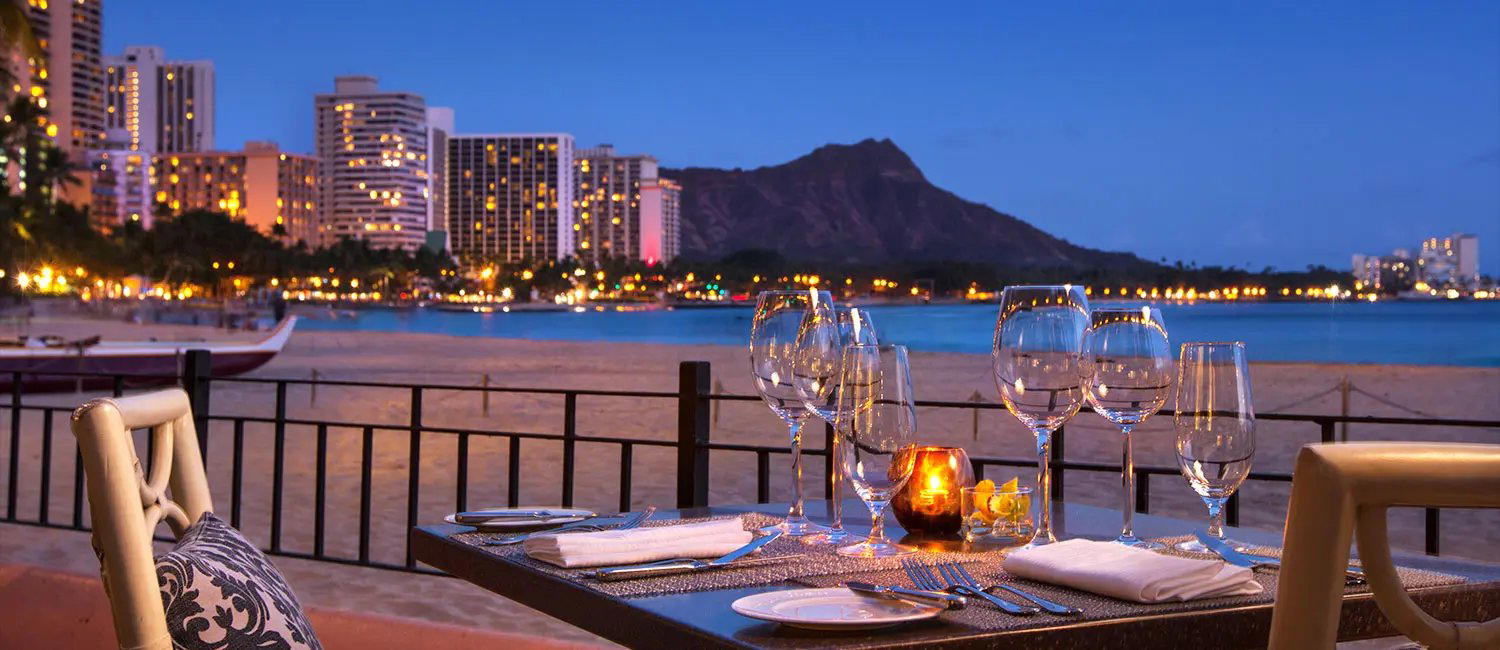
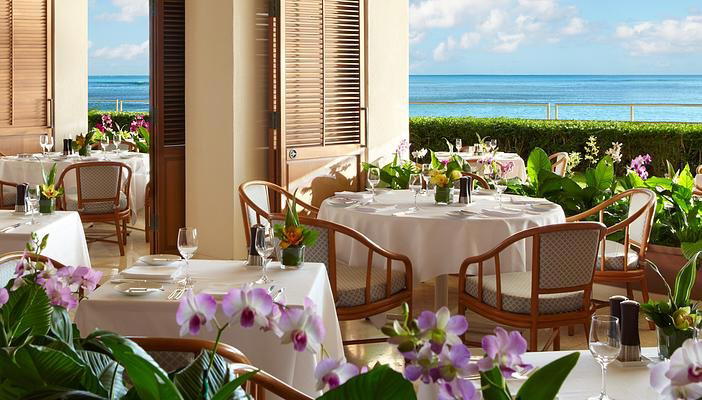
Direct beachfront access in Waikiki is rarer than the strip's density suggests. A number of properties market beach proximity while operating one or two blocks inland, relying on beach shuttle services or shared access agreements. The Moana Surfrider's position is literal: the sand begins where the hotel's beach bar and service area end. That geographic fact changes the rhythm of a stay considerably, from the ability to return to a room between swims to the noise and light environment of an ocean-facing room at dawn.
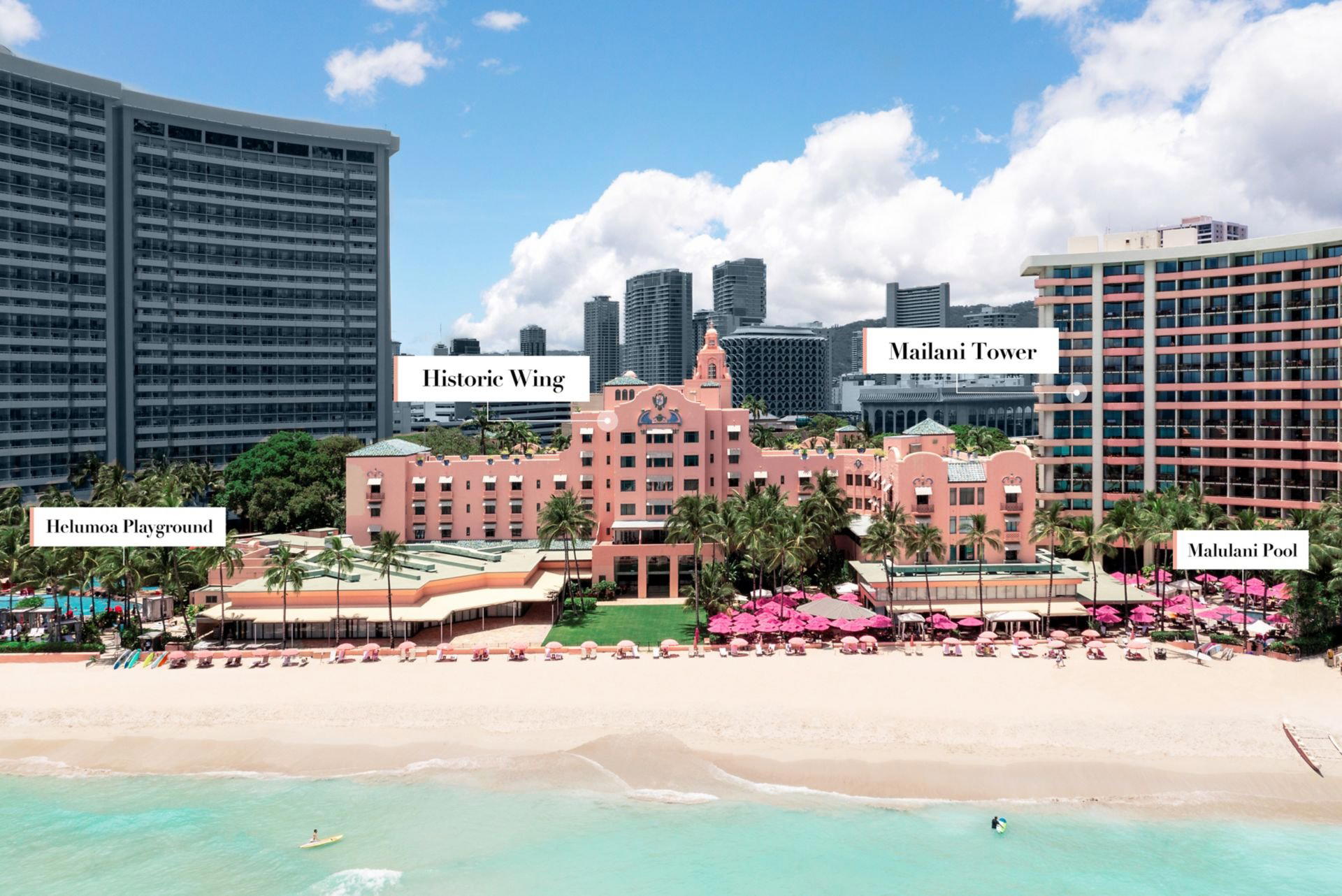
Within this tier of genuinely beachfront Waikiki hotels, the Moana's closest peer in terms of historical identity and market positioning is The Royal Hawaiian, a Luxury Collection Resort, Waikiki, which opened in 1927 and operates under Marriott's luxury brand. The two properties share a beach management area and compete for guests who weight historical character above modern tower amenities. The Royal Hawaiian's pink stucco identity and the Moana's white colonial structure offer different architectural registers of the same Waikiki nostalgia, and travelers frequently compare them when choosing between the beachfront legacy tier. For those drawn to design-forward or more compact stays, Hotel Renew and the Surfjack Hotel and Swim Club represent a different segment entirely. See our full Urban Honolulu hotels and restaurants guide for the wider picture.
Dining and the Banyan Courtyard
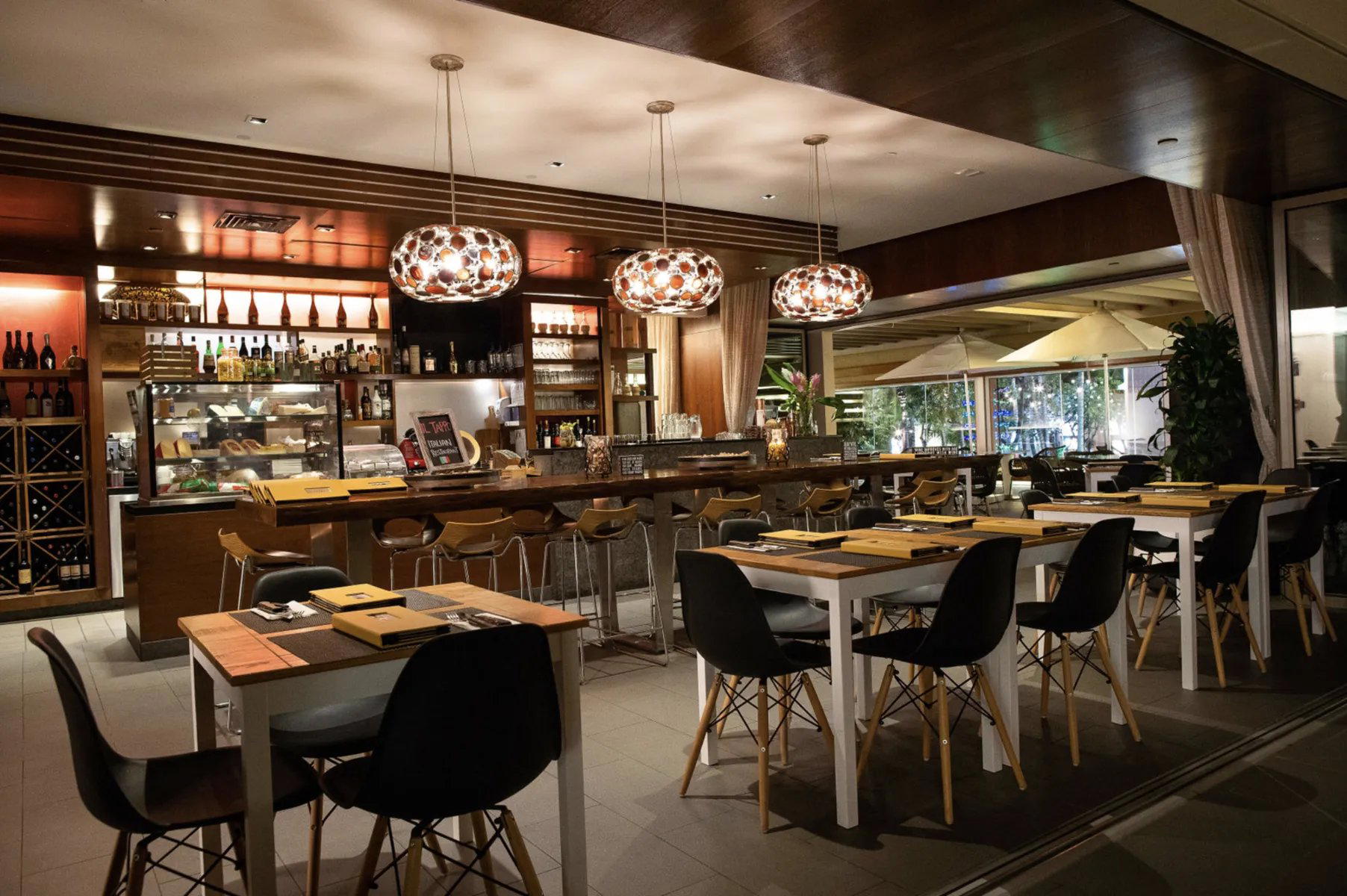
Hawaiian resort dining has moved away from the buffet-dominant model of earlier decades toward more specific food and beverage concepts, and the Moana Surfrider's food and beverage spaces reflect that shift. The banyan courtyard anchors the property's social life in a way that few hotel outdoor spaces achieve: the tree itself, planted in 1904, provides canopy cover that makes the outdoor dining experience viable through most of the day. Afternoon tea service under the banyan has operated here long enough to qualify as an institutional offering rather than a trend response, and it attracts a mix of in-house guests and locals who associate the ritual with the property specifically. For guests exploring beyond the hotel, Waikiki's restaurant options extend across a wide range of cuisines and price points, and the hotel's Kalākaua Avenue location places it within walking distance of most of the strip's better-regarded dining.
Planning a Stay: What to Know Before You Book
The Moana Surfrider's address at 2365 Kalākaua Ave places it at the more residential, quieter eastern section of Waikiki, away from the highest-density tourist concentration near the Hilton end of the strip. That location affects noise levels, beach crowding, and the character of surrounding restaurants and shops. For the beach access and historical setting, booking well ahead is advisable during peak travel windows: December through February (mainland winter escape season) and June through August (family travel peak) see consistent demand at the leading beachfront properties. The Westin loyalty framework connects to Marriott Bonvoy, which affects both rate access and upgrade eligibility for frequent Marriott guests. Guests arriving with a wellness agenda should contact the spa directly after booking to secure treatment times, particularly for weekend slots.
Travelers weighing the Moana against other Westin-affiliated or legacy resort properties across the United States might also consider Four Seasons at The Surf Club in Surfside for the Florida coast, Post Ranch Inn in Big Sur for Pacific coastal retreat, or Little Palm Island Resort and Spa in Little Torch Key for an island-isolated version of the beachfront wellness format. Each of those properties operates in a different physical and cultural context, but all share the logic of environment-as-wellness-driver that the Moana's Waikiki Beach position supports. For luxury travelers interested in Hawaiian experiences beyond Oahu, Kona Village, a Rosewood Resort in Kailua Kona on the Big Island offers a more secluded and culturally immersive alternative.
Awards and Standing
| Venue | Price | Awards |
|---|---|---|
| Moana Surfrider, A Westin Resort & Spa, Waikiki BeachThis venue (the venue you are viewing) | $300–500 | Michelin Selected |
| Hotel Renew | $200–300 | Not listed |
| Hilton Hawaiian Village Waikiki Beach Resort | $300–500 | Not listed |
Recognition history
Dated appearances from independent guides and award organizations, with the underlying list record or original source where available.
Michelin Selected
Michelin
Continue exploring
More in Honolulu
Hotels in Honolulu
All hotels in Honolulu →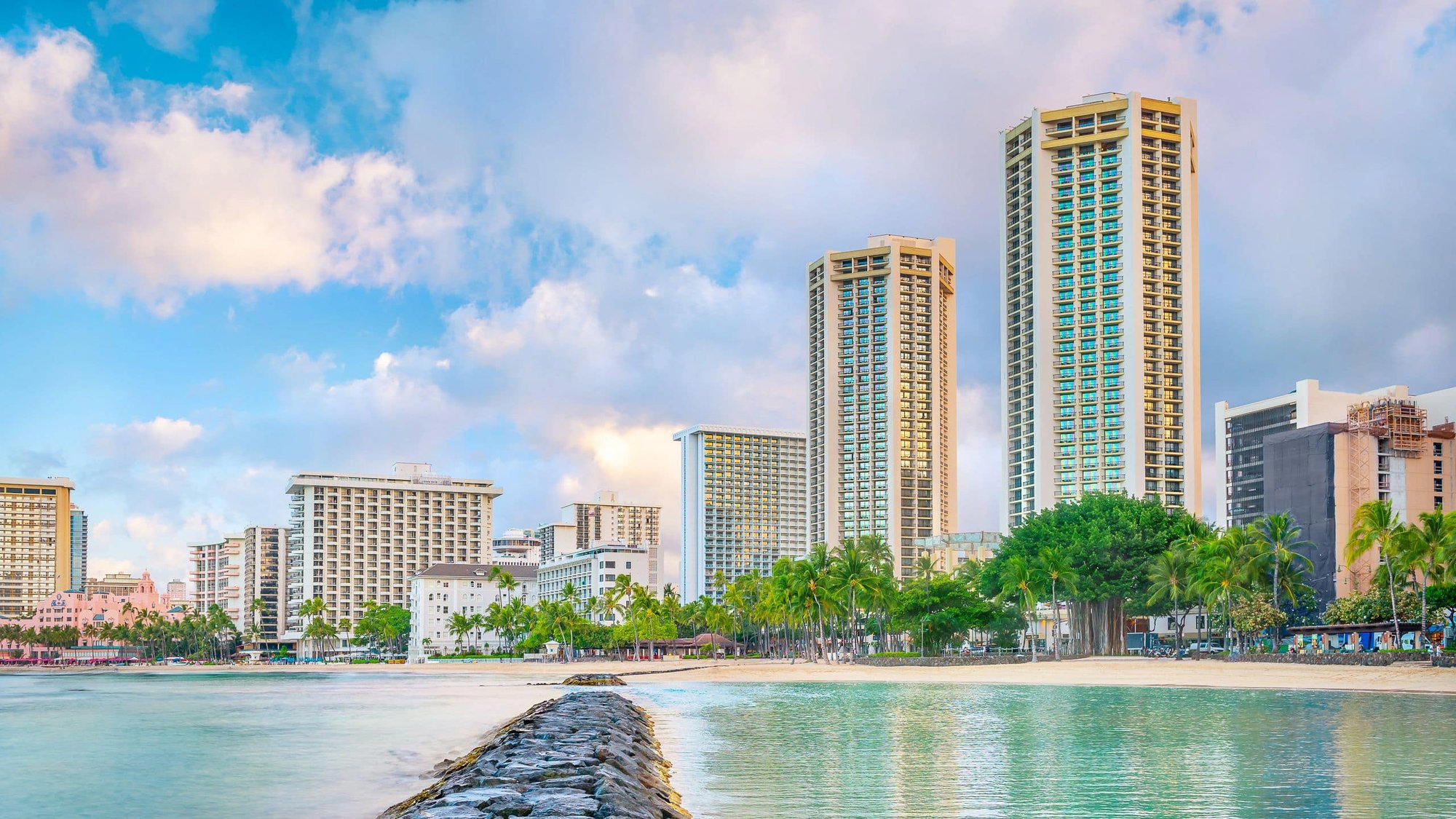

Details
- Classic
- Elegant
- Well Known
- Scenic
- Sophisticated
- Romantic Getaway
- Family Vacation
- Honeymoon
- Anniversary
- Beachfront
- Historic Building
- Pool
- Spa
- Beach Access
- Wi Fi
- Fitness Center
- Room Service
- Concierge
- Valet Parking
- Waterfront
- Wheelchair Accessible
- Accessible Restroom
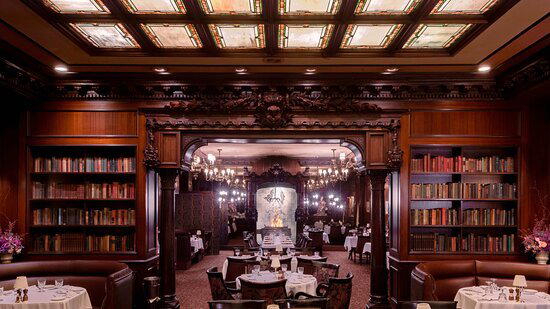
Sophisticated and tranquil with preserved colonial-style Victorian architecture, diffused lighting, and calming palettes echoing ocean views.