Old Crow Smokehouse
Old Crow Smokehouse occupies a corner of Wrigleyville at 3506 N Clark St, planting serious barbecue in one of Chicago's most reliably casual neighbourhoods. The kitchen operates in a tradition that prizes wood, smoke, and time over technique as spectacle, a counterpoint to the tasting-menu density that defines much of the city's recognised dining scene. For visitors mapping Chicago's full range, it represents a different register entirely.
Pearl is the En Primeur Club membership app — saves, bookings, and concierge access live there. Same editors, same standards.
- Address
- 3506 N Clark St, Chicago, IL 60657
- Phone
- +17735374452
- Website
- oldcrowsmokehouse.com
- Directions
- Get directions
 Saves & bookings on Pearl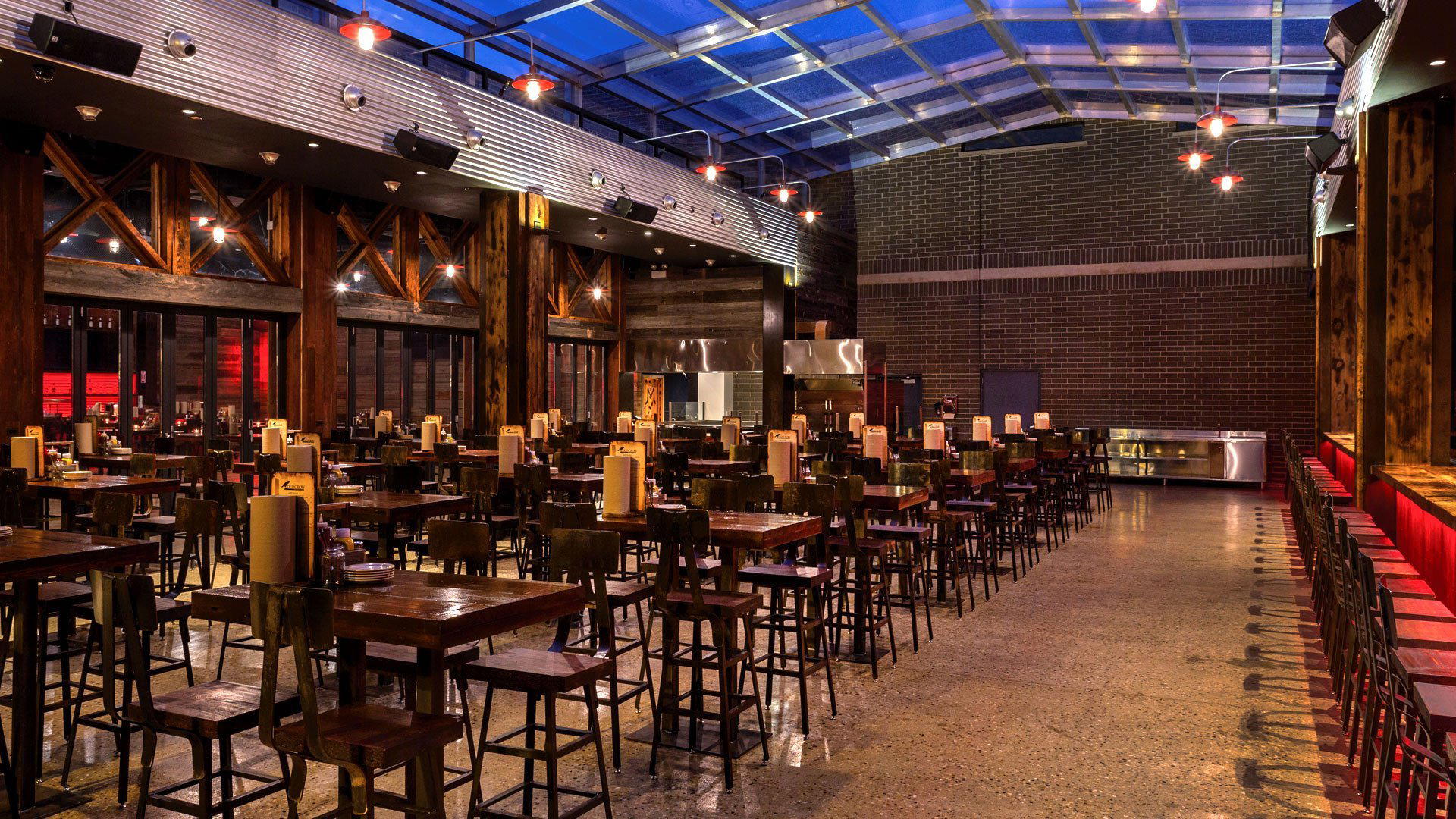
Smoke, Wood, and the Wrigleyville Address
Clark Street in Wrigleyville is not where Chicago's food media typically trains its lens. The neighbourhood runs on foot traffic, Cubs schedules, and bars that open early and close late. Against that backdrop, a barbecue house occupying 3506 N Clark St is doing something specific: it is positioning slow-cooked, smoke-forward food in a corridor defined more by convenience dining than by craft. That positioning matters, because barbecue done with any seriousness is among the more ingredient-dependent cooking traditions in American food, and Wrigleyville is not obviously the context for it.
The city's most-discussed restaurants, Alinea, Smyth, Oriole, operate in a progressive American idiom where technique, provenance narration, and tasting-menu format are the default. Old Crow operates in the opposite grammar: the craft is in the fire management and the cut selection, not the plating. That split is worth understanding before you arrive, because the two sides of Chicago dining require entirely different expectations.
The Ingredient Logic of American Barbecue
Barbecue is one of the American cooking traditions most directly shaped by sourcing decisions, even when those decisions are invisible on the menu. The quality of smoked brisket, for instance, is largely determined before the fire is lit: the grade of beef, the fat distribution in the flat and point, whether the animal was grain- or grass-finished. The same applies to pork shoulders and ribs, where the breed and finishing diet register directly in the final smoke ring and fat render. This is the editorial lens through which the kitchen at Old Crow Smokehouse is most usefully read.
American barbecue culture, particularly in its Texas and Kansas City branches, has moved in recent years toward a heightened attention to provenance. Pitmasters at the category's most-discussed addresses, from central Texas to the barbecue-adjacent movements visible in cities like San Francisco and New Orleans, have increasingly foregrounded where their protein comes from as a quality signal, not just a marketing note. The audience this creates is one that expects the sourcing conversation to inform the smoke program, not follow it as an afterthought.
Chicago, as a city, carries its own freight in this conversation. The stockyards legacy is real and documented, but today's Chicago restaurant scene draws from a broader Midwest supply chain: heritage-breed pork from Illinois and Indiana farms, beef from operations across the Great Plains, and a growing interest among serious kitchens in traceable animal sourcing. Whether a Wrigleyville barbecue house participates in that supply chain or operates from commodity protein is, in practice, one of the key differentiators between casual and considered execution in the category.
Where Old Crow Sits in Chicago's Barbecue Geography
Chicago's barbecue scene does not have the unified identity of, say, a Texas town where the pit tradition is monolithic. The city's South Side has its own deeply rooted rib traditions, distinct from the wood-smoke brisket model that has spread through the national barbecue revival. The North Side, where Wrigleyville sits, has historically been less associated with serious barbecue and more with the sports-bar-adjacent food that follows stadium geography. Old Crow Smokehouse occupies that North Side address, which makes it an interesting case: a smoke-forward concept placed in a neighbourhood where the competition is less about other barbecue and more about burgers, wings, and pub standards.
That competitive context is different from what you find at Chicago's higher-price-tier addresses. Kasama on the North Side runs a Michelin-starred tasting menu format. Next Restaurant operates on a ticketed model that prices against national tasting-menu peers. Old Crow is pricing and formatting against a different comparable set entirely, which means the relevant comparison is not those rooms but other accessible, walk-in-friendly barbecue and American comfort operations across the city. For readers building a Chicago itinerary that spans the full register, from the tasting-menu rooms to the more casual end, understanding this tier structure is more useful than treating every address as competing in the same category.
The National Barbecue Context
Thinking about American smoke-driven cooking requires a national frame of reference. One sourcing-attentive end of the American food spectrum includes places like Blue Hill at Stone Barns in Tarrytown, At restaurants like Single Thread Farm in Healdsburg or The French Laundry in Napa, provenance is not a selling point but a structural principle. That tier of sourcing discipline is not what casual barbecue houses typically participate in, but the conversation has moved far enough that it shapes expectations even for less formally structured restaurants.
Across the country, American-cuisine restaurants at various price points, from Providence in Los Angeles to Addison in San Diego, from The Inn at Little Washington to Bacchanalia in Atlanta, treat ingredient sourcing as a first-order decision. The leading version of any American smoke kitchen, regardless of price tier, is one where that same discipline applies to the protein program. It is a useful standard to carry into any barbecue visit, including this one.
Planning a Visit: What to Know
Old Crow Smokehouse sits at 3506 N Clark St, a direct Clark Street address in Wrigleyville. The neighbourhood is most densely trafficked on Cubs game days and evenings, which affects both street access and the surrounding bar environment. Visitors who prefer a lower-energy visit should time accordingly. The address is well-served by CTA Red Line access at Addison station, putting it within easy reach of the broader North Side without requiring a car.
For context on how this address compares with other Chicago options and peer-tier operations, the table below places it against the comparison set referenced in our Chicago coverage. International travellers planning multi-city itineraries who have already visited Le Bernardin in New York, Atomix, or 8½ Otto e Mezzo Bombana in Hong Kong will find Old Crow operating in an entirely different register, which is precisely the point of including it in a well-structured Chicago itinerary.
| Venue | Cuisine | Price Tier | Format | Booking Difficulty |
|---|---|---|---|---|
| Old Crow Smokehouse | American Barbecue | Not listed | Walk-in friendly | Low (game-day exceptions) |
| Alinea | Progressive American | $$$$ | Ticketed tasting menu | High (weeks to months) |
| Smyth | Progressive American | $$$$ | Tasting menu | High |
| Next Restaurant | American | $$$$ | Ticketed, rotating concept | High |
| Kasama | Filipino | $$$$ | Tasting menu / daytime casual | High (dinner) |
Peers You’d Cross-Shop
Comparable venues nearby, for context on price, style, and recognition.
| Venue | Cuisine | Price | Notes |
|---|---|---|---|
| Old Crow SmokehouseThis venue — the venue you are viewing | Chicago BBQ Smokehouse | $$ | Not listed |
| Tiny Tapp & Tiny Café | Contemporary American Riverside Café | $$ | Theater District |
| Wilma's Famous BBQ & Tavern | Barbecue & Soul Food | $$ | Loop |
| The Depot American Diner | Classic American Diner | $$ | Island |
| Brennan’s Gourmet Burger Shack | Gourmet Smashburgers | $$ | Edison Park |
| Glenn's Diner | American Diner with Fresh Seafood | $$ | Ravenswood |
At a Glance
- Rustic
- Lively
- Energetic
- Group Dining
- Casual Hangout
- After Work
- Open Kitchen
- Craft Cocktails
- Beer Program
Current opening hours
- Monday
- Closed
- Tuesday
- Closed
- Wednesday
- Closed
- Thursday
- 5 PM–12 AM
- Friday
- 9 AM–1 AM
- Saturday
- 9 AM–2 AM
- Sunday
- 9 AM–10 PM
Hours can change for holidays and private events. Last verified .
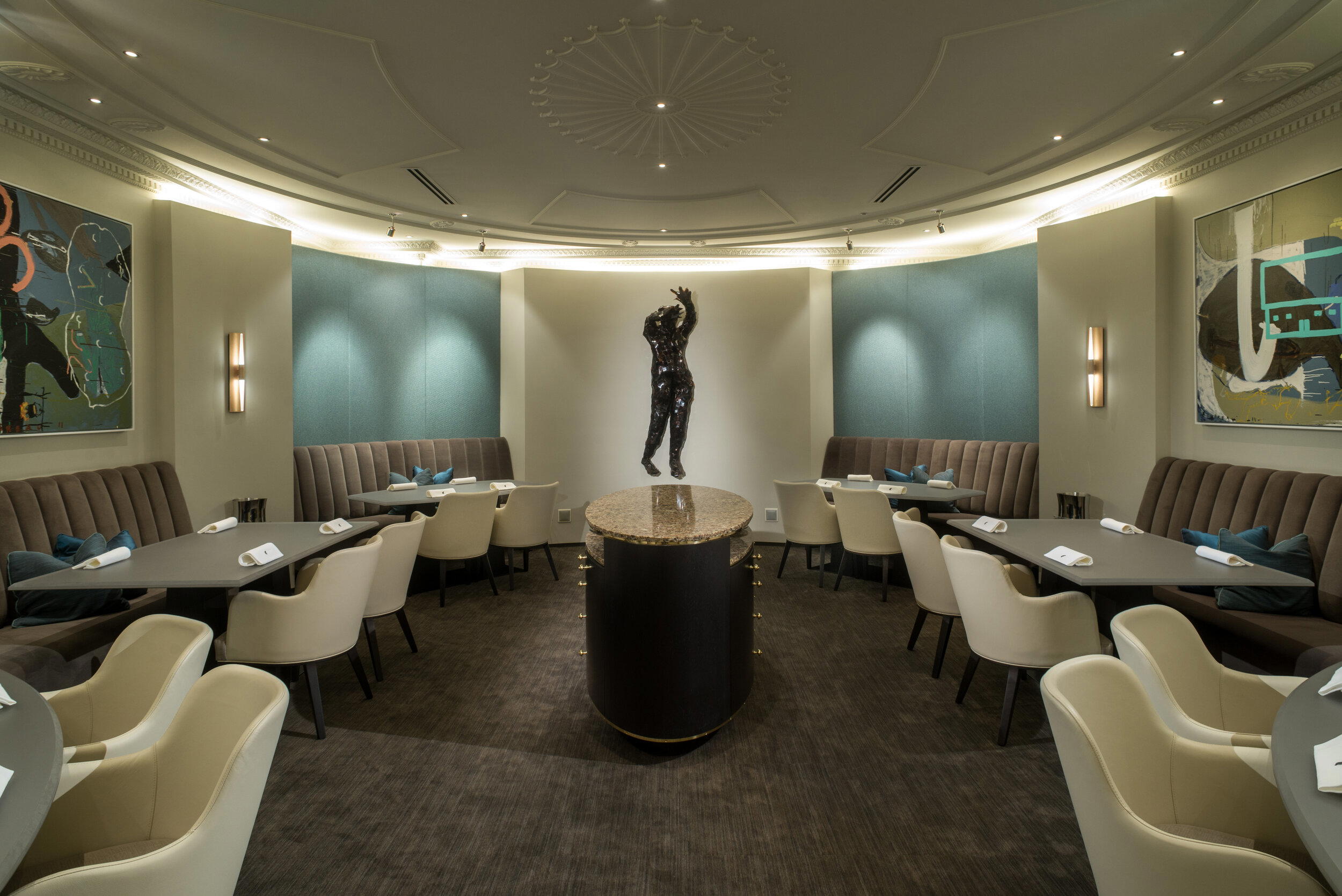
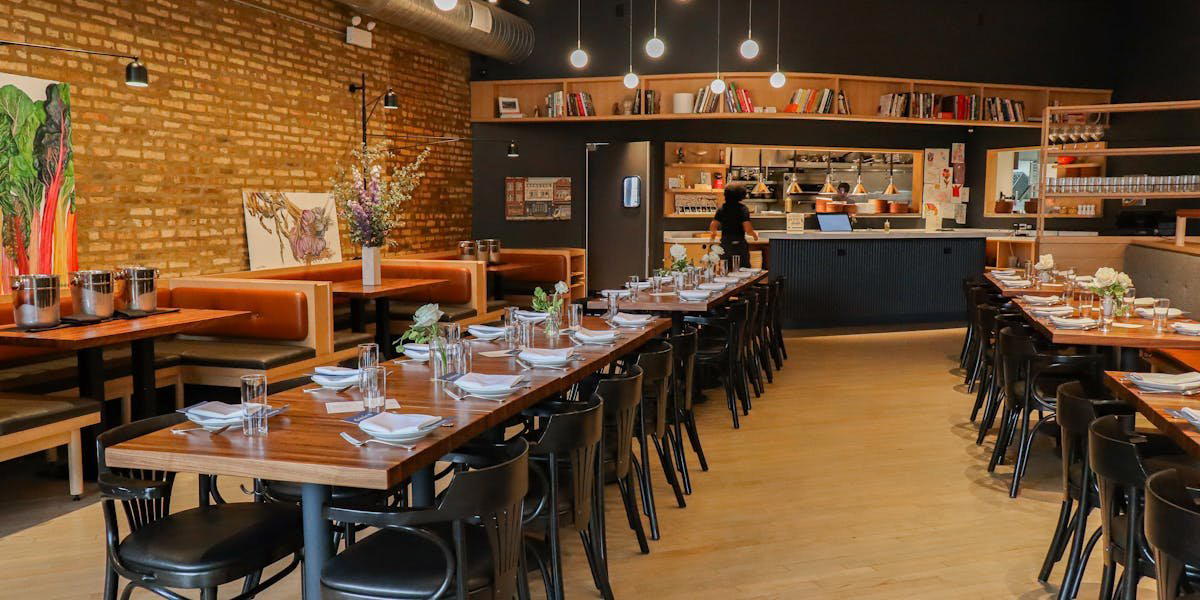
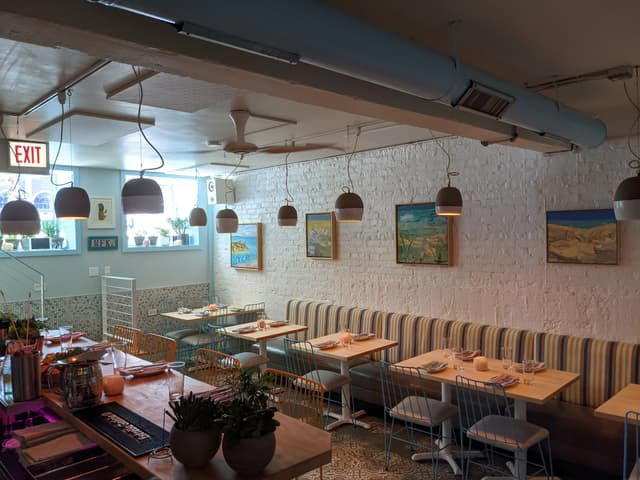
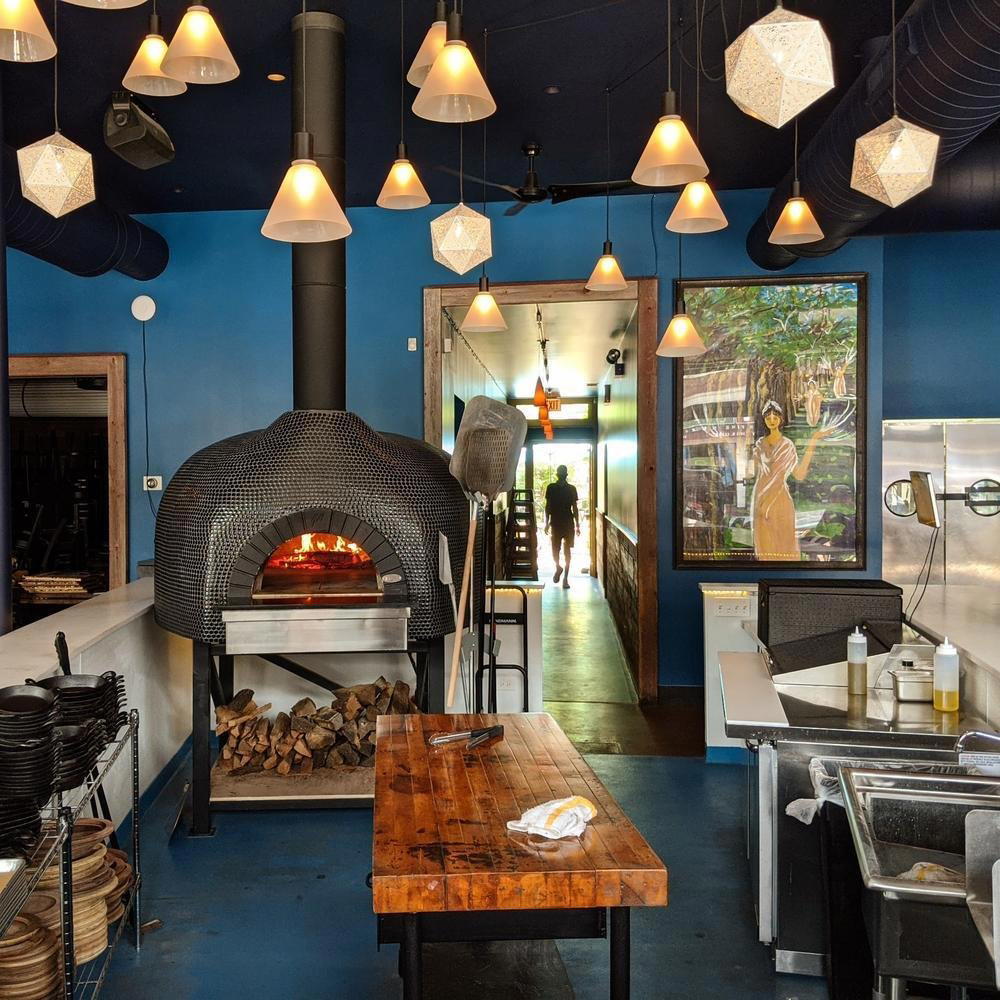
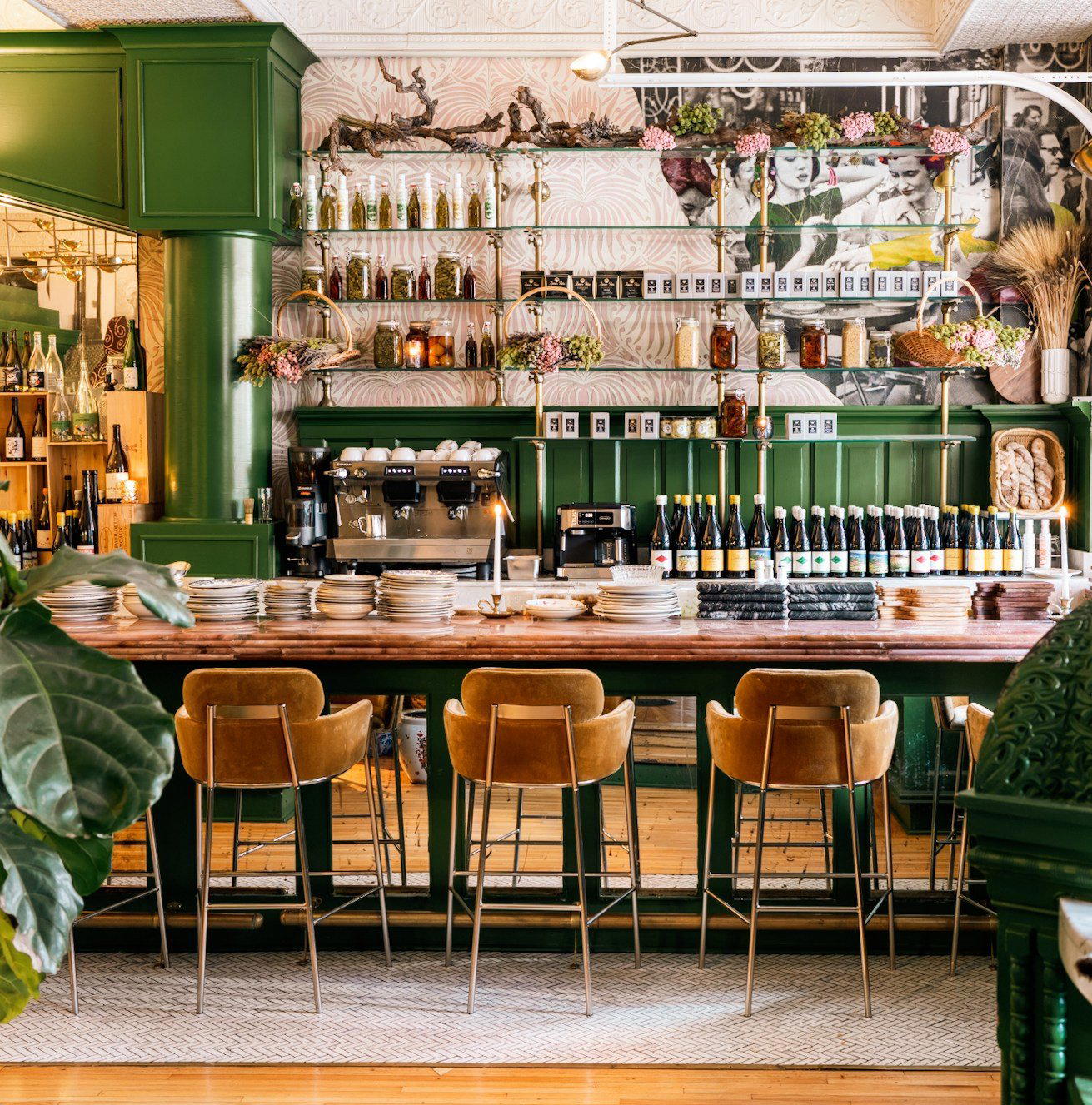
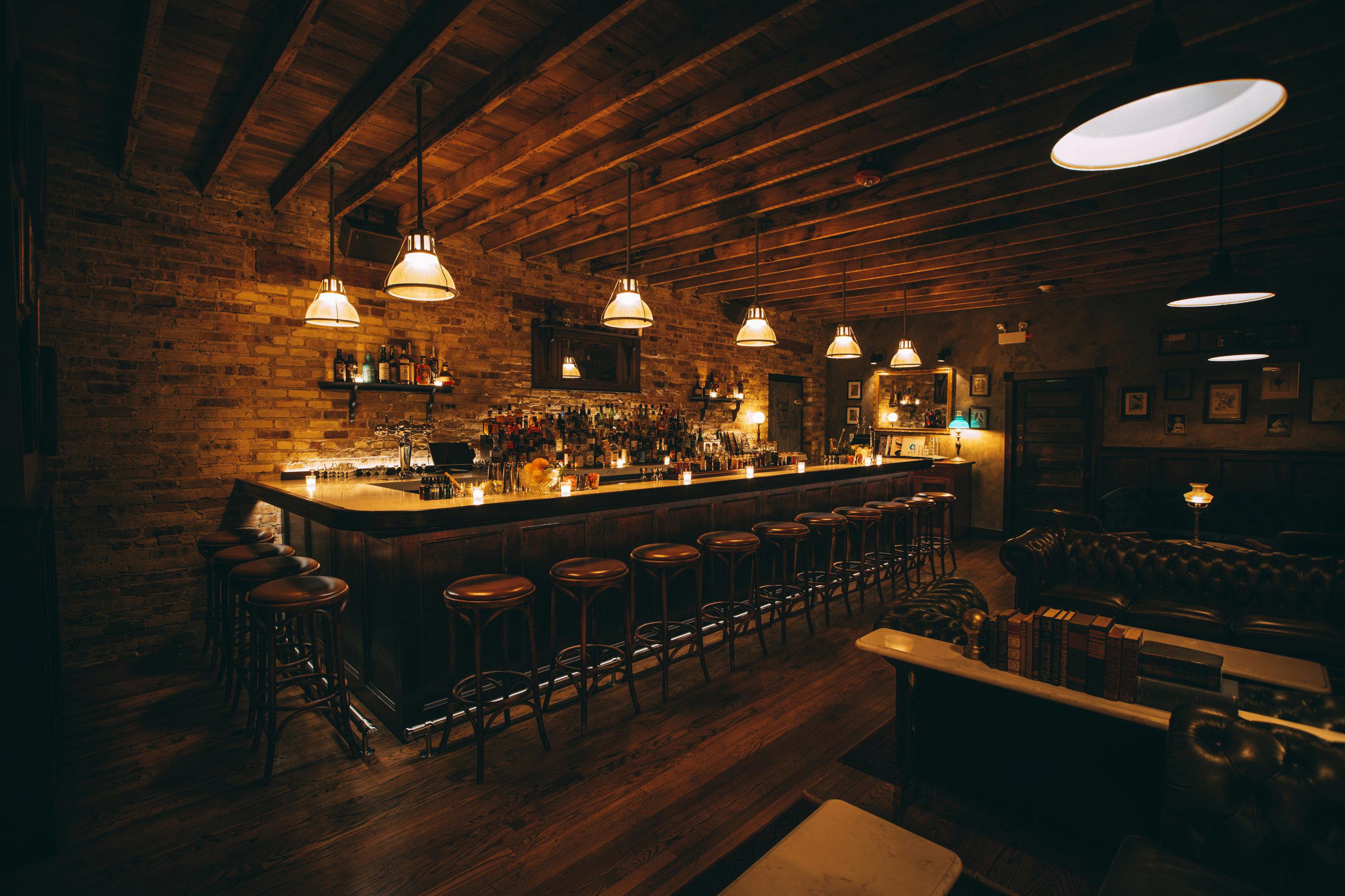
Rustic with modern touches, lively and energetic atmosphere busy during sports events.