Skip to Main Content
Classic American Diner
← Collection
Chicago, United States

The Depot American Diner

Price≈$15
Dress CodeCasual
ServiceCasual
NoiseConversational
CapacityMedium

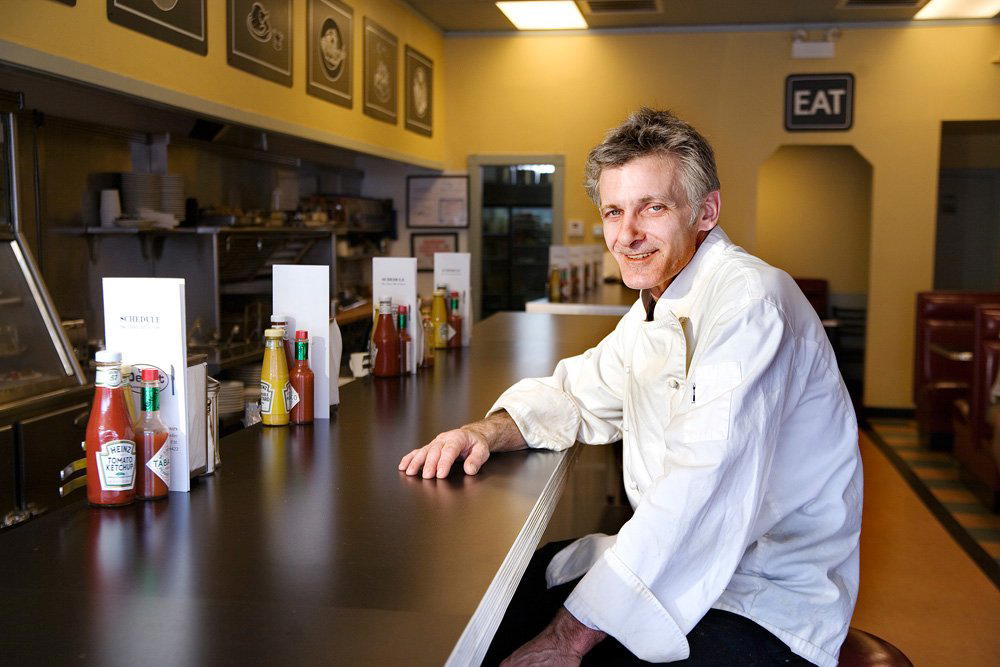
On Roosevelt Road in Chicago's Austin neighborhood, The Depot American Diner occupies a slice of the city's working-class dining tradition. The format is classic American diner, positioned well outside the fine-dining corridor that runs through the West Loop and River North. For travelers mapping Chicago's full range of eating, it represents the everyday counter end of a spectrum that stretches upward to Michelin-starred tasting menus.

Pearl is the En Primeur Club membership app — saves, bookings, and concierge access live there. Same editors, same standards.

Plan your visit on PearlPlan Your Visit
Address
5840 Roosevelt Rd, Chicago, IL 60644
The Depot American Diner restaurant in Chicago, United States
About

Roosevelt Road and the Diner Tradition It Carries

Chicago's West Side has never been a destination on the city's restaurant circuit in the way that the West Loop or Fulton Market have become. Roosevelt Road runs through neighborhoods shaped by decades of economic change, and the diners along it are working institutions rather than concept restaurants. The Depot American Diner is a casual Classic American Diner at 5840 Roosevelt Road in Chicago's Austin neighborhood, with an average spend of about $15 per person. It operates in that context: a counter-format eating place serving a local community rather than an itinerant dining public chasing reservations.

The American diner as a category sits at a particular tension point in 2024. Across the country, the format is being pulled in two directions simultaneously. On one side, heritage diner operators in cities like Chicago, Detroit, and Philadelphia are facing real-estate pressure and demographic shifts that threaten the neighborhood anchor role the format has played for generations. On the other, a new wave of chef-driven diner concepts in cities like New York and Los Angeles is repackaging the aesthetic for wealthier urban zip codes, charging premium prices for nostalgic signifiers. The Depot operates in neither of those registers. It is a neighborhood diner in the original sense: a place that exists because the people on that block need somewhere to eat.

Where American Diner Culture Sits in a City of Tasting Menus

Chicago's dining identity in national and international press is almost entirely constructed around its fine-dining output. Alinea, Grant Achatz's long-running laboratory of progressive American technique, and two-Michelin-starred Smyth in the West Loop represent one end of the city's range. Oriole and Kasama, both carrying Michelin recognition, along with Next Restaurant's rotating format concepts, occupy the same upper bracket. That tier draws most of the editorial attention.

But Chicago also has a deep infrastructure of everyday eating that rarely makes the round-up lists. Diners, soul food counters, Polish breakfast spots, and taqueria storefronts spread across the South and West Sides represent a different kind of culinary record: one that documents how working Chicagoans have eaten across generations rather than what visiting critics have found worth writing about. The Depot belongs to that broader infrastructure. Positioning it against our full Chicago restaurants guide makes the city's actual range visible.

The Sustainability Question in Low-Margin Diner Operations

The sustainability conversation in American restaurants has, for the most part, been a conversation about fine dining. Operators like Blue Hill at Stone Barns in Tarrytown have built entire identities around farm-to-table sourcing and waste reduction. SingleThread Farm in Healdsburg integrates a working farm with its restaurant operation in ways that require significant capital investment. Atelier Moessmer Norbert Niederkofler in Brunico has made ethical sourcing a structural feature of its tasting menu. These are approaches that depend on high ticket prices to absorb the cost of sustainable procurement.

Neighborhood diners operate under entirely different economics. Food cost ratios, supplier relationships, and menu engineering in a diner context are shaped by the need to keep prices accessible to the surrounding community. That creates a different kind of sustainability challenge: one about economic survival rather than carbon footprint. A diner that closes because rents rise or customers can no longer afford to eat out is a form of community loss that the sustainability conversation in restaurant media rarely addresses directly. The format's role as an affordable, consistent source of hot food in lower-income urban neighborhoods is itself a form of social infrastructure worth accounting for.

Across the United States, diners that have maintained longevity in working-class neighborhoods have typically done so through operational discipline: tight menus, minimal waste through high-turnover volume, and supplier relationships built on consistency rather than provenance storytelling. That model is not glamorous by the standards of farm-to-table rhetoric, but it represents a functional approach to feeding a community at scale over time.

Comparing Across American Dining Registers

For travelers who map American restaurant culture by moving across price tiers and formats, the diner occupies a foundational position. The same cities that produce the country's most acclaimed tasting menus also contain the diners, lunch counters, and breakfast spots that fed those cities before the fine-dining economy arrived. Le Bernardin in New York and Emeril's in New Orleans exist at one end of a continuum. The neighborhood diner exists at the other, and both are genuine expressions of American food culture rather than one being more authentic than the other.

Regional diner traditions vary considerably. Chicago's version skews toward hearty breakfast plates, club sandwiches, and burger formats shaped by Midwestern ingredient expectations. This differs from the diner traditions of, say, New Jersey (where the format carries Greek-American influence and expansive laminated menus) or the South (where biscuit-centered breakfast culture intersects with the diner form). Understanding The Depot means situating it in the Chicago Midwestern diner tradition rather than evaluating it against the standards of, for example, Lazy Bear in San Francisco or Providence in Los Angeles.

Planning Your Visit

The Depot American Diner is located at 5840 Roosevelt Road, Chicago, IL 60644, in the Austin neighborhood on the city's West Side. The Depot American Diner is at 5840 Roosevelt Road, Chicago, IL 60644, in the Austin neighborhood on the city's West Side. The diner is walk-in friendly.

Austin sits west of the more heavily trafficked neighborhoods, which means lower foot traffic from tourists and a more genuinely local eating environment. For context on how this fits into Chicago's wider dining map, the full Chicago guide covers the city's range from the West Loop's Michelin tier through to neighborhood institutions across all price points.

Frasca Food and Wine in Boulder, Addison in San Diego, The Inn at Little Washington, and Atomix in New York all represent very different points on the American dining spectrum, and mapping them together gives a more complete picture of how American restaurant culture distributes across formats and price tiers.

Signature Dishes
Thanksgiving dinner sandwichSunday pot roast on a bunpot roast
Frequently asked questions

Cuisine Context

Comparable venues nearby, for context on price, style, and recognition.

At a Glance
Vibe
  • Classic
  • Cozy
Best For
  • Family
  • Casual Hangout
  • Brunch
Experience
  • Historic Building
Dress CodeCasual
Noise LevelConversational
CapacityMedium
Service StyleCasual
Meal PacingStandard

Classic diner atmosphere with lovingly made comfort dishes like pot roast and homemade donuts.

Signature Dishes
Thanksgiving dinner sandwichSunday pot roast on a bunpot roast