Okini serves West Coast Japanese Fusion for dinner with craft cocktails, a sake program, and an open kitchen with terrace seating, fitting a conversational evening plan.
Pearl is the En Primeur Club membership app — saves, bookings, and concierge access live there. Same editors, same standards.
- Address
- 1864 W 57th Ave, Vancouver, BC V6P 1T7, Canada
- Phone
- +16042630155
- Website
- okiniyvr.com
- Directions
- Get directions
 Saves & bookings on Pearl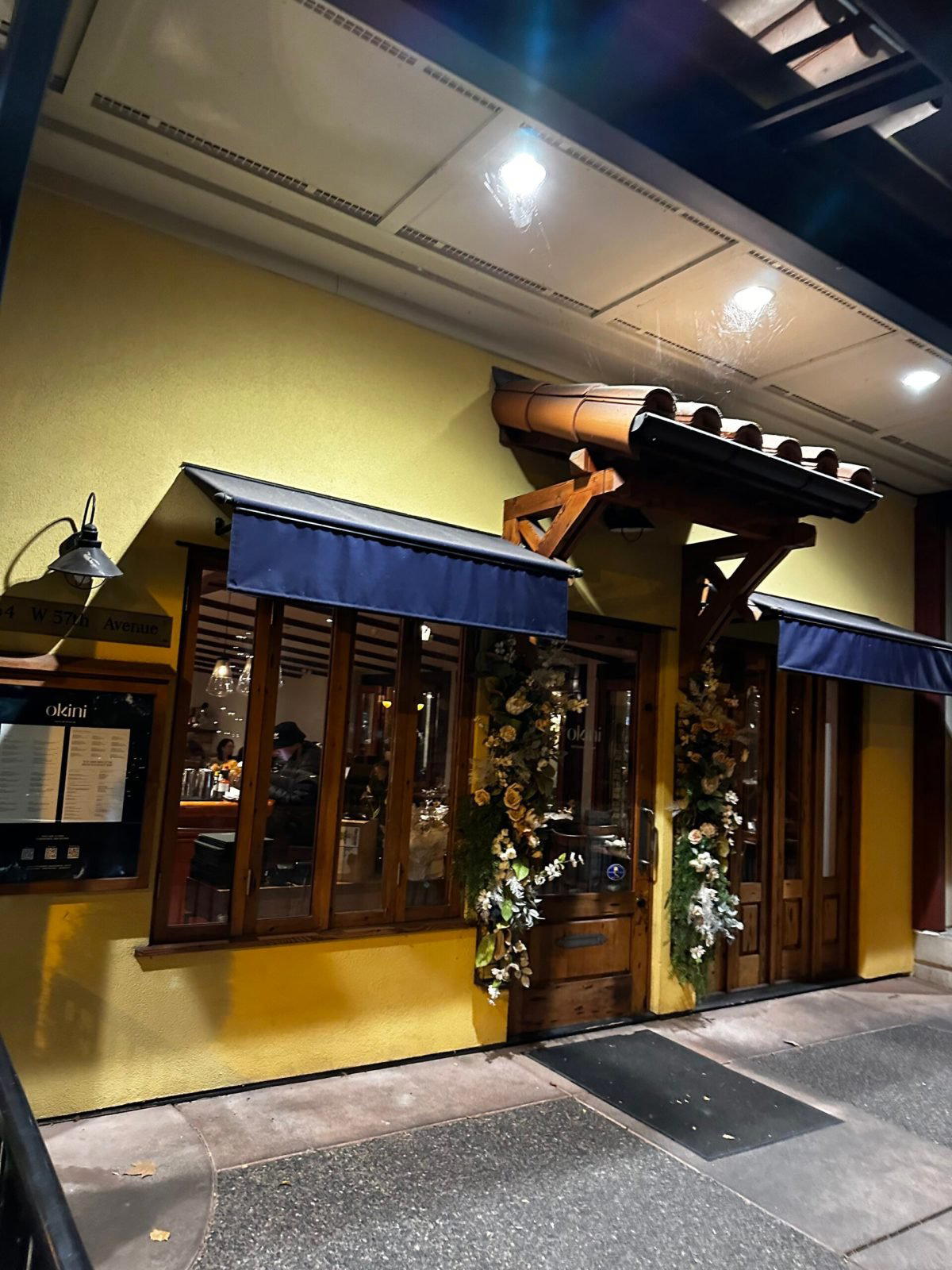
Where Vancouver's Southwest Corner Meets the Fine-Dining Conversation
Okini is a West Coast Japanese Fusion restaurant in Vancouver, British Columbia. What makes the Marpole neighbourhood, anchored near West 57th Avenue, worth attention is precisely that it sits outside those established circuits. Restaurants that operate in quieter residential pockets of the city tend to build their audiences differently, through word of mouth, through a dining room that functions as a genuine local institution rather than a destination engineered for tourism. Okini, at 1864 W 57th Ave, is part of that less-trafficked geography.
The broader Vancouver dining scene against which Okini should be understood is one of considerable sophistication. Counters like Masayoshi have helped define what serious Japanese technique looks like in the city, while rooms like Kissa Tanto have demonstrated that fusion formats, when handled with discipline, can sustain long-term critical attention. Contemporary rooms such as AnnaLena and Barbara have raised the standard for how a smaller dining room earns its premium positioning. Okini enters, or holds its ground within, a city that no longer extends patience to rooms that cannot articulate a clear point of view.
The Architecture of a Collaborative Dining Room
Across the premium tier of Vancouver dining, the venues that have earned sustained attention tend to share a structural trait: they function as collaborative systems rather than vehicles for a single personality. The dining rooms that resonate beyond their first season are those where the kitchen's output, the floor team's knowledge, and the beverage program operate in visible dialogue. A chef's instincts matter, but so does whether the person pouring your wine can tell you why a particular producer belongs on that list, and whether the front-of-house team reads the pace of a table without being asked.
This model, call it the ensemble approach, has become a distinguishing characteristic of the city's more enduring fine-dining operations. It reflects a broader shift in how premium hospitality is understood across Canada's major dining cities. In Toronto, rooms like Alo have built reputations on service architecture as much as on plate-level execution. In Montreal, Jérôme Ferrer - Europea has long demonstrated that floor presence is a culinary statement in its own right. In Quebec City, Tanière³ has pushed the idea of total-room coherence into its identity. The question for any Vancouver room operating outside the established dining corridors is whether that ensemble discipline translates across the geography.
Reading the Marpole Positioning
There is a particular logic to operating a premium dining experience in a residential neighbourhood rather than in a high-footfall dining district. The cost structure differs, the clientele tends to be more local and more loyal, and the room is freed from the performative pressure that high-visibility locations generate. Particularly durable restaurants in cities across the country, including places as different in format as Eigensinn Farm in Singhampton or The Pine in Creemore, have built their authority partly by refusing the geography of convenience. The distance functions as a filter, and the audience that makes the effort tends to engage more seriously with the room.
In Vancouver's case, the southwest residential stretch near West 57th Avenue sits a meaningful distance from the downtown dining cluster. That separation implies a deliberate choice on the part of whoever shaped Okini's positioning. Rooms in this kind of location typically sustain themselves through a consistent neighbourhood base supplemented by destination visitors who have done their research. The dining room becomes something closer to a regular commitment than a one-time event, a dynamic that shapes how the kitchen, the sommelier, and the floor team operate over time.
For comparison within the province, the same residential-anchor dynamic plays out differently at Barra Fion in Burlington or at spots like Narval in Rimouski, where geography has been turned into identity. The lesson from those rooms is consistent: operating outside a major dining node requires the room itself to generate enough reason to travel.
Vancouver's Premium Tier in Context
Understanding where Okini sits requires a clear picture of what the Vancouver premium tier looks like at its upper end. The city's most-discussed rooms, Masayoshi for omakase-format Japanese, Kissa Tanto for its Italian-Japanese hybrid, iDen & QuanJuDe Beijing Duck House for its ceremonial Chinese format, each occupy a defined lane. The rooms that compete on the contemporary fine-dining side, like AnnaLena and Barbara, have staked clear positions on ingredient sourcing and format discipline. Internationally, the peer comparison for serious team-driven rooms extends to operations like Le Bernardin in New York City or the more contemporary Korean-inflected precision of Atomix, both rooms where the collaboration between kitchen and floor is a stated part of the identity, not an afterthought.
Okini does not have a documented Michelin star, World’s 50 Best ranking, or James Beard award. The absence of documented Michelin recognition, 50 Best positioning, or James Beard acknowledgment places it in a different bracket from the city's most credentialed operations, but that bracket is not a small one. Vancouver has a productive middle tier of serious rooms that operate with discipline and genuine hospitality without carrying the overhead of major award infrastructure. That tier deserves as much attention as the rooms above it, particularly for diners whose primary interest is the quality of a given evening rather than the prestige of a given accolade.
Where the Accolades Land
Comparable venues nearby, for context on price, style, and recognition.
| Venue | Cuisine | Price | Notes |
|---|---|---|---|
| OkiniThis venue — the venue you are viewing | West Coast Japanese Fusion | $$$ | Not listed |
| Alley 16 | Japanese Yakiniku BBQ | $$$ | Mount Pleasant |
| Kamei on Broadway | Authentic Japanese Fusion Sushi | $$ | Fairview |
| Guu with Otokomae | Japanese Izakaya | $$ | Downtown |
| Ramen Danbo | Fukuoka-Style Tonkotsu Ramen | $$ | West End |
| Temaki Sushi | Modern Japanese Sushi | $$ | Kitsilano |
Continue exploring
More in Vancouver
Restaurants in Vancouver
Browse all →
Bars in Vancouver
Browse all →
At a Glance
- Modern
- Trendy
- Elegant
- Date Night
- Group Dining
- Celebration
- Casual Hangout
- Open Kitchen
- Terrace
- Craft Cocktails
- Sake Program
- Local Sourcing
Current opening hours
- Monday
- Closed
- Tuesday
- 3:30–9 PM
- Wednesday
- 3:30–9 PM
- Thursday
- 3:30–9 PM
- Friday
- 3:30–10 PM
- Saturday
- 3:30–10 PM
- Sunday
- 3:30–9 PM
Hours can change for holidays and private events. Last verified .
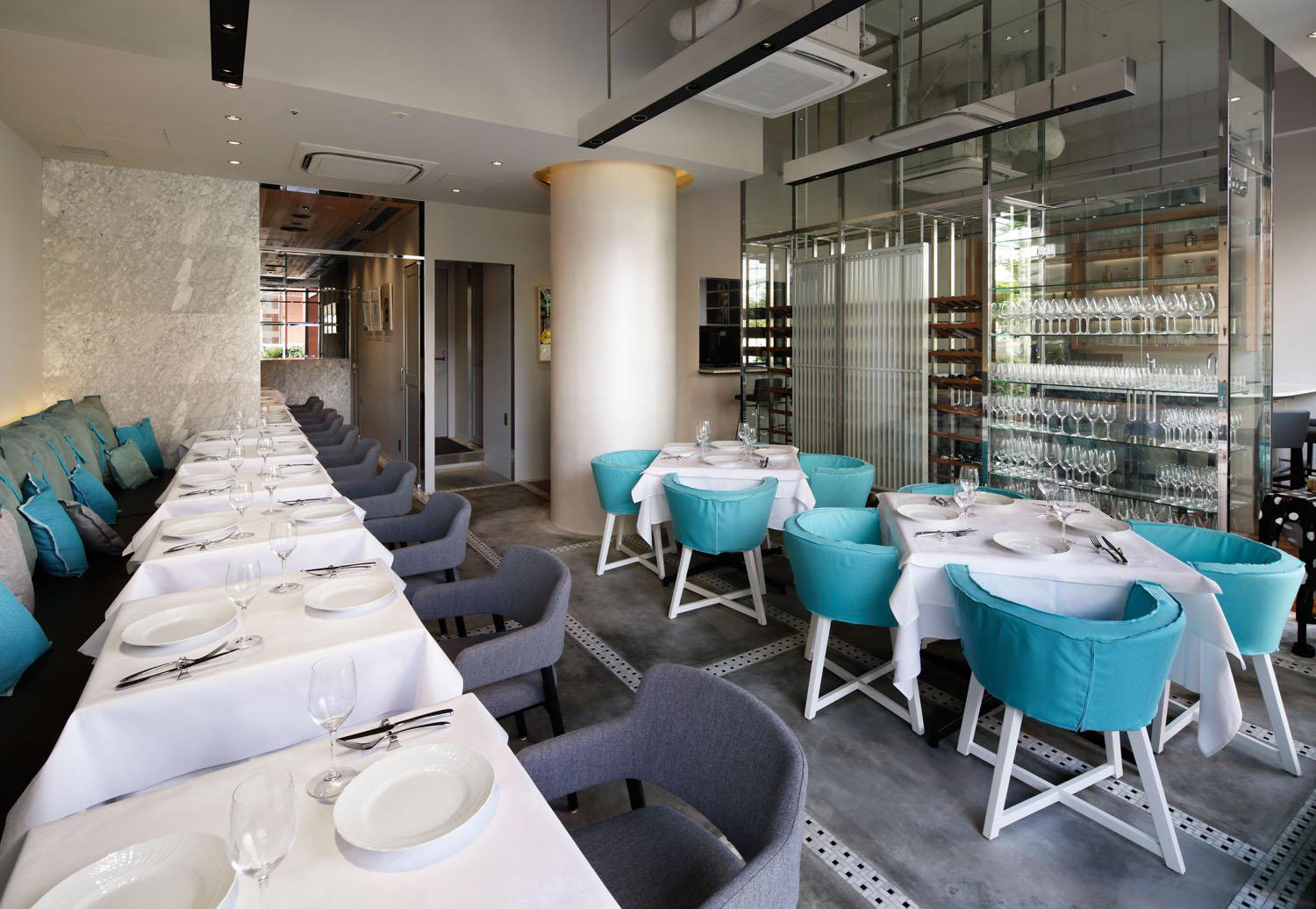
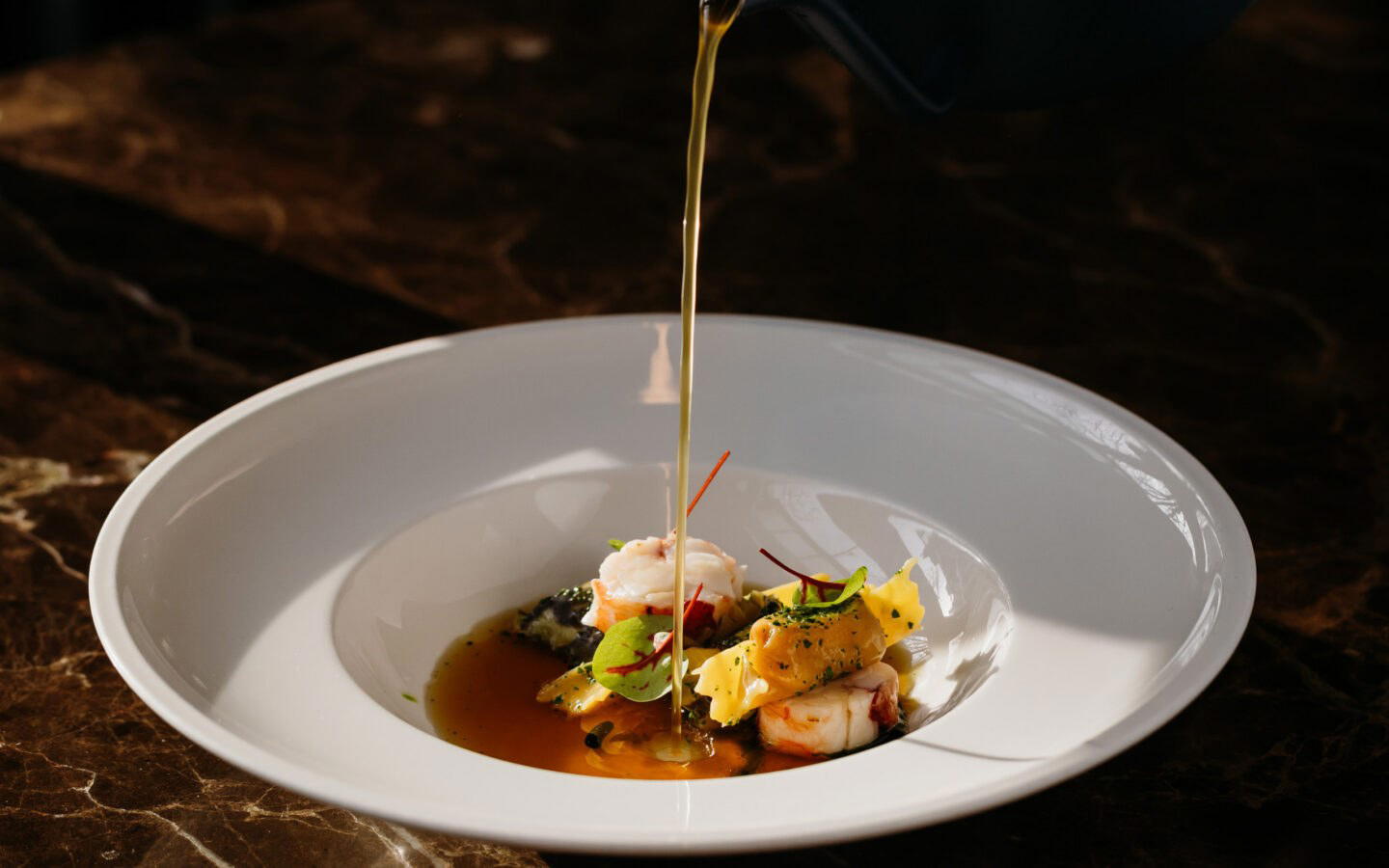
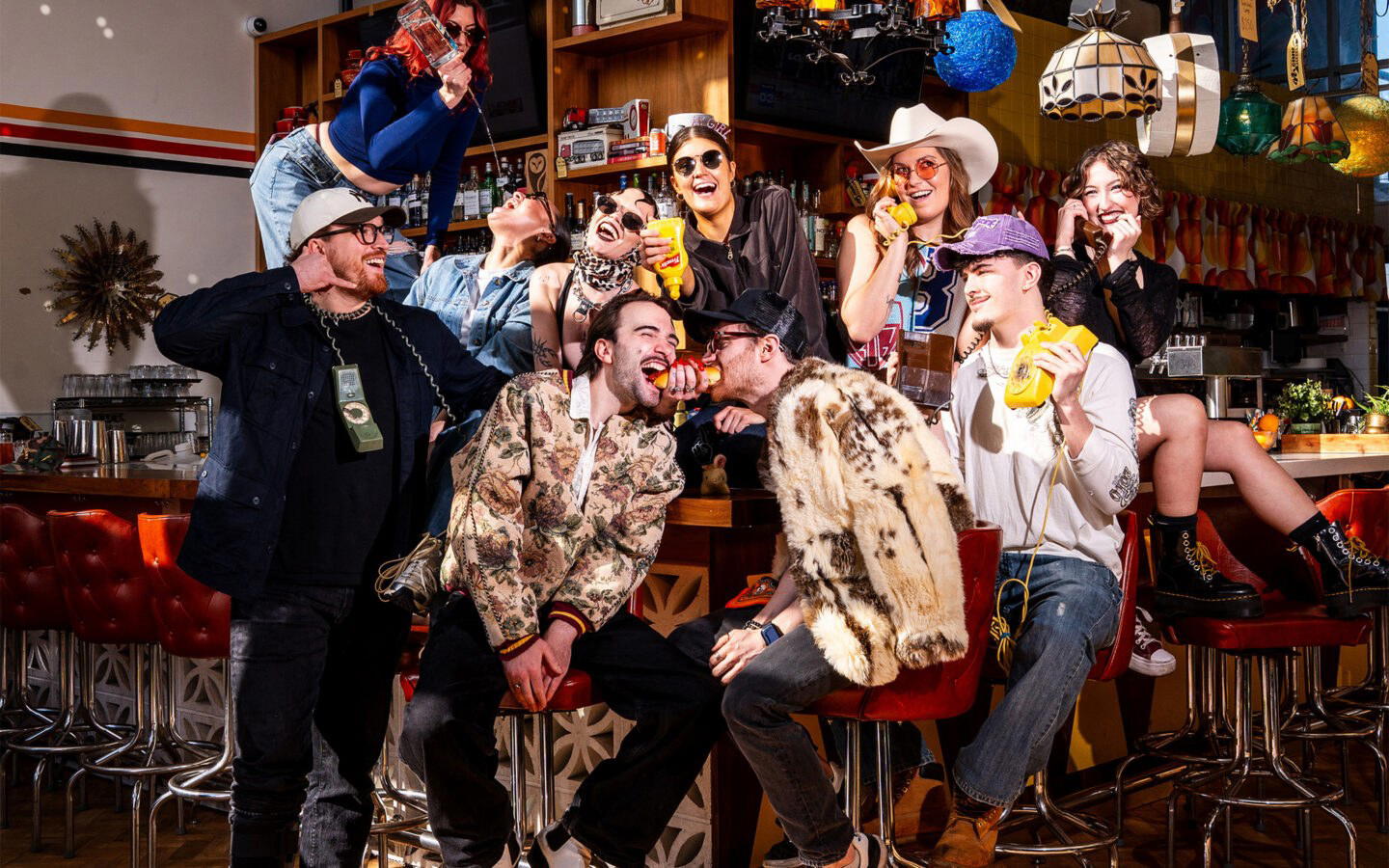
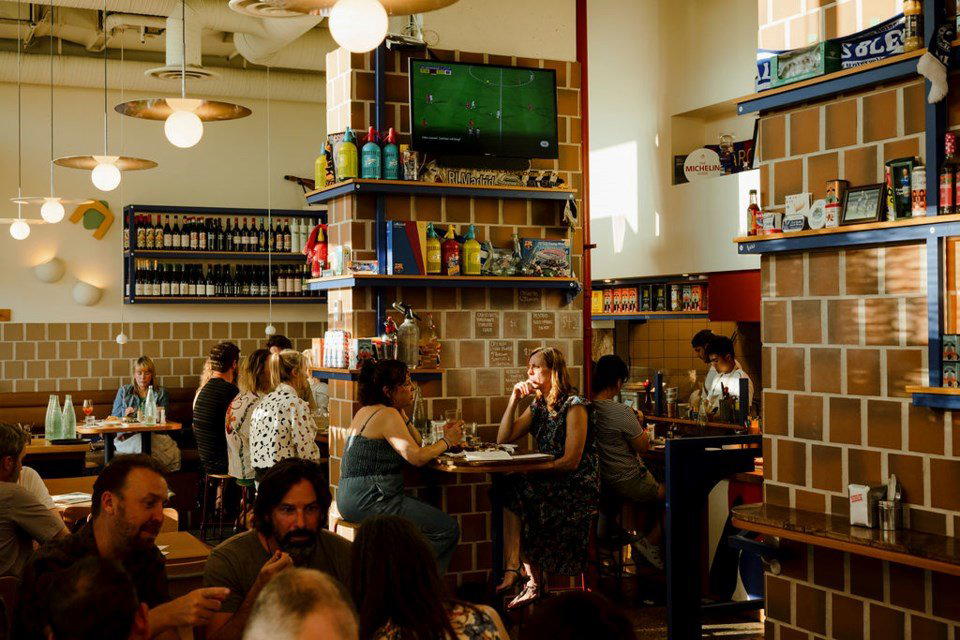
Modern and refined atmosphere with creative plating and high-quality ingredients, blending traditional Japanese with West Coast influences.