Our verdict
Guu with Otokomae occupies a Gastown address that places it squarely inside Vancouver's izakaya tradition, where the format rewards repeat visits rather than single-occasion dining. The energy shifts noticeably between lunch and dinner service, making it a different proposition depending on when you walk through the door. For the city's Japanese casual dining scene, it represents one of the more consistent reference points in a crowded category.

Pearl is the En Primeur Club membership app — saves, bookings, and concierge access live there. Same editors, same standards.
- Address
- 375 Water St #105, Vancouver, BC V6B 5C6, Canada
- Phone
- (604) 685-8682
- Hours
- Mon–Thu 11:30 AM–11 PMFri–Sat 11:30 AM–12 AMSun 11:30 AM–11 PM
- Website
- guu-izakaya.com
- Directions
- Get directions
- Booking
- Book on the venue's website
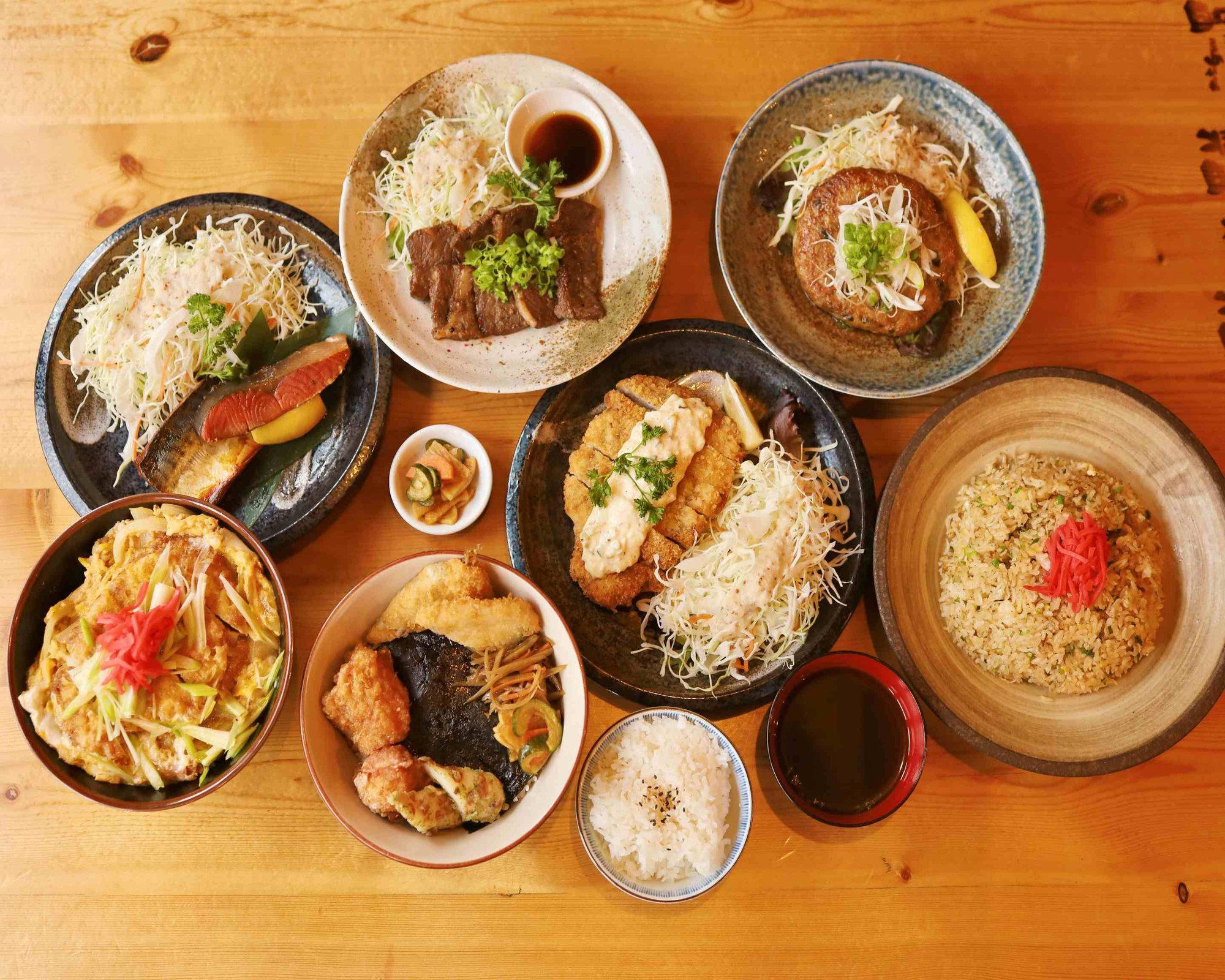
The menu
What to order
- Salmon with Seven Friends
- Takoyaki
- Sashimi Salad
Gastown's Izakaya Register
Vancouver's izakaya scene arrived earlier and took deeper root than in most North American cities, shaped by decades of Japanese immigration and a Pacific Rim geography that kept the cultural pipeline short. By the time izakaya became a trend in New York or Toronto, Vancouver already had a mature, internally differentiated category: high-end Japanese dining at counters like Masayoshi, fusion-inflected rooms like Kissa Tanto, and the looser, louder izakaya tier that Guu with Otokomae has occupied for years. That tier is not a stepping stone to something more serious. It is its own tradition, and in Gastown it occupies a particular position: close enough to the tourist corridor to catch passing trade, but consistent enough in format and clientele to function as a neighbourhood regular's room.
The Water Street address puts Guu with Otokomae in a part of Vancouver that has gone through several identity shifts. Gastown is now better described as a mixed-use entertainment district than a dining destination in the way that, say, Chinatown or Mount Pleasant are. That makes the izakaya format a reasonable anchor: it serves a wide enough function, from after-work drinks with small plates to a full sit-down meal, that it absorbs the neighbourhood's variable foot traffic without being dependent on any one occasion type.
The Lunch-to-Dinner Shift
The distinction between daytime and evening service at an izakaya like Guu with Otokomae is not just a matter of crowd size. It is a structural difference in how the format performs. Lunch at a well-run izakaya tends toward efficiency: shorter menus, faster table turns, a clientele that includes office workers and nearby residents who want a reliable bowl or a set rather than a prolonged session. The room operates at lower decibel levels, the lighting is less atmospheric, and the social compact between diner and kitchen is simpler.
Evening service is where the izakaya format expands into its intended shape. The menu broadens, the ordering becomes iterative rather than fixed, and the room fills with a different kind of noise. This is the service where sharing plates accumulate, where a group orders in rounds rather than all at once, and where the bar program takes on more weight. Japanese highballs, draft beer, and house-poured sake move in volume that daytime service does not approach. If you are evaluating an izakaya on a single visit, the evening read is closer to its full expression.
For value calculation, lunch has the edge in per-head cost, almost certainly. Evening at this category of izakaya in Vancouver tends to escalate: a table of four ordering properly, with drinks across two or three rounds, will spend at a rate that competes with the lower end of the city's contemporary fine dining tier. That is not a criticism of the format, it is how izakaya economics work. The per-plate prices look modest until the plates accumulate.
Where This Fits in Vancouver's Japanese Dining Tier
Vancouver's Japanese restaurant category now spans a wide price and formality range. At the leading, omakase and premium sushi counter formats charge at rates that place them alongside Atomix in New York or top-tier tasting menu rooms elsewhere in Canada like Alo in Toronto. Below that sits a mid-market sushi and Japanese casual tier, and below that, a ramen and donburi segment. Izakaya, at its finest, sits between the mid-market and casual tiers, but operates with a broader menu range than either. Guu with Otokomae lands in that izakaya bracket rather than in the sushi counter or omakase register.
The Guu group has operated in Vancouver long enough to be a reference point for what a consistent, format-faithful izakaya looks like in a North American context. It is not positioning itself against Barbara or the contemporary Canadian rooms on the city's awards circuit.
What the Menu Architecture Signals
An izakaya menu is designed to resist a single ordering strategy. That is the point. Skewers, small cold dishes, fried items, carbohydrate anchors, and a few larger shareable proteins are arranged to encourage incremental decision-making rather than a fixed three-course progression. The format rewards tables that order collectively and adjust as they go, rather than individuals who order everything upfront. First-time visitors sometimes underestimate how much food a properly paced izakaya table generates.
The kitchen's job at an izakaya is consistency and pace, not creative novelty. That is a different skill set than what a room like Tanière³ in Quebec City or Jérôme Ferrer's Europea in Montreal demands. Guu with Otokomae is not trying to do what those rooms do. The evaluation criteria are different: is the food arriving at the right temperature and in the right order? Is the drink program responsive? Does the room manage its pace across a full evening service without long gaps or sudden bunching of dishes? These are the operational questions that matter at an izakaya, and the format's reputation among Vancouver regulars suggests Guu with Otokomae handles them adequately.
Planning Your Visit
The Water Street location in Gastown is accessible by transit from most central Vancouver neighbourhoods, with Waterfront Station a short walk away. For evening visits, particularly on weekends, arriving without a reservation at peak hours carries real wait risk in a dining district where foot traffic competes for a limited number of seats across multiple venues. Booking ahead for dinner, particularly for groups of four or more, is advisable. Lunch is generally more accommodating for walk-ins.
Groups wanting a full izakaya session, meaning a proper evening of rounds and shared plates, should plan for a minimum of ninety minutes and budget accordingly for drinks. Solo diners or pairs visiting at lunch will find a shorter, more contained experience. For context on the broader Vancouver scene, the EP Club Vancouver guide maps the city's dining tiers across neighbourhoods and occasion types. Those exploring Japanese dining more specifically should consider how Guu with Otokomae sits relative to both the higher-end Japanese counter scene and casual ramen spots before deciding which occasion it fits.
Frequently asked questions
Is Guu with Otokomae better for a quiet night or a lively one?
Guu with Otokomae skews decisively toward the lively end. The izakaya format, a drinking-and-eating structure built around shared plates and ongoing rounds of food, generates noise by design. The Water Street Gastown location draws after-work and late-evening crowds, and the room is not configured for a hushed dinner conversation.
Where exactly is Guu with Otokomae?
Guu with Otokomae is located at 375 Water St #105, Vancouver, BC V6B 5C6, Canada, Vancouver.
What makes Guu with Otokomae different from other Japanese restaurants in Vancouver?
The Otokomae location in Gastown operates within the izakaya category rather than the sushi counter or omakase tier that defines much of Vancouver's Japanese dining conversation. Where the upper end of the city's Japanese restaurant range runs from premium sushi bars to multi-course formats, Guu's model is built around a high-volume, shared-plate structure with a deliberate lack of ceremony — a different register entirely, and one that has held a consistent position in Vancouver's Japanese dining scene across multiple locations.
What's the best thing to order at Guu with Otokomae?
Izakaya menus at venues like Guu are structured to reward breadth over focus — ordering across skewers, cold small dishes, and a carbohydrate anchor (rice or noodles toward the end) reflects how the format is intended to work. Arriving with a group of three or more makes that ordering logic easier to execute and the meal more representative of what the kitchen is doing.
How hard is it to get a table at Guu with Otokomae?
Guu with Otokomae at 375 Water Street in Gastown is a high-traffic location in one of Vancouver's busiest dining corridors. Walk-in availability varies sharply by day and hour — early weekday evenings are the most accessible window, while weekend dinner service fills quickly. Checking ahead is advisable rather than assuming a table will be available on arrival.
Cuisine Lens
Comparable venues nearby, for context on price, style, and recognition.
| Venue | Cuisine | Price | Notes |
|---|---|---|---|
| Guu with OtokomaeThis venue — the venue you are viewing | Japanese Izakaya | $20–30 | Not listed |
| Kokoro Tokyo Mazesoba | Tokyo-Style Mazesoba | $20–30 | Downtown |
| Harvest Community Foods | Local Noodle Soups & Asian Comfort Food | $20–30 | Chinatown |
| Itosugi Kappo Cuisine | Kappo Sushi Omakase | $50–100 | Kitsilano |
| Takenaka | Modern Japanese Onigiri and Uni Bar | $20–30 | Grandview-Woodland |
| Nomo Nomo | Yoshoku Japanese Snack Bar | Not listed | Commercial |
Continue exploring
More in Vancouver
Restaurants in Vancouver
Browse all →
Bars in Vancouver
Browse all →
Details
- Lively
- Trendy
- Energetic
- Group Dining
- Casual Hangout
- After Work
- Open Kitchen
- Sake Program
- Small Plates
- A La Carte
- Sake Program
- Vegetarian Friendly
Current opening hours
- Monday
- 11:30 AM–11 PM
- Tuesday
- 11:30 AM–11 PM
- Wednesday
- 11:30 AM–11 PM
- Thursday
- 11:30 AM–11 PM
- Friday
- 11:30 AM–12 AM
- Saturday
- 11:30 AM–12 AM
- Sunday
- 11:30 AM–11 PM
Hours can change for holidays and private events. Last verified .
Lively and lively atmosphere well-suited for casual camaraderie and sharing small plates.