

Michelin Plate · We're Smart World 4 Radishes
Our verdict
On Main Street's mid-rise corridor, The Acorn has been making the case for vegetable-forward fine dining since 2012. Awarded a Michelin Plate in 2025 and recognized by the We're Smart Green Guide, the kitchen draws on BC organic suppliers to build dishes of textural complexity, sunchoke with salal berry, beer-battered halloumi, that work within a tasting menu format built for first-timers and regulars alike.

Pearl is the En Primeur Club membership app, where members save venues, book tables and use the concierge.

The menu
What to order
- Artichoke_waffle
- Mushroom_pate
- Corn_creme_brulee
Main Street's Vegetable Counter, Taken Seriously
Vancouver's dining scene has long organized itself around two gravitational pulls: the high-end contemporary rooms in Yaletown and the West End, and the independently owned mid-tier operators stretching south along Main Street. The latter corridor has, over the past decade, developed a character of its own, neighbourhood-paced but technically serious, with a price tier (roughly $$$) that sits below the city's leading tasting tables yet above casual bistro territory. The Acorn, at 3995 Main Street, has occupied a specific lane within that picture since 2012: a vegetarian restaurant operating at a register of sophistication that its price point does not always suggest.
That positioning matters because Vancouver's vegetarian dining has historically fragmented between health-conscious casual spots and raw-food concepts on one end, and plant-forward dishes tucked into otherwise omnivorous contemporary menus on the other. A dedicated vegetarian room working at the level of, say, AnnaLena or Kissa Tanto, both $$$$ contemporary and fusion operations, is a rarer proposition. The Acorn's longevity, combined with a Michelin Plate awarded in 2025, suggests it has held that position with consistency rather than novelty.
The Room and the Rhythm of Service
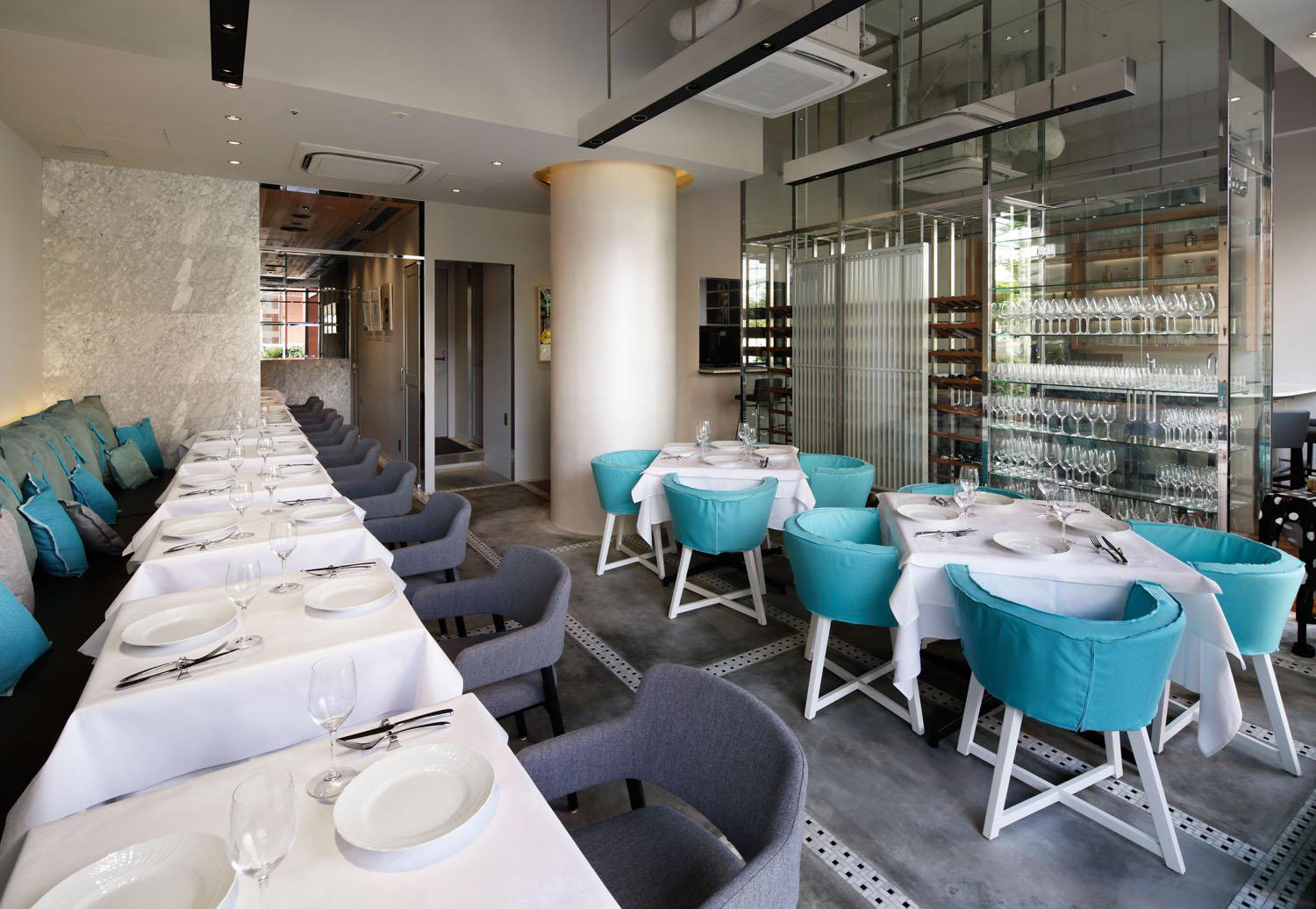
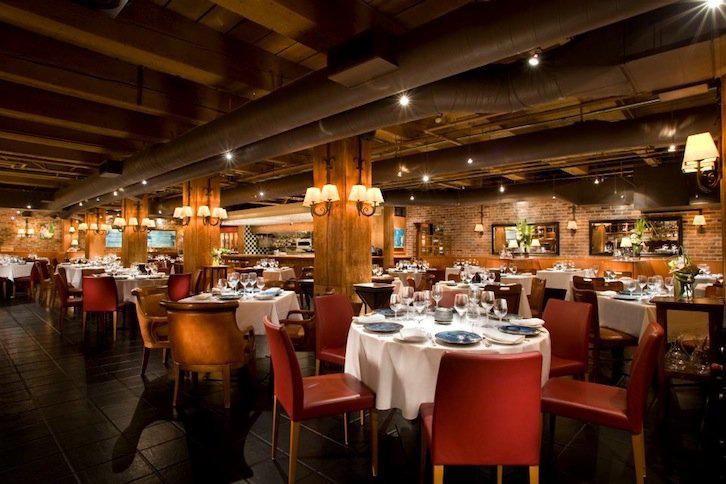
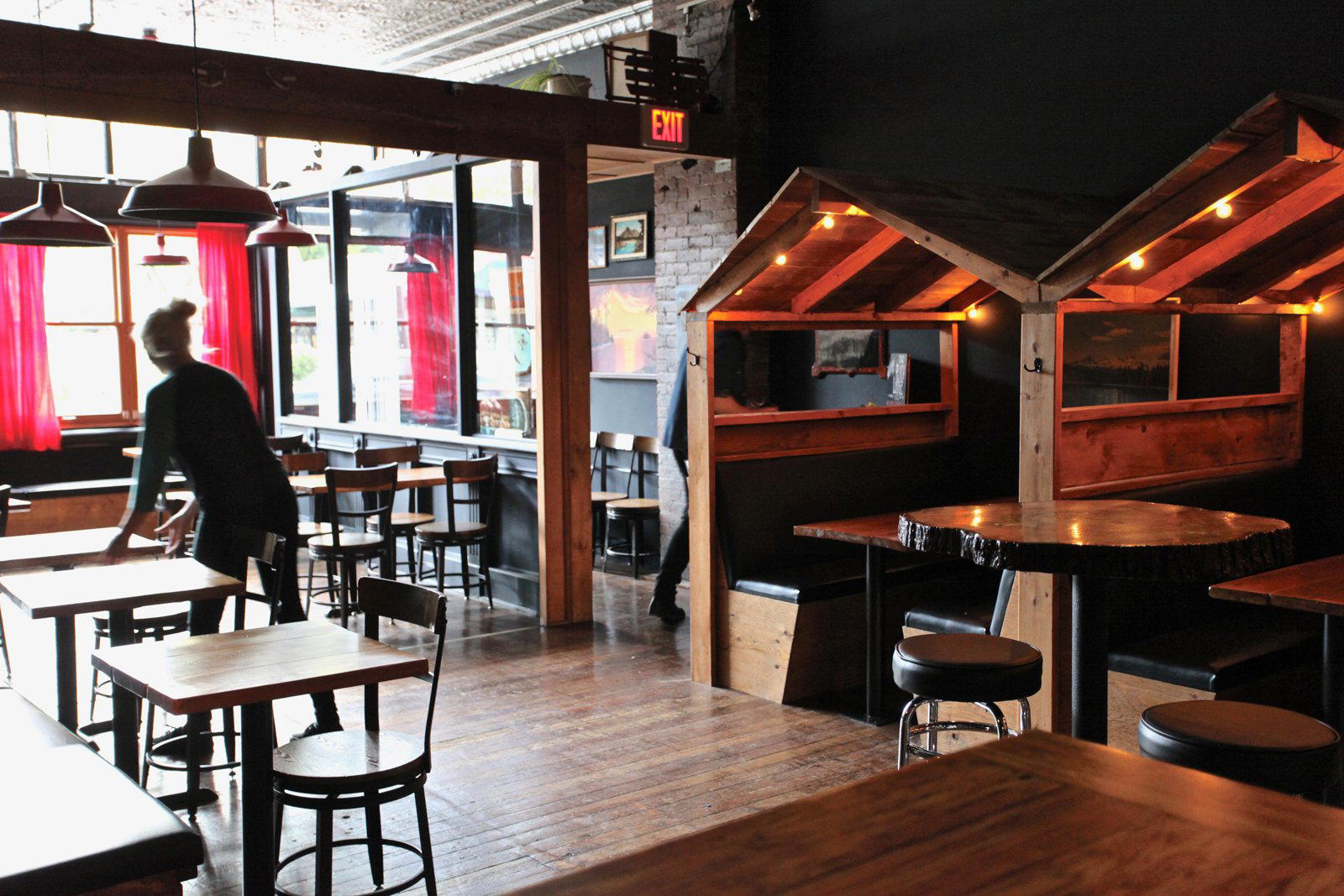
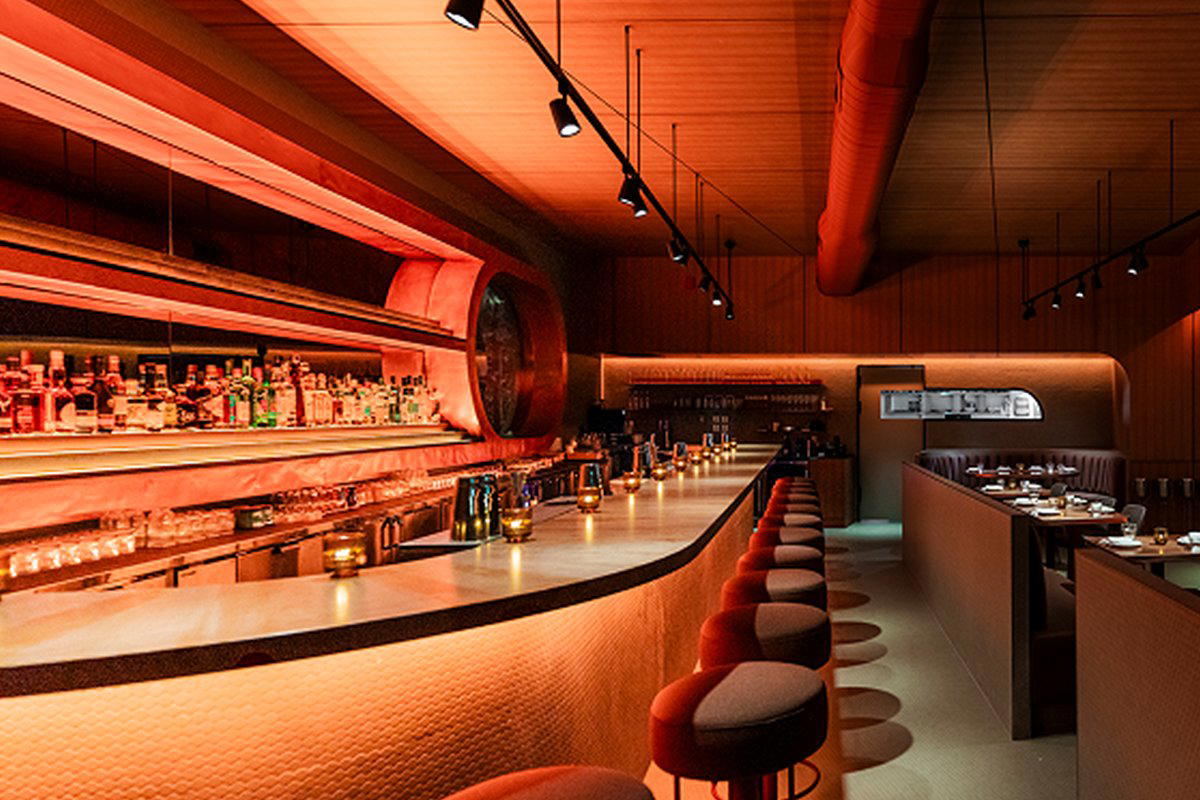
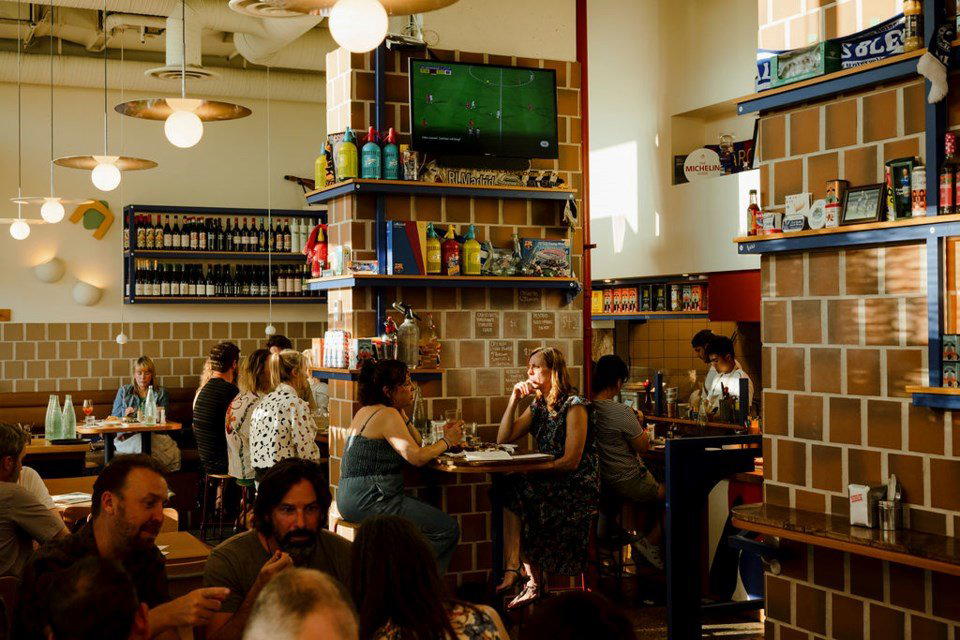
The physical space on Main Street reads as warm rather than austere, a deliberate contrast to the cool minimalism that has defined much of Vancouver's premium dining. The service approach amplifies that register: the front-of-house team at The Acorn has been described, in Michelin's own assessment, as bringing charm and enthusiasm to the room in a way that sharpens the overall experience without tipping into formal stiffness. In a city where the gap between technically correct service and genuinely engaged service can be wide, that distinction matters.
What the editorial record reflects is a cohesive team dynamic: the kitchen under Chef Matt Gostelow working in close alignment with front-of-house to guide guests, particularly those encountering less familiar BC ingredients, through a menu that benefits from explanation. That guidance function is not incidental. When dishes reference salal berry or sunchoke, the context a well-briefed server provides changes how the food lands. The room's warmth, in other words, is not decorative. It is structural to the format.
BC Producers and the Logic of the Menu
The connection between The Acorn's kitchen and its organic BC suppliers is legible on the menu itself, where producer relationships are name-checked rather than implied. That practice reflects a broader shift in how serious Canadian restaurants have approached sourcing over the past decade, a shift visible at operations like Restaurant Pearl Morissette in Lincoln and Tanière³ in Québec City, where the provenance of ingredients is part of the editorial logic of the meal. At The Acorn, the vegetable-forward format makes that sourcing visible in a way that protein-anchored menus often obscure: the vegetable is the protagonist, so its origin and quality are impossible to background.
Michelin's assessors noted the kitchen's handling of texture as a defining quality, dishes like sunchoke with salal berry and burnt onion, and beer-battered halloumi, demonstrate an understanding that vegetarian cooking without textural variation risks monotony. A significant portion of the menu is also vegan and gluten-free, which widens accessibility without flattening the kitchen's ambition. The We're Smart Green Guide, which focuses specifically on vegetable-forward restaurant programs, has recognized The Acorn's approach as meriting attention within that specialist framework.
Tasting Menu as Orientation Device
First-timers are consistently directed toward the tasting menu format, which functions here less as a prestige signal and more as an orientation tool. Many of the ingredients the kitchen works with, salal berry being a useful example, a Pacific Northwest native fruit that remains outside most diners' reference points, benefit from being encountered in sequence and in context rather than as isolated à la carte choices. The tasting format, in this respect, is pedagogical without being didactic: you learn the pantry by moving through it.
That approach connects The Acorn to a wider Canadian tradition of region-specific tasting menus that use unfamiliar local ingredients as their organizing principle. Alo in Toronto and Jérôme Ferrer - Europea in Montréal do this at a higher price point and with broader international recognition; The Acorn occupies the $$$ tier while pursuing a structurally similar ambition. For readers planning a wider Vancouver dining itinerary that already includes a $$$$-tier room, Masayoshi or Barbara, for instance, The Acorn offers a distinct counterpoint in format, price, and culinary focus rather than a redundant option.
Where It Sits in Vancouver's Current Dining Picture
The 2025 Michelin Plate places The Acorn within Vancouver's recognized dining tier, alongside the city's more prominent $$$$-rated rooms. A Michelin Plate signals a kitchen cooking at a consistent standard worthy of attention, not the starred tier, but above the noise.
For readers building a broader picture of Vancouver's dining options, the full Vancouver restaurants guide maps the competitive set in detail. Those extending their visit can cross-reference the Vancouver hotels guide, the Vancouver bars guide, and the Vancouver wineries guide, BC wine country being close enough to the city that a day trip to the Fraser Valley or Okanagan is realistic within a longer stay. The Vancouver experiences guide covers the broader cultural picture.
The Acorn is located at 3995 Main Street, in the stretch of Main that runs between the Mount Pleasant and Riley Park neighbourhoods, accessible by transit and walkable from several of the area's established bars and coffee operations. The $$$ price tier positions it as an evening destination that does not require the planning lead time associated with Vancouver's top-tier bookings, though the restaurant's sustained popularity since 2012 means advance reservations are the practical default for weekend visits.
What to Eat at The Acorn
The Michelin assessors pointed to dishes like sunchoke with salal berry and burnt onion, and beer-battered halloumi, as evidence of a kitchen that understands texture as a primary variable rather than an afterthought. Within a vegetarian format, that priority is significant: the distinction between a plate that intrigues and one that merely satisfies often comes down to whether the kitchen has built contrast, crunch against silk, acid against fat, char against sweetness, into its compositions. The tasting menu remains the recommended entry point for first-time visits, allowing the kitchen's range across BC-sourced ingredients to read as a coherent argument rather than a series of independent choices. Many dishes accommodate vegan and gluten-free requirements, though the full menu breadth, including dairy-based preparations like the halloumi, reflects a kitchen working across the full vegetarian register rather than defaulting to the lowest common denominator of dietary accommodation. For comparison at the higher end of Canadian vegetable-forward cooking, Narval in Rimouski and The Pine in Creemore operate in related territory at different price points and scales. In New York, the technical ambition of kitchens like Le Bernardin and Atomix sets the international benchmark for ingredient-led tasting formats, against which The Acorn's $$$ positioning and regional focus represent a different but internally coherent set of priorities. The iDen and QuanJuDe Beijing Duck House sits at the $$$$-Chinese tier of Vancouver's dining, useful context for readers calibrating how The Acorn's $$$ vegetarian format fits within the broader city offer.
Peers in This Market
A compact comparison to help you place this venue among nearby peers.
| Venue | Cuisine | Price | Awards | Notes |
|---|---|---|---|---|
| The AcornThis venue (the venue you are viewing) | Vegetable-Forward Fine Dining | $50–100 | Michelin Plate · We're Smart World 4 Radishes | Not listed |
| AnnaLena | Modern Canadian Tasting Menu | $100–150 | 1 Michelin Star · World's 50 Best #35 | Contemporary |
| iDen & QuanJuDe Beijing Duck House | Beijing Roast Duck Fine Dining | $100–150 | 1 Michelin Star | Chinese |
| Kissa Tanto | Japanese-Italian Fusion | $100–150 | 1 Michelin Star · La Liste Top Restaurants | Fusion |
| Masayoshi | Modern Japanese Omakase | $200–300 | 1 Michelin Star | Japanese |
| Published on Main | Contemporary Canadian | $150–200 | 1 Michelin Star · World's 50 Best #17 | Contemporary |
Recognition history
Dated appearances from independent guides and award organizations, with the underlying list record or original source where available.
Michelin Plate
Michelin
We're Smart World 4 Radishes
We're Smart World
Full recognition history (3 entries)
Michelin Plate
Michelin
Continue exploring
More in Vancouver
Restaurants in Vancouver
All restaurants in Vancouver →
Bars in Vancouver
All bars in Vancouver →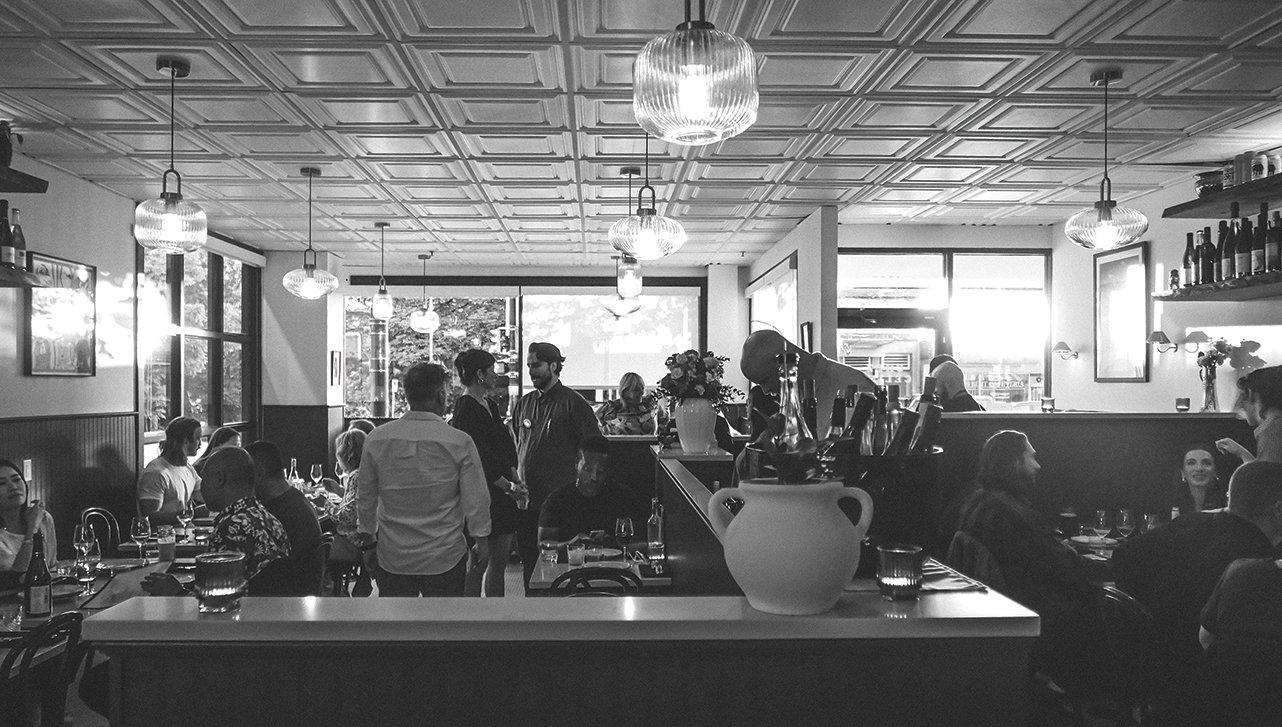



Details
- Cozy
- Elegant
- Intimate
- Sophisticated
- Date Night
- Special Occasion
- Celebration
- Open Kitchen
- Extensive Wine List
- Natural Wine
- Craft Cocktails
- Farm To Table
- Local Sourcing
- Tasting Menu
- A La Carte
- Small Plates
- Vegetarian Friendly
- Vegan Options
Current opening hours
- Monday
- 5:30–10 PM
- Tuesday
- 5:30–10 PM
- Wednesday
- 5:30–10 PM
- Thursday
- 5:30–10 PM
- Friday
- 5:30–10 PM
- Saturday
- 10 AM–2 PM, 5:30–10 PM
- Sunday
- 10 AM–2 PM, 5:30–10 PM
Hours can change for holidays and private events. Hours as of .
Warm, chic, cozy, and dimly lit with an intimate, upscale yet unassuming atmosphere.