
Tabelog 100 #86
Our verdict
Oishi places Yokohama yakiniku in a more serious register: a Tennocho grill room selected for Tabelog 100 Yakiniku EAST 2025, with a dinner budget in the JPY 10,000 to JPY 14,999 range. The appeal is less about spectacle than about the Japanese grammar of beef, charcoal, drink, and table rhythm, with shochu and wine listed alongside the grill.

Pearl is the En Primeur Club membership app, where members save venues, book tables and use the concierge.
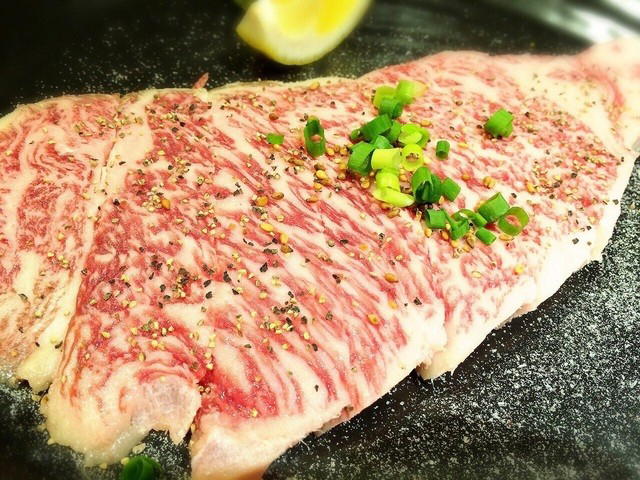
The menu
What to order
- Thick-cut tongue
- Harami (skirt steak)
- Offal selection
- Chateaubriand course
- Chef’s choice Wagyu course
Yokohama is not only waterfront promenades and hotel lobbies. It is also a city of local dinner rooms where a meal can be measured by table-grill glow, small plates between pours, and restaurants confident enough not to need a tourist stage. In that setting, Oishi belongs to a Japanese yakiniku tradition both social and exacting: the diner cooks at the table, but the restaurant frames the cuts, seasoning, pacing, and overall dinner logic.
Yakiniku is often flattened into “Japanese barbecue” in English, but the format is closer to a shared tasting built around heat management. Thin cuts need seconds, richer pieces need restraint, and the table decides whether sauce, salt, rice, or alcohol leads the next bite. Oishi sits in the more serious tier, signaled by its selection for Tabelog 100 Yakiniku EAST 2025. In a city where ramen and casual Chinese cooking dominate many food itineraries, that matters: it places a Yokohama yakiniku room inside a wider eastern Japan conversation, not just a local address.
Yokohama yakiniku beyond the station-center circuit
Yokohama’s dining identity is broad for a city often treated as a Tokyo side trip. Its eating map stretches from Chinese dining rooms to iekei ramen, curry houses, grilled counters, pizzerias, and small specialist kitchens. The comparison set shows that range: Mendokoro Tatsunoki, Sakurai Chuka Soba Ten, and Iekei Sohonzan Yoshimura Ya sit in a lower-price ramen bracket, while PIZZERIA Speriamo! occupies a separate pizzeria lane. Oishi is not competing on speed or casual frequency; it is dinner built around time at the table.
That distinction helps travelers plan Yokohama meals. A ramen counter can be a solo stop between trains; yakiniku is usually a table decision, better for two or more people who want control over pace. The grill makes the diner partly responsible, but better rooms reduce guesswork through cut selection and sequence. Oishi’s category points to contemporary yakiniku’s dual character: old-school and convivial, or a richer dinner where grilled courses and table rhythm structure the evening.
For a broader read on the city, start with the wider Yokohama restaurant landscape. The same trip can stretch into other categories through Yokohama hotels, Yokohama bars, Yokohama wineries, and Our full Yokohama experiences guide. Yokohama’s table culture is clearer when yakiniku is viewed beside unnamed local skewers, Chinese cooking, curry, and other specialist dining rooms across the city.
The cultural logic is heat, smoke, and shared timing
The strongest yakiniku meals are not passive. They ask the table to pay attention. The format prizes texture, richness, and cut-by-cut contrast, but yakiniku adds a social test: diners must cook without turning the grill into theater. That suits meals built around conversation, because the format gives people something to do, but not enough to collapse the evening into performance.
The room’s format shapes the experience. Oishi is not presented as a chef-counter ceremony. It is closer to the democratic side of premium Japanese dining, where the table, not a counter performance, carries the evening. That makes expectations important: this is not the hotel-dining register, but a Yokohama yakiniku meal where the shared grill is the center of gravity.
There is a practical cultural point too: yakiniku rewards diners ready to share. Ordering too narrowly makes the meal heavy; ordering too broadly turns the grill into a traffic jam. Treat the table as a sequence, moving across cuts and accompaniments without rushing the cooking. Oishi’s listed dinner price bracket of JPY 10,000 - JPY 14,999 suggests a meal to plan, not a casual add-on after drinks.
Travelers building a wider Japan itinerary can compare how grill culture changes by region and format through unnamed sukiyaki rooms, charcoal-grill counters, casual city kitchens, and specialist bars elsewhere. These are not substitutes for Yokohama yakiniku; they show how specific Japanese formats travel, adapt, or resist translation.
Who should choose this table
Oishi makes sense for diners who want Yokohama without defaulting to Chinese dining, hotel dining, or a ramen crawl. Its Tabelog 100 Yakiniku EAST 2025 selection gives it a clear external credential, while the Yokohama setting keeps the experience grounded in a city dining rhythm. Go when the meal is built around the grill and conversation rather than sightseeing convenience.
It is less suited to diners seeking a vegetable-led dinner, chef-counter performance, or quick solo meal. The public details point firmly toward yakiniku, not a broad all-purpose restaurant. For the right group, that focus is the appeal: a Yokohama meal shaped by grill craft, the yakiniku format, and small decisions at the table.
Nearby and regional alternatives help define the choice. Yokohama’s ramen names cover a lower-cost, faster-paced bracket, including Mendokoro Tatsunoki, Sakurai Chuka Soba Ten, and Iekei Sohonzan Yoshimura Ya. Oishi occupies a higher dinner tier than those casual formats, with recognition placing it among selected yakiniku addresses across eastern Japan. That is the editorial distinction: not luxury for its own sake, but a Yokohama grill room in a category where technique, pacing, and table discipline carry the meal.
Frequently asked questions
What's Oishi's location?
Yokohama.
Is Oishi expensive?
Pricing at Oishi is listed as JPY 10,000 - JPY 14,999.
Do they take walk-ins at Oishi?
The provided listing does not specify walk-in policy. With a Tabelog 100 Yakiniku EAST 2025 selection, the safer assumption is to plan ahead for dinner in Yokohama.
What's the signature at Oishi?
No named signature dish is listed. The clearest editorial read is yakiniku, which fits the venue’s Tabelog 100 Yakiniku EAST 2025 recognition and its JPY 10,000 - JPY 14,999 price range. That is the anchor to expect here.
Is Oishi good for vegetarians?
Oishi is a yakiniku restaurant in Yokohama, so the format is centered on grilled meat rather than vegetable-led cooking. The award listing and cuisine type point to meat-first dining, which makes it a weak fit for vegetarian diners.
Is Oishi okay with children?
Those details are not published in the provided listing. What is clear is the yakiniku format and Yokohama location. Parents should check the venue's official channels for the latest details.
Price Lens
Comparable venues by cuisine and price in the same metro.
| Venue | Cuisine | Price | Awards | Notes |
|---|---|---|---|---|
| OishiThis venue (the venue you are viewing) | Premium Wagyu Yakiniku | $50–100 | Tabelog 100 #86 | Not listed |
| Chiba Hanare | Yakitori | $50–100 | Tabelog 100 #69 | Kanagawa, Yakitori |
| Yoshokuya Ki Luck | Japanese-style Western (yoshoku) restaurant | $20–30 | Tabelog 100 #25 | Nishi, Japanese-style Western (yoshoku) restaurant |
| Enishi | Traditional Japanese Gyutan Izakaya | $20–30 | Not listed | Kanagawa, Traditional Japanese Gyutan Izakaya |
| Arai Ya Honten | Traditional Japanese Gyunabe / Sukiyaki | Not listed | Tabelog 100 #31 | Naka, Traditional Japanese Gyunabe / Sukiyaki |
| RAMAI Yokohama isezaki mo-ru ten | Hokkaido-style soup curry & Indonesian-inspired curry | $10–20 | Tabelog 100 #87 | Naka, Hokkaido-style soup curry & Indonesian-inspired curry |
Recognition history
Dated appearances from independent guides and award organizations, with the underlying list record or original source where available.
Tabelog 100 #86 · No. 86
Tabelog · Tabelog 100 - Yakiniku - EAST - 2025
Continue exploring
More in Yokohama
Restaurants in Yokohama
All restaurants in Yokohama →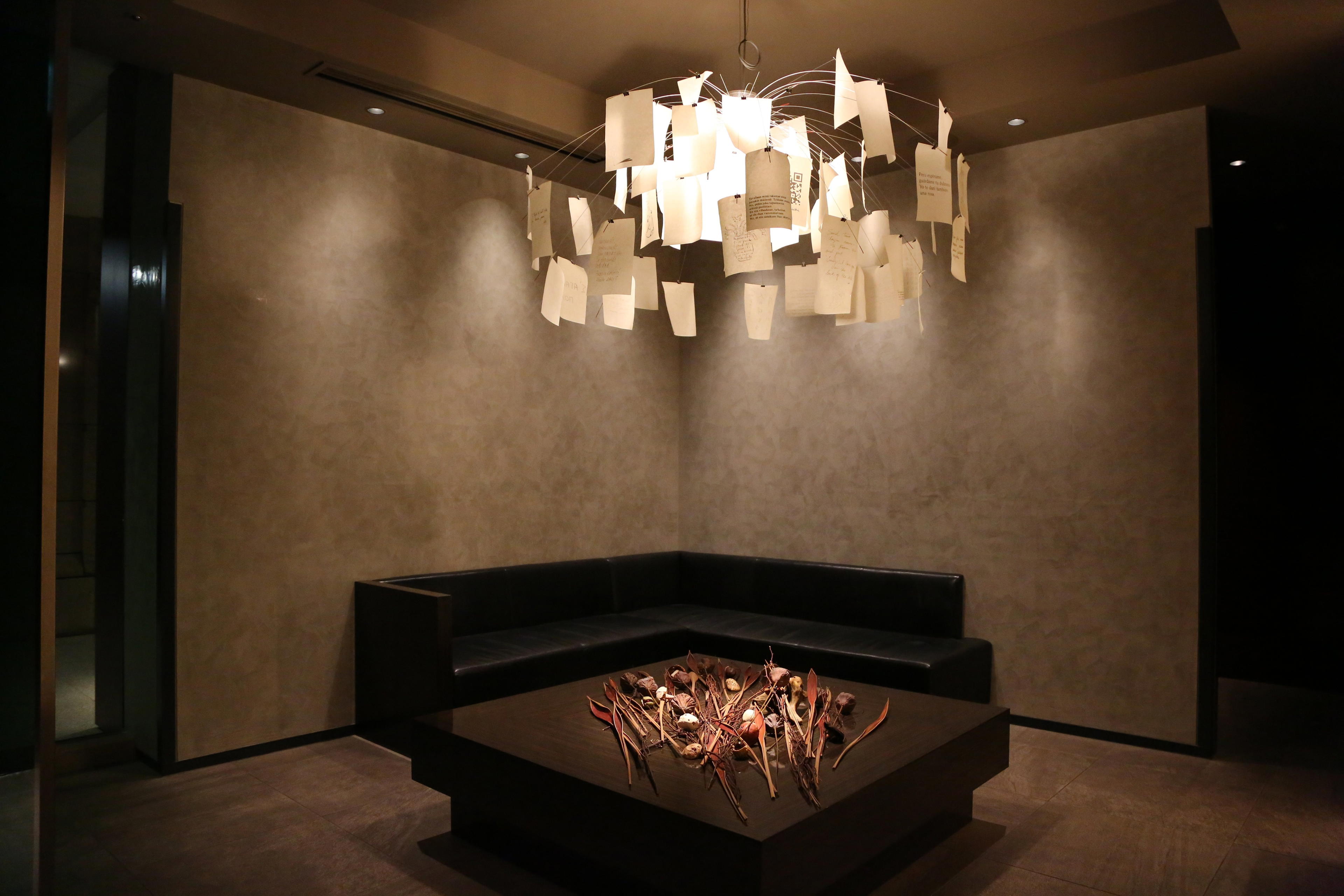


Bars in Yokohama
Browse all →



Details
- Elegant
- Cozy
- Sophisticated
- Intimate
- Business Dinner
- Group Dining
- Date Night
- Celebration
- Special Occasion
- After Work
- Standalone
- Local Sourcing
- A La Carte
- Set Menu
- Family Style
- Shochu
- Wine
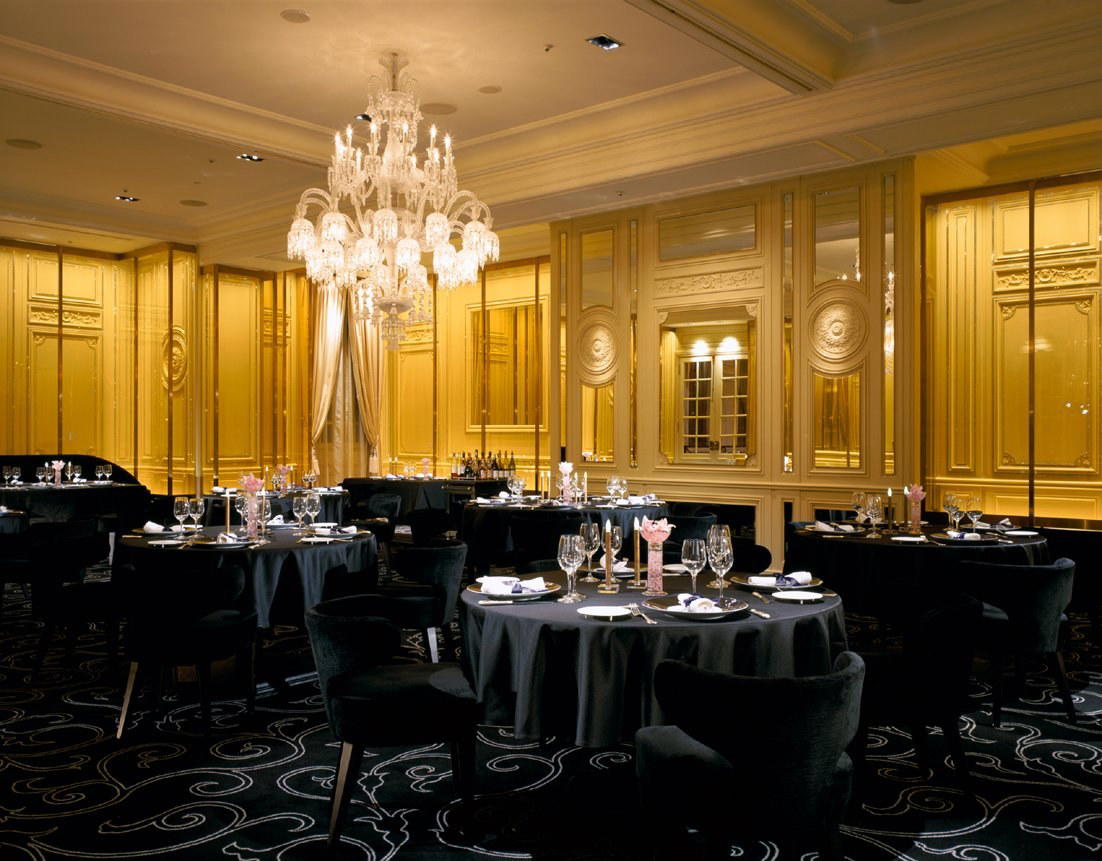
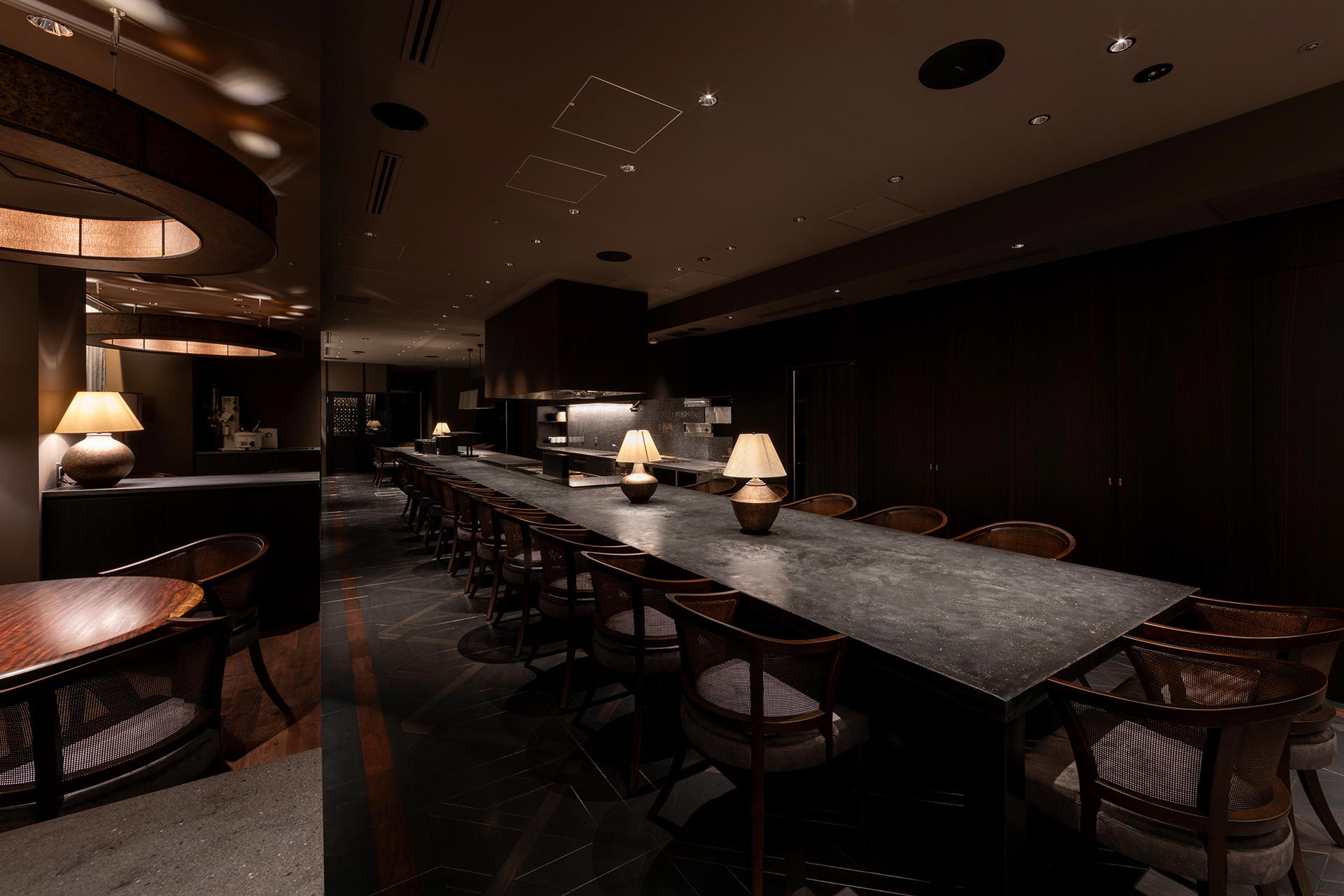
Relaxed and slightly upscale yakiniku atmosphere with a luxurious yet comfortable interior, spacious seating and tatami room areas, geared toward entertaining, business dinners, and special occasions rather than casual drop‑ins.