
Tabelog 100 #69
Our verdict
Chiba Hanare puts Yokohama yakitori in its more serious contemporary register: counter-led grilling, course-style pacing, and a drinks program built around sake and wine rather than casual beer-only drinking. Its repeated Tabelog 100 Yakitori EAST selections from 2022 through 2025 give the restaurant a clear credibility signal within eastern Japan’s crowded grilled-chicken field.

Pearl is the En Primeur Club membership app, where members save venues, book tables and use the concierge.
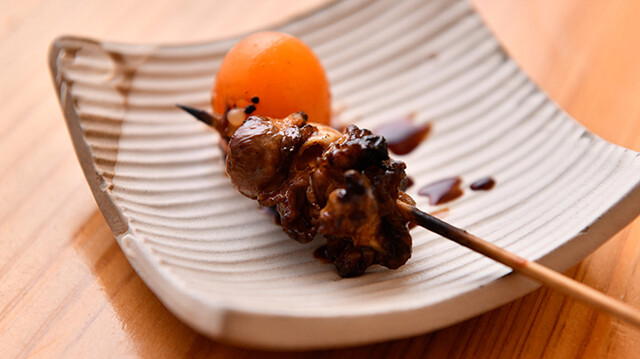
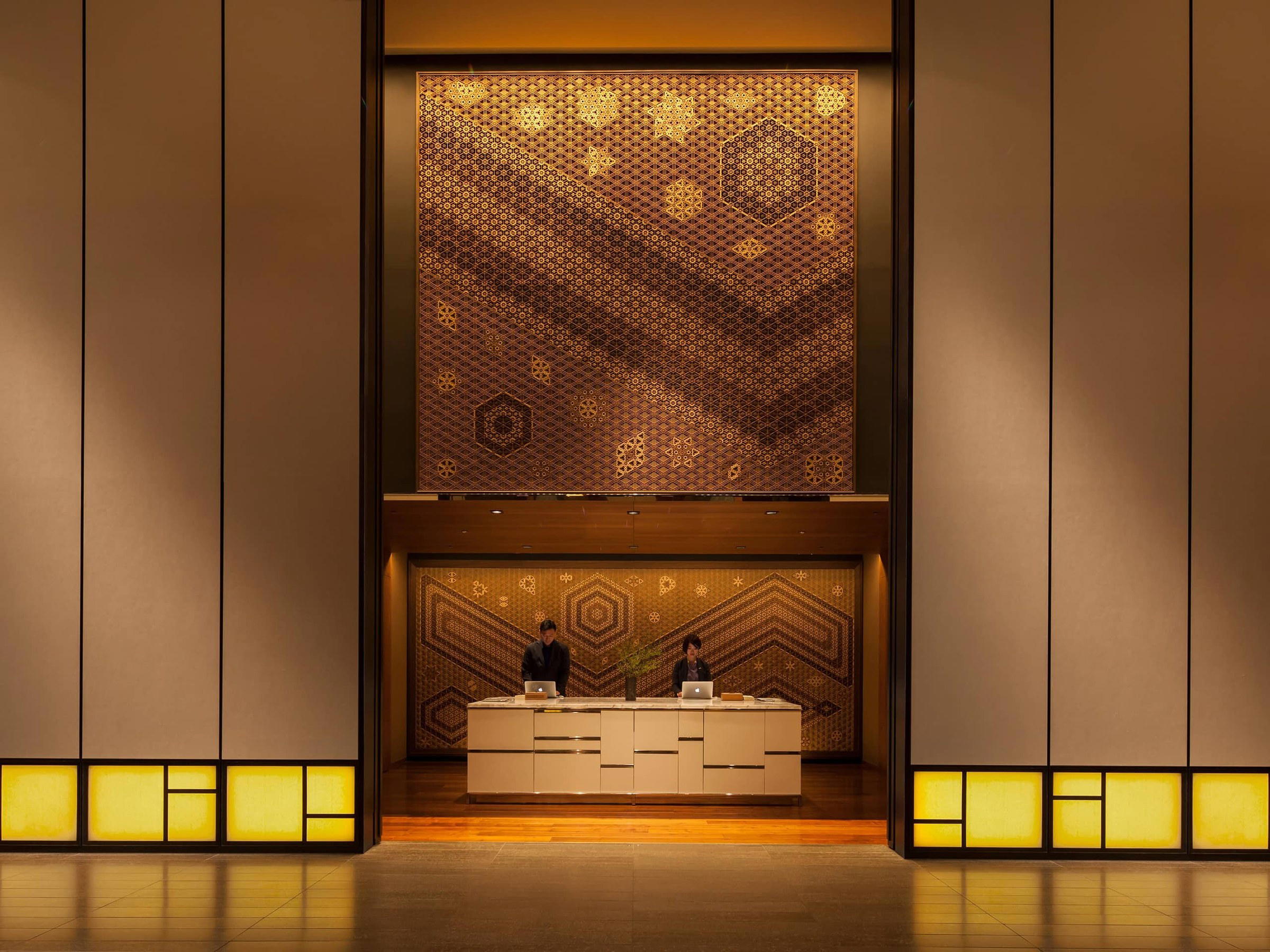
Serious yakitori in Yokohama often begins away from street-level spectacle: an upper-floor room, the shift from station traffic to counter focus, and skewers moving in disciplined sequence rather than arriving as pub snacks. Chiba Hanare fits that contemporary category. This is not izakaya sprawl, but yakitori as a controlled dinner, with counter seating for close attention and private rooms for groups who want the same cooking without grill-side theatre.
That matters in a city too often reduced to Chinatown, waterfront hotels, and quick station meals. Yokohama’s range is broader. Ramen specialists such as Shio Ramen Honmaru Tei Yokohama ten and Menba Hamatora cover the low-ticket, high-turnover side; Italian rooms such as CAMBUSA and クローチフィッソ occupy a European dinner lane; yakiniku houses such as Yakiniku Ushigoro Yokohama ten compete in the same spend band as polished yakitori. Chiba Hanare’s relevance is placing grilled chicken inside that dinner conversation, not the snack-and-drink bracket.
Yakitori has moved from casual smoke to course-format precision
Modern yakitori in Japan has split into two clear modes. One remains the everyday drinking-house model: skewers by the piece, smoke in the room, beer as the rhythm. The other treats the bird with the sequencing logic diners expect from sushi counters and kappo rooms. Chiba Hanare sits in the second camp. Its Tabelog description points to carefully skewered high-quality chicken and a full-course style led by the kitchen, signalling a dinner built around pacing, temperature, and cut selection rather than a free-for-all order sheet.
The Tabelog 100 Yakitori EAST selections in 2022, 2023, 2024, and 2025 are the useful trust marker. Tabelog’s Hyakumeiten lists are not Michelin stars and should not be read as the same international hierarchy. They do, however, indicate sustained visibility among serious domestic diners in a contested category. One appearance can mark a moment; four consecutive selection years suggest the restaurant’s current direction has held attention beyond novelty.
Yokohama’s geography sharpens the point. Tokyo absorbs much of the English-language yakitori conversation, especially around counter-only rooms and chef-led courses. Kanagawa’s stronger addresses often work with less global noise and a more local audience. For a visitor comparing Yokohama restaurants through Our full Yokohama restaurants guide, this is where the city becomes more interesting: the meal is not imitating Ginza’s luxury omakase economy, but it is not a casual after-work stop either.
A room built for both counter concentration and private dining
The dining-room split shows how the experience functions. A 38-seat layout, with 14 seats at the counter and 24 in private rooms, gives the restaurant two identities. The counter is for diners who want to watch the sequence unfold and read the grill as part of the meal. The private rooms suit business dinners and small gatherings, fitting Yokohama’s station-adjacent dining culture, where access and discretion can matter as much as culinary ambition.
That duality explains why the restaurant does not read like a tiny cult counter. It has specialist yakitori recognition, but the capacity and room structure of a place designed for repeat local use. For travellers, the choice is clear: take the counter when the cooking is the reason for the reservation; choose a room when conversation has equal weight. Either way, the category remains yakitori, not a mixed Japanese tasting menu with a few grilled skewers attached.
The drinks direction reinforces the current premium yakitori style. Sake remains the native pairing language for grilled chicken in Japan, but wine is increasingly common at restaurants pushing beyond the izakaya frame. Chiba Hanare lists both sake and wine, with emphasis on each, placing it among newer yakitori rooms that expect diners to think about acidity, smoke, fat, and salt beyond a single default pour.
Where Chiba Hanare fits in a Yokohama itinerary
The restaurant makes the strongest case for travellers using Yokohama as a dining city in its own right, not a Tokyo side trip. A hotel-led stay can be mapped through Our full Yokohama hotels guide, while later drinks and cultural planning sit in Our full Yokohama bars guide, Our full Yokohama wineries guide, and Our full Yokohama experiences guide. In that wider plan, yakitori works as a strong first-night dinner: structured enough to anchor the evening, informal enough to avoid the weight of a long dégustation.
Its evolution is the key reading. The public note about relocation and opening in Kannai from May 1 indicates a restaurant in transition rather than a fixed historical address. Such a move can reset a dining room’s audience, commute pattern, and competitive context. What carries through is the brand’s position in yakitori: repeated Hyakumeiten recognition, a full-course format, counter seating, private rooms, and a sake-and-wine program. Those elements matter more than nostalgia for any previous room.
For readers building a broader Japan dining file, Chiba Hanare also helps separate category from city. Yokohama’s grilled-chicken scene should not be read only against Tokyo sushi or Kyoto kaiseki. It sits alongside other focused Japanese and regional addresses: 1000 (Yakitori (Grilled chicken skewers)), Aichun, Ajowan, Alpenjiro Honten, and Anzen Shokudo show how varied the city’s restaurant map becomes beyond waterfront shorthand. Nearby regional planning can extend to -Grilled beef Sukiyaki- KAMAKURA TANUKIAN 鎌倉 たぬき庵 in Kamakura or (Shoku) Vietnam in Kawasaki; wider Japan and overseas references include. 鮪と炭火焼き うお炭 秋葉原店 in Tokyo.cafe in Osaka.know in Kumamoto, [Curry Senmon Ten] Maruyama Kyoju. in Sapporo, Jōdo Saké Bar in Los Angeles, and Onigiri Time in Pasadena.
The editorial call is simple: seek it out when yakitori is the point of the evening, not a fallback near the station. The value lies in seeing how a familiar Japanese format has been tightened into a recognized dinner structure, with enough room flexibility for both counter-focused diners and private gatherings.
Frequently asked questions
What's the pricing like at Chiba Hanare?
Pricing at Chiba Hanare is listed as JPY 8,000 - JPY 9,999.
When is Chiba Hanare open?
Hours at Chiba Hanare: Mon: 5 PM–12 AM; Tue: 5 PM–12 AM; Wed: 5 PM–12 AM; Thu: 5 PM–12 AM; Fri: 5 PM–12 AM; Sat: 5 PM–12 AM; Sun: Closed.
What's the address for Chiba Hanare?
Chiba Hanare is located in Yokohama Bldg. 4F, Yokohama.
What makes Chiba Hanare worth seeking out?
Chiba Hanare holds a place on Tabelog 100 Yakitori EAST 2025, a useful signal in a city where course-driven yakitori is taken seriously. The 38-seat room, including a 14-seat counter and three private rooms, suits diners who want either chef-facing seating or a more private meal in Yokohama.
Can Chiba Hanare adjust for dietary needs?
The public record confirms yakitori courses, reservations, and a menu built around grilled chicken, so any dietary restriction needs careful checking before booking. The most direct route is to call +81-45-548-9577 and discuss the request against the restaurant’s course format and dinner service at its Yokohama address. Check the venue's official channels for the latest details.
Comparison Snapshot
Nearby venues at a similar price tier for orientation.
| Venue | Cuisine | Price | Awards | Notes |
|---|---|---|---|---|
| Chiba HanareThis venue (the venue you are viewing) | Yakitori | $50–100 | Tabelog 100 #69 | Not listed |
| Arai Ya Bankokubashi ten | Traditional Yokohama sukiyaki & gyu-nabe | $30–50 | Tabelog 100 #6 | Naka |
| Teuchi Soba Fuurai Kyo | Seasonal Handmade Soba & Soba Kaiseki | $20–30 | Tabelog 100 #89 | Aoba |
| Oishi | Premium Wagyu Yakiniku | $50–100 | Tabelog 100 #86 | Hodogaya |
| Yoda | Modern Tonkatsu | $50–100 | Tabelog 100 #43 | Naka |
| Nodaiwa (野田岩) | Traditional Japanese Unagi | $50–100 | Not listed | Nishi-ku |
Recognition history
Dated appearances from independent guides and award organizations, with the underlying list record or original source where available.
Tabelog 100 #69 · No. 69
Tabelog · Tabelog 100 - Yakitori - EAST - 2025
Continue exploring
More in Yokohama
Restaurants in Yokohama
All restaurants in Yokohama →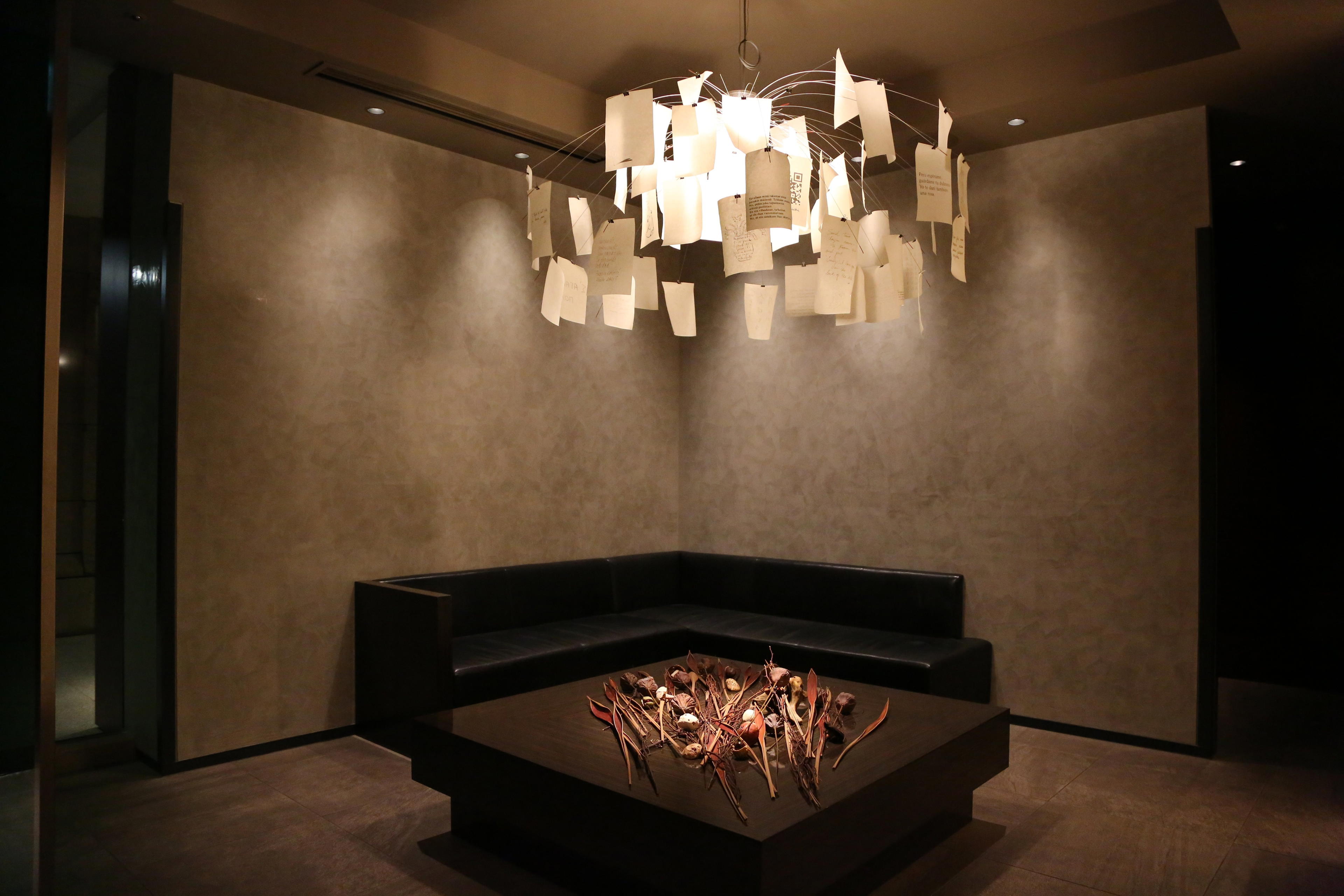

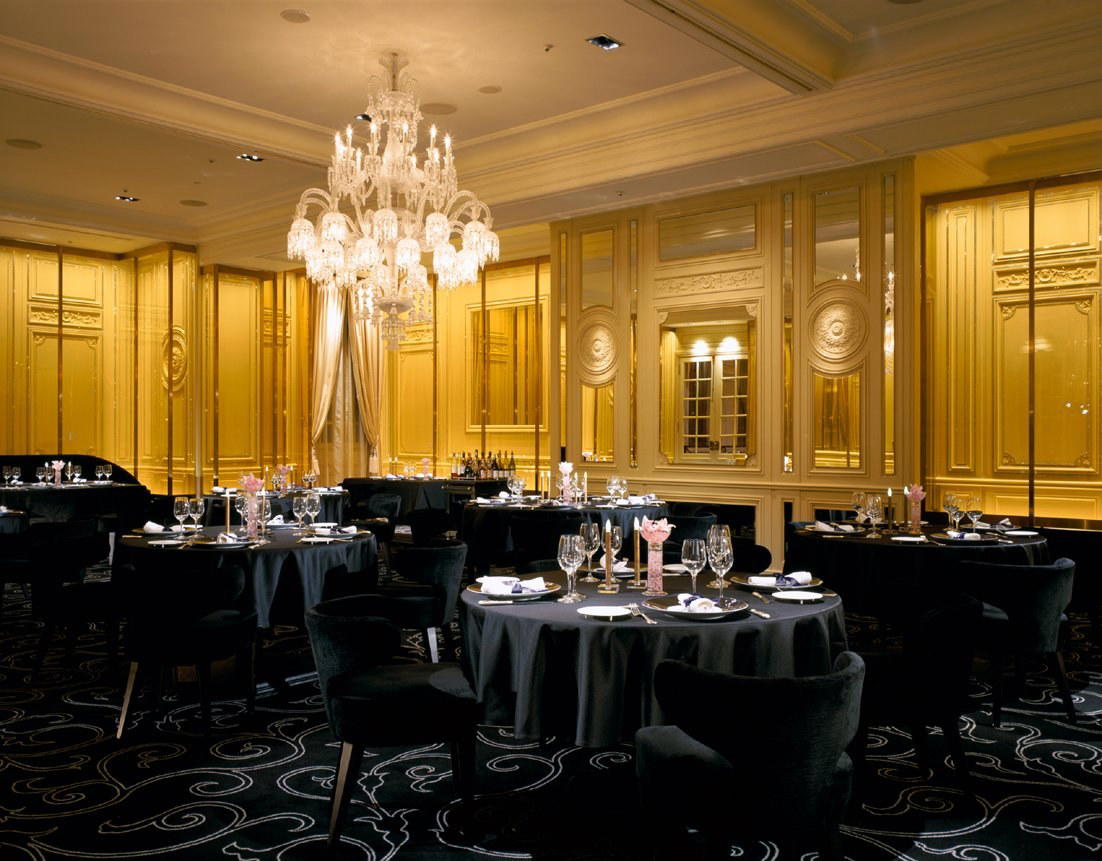
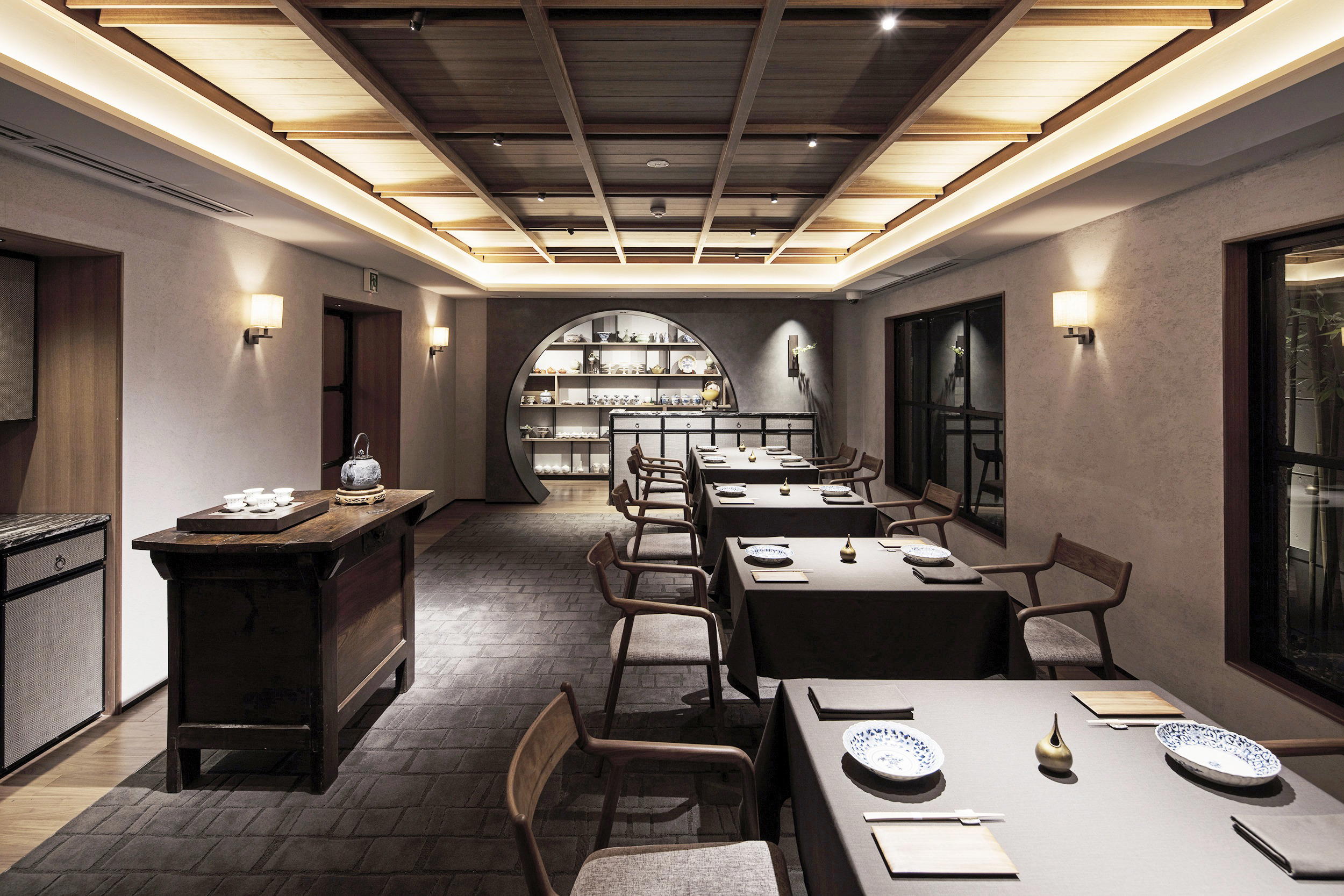

Bars in Yokohama
Browse all →

Details
- Cozy
- Intimate
- Classic
- Business Dinner
- Group Dining
- Solo
- Casual Hangout
- Standalone
- Sake Program
- Beer Program
- A La Carte
- Sake
- Beer
Current opening hours
- Monday
- 5 PM–12 AM
- Tuesday
- 5 PM–12 AM
- Wednesday
- 5 PM–12 AM
- Thursday
- 5 PM–12 AM
- Friday
- 5 PM–12 AM
- Saturday
- 5 PM–12 AM
- Sunday
- Closed
Hours can change for holidays and private events. Hours as of .
A warm, intimate yakitori setting that emphasizes comfort and a pleasant dining experience rather than spectacle.