
Tabelog 100 #3
Our verdict
A 16-seat counter devoted to oden shifts the usual Osaka izakaya rhythm into a tighter, quieter register. Oden Marukome is strongest as a lens on the city’s lunch-to-evening divide: daytime suits focused bowls and quick decisions, while dinner reads more like a low-capacity tavern built around simmered cooking and sake-led drinking.

Pearl is the En Primeur Club membership app — saves, bookings, and concierge access live there. Same editors, same standards.
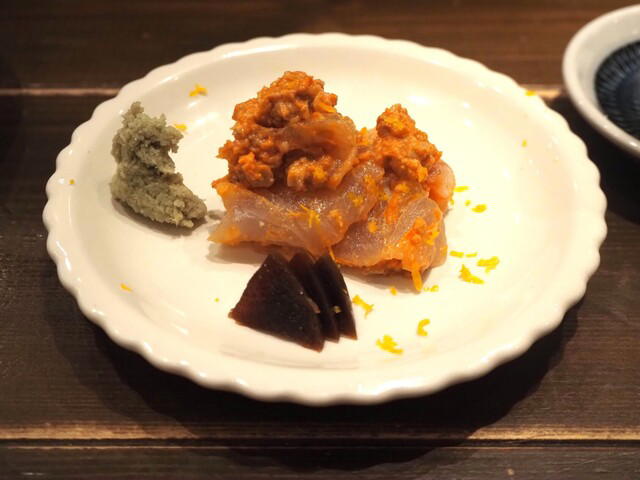
The menu
What to order
- Beef tendon oden
- Tofu rice
- Shumai dumplings
- Daikon oden
The appeal is focused in feel: close attention to the pot, a meal paced by what is simmering, and an Osaka format where the rhythm is set less by a long printed sequence than by heat, broth, and appetite. In a city visitors know for takoyaki, kushikatsu, okonomiyaki, and late-night drinking blocks, oden is quieter. It is not theatrical street food; it is broth, timing, heat retention, and repetition, a cuisine that rewards restraint made complete.
That frames Oden Marukome. The venue is in Osaka, outside the simplest tourist shorthand, and it reads through its listings as a focused izakaya rather than a broad all-purpose stop. Its selection for Tabelog Hyakumeiten 2025 places it in a regional tavern conversation, not a tourist checklist. The operational details that matter are simpler: it is listed in the izakaya and oden categories, with dinner budgeted at JPY 4,000 - JPY 4,999 and lunch at JPY 2,000 - JPY 2,999. This is Osaka izakaya culture pared to a narrower grammar.
A focused oden house in a city of louder meals
Osaka dining often sells speed, volume, and snackable abundance. Oden works differently. It depends on a shared broth and ingredients held at the right point between structure and surrender. It is democratic food with a technical spine: daikon, egg, tofu, fish cake, konjac, and seasonal additions can share the genre, but poor timing turns comfort into fatigue. A serious oden setting is therefore about control, not spectacle.
Oden Marukome belongs to the specialist side of that tradition. The focused format matters because oden benefits from immediacy: guests can order by appetite, the kitchen can serve in short intervals, and the meal can expand or stop without tasting-menu ceremony. Compared with Osaka dining rooms built around beef, such as Itamae Yakiniku Itto Tengachaya honten, or set-piece local institutions in the hot-pot lane such as Sukiyaki Nabemono Nabeya, the appeal is lower-flash and more cumulative. It also sits in a different register from Etchuya. The point is concentration, not luxury coding.
The Tabelog score of 3.71 is another useful signal. On that platform, izakaya and specialist counters do not behave like international fine-dining rankings, where stars and tasting-menu structures sort the field. A score in this band, paired with a 2025 Hyakumeiten selection, indicates a place judged inside Japan’s competitive tavern field. For a traveler, that matters more than imported prestige language: the venue is being compared with places locals use for drinking, eating, and repeat visits.
Lunch is efficient; dinner belongs to the drinking rhythm
The lunch-versus-dinner split makes this venue more interesting. Daytime oden in Osaka has a different mood from the evening version. Lunch favors precision and value: fewer distractions, quicker decisions, and a meal built around simmered staples without becoming a long tavern session. It suits travelers moving through Osaka who want a specialist meal without giving the rest of the day to it.
Dinner changes the logic. Oden becomes drinking food, but not careless drinking food. Broth-based cooking gives sake, shochu, beer, or other drinks a calmer partner than fried or heavily sauced dishes, while the broader izakaya category is no longer confined to one drinking habit. In Osaka, that matters. The city’s casual dining identity is often read through sauce, grill smoke, and batter; an oden-focused meal asks for slower ordering, closer attention to temperature, and a meal shaped by intervals.
This is where the format becomes editorially significant. Specialist dining reduces the gap between kitchen rhythm and guest rhythm. It can feel exposed if the cooking lacks focus, but rewards formats where the main work is already happening in the broth and in the timing of each order. The point is not business-entertaining polish disguised as an izakaya; it is closer to a tavern language of simmered food, with social volume kept in check by the meal’s pace.
For visitors building an Osaka itinerary, the choice is less “lunch or dinner” than “what role should the meal play?” Lunch works as a compact specialist stop before moving across the city. Dinner works when the evening should revolve around drinking and repeated small orders rather than one large plate. The format is flexible, but the experience is not generic.
How it fits into a sharper Osaka food plan
Oden Marukome is useful because it complicates the easy version of Osaka. The city’s pleasure is not only neon, crowds, and sauce-heavy snacks; it is also focused venues with tight categories and quiet expertise. For a wider read, Our full Osaka restaurants guide maps the broader field, from bakeries and cafe stops to casual staples, Italian-leaning rooms, pizza counters, and other everyday dining formats across the city.
The stronger itinerary pairs category contrast with the wider city. Osaka gives this oden venue a texture distinct from the city’s most familiar dining circuits. Visitors who care about the city beyond dinner should also cross-check Our full Osaka hotels guide, Our full Osaka bars guide, Our full Osaka wineries guide, and Our full Osaka experiences guide. Across Japan, the same useful pattern appears in other focused formats, from grilled-beef and hot-pot specialists to seafood counters, curry rooms, snack-driven bars, and casual neighborhood dining. For sake-minded travelers extending the thread abroad, overseas Japanese drinking and snack formats show how the mood can translate outside Japan without replacing the original Osaka context.
The editorial call is simple: choose this venue when Osaka’s louder meals blur. Its strength is not range for its own sake, but a disciplined tavern format built around oden, drinks, and steady pacing. Lunch gives the cleanest read on value and focus. Dinner gives the fuller read on izakaya culture.
Frequently asked questions
How do I find Oden Marukome?
Oden Marukome is located in Osaka.
What are the opening hours for Oden Marukome?
Opening hours for Oden Marukome should be checked directly with the venue before visiting.
What does dinner at Oden Marukome typically cost?
Dinner at Oden Marukome is listed at JPY 4,000 - JPY 4,999; lunch is listed at JPY 2,000 - JPY 2,999.
What is Oden Marukome known for?
Oden Marukome is listed in the izakaya and oden categories in Osaka, with a Tabelog score of 3.71 and a 2025 Hyakumeiten selection.
Awards and Standing
Comparable venues for context, by category and price tier.
| Venue | Cuisine | Price | Awards | Notes |
|---|---|---|---|---|
| Oden MarukomeThis venue (the venue you are viewing) | Osaka oden izakaya | $30–50 | Tabelog 100 #3 | Not listed |
| Stand Aida | Standing yakitori & chicken dishes | $30–50 | Tabelog 100 #93 | Chūō |
| Ganesh m Kitahama ten | Specialty Japanese curry house with global curry influences | $10–20 | Tabelog 100 #77 | Chūō |
| Naminino Curry | Japanese Curry | $1–10 | Tabelog 100 #85 | Kita |
| Atari Ya | Traditional Japanese Soba | $20–30 | Tabelog 100 #44 | Yodogawa |
| Toyo (とよ) | Traditional Japanese Izakaya | $20–30 | Tabelog 100 #66 | Miyakojima Ward |
Recognition history
Dated appearances from independent guides and award organizations, with the underlying list record or original source where available.
Tabelog 100 #3 · No. 3
Tabelog · Tabelog 100 - Izakaya - WEST - 2025
Continue exploring
More in Osaka
Restaurants in Osaka
All restaurants in Osaka →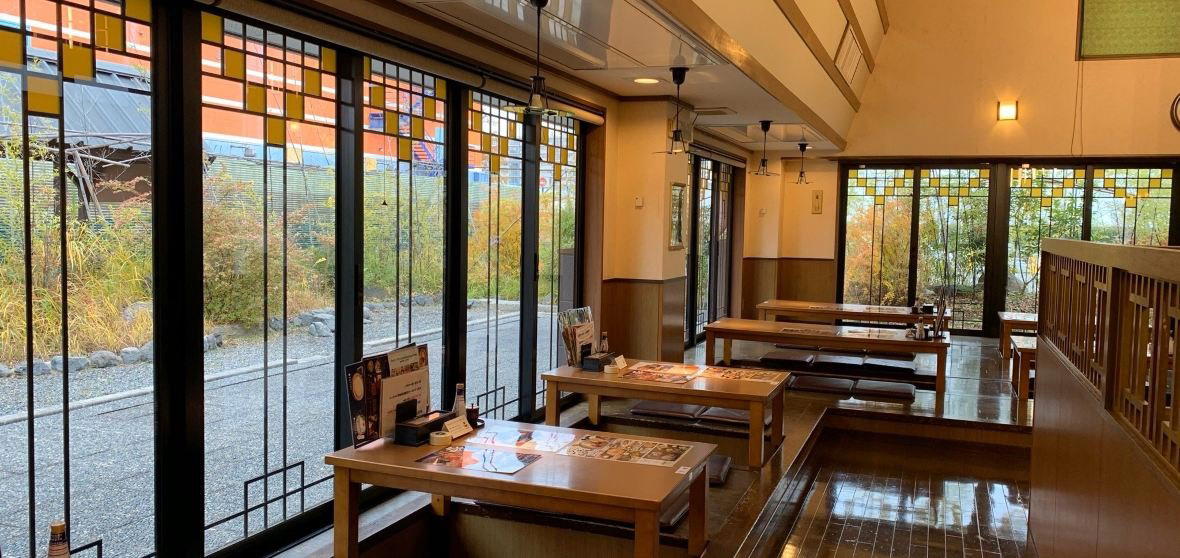


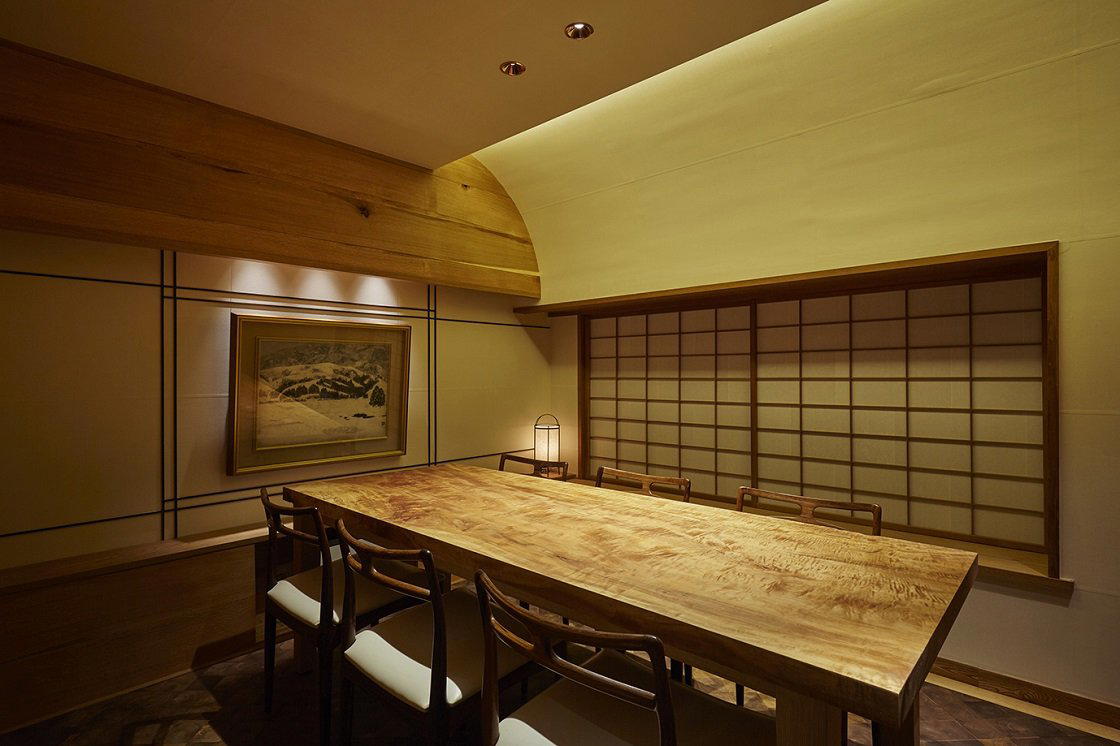

Bars in Osaka
All bars in Osaka →
Hotels in Osaka
All hotels in Osaka →


Wineries in Osaka
Browse all →
Details
- Cozy
- Lively
- Solo
- After Work
- Casual Hangout
- Late Night
- Chefs Counter
- Standalone
- Design Destination
- A La Carte
- Counter Dining
- Small Plates
- Beer
- Sake
Current opening hours
- Monday
- 12–9 PM
- Tuesday
- 12–9 PM
- Wednesday
- 12–9 PM
- Thursday
- 12–9 PM
- Friday
- 12–9 PM
- Saturday
- 12–9 PM
- Sunday
- 12–9 PM
Hours can change for holidays and private events. Last verified .
Warm and cozy counter-only space with about sixteen seats, non-smoking, and a casual, lively atmosphere focused on chatting with the chef over bowls of oden rather than formal dining.