
Tabelog 100 #93
Our verdict
Stand Aida belongs to Osaka’s tachinomi tradition: compact, drink-led, ingredient-conscious, and built for close-range eating rather than ceremony. Its Tabelog 100 Tachinomi 2025 selection, counter-and-standing format, yakitori and chicken focus, and sake-led drinks list place it in the city’s serious casual tier rather than its polished tasting-menu economy.

Pearl is the En Primeur Club membership app, where members save venues, book tables and use the concierge.
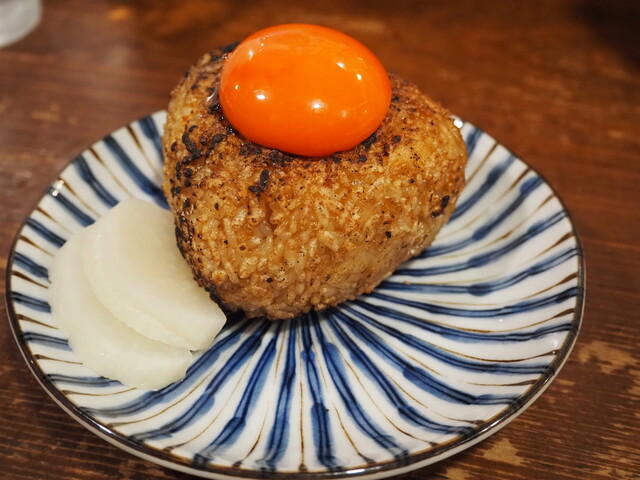
The menu
What to order
- Yakitori (grilled chicken skewers)
- Chicken dishes
- Bonjiri (chicken tail)
- Tsukimi tsukune (chicken meatball with egg)
Osaka compresses the city’s appetite into quick decisions: station traffic, late counters, smoke, griddles, skewers, and fast pre-stop meals. Tachinomi works because it strips dining to essentials: drink, flame, counter, customer. The format rewards careful buying, direct cooking, and a room kept moving.
Stand Aida sits inside that tradition rather than softening it for visitors. Tachinomi is not a lesser restaurant meal; in Osaka, it is its own discipline, where bar, yakitori counter, and neighbourhood canteen meet in the same square metre. The comparison is not formal luxury dining, but places where sourcing, pacing, and drink compatibility carry the night without theatrical service.
Osaka tachinomi judged by what reaches the counter
At a standing bar, ingredients are practical, not romantic. Chicken must survive fast service without becoming anonymous; skewers must make sense beside drinks; small dishes need enough definition to justify another round. The listed categories, stand-up bar, yakitori, and chicken dishes, put the cooking in a lane where buying and preparation are exposed. There is no long menu narrative or plated luxury language to hide behind.
That makes the Tabelog 100 Tachinomi 2025 selection a useful signal. It does not formalise the room; it confirms the format is being taken seriously within a crowded Japanese category. A 3.58 Tabelog score in this segment also reads differently from a luxury scorecard: repeatable local use, with people returning for a compact food-and-drink proposition rather than a once-a-trip set piece.
The drink pairing logic reinforces the sourcing angle. A standing bar built around chicken and skewers needs beverages that can handle fat, smoke, salt, and tare while keeping the rhythm of the room moving. The point is compatibility with food shaped by heat, seasoning, and quick turnover, not range for its own sake.
Osaka’s casual dining economy spans a broad price field. Reference points such as Fukutarou Honten, Datedachi, Takada Noageage, and Hon Sekiguchi show how varied the city’s dining decisions can feel, from quick casual meals to more deliberate counters. Stand Aida’s JPY 3,000 to JPY 3,999 dinner range places it in a practical middle zone. There, tachinomi becomes especially interesting: the diner pays enough for selection and care, not enough for solemnity.
Osaka's stand-up culture rewards speed, not shortcuts
The city does part of the editorial work. Osaka has long been built around movement: station traffic, late-night eating, and small premises that force discipline. Standing service is not a gimmick but an operating language. The counter tightens the encounter, the drink order sets the pace, and the food must arrive with enough clarity to be understood in a few bites.
Stand Aida’s format gives it sharper identity than many casual rooms with broader menus. Standing-bar service keeps the meal social but contained. Solo dining feels natural because tachinomi does not require the performance of a full table. For travellers in Osaka, that matters: many of the city’s better casual experiences read more easily alone or in pairs than in groups trying to stretch a small room into a banquet.
The venue belongs to Osaka’s serious casual tier, where compact operators and focused formats sit beside the city’s familiar comfort-food traditions. The visitor’s decision set is not only about luxury or ceremony, but about which small room best matches the evening’s appetite. For a wider map, Our full Osaka restaurants guide is the useful starting point, with city context through Our full Osaka bars guide, Our full Osaka hotels guide, Our full Osaka wineries guide, and Our full Osaka experiences guide.
How to read the room against Osaka's casual dining field
A useful Osaka itinerary does not rank every meal by luxury. It alternates formats. A standing chicken-and-drinks counter tells a different truth from morning stops, queue-driven snack counters, compact bars, or other small-format dining rooms. Across the city, Osaka’s appeal often comes from tight concepts executed at close range.
Stand Aida is strongest as a counterpoint to high-control dining. It suits an evening when the goal is to understand how Osaka eats between categories: not a full izakaya sprawl, not a tasting menu, not a bar with snacks as decoration. Its appeal is the alignment of format and food source. Chicken, skewers, drinks, counter, standing room: each supports the next, and the Tabelog 100 recognition gives the choice a public benchmark without ceremony.
For a Japan-wide casual dining route, keep the comparison format-led rather than cuisine-led. The same logic of small premises and specialist focus appears differently across other Japanese cities and in Japanese-inspired dining abroad. Osaka’s tachinomi culture remains especially compressed, less explanatory, and more dependent on the counter itself.
The editorial read is simple: choose this for Osaka at street level, with enough recognition to separate it from random wandering and enough informality to keep the evening loose. The reward is not spectacle, but seeing how a city with a deep appetite for casual food treats sourcing, drink, and speed as serious matters.
Frequently asked questions
Where do I go for Stand Aida?
Osaka.
When is Stand Aida open?
Current opening hours for Stand Aida should be checked directly before visiting.
Is Stand Aida expensive?
Pricing at Stand Aida is listed as JPY 3,000 - JPY 3,999 View spending breakdown.
What makes Stand Aida worth seeking out?
Stand Aida was selected for Tabelog 100 Tachinomi 2025. The format is direct: standing-bar service, yakitori, and chicken dishes in Osaka, at a JPY 3,000–3,999 spend.
At-a-Glance Comparison
Comparable venues side-by-side for orientation.
| Venue | Cuisine | Price | Awards | Notes |
|---|---|---|---|---|
| Stand AidaThis venue (the venue you are viewing) | Standing yakitori & chicken dishes | $30–50 | Tabelog 100 #93 | Not listed |
| Konamon Dokoro Mitsukuni Ura nanba ten | Premium Okonomiyaki & Creative Monjayaki | $30–50 | Tabelog 100 #28 | Chūō |
| Sakana Tetsu | Seasonal Oden & Sake Izakaya | $50–100 | Tabelog 100 #35 | Chūō |
| Haraiso Sparkle | Modern Japanese curry & katsu chazuke | $10–20 | Tabelog 100 #28 | Nishi |
| OXYMORON Kitahama | Japanese Curry Cafe | Not listed | Tabelog 100 #8 | Chūō |
| Udon Izakaya Mugiwara | Udon-focused Japanese Izakaya | $10–20 | Tabelog 100 #36 | Higashinari |
Recognition history
Dated appearances from independent guides and award organizations, with the underlying list record or original source where available.
Tabelog 100 #93 · No. 93
Tabelog · Tabelog 100 - Tachinomi - 2025
Continue exploring
More in Osaka
Restaurants in Osaka
All restaurants in Osaka →




Bars in Osaka
All bars in Osaka →

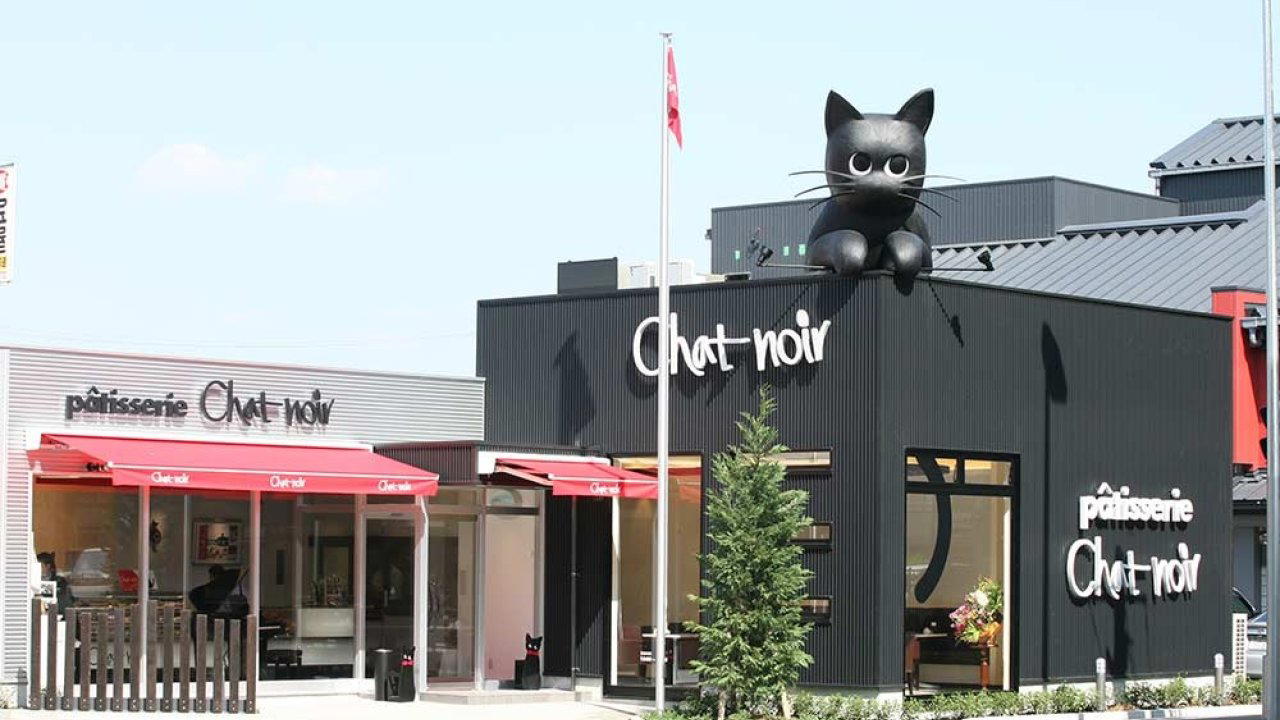
Hotels in Osaka
All hotels in Osaka →



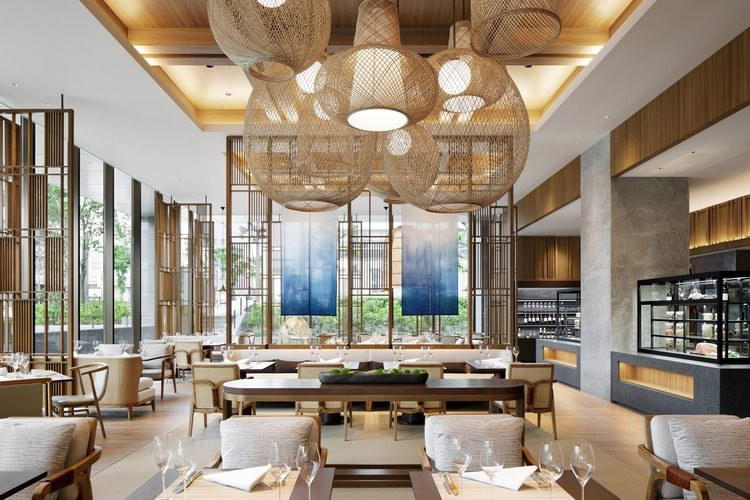
Wineries in Osaka
Browse all →
Details
- Lively
- Energetic
- Cozy
- Solo
- After Work
- Casual Hangout
- Late Night
- Standalone
- Sake Program
- Beer Program
- A La Carte
- Counter Dining
- Small Plates
- Sake
- Shochu
- Beer
- Cocktails
Current opening hours
- Monday
- 5 PM–12 AM
- Tuesday
- 5 PM–12 AM
- Wednesday
- 5 PM–12 AM
- Thursday
- 5 PM–12 AM
- Friday
- 5 PM–12 AM
- Saturday
- 5 PM–12 AM
- Sunday
- 5 PM–12 AM
Hours can change for holidays and private events. Hours as of .