Oberraindlhof

A Michelin Bib Gourmand-recognised farmhouse inn in the Val Senales, Oberraindlhof has been run by the same family for five generations. The kitchen draws on valley-sourced ingredients, cheese from nearby producers, seasonal herbs, local grains, to produce traditional South Tyrolean recipes in a 16th-century setting. At the €€ price point, it represents one of the more grounded expressions of Alpine farmhouse cooking in the region.
Pearl is the En Primeur Club membership app — saves, bookings, and concierge access live there. Same editors, same standards.
- Address
- Raindl, 49, 39020 Senales BZ, Italy
- Phone
- +39 0473 679131
- Website
- oberraindlhof.com
- Directions
- Get directions
 Saves & bookings on Pearl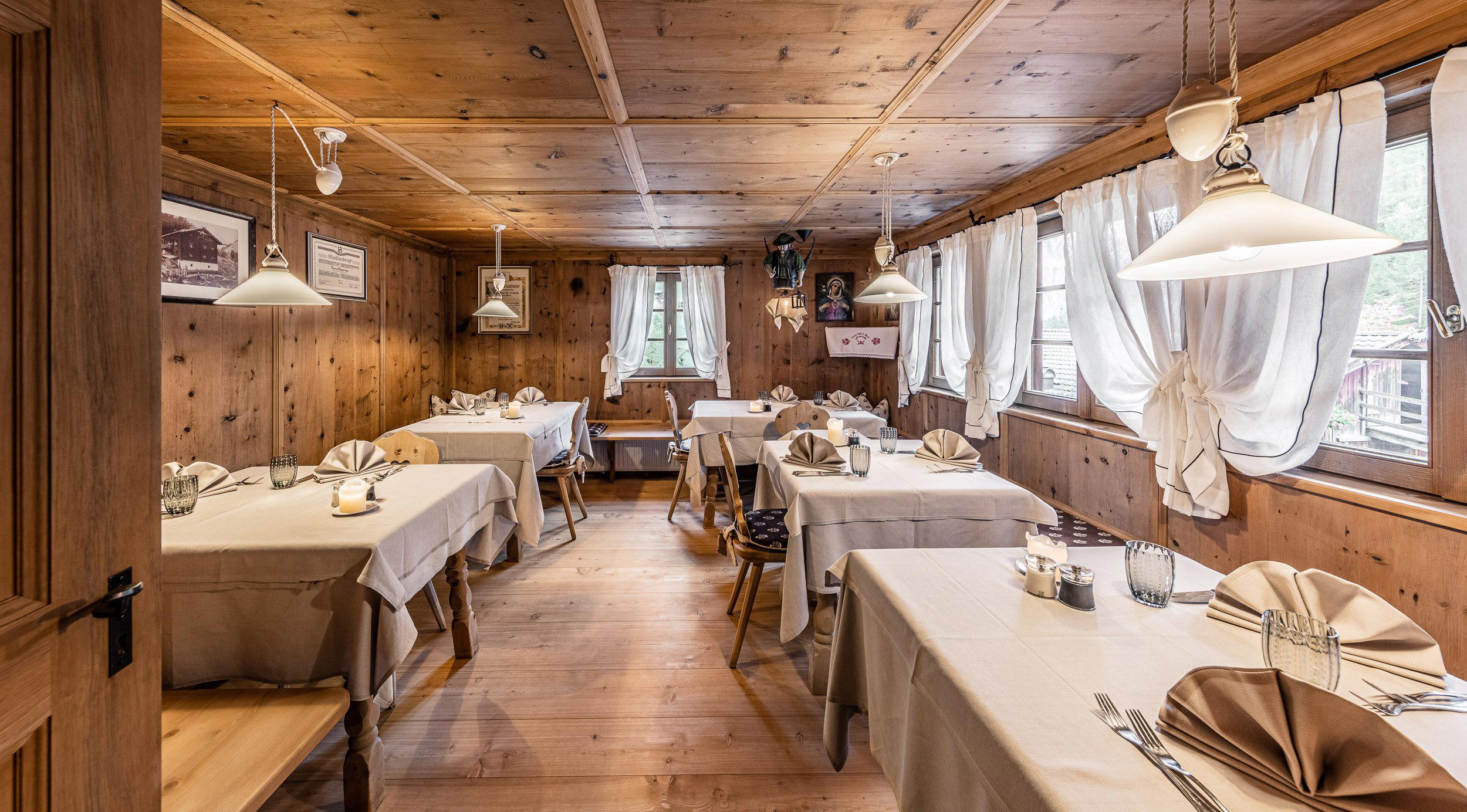
Where the Farm Is Still the Kitchen
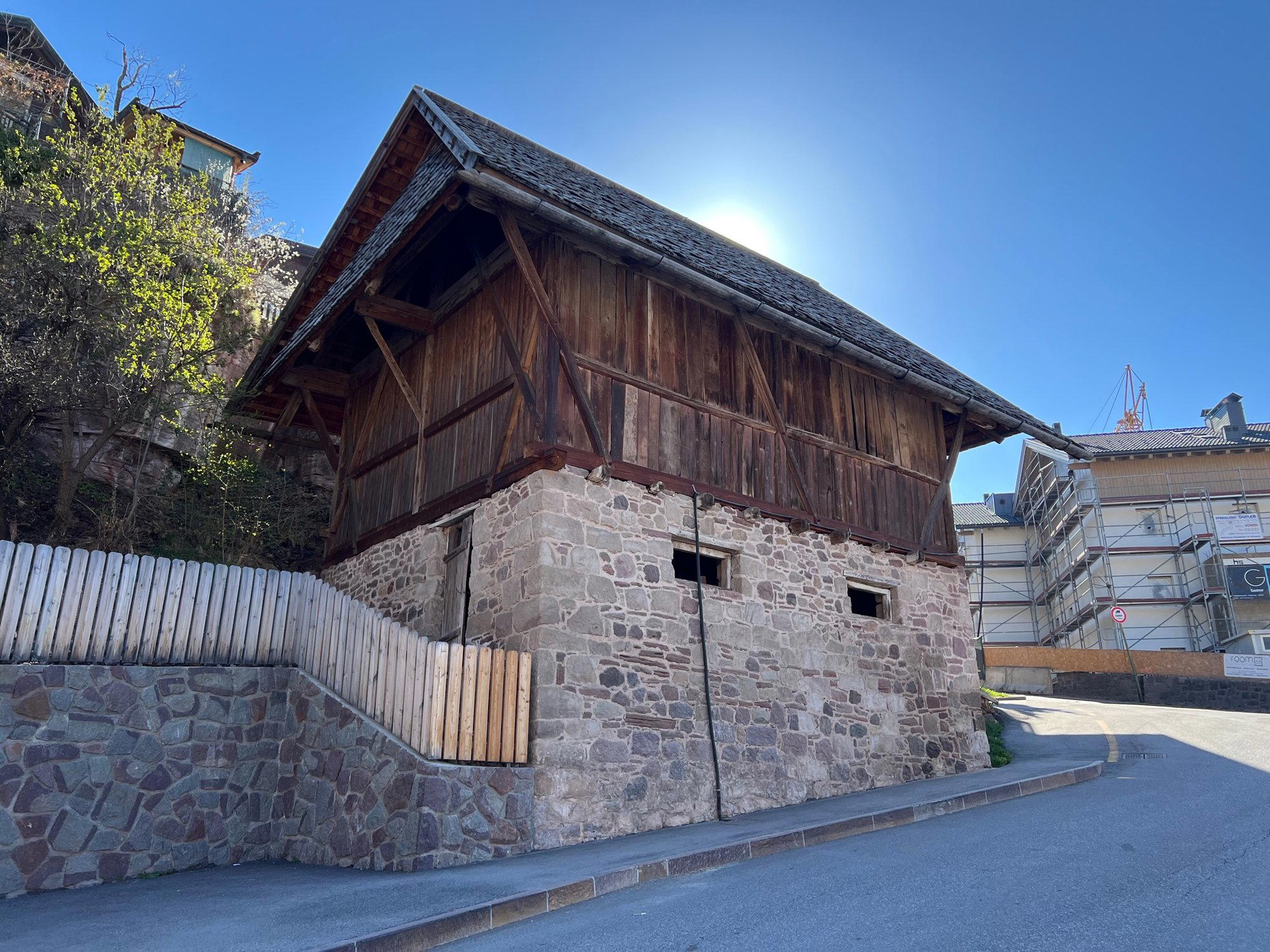
In the Val Senales, an Alpine valley in South Tyrol that rises sharply above the Vinschgau and sees far fewer visitors than the resort towns to its east, a particular tradition of farmhouse hospitality has persisted for centuries. Farmers who opened their homes to travellers did so because the land produced enough, cheese, cured meats, root vegetables, foraged greens, and the logic of the table was inseparable from the logic of the farm. Oberraindlhof, an inn with origins in the 16th century at Raindl, 49, in Senales, serves South Tyrolean Alpine Cuisine at a €€ price point. The same family has operated here across five generations, and the kitchen has remained oriented toward the valley's own produce rather than reaching outward toward imported trends.
That continuity is worth pausing on. In a region where South Tyrolean identity has long been expressed partly through food, through speck, through rye bread, through cheese produced at altitude, the restaurants that hold their ground are usually the ones with the deepest local relationships. Oberraindlhof has no Michelin stars and is noted for quality cooking at a moderate price. Among the €€€€ benchmark restaurants of northern Italy, from Atelier Moessmer Norbert Niederkofler in Brunico to Osteria Francescana in Modena, the Bib Gourmand designation marks a different value axis entirely. The question it answers is not whether the cooking reaches upward, but whether it delivers honest, locally rooted food without requiring the diner to make a significant financial commitment to experience it.
The Source Logic of the Val Senales
South Tyrol's culinary identity is built on short supply chains and altitude. Dairy farming has historically defined the upper valleys, and the cheeses produced in the area around Senales carry the character of high-altitude pasture: firmer textures, more concentrated flavour, a mineral quality that comes through even when the cheese is incorporated into a cooked dish. The fresh ravioli stuffed with locally produced valley cheese, served in summer with tomato and basil sauce, is a direct expression of this sourcing logic. The pasta is made in-house; the filling comes from producers the family knows by name and has sourced from across generations. This is not the farm-to-table framing of a metropolitan restaurant marketing itself on provenance. It is simply the way the kitchen has always operated, because the alternative, importing ingredients from further afield, would have made little practical sense in a valley this remote.
This ingredient sourcing model is more common in the South Tyrolean valleys than in the Dolomite resort towns, where tourist demand has gradually pushed kitchens toward broader, less geographically specific menus. Farmhouse inns that have stayed close to their original logic, cooking what the surrounding land and nearby producers offer, tend to be the ones with particularly coherent menus, even when those menus are short. Oberraindlhof's kitchen reads as an expression of this coherence: a limited range of dishes built around what the valley produces reliably, prepared by Changki Kang and shaped by long familiarity with local ingredients.
The Physical Setting and What It Communicates
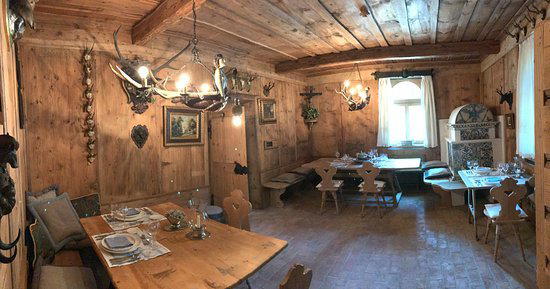
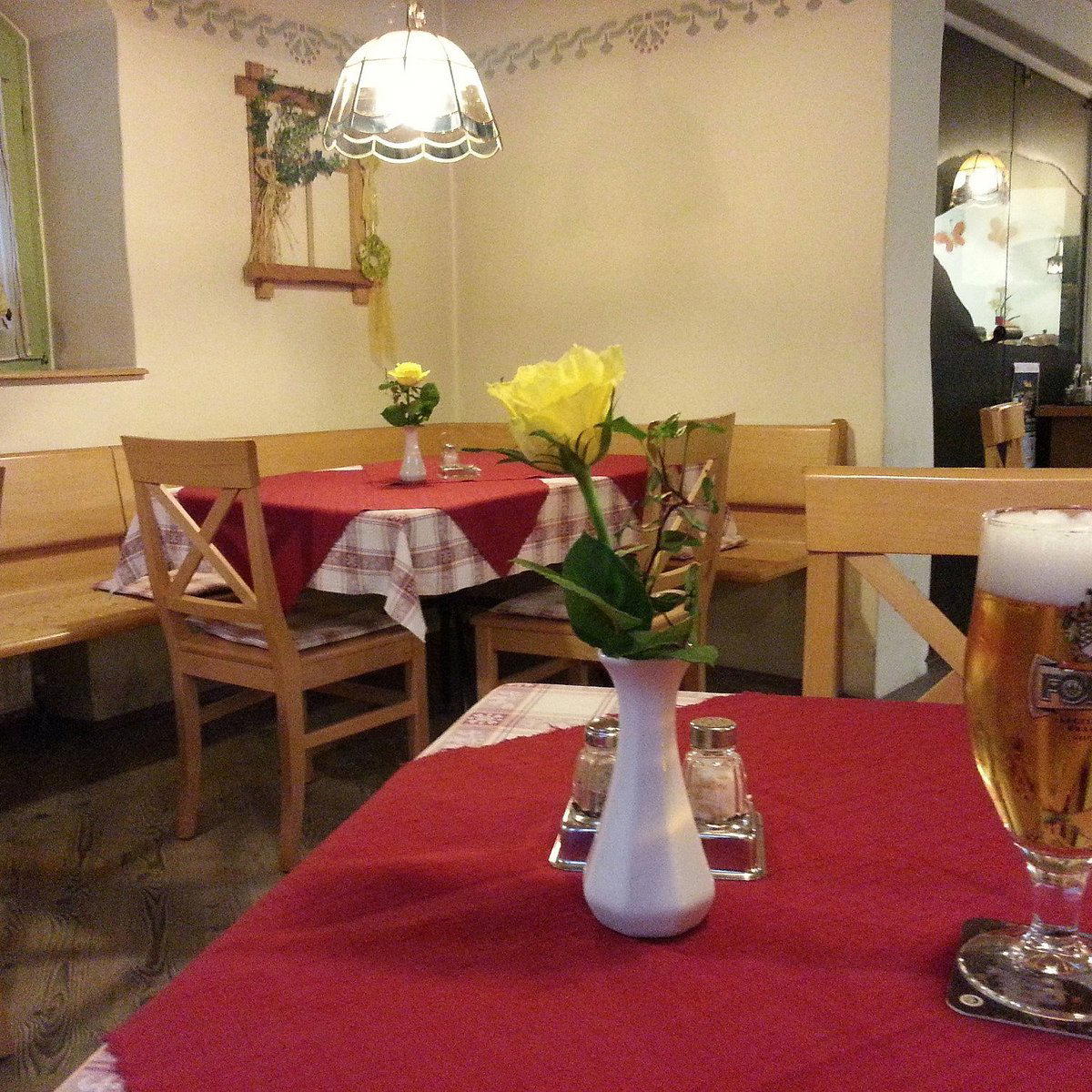
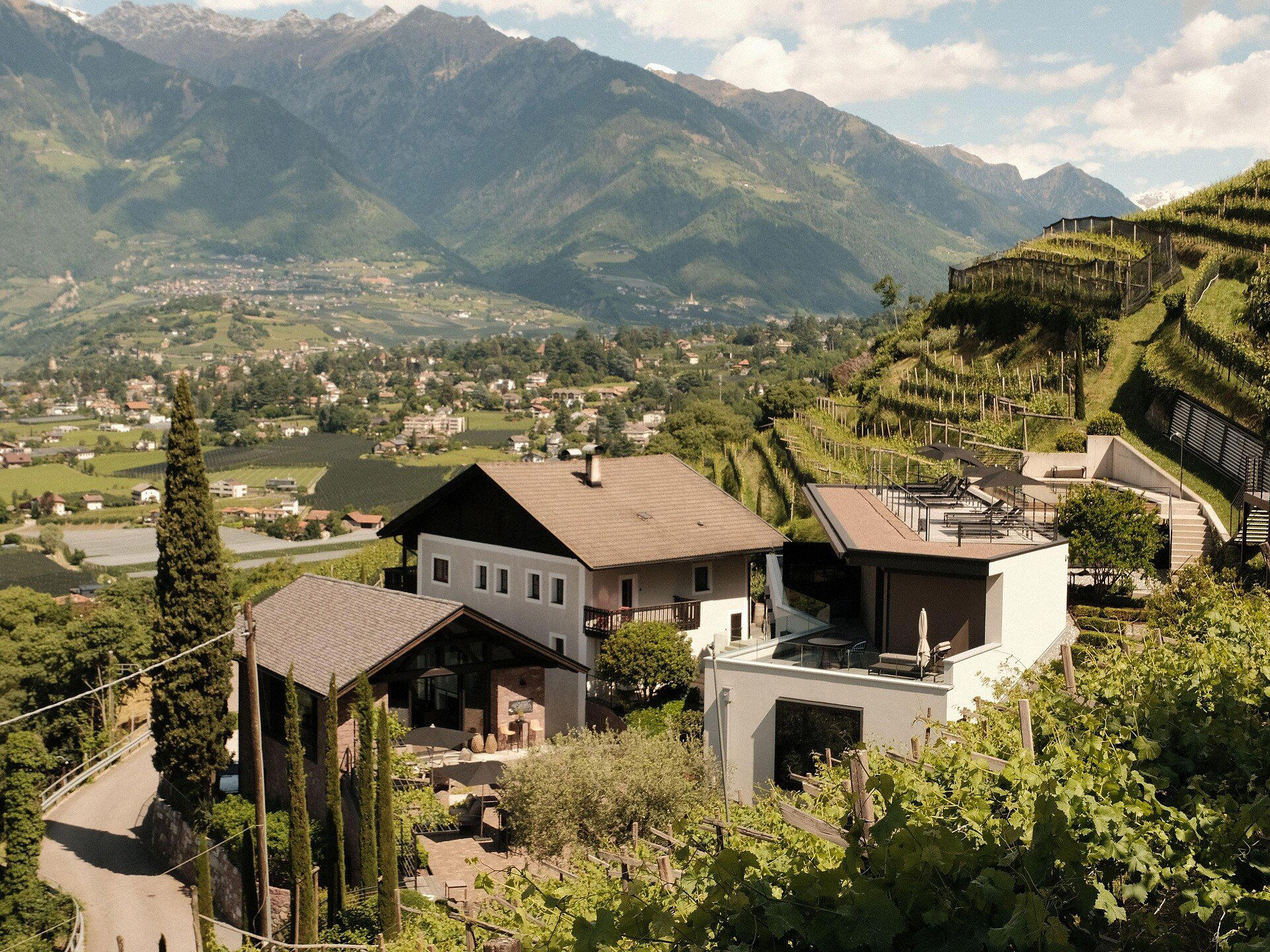
Approaching a farmhouse inn with a 16th-century foundation in the Val Senales, the architecture does the contextualising work before the food arrives. These are stone and timber structures built for permanence and insulation, not for visual drama. The interior of Oberraindlhof reflects this: a warm ambience that the Michelin record specifically notes, derived from the materials and proportions of an old working farmhouse rather than from deliberate interior design. Low ceilings, exposed wood, and the particular quality of light in a building that was designed to retain heat in Alpine winters create a setting that places the meal in a clear physical and historical context. This matters for how the food reads. A plate of fresh ravioli in a room like this communicates something about place and continuity that the same plate in a neutral urban dining room cannot.
For comparison purposes, the gap between this format and the higher-end South Tyrolean table is significant. Norbert Niederkofler's operation in Brunico operates with a different proposition: a creative tasting format at the €€€€ tier, oriented toward culinary elaboration of Alpine ingredients. Both draw on regional produce, but they address entirely different dining intentions. The farmhouse inn model, at the Bib Gourmand level, is for diners who want the ingredient story told simply and the setting to carry its own historical weight. Those looking for more elaborate southern Italian approaches might consider Dal Pescatore in Runate, Enoteca Pinchiorri in Florence, Enrico Bartolini in Milan, or at a different scale, Quattro Passi in Marina del Cantone, Uliassi in Senigallia, Le Calandre in Rubano, Piazza Duomo in Alba, and Reale in Castel di Sangro. For traditional cuisine formats outside Italy, Auberge Grand'Maison in Mûr-de-Bretagne and Auga in Gijón occupy comparable terrain in their respective regions.
Within Madonna di Senales itself, Josef Stube offers another lens on the valley's country cooking tradition, and is worth considering alongside Oberraindlhof when planning a visit to the area. The full Madonna di Senales restaurants guide covers the local picture in more depth.
Planning a Visit
Oberraindlhof sits at the €€ price point, with dishes averaging about $45 per person. The venue also functions as an inn, which means an overnight stay is possible and, given the valley's distance from larger transport hubs, often the more sensible choice. The wine list is noted as a genuine asset rather than an afterthought, which is worth factoring into the overall spend. Summer visits align with the tomato and basil preparation of the cheese ravioli, making the season relevant for anyone wanting that specific dish. The valley is accessible by road from Merano, the nearest significant town.
Price and Recognition
Comparable venues nearby, for context on price, style, and recognition.
| Venue | Cuisine | Price | Awards | Notes |
|---|---|---|---|---|
| OberraindlhofThis venue — the venue you are viewing | Traditional Cuisine | $$ | Bib Gourmand | Not listed |
| Josef Stube | Not listed | $$$ | Michelin Plate | Madonna di Senales, Modern Country Cooking |
| Osteria Madonnetta | Not listed | $$ | Bib Gourmand | historic center, Traditional Veneto Trattoria |
| Antica Trattoria Gianna | Recorfano, Traditional Lombard Trattoria | $$ | Bib Gourmand | Not listed |
| Trattoria da Paeto | Pianiga, Venetian Seafood Trattoria | $$$ | Bib Gourmand | Not listed |
| Borgo Poscolle | Not listed | $$ | Bib Gourmand | Cavazzo Carnico, Traditional Friulian Trattoria |
Recognition history
Dated appearances from independent guides and award organizations, with the underlying list record or original source where available.
Michelin Plate
Michelin
Michelin Bib Gourmand
Michelin
Michelin Bib Gourmand
Michelin
Continue exploring
More in Madonna di Senales
Restaurants in Madonna di Senales
Browse all →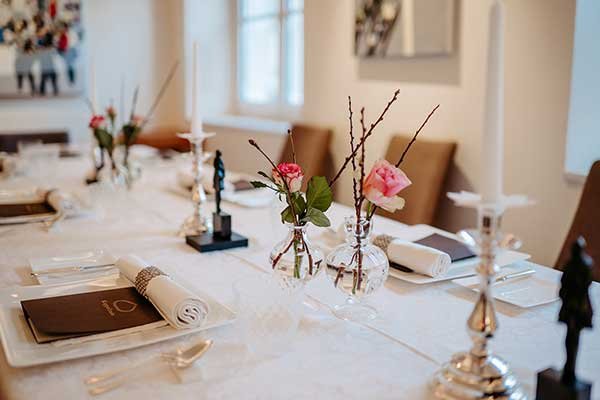
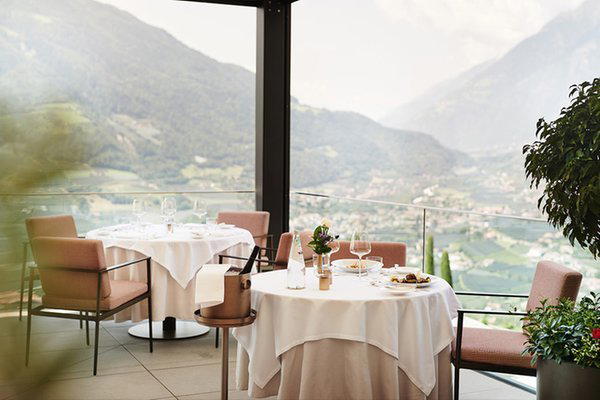
Bars in Madonna di Senales
Browse all →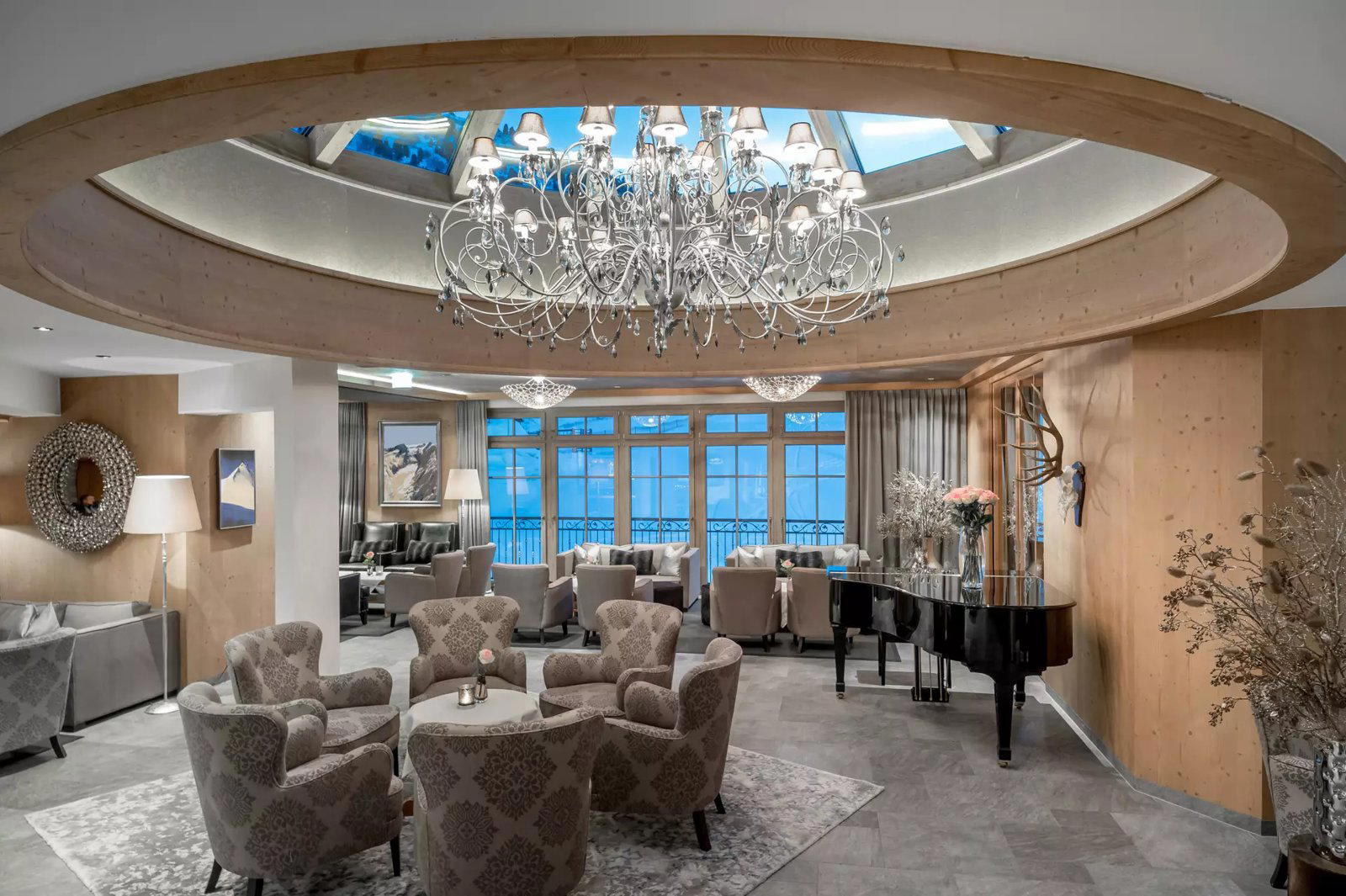
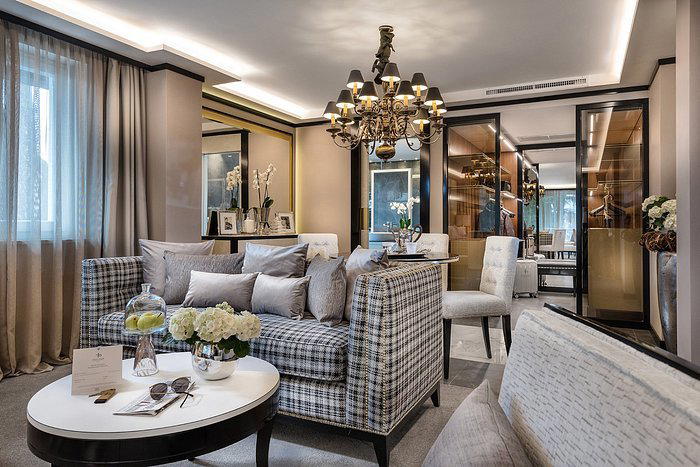

Hotels in Madonna di Senales
Browse all →
Wineries in Madonna di Senales
Browse all →
At a Glance
- Rustic
- Cozy
- Romantic
- Scenic
- Intimate
- Classic
- Date Night
- Family
- Celebration
- Special Occasion
- Terrace
- Panoramic View
- Historic Building
- Hotel Restaurant
- Garden
- Extensive Wine List
- Sommelier Led
- Farm To Table
- Local Sourcing
- Organic
- Mountain
- Garden
Warm, welcoming, and nostalgic Tyrolean atmosphere with wooden interiors, mountain views from terraces, and the scent of pine wood throughout the property. Intimate and cozy with historical charm.