Josef Stube

A Michelin Plate-recognised hotel-restaurant in Val Senales, Josef Stube operates in the tradition of Alpine country cooking, with a short menu built around local ingredients and a dining room that reflects the region's architectural character. The €€ price point and family-run continuity place it firmly in the honest, ingredient-led tier of South Tyrolean hospitality.
Pearl is the En Primeur Club membership app — saves, bookings, and concierge access live there. Same editors, same standards.
- Address
- Viale Dolomiti di Brenta, 3/a, 38086 Madonna di Campiglio TN, Italy
- Phone
- +39 0465 349885
- Website
- goldenerose.it
- Directions
- Get directions
 Saves & bookings on Pearl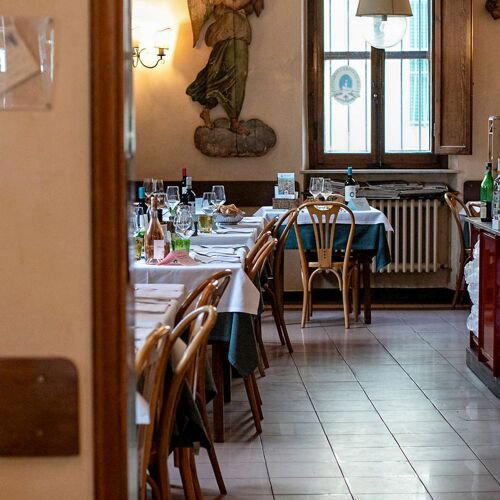
The Val Senales Table: What Alpine Country Cooking Actually Means
In the South Tyrolean valleys, instructive dining experiences are rarely the ones with the longest menus. The tradition here runs toward restraint: a handful of dishes, a defined geography of ingredients, and a dining room that communicates where you are before the food arrives. Josef Stube is a restaurant in Madonna di Campiglio serving Modern Country Cooking, operating squarely within that tradition. The room is carefully kept, the aesthetic is regional rather than generic Alpine, and the menu is deliberately short, each of those choices reflecting a set of priorities that the leading country-cooking establishments across Northern Italy share.
The Val Senales sits at altitude in South Tyrol, the bilingual province where Austrian and Italian culinary traditions have been layered over centuries into something that belongs to neither country entirely. Dairy, cured meats, foraged ingredients, and game anchor the region's larder. The leading tables here do not attempt to import techniques or ingredients from elsewhere; they work with what the valley produces and let the sourcing do the editorial work. Josef Stube's emphasis on local ingredients, with what the Michelin record describes as a hint of Mediterranean influence, positions it within a lineage that prioritises place over ambition.
The Dining Room as Context
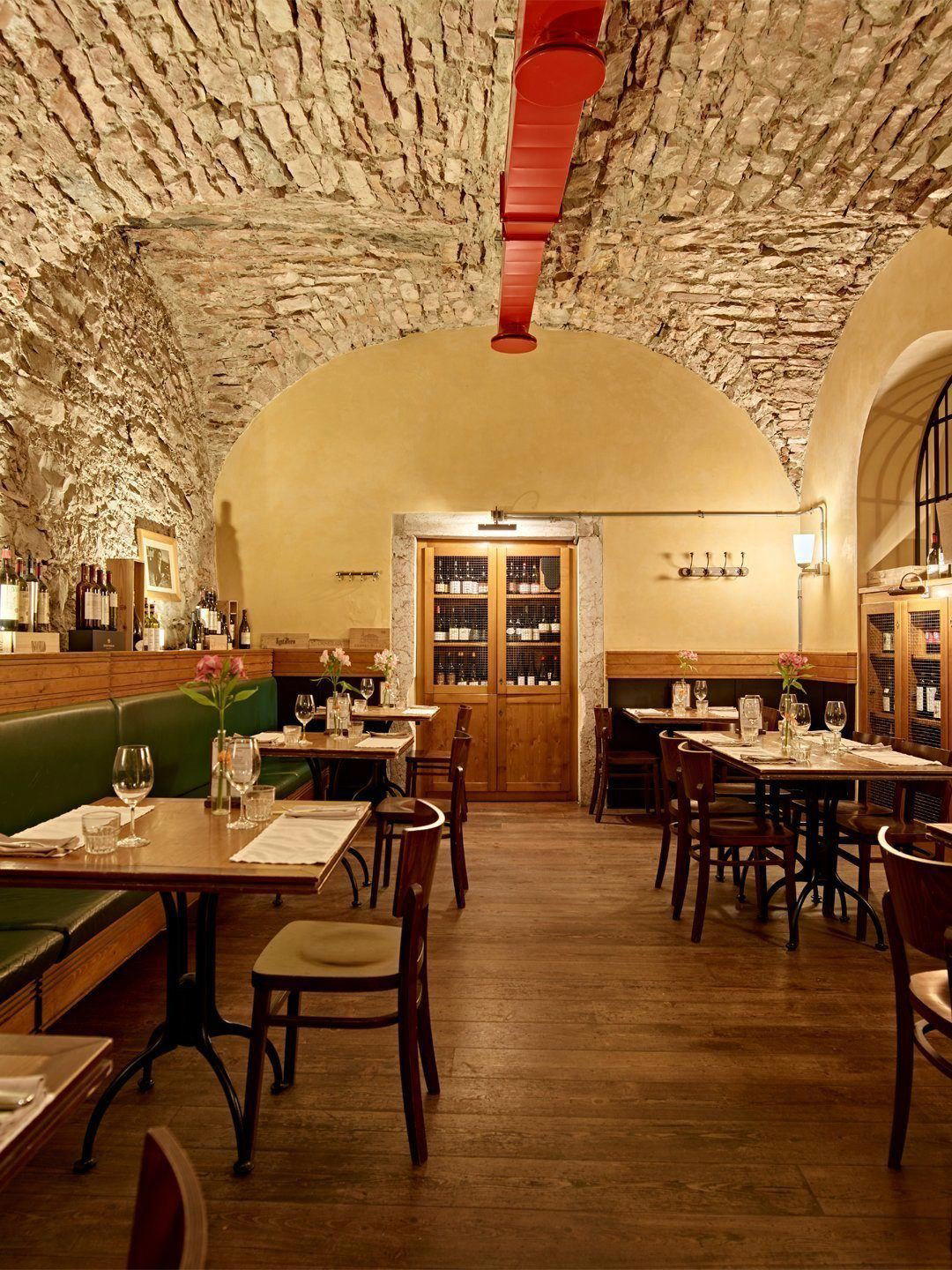
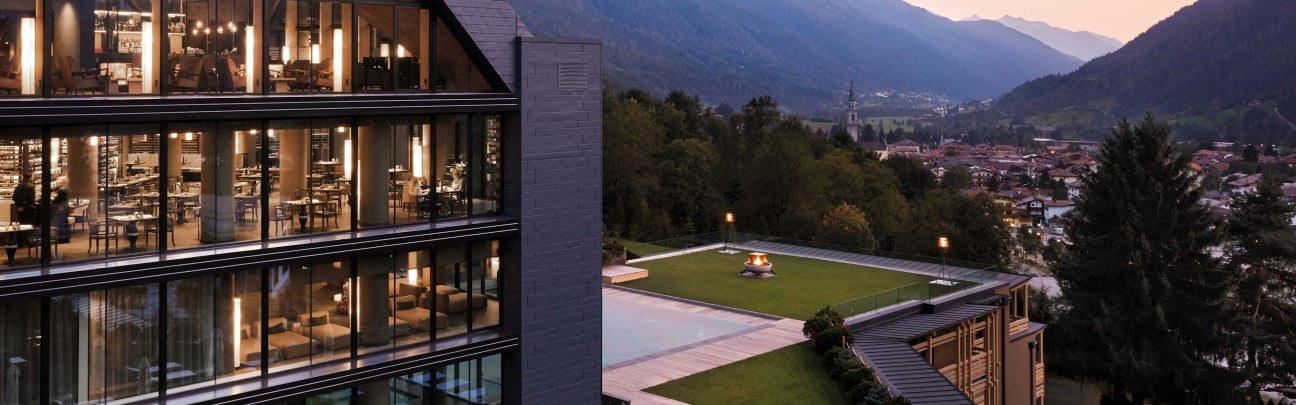
In Alpine hotel-restaurants of this type, the room is never incidental. Carved wood, warm lighting, and compact seating arrangements are not decorative choices made in isolation, they are the physical record of a regional hospitality style that developed around long winters and the specific social rhythms of mountain communities. Josef Stube's dining room is described as romantic and characteristic of the region, which in practice means it functions as an argument for why the cooking should stay local: the environment and the food reinforce each other. A menu that reached beyond the valley would sit in tension with a room this firmly rooted in it.
That coherence between setting and cuisine is not automatic. Across the South Tyrolean restaurant sector, a split has developed between places that use the Alpine aesthetic as backdrop for increasingly ambitious creative cooking, as seen at the €€€€ end of the spectrum with venues like Atelier Moessmer Norbert Niederkofler in Brunico, which holds three Michelin stars, and those that maintain the honest, mid-range country-cooking format that the region has always produced. Josef Stube operates in the latter category, at the €€ price point, where value is measured in authenticity of sourcing and continuity of tradition rather than in technical complexity or seasonal tasting-menu architecture.
Ingredient Sourcing as the Kitchen's Argument
A short menu built on local ingredients carries a specific implication: every dish that appears has survived a curation process. When a kitchen limits its repertoire and grounds it geographically, the sourcing becomes the primary form of quality control. The ingredients from the Val Senales and its surrounding territory, the dairy products of high-altitude grazing, the cured meats of South Tyrolean tradition, the vegetables of mountain smallholdings, carry flavour profiles that reflect the landscape's conditions. Altitude, temperature variation, and traditional farming practices produce ingredients that require less intervention to be interesting.
The Mediterranean thread running through the menu is worth noting as a culinary-historical point rather than an anomaly. South Tyrol's position as a transit zone between the Germanic north and the Italian south has always meant that its cooking absorbed influences from multiple directions. The introduction of olive oil, certain aromatics, or preparations from further south into what is otherwise a distinctly Alpine idiom is historically consistent with how this cuisine evolved. It does not represent a departure from tradition so much as a reminder that the tradition was never entirely sealed.
This kind of ingredient-led country cooking occupies a different position on Italy's restaurant spectrum from the technically driven establishments that attract international attention. Compare the restaurant approach to the grand-format Italian kitchens recognised for multi-course creative work: Osteria Francescana in Modena, Le Calandre in Rubano, or Piazza Duomo in Alba represent one pole of Italian fine dining. The restaurant represents the other: the family-run, regionally anchored table where continuity and sourcing integrity are the editorial position. Neither is a lesser version of the other, they are answering different questions about what Italian cooking is for.
Other Italian country-cooking practitioners working in this honest, place-rooted register include 21.9 in Piobesi d'Alba and Andrea Monesi at Locanda di Orta in Orta San Giulio, both of which operate with similar commitments to local produce and the regional table format.
Family Continuity and What It Signals
The Michelin record notes that restaurant is run with continued family ownership across generations, maintaining a hotel-restaurant tradition in the valley. In country-cooking contexts, that kind of continuity is not a sentimental detail, it is a form of quality signal. A kitchen that has operated within the same ownership structure across multiple generations has, by definition, resisted the drift toward imported trends. The consistency of the dining room's character and the kitchen's sourcing priorities reflects a deliberate choice to maintain a specific identity rather than adapt it toward current market pressures. That choice has editorial weight.
For comparison within the Val Senales dining scene, Oberraindlhof offers another lens on traditional cuisine in the same valley, allowing visitors to read the two establishments as points within a local dining tradition rather than as isolated cases. Taken together, they suggest that the Val Senales has maintained a coherent identity in its restaurant culture, not through external recognition campaigns but through the accumulation of consistent practice over time.
Planning Your Visit
The restaurant sits at Viale Dolomiti di Brenta 3/a in the Madonna di Campiglio area. The €€ price point makes it accessible relative to South Tyrol's higher-end tables, and the Michelin Plate recognition in consecutive years (2024 and 2025) provides a reliable quality benchmark for first-time visitors. As a hotel-restaurant with a small dining room described as romantic and characteristically regional, reservations in advance of a visit are advisable, particularly during the valley's peak seasons.
For broader planning across the area, EP Club's full Madonna di Senales restaurants guide covers the valley's dining scene in more depth. Those extending their stay will find relevant curation in our Madonna di Senales hotels guide, bars guide, wineries guide, and experiences guide. For those building a broader Italian itinerary around serious cooking, the country's Michelin three-star tier, represented by venues including Dal Pescatore in Runate, Enoteca Pinchiorri in Florence, Enrico Bartolini in Milan, Reale in Castel di Sangro, Uliassi in Senigallia, and Quattro Passi in Marina del Cantone, sits at a different price and format tier, but the country-cooking tradition that restaurant represents is no less considered for operating outside that bracket.
In Context: Similar Options
Comparable venues nearby, for context on price, style, and recognition.
| Venue | Cuisine | Price | Awards | Notes |
|---|---|---|---|---|
| Josef StubeThis venue — the venue you are viewing | Modern Country Cooking | $$$ | Michelin Plate | Not listed |
| Oberraindlhof | South Tyrolean Alpine Cuisine | $$ | Bib Gourmand | Val Senales (Schnalstal Valley) |
| Laurin | Modern Italian Gourmet | $$$ | Michelin Plate | City Center |
| Villetta Annessa | Italian Steakhouse with Grilled Meats | $$$ | Michelin Plate | Riva del Garda |
| Al Volt | Contemporary Italian Fine Dining | $$$ | Michelin Plate | Historic Center |
| Stella d'Italia | Traditional Regional Italian | $$$ | Michelin Plate | Pastrengo |
Recognition history
Dated appearances from independent guides and award organizations, with the underlying list record or original source where available.
Michelin Plate
Michelin
Michelin Plate
Michelin
Michelin Plate
Michelin
Continue exploring
More in Madonna di Senales
Restaurants in Madonna di Senales
Browse all →
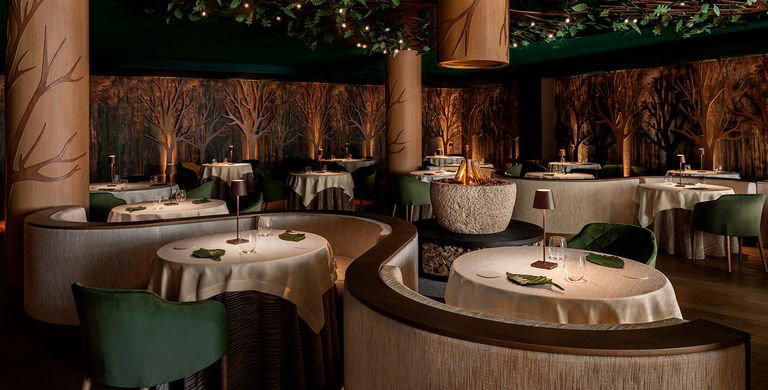
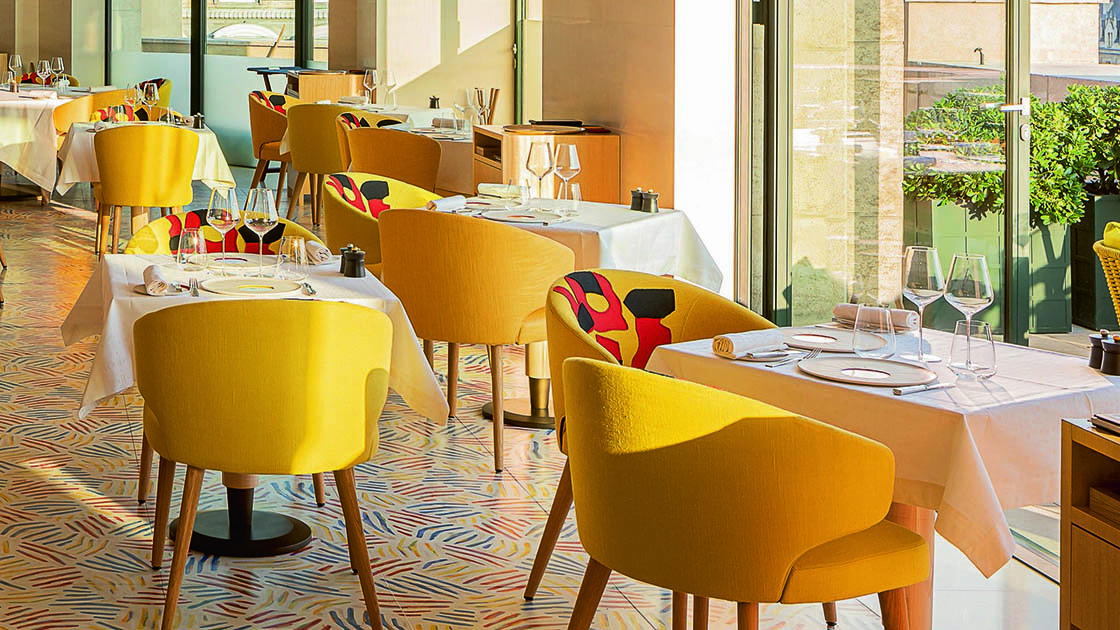
Bars in Madonna di Senales
Browse all →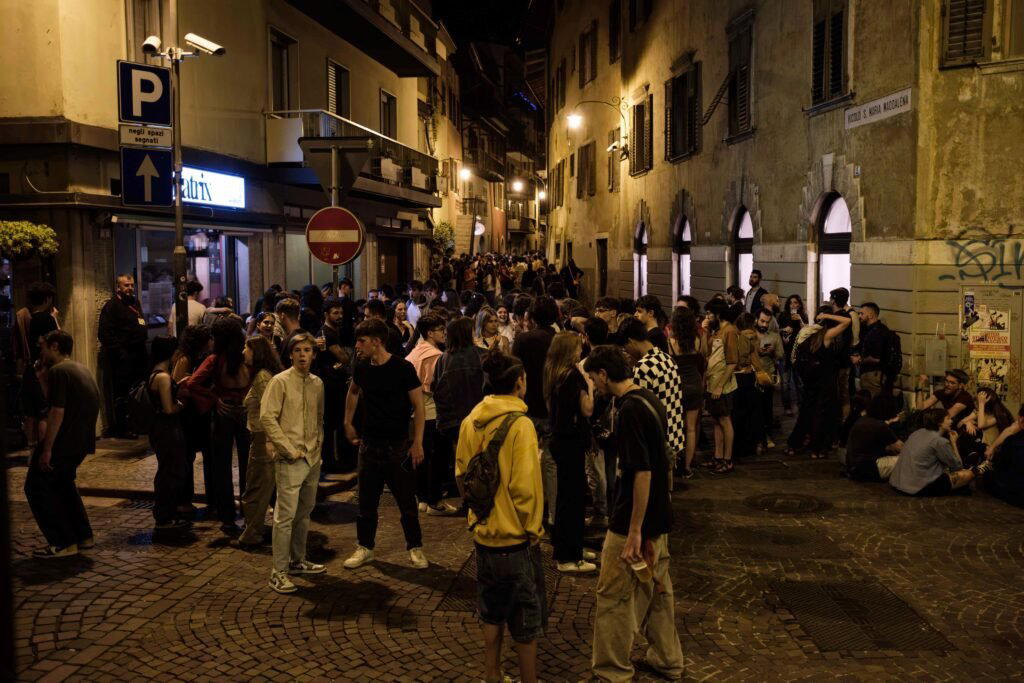
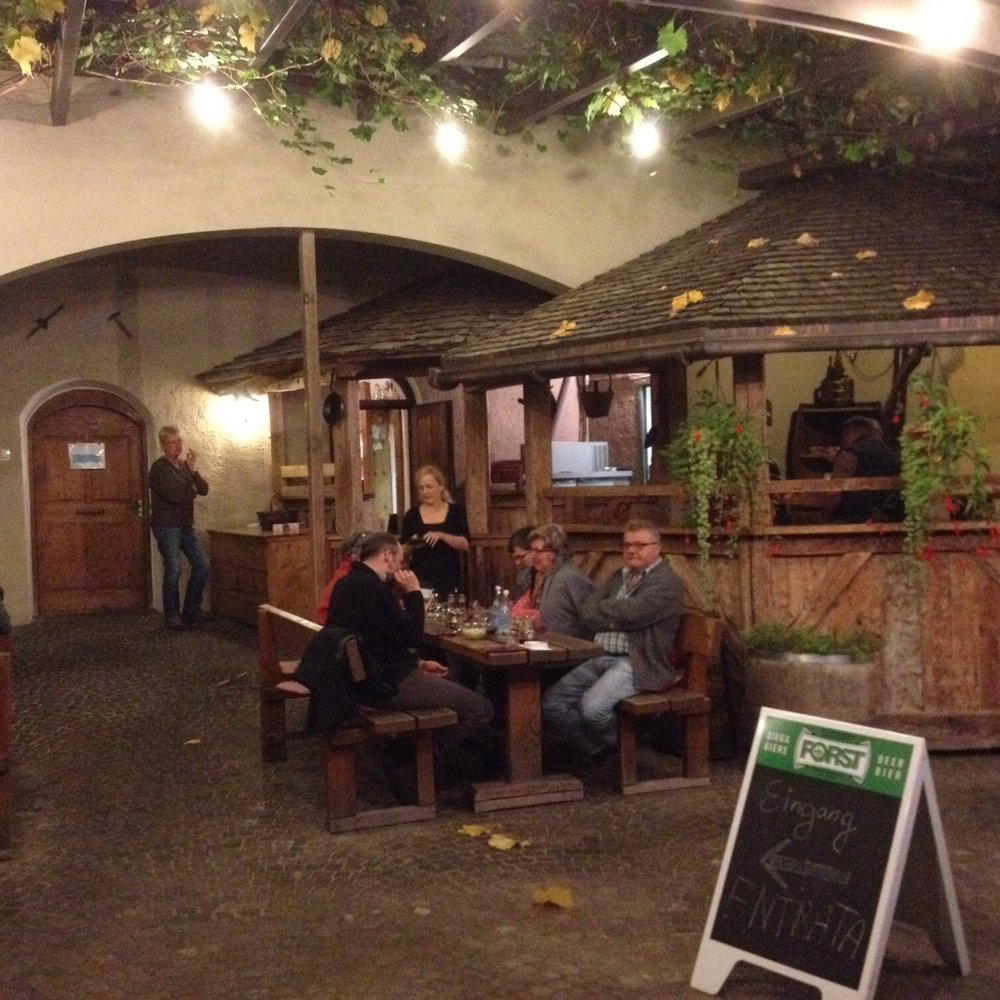
Hotels in Madonna di Senales
Browse all →
At a Glance
- Romantic
- Cozy
- Rustic
- Intimate
- Date Night
- Solo
- Special Occasion
- Hotel Restaurant
- Historic Building
- Extensive Wine List
- Local Sourcing
- Mountain
Current opening hours
- Monday
- 5 PM–12 AM
- Tuesday
- 5 PM–12 AM
- Wednesday
- 5 PM–12 AM
- Thursday
- 5 PM–12 AM
- Friday
- 12:30 PM–12 AM
- Saturday
- 12:30 PM–12 AM
- Sunday
- 12:30 PM–12 AM
Hours can change for holidays and private events. Last verified .
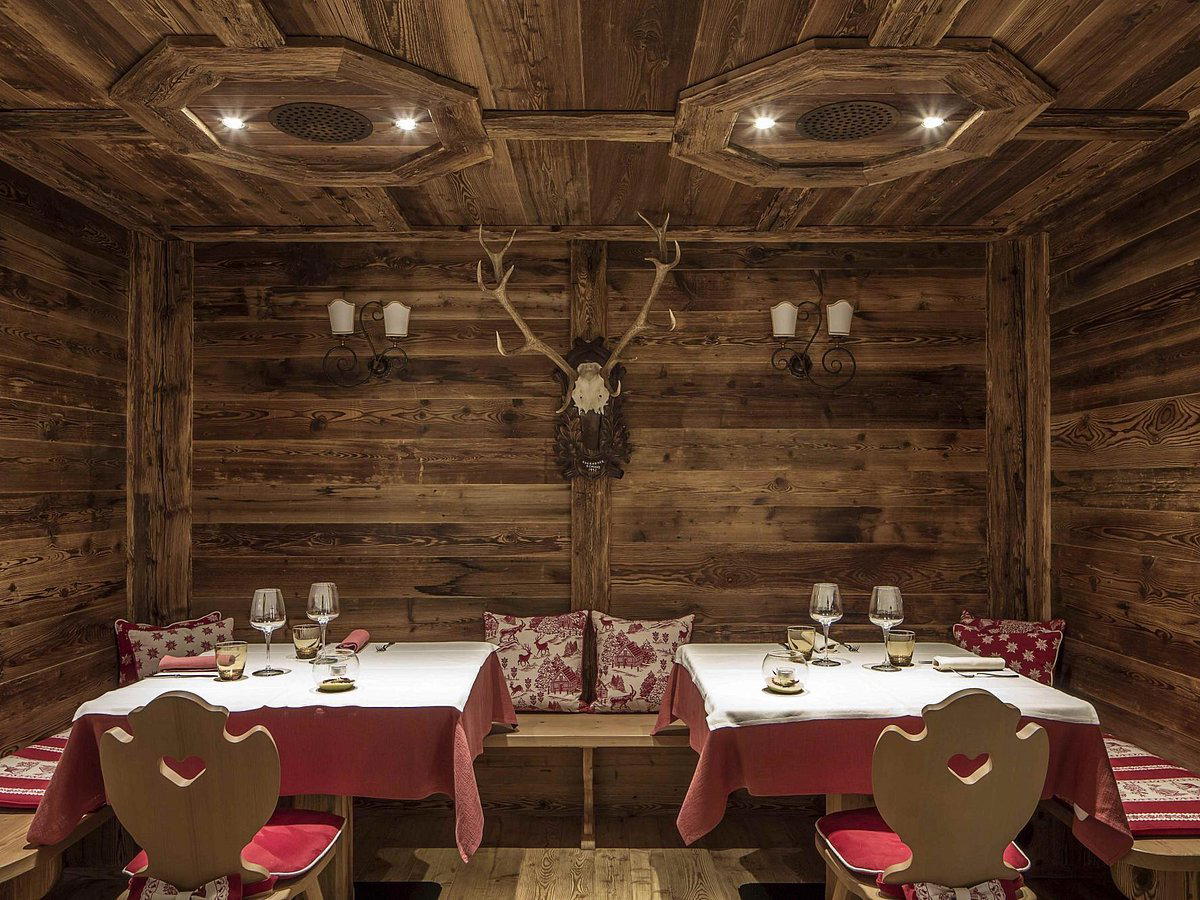
Romantic dining room typical of the region with candlelit wood-paneled interior.