Novitá

A Gramercy Park institution holding a Michelin Plate since 2024, Novitá at 102 E 22nd Street has built its reputation not on novelty but on the kind of honest, ingredient-led Italian cooking that New York rarely sustains over the long term. The warm dining room, loyal neighborhood crowd, and attentive Italian-spirited service position it closer to a traditional trattoria than to the city's contemporary Italian scene.
Pearl is the En Primeur Club membership app — saves, bookings, and concierge access live there. Same editors, same standards.
- Address
- 102 E 22nd St, New York, NY 10010
- Phone
- (212) 677-2222
- Website
- novitanyc.com
- Directions
- Get directions
 Saves & bookings on Pearl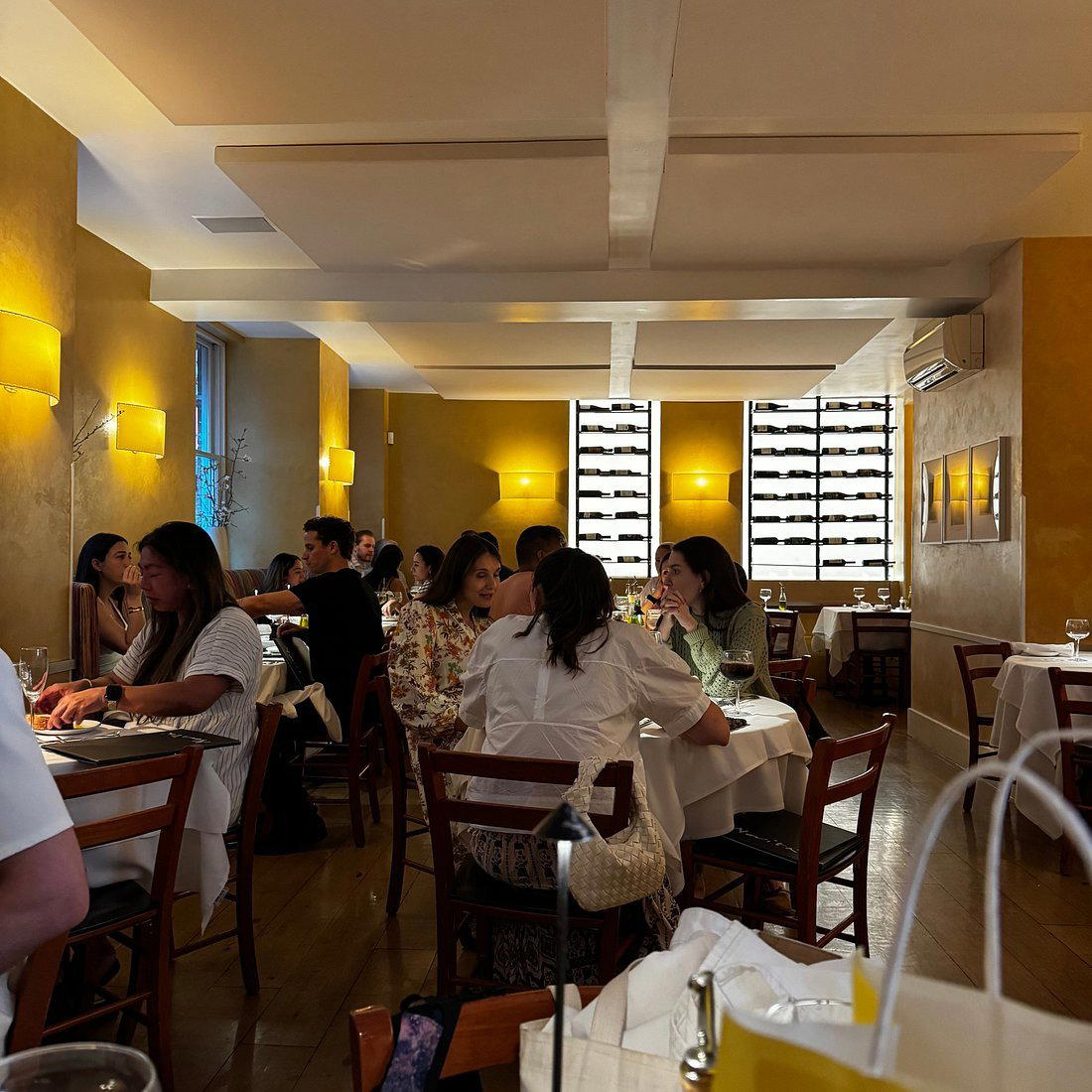
Italian Cooking in New York: The Case for Staying Still
New York's Italian restaurant scene has fractured into two distinct camps over the past two decades. One group chases recognition through tasting menus, imported pantry items, and modernist technique, venues like Ai Fiori or the quietly cerebral approach at Altro Paradiso both sit somewhere in that conversation. The other group does the harder thing: it holds its ground. Novitá is an Authentic Italian Trattoria at 102 E 22nd St in New York's Gramercy neighborhood. It has not pivoted to small plates, has not rebranded around a celebrity chef, and has not chased the downtown energy of kitchens like Via Carota. That discipline, across what is by any measure a long institutional run in one of the world's most competitive dining markets, tells you something about the cooking's foundations.
The 2024 Michelin Plate designation positions Novitá accurately in its peer tier. It is not in competition with Babbo's more muscular, Batali-era Italian-American ambition, nor does it occupy the same register as New York's $$$$-tier rooms: Le Bernardin, Per Se, Eleven Madison Park, or Masa. It operates at the $$$ price point, where the competitive question is whether the cooking justifies returning rather than whether it justifies the occasion.
What the Gramercy Address Means
Gramercy Park exerts a specific gravitational pull on the restaurants that settle there. It is a residential neighborhood in the genuine sense, bounded by a private park that most New Yorkers will never enter, lined with pre-war buildings, and largely insulated from the foot-traffic economics that shape dining in Midtown or the West Village. Restaurants that survive here do so by becoming part of the neighborhood's fabric, not by drawing destination diners from elsewhere. That shapes the kind of room Novitá has become: warm, recognizable, and structured around repeat visits rather than first impressions.
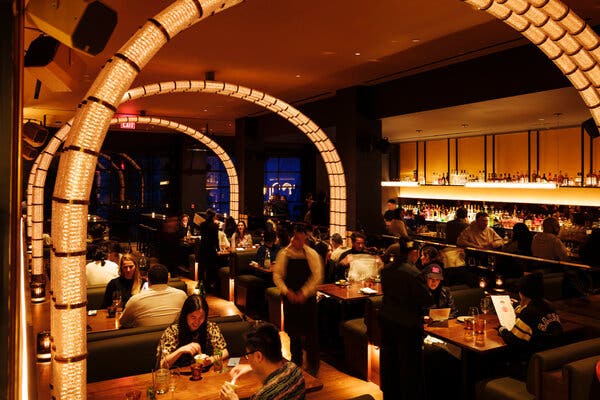
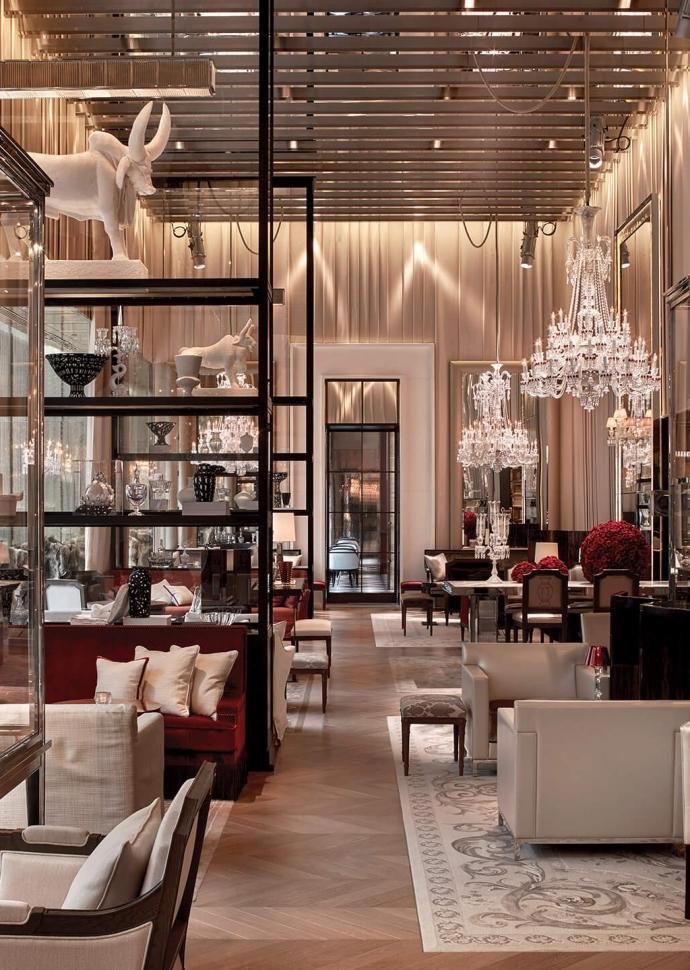
The dining room itself, low ceilings, a golden palette, a crowd that reads as local rather than touristic, reflects a European model of what a neighborhood restaurant should feel like. In Italian cities, this is unremarkable; in New York, where square footage costs make intimacy expensive, it is a considered choice. The softly busy atmosphere is the product of a full room of regulars rather than a marketed concept.
The Cultural Logic of Comfort
Italian cuisine, at the level Novitá operates, is less a style than a discipline of restraint. The tradition that produces a well-made tagliolini Bolognese or a warm calamari salad with lemony avocado dressing is not one of improvisation; it is one of accumulated refinement, where small errors in timing, seasoning, or sourcing become visible precisely because the dish offers nowhere to hide. This is a different kind of difficulty than the architectural complexity on display at, say, Alinea in Chicago or the hyper-seasonal precision of Single Thread Farm in Healdsburg. Those kitchens solve problems of conception. A kitchen committed to the classic Italian canon solves problems of execution, night after night, without the novelty buffer that a constantly changing modernist menu provides.
The dishes most associated with Novitá, the calamari salad and the Bolognese, are telling in their ordinariness. These are not obscure regional preparations or technically demanding showpieces. They are the kind of food that every credible Italian trattoria should be able to produce, and they are precisely the kind of food that most Italian restaurants in American cities fail at, reaching instead for novelty or portion size as substitutes for technical groundedness. That Novitá has built its reputation on these dishes rather than around them says something about the kitchen's confidence in the tradition it is working within.
For context, the Italian diaspora restaurant has taken different forms in other global cities. At 8½ Otto e Mezzo Bombana in Hong Kong, Italian fine dining has been adapted to an entirely different hospitality register, formal, lavish, Michelin three-starred. At cenci in Kyoto, Italian ingredients meet Japanese technique and seasonal philosophy in a way that would be unrecognizable in the original culinary context. Novitá takes neither approach. It does not adapt Italian cooking to its environment; it maintains it.
Service as Cultural Artifact
The service at Novitá is warm, attentive, and unmistakably Italian. Italian restaurant service, at its leading, is not transactional in the way that American fine dining service tends to be. It does not follow a scripted cadence of check-ins and upsell moments. It operates more like the hospitality of a private home where the hosts happen to be running a kitchen, and where the goal is that guests feel seen rather than processed. That quality is genuinely difficult to sustain in a city where high turnover and high labor costs push most operators toward efficiency over warmth. The fact that it registers as one of Novitá's defining characteristics suggests it has been maintained as a deliberate standard rather than inherited and gradually diluted.
At a Glance
Comparable venues nearby, for context on price, style, and recognition.
| Venue | Cuisine | Price | Notes |
|---|---|---|---|
| NovitáThis venue — the venue you are viewing | Gramercy, Authentic Italian Trattoria | $$$ | Not listed |
| Popina | Not listed | $$$ | Carroll Gardens-Cobble Hill-Gowanus-Red Hook, Italian-Southern Fusion |
| Santi | Not listed | $$$$ | Midtown-Times Square, Modern Italian Fine Dining |
| Lupa | Not listed | $$$ | Greenwich Village, Traditional Roman Trattoria |
| Café Mars | Not listed | $$$ | Carroll Gardens-Cobble Hill-Gowanus-Red Hook, Contemporary Italian |
| San Sabino | Not listed | $$$ | West Village, Coastal Italian-American Seafood |
Recognition history
Dated appearances from independent guides and award organizations, with the underlying list record or original source where available.
Michelin Plate
Michelin
Michelin Plate
Michelin
Continue exploring
More in New York City
Restaurants in New York City
Browse all →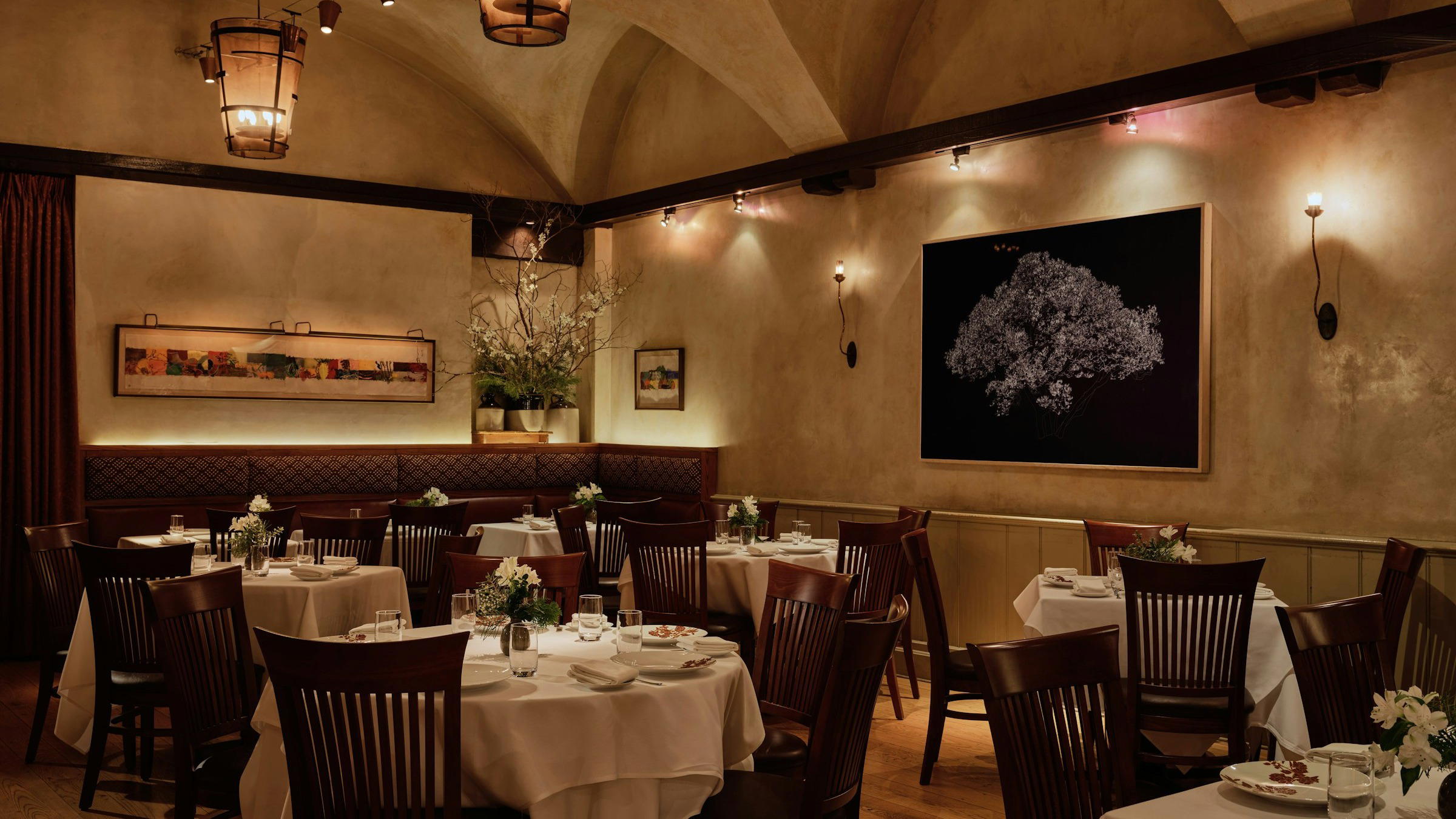
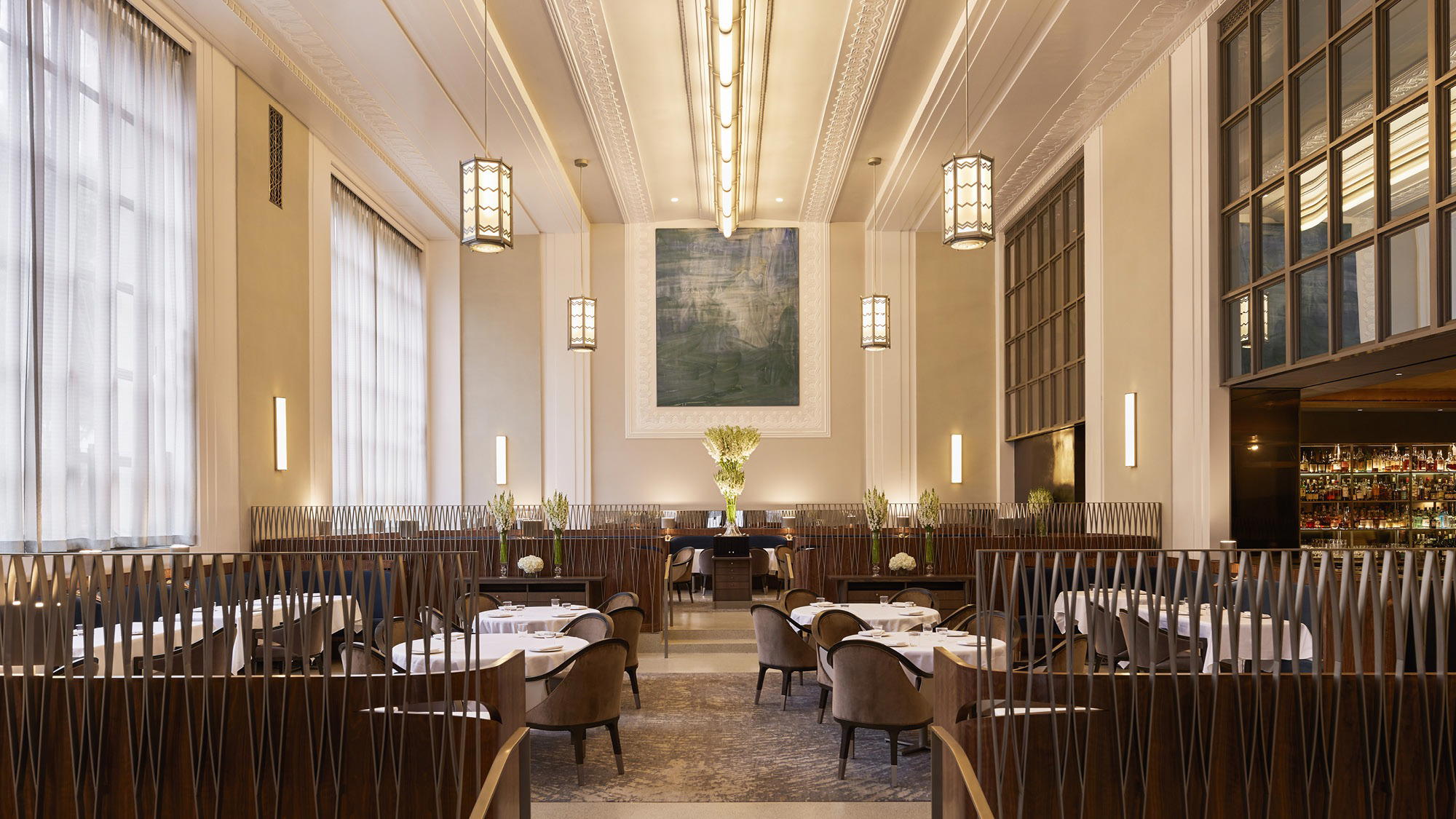
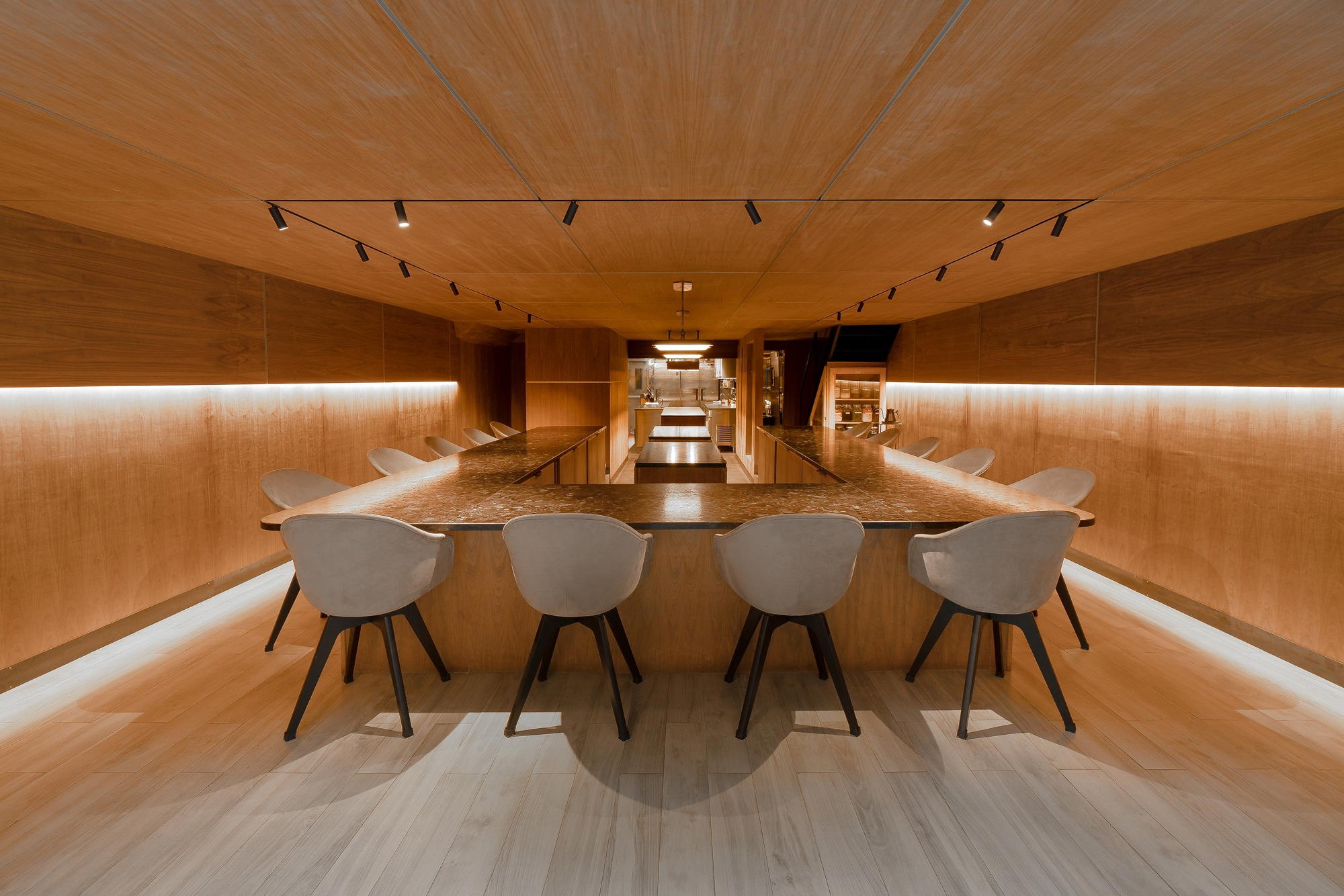
Bars in New York City
Browse all →

Hotels in New York City
Browse all →







At a Glance
- Cozy
- Intimate
- Elegant
- Classic
- Date Night
- Business Dinner
- Standalone
- Extensive Wine List
Current opening hours
- Monday
- 12–3:30 PM, 5–10 PM
- Tuesday
- 12–3:30 PM, 5–10 PM
- Wednesday
- 12–3:30 PM, 5–10 PM
- Thursday
- 12–3:30 PM, 5–10 PM
- Friday
- 12–3:30 PM, 5–10:30 PM
- Saturday
- 5–10:30 PM
- Sunday
- 5–9:45 PM
Hours can change for holidays and private events. Last verified .