Michelin Plate
Our verdict
A Greenwich Village Roman trattoria that has held Opinionated About Dining recognition since 2023 and a Michelin Plate since 2024, Lupa draws regulars to its Thompson Street room for carefully sourced Roman cooking, an interesting wine list, and service that earns its reputation for warmth. The multicourse pasta menu and dishes like octopus alla piastra make it a reference point for casual Italian dining in Lower Manhattan.

Pearl is the En Primeur Club membership app, where members save venues, book tables and use the concierge.
The menu
What to order
- Bucatini All'Amatriciana
- Bavette Cacio e Pepe
- Octopus with Salsa Verde & Charred Leeks
- Crispy Duck with Peperonata
- Sweetbread Agnolotti
Roman Trattoria, New York Longevity
New York's Italian restaurant scene has always carried a fault line between red-sauce neighbourhood staples and the more ambitious trattoria model that treats Roman cooking as a serious tradition rather than comfort shorthand. Lupa, on Thompson Street in Greenwich Village, has occupied the latter category for long enough that it now functions as a reference point for the genre in the city. While operators elsewhere chased tasting menus and omakase formats, this room held its position around pasta, wine, and the kind of service that feels earned rather than performed.
That consistency has translated into sustained critical recognition. Opinionated About Dining, which ranks casual restaurants across North America with the kind of rigour usually reserved for fine dining, placed Lupa at #655 in 2024 and moved it to #600 in 2025, a meaningful climb in a list where positions are contested and most venues trend downward over time. The same guide recommended it in its Gourmet Casual Dining category in 2023.
What the OAD Recognition Actually Signals
The Opinionated About Dining ranking is worth dwelling on, because the methodology differs from Michelin in ways that matter for readers deciding where to spend a lunch or dinner. OAD aggregates opinions from experienced diners and food professionals who eat widely and comparatively, which means a ranking in its casual North America list reflects repeated, considered visits from people who also eat at the finest rooms in the country. A climb from #655 to #600 in a single year, within a list where the median venue drops or holds flat, suggests Lupa is performing better in the room, not just coasting on accumulated goodwill.
For context: the casual restaurants ranked above Lupa on the same list often carry higher price points or more theatrical formats. Lupa's $$$-tier pricing, measured against its OAD position, represents an argument for value within the upper casual bracket. The comparison set that matters is not Le Bernardin or Per Se at $$$$, but the mid-tier Italian rooms across Manhattan where the gap between reputation and execution is sometimes wider than it should be.
The Food: Roman Cooking and Its Logic
Roman trattoria cooking in its traditional form is built around economy, technique, and produce, not luxury ingredients or elaborate presentation. The kitchen's sourcing orientation shows in dishes like octopus alla piastra, where the supporting cast of farro, prosciutto and fennel does as much structural work as the main protein, and in a sardine starter that depends entirely on marinating quality and the discipline of not over-complicating it: oil, coarse salt, diced cucumber and celery. Both dishes appear in OAD's editorial notation, which functions as close to a credentialed menu recommendation as the guide offers.
The multicourse Roman pasta menu is the format that has drawn the most sustained attention from critics. Roman pasta traditions, from cacio e pepe and carbonara through to gnocchi alla Romana, are technically demanding and deceptively simple, the kind of cooking where the absence of technique is immediately obvious. Braised oxtail ragu on gnocchi alla Romana, cited in OAD's notes, signals a kitchen working within the tradition rather than retrofitting it for a contemporary audience. Chef James Kelly oversees the current kitchen.
Lupa's positioning within New York Italian is distinct from the Batali-era model that defined the neighbourhood's fine-dining Italian tier in the early 2000s. Babbo, a few blocks north on Waverly Place, occupied a different price and ambition tier. Lupa was always the more accessible entry point into that culinary grammar, and that positioning has aged better than the showier formats around it.
The Room and the Wine
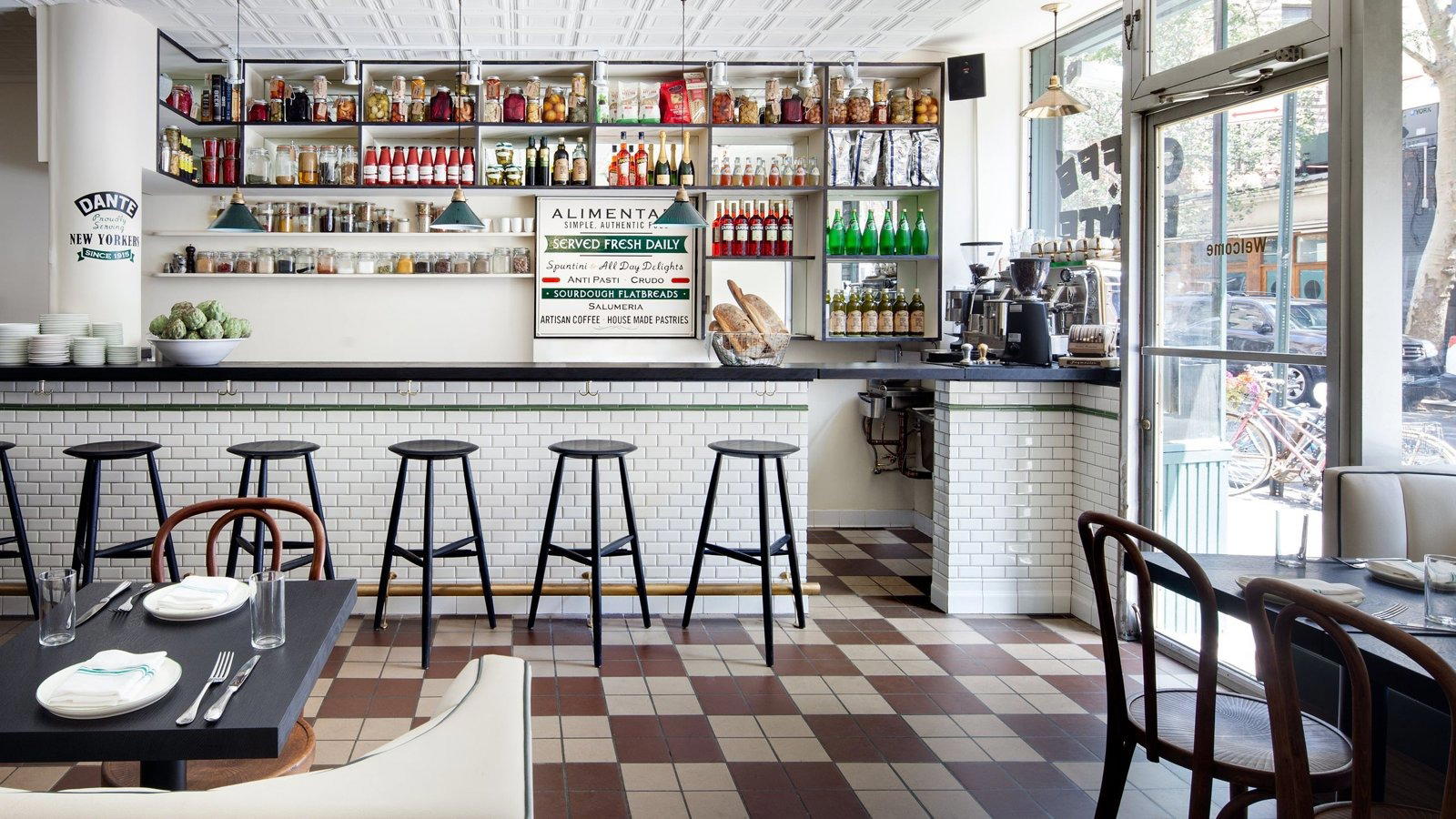
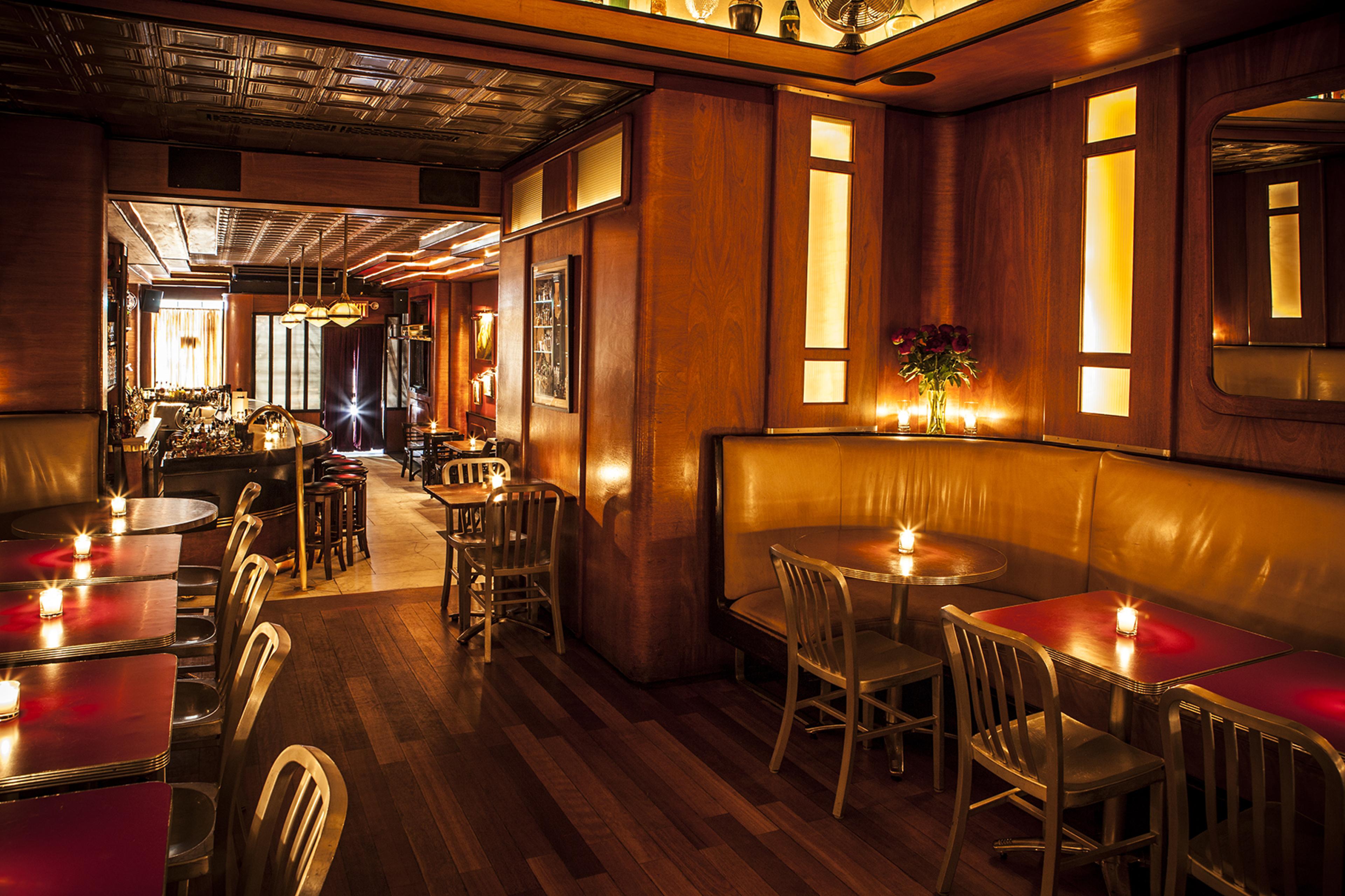
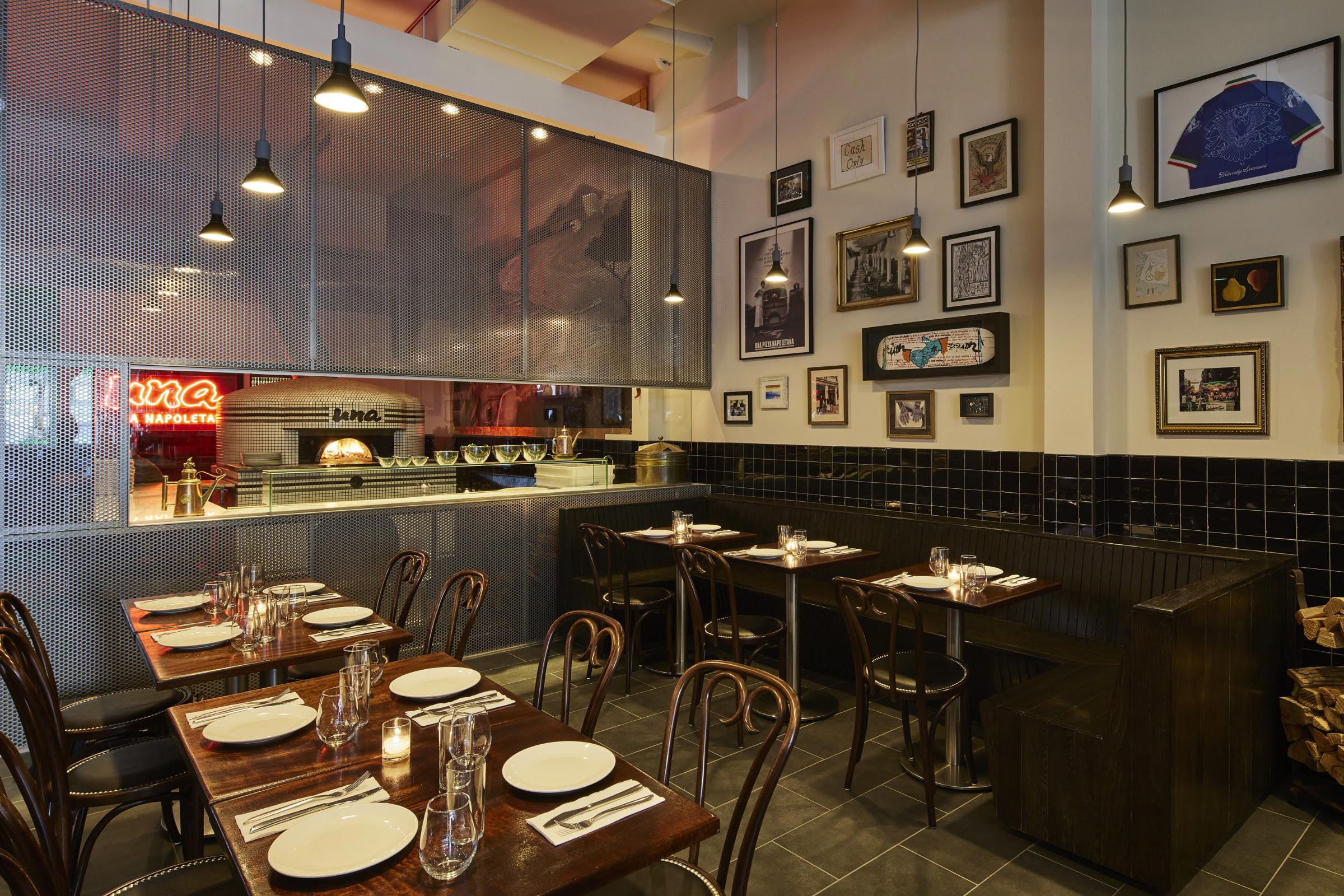
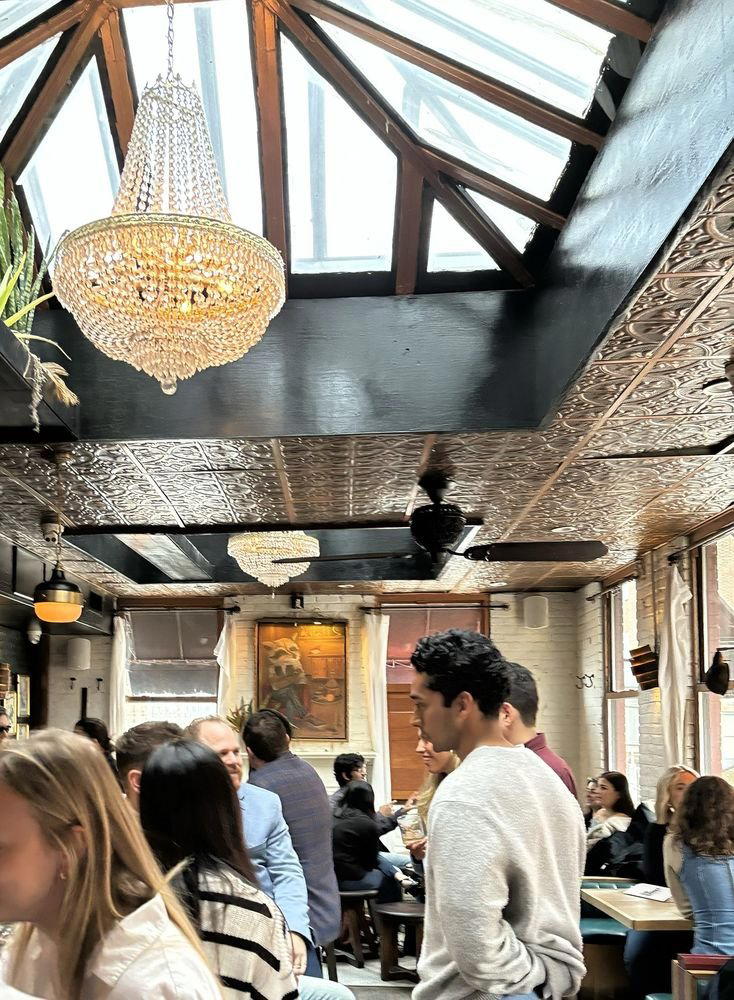
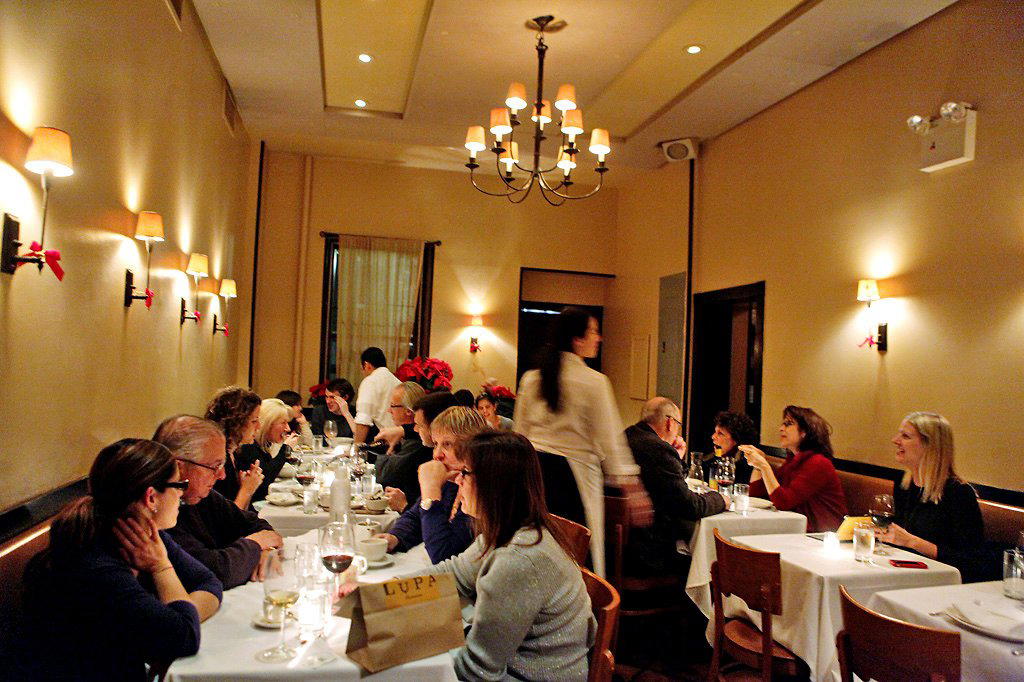
The OAD editorial characterises the experience in terms of amicable service and old-world charm, language that points toward something specific: the room operates without the studied casualness that now defines much of lower Manhattan's restaurant culture. The wine list has drawn repeated mention in critical coverage, which in New York's Italian casual context usually means a thoughtful Italian selection at pricing that doesn't punish curiosity. A list that earns repeated editorial notice in this city, against competition from rooms with larger budgets and specialist sommeliers, is doing something worth paying attention to.
The regulars referenced in Opinionated About Dining's notation are a trust signal of their own kind. A room that earns repeat visits from people who have eaten at Emeril's in New Orleans, Lazy Bear in San Francisco, or Alinea in Chicago and still chooses to return to a Thompson Street trattoria is operating at a different level of conviction than a well-marketed newcomer with one good review cycle. For readers who also follow Italian cooking internationally, the comparison extends further: the Roman trattoria tradition represented here differs from what 8 1/2 Otto e Mezzo Bombana in Hong Kong does with Italian fine dining, or what cenci in Kyoto does with Italian-Japanese integration. Lupa's argument is for the original format, executed consistently.
Planning Your Visit
Confirm current hours before booking. Current booking and ordering listings show Lupa operating at 170 Thompson Street, with lunch on select days and dinner service daily; confirm exact hours directly before booking. The Thompson Street address in Greenwich Village is walkable from multiple subway lines and sits in a neighbourhood dense with Italian and wine-focused alternatives, making it easy to build an afternoon or evening around the area. Pricing at $$$ places it well below the $$$$ tier occupied by The French Laundry, Providence, or Single Thread Farm in Healdsburg, and in range with the better casual Italian rooms in the Village and SoHo. The lazy lunch the OAD notes reference is a Tuesday-through-Sunday proposition from noon.
For broader planning across the city, EP Club's guides to New York City restaurants, hotels, bars, wineries, and experiences cover the full range of the city's options. Ammazzacaffè, a few minutes away, is worth considering for after-dinner drinks if the evening runs long.
Frequently asked questions
Would Lupa be comfortable with kids?
Lupa's trattoria format, casual service, a neighbourhood room on Thompson Street, and a menu built around Roman staples like pasta and antipasti, sits comfortably in the relaxed end of Greenwich Village dining. The OAD editorial specifically flags amicable service and old-world charm rather than any formal tension, which suggests a forgiving room. That said, confirm the restaurant's current status before planning a visit, as current booking and ordering listings show Lupa operating at 170 Thompson Street.
Is Lupa formal or casual?
Lupa is firmly casual. Opinionated About Dining ranks it within its Casual North America list and describes old-world charm and amicable service, the register of a neighbourhood trattoria, not a white-tablecloth room. The price range sits at $$$, which places it mid-tier for Manhattan Italian, and the kitchen runs a lunch service from Wednesday onward, further signalling an accessible, drop-in character.
What's Lupa known for in terms of accolades?
Lupa has received recognition including: Opinionated About Dining Casual in North America Ranked #600 (2025); Is there anything more lovely than a lazy lunch at Lupa? You’d be hard-pressed to convince the regulars otherwise, as they flo….
What should I order at Lupa?
The OAD write-up calls out the multicourse Roman pasta menu as a centrepiece, gnocchi alla Romana with braised oxtail ragù appears by name and is the obvious anchor. Among starters, the octopus alla piastra with farro, prosciutto, and fennel, and the marinated sardines with oil, coarse salt, cucumber, and celery are both specifically noted. The wine list draws separate attention from OAD reviewers, so arriving with time to work through it alongside a pasta course is the intended rhythm of the meal.
What's the cuisine at Lupa?
How much does it cost to eat at Lupa?
Pricing at Lupa is listed as $$$.
Cuisine-First Comparison
Comparable venues nearby, for context on price, style, and recognition.
| Venue | Cuisine | Price | Awards | Notes |
|---|---|---|---|---|
| LupaThis venue (the venue you are viewing) | Traditional Roman Trattoria | $50–100 | Michelin Plate | Not listed |
| Pasquale Jones | Modern Italian Wood-Fired Pizza | $50–100 | Star Wine List · 50 Top Pizza USA #39 | SoHo-Little Italy-Hudson Square |
| Lilia | Modern Italian Pasta | $100–150 | James Beard Award Semi Finalist · Eater 38 #26 | Williamsburg |
| Daphne's | Contemporary Italian-American | $50–100 | Michelin Plate | Bedford-Stuyvesant (West) |
| Sempre Oggi | Hyper-Seasonal Sicilian Italian | $50–100 | Michelin Plate · Wine Spectator Award of Excellence | Upper West Side (Central) |
| Café Mars | Contemporary Italian | $50–100 | Michelin Bib Gourmand | Carroll Gardens-Cobble Hill-Gowanus-Red Hook |
Recognition history
Dated appearances from independent guides and award organizations, with the underlying list record or original source where available.
Michelin Plate
Michelin
Opinionated About Dining Casual in North America Recommended
Opinionated About Dining
Full recognition history (6 entries)
Opinionated About Dining Casual in North America Ranked #600
Opinionated About Dining
Michelin Plate
Michelin
Opinionated About Dining Casual in North America Ranked #655
Opinionated About Dining
Opinionated About Dining Gourmet Casual Dining in North America Recommended
Opinionated About Dining