Novelli Cafe & Restaurant
On Nostrand Avenue in Crown Heights, Novelli Cafe & Restaurant occupies a stretch of Brooklyn that has long operated as a crossroads of Caribbean, African-American, and immigrant food traditions. The cafe format positions it in a different tier from Manhattan's destination dining circuit, offering a neighbourhood-scale alternative to the grand-tasting-menu model that defines much of New York's premium restaurant coverage.
- Address
- 1034 Nostrand Ave, Brooklyn, NY 11225
- Phone
- +17189865892
- Website
- novellicafeandrestaurant.com
- Directions
- Get directions
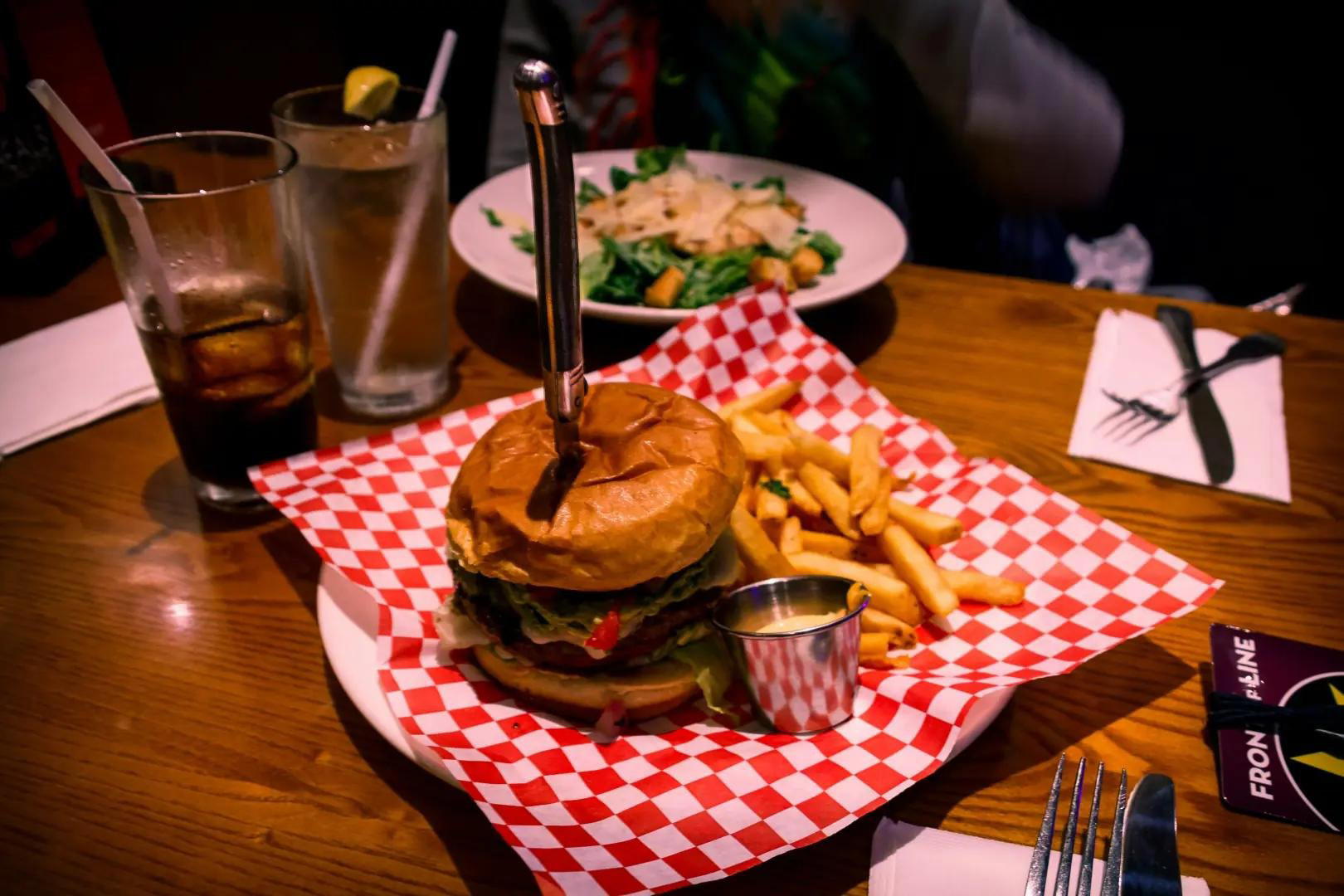
Nostrand Avenue and the Brooklyn Neighbourhood Cafe Tradition
Brooklyn's Nostrand Avenue corridor, running through Crown Heights and into Flatbush, has functioned for decades as one of New York City's most concentrated strips of everyday cooking rooted in the Caribbean diaspora. The buildings along this stretch have housed Trinidadian roti shops, Jamaican patty counters, and West African provisions traders long before the borough's restaurant scene attracted national editorial attention. Novelli Cafe & Restaurant, at 1034 Nostrand Ave, is a casual Italian & Middle Eastern Fusion restaurant in Brooklyn, and it is permanently closed. Understanding the cafe in that context matters more than cataloguing what appears on any given menu.
This is not the dining geography of Le Bernardin or Per Se, where a single reservation can represent weeks of forward planning and a four-figure bill. Nor does it sit in the progressive Korean tier occupied by Atomix or Jungsik New York. The neighbourhood cafe format on a street like Nostrand answers a different question: what do the people who live here actually eat, and where does the food come from?
Ingredient Sourcing and the Crown Heights Food Tradition
The sourcing story on Nostrand Avenue is inseparable from the demographic history of Crown Heights. The neighbourhood's Caribbean population, which grew substantially through the mid-twentieth century and has remained a defining presence, brought with it supply networks, specialty grocers, and produce suppliers that don't map neatly onto the farm-to-table sourcing narratives that dominate premium dining coverage. The ingredients that characterise Crown Heights cooking, including scotch bonnet peppers, green plantains, breadfruit, callaloo, and dried salt fish, move through Flatbush Avenue's West Indian grocers and the vendors along Utica Avenue rather than through the regional farm deliveries that supply restaurants like Blue Hill at Stone Barns in Tarrytown or Single Thread Farm in Healdsburg.
That distinction is worth holding onto. When The French Laundry in Napa or Addison in San Diego talk about provenance, they mean a relationship with named farms and documented growing practices. When a cafe on Nostrand Avenue sources its ingredients, the provenance is the community: the Trinidadian importer on Flatbush, the Haitian bakery two blocks over, the produce stalls that set up on weekend mornings. These are supply chains built on cultural continuity rather than culinary marketing, and the food they produce carries a different kind of specificity.
Restaurants in other American cities have grappled with similar sourcing questions. Bacchanalia in Atlanta built its identity around Georgia-specific sourcing decades before the practice became standard among ambitious American restaurants. Emeril's in New Orleans drew on Louisiana's particular ingredient geography as a point of distinction. The sourcing argument for Brooklyn's Caribbean corridor is no less coherent; it simply operates at a different price point and without the critical infrastructure that formalises those connections into restaurant marketing.
The Cafe Format in New York's Wider Dining Structure
New York's dining conversation has historically over-indexed on Manhattan's Michelin-tracked tasting menus, leaving borough-level neighbourhood cafes underexamined as a category. The cafe model, in particular, occupies a structurally distinct position: it serves a regular, local clientele rather than destination diners, operates across multiple day parts including breakfast and lunch where tasting-menu restaurants do not, and builds its reputation through repeat visits rather than singular occasions.
That operational model has more in common with the working cafe traditions of other global cities than with the destination-dining circuit. The comparison venues that define New York's premium tier, including Masa with its sushi counter priced at the summit of the American market, are exercises in scarcity and occasion. A neighbourhood cafe on Nostrand Avenue is an exercise in consistency and daily relevance. Both formats have editorial value; they simply answer different reader questions.
For readers comparing across American cities, the structural parallel is closer to the neighbourhood institutions in New Orleans or the market-adjacent cafes of San Francisco than to the high-wire technical programs at Lazy Bear or the theatrical format of Alinea in Chicago. Even internationally, the neighbourhood cafe model that sustains itself through community sourcing and daily regulars has more in common with the trattoria format than with destination fine dining. That's a coherent position in a city where the mid-market and neighbourhood tiers have been squeezed harder than anywhere else in the country.
Brooklyn Neighbourhood Context and Access
Crown Heights is accessible from Manhattan via the 2, 3, 4, and 5 subway lines, with stops at Franklin Avenue and President Street placing most of the Nostrand Avenue corridor within a ten-to-fifteen minute walk. The neighbourhood's density and transit connectivity mean it functions less as a destination requiring planning and more as a place you arrive through the normal movement of a Brooklyn day.
That transit accessibility matters for understanding the cafe's likely clientele and operational rhythm. Nostrand Avenue at this stretch sees consistent foot traffic from the surrounding residential blocks, which are predominantly made up of longstanding Caribbean families and more recent arrivals drawn by relatively lower rents compared to adjacent Park Slope or Prospect Heights. The dining culture on this stretch of the avenue is shaped by that residential density rather than by proximity to hotels, tourist circuits, or the gallery and retail clusters that concentrate dining spend in Williamsburg and DUMBO.
8 1/2 Otto e Mezzo Bombana in Hong Kong or Alain Ducasse at Louis XV in Monte Carlo exist entirely outside of, but which represent a larger share of daily urban eating than any Michelin-tracked institution.
Planning Your Visit
Novelli Cafe & Restaurant is located at 1034 Nostrand Ave, Brooklyn, NY 11225, in the Crown Heights neighbourhood.
Quick Reference: 1034 Nostrand Ave, Crown Heights, Brooklyn, neighbourhood cafe format, Caribbean-corridor location, accessible via 2/3/4/5 subway lines.
At a Glance
Comparable venues nearby, for context on price, style, and recognition.
| Venue | Price | Notes |
|---|---|---|
| Novelli Cafe & RestaurantThis venue — the venue you are viewing | $$ | Not listed |
| Savelli | $$ | Downtown Brooklyn-DUMBO-Boerum Hill, Authentic Italian Trattoria |
| Balera | $$ | East Williamsburg, Modern Roman-Style Pizza & Pasta |
| Arturo's | $$ | Greenwich Village, Classic Italian Coal-Oven Pizza |
| Patrizia's Of Manhattan | $$ | Murray Hill-Kips Bay, Authentic Family-Style Italian |
| Da Raffaele | $$ | East Midtown-Turtle Bay, Authentic Italian |
Continue exploring
More in New York City
Restaurants in New York City
Browse all →


Bars in New York City
Browse all →
Hotels in New York City
Browse all →









At a Glance
- Cozy
- Casual
- Casual Hangout
- Group Dining
- After Work
- Brunch
- Standalone
- Craft Cocktails
Casual and unpretentious with warm, inviting lighting and a relaxed neighborhood atmosphere conducive to both quick bites and leisurely meals.