
A riverside warehouse in Hengshan Township converted in 2022 into a Hakka rice cake specialist, Noon Turnip Cake sources taro, mugwort, red beans, and pumpkin from the surrounding countryside and works them into traditional preparations made entirely from scratch. The savoury steamed rice cake, seasoned with in-house dried radish and shredded dried tofu, is the clearest expression of what the kitchen does best. A rare address for anyone tracing Hsinchu County's Hakka food traditions.
Pearl is the En Primeur Club membership app — saves, bookings, and concierge access live there. Same editors, same standards.
- Address
- 8 Riverbank Boulevard, Hengshan Township
- Phone
- +886 911 251 643
- Directions
- Get directions
 Saves & bookings on Pearl
A Warehouse on the Riverbank, a Kitchen Rooted in Hakka Tradition
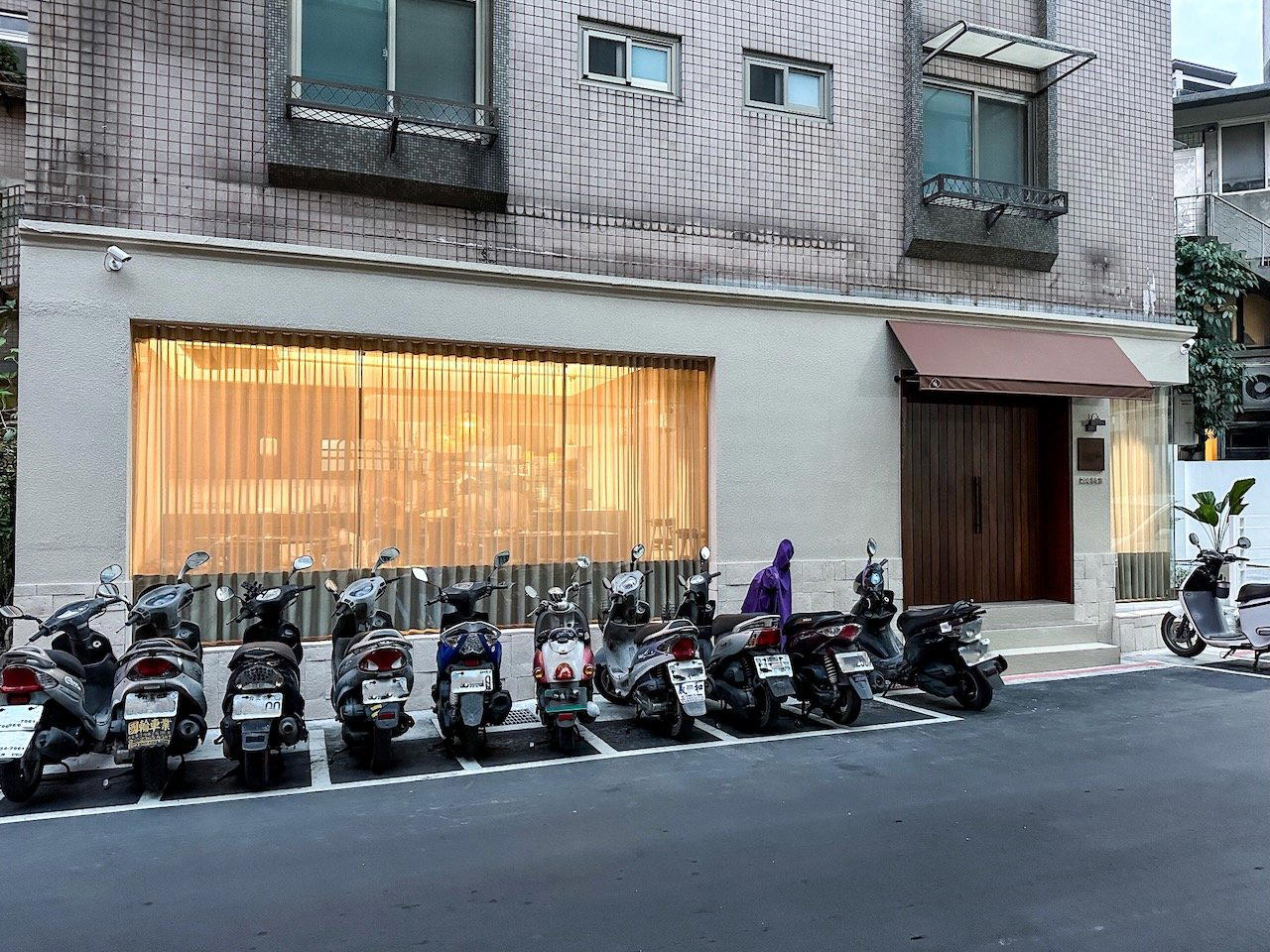
Hengshan Township sits in the foothills of Hsinchu County, where the Hakka communities that have shaped this region's food culture for generations still hold considerable influence over what ends up on the table. The cuisine here is practical, preserving-led, and built around a pantry of fermented, dried, and pickled staples that most Taiwanese cities have largely edged out in favour of faster formats. Noon Turnip Cake occupies a converted riverside warehouse at 8 Riverbank Boulevard, and the setting tells you something about its position in the local food scene before you eat anything. The warehouse bones are still legible, the river is close, and the kitchen's output is calibrated to match.
Restaurants like Ang Gu, Bebu, and Geng Ye Yue Mei each address different corners of the county's culinary range, while Chuan Fu and Firoo reflect the newer formats emerging in the area. Noon Turnip Cake sits apart from that group. Its focus is narrower, its format more specific: rice cakes, made from scratch, with seasonal local additions that shift the flavour profile across the calendar year.
Local Ingredients, Traditional Method
The intersection of indigenous produce and traditional technique is the real subject here. Hakka rice cakes, broadly speaking, are not complicated food. The complexity lies in sourcing and process: the quality of the rice batter, the character of the add-ins, and the care taken with seasoning and preservation. What Noon Turnip Cake does, methodically, is apply scratch production to a category of food that most commercial kitchens treat as a finishing or assembly exercise. The rice batter is made in-house, not bought in. The dried radish used to season the savoury variety is made in-house as well.
The seasonal additions, taro, red beans, mugwort, and pumpkin, are sourced locally and rotated according to availability. Mugwort in particular is a significant marker. Its use in rice cakes, producing the greenish caozai variety, is closely associated with Hakka communities in Taiwan's northern counties and appears in late winter through spring. Taro carries different associations, adding density and a subtle earthiness to the batter. Pumpkin shifts the colour and sweetens the base. These are not decorative variations. Each ingredient changes the physical texture and flavour logic of the cake in ways that a diner paying attention will notice across visits.
This approach has a clear parallel in how Taiwan's more formally trained kitchens handle the local-ingredient question. At JL Studio in Taichung or logy in Taipei, the logic is explicit: imported technique applied to Taiwanese and regional produce as a deliberate editorial choice. At the restaurant, the dynamic is inverted. The technique is inherited rather than imported, the tradition is hyper-local, and the method is the point of preservation. Neither approach is more valuable than the other, but it is worth understanding the difference when reading what the kitchen is doing. Comparable thinking around tradition and locality appears further south at Akame in Wutai Township and in Tainan at Zhu Xin Ju, both operating from a position of cultural specificity rather than international reference.
The Savoury Rice Cake and What It Demonstrates
Of the two categories on offer, sweet and savoury, the savoury steamed rice cake is where the kitchen's method is most legible. The seasoning comes from three components: in-house dried radish, shredded dried tofu, and soy sauce. Dried radish is a Hakka pantry staple, fermented and dehydrated to concentrate umami and add textural contrast. Making it in-house rather than sourcing commercially is a signal about where the kitchen places its energy. Shredded dried tofu adds a second layer of preserved protein alongside a chew that balances the soft cake. The combination is cohesive and specific to a regional tradition that operates at a considerable remove from the food media attention concentrated in Taipei.
For context, kitchens operating at the formal end of the Taiwanese dining spectrum, such as GEN in Kaohsiung or Volando Urai Spring Spa and Resort in Wulai District, deploy preserved and fermented Taiwanese ingredients as part of a composed, multi-course format. The technique and the plating vocabulary are different from what the restaurant is doing, but the underlying respect for the ingredient logic of Taiwanese food preservation runs through both tiers. The warehouse in Hengshan is working from a different brief, but it is not working from a different cultural premise.
Planning a Visit
Hengshan Township is a short drive from central Hsinchu City, making the restaurant a logical addition to a wider county itinerary rather than a standalone destination for most visitors. The address, 8 Riverbank Boulevard, places it along the riverside corridor, and the converted warehouse format suggests a relaxed, walk-in friendly atmosphere rather than a reservation-required operation. That said, Visitors travelling specifically for the kitchen would be better served arriving early in the day or on a weekday, when local specialist rice cake spots tend to have more product available before selling out of seasonal batches.
For points of comparison further afield, the Hakka and indigenous food traditions addressed by Akame in Wutai Township offer a useful counterpoint, as does the Singaporean-inflected Taiwanese format at JL Studio. What it has instead is a specific thing it does from scratch on a riverbank in the Hsinchu foothills, using seasonal produce.
Comparison Snapshot
Comparable venues nearby, for context on price, style, and recognition.
| Venue | Cuisine | Price | Awards | Notes |
|---|---|---|---|---|
| Noon Turnip CakeThis venue — the venue you are viewing | Traditional Taiwanese Steamed Rice Cake | $ | Bib Gourmand | Not listed |
| 晌午粄食 | Modern Taiwanese Kaiseki | $$$ | Not listed | Hengshan |
| Tsai Chia Beef Noodles | Taiwanese Beef Noodles | $ | Bib Gourmand | Zhonghe District |
| Ang Gu | Traditional Hakka Noodles | $ | Bib Gourmand | Guanxi Township |
| Taichung Meatball | Traditional Taiwanese Meatballs | $ | Bib Gourmand | Luchuan |
| Huang Chi Lu Rou Fan | Taiwanese Braised Pork Rice | $ | Bib Gourmand | Heng'an |
Recognition history
Dated appearances from independent guides and award organizations, with the underlying list record or original source where available.
Michelin Bib Gourmand
Michelin

At a Glance
- Casual
- Casual Hangout
- Solo
- Family
- Standalone
- Local Sourcing
Current opening hours
- Monday
- Closed
- Tuesday
- Closed
- Wednesday
- Closed
- Thursday
- Closed
- Friday
- 10 AM–4 PM
- Saturday
- 10 AM–4 PM
- Sunday
- 10 AM–4 PM
Hours can change for holidays and private events. Last verified .
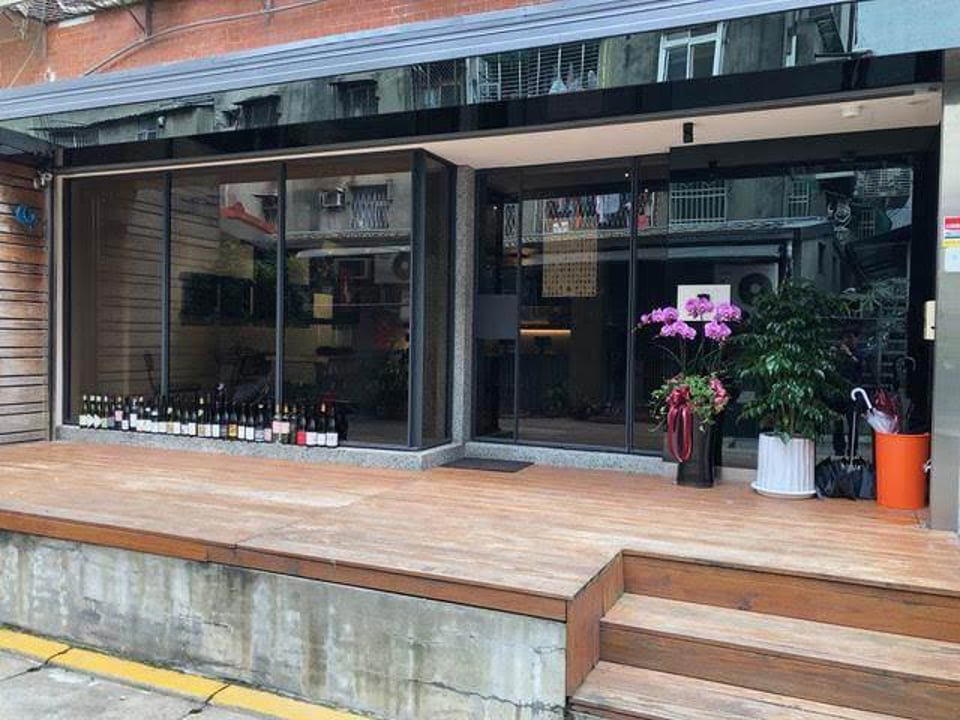
Simple, casual neighborhood setting with focus on quality ingredients and traditional preparation rather than decor.