BeauCoCo occupies one of Paris's most charged addresses: the Palais Garnier, home to the Opéra National de Paris since 1875. Positioned among the 9th arrondissement's upper-tier dining options, it draws guests who arrive for the opera and stay for a meal that takes the grandeur of its setting seriously. For visitors planning around a performance, the address alone sets expectations high.
Pearl is the En Primeur Club membership app — saves, bookings, and concierge access live there. Same editors, same standards.
- Address
- Palais Garnier, 1 Pl. Jacques Rouché, 75009 Paris, France
- Phone
- +33142688680
- Website
- restaurant-coco.com
- Directions
- Get directions
 Saves & bookings on Pearl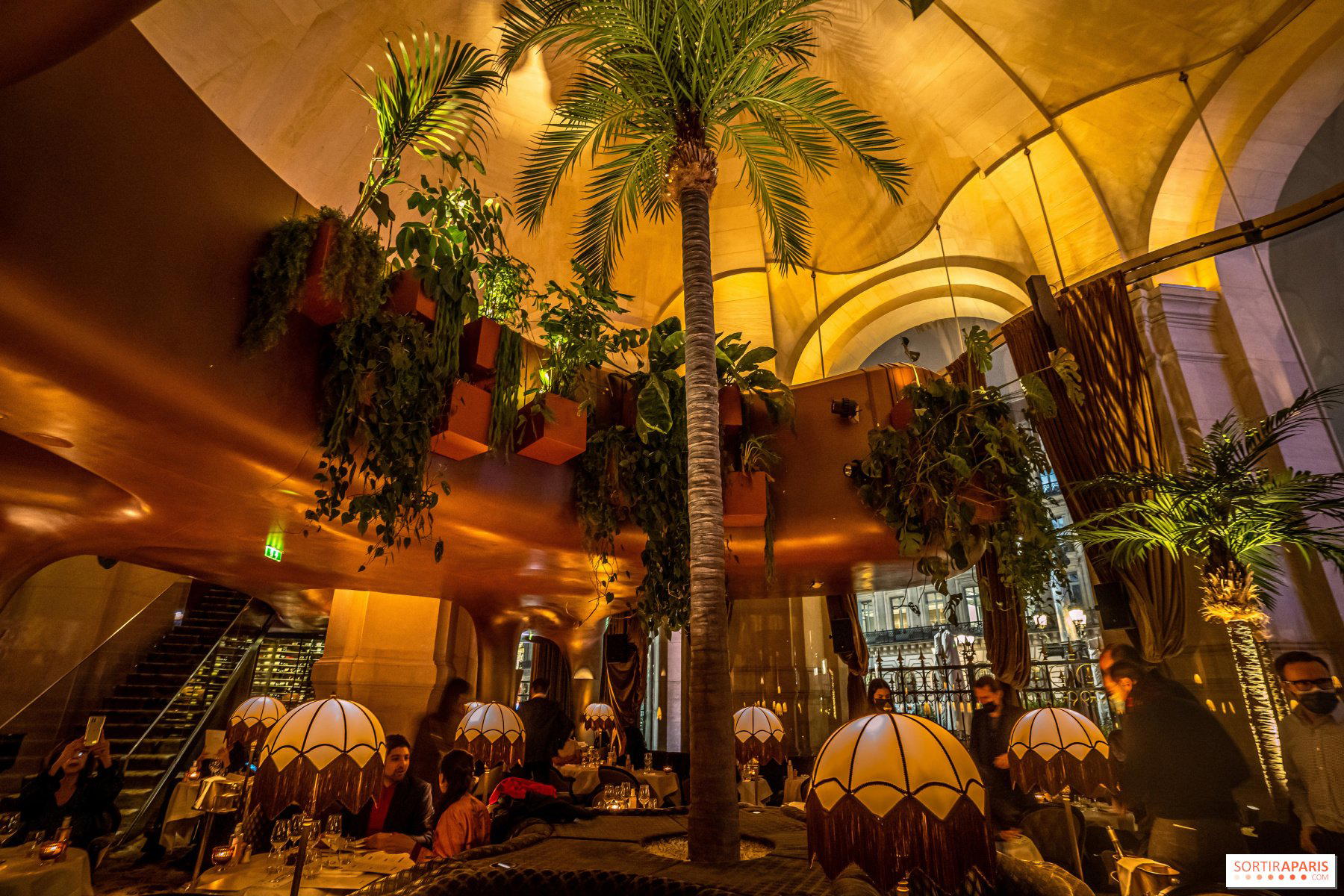
Dining Inside the Palais Garnier
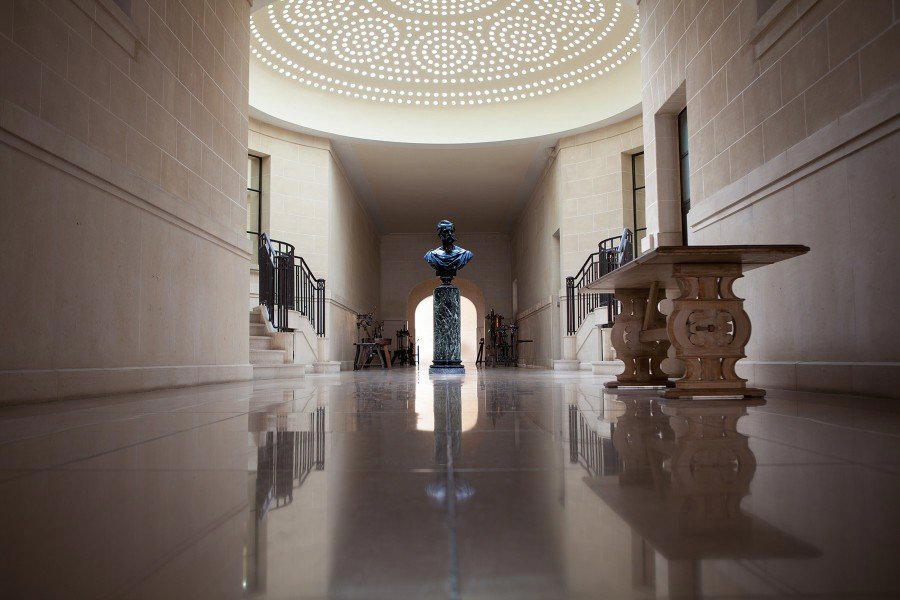
The Palais Garnier has anchored Place Jacques Rouché in the 9th arrondissement since Charles Garnier's building opened in 1875, commissioned by Napoleon III as the centerpiece of Haussmann's redesigned Paris. For nearly 150 years, the building's primary business was opera. The arrival of a serious dining destination within its walls represents a different kind of ambition: the idea that the architecture itself can be the context for a meal, rather than merely its backdrop. BeauCoCo positions itself inside that tradition, but at one of the city's most symbolically loaded addresses.
Dining in this neighbourhood has historically been uneven, with grand institutions clustered near the Opéra and more neighbourhood-scaled restaurants filling the side streets around Pigalle and the Grands Boulevards. A restaurant at the Palais Garnier itself occupies a different tier from either: it operates in the orbit of a cultural monument, drawing an audience that is partly Parisian and partly international, partly opera-goers and partly destination diners who have come specifically for the address. That dual constituency shapes what a restaurant in this location needs to deliver.
The Scene at the Palais Garnier
Paris's upper-tier restaurant bracket in 2024 includes counters and formal rooms running from around €150 to well above €400 per person for tasting menus with wine. Venues like Alléno Paris au Pavillon Ledoyen, Arpège, and L'Ambroisie define one end of the spectrum, where the kitchen's technical ambition and long track record are the primary draw. Le Cinq at the Four Seasons Hôtel George V and Kei occupy a similar tier where setting and cuisine operate in tandem. BeauCoCo competes in a related but distinct sub-category: restaurants where the monument status of the building is inseparable from the dining proposition. In cities like Paris, these are the hardest rooms to assess purely on culinary terms, because the experience is always partly about where you are.
France's great destination restaurants have long understood that provenance matters at every level. Mirazur in Menton built its identity around the Ligurian borderland's produce. Bras in Laguiole made the Aubrac plateau's terroir the foundation of its kitchen. Flocons de Sel in Megève draws directly from alpine suppliers. Even in Paris, where sourcing requires more deliberate effort than in France's rural destinations, the city's leading kitchens have moved decisively toward named-producer supply chains. A restaurant at the Palais Garnier, working with an audience that includes sophisticated international visitors, faces the same expectation: that the ingredients on the plate have a story that goes beyond the menu's geography.
Where the Ingredients Come From
France's supply network for premium restaurants is deep: the markets at Rungis distribute produce from Brittany's coasts, the Loire and Rhône valleys, the Landes, Provence, and the Alps. Chefs with strong supplier relationships often bypass Rungis entirely, working directly with fishermen, small-scale farmers, and specialist cheesemakers. The progression from large-wholesale to direct-source has been visible across the French dining scene for two decades, tracked clearly in the output of kitchens like Troisgros in Ouches, Paul Bocuse in Collonges-au-Mont-d'Or, and Auberge de l'Ill in Illhaeusern.
A restaurant inside the Palais Garnier inherits a responsibility to that tradition. The address carries cultural weight that extends beyond France: it is a building that represents a particular moment in French ambition, both architectural and civic. A kitchen at that address is implicitly in dialogue with French culinary history, whether it acknowledges that dialogue or not. One coherent version of dining at the Palais Garnier would be one where the sourcing reflects the same seriousness as the setting, where the produce connects to specific French regions with the same clarity that Garnier's building connects to a specific moment in Parisian history. Whether that ambition is fully realized is a question that depends on execution, and execution here is worth examining on its own terms.
The French Provincial Comparison
It is worth placing BeauCoCo against France's broader fine dining geography. The country's most discussed destination restaurants sit outside Paris: Les Prés d'Eugénie in Eugénie-les-Bains, Georges Blanc in Vonnas, Auberge du Vieux Puits in Fontjoncouse, and La Table du Castellet in Le Castellet. These are places where the kitchen's connection to local supply is structural, built into the geography of the location itself. Paris restaurants have to work harder to achieve the same coherence, because the city is not itself a terroir. The leading Parisian kitchens compensate by being more explicit about sourcing, naming producers on menus, and building menus around seasonal availability rather than year-round consistency. This is the standard against which a serious Paris restaurant now competes, regardless of its address.
For comparison beyond France, restaurants like Le Bernardin in New York and Lazy Bear in San Francisco demonstrate how sourcing transparency has become a defining characteristic of ambitious restaurants across markets, not just within France. The expectation travels with the diner.
Planning a Visit
BeauCoCo sits at the Palais Garnier, Place Jacques Rouché, 75009 Paris, directly accessible from the Opéra metro station on lines 3, 7, and 8. For visitors combining dinner with a performance, the proximity is the primary logistical advantage: the building is the same building. Pre-theatre timing in Paris typically means an earlier sitting than the standard French dinner hour of 8pm or later, so confirming service windows against the evening's programme is the practical first step.
A Minimal comparable set
Comparable venues nearby, for context on price, style, and recognition.
| Venue | Cuisine | Price | Notes |
|---|---|---|---|
| BeauCoCoThis venue — the venue you are viewing | Opéra, Modern French Seasonal Cuisine | $$$ | Not listed |
| Club Cochon | Not listed | $$$ | 9th arrondissement, Traditional French Bistro with Charcuterie |
| Hollywood Savoy | Not listed | $$$ | 2nd arrondissement (Bourse district), Modern French Brasserie |
| Aux Crus de Bourgogne | Not listed | $$$ | Montorgueil, Classic French Bistro with Burgundian Specialties |
| La Boissonnerie | Not listed | $$$ | Saint-Germain-des-Prés, Modern French Bistro |
| Esens'all | Not listed | $$$ | Batignolles-Monceau, Organic French Fine Dining |
Continue exploring
More in Paris
Restaurants in Paris
Browse all →
Bars in Paris
Browse all →
Hotels in Paris
Browse all →



At a Glance
- Elegant
- Trendy
- Lively
- Scenic
- Business Dinner
- Group Dining
- Family
- Brunch
- Celebration
- Terrace
- Panoramic View
- Historic Building
- Design Destination
- Beer Program
- Local Sourcing
- Street Scene
Current opening hours
- Monday
- 12–3 PM, 6:30–11 PM
- Tuesday
- 12–3 PM, 6:30–11 PM
- Wednesday
- 12–3 PM, 6:30–11 PM
- Thursday
- 12–3 PM, 6:30–11 PM
- Friday
- 12–3 PM, 6:30–11 PM
- Saturday
- 12–4 PM, 6:30–11 PM
- Sunday
- 12–4 PM, 6:30–11 PM
Hours can change for holidays and private events. Last verified .
Bold scarlet red, black and white modern decor contrasting with 19th-century architecture; lively yet refined atmosphere with attentive service and elegant tranquility on the expansive terrace.