Maxan occupies a quiet address on Rue Quentin Bauchart in the 8th arrondissement, sitting within easy reach of the Avenue George V corridor where several of Paris's most formally recognised tables operate. The address places it in a neighbourhood where repeat clientele, rather than first-time visitors, tend to set the tone for any room worth knowing.
Pearl is the En Primeur Club membership app — saves, bookings, and concierge access live there. Same editors, same standards.
- Address
- 3 Rue Quentin Bauchart, 75008 Paris, France
- Phone
- +33140700478
- Website
- rest-maxan.com
- Directions
- Get directions
 Saves & bookings on Pearl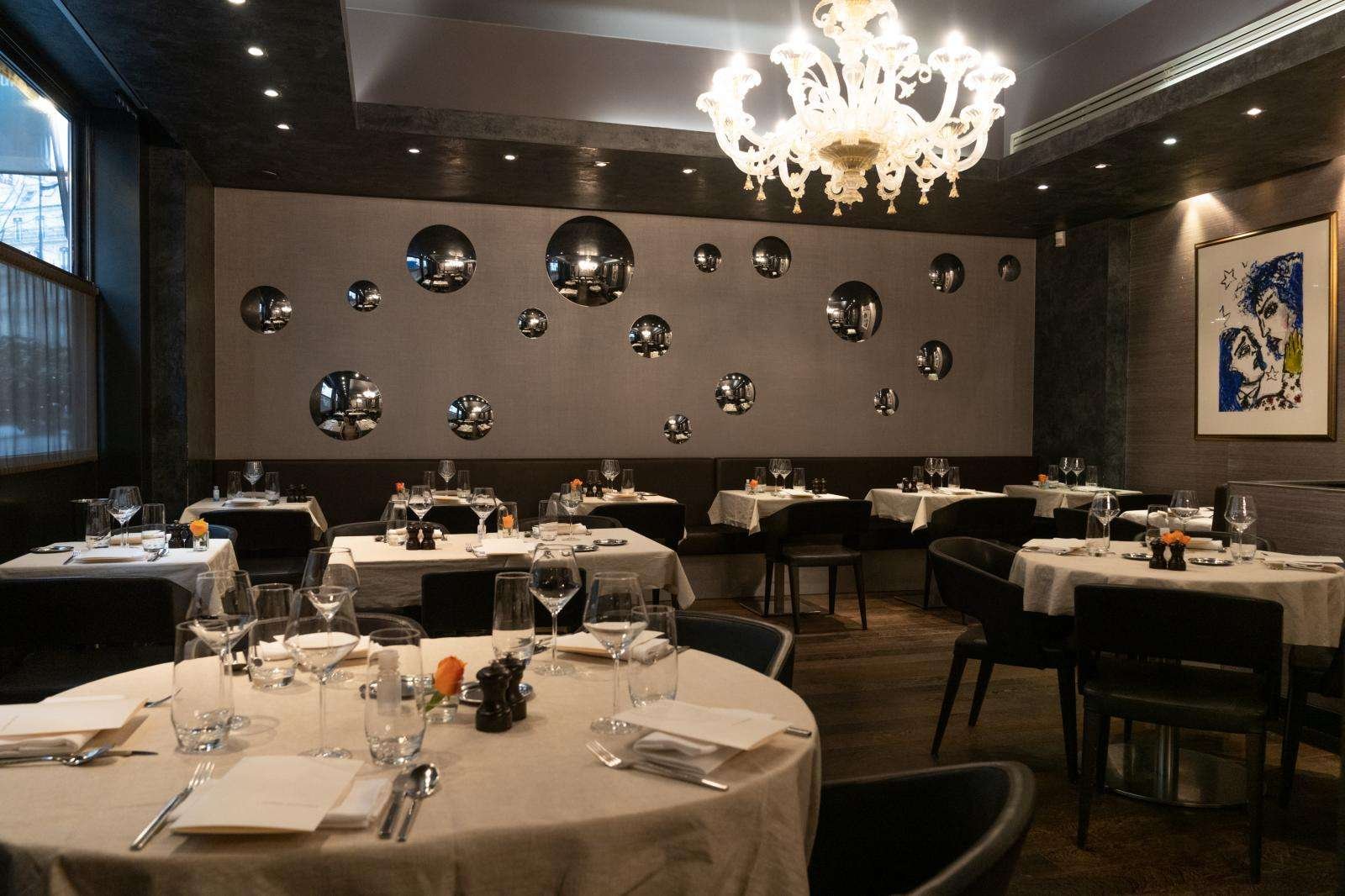
The 8th Arrondissement and the Tables That Earn Loyalty
The stretch of the 8th arrondissement bracketed by the Champs-Élysées and the Seine has long hosted some of Paris's most formally structured dining. Le Cinq at the Four Seasons Hôtel George V anchors the upper end of the tier, and Alléno Paris au Pavillon Ledoyen operates just beyond the arrondissement's western edge, both carry the kind of recognition that fills rooms with first-timers ticking off a list. The restaurants that develop a different kind of clientele in this neighbourhood tend to be the ones that offer something those trophy tables do not: a sense that the room knows you, or at least knows how to read you.
Maxan, at 3 Rue Quentin Bauchart, operates in that quieter register. The address is close enough to Avenue George V to share its postal gravity but set back enough from the main corridor to filter out the purely occasion-driven crowd. In a neighbourhood where the competition runs from grand-hotel formal to Michelin-starred theatrical, a room that builds its following through repeat visits rather than first-impression spectacle occupies a distinct position.
What Keeps Regulars Returning
The regulars' economy in any serious Paris restaurant works on a logic that has little to do with tasting-menu length or room grandeur. It runs on consistency, on the knowledge that the kitchen reads the table rather than the occasion, and on a front-of-house that recalls preferences without being asked. French fine dining has a long tradition of this, the concept of the client habitué, the regular whose arrival shifts the room's tempo slightly, is embedded in how the leading Parisian houses operate. L'Ambroisie on the Place des Vosges is the sharpest example of this in the city: a table that has maintained its three-star standing partly because its regulars expect nothing less than complete consistency, visit after visit.
The 8th arrondissement version of this dynamic tends to draw a clientele with a higher proportion of business diners and neighbourhood residents than the destination-heavy 1st or the tourist-dense areas around the Eiffel Tower. That mix shapes the room's rhythm: lunch tends to anchor the week, the pace is deliberate rather than rushed, and the kitchen's relationship with the room is expressed through portion calibration and service timing as much as through what appears on the plate.
For a returning diner, the unwritten menu, the dishes that rarely appear on the printed version but arrive for those who ask, or who have been coming long enough to be asked, is where a restaurant's real identity tends to surface. This is true across Paris's mid-to-upper tier, from the neighbourhood bistros of the 11th to the formal tables of the 8th, and it is the axis on which Maxan's address positions it: close enough to the prestige corridor to draw the first visit, calibrated enough to earn the second and third.
The 8th in Context: A Competitive Tier
Placing Maxan inside its competitive tier requires a brief mapping of the 8th's dining structure. At the apex sit the grand-hotel tables and multi-starred independents: Le Cinq, Kei in the 1st (close enough in character to function as a peer reference), and the broader constellation of €€€€-tier addresses that compete for the same internationally mobile diner. Slightly lower in price point but not in ambition sit the addresses that have built their reputations through editorial recognition and a loyal local following rather than Michelin accumulation alone.
That middle tier, serious kitchens without the full apparatus of starred ceremony, is where particularly interesting regulars' tables tend to cluster in Paris. The format rewards a kitchen that can deliver at a high level without requiring the financial and logistical commitment of a full tasting menu, and it suits a clientele that eats out frequently enough to make a three-hour, twelve-course experience the exception rather than the rule. Across France, the restaurants that have held their ground in this tier over decades, Auberge de l'Ill in Alsace, Bras in Laguiole, tend to share a common trait: they built their identity around a specific place and a specific clientele before expanding their reputation outward.
French Fine Dining Beyond Paris: The Broader Frame
Understanding what a Paris address in the 8th can and cannot do also means understanding where distinctive cooking in France currently happens. The concentration of critical attention in the capital has always coexisted with an acknowledgment that particularly compelling kitchens operate well outside it. Mirazur in Menton, Flocons de Sel in Megève, and AM par Alexandre Mazzia in Marseille represent the kind of geographically rooted cooking that is difficult to replicate in a city where the supply chain is more generic and the clientele more transient. Troisgros in Ouches and Paul Bocuse's Auberge du Pont de Collonges anchor a different French tradition entirely: the family institution built over generations.
A Paris table in the 8th competes in a different register, one where the room's address and the neighbourhood's social character are as much part of the offer as the cooking itself. That is not a weakness, it is a structural feature of how urban fine dining operates. Arpège, in the 7th, built its identity partly on a similar tension: a neighbourhood address with a global reputation, sustained by a clientele that ranges from local regulars to visiting chefs. The addresses that endure tend to find a balance between those two poles.
Planning Your Visit
Rue Quentin Bauchart runs between Avenue George V and Avenue Marceau in the 8th arrondissement, making it accessible by Metro line 1 (George V station). The address sits in a part of the city where restaurant density is lower than in the Marais or Saint-Germain, which means the neighbourhood context is more residential and business-oriented than tourist-driven. That character tends to shape the room's energy, particularly at lunch.
Quick reference: 3 Rue Quentin Bauchart, 75008 Paris. Metro: George V (line 1). Neighbourhood character: business and residential 8th. Peer tier: mid-to-upper independent, 8th arrondissement.
Pricing, Compared
Comparable venues nearby, for context on price, style, and recognition.
| Venue | Price | Notes |
|---|---|---|
| MaxanThis venue — the venue you are viewing | $$$ | Not listed |
| Abstinence | $$$ | 15th Arrondissement, Modern French Bistro |
| L'Evasion | $$$ | 8e arrondissement (L'Europe), Classic French Bistro |
| Didon | $$$ | Saint-Germain-des-Prés, Bistronomic French with Lebanese Accents |
| La Boissonnerie | $$$ | Saint-Germain-des-Prés, Modern French Bistro |
| Le Buci | $$$ | Saint-Germain-des-Prés, Traditional French Brasserie |
Continue exploring
More in Paris
Restaurants in Paris
Browse all →

Bars in Paris
Browse all →
Hotels in Paris
Browse all →



At a Glance
- Cozy
- Elegant
- Classic
- Sophisticated
- Intimate
- Date Night
- Business Dinner
- Group Dining
- Special Occasion
- Terrace
- Standalone
- Extensive Wine List
- Local Sourcing
Current opening hours
- Monday
- 12–2 PM, 7:30–10 PM
- Tuesday
- 12–2 PM, 7:30–10 PM
- Wednesday
- 12–2 PM, 7:30–10 PM
- Thursday
- 12–2 PM, 7:30–10 PM
- Friday
- 12–2 PM, 7:30–10 PM
- Saturday
- 7:30–10 PM
- Sunday
- Closed
Hours can change for holidays and private events. Last verified .
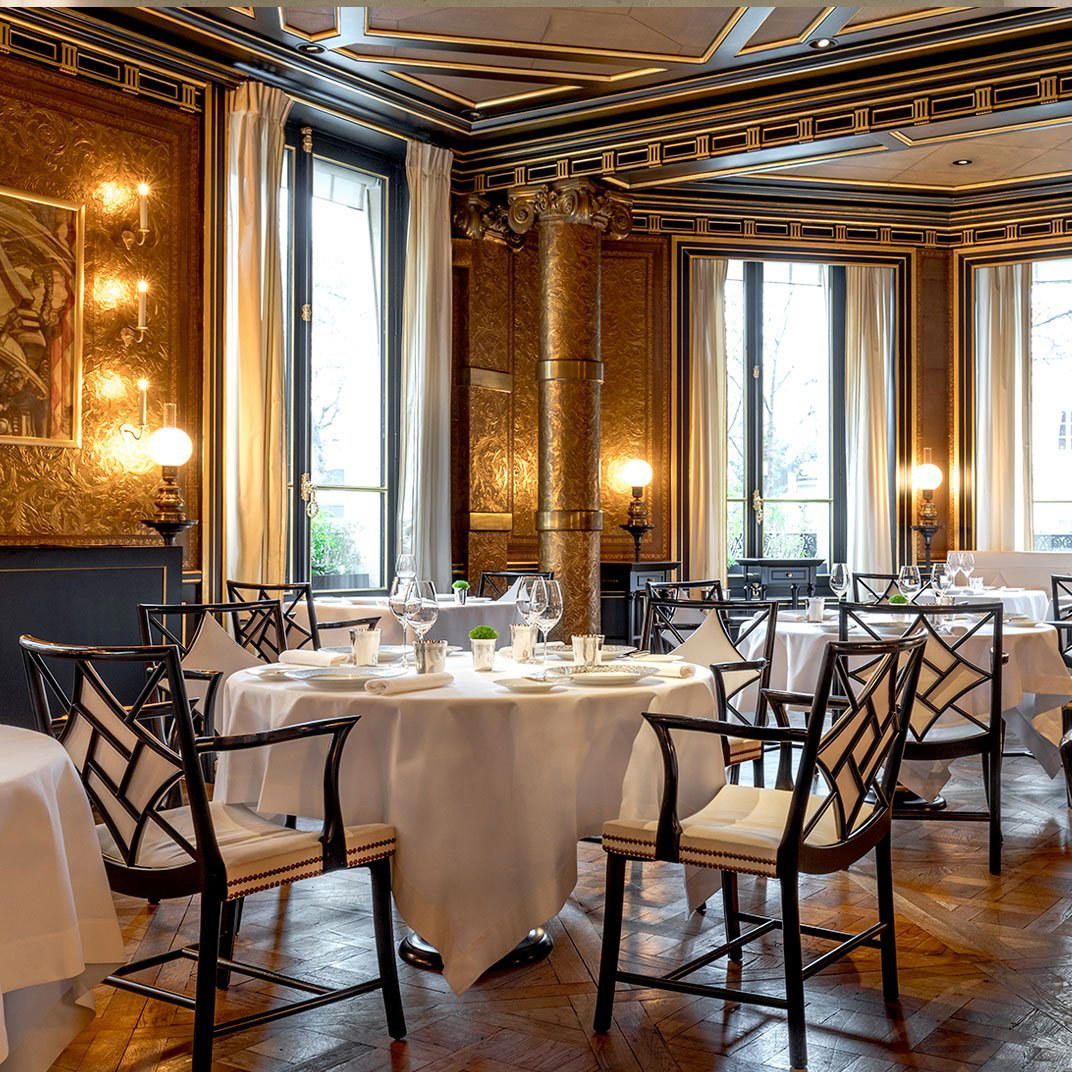
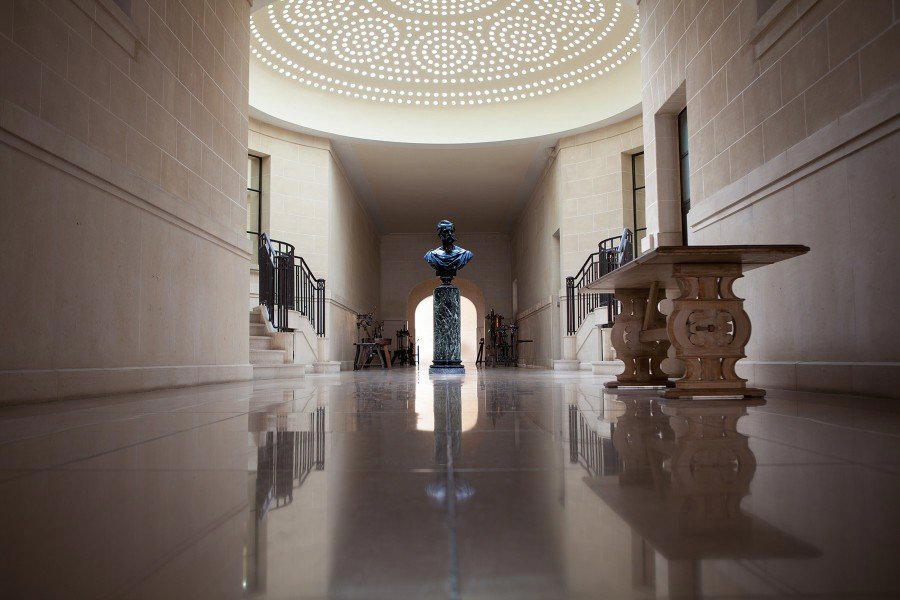
Warm and inviting with elegant decor, creating a cozy yet sophisticated atmosphere well-suited for both casual diners and special occasions.