Nong Yao
Our verdict
In Chiang Saen, where the Mekong defines both geography and food culture, Nong Yao Restaurant draws on the northern Thai pantry that this corner of Chiang Rai province has cultivated for generations. The cooking here reflects a border-town ingredient logic: produce and flavour influences that cross between Thailand, Laos, and Myanmar within a few kilometres. For travellers moving through the Golden Triangle, it offers a grounded, local alternative to tourist-facing dining.

Pearl is the En Primeur Club membership app — saves, bookings, and concierge access live there. Same editors, same standards.
- Address
- Vieng, 499 MOO1 T. Vieng, Chiang Saen District, Chiang Rai 57150, Thailand
- Phone
- +66 53 910 200
- Hours
- Daily 7 AM–10 PM
- Website
- fourseasons.com
- Directions
- Get directions
Where the River Sets the Table
Chiang Saen sits at a bend in the Mekong where Thailand, Laos, and Myanmar converge within a short radius, and that geography does more to shape what ends up on a plate here than any single kitchen philosophy could. The town is small, historically layered with the ruins of a Lanna-era walled city, and largely bypassed by the resort infrastructure that has reshaped neighbouring Mae Sai and the Doi Tung highlands. Restaurants here tend to operate on a different logic than those in Chiang Mai or Bangkok: the supply chain is hyperlocal, the clientele is mixed between Thai visitors, regional traders, and the occasional international traveller passing through the Golden Triangle on their way toward Chiang Khong or across to Luang Prabang.
Nong Yao Restaurant occupies this context. Positioned in Chiang Saen, Chiang Rai province, it belongs to a category of northern Thai dining that doesn’t perform its regionality for outside audiences but simply expresses it through what’s available, seasonal, and traditional in this specific corridor of the country.
The Northern Thai Ingredient Chain
Understanding what makes eating in Chiang Saen distinct requires understanding how northern Thai cuisine diverges from the central and southern traditions that dominate Thailand’s international profile. Northern food, rooted in Lanna culinary history, draws on fermented soybean pastes, bitter vegetables, and river fish in ways that the coconut-milk-heavy central Thai canon does not. The Mekong and its tributaries supply freshwater species that rarely appear on menus further south. Foraged herbs from the surrounding hills, including varieties used across the border in Shan State and Lao PDR, cross into the local pantry through informal trade networks that have operated in this corridor for centuries.
This means that sourcing in Chiang Saen is less a farm-to-table statement and more a structural reality. The distance between ingredient origin and plate is short by necessity, not by marketing. For context, kitchens like PRU in Phuket have formalised ingredient provenance as a fine-dining proposition, working with a dedicated farm to trace produce to specific plots. In Chiang Saen, that relationship between land and kitchen tends to be more embedded and less articulated, operating through decades of local supplier relationships rather than curated farm partnerships. Similarly, Sorn in Bangkok has built a four-symbol Michelin platform on the rigorous sourcing of southern Thai ingredients, demonstrating how regional ingredient specificity can carry a restaurant to the best of a competitive tier. In Chiang Saen, that same ingredient specificity exists without the formalism, which is precisely what gives places like Nong Yao their character.
What the Region Produces
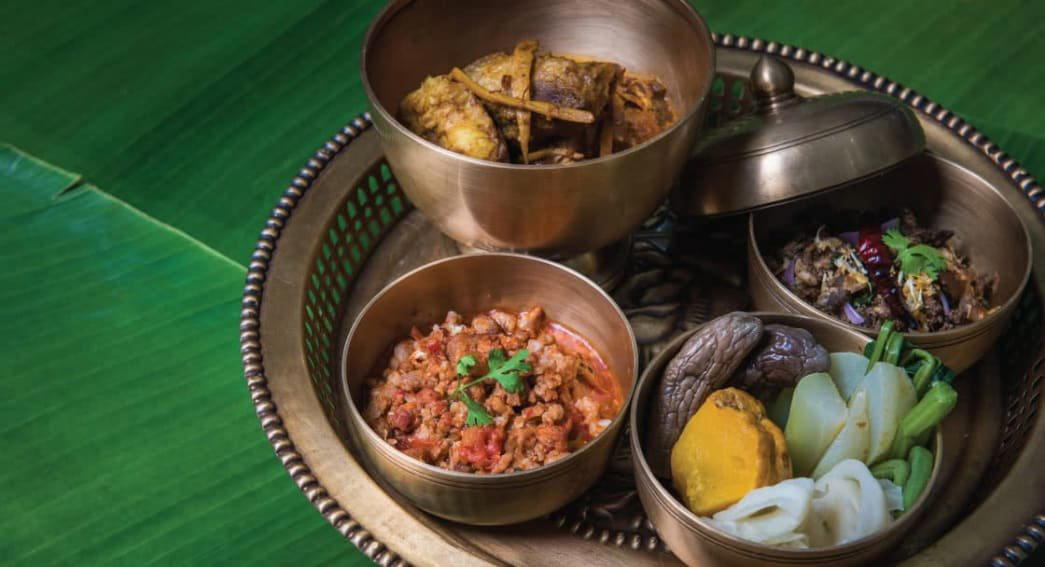
The Chiang Rai province grows tea on its upper slopes, most famously around Doi Mae Salong and Doi Wawee, and produces a range of highland vegetables that include bitter gourds, long beans, and wild greens that shift with the season. The lowland river corridor around Chiang Saen adds freshwater fish, paddy-grown rice varieties specific to the north, and fermented products that anchor Lanna cooking. Sticky rice, served in bamboo baskets, remains the carbohydrate staple at this latitude, eaten differently from the jasmine rice that defines central Thai tables. Nam prik num, a roasted green chilli relish with a smoky, sour profile, is a northern standard that appears on tables from street stalls to sit-down restaurants across this region.
Northern Thailand’s food has attracted increasing critical attention over the past decade. Operations like Loet Rot in Mueang Chiang Mai and Cherng Doi Roast Chicken in Chiang Mai reflect how the wider Chiang Mai dining scene has developed its own critical vocabulary around northern Thai food. Chiang Saen operates further from that critical ecosystem, which means less international coverage but also less pressure to adapt the food for outside expectations.
The Chiang Saen Dining Context
The town’s dining options are fewer and less stratified than Chiang Mai’s, which runs from street-level khao soi vendors up to internationally recognised tasting menu restaurants. Chiang Saen sits at the accessible end of that spectrum. Visitors arriving from the Golden Triangle viewpoint area or from the riverside boat piers will find that the town’s restaurants operate on local timing and local pricing, with menus that reflect what’s available rather than what’s been engineered for a tourist audience.
For travellers who have moved through Thailand’s more polished dining circuits, including high-spend Bangkok operations like AKKEE in Pak Kret or destination resort dining such as Benz Restaurant at Soneva Kiri in Koh Kood, eating in Chiang Saen represents a shift in register. The frame of reference is local and regional rather than international, and the value proposition is grounded in direct access to northern ingredients rather than in technique, theatre, or wine programming. See our full Chiang Saen restaurants guide for broader context on what the town’s dining scene offers.
Planning a Visit
Chiang Saen is approximately 60 kilometres northeast of Chiang Rai city, reachable by road in around an hour. Visitors typically arrive as part of a Golden Triangle loop that includes Chiang Khong to the east and Mae Sai to the north, or as a day extension from Chiang Rai. The town itself is compact and walkable around its old city walls. Northern Thai restaurants at this level of the market typically operate on walk-in availability, but visiting earlier in the day or at lunch service reduces the risk of finding a kitchen that has sold through its daily produce.
Frequently asked questions
Can I bring kids to Nong Yao Restaurant?
Chiang Saen's dining options tend toward informal, community-oriented settings, and a local restaurant at this address in Chiang Rai province is likely to be relaxed about families. That said, specific policies on high chairs or children's portions are not confirmed, so it is worth checking directly before visiting.
How would you describe the vibe at Nong Yao Restaurant?
Chiang Saen is a small river town with none of Chiang Mai's stratified restaurant scene, so expect something grounded and unfussy rather than curated. A local restaurant here sits closer to the rhythms of daily life in the Mekong borderlands than to any dining-destination aesthetic.
Is Nong Yao Restaurant a good base for eating through northern Thai cuisine while touring the Golden Triangle?
Chiang Saen sits approximately 60 kilometres northeast of Chiang Rai city, placing it at the geographic edge of a province that produces highland tea, seasonal vegetables, and ingredients that diverge sharply from central Thai cooking. A local restaurant in this town gives access to that northern pantry without the mediation of a tourist-facing menu, which makes it a practical stop for anyone moving through the Golden Triangle on a food-conscious itinerary.
What do people recommend at Nong Yao Restaurant?
Given the Chiang Saen location in Chiang Rai province, northern Thai staples drawn from highland ingredients and Mekong-adjacent produce would be the reasonable frame for what the kitchen works with.
Where is Nong Yao Restaurant located?
Nong Yao Restaurant is located at เชียงแสน, เชียงราย 57150, เชียงแสน.
How hard is it to get a table at Nong Yao Restaurant?
In a town of this size, walk-in dining is the norm rather than advance booking, though peak tourist periods around the Golden Triangle circuit can shift that.
Comparison Snapshot
| Venue | Cuisine | Price | Awards | Notes |
|---|---|---|---|---|
| Nong Yao RestaurantThis venue — the venue you are viewing | Thai, Laotian & Burmese | Not listed | Not listed | Not listed |
| Sorn | Fine Southern Thai | $200–300 | 3 Michelin Stars · World's 50 Best #12 | Southern Thai, ฿฿฿฿ |
| Baan Tepa | Creative Thai Fine Dining | $150–200 | 2 Michelin Stars · World's 50 Best #53 | Thai contemporary, ฿฿฿฿ |
| Côte by Mauro Colagreco | Riviera Mediterranean Fine Dining | $200–300 | 2 Michelin Stars · World's 50 Best #91 | Mediterranean, Modern Cuisine, ฿฿฿฿ |
| Gaa | Modern Indian Fine Dining with Thai Influences | $150–200 | 2 Michelin Stars · World's 50 Best #95 | Modern Indian, Indian, ฿฿฿฿ |
| Sühring | Modern German Fine Dining | $200–300 | 3 Michelin Stars · World's 50 Best #18 | German, ฿฿฿฿ |
Continue exploring
More in Chiang Rai
Restaurants in Chiang Rai
Browse all →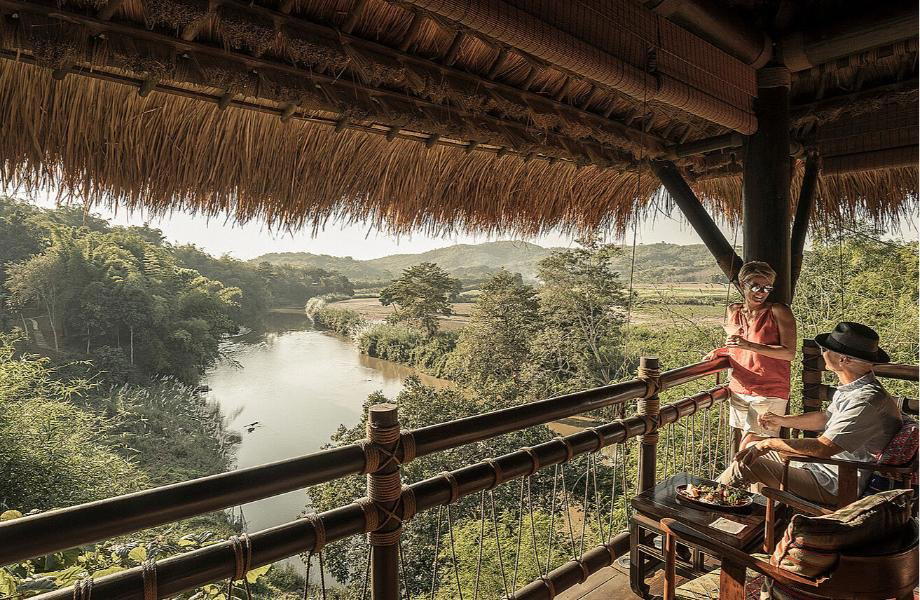
Details
- Scenic
- Rustic
- Cozy
- Family
- Casual Hangout
- Standalone
- Garden
Current opening hours
- Monday
- 7 AM–10 PM
- Tuesday
- 7 AM–10 PM
- Wednesday
- 7 AM–10 PM
- Thursday
- 7 AM–10 PM
- Friday
- 7 AM–10 PM
- Saturday
- 7 AM–10 PM
- Sunday
- 7 AM–10 PM
Hours can change for holidays and private events. Last verified .
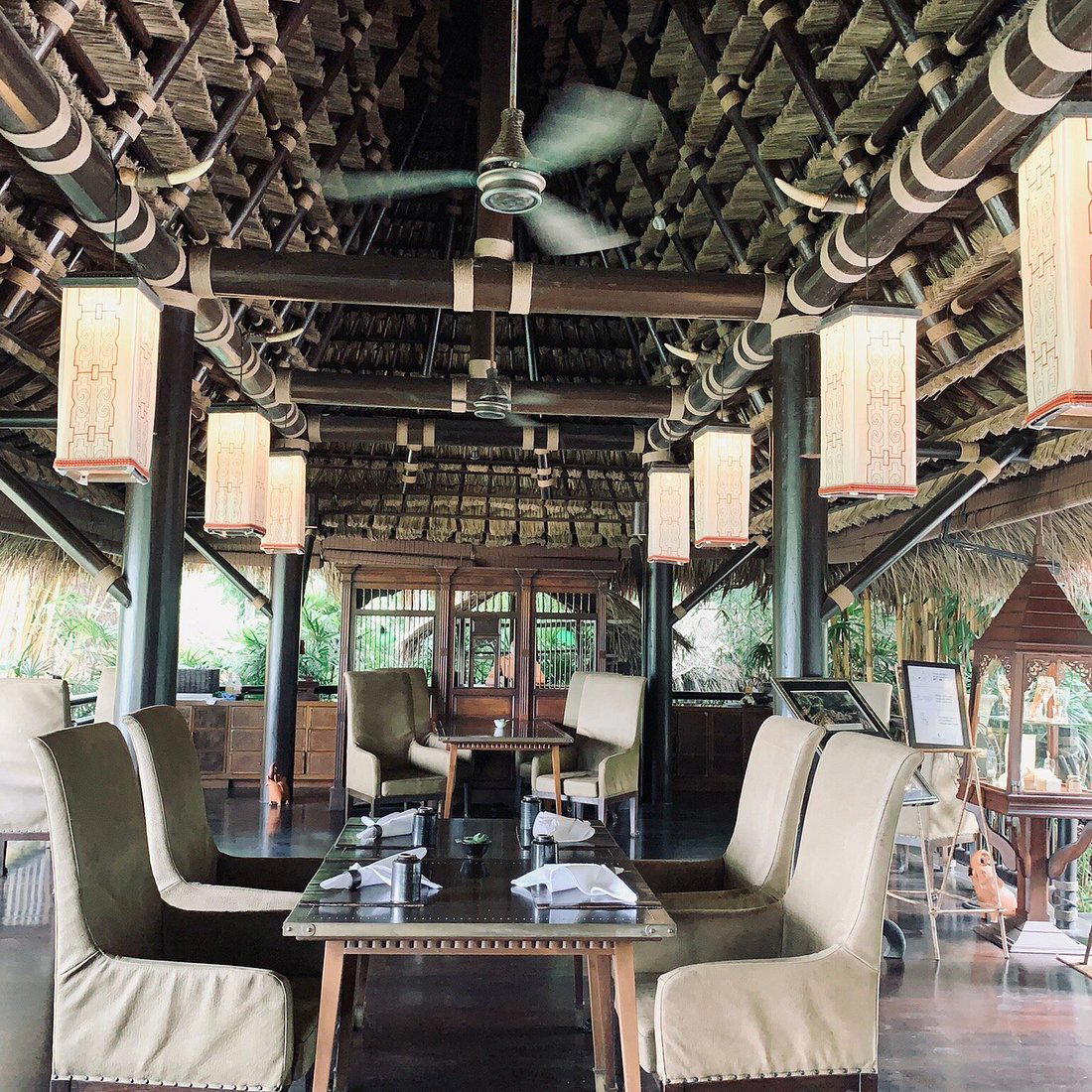
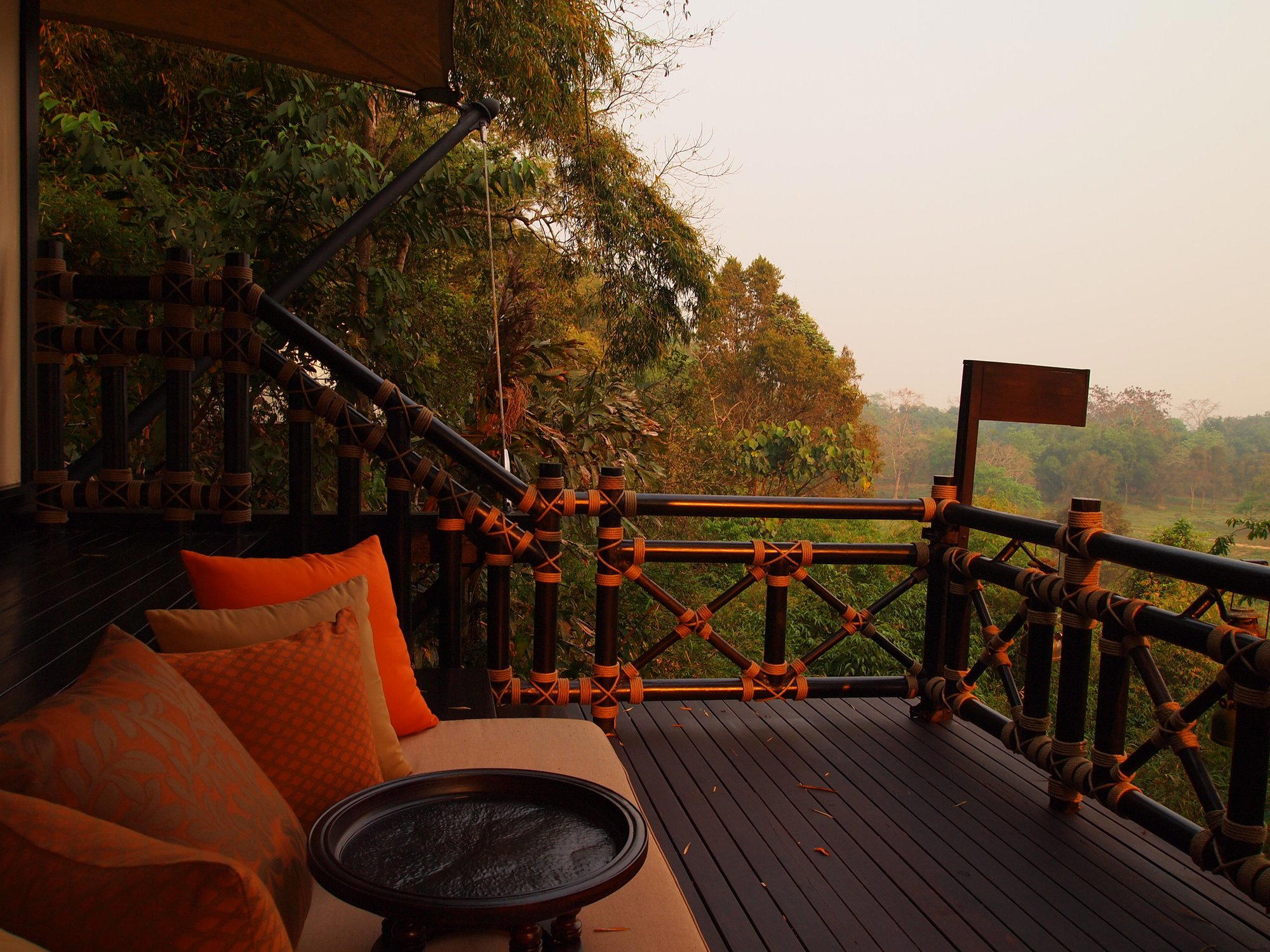
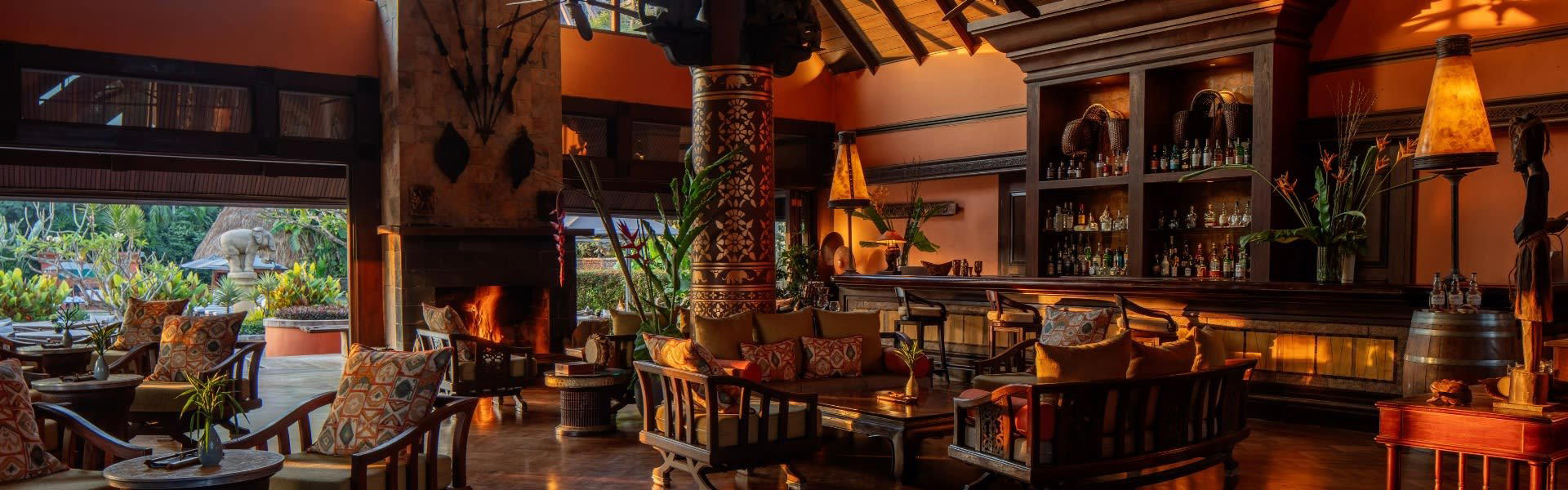
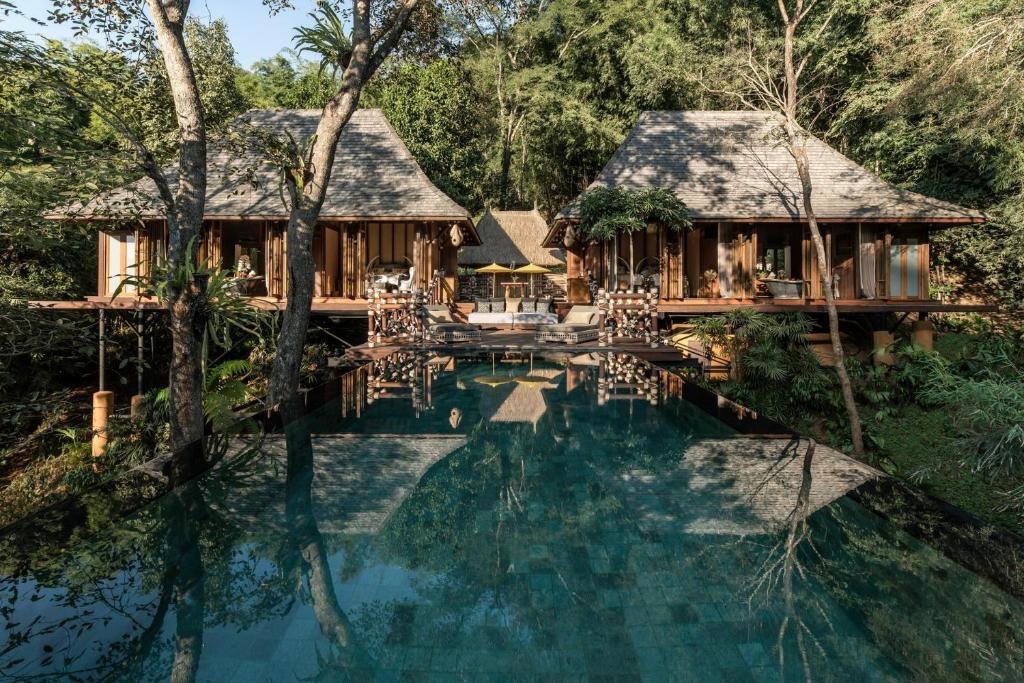
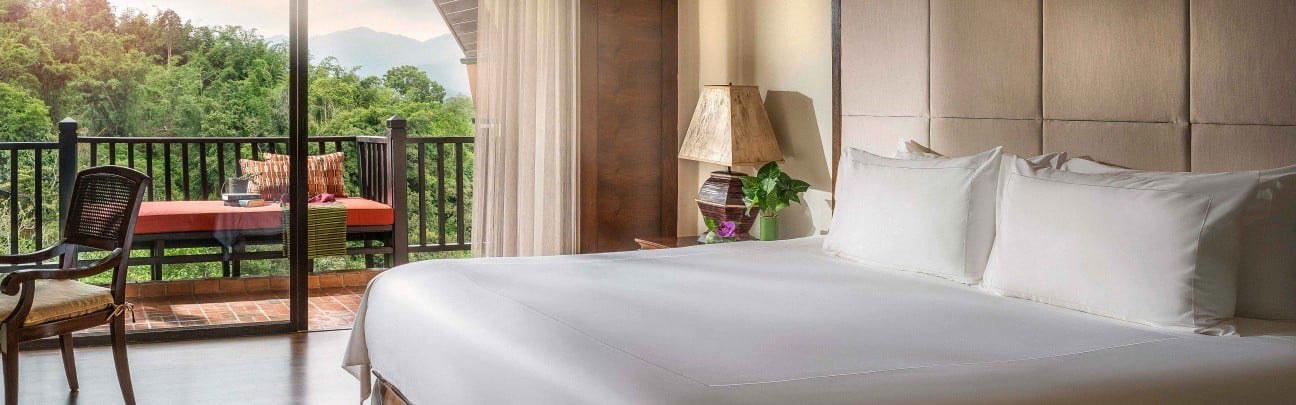
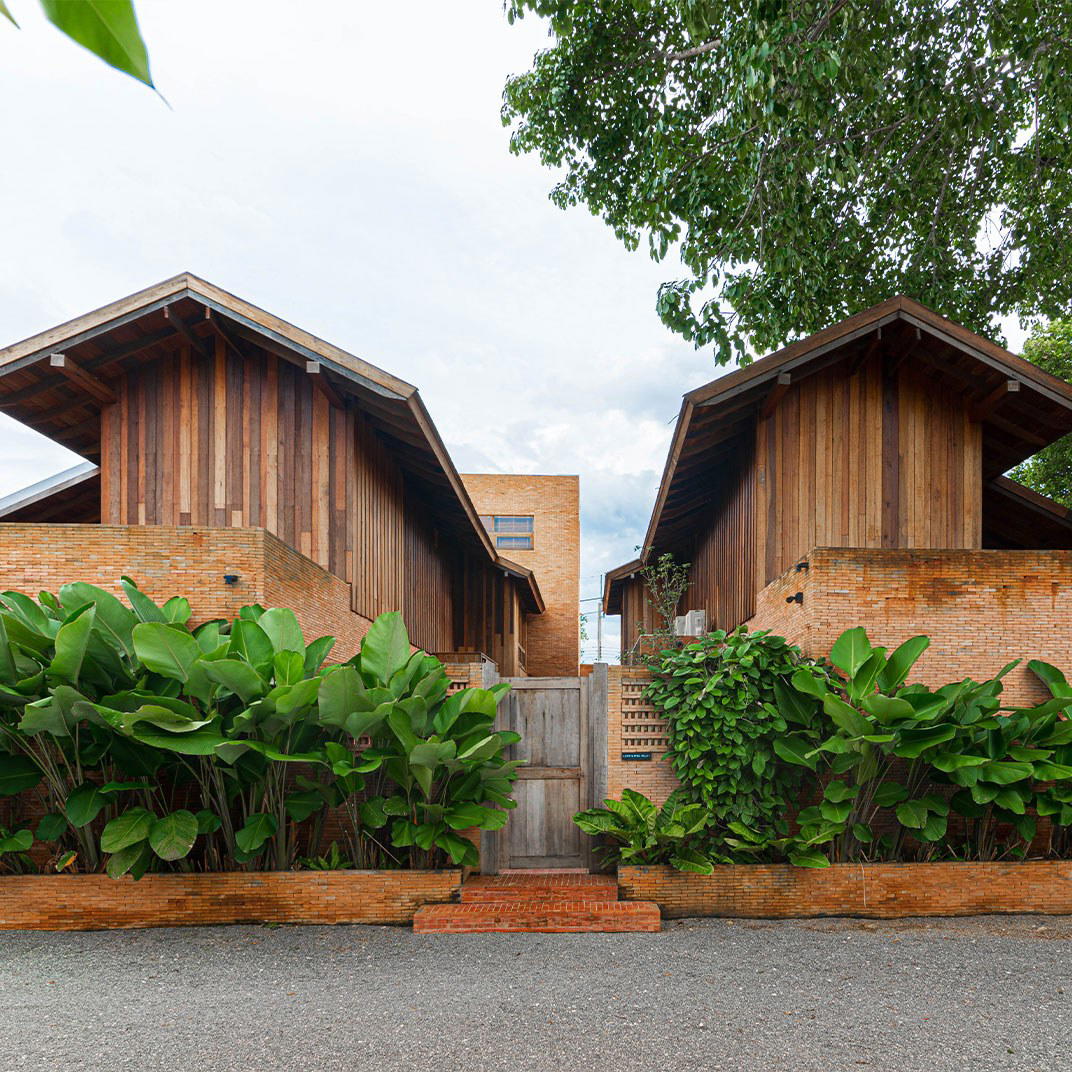
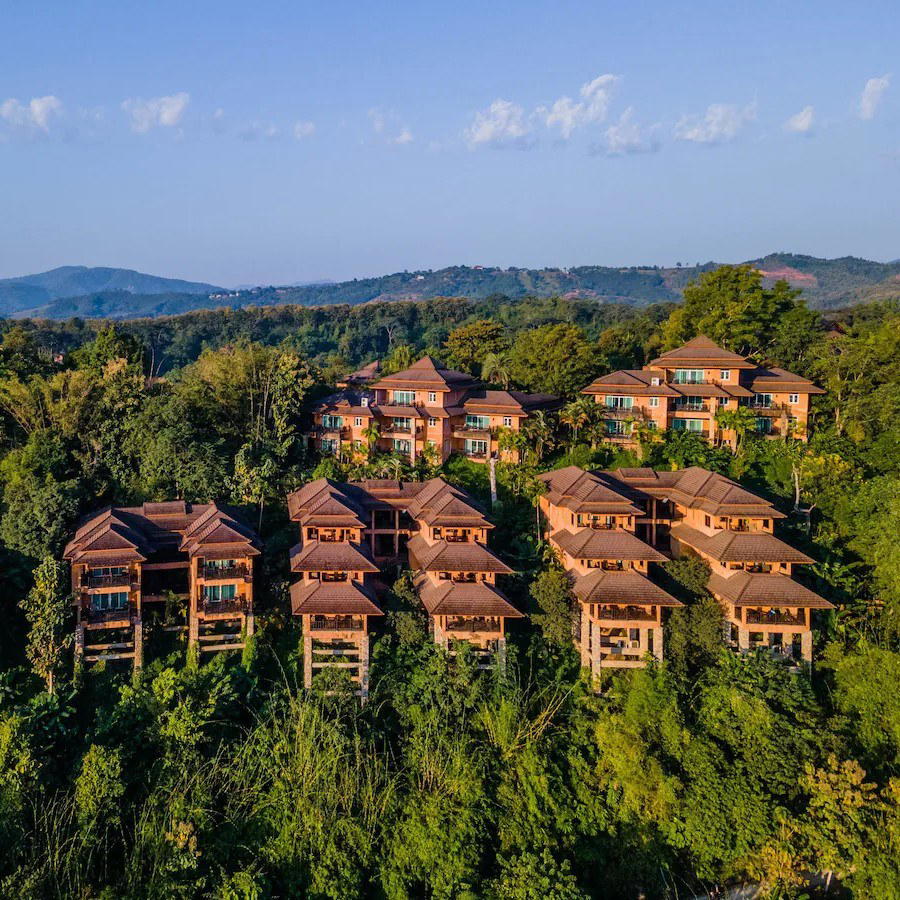
Breezy and rustic, with thatched-roof open-air seating and hardwood floors creating a relaxed resort atmosphere.