Four Seasons Tented Camp Golden Triangle, Thailand

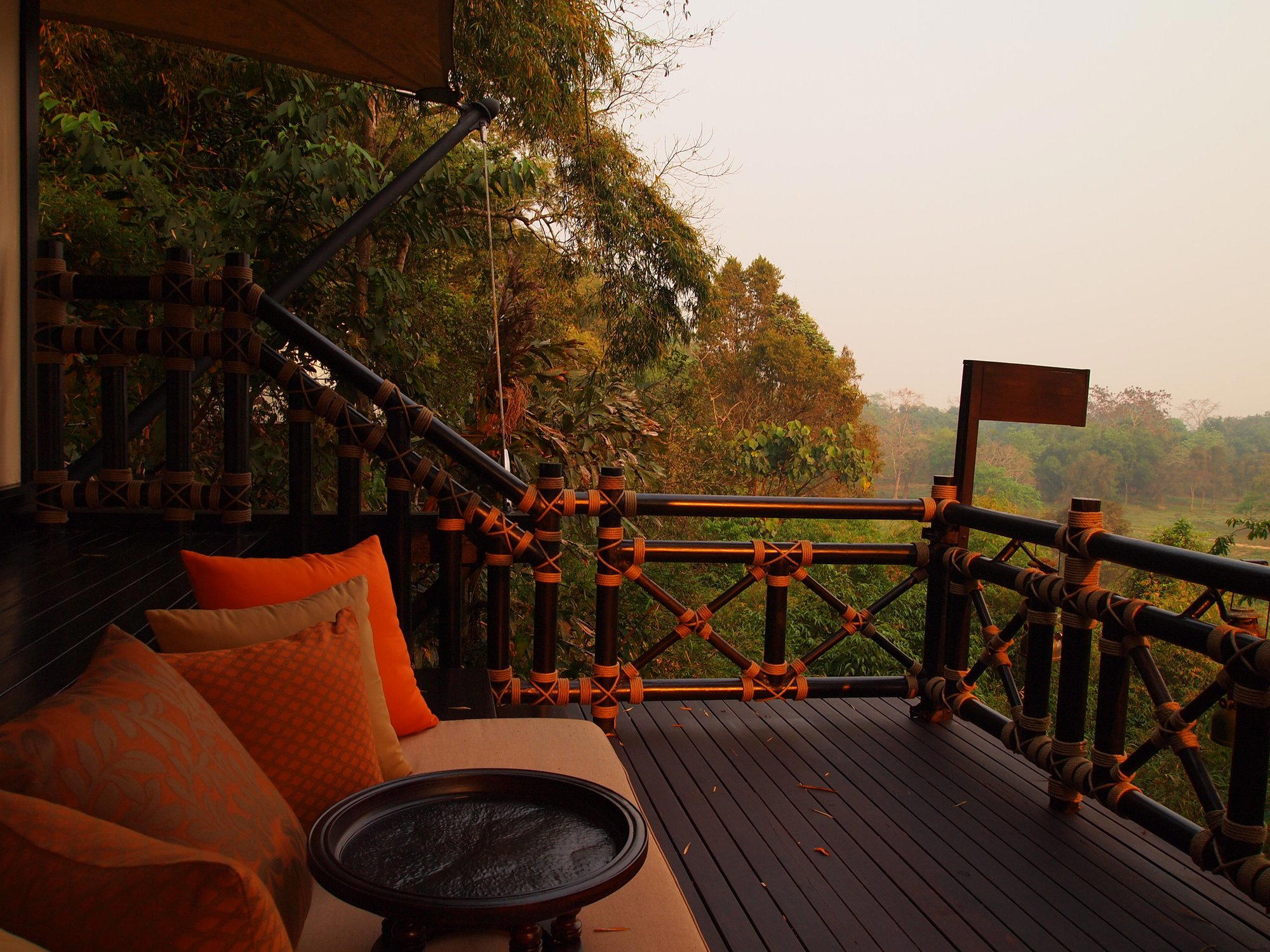
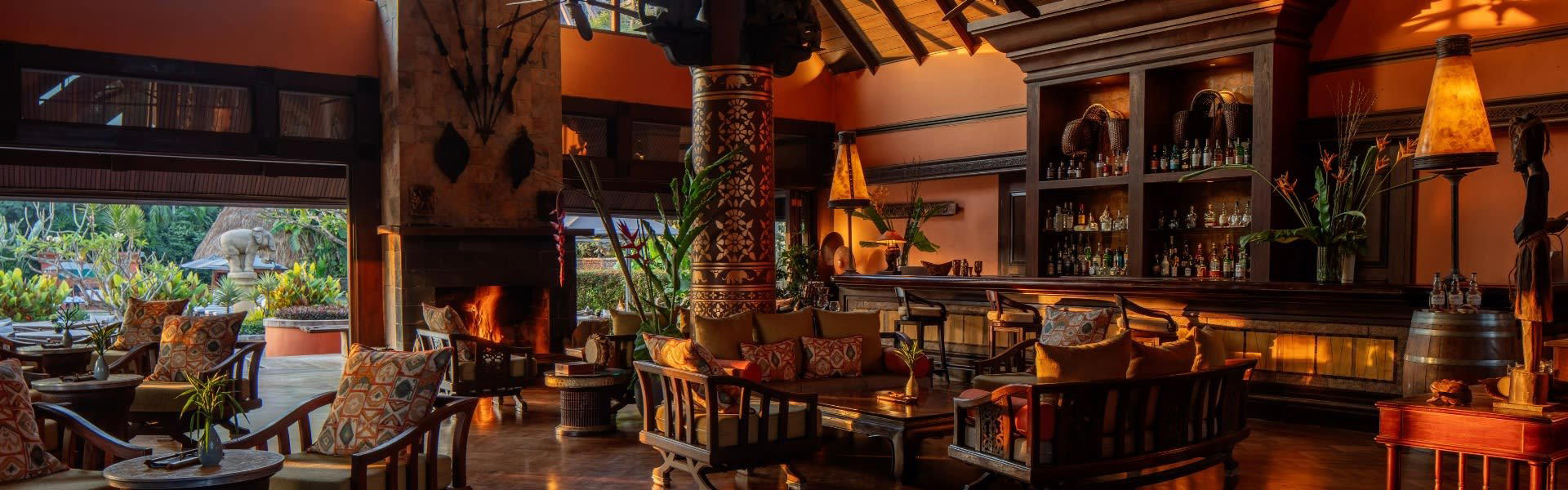
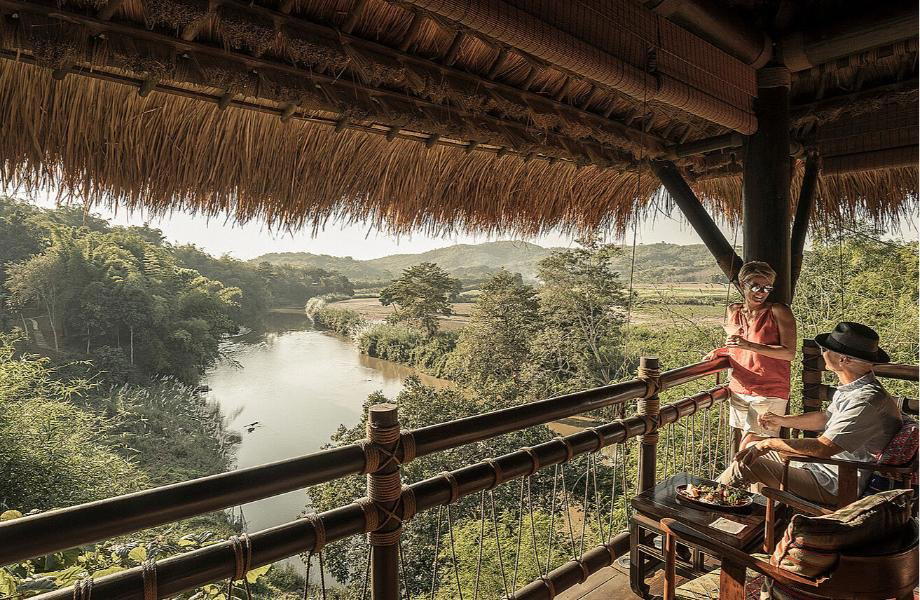
A tented luxury camp at the confluence of Thailand, Myanmar, and Laos, Four Seasons Tented Camp Golden Triangle earned 90.5 points in La Liste's 2026 Top Hotels ranking. Set among refined canopy platforms above the Mekong, it positions itself at the serious end of immersive wilderness hospitality in Southeast Asia, where seclusion, format discipline, and access to a working elephant habitat define the offer.
Pearl is the En Primeur Club membership app — saves, bookings, and concierge access live there. Same editors, same standards.
- Address
- 499 MOO1 T. Vieng, Vieng, ตำบล เวียง อำเภอ เชียงแสน เชียงราย 57150
- Directions
- Get directions
 Saves & bookings on Pearl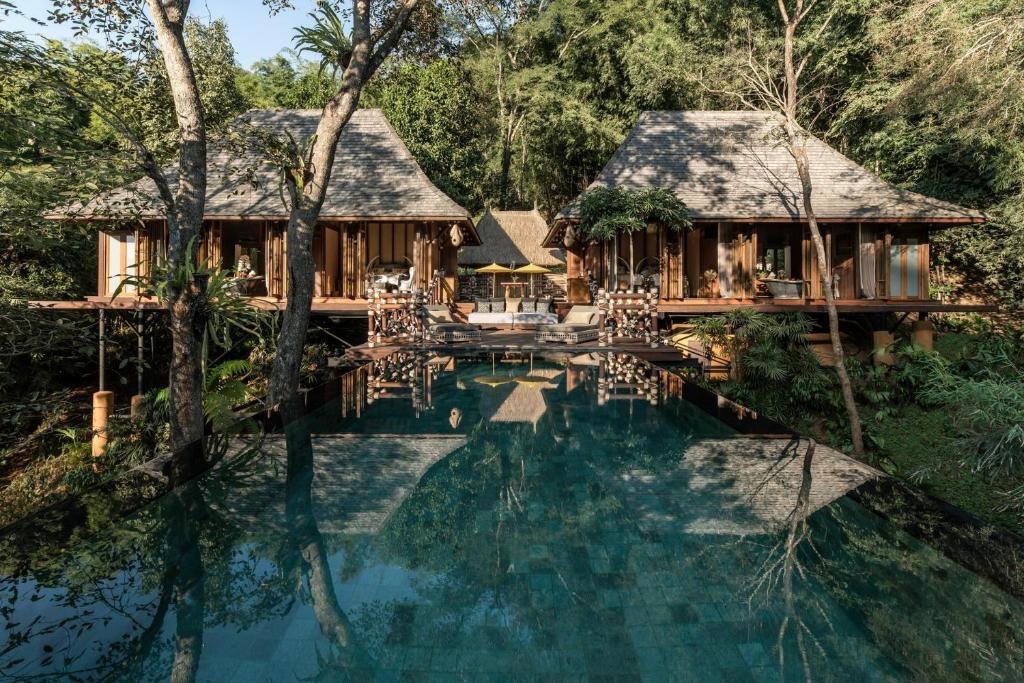
Where the Three Borders Meet the Mekong
The Golden Triangle, the point at which Thailand, Myanmar, and Laos converge along the Mekong, has drawn travellers for decades, but rarely has anyone found an argument for staying there rather than passing through. The Four Seasons Tented Camp changed that calculus. perched above the forest canopy in Chiang Rai province, the camp sits at a junction that is geographical, cultural, and ecological all at once. The Mekong below, the hills of three countries visible from the same vantage point, the sounds of the forest at night: this is a setting that does not need embellishment to make its case.
In La Liste's 2026 Leading Hotels ranking, the property earned 90.5 points, a score that places it in recognized company across Southeast Asia's serious end of luxury hospitality. That recognition means something specific here: La Liste's methodology draws on a broad sweep of critical and guest assessments, so a score at this level reflects sustained performance rather than a single strong season. For the Golden Triangle region, it marks the camp as the reference point against which other immersive lodges in northern Thailand are measured.
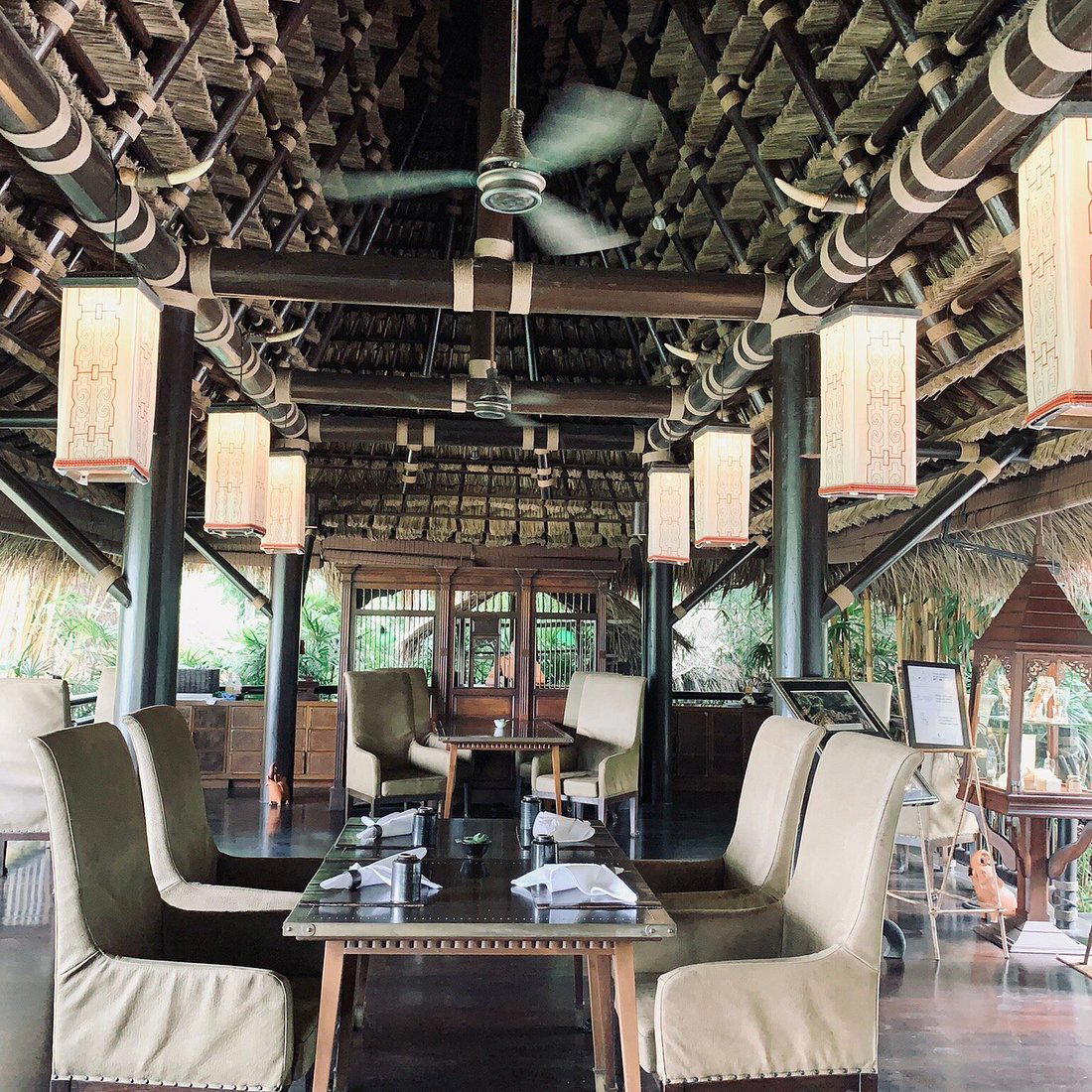
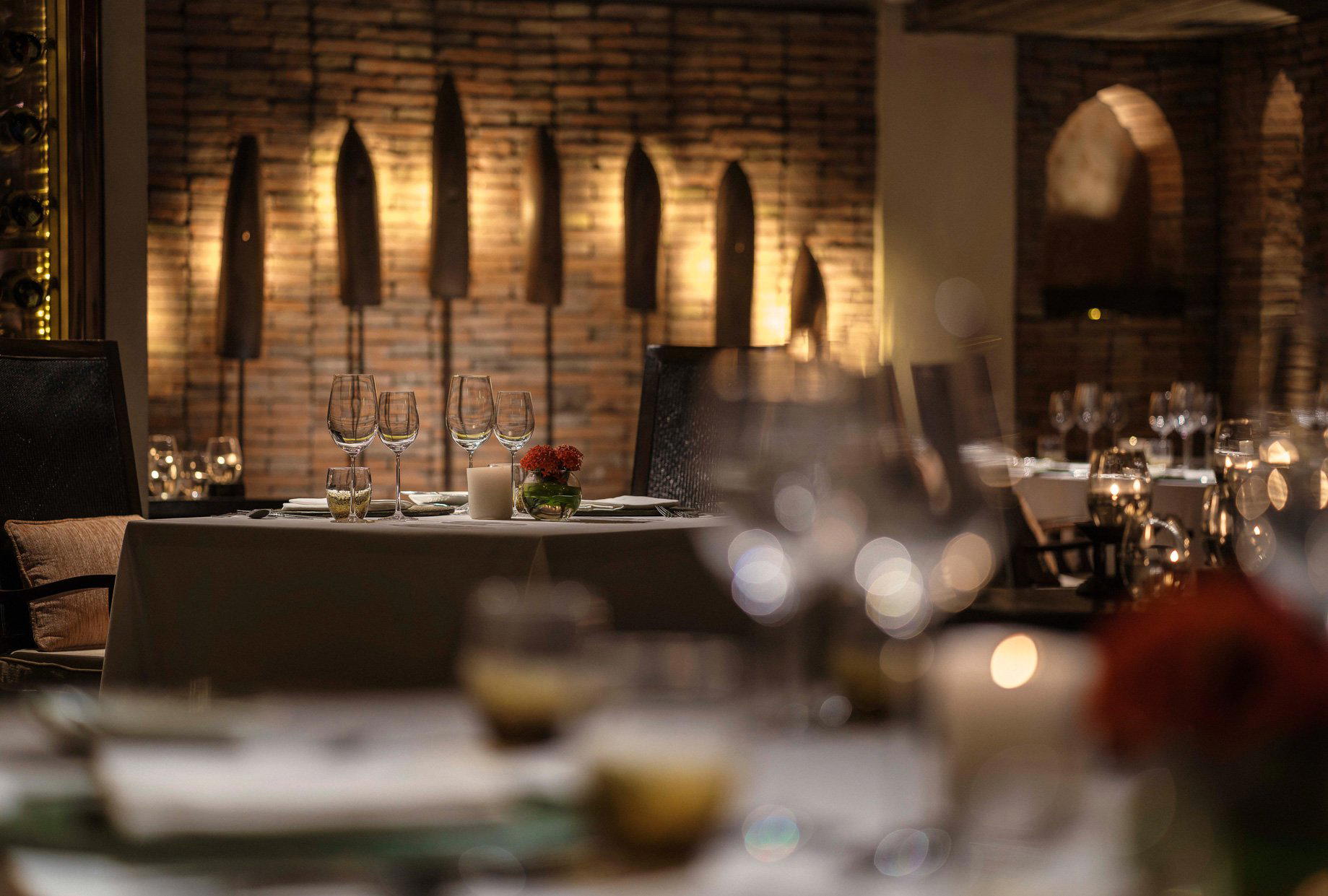
The Dining Programme in the Canopy
Remote luxury in Southeast Asia presents a particular challenge for food programmes: isolation that creates atmosphere also limits supply chains, which has historically pushed camps toward either simplified menus or expensive import logistics. The more sophisticated response, seen at properties operating in similar ecological contexts, such as Soneva Kiri in Trat, is to build the culinary identity around local sourcing and Thai culinary tradition, turning constraint into a point of distinction.
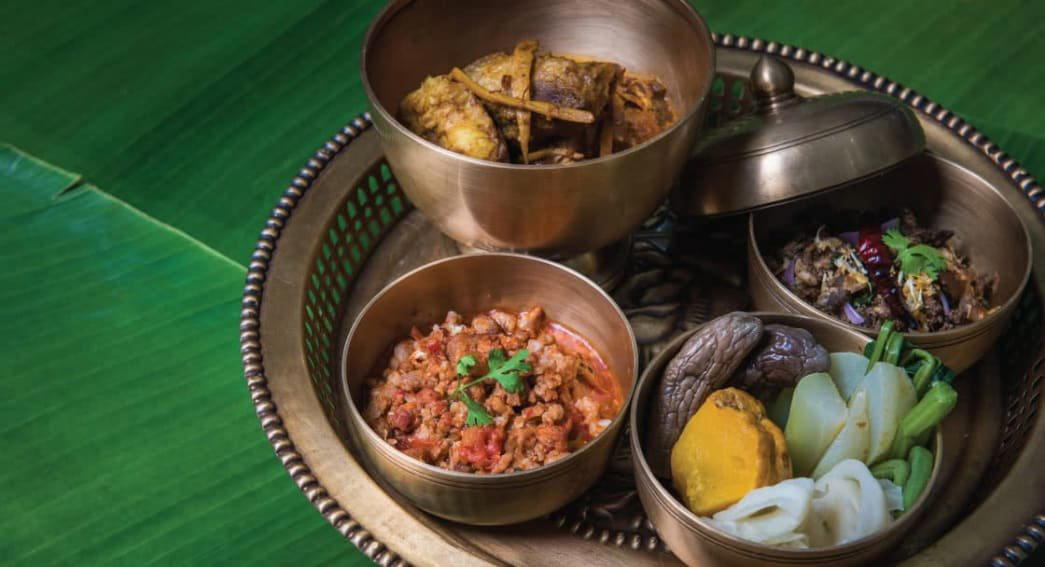
The setting is the context: meals at a canopy-level camp above the Mekong are not evaluated by the same criteria as a city restaurant. What matters is how the programme handles Northern Thai culinary tradition, a regional cuisine distinct from the Bangkok canon, with its own fermentation techniques, herb profiles, and influence from Shan, Lao, and Yunnanese cooking that crossed these borders for centuries. Chiang Rai sits at the northern edge of this culinary territory, where the overlap between Thai highland cooking and the cuisines of neighbouring cultures is most pronounced.
Northern Thai food in this context is not a menu category, it is a cultural archive. The use of khao niaw (sticky rice) as the primary starch, the prominence of nam prik ong and other chilli-based condiments, the presence of sour-fermented ingredients: these elements connect the table directly to the highland communities that have farmed and traded across these borders for generations.
Immersive Format and the Elephant Dimension
What distinguishes this camp from comparable wilderness formats is the elephant habitat it operates alongside. The camp works in partnership with an elephant programme, a component that has become central to its identity and separates it from forest tented camps that rely on scenery alone. Responsible elephant engagement, where the animals' welfare and natural behaviour take precedence over performance, has become a meaningful differentiator as travellers have grown more attentive to how these programmes are structured.
The closest geographic competitor for this kind of integrated wildlife-and-luxury format in the Golden Triangle is the Anantara Golden Triangle Elephant Camp and Resort, which operates at the same confluence and also centres an elephant programme. The two properties appeal to overlapping audiences, but the Four Seasons Tented Camp's tented format and lower key count position it at the more immersive, higher-contact end of that comparable set.
Northern Thailand's Luxury Context
Thailand's luxury hotel market has matured into a geographically diverse offer, with Bangkok commanding the urban end, anchored by properties like the Mandarin Oriental Bangkok, and the south concentrated on beach and island formats, represented across Krabi (Phulay Bay, A Ritz-Carlton Reserve), Koh Samui (Samujana Villas), Koh Lanta (Pimalai Resort and Spa), and the Andaman coast. Northern Thailand occupies a smaller share of that market, but one where the offer is more clearly differentiated: cultural density, cooler temperatures for a significant part of the year, and access to highland landscapes that southern properties cannot replicate.
Within northern Thailand, the four-seasons brand also operates Four Seasons Resort Chiang Mai, which sits in the Mae Rim valley and presents a different register entirely, rice paddy views, a spa and cooking programme, proximity to Chiang Mai's city infrastructure. The two properties serve different purposes and are not direct substitutes: Chiang Mai for cultural access and comfort, the Tented Camp for immersive seclusion at the border. Travellers who want both can, and do, book them sequentially.
Planning Your Stay
The camp's address places it in Vieng, Chiang Saen district, the northernmost point of Chiang Rai province, roughly 60 kilometres from Chiang Rai International Airport. The approach involves road transfer from the airport, and the property's remote position means access is by arrangement rather than self-drive in most cases. The dry season, running broadly from November through February, brings cooler temperatures and clearer visibility across the Mekong to Myanmar and Laos, the period when the setting performs at its most atmospheric. The shoulder months of March and April are warmer and haze can limit views, though rates at immersive camps like this tend to reflect demand patterns accordingly.
Budget Reality Check
Comparable venues nearby, for context on price, style, and recognition.
| Venue | Price | Awards | Notes |
|---|---|---|---|
| Four Seasons Tented Camp Golden Triangle, ThailandThis venue — the venue you are viewing | $$$$ | 5-Star | Not listed |
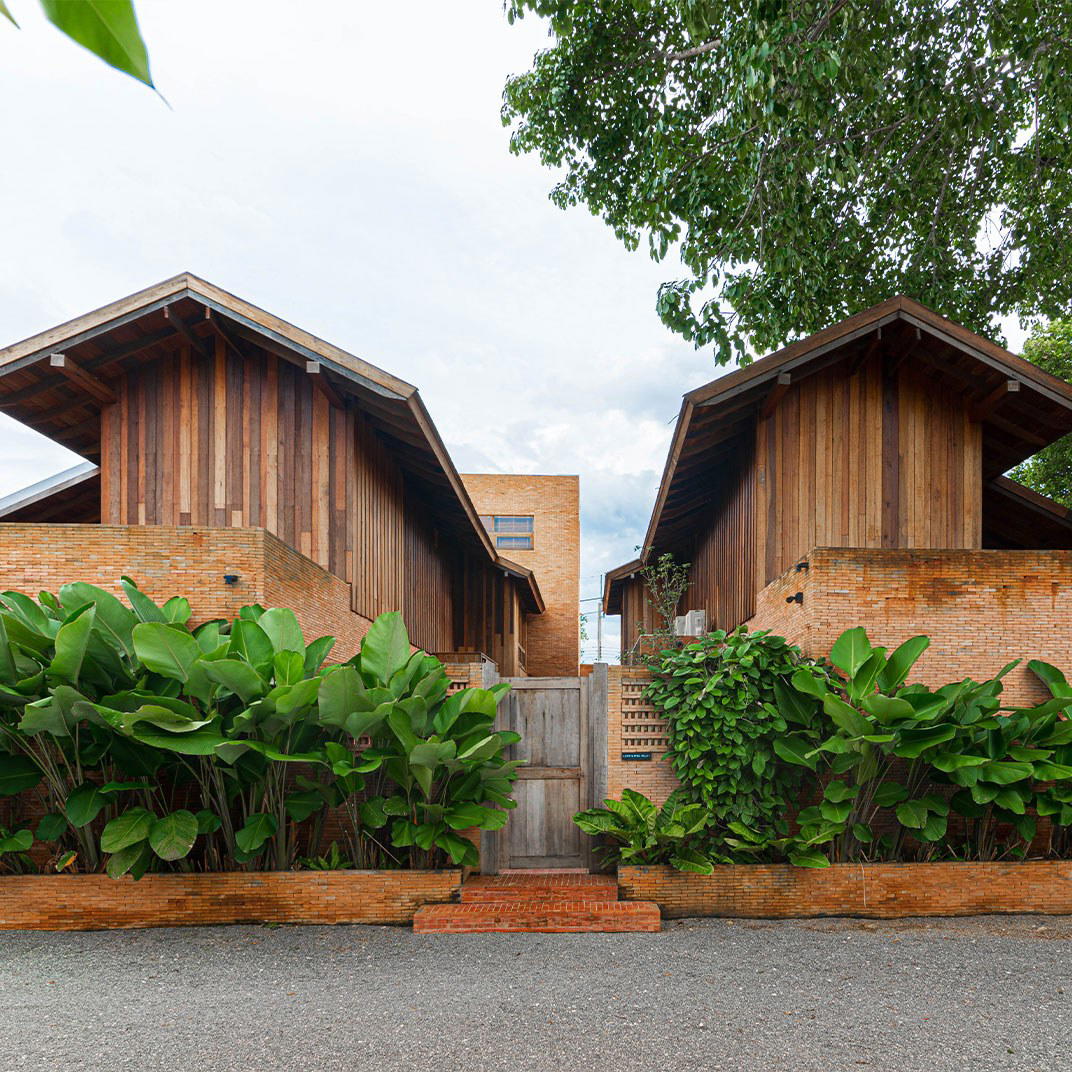
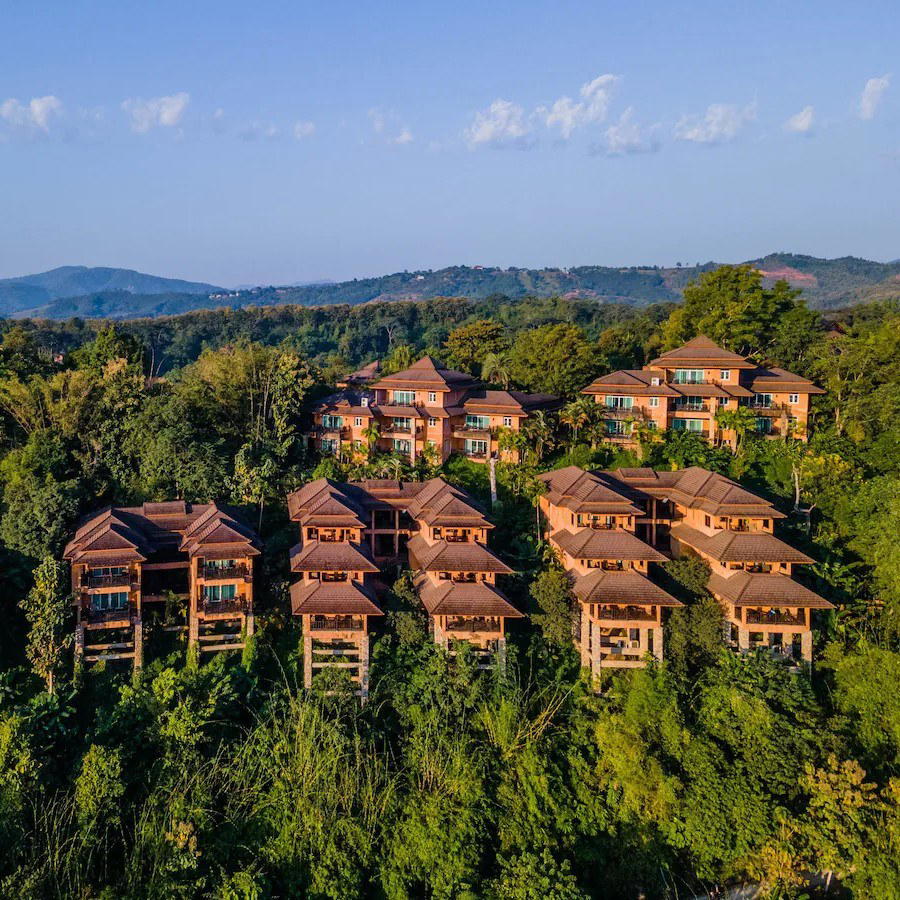
| Katiliya Mountain Resort and Spa | $$$$ | 5-Star | Mae Chan, Contemporary luxury mountain resort with residential villa architecture blending modern amenities with traditional Thai design elements and natural materials. |
| Pa Sak Tong | $$$$ | 5-Star | Maekorn, ultra-luxury private estate villa |
| Riva Vista Riverfront Resort Chiang Rai | $$$ | 5-Star | Rim Kok, Contemporary resort blending modern and Lanna vernacular architecture |
| Athita The Hidden Court Chiang Saen Boutique Hotel | $$$ | Not listed | Chiang Saen, Traditional Lanna architecture with modern comforts, family-owned boutique preserving Chiang Saen heritage. |
| Anantara Golden Triangle Elephant Camp & Resort | $$$$ | Michelin 2 Key | Golden Triangle, Remote jungle mountain sanctuary with storied history and modern luxury |
Recognition history
Dated appearances from independent guides and award organizations, with the underlying list record or original source where available.
La Liste Top Hotels
La Liste
Continue exploring
More in Chiang Rai
Hotels in Chiang Rai
Browse all →
At a Glance
- Romantic
- Scenic
- Rustic
- Elegant
- Intimate
- Ornate
- Honeymoon
- Romantic Getaway
- Anniversary
- Wellness Retreat
- Panoramic View
- Private Dining
- Wi Fi
- Pool
- Spa
- Room Service
- Concierge
- Massage
- Bicycle Rental
- Mountain
- Wi Fi
- Pool
- Spa
- Room Service
- Concierge
- Massage
- Bicycle Rental
Serene and peaceful jungle atmosphere with magical serenity, cozy personalized service, and relaxing natural surroundings enhanced by vintage safari elements.