Baan Dhalia
Baan Dhalia sits in Chiang Saen, where Chiang Rai dining is shaped less by spectacle than by river-town geography, northern produce, and cross-border influence from the Golden Triangle. With no public chef-led tasting-menu narrative or award circuit attached, the appeal is quieter: a meal that belongs to the province rather than to Bangkok’s exportable restaurant grammar.
Pearl is the En Primeur Club membership app — saves, bookings, and concierge access live there. Same editors, same standards.
- Address
- 229, ตำบล เวียง อำเภอ เชียงแสน เชียงราย 57150
- Directions
- Get directions
 Saves & bookings on Pearl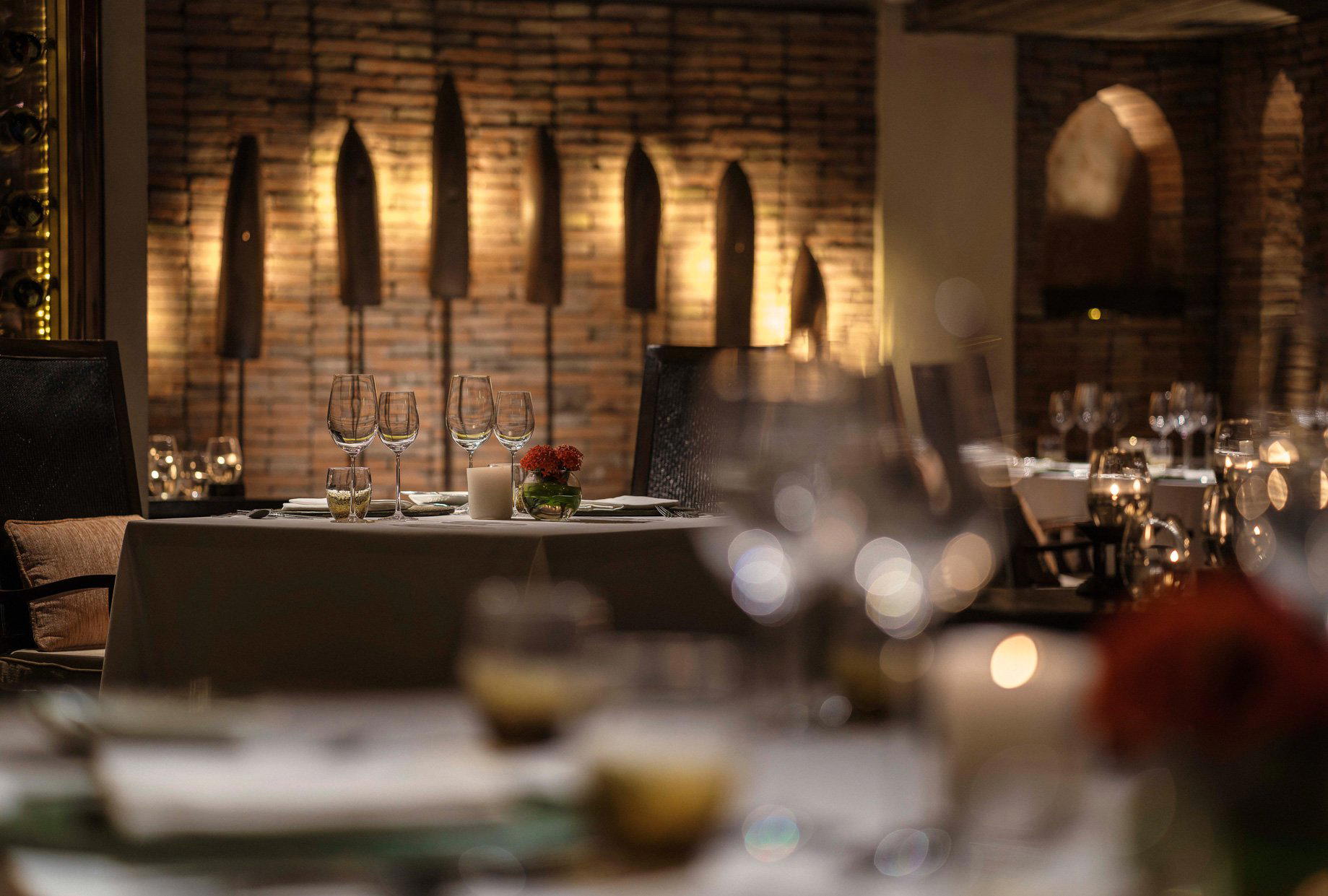
Approaching Chiang Saen changes the rhythm of dining before a menu is even considered. The town sits in Chiang Rai’s far north, where the Mekong, market gardens, hill-country supply routes, and border traffic shape what restaurants can be. Baan Dhalia belongs to that setting: not the Bangkok model of design-led dining, and not the resort theatre associated with the Golden Triangle’s luxury lodges, but a smaller provincial address whose relevance comes from place.
Chiang Saen dining is built around proximity, not performance
Chiang Rai’s restaurant culture rewards readers who pay attention to geography. In the city proper, casual local institutions such as Khao Mun Gai Nai Art and neighbourhood Thai rooms like Nong Yao make sense because they sit close to daily eating patterns rather than destination dining rituals. Further north, Chiang Saen shifts the frame again. The cooking conversation becomes more agricultural and riverine: produce from the province, freshwater habits, herbs, rice, and the quieter pantry logic of the upper north.
That matters for Baan Dhalia because ingredient sourcing is the strongest editorial lens available here. Chiang Rai is not a city where imported luxury alone explains value. The more persuasive meals tend to read as local to the province, especially when they avoid forcing northern Thailand into a tasting-menu vocabulary. Compare that with Sala Mae Nam, another Chiang Rai reference point, or with out-of-metro resort dining near the Golden Triangle, where the setting can dominate the plate. The sharper question is not whether a room feels grand, but whether the food has a reason to be in this part of Thailand.
Where Baan Dhalia fits in the Chiang Rai restaurant circuit
Chiang Rai is often treated as a secondary dining stop after Chiang Mai, but that reading misses the province’s strength: smaller rooms, market dependency, and a slower hospitality tempo. The restaurant sits outside the central Chiang Rai cluster, which makes it less useful as a quick city-centre fallback and more relevant for travellers already building time around Chiang Saen, the Mekong, or the Golden Triangle. That distance changes the decision. A meal here should be judged against the day’s route, not against a metropolitan reservation calendar.
The absence of a publicly listed chef, formal cuisine category, price band, or award history also places it outside the credential-heavy tier. That is not a weakness if the reader’s aim is regional context. Chiang Rai’s more compelling food days often combine several registers: a local lunch, a river-adjacent dinner, a hotel dining room, and a bar or coffee stop rather than a single trophy booking. For that broader map, use Our full Chiang Rai restaurants guide, then cross-check the wider trip through Our full Chiang Rai hotels guide, Our full Chiang Rai bars guide, Our full Chiang Rai wineries guide, and Our full Chiang Rai experiences guide.
A northern Thailand address for travellers reading the province through food
The smarter itinerary treats the restaurant as part of a northern Thailand food thread rather than an isolated target. Bangkok venues such as #FindTheLockerRoom in Bangkok and 266/1 Siam Square Soi 3 in Pathum Wan reflect a denser urban grammar, while provincial stops such as A Pong Mae Sunee in Phuket, รà¹à¸²à¸à¸à¸±à¸¡ à¸à¸²à¸à¸¹ à¸à¸´à¹à¸à¸¢à¹à¸²à¸ à¹à¸à¸à¸¸à¸à¹à¸à¸à¸¢à¸²à¸à¸à¸³ in Mueang Khon Kaen, à¸à¹à¸§à¸¢à¹à¸à¸µà¹à¸¢à¸§à¸«à¸¡à¸µà¹à¸à¸´à¸ สาà¸à¸² à¸à¸à¸à¸¡à¸´à¸à¸£à¸ าภà¸à¸¸à¸à¸£-หà¸à¸à¸à¸à¸²à¸¢ in Mueang Udon Thani, à¸à¹à¸§à¸¢à¹à¸à¸µà¹à¸¢à¸§à¹à¸à¹à¸¡à¸°à¸£à¸°à¸à¹à¸²à¸à¸à¸±à¸ in Mueang Nakhon Pathom, and สุà¸à¹à¸à¹à¸¥à¸à¸à¹ in Ban Fang show how regional eating in Thailand often works through specificity rather than polish.
For travellers connecting northern Thailand with wider Asian dining, the useful comparison is scale. Aeeen in Chiang Mai belongs to a city with a larger international food audience, while Jōdo Saké Bar in Los Angeles and Onigiri Time in Pasadena show how single-category Japanese formats travel in cities built for specialization. Chiang Saen is the opposite proposition. Its appeal is cumulative: river town, provincial produce, a slower route north, and a meal that makes more sense when the day has already been shaped by Chiang Rai rather than imported expectations.
A Quick Peer Check
Comparable venues by cuisine and price in the same metro.
| Venue | Cuisine | Price | Awards |
|---|---|---|---|
| Baan Dhalia | This venue | Not listed | Not listed |
| Baan Suan Mae Rim | Thai | ฿฿ | Thai, ฿฿ |
| NAVAN NAVAN | Creative | ฿฿฿ | Creative, ฿฿฿ |
Continue exploring
More in Chiang Rai
Restaurants in Chiang Rai
Browse all →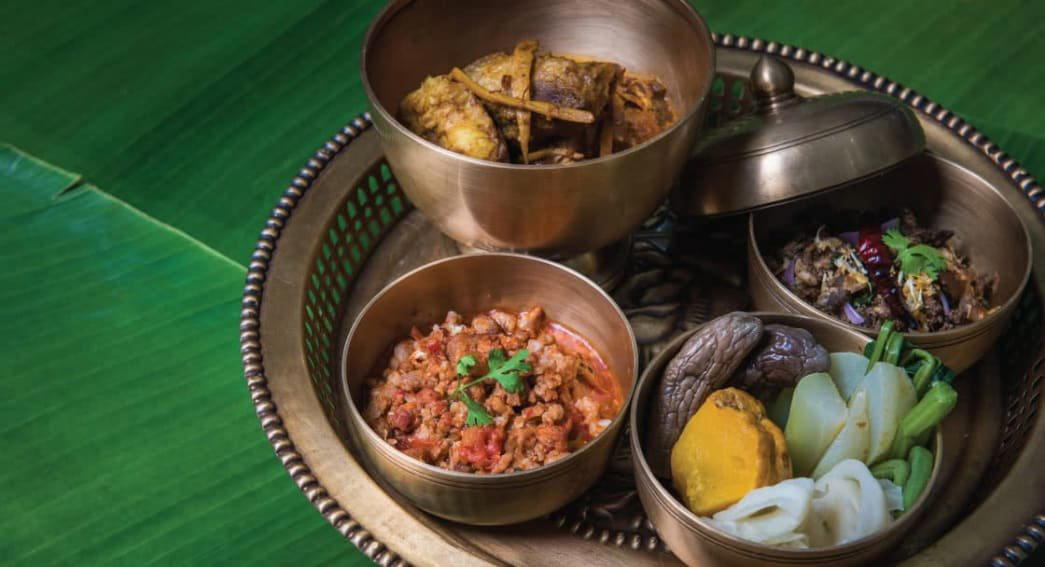
At a Glance
- Romantic
- Scenic
- Elegant
- Sophisticated
- Intimate
- Date Night
- Special Occasion
- Business Dinner
- Group Dining
- Panoramic View
- Design Destination
- Hotel Restaurant
- Private Dining
- Extensive Wine List
- Local Sourcing
- Mountain
- Waterfront
- Garden
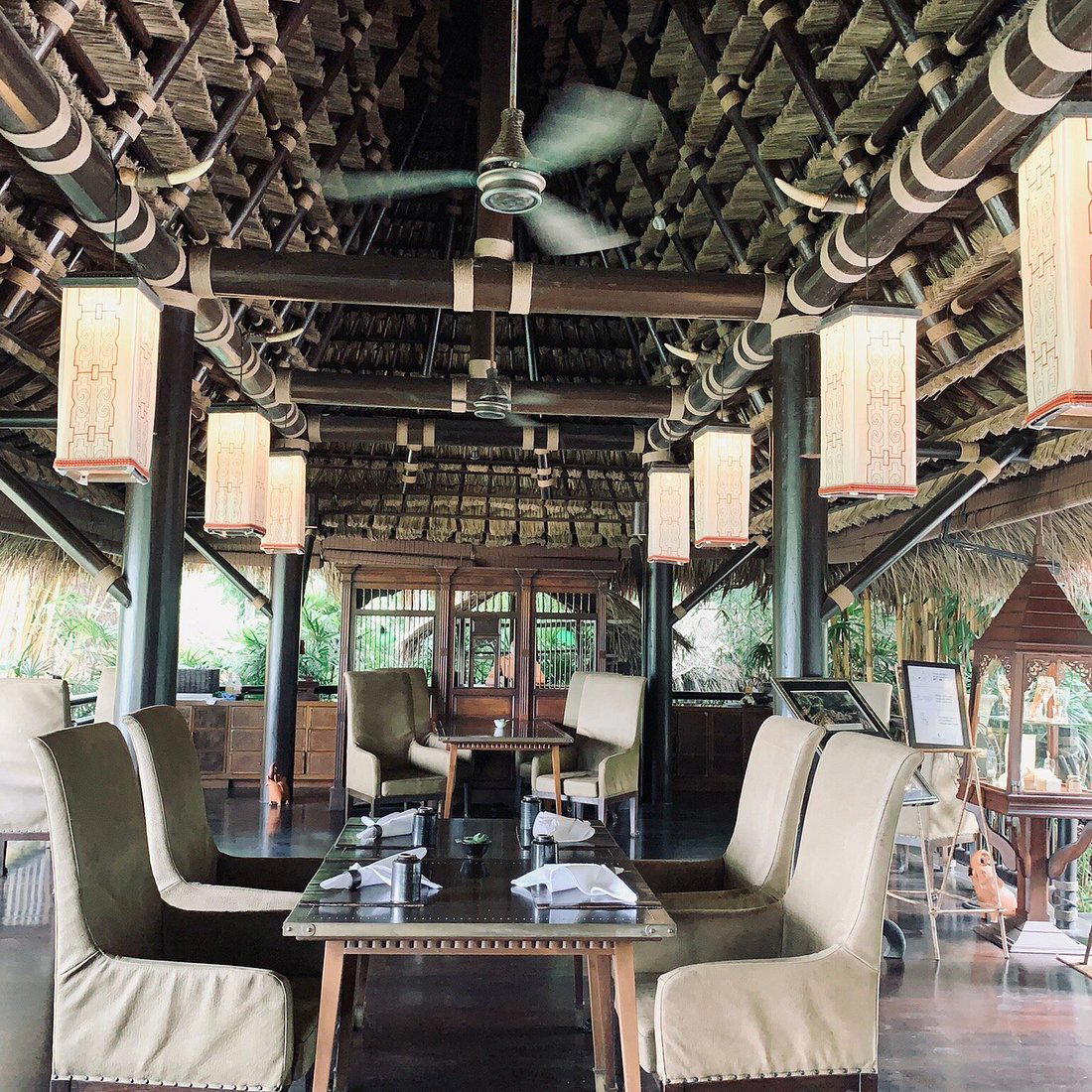
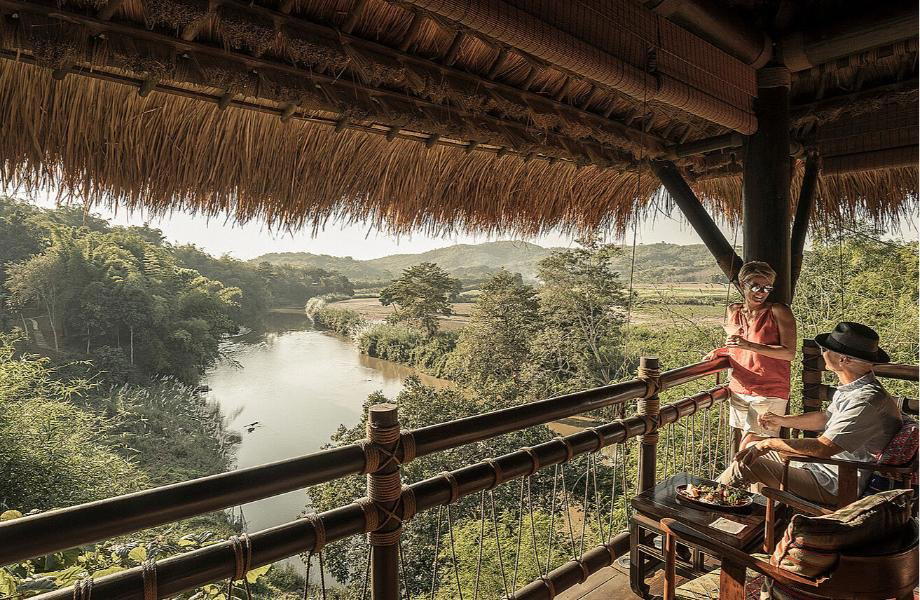
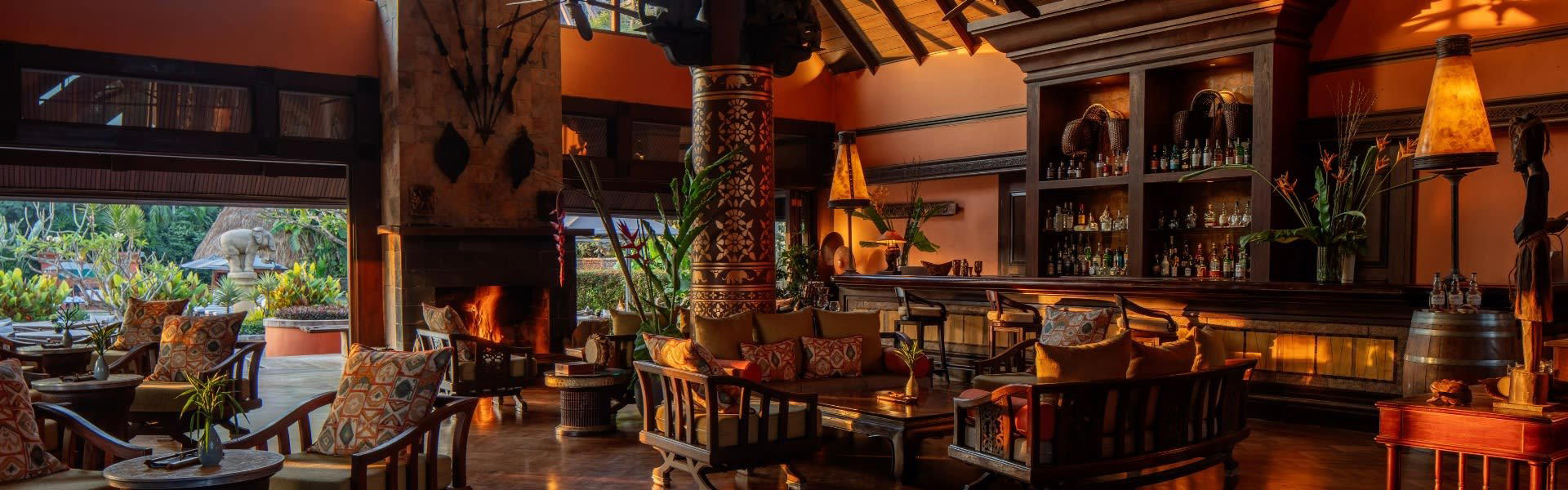
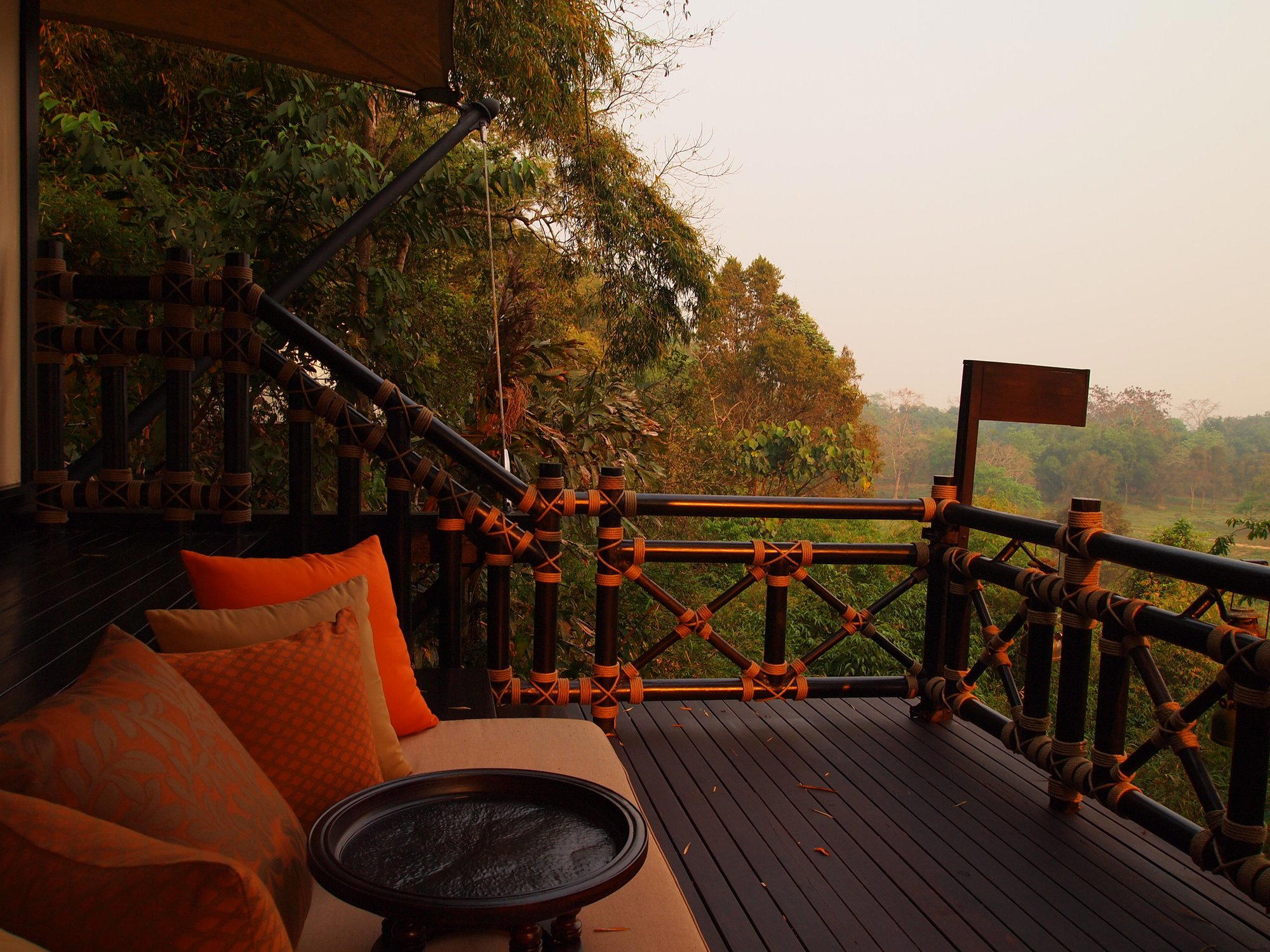
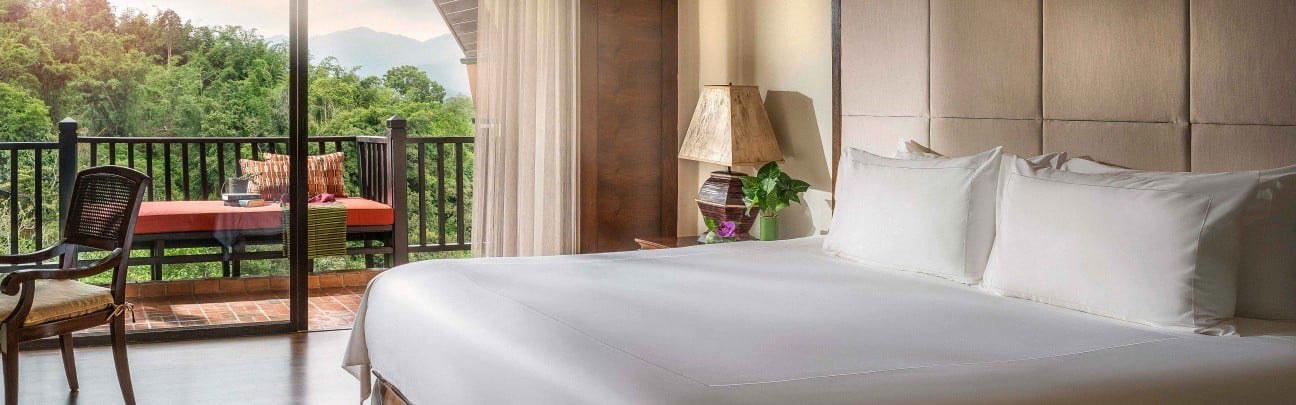
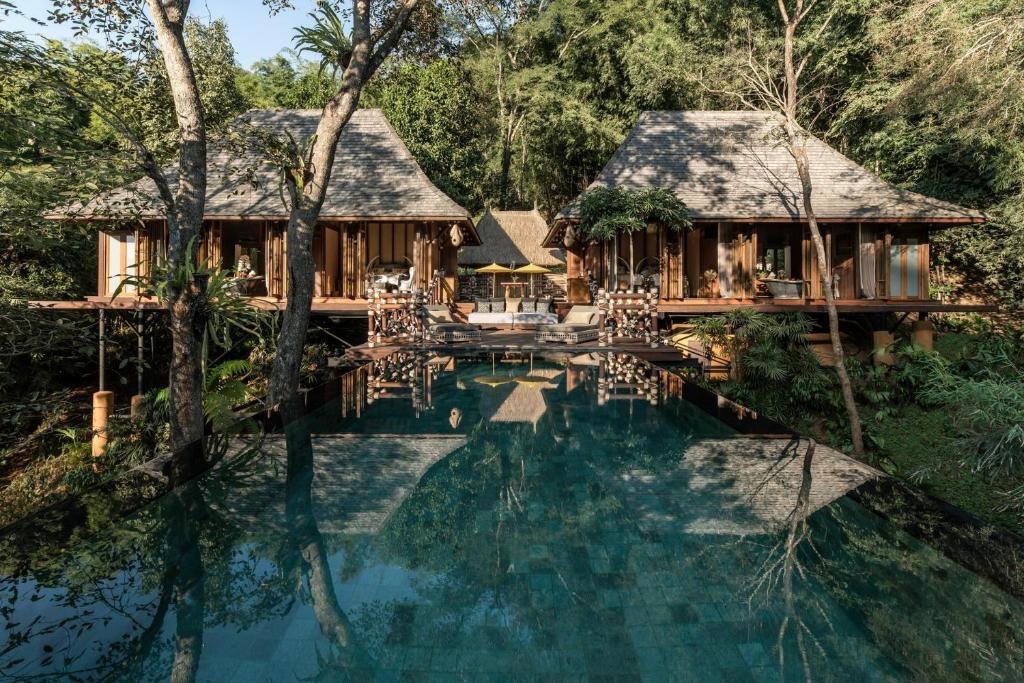
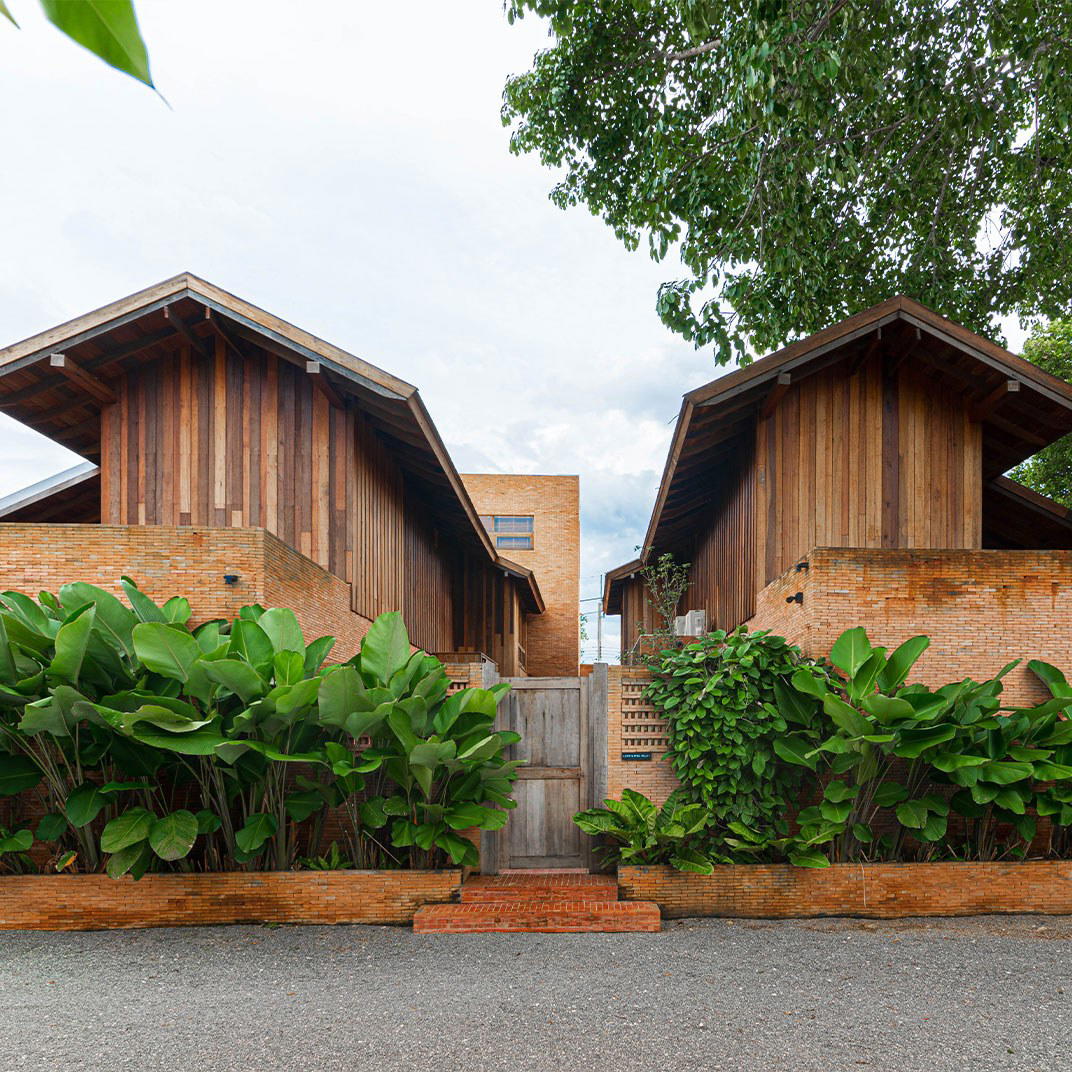
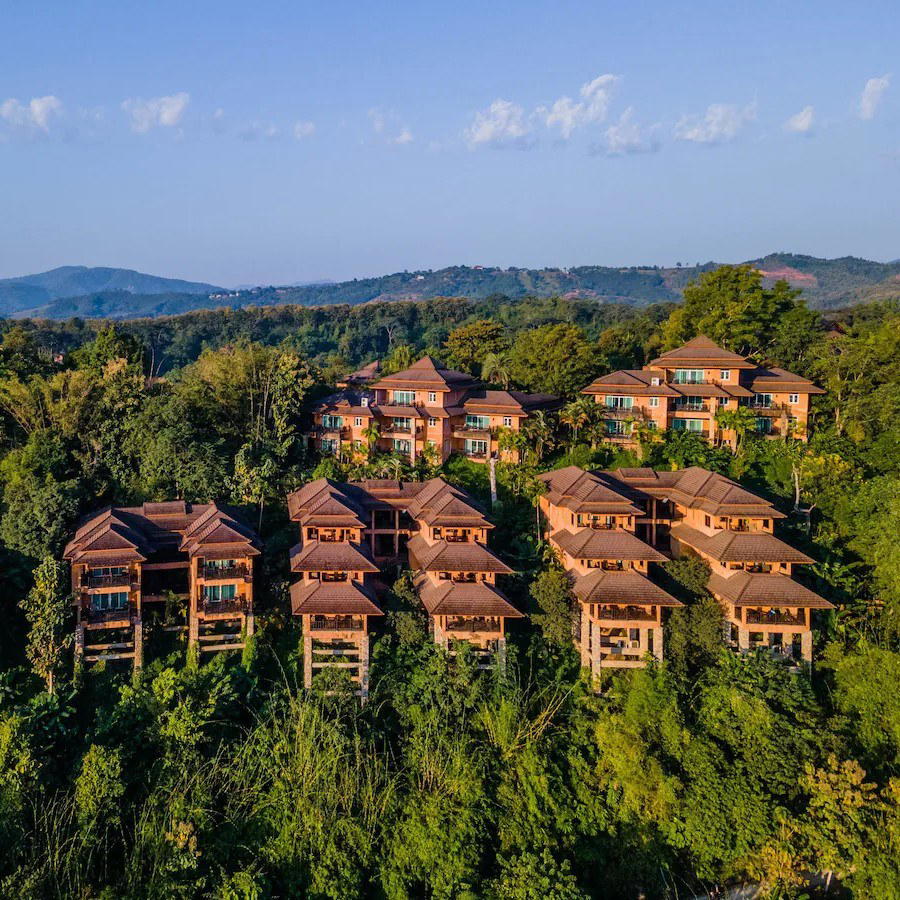
Upscale yet relaxed hotel-restaurant setting combining Thai jungle surroundings with Tuscan-inspired elegance, soft lighting, scenic river and mountain views, and a romantic, intimate atmosphere suited to leisurely dinners.