On Dundas Street West, Nodo Junction sits where Toronto's west-end neighbourhood character meets a cooking approach anchored in where ingredients come from rather than how impressively they can be manipulated. The room reads casual without being careless, and the kitchen's sourcing orientation places it in a smaller tier of Toronto restaurants where provenance shapes the menu rather than decorates it.
Pearl is the En Primeur Club membership app — saves, bookings, and concierge access live there. Same editors, same standards.
- Address
- 2885 Dundas St W, Toronto, ON M6P 1Y9, Canada
- Phone
- +14169011559
- Website
- nodorestaurant.ca
- Directions
- Get directions
 Saves & bookings on Pearl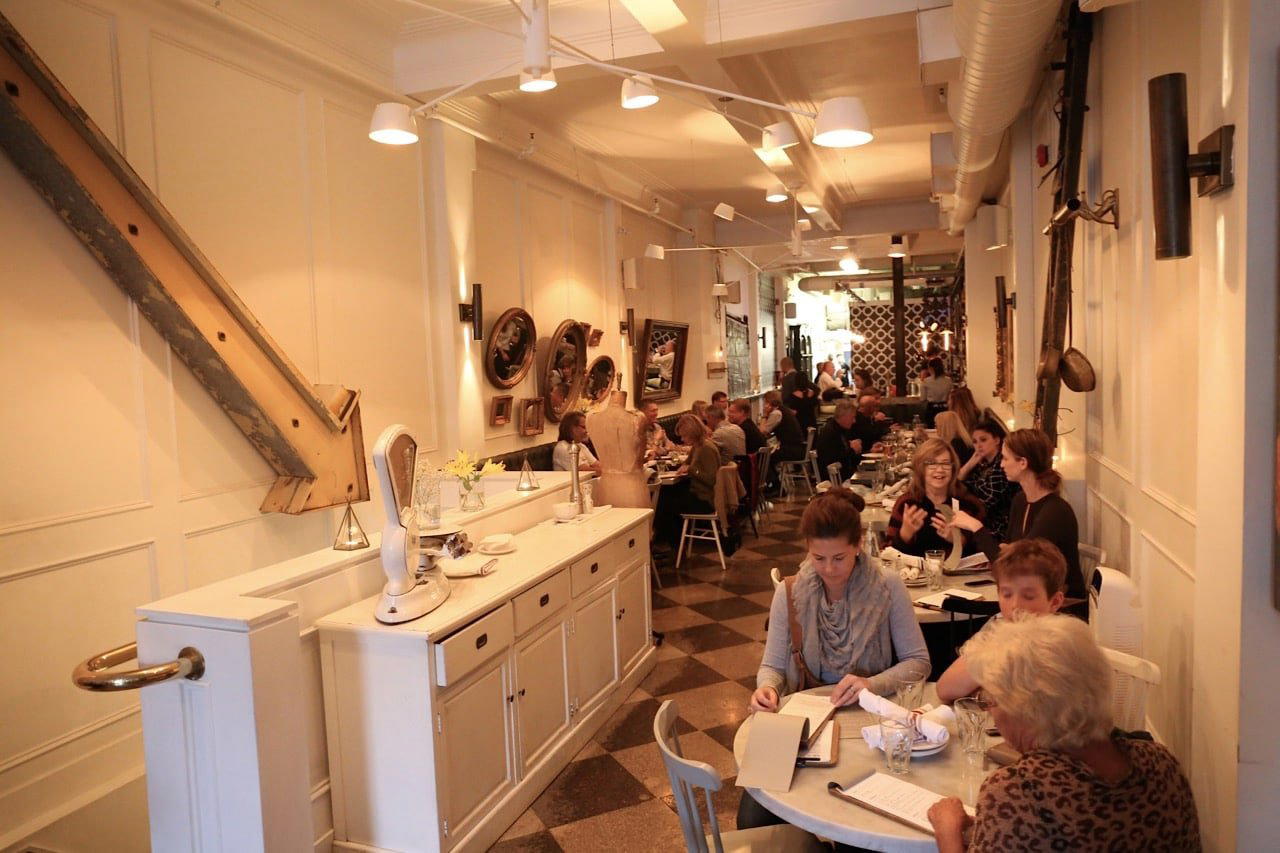
Dundas West and the Sourcing-Led Restaurant
Toronto's west end has developed a distinct dining register over the past decade: neither the formal tasting-menu tier concentrated downtown near King and Queen streets, nor the purely neighbourhood-casual. Dundas Street West, running through the Junction, sits in a middle band where kitchens often make more deliberate choices about ingredients than the room's relaxed atmosphere would suggest. Nodo Junction, at 2885 Dundas St W, operates inside that tradition. In Canadian cities, this sourcing-oriented approach has become a recognisable strand of mid-market cooking, distinct from the fine-dining provenance signalling of places like Restaurant Pearl Morissette in Lincoln or Eigensinn Farm in Singhampton, but sharing their underlying logic: the ingredient's origin is a fact worth knowing, not merely a marketing line.
The Junction as a Dining Address
The Junction neighbourhood carries some specific character worth understanding before you book. It developed as a working-class district, was dry for most of the twentieth century due to a historic prohibition vote, and only opened to licensed premises in 1998. That compressed timeline means the food and drink scene here is relatively young compared to neighbourhoods like Kensington Market or Little Italy, and the businesses that have taken hold tend to reflect a particular sensibility: independent, community-facing, and less interested in the optics of prestige than in keeping a regular clientele satisfied. The stretch of Dundas between Keele and Runnymede has seen genuine restaurant density increase since the early 2010s, and Nodo Junction is part of that wave rather than a outlier within it. For visitors more familiar with Toronto's downtown dining circuit, which runs through venues like Alo or the Japanese counter format represented by Sushi Masaki Saito and Aburi Hana, the Junction offers a different scale of ambition and a different relationship with the diner.
Where the Food Comes From
The sourcing-led approach that has taken hold across Canadian restaurant culture in the past fifteen years reflects both genuine conviction and practical geography. Ontario's farming belt is close enough to Toronto that kitchen relationships with growers, bakers, and producers are logistically feasible in a way they are not in more isolated cities. Restaurants across this tier, from the Junction to the Annex to Leslieville, have built menus that shift with what is available regionally rather than what a centrally managed supply chain can guarantee year-round. This is a materially different mode from the highly controlled sourcing programs at Italian-leaning fine-dining addresses like DaNico or Don Alfonso 1890, where imported ingredients anchor the menu's identity. The neighbourhood mid-market version prioritises what is available and proximate over what is prestigious and imported. Across Canada, this logic runs through kitchens as different as Tanière³ in Quebec City, which pushes the approach into fine-dining territory, and more accessible addresses like AnnaLena in Vancouver, which holds it at a level closer to Nodo Junction's register.
The Room and the Experience
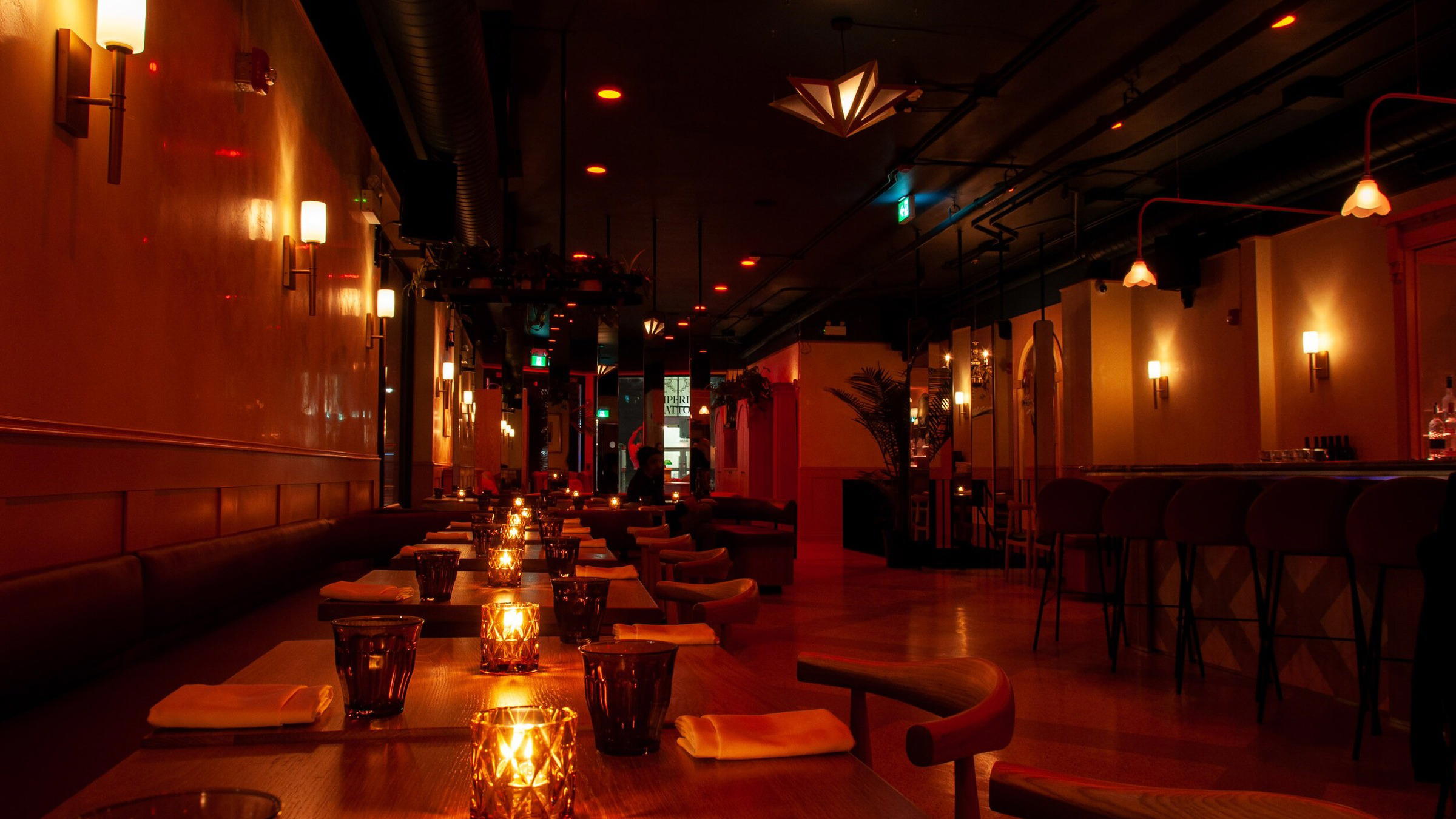
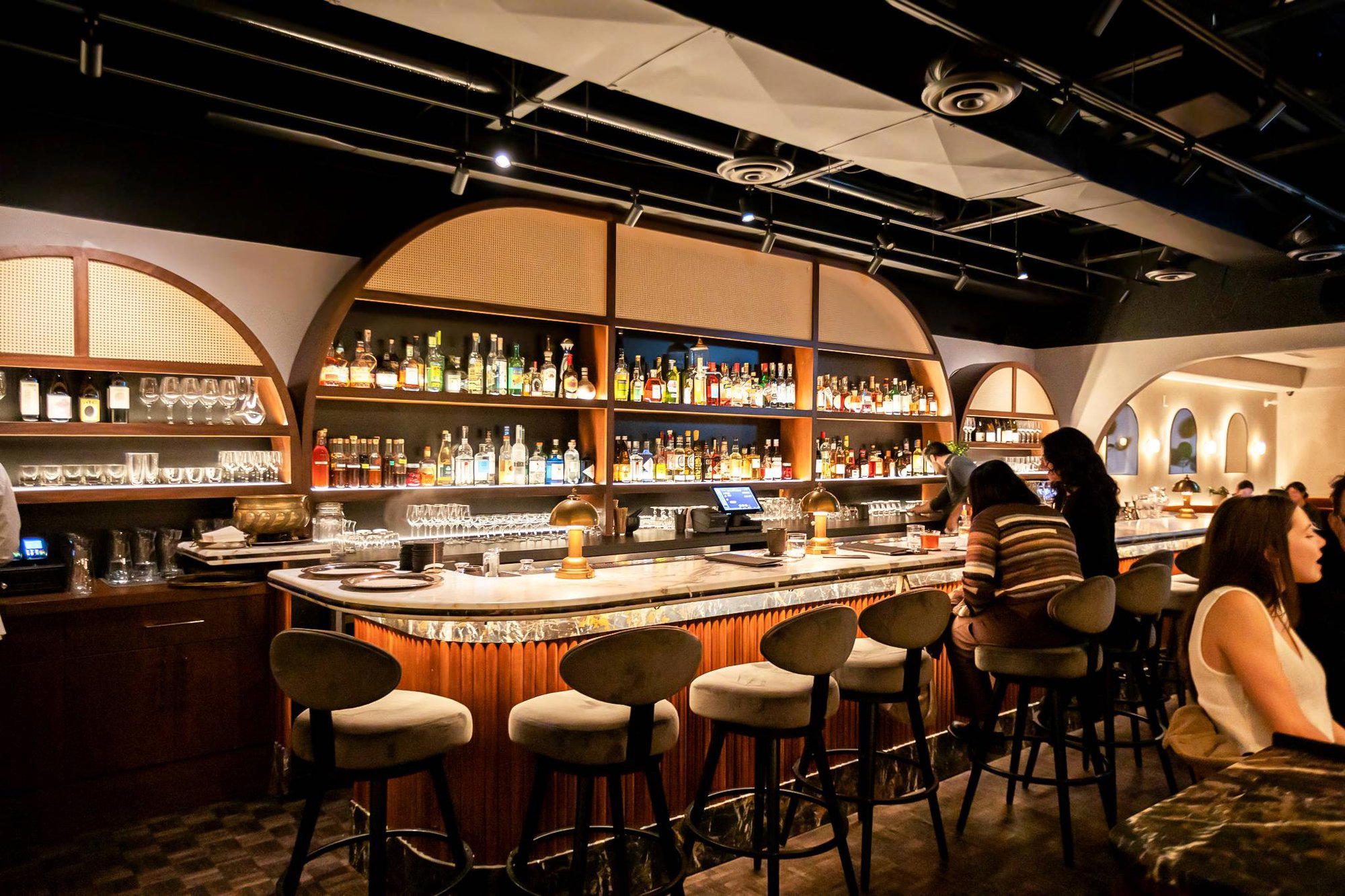
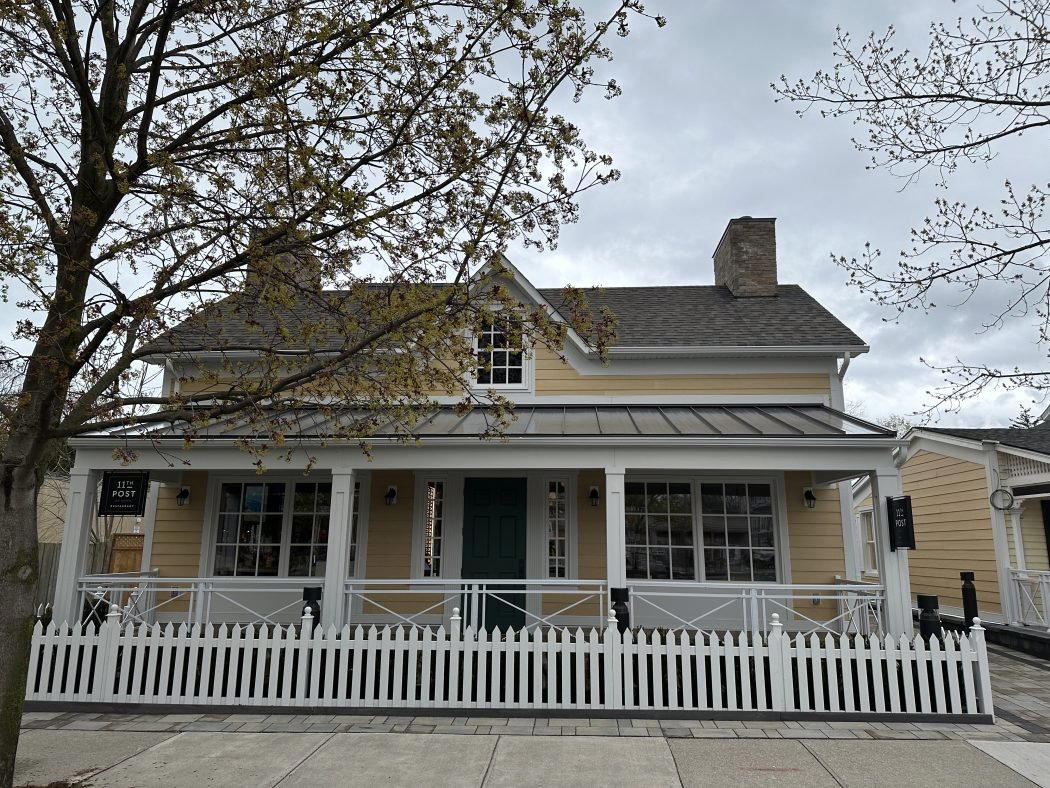
Approaching Nodo Junction from the street, the visual language is direct: a Dundas West shopfront, unadorned relative to the design-forward properties that characterise more expensive Toronto neighbourhoods. Inside, the room reads as intentionally relaxed, consistent with the Junction's general character rather than at odds with it. This matters for framing expectations: the sourcing orientation in the kitchen does not translate into a formal or instructional dining experience at the table. The guest contract here is closer to a neighbourhood trattoria model than to the knowledge-transfer format you encounter at tasting-menu counters. Comparable addresses elsewhere in Canada, such as Narval in Rimouski or Barra Fion in Burlington, demonstrate how broadly this casual-but-considered format has distributed across the country's restaurant culture, independent of city size or regional cuisine tradition.
How Nodo Junction Fits the Wider Toronto Picture
Toronto's restaurant scene in the mid-2020s is genuinely stratified. At one end, a cluster of tasting-menu and omakase formats commands $250 to $500 per head and operates on month-long waitlists. At the other, a dense layer of neighbourhood restaurants fills the weekly-dinner role without pretension. The restaurant belongs to the latter category, which is a larger and in some ways more consequential part of Toronto's food culture than the award-chasing tier. The comparison set is not Alo or Sushi Masaki Saito but the dozens of independently operated rooms along Dundas, Bloor, and Roncesvalles that sustain a neighbourhood rather than attract a destination diner. That positioning shapes practical decisions: how far to travel, how much to spend, what kind of evening to expect.
Canadian Sourcing in Comparative Context
The ingredient-provenance emphasis that characterises the restaurant's approach is not distinctive to Toronto or to this particular address. It reflects a broader shift in how Canadian restaurants at the mid-market level have positioned themselves since the early 2010s, when farm-to-table rhetoric hardened into actual purchasing relationships. Internationally, the model has parallels: the sourcing-led casual format in Montreal, represented by addresses like Jérôme Ferrer - Europea at its more refined end, or the hyper-local approach at destination spots like Aux Anciens Canadiens in Quebec that ties sourcing to heritage cuisine. At the international reference point, the technical discipline at Le Bernardin in New York City or the produce-centred Korean tasting format at Atomix show how sourcing logic scales upward in ambition; what distinguishes the neighbourhood version is that the same underlying value operates without the formal apparatus. Closer to Toronto, Bearspaw Golf Club in Calgary and The Pine in Creemore occupy different settings but share the orientation toward proximity and season as organising principles for the menu.
Planning Your Visit
The restaurant sits on Dundas Street West in the Junction neighbourhood, accessible by the 505 Dundas streetcar and within walking distance of Keele subway station on the Bloor-Danforth line. The area is served by street parking, though evenings on this stretch of Dundas are active and spaces fill. The restaurant is open Mon: 5–9 PM; Tue: 5–9 PM; Wed: 5–9 PM; Thu: 5–9 PM; Fri: 5–10 PM; Sat: 12–10 PM; Sun: 12–9 PM. Reservations are recommended, and the price tier is about $30 per person. The Junction's dining corridor rewards walking: several other independently operated restaurants occupy the same stretch, making the area a practical destination for an evening rather than a single-stop visit.
How It Stacks Up
Comparable venues nearby, for context on price, style, and recognition.
| Venue | Cuisine | Price | Notes |
|---|---|---|---|
| Nodo JunctionThis venue — the venue you are viewing | Casual Italian Pizza and Pasta | $$$ | Not listed |
| Moretti Toronto | Modern Italian Pizzeria | $$$ | Entertainment District |
| Mercatto | Casual Elegant Italian | $$$ | Bay Street Corridor |
| Oretta Midtown | Modern Italian Trattoria | $$$ | Davisville Village |
| Primadonna | Italian-American | $$$ | Fashion District |
| Casa 73 | Contemporary Italian | $$$ | Harbourfront |
Continue exploring
More in Toronto
Restaurants in Toronto
Browse all →
Bars in Toronto
Browse all →

Hotels in Toronto
Browse all →


At a Glance
- Rustic
- Cozy
- Trendy
- Date Night
- Casual Hangout
- Group Dining
- Open Kitchen
- Extensive Wine List
Current opening hours
- Monday
- 5–9 PM
- Tuesday
- 5–9 PM
- Wednesday
- 5–9 PM
- Thursday
- 5–9 PM
- Friday
- 5–10 PM
- Saturday
- 12–10 PM
- Sunday
- 12–9 PM
Hours can change for holidays and private events. Last verified .
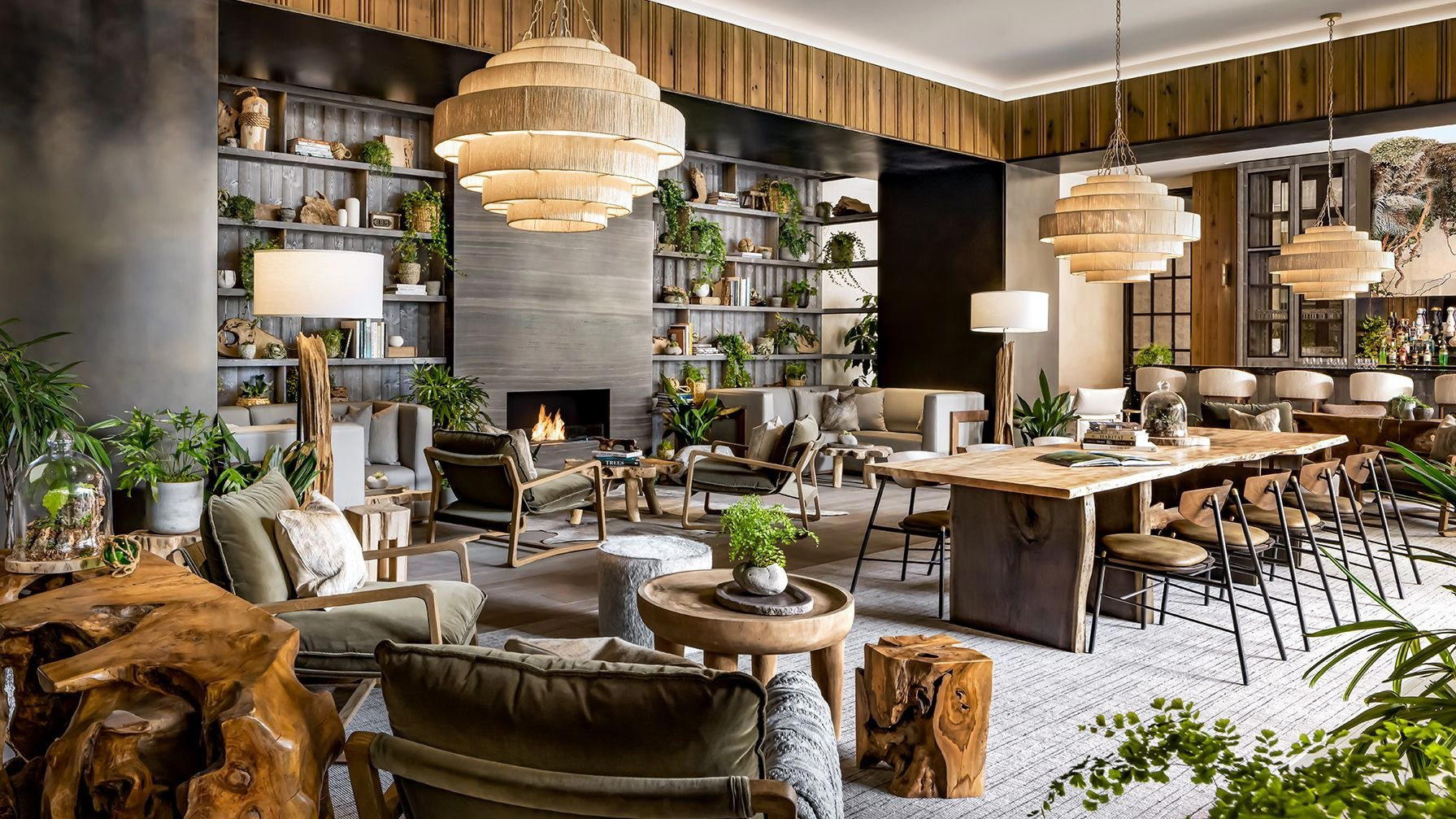
Rustic and cozy with moderate noise levels, offering a casual neighborhood atmosphere.