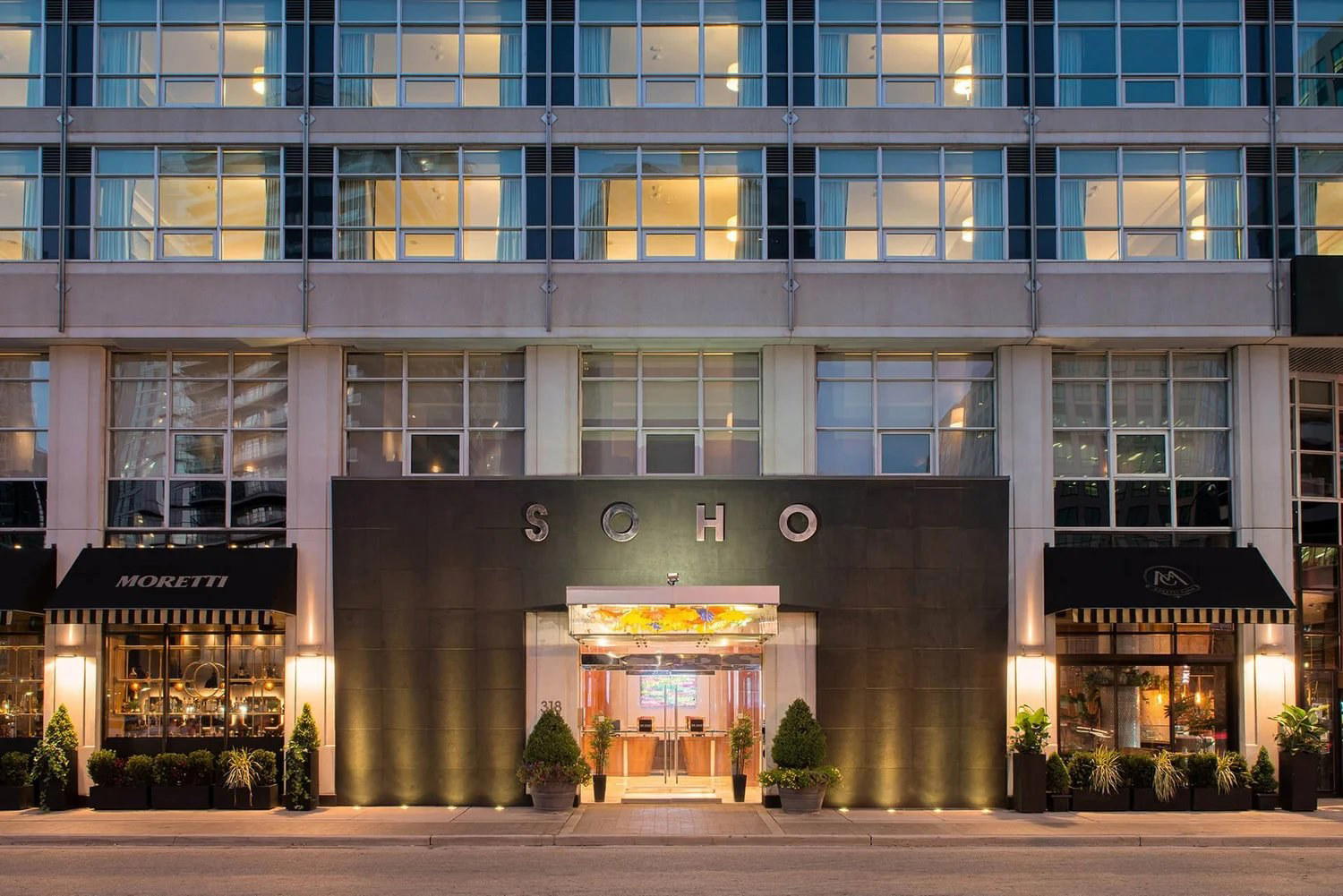
Moretti Toronto sits on Wellington Street West in the heart of the Entertainment District, positioned within the same Italian-focused tier as DaNico and Don Alfonso 1890. Where Toronto's top Italian tables have moved toward contemporary reinterpretation, Moretti draws from the deeper cultural grammar of regional Italian cooking, placing it in a specific conversation about what Italian cuisine means in a city with one of the largest Italian diaspora communities in North America.
Pearl is the En Primeur Club membership app — saves, bookings, and concierge access live there. Same editors, same standards.
- Address
- 318 Wellington St W, Toronto, ON M5V 3C7, Canada
- Phone
- +14169013099
- Website
- pizzeriamoretti.com
- Directions
- Get directions
 Saves & bookings on Pearl
Wellington West and the Weight of Italian Toronto
Wellington Street West operates at the edge of two Torontos: the glass-tower Financial District to the east and the more textured Entertainment District spreading west toward Bathurst. Restaurants along this corridor occupy a practical middle ground, drawing both the expense-account dinner and the occasion table in roughly equal measure. That location shapes what a room like Moretti's has to answer to, not just in terms of competition, but in terms of what the neighbourhood expects from Italian cooking specifically.
Toronto's Italian community, concentrated historically in neighborhoods like College Street's Little Italy and the former Ward district, represents one of the largest Italian populations outside Italy itself. That history creates a specific kind of dining pressure. When a city has a generation of people who grew up eating Sunday ragù made from memory rather than recipe, the bar for what counts as authentic isn't set by food media, it's set by lived experience. Italian restaurants in Toronto's premium tier have to answer to both audiences simultaneously: the internationally-oriented diner calibrated to contemporary Italian in New York or London, and the locally-rooted diner whose reference points are domestic and deeply personal.
Where Moretti Sits in Toronto's Italian Tier
Toronto's high-end Italian table has organized itself into two broad camps over the past decade. The first is the contemporary reinterpretation model, Italian technique applied to Canadian ingredients, menus that read more like tasting formats than traditional service, and an aesthetic vocabulary borrowed from the Nordic and Japanese minimalism that swept through global fine dining. DaNico and Don Alfonso 1890 both operate within this contemporary Italian space at the $$$$ price tier, with Don Alfonso carrying the weight of a brand lineage that traces back to the Costiera Amalfitana.
The second camp is less fashionable but more demanding: Italian cooking that takes regional specificity seriously, where the conversation is less about innovation and more about fidelity to a culinary geography that runs from Piedmont's tajarin to Sicily's pasta alla norma, each with its own flour ratios, fat sources, and seasonal logic. Moretti's positioning at 318 Wellington Street West places it in the Entertainment District's higher-register dining corridor, a stretch where Alo has set a reference point for the contemporary fine dining format at the summit of the city's pricing bracket.
Moretti occupies an interesting interpretive space for the informed diner: it should be evaluated on the terms of what Toronto's Italian tier currently demands, and by the cultural context of what Italian cooking means in this specific city rather than as a generic category marker.
The Cultural Grammar Behind Regional Italian Cooking
Italian cuisine is less a single tradition than a confederation of regional ones, and that distinction matters enormously at the table. The difference between a Bolognese made with tagliatelle cut to the width specified by the Bologna Chamber of Commerce and a version made with spaghetti isn't pedantry, it reflects centuries of agricultural history, the specific fat content of Emilian cattle, and the texture logic of egg-heavy pasta against a slow-cooked meat sauce. Restaurants that take this seriously operate differently from those that use Italian as a flavor profile.
In Canada's premium dining scene, that regional seriousness has surfaced in interesting ways. Tanière³ in Quebec City has built its identity around hyper-local sourcing as a form of culinary specificity, a model that parallels what regional Italian cooking does through geography. Restaurant Pearl Morissette in Lincoln and Eigensinn Farm in Singhampton operate on a similar premise of place-specificity. The comparison isn't direct, but the underlying logic, that great cooking is inseparable from geographic and cultural specificity, runs through all of them.
Internationally, this conversation plays out at the highest level. Le Bernardin in New York City demonstrates how deep fidelity to a culinary tradition, in that case French classical seafood technique, creates a durable identity that outlasts trends. Atomix in New York City does the same for Korean fine dining. The restaurants that last in premium urban markets tend to be those with a clear answer to the question of what tradition they're working within and why.
The Entertainment District Table: Practical Context
The Wellington Street West corridor functions as a dinner-first environment. Proximity to TIFF Bell Lightbox, Roy Thomson Hall, and the cluster of major office towers means the room likely turns across a range of occasions, pre-show dinners, client meals, and anniversary tables coexist in spaces like this. That programming reality shapes pacing, service register, and menu architecture in ways that distinguish Entertainment District restaurants from, say, the more neighbourhood-calibrated rooms in Ossington or Dundas West.
Toronto's Italian-focused dining also benefits from proximity to serious wine infrastructure. The city's LCBO flagship and several private import agents make Barolo, Brunello, and Campanian whites more accessible here than in most North American cities of comparable size, which raises expectations for Italian wine lists in the premium tier.
Sushi Masaki Saito and Aburi Hana, which have claimed significant space in the city's fine dining conversation,
AnnaLena in Vancouver, Jérôme Ferrer - Europea in Montréal, and Narval in Rimouski. For Ontario-specific exploration beyond Toronto, The Pine in Creemore and Barra Fion in Burlington offer points of comparison outside the city. Aux Anciens Canadiens in Quebec and Bearspaw Golf Club in Calgary round out the broader Canadian premium dining picture.
The Essentials
Comparable venues nearby, for context on price, style, and recognition.
| Venue | Cuisine | Price | Notes |
|---|---|---|---|
| Moretti TorontoThis venue — the venue you are viewing | Not listed | $$$ | Not listed |
| Mercatto | Not listed | $$$ | Bay Street Corridor, Casual Elegant Italian |
| Buca Osteria & Bar | Not listed | $$$ | Yorkville, Modern Coastal Italian Seafood |
| Il Ponte | Not listed | $$$ | South Riverdale, Authentic Italian Cucina |
| Piano Piano Restaurant | Not listed | $$$ | Leslieville, Polished Italian Pizza and Pasta |
| Stelvio | Little Italy, Northern Italian Lombardy | $$$ | Not listed |
Continue exploring
More in Toronto
Restaurants in Toronto
Browse all →
Bars in Toronto
Browse all →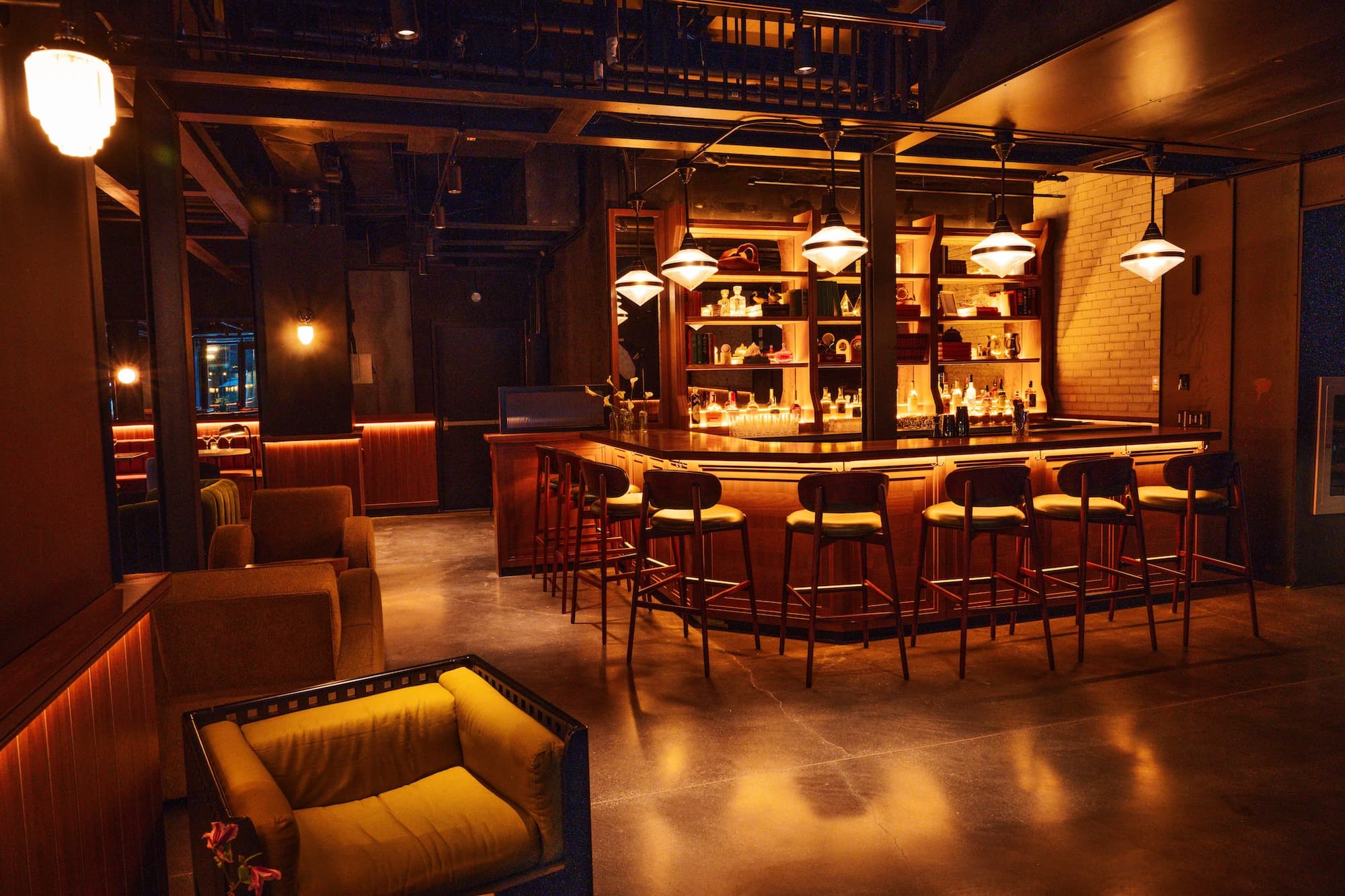
Hotels in Toronto
Browse all →

At a Glance
- Modern
- Cozy
- Elegant
- Sophisticated
- Date Night
- Group Dining
- Special Occasion
- Hotel Restaurant
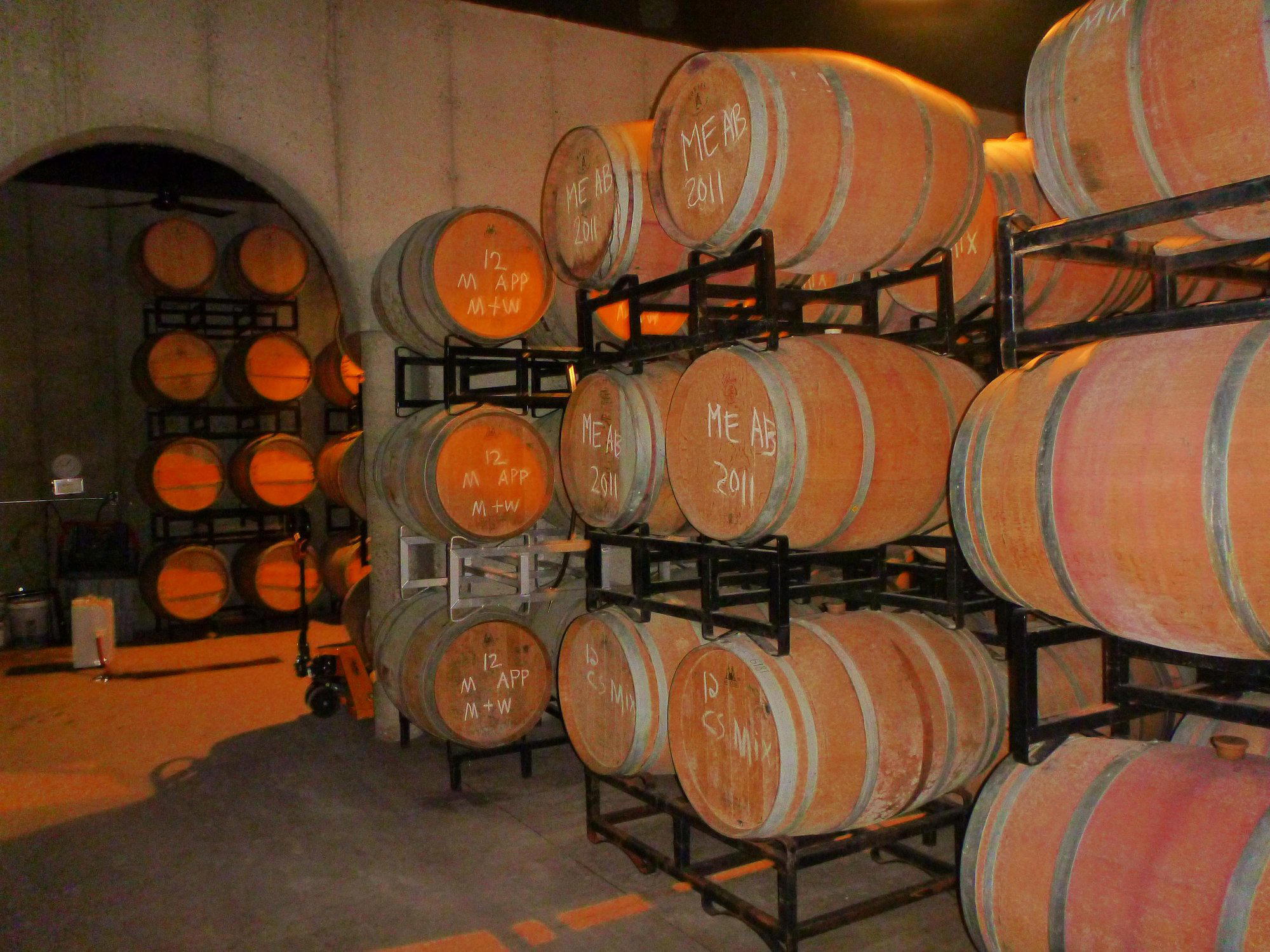
- Extensive Wine List
Current opening hours
- Monday
- 5–11 PM
- Tuesday
- 5–11 PM
- Wednesday
- 5–11 PM
- Thursday
- 5–11 PM
- Friday
- 5–11 PM
- Saturday
- 5–11 PM
- Sunday
- 5–11 PM
Hours can change for holidays and private events. Last verified .
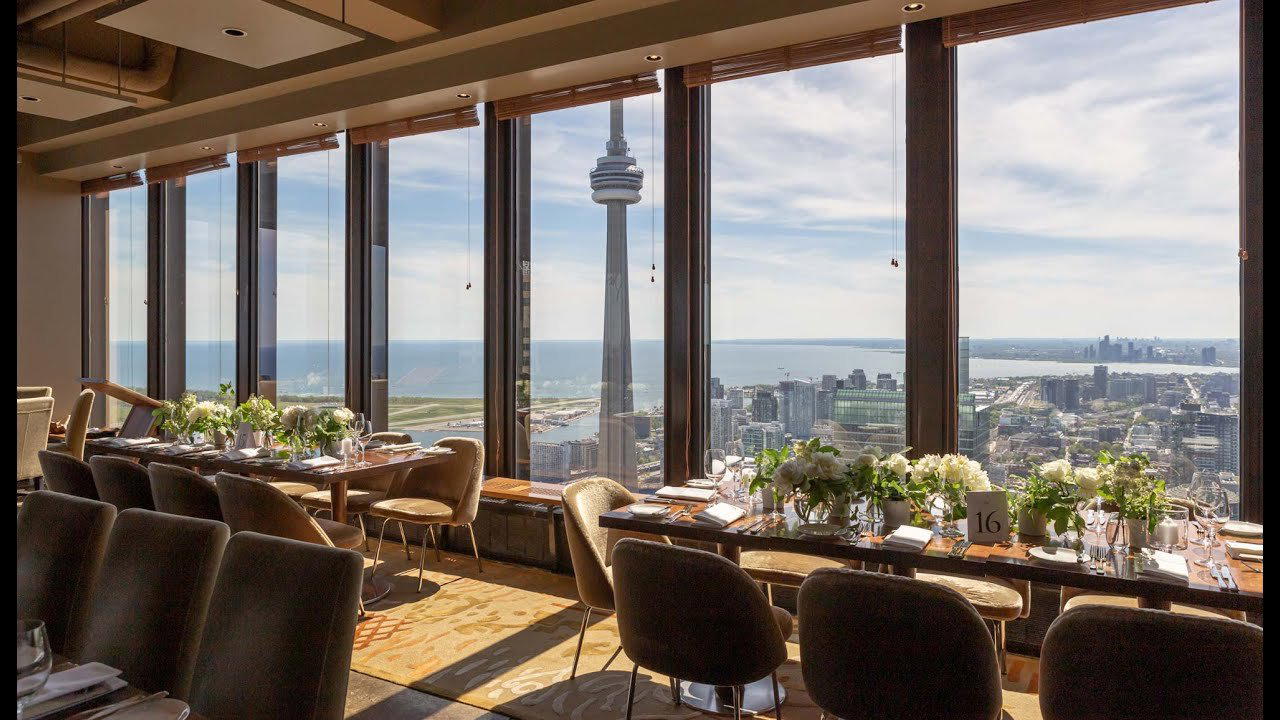
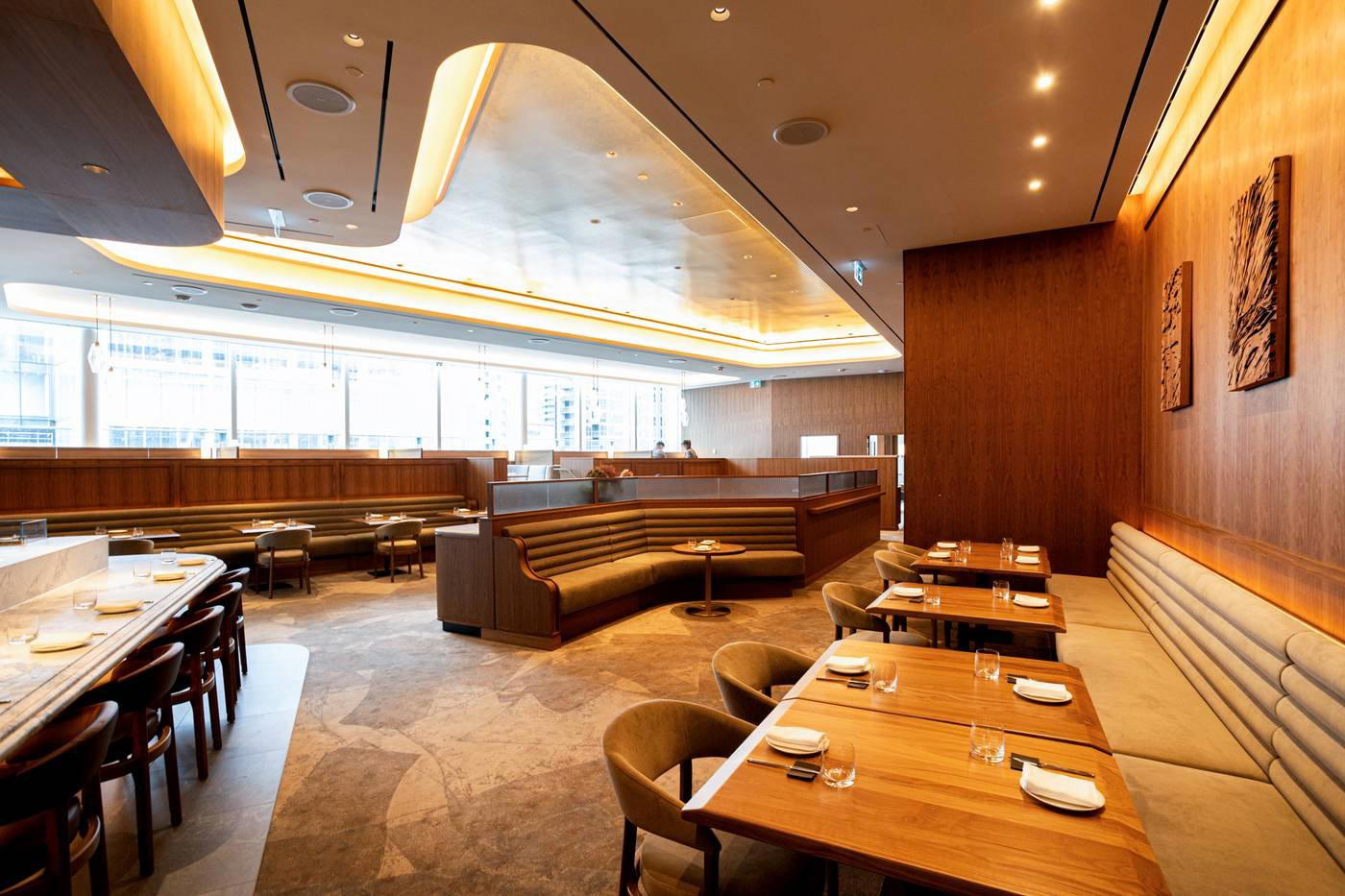
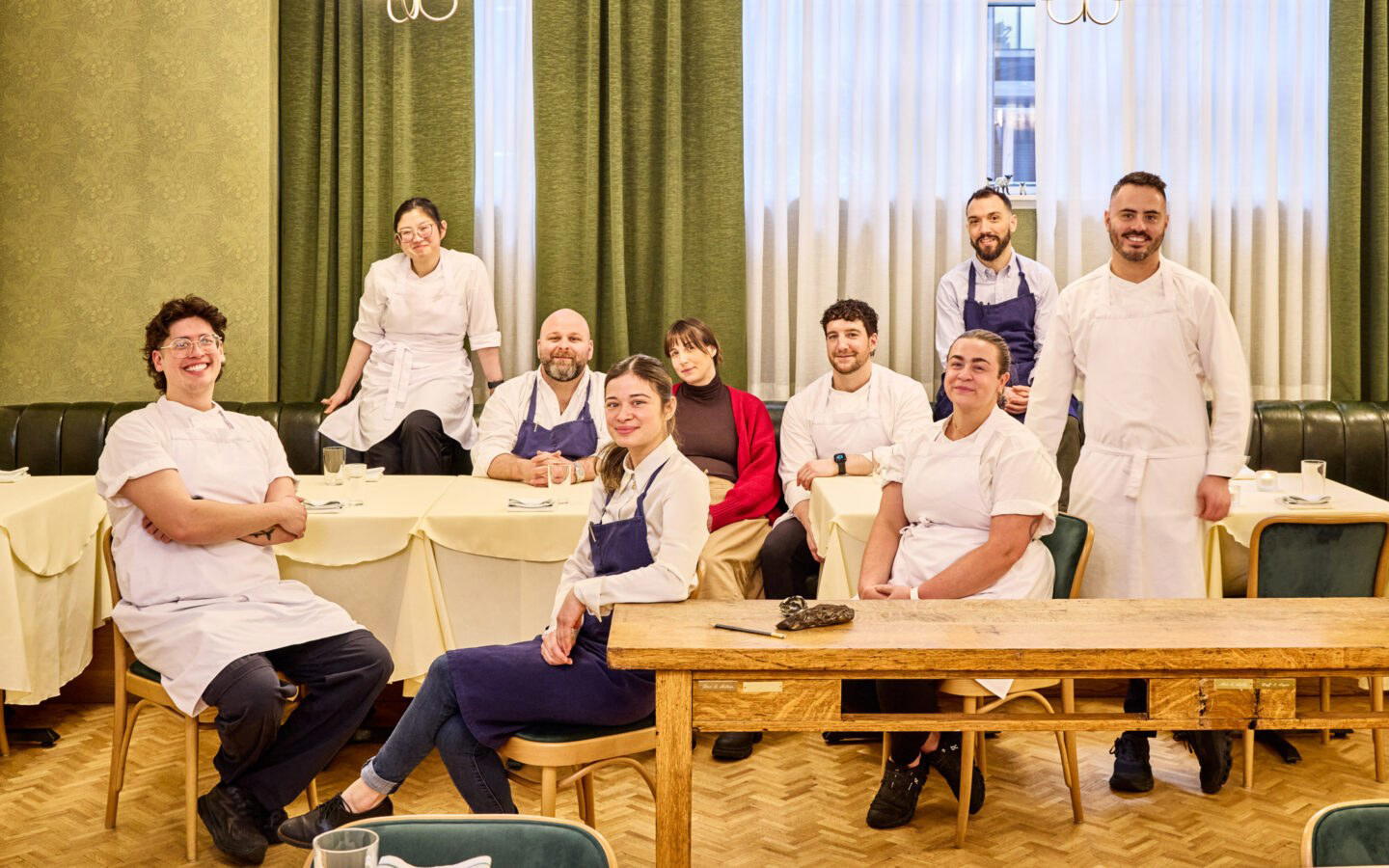
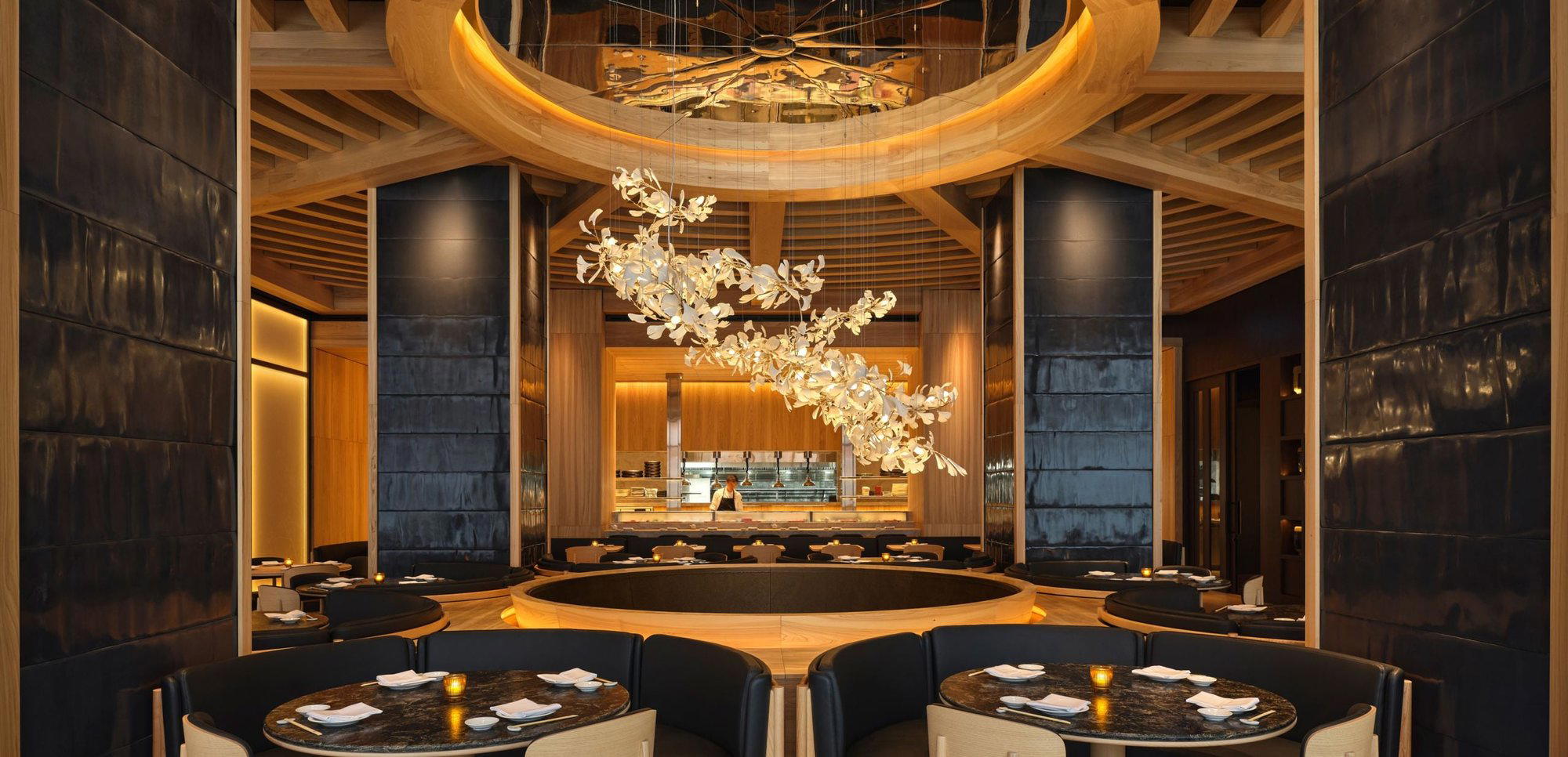
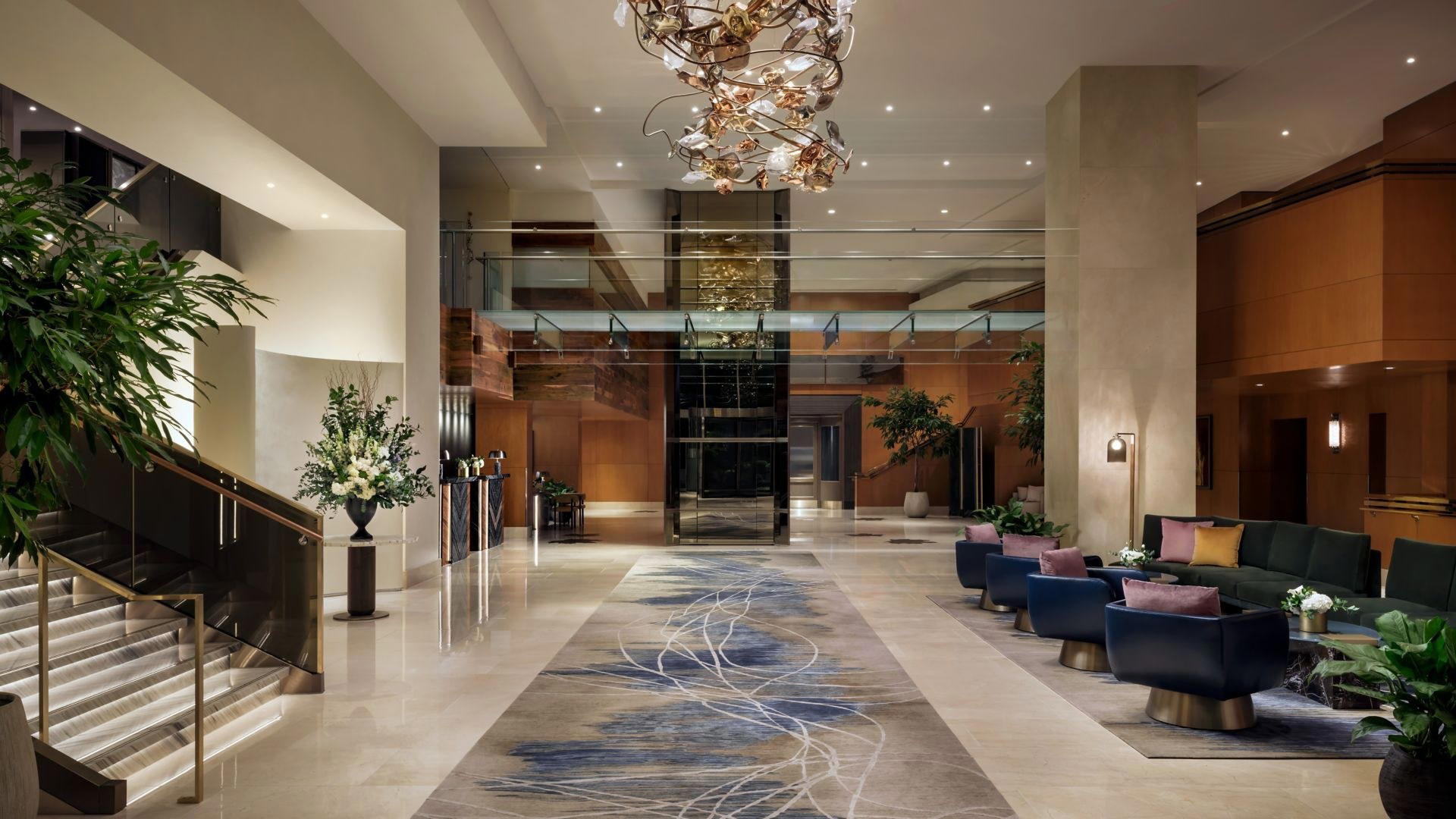
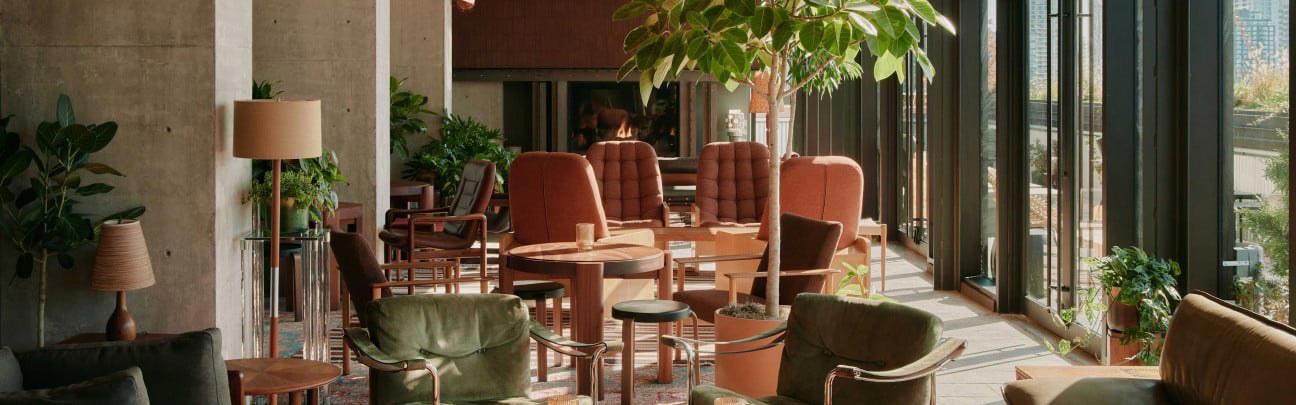
Refined and stylish interior blending modern elegance with warmth, featuring contemporary decor and inviting hospitality.