On College Street in Toronto's Discovery District, Mercatto sits at the intersection where European technique meets the Canadian larder. The restaurant draws on imported culinary traditions applied to locally sourced ingredients, placing it in a dining category that Toronto has increasingly made its own. A neighbourhood address with a menu built for a more considered kind of attention.
Pearl is the En Primeur Club membership app — saves, bookings, and concierge access live there. Same editors, same standards.
- Address
- 101 College St, Toronto, ON M5G 2C4, Canada
- Phone
- +14165955625
- Website
- mercatto.ca
- Directions
- Get directions
 Saves & bookings on Pearl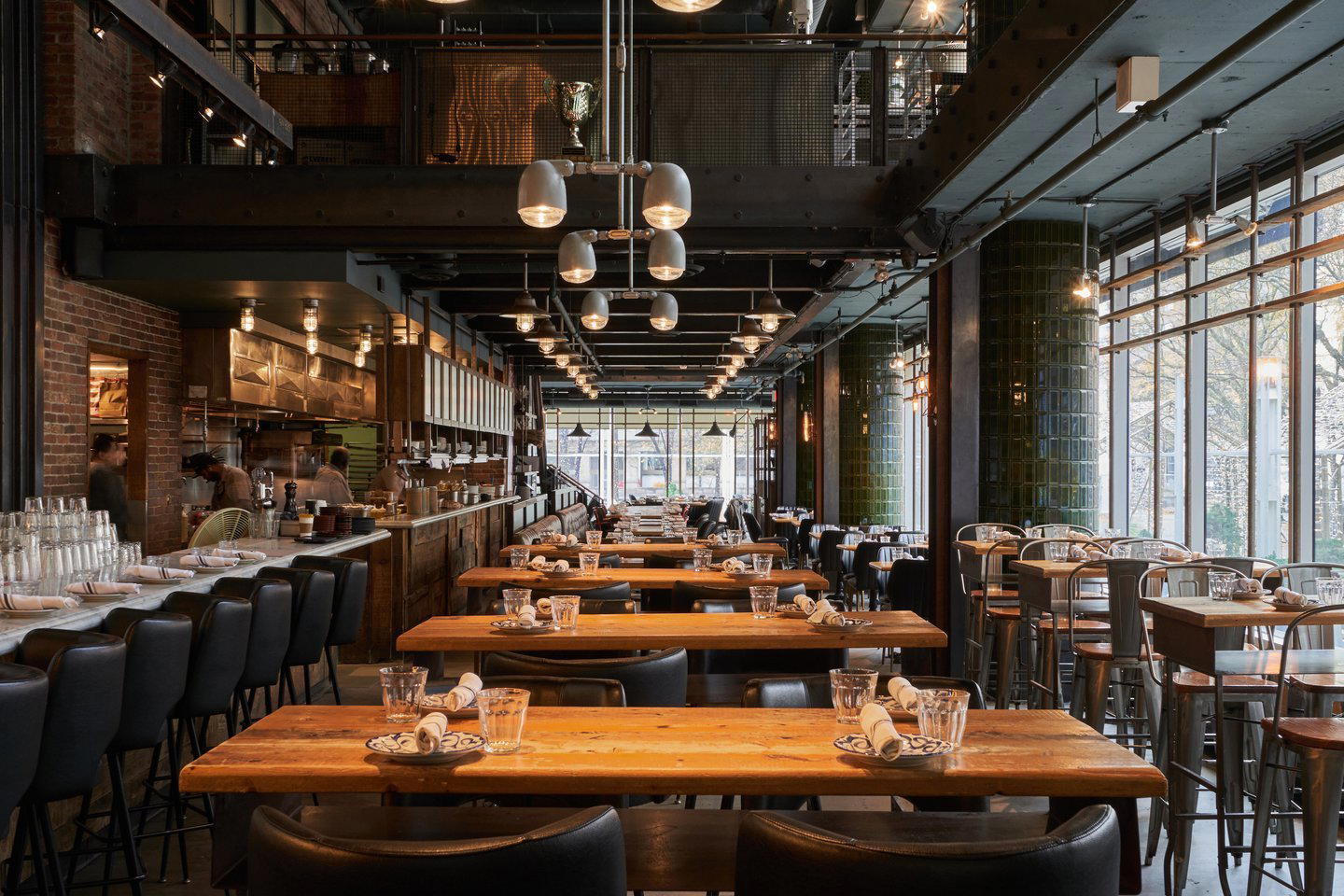
College Street and the Tradition of Technique Meeting Terrain
College Street, running west from Yonge through the Discovery District and into Little Italy, has long been one of Toronto's more quietly serious dining corridors. It lacks the concentrated critical mass of King West or the tourist visibility of the Entertainment District, which means the restaurants that anchor here tend to do so on merit rather than foot traffic. Mercatto, at 101 College Street, is a casual elegant Italian restaurant in Toronto with a $45 per-person price point. It occupies that kind of position: a room you find because someone directed you there, not because you stumbled past a lineup.
The broader context matters. Toronto's mid-to-upper dining tier has spent the last decade working through a specific tension: how to apply European technical frameworks to a Canadian ingredient story without the result reading as either pastiche or provenance-heavy cliche. The restaurants that resolve that tension most convincingly tend to work quietly, letting sourcing decisions accumulate into a coherent identity rather than announcing them on a chalkboard. That is the operative tradition Mercatto belongs to, whatever its current menu configuration.
Where Italian Technique Meets the Canadian Larder
Italian cuisine, applied seriously to non-Italian ingredients, produces some of the more interesting dining in cities with strong agricultural hinterlands. The technique set is precise and codified: long braises, handmade pasta with specific hydration ratios, the careful reduction of fats and aromatics into something that tastes like it took longer than it did. When that tradition encounters a genuinely different larder, the results depend almost entirely on how much the kitchen is willing to subordinate habit to terroir.
Toronto's Italian dining category illustrates this spectrum clearly. At the $$$$ tier, you have operations like DaNico and Don Alfonso 1890, both of which press European frameworks into contemporary fine-dining formats with considerable technical rigour. Mercatto operates in a different register, one that is more accessible in spirit without abandoning the discipline that makes Italian cooking worthwhile in the first place. That positioning, between neighbourhood trattoria and formal Italian, is among the harder ones to execute credibly.
Across Canada, the local-ingredients-global-technique conversation has produced some of the country's more compelling cooking. Tanière³ in Quebec City works with indigenous and hyperlocal ingredients through a format that owes as much to Nordic precision as to French Quebec tradition. AnnaLena in Vancouver applies a similar logic to Pacific Northwest produce. Ontario has its own version of this through operations like Eigensinn Farm in Singhampton and The Pine in Creemore, where the farm-to-table commitment is structural rather than decorative. Mercatto's College Street address places it in the city end of that conversation, where sourcing decisions are necessarily more distributed but no less intentional.
The Broader Toronto Restaurant Context
Toronto's dining scene has matured considerably, and the evidence is visible in the diversity of its serious mid-range options. The city no longer needs to apologize for its restaurant culture by comparison to New York or London. What it has instead is a genuinely pluralist food city with deep immigrant culinary traditions, a strong agricultural supply chain in Ontario's Greenbelt and Niagara region, and a growing tier of kitchens willing to work at the intersection of both.
At the summit of the critical pile, Alo continues to anchor the contemporary fine-dining conversation, while the Japanese counter tradition is represented at high levels by Sushi Masaki Saito and Aburi Hana, both of which apply Japanese precision to Canadian seafood with considerable success. The question for any mid-range Italian operation is where it positions relative to this broader ecosystem: too casual and it becomes interchangeable, too formal and it loses the warmth that makes Italian dining worth seeking out in the first place.
For comparison beyond Toronto, the technique-over-terroir question appears across Canadian cities. Jérôme Ferrer's Europea in Montreal applies European fine-dining discipline to a broadly French-influenced menu, while Narval in Rimouski works with regional Quebec ingredients through a technique-forward format. Restaurant Pearl Morissette in Lincoln, in Ontario's wine country, demonstrates what happens when local sourcing is treated as a non-negotiable constraint rather than a marketing choice. These are different expressions of the same underlying impulse, and they provide useful coordinates for understanding where any given Toronto restaurant sits in the national conversation.
Internationally, the technique-meets-local-product conversation is well-established at the highest levels. Le Bernardin in New York City built a three-Michelin-star reputation by applying French classical technique to seafood sourced with near-obsessive specificity. Atomix in New York does something analogous with Korean technique and American produce. The pattern is consistent: particularly convincing expressions of global technique applied locally are those where the technique serves the ingredient rather than the reverse.
What to Know About the College Street Address
The 101 College Street location puts Mercatto within walking distance of the University of Toronto's downtown campus and Queen's Park, in a stretch of the street that transitions between the medical and academic institutions of the Discovery District and the residential and independent-restaurant character of the streets running west toward Bathurst. The area is not a dining destination in the concentrated sense that some Toronto neighbourhoods are, which tends to work in favour of restaurants that rely on return visitors rather than tourists looking for a recognisable strip.
Getting to College and University by transit is direct: the College streetcar (506) runs east-west along the street, and the subway at Queen's Park station is a short walk north. Parking in the immediate area is limited, consistent with most of central Toronto's mid-city corridors.
Toronto's Italian dining tradition is also represented beyond the city proper. Barra Fion in Burlington and Aux Anciens Canadiens in Quebec each represent regional variations on the European-technique-Canadian-context theme, and Bearspaw Golf Club in Calgary shows how the fine-dining format adapts to different Canadian settings. The point of these comparisons is not to suggest equivalence but to map the range of approaches available to a Canadian diner trying to understand what any one restaurant is actually doing.
Know Before You Go
Address: 101 College St, Toronto, ON M5G 2C4
Transit: College streetcar (506); Queen's Park subway station (short walk north)
Neighbourhood: Discovery District / College Street corridor, central Toronto
Price context: Mid-range Italian; positions below the $$$$ tier occupied by DaNico and Don Alfonso 1890
Planning note: Hours: Mon to Fri 8 AM to 10 PM; Sat and Sun closed. Reservations are recommended.
Where It Fits
Comparable venues nearby, for context on price, style, and recognition.
| Venue | Cuisine | Price | Notes |
|---|---|---|---|
| MercattoThis venue — the venue you are viewing | Casual Elegant Italian | $$$ | Not listed |
| Positano Restaurant | Authentic Neapolitan Italian | $$$ | Davisville Village |
| Nodo Junction | Casual Italian Pizza and Pasta | $$$ | The Junction |
| Donatello | Authentic Italian Fine Dining | $$$ | Downtown Yonge |
| Amano Trattoria | Modern Italian Trattoria | $$$ | Church-Yonge Corridor |
| Occhiolino | Handmade Italian Pasta | $$ | Harbord Village |
Continue exploring
More in Toronto
Restaurants in Toronto
Browse all →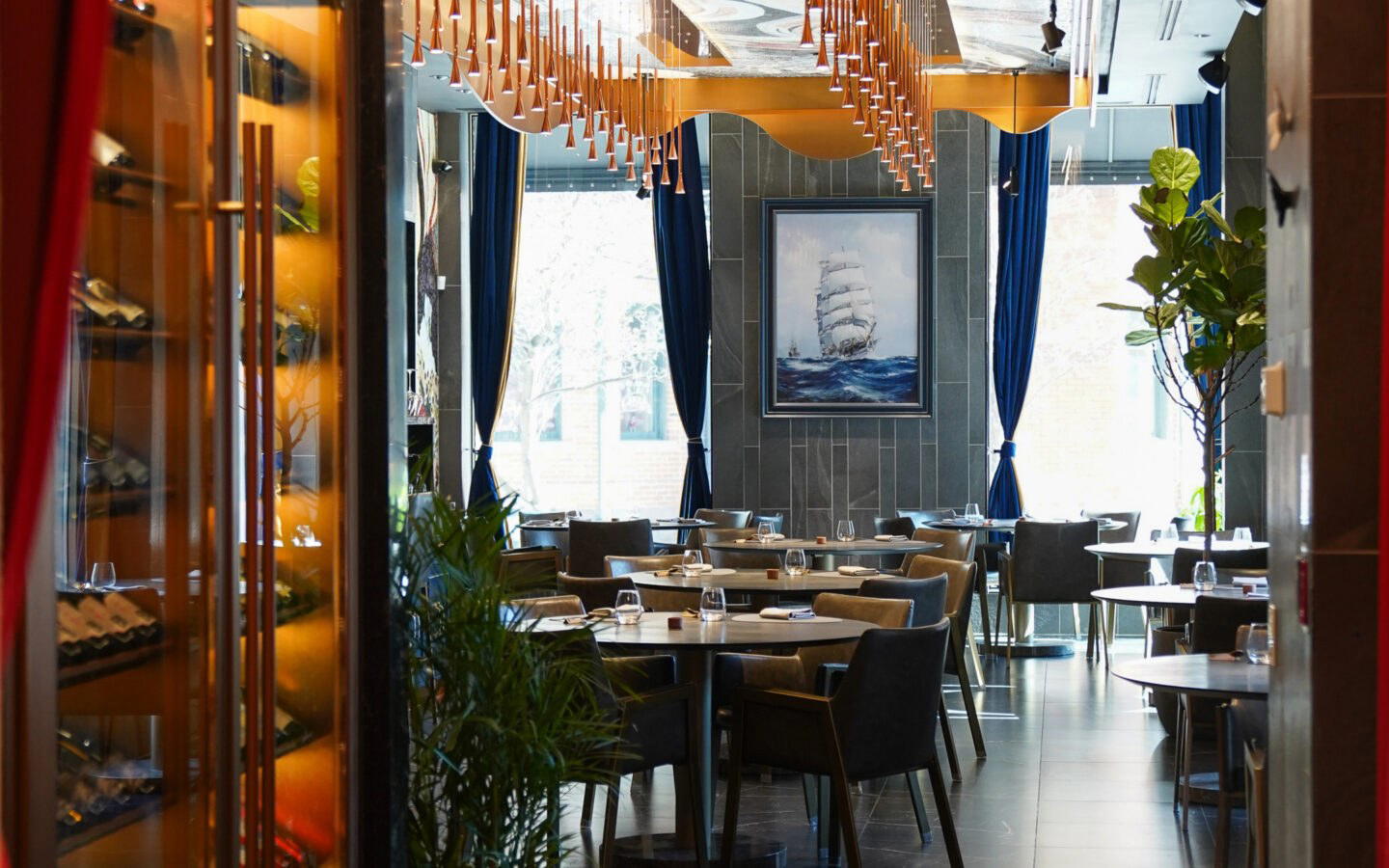
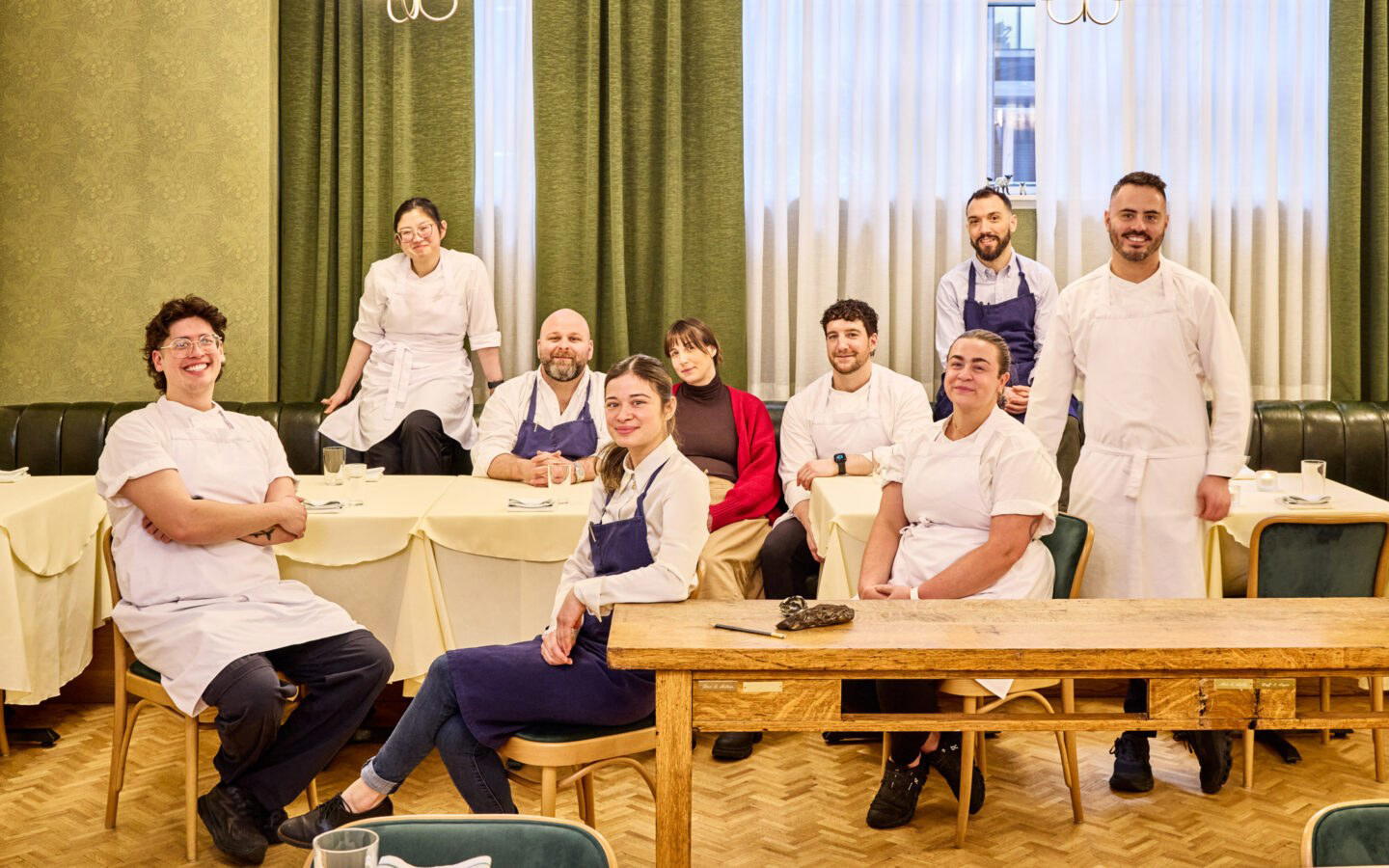

Bars in Toronto
Browse all →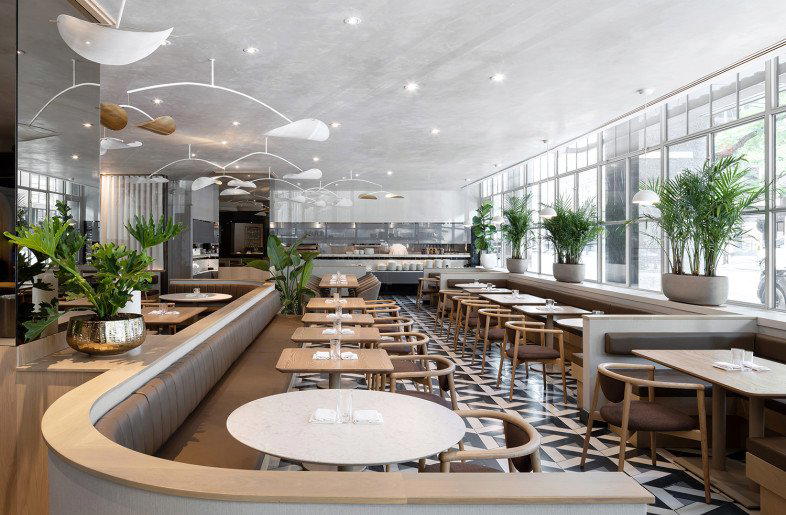
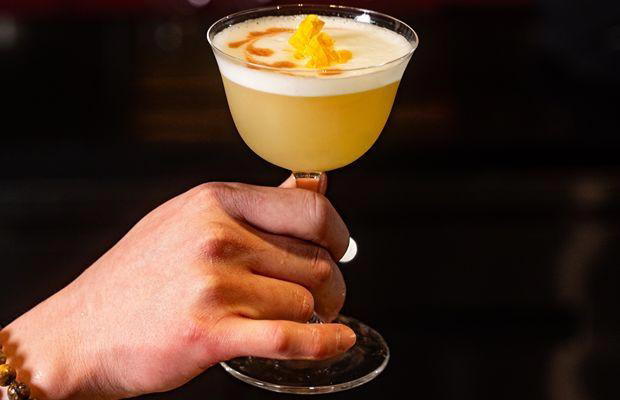
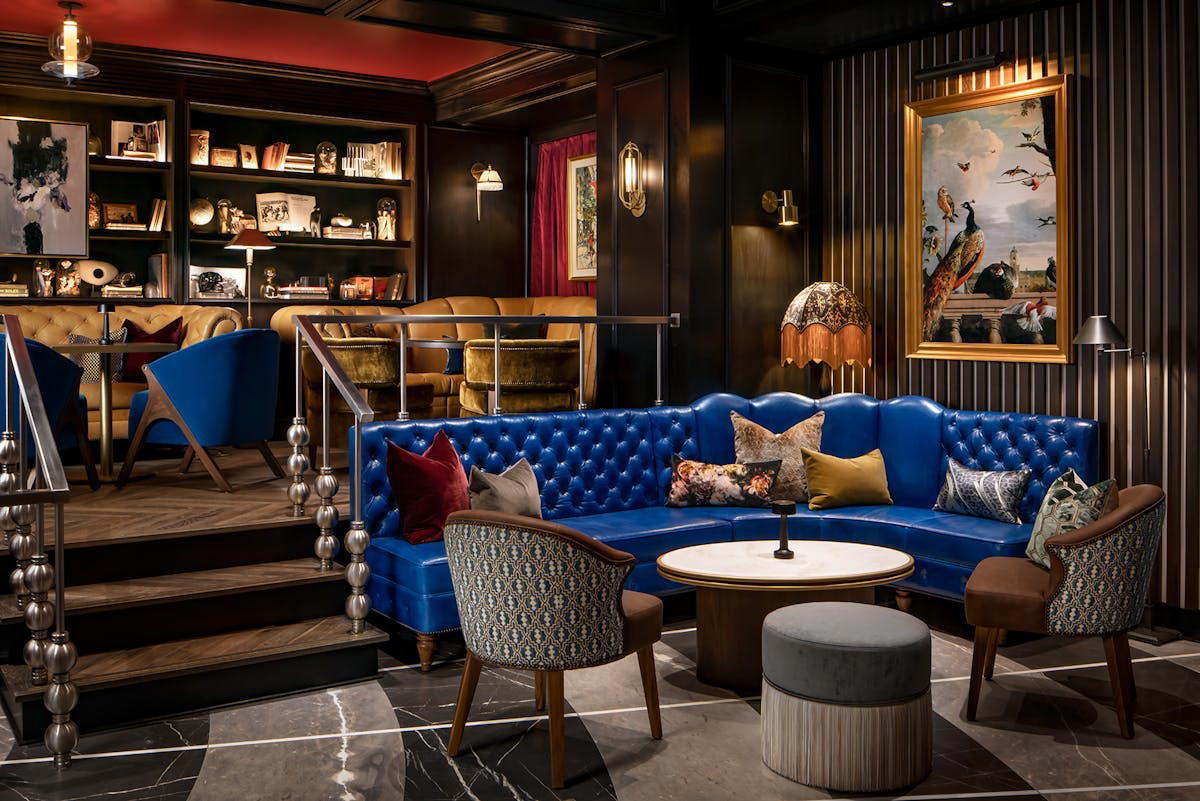
Hotels in Toronto
Browse all →

At a Glance
- Lively
- Modern
- Elegant
- Date Night
- Group Dining
- Casual Hangout
- Open Kitchen
- Extensive Wine List
Current opening hours
- Monday
- 8 AM–10 PM
- Tuesday
- 8 AM–10 PM
- Wednesday
- 8 AM–10 PM
- Thursday
- 8 AM–10 PM
- Friday
- 8 AM–10 PM
- Saturday
- Closed
- Sunday
- Closed
Hours can change for holidays and private events. Last verified .
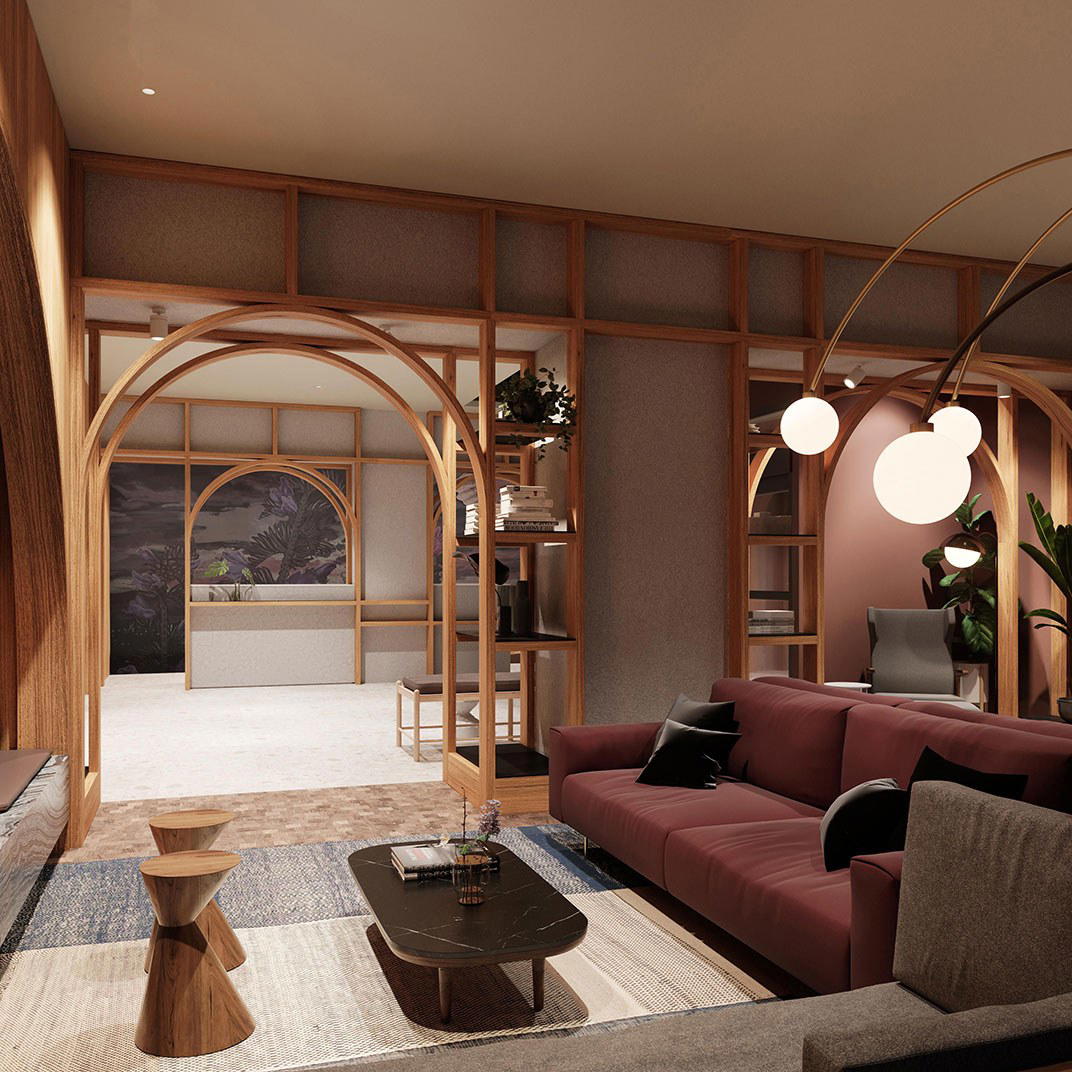
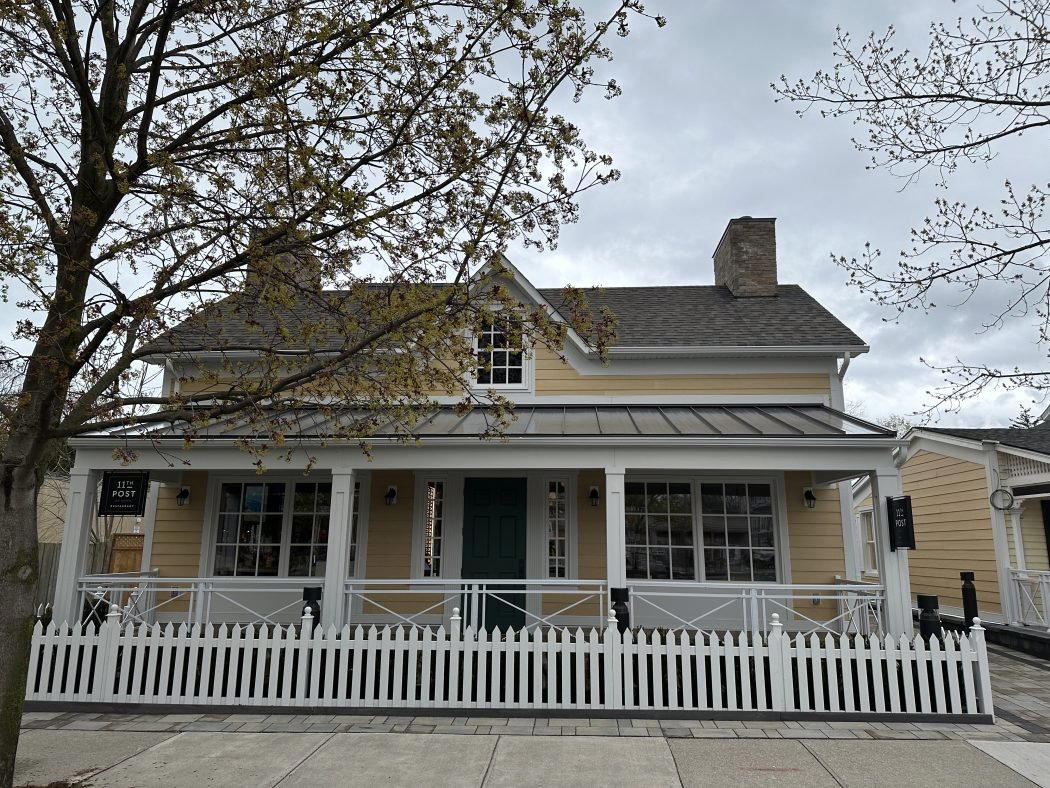
Lively and chic-casual atmosphere with a relaxed patio vibe, featuring warm lighting and an approachable yet elegant setting.