Nobu Los Angeles

Our verdict
Nobu Los Angeles on La Cienega Boulevard occupies a specific position in the city's Japanese-Peruvian dining conversation: established enough to have shaped what that fusion now means in Southern California, attended enough that the room itself functions as a social theater. The lunch and dinner services read as near-separate propositions, making time-of-day a genuine strategic choice for the reader planning a visit.

Pearl is the En Primeur Club membership app, where members save venues, book tables and use the concierge.

The menu
What to order
- Black Cod Miso
- Yellowtail Jalapeño
- Rock Shrimp Tempura
- Crispy Rice with Spicy Tuna
La Cienega's Most Calculated Room
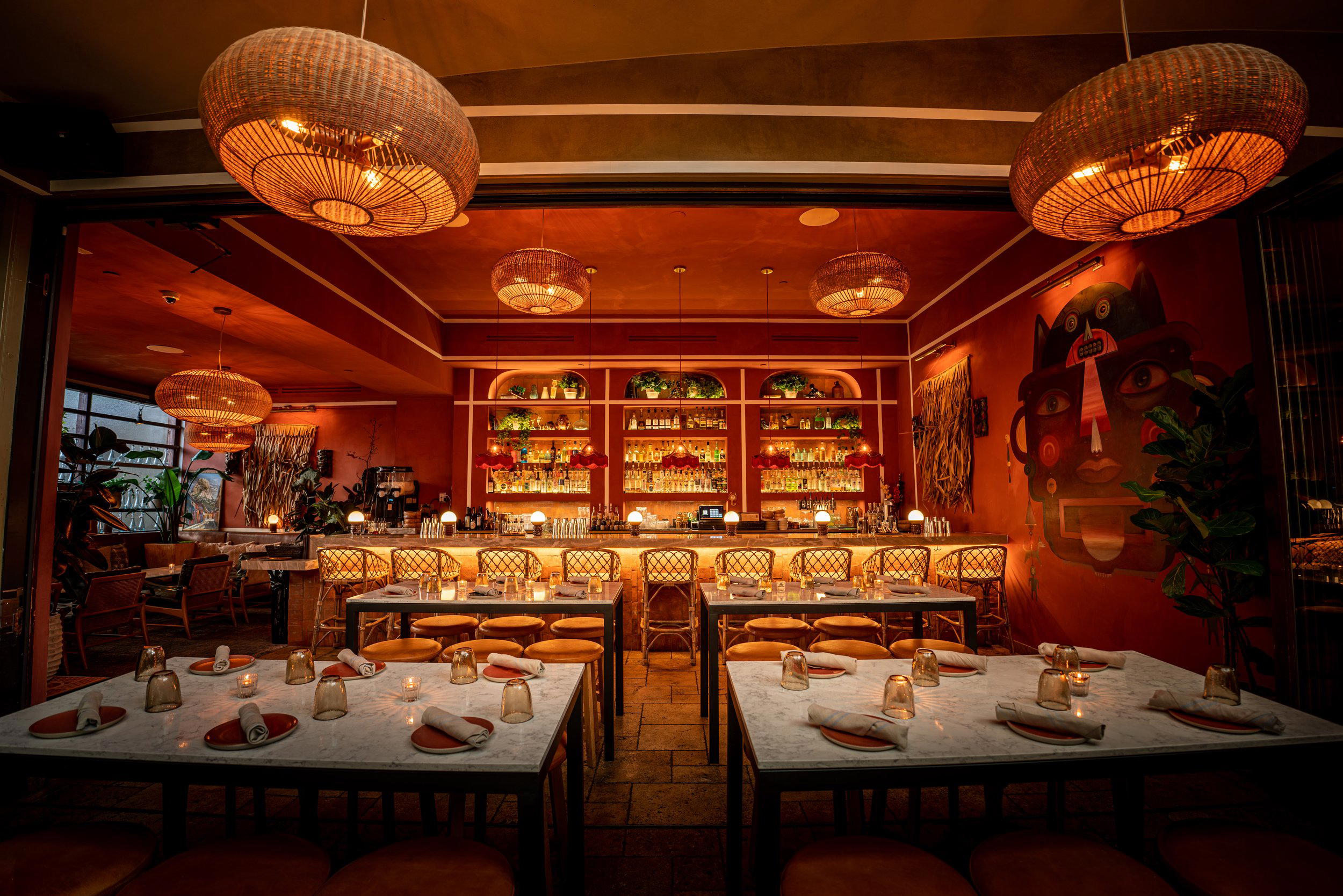
West Hollywood's restaurant corridor on La Cienega Boulevard has always functioned as a proving ground, the kind of street where concept restaurants come to be tested against a crowd that has seen most things and retains the option to go elsewhere. Nobu Los Angeles sits along that stretch at 903 N La Cienega Blvd, and the room announces itself with a particular kind of deliberate calm: low lighting, materials that absorb rather than reflect, a spatial logic that channels attention toward the counter and away from the window. It is an environment designed to make the food feel considered rather than theatrical, which is the correct call for a kitchen whose output depends on technical restraint over spectacle.
The Nobu brand operates across dozens of cities globally, from New York to Hong Kong, and the Los Angeles outpost carries the weight of that lineage while also functioning as a neighbourhood institution. In a city where Japanese-Peruvian cooking has been absorbed and reinterpreted by a younger generation of chefs, the original template still draws a specific kind of diner: one who wants the reference point, not the interpretation.
Lunch vs. Dinner: Two Separate Propositions
The lunch-versus-dinner divide at Nobu Los Angeles is more than a scheduling question. Across Japanese fine-dining more broadly, the daytime service tends to compress the format: shorter courses, a higher proportion of set options, and a room that runs quieter because the social-theater function of dinner has not yet switched on. The evening service is where the room becomes a performance in itself, where the energy shifts from purposeful to ambient, and where the à la carte ordering that defines the Nobu experience opens into its fullest expression.
For a diner prioritising the food over the scene, lunch at a restaurant operating at this tier often represents stronger value per dish. The kitchen is running on the same sourcing, the counter seats are accessible without the evening competition for placement, and the pacing is more legible. Dinner, by contrast, is where the full social register of the restaurant activates. West Hollywood operates on a later schedule than most American cities, sittings that in Chicago or San Francisco would feel late read as standard here. At Alinea in Chicago or The French Laundry in Napa, the evening service functions as a singular immersive event. At Nobu Los Angeles, dinner is more fluid, more interruptible, the kind of meal where the room is part of what you are paying for.
That distinction matters for how you plan. If the priority is the Japanese-Peruvian cooking on its own terms, with attention to the kitchen's output, the quieter service offers the cleaner read. If the priority is Los Angeles as a cultural experience, with the restaurant as social infrastructure, the evening sitting delivers that in full.
Where This Kitchen Fits in Los Angeles
Los Angeles has developed a sophisticated tier of Japanese and Japanese-adjacent restaurants that now operates at significant critical depth. Hayato runs kaiseki at a level that competes with the leading counters in Japan. Kato has reframed New Taiwanese cooking through a fine-dining lens that earned it sustained recognition from international critics. Somni operates at the molecular end, where the format itself is the argument.
That is not a diminishment. Restaurants that serve as reliable reference points for a specific cuisine intersection perform a function that newer conceptual kitchens cannot. The Japanese-Peruvian synthesis that Nobu introduced to the mainstream dining conversation in the 1990s is now a recognisable category with practitioners across the city and beyond. Dining at the originating address is, at this point, a form of culinary archaeology as much as it is a meal.
For readers who have visited comparable addresses in other cities, the comparisons are instructive. Providence on Melrose Avenue represents a different strand of LA's serious dining culture, one rooted in contemporary seafood and tasting-menu discipline. Osteria Mozza sits in the Italian-Californian tradition. Nobu occupies its own column entirely: globally legible, locally embedded, and operating at a price point that reflects both conditions.
The Nobu Format Across Geographies
Understanding the Los Angeles address is easier with reference to how the brand reads elsewhere. The global network spans properties from New York to Hong Kong, and each location navigates the tension between consistency and local adaptation. Restaurants like Emeril's in New Orleans, Lazy Bear in San Francisco, and Single Thread Farm in Healdsburg each operate as singular addresses with no network behind them; the experience is non-transferable. Nobu's proposition is the inverse: you are buying into something that has been tested, refined, and made consistent across a global footprint, with the Los Angeles room adding the specific charge of being the address where the format first established its Hollywood reputation.
That reputation still carries weight. The dining room at La Cienega has served as a backdrop for enough industry relationships and late-night negotiations that it holds a form of ambient cultural authority that no amount of critical repositioning can fully replace. Comparable status properties elsewhere, including Bacchanalia in Atlanta, Addison in San Diego, and The Inn at Little Washington, each carry their own form of that institutional gravity in their respective cities.
Planning Your Visit
The logistics here follow the pattern of established West Hollywood dining. Reservations are advisable for dinner; the room fills on a consistent schedule, and walk-in availability at peak hours is not reliably predictable. For readers whose dining interests extend across the city, our full Los Angeles restaurants guide maps the broader scene, including newer arrivals like Atomix in New York City for those also travelling east, and Blue Hill at Stone Barns in Tarrytown for the farm-to-table counterpoint.
At a Glance: Nobu Los Angeles vs. Peer Venues
| Venue | Cuisine | Price Tier | Format | Primary Draw |
|---|---|---|---|---|
| Nobu Los Angeles | Japanese-Peruvian | $$$-$$$$ | À la carte + set | Scene + reference cuisine |
| Hayato | Japanese kaiseki | $$$$ | Omakase | Technique-forward kaiseki |
| Kato | New Taiwanese, Asian | $$$$ | Tasting menu | Critical recognition, evolution |
| Somni | Progressive, molecular | $$$$ | Set tasting | Conceptual dining, immersion |
| Providence | Contemporary seafood | $$$$ | Tasting + à la carte | Serious seafood, Michelin recognition |
Frequently asked questions
Where is Nobu Los Angeles located?
Nobu Los Angeles is located at 903 N La Cienega Blvd, Los Angeles, CA 90069, Los Angeles.
Is Nobu Los Angeles part of a global chain, and does that affect the quality at the West Hollywood location?
Nobu operates properties across multiple continents, from New York and Miami to London and Tokyo, but the Los Angeles address on La Cienega is not a diluted outpost. The Japanese-Peruvian format that defines the brand was developed and refined in part through this California market, giving the West Hollywood location a degree of culinary authority that newer entries in the same city cannot claim by proximity to the original concept.
What should I order at Nobu Los Angeles?
The kitchen at Nobu Los Angeles is most coherently read through its Japanese-Peruvian synthesis: preparations that apply Japanese precision to South American ingredients and acidity. That combination, developed across the Nobu network from New York onward, is what differentiates this address from the broader Japanese restaurant tier in Los Angeles. Order accordingly rather than defaulting to straightforwardly Japanese dishes available elsewhere on La Cienega.
Do I need a reservation for Nobu Los Angeles?
For dinner at 903 N La Cienega Blvd, yes. Evening service in West Hollywood runs at a pace that makes walk-in seating unreliable across most of the week, not just weekends. Lunch carries more flexibility, but the dinner room fills on a consistent schedule. Book ahead.
What makes Nobu Los Angeles worth seeking out?
Nobu Los Angeles occupies a position that more recently opened Japanese and Japanese-adjacent restaurants in the city have not yet replicated: it is the address where Japanese-Peruvian cooking was normalized for the Los Angeles market, and the room on La Cienega carries the institutional weight that comes with that history. Newer venues like Hayato operate at significant critical depth, but they are doing something categorically different.
Can Nobu Los Angeles handle vegetarian requests?
The Nobu format is pescatarian-friendly by design, with much of the menu built around fish, shellfish, and vegetable preparations inside the Japanese-Peruvian framework. Fully plant-based requests are workable but narrower; the kitchen's strengths sit with seafood. Confirm specifics directly with the restaurant when booking.
Cuisine Context
Comparable venues nearby, for context on price, style, and recognition.
| Venue | Cuisine | Price | Notes |
|---|---|---|---|
| Nobu Los AngelesThis venue (the venue you are viewing) | Japanese-Peruvian Fusion | $100–150 | Not listed |
| Koi | Japanese Sushi Fusion | $50–100 | Beverly Grove |
| Sushi Yotsuya | Traditional Japanese Omakase | $100–150 | Tarzana |
| Katsuya | Modern Japanese Sushi & Omakase | $50–100 | Westwood |
| Go’s Mart | Omakase Sushi Bar | $150–200 | San Fernando Valley |
| Shu Restaurant | Japanese-Italian-Latin Fusion | $50–100 | Beverly Glen |
Recognition history
Dated appearances from independent guides and award organizations, with the underlying list record or original source where available.
Opinionated About Dining Top Restaurants in North America Recommended
Opinionated About Dining
Full recognition history (3 entries)
Opinionated About Dining Top Restaurants in North America Ranked #608
Opinionated About Dining
Opinionated About Dining Top Restaurants in North America Ranked #596
Opinionated About Dining
Continue exploring
More in Los Angeles
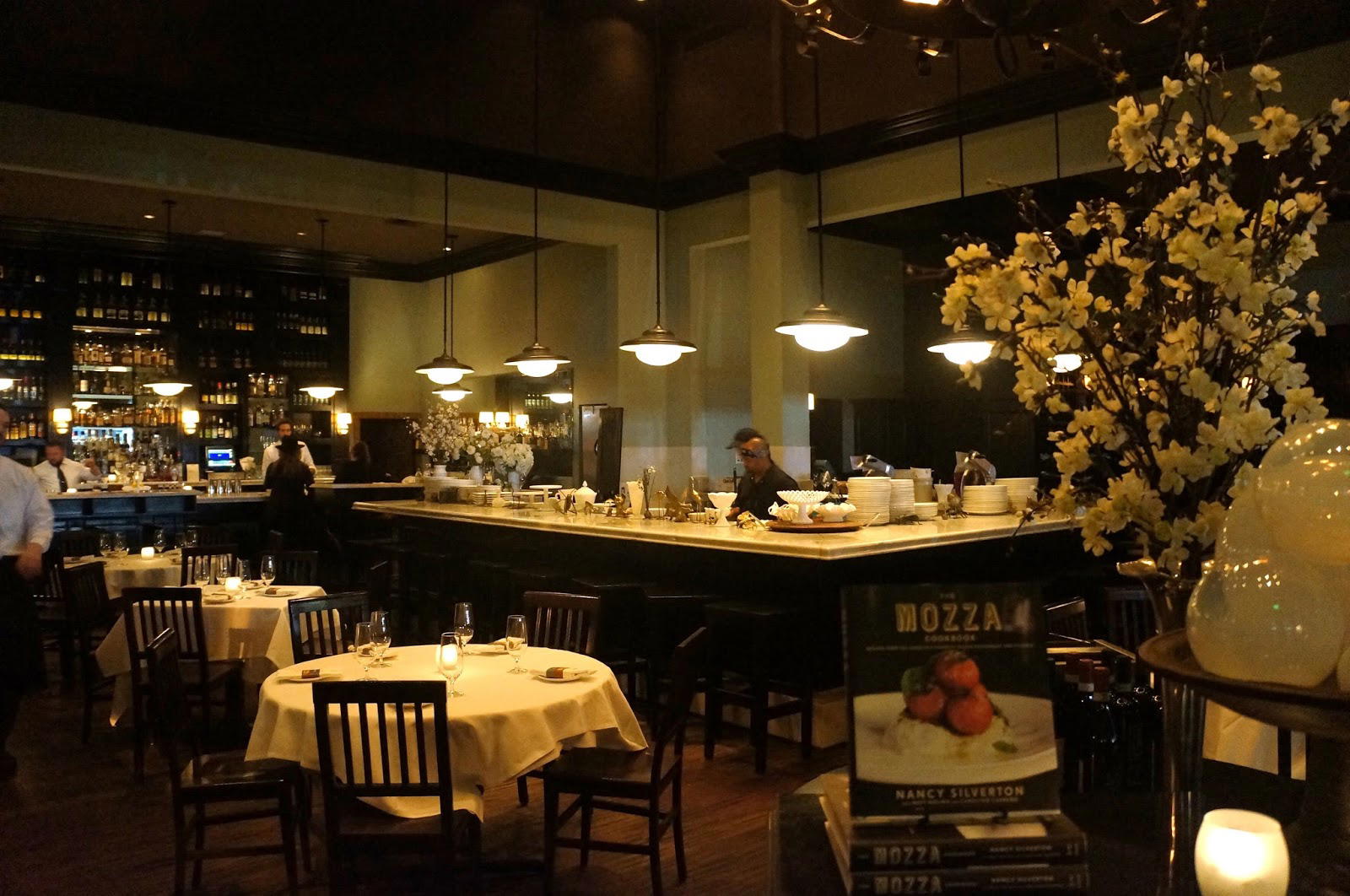
Restaurants in Los Angeles
All restaurants in Los Angeles →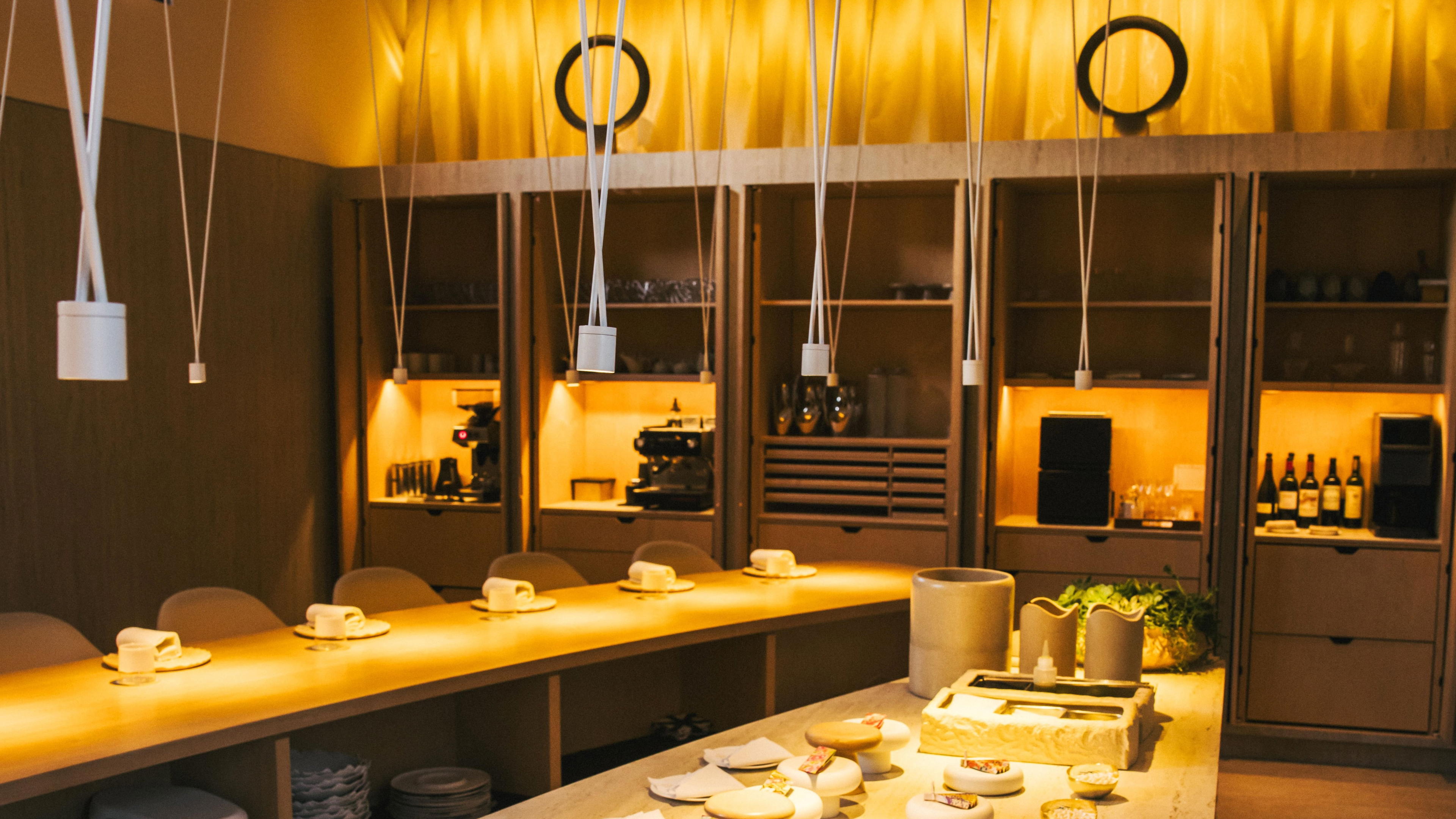
Bars in Los Angeles
All bars in Los Angeles →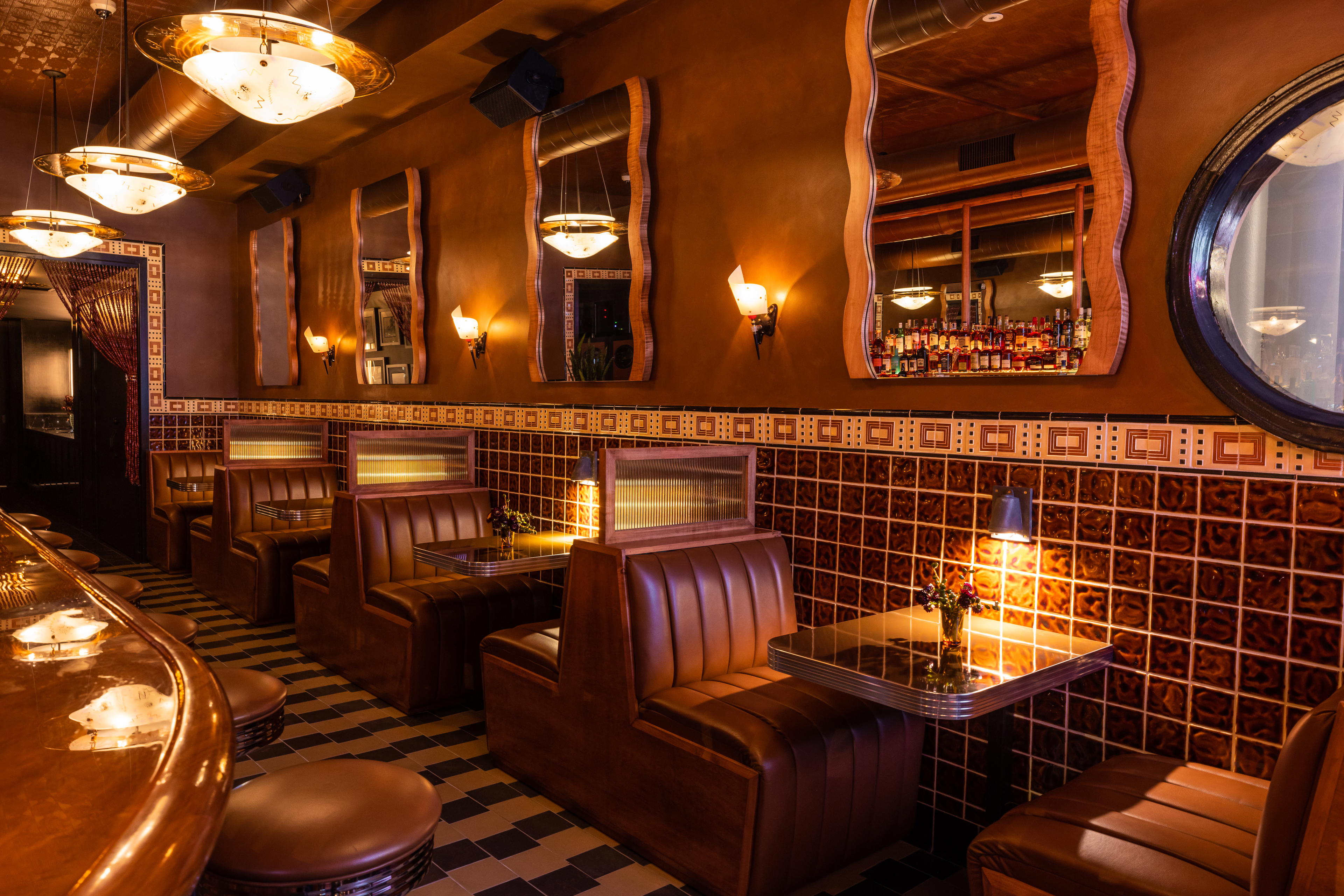
Hotels in Los Angeles
All hotels in Los Angeles →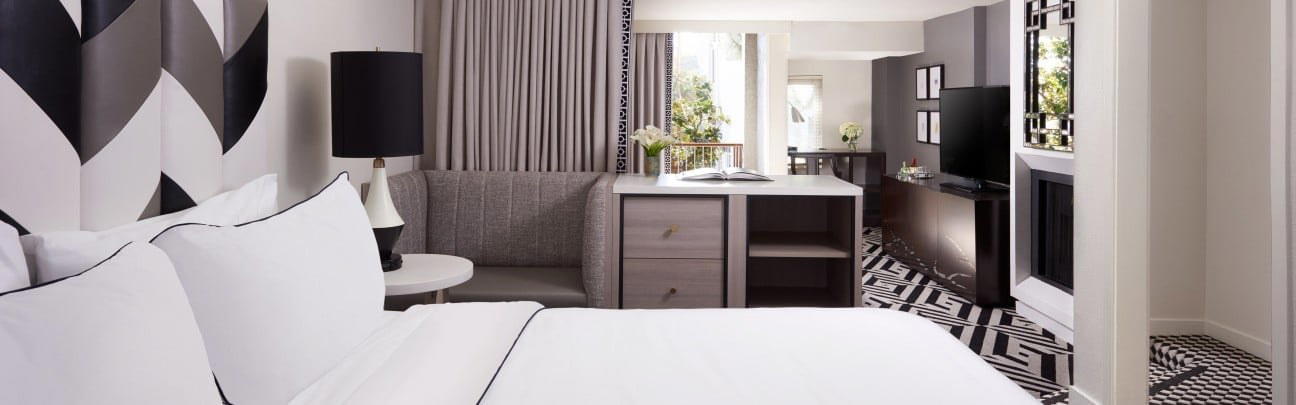
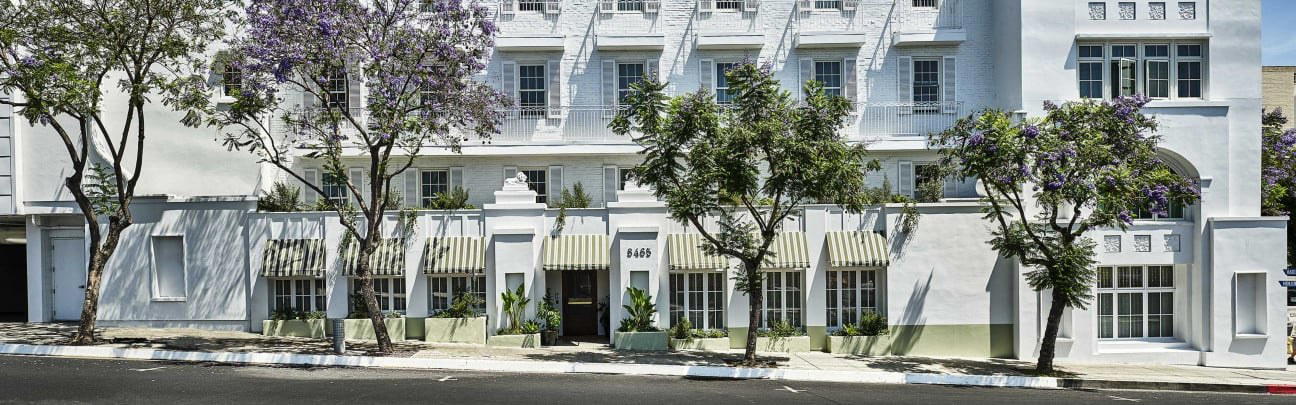
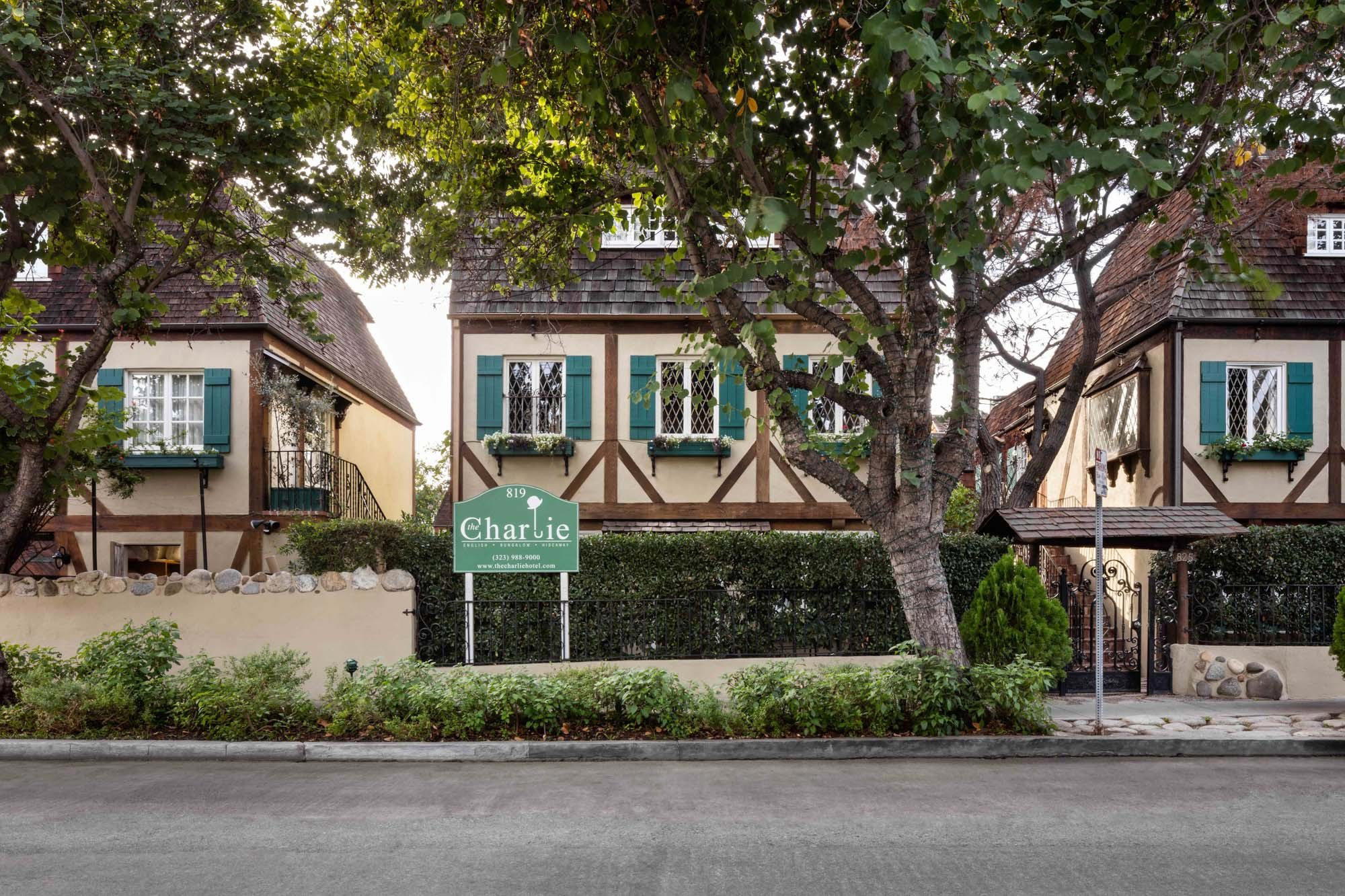
Wineries in Los Angeles
All wineries in Los Angeles →
Details
- Elegant
- Sophisticated
- Modern
- Trendy
- Well Known
- Date Night
- Special Occasion
- Business Dinner
- Private Dining
- Sake Program
- Craft Cocktails
- A La Carte
- Small Plates
- Omakase
- Sake
- Cocktails
- Vegetarian Friendly
- Vegan Options
- Gluten Free Options
Current opening hours
- Monday
- 5:30–10 PM
- Tuesday
- 5:30–10 PM
- Wednesday
- 5:30–10 PM
- Thursday
- 5:30–10 PM
- Friday
- 5:30–11 PM
- Saturday
- 5:30–11 PM
- Sunday
- 5:30–10 PM
Hours can change for holidays and private events. Hours as of .
Sleek and welcoming with natural textures, soft amber lighting that flatters conversation, and a lively loungelike atmosphere.