Sushi Yotsuya
Our verdict
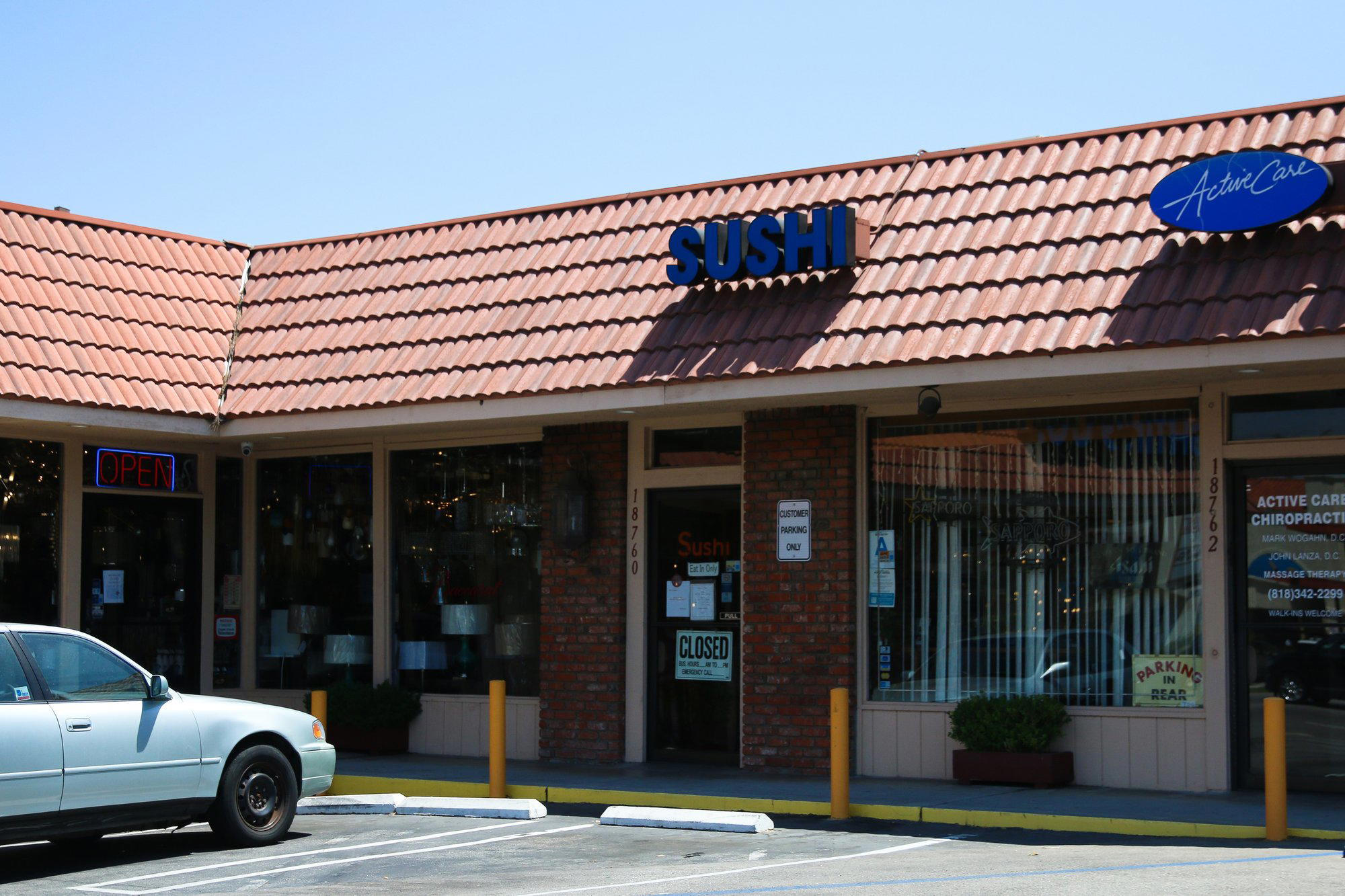
Sushi Yotsuya operates in Tarzana along Ventura Boulevard, placing high-quality sushi within reach of the San Fernando Valley without the reservation pressure of LA's downtown omakase circuit. The room and format position it as a considered choice for occasion dining at the neighborhood level, where intimacy matters as much as the fish.

Pearl is the En Primeur Club membership app — saves, bookings, and concierge access live there. Same editors, same standards.
- Address
- 18760 Ventura Blvd, Tarzana, CA 91356
- Phone
- (818) 708-9675
- Hours
- Mon ClosedTue–Fri 6–9 PMSat 5:30–9 PMSun 5:30–8:30 PM
- Directions
- Get directions
The menu
What to order
- Omakase
- Albacore Belly
- Crab Jelly
- Albacore Sashimi with Ponzu
- Kumamoto Oysters
The Valley's Quiet Counter
Along Ventura Boulevard in Tarzana, the density of dining options thins considerably once you move west past Studio City and Sherman Oaks. This stretch of the San Fernando Valley doesn't carry the same editorial weight as Arts District or Larchmont, but that geographical remove has a practical logic for diners who live or work on this side of the hills. Sushi Yotsuya occupies that gap: a sushi counter serving the Valley at a tier of seriousness that doesn't require crossing a mountain range to access.
In Los Angeles, the sushi category has split sharply over the past decade. At one end sits the reservation-intensive omakase circuit, places like Hayato in the Arts District and Kato, where bookings open weeks out and the format is tightly controlled. At the other end, fast-casual rolls dominate strip malls. The mid-tier, neighborhood sushi counter built around quality fish and a regular clientele, exists across LA but rarely attracts the press that downtown or Westside venues command. Sushi Yotsuya belongs to that quieter tier, drawing its audience from proximity and consistency rather than from the kind of awards recognition that drives reservation spikes at Somni or Providence.
Occasion Dining in a Neighborhood Frame
The occasion-dining category in Los Angeles has, for most of its modern history, been organized around destinations: restaurants significant enough that the drive, the parking, and the price point all get folded into the event itself. The French Laundry in Napa, Le Bernardin in New York City, and Blue Hill at Stone Barns in Tarrytown all operate in that register: the reservation itself becomes part of the celebration. But a parallel tradition exists, less documented and arguably more durable, where neighborhood restaurants absorb the regular milestone meals of a local community. Anniversaries, birthdays, promotion dinners, the kind of table you return to across years.
Sushi Yotsuya functions in that second register for the San Fernando Valley. The address on Ventura Boulevard places it within the daily geography of Tarzana, Encino, and Woodland Hills residents in a way that no downtown counter can replicate. For a household in this part of the Valley, the calculus of a special occasion dinner shifts when the restaurant is twenty minutes away rather than an hour. The intimacy of a sushi counter, where the meal unfolds course by course in a contained room, maps well onto this kind of occasion: it separates the dinner from ordinary routine without requiring the logistical weight of a destination meal.
That dynamic plays out across the country at similar counters. Frasca Food and Wine in Boulder and Smyth in Chicago both demonstrate how a restaurant can anchor special-occasion dining for a local community without operating at the highest tier of national recognition. The model works when the room, the service tempo, and the quality of the food hold up across multiple visits. Regulars are the measure, not first-time pilgrims.
Where It Sits in the LA Sushi Picture
Los Angeles has one of the most developed sushi scenes outside Japan, built over decades by Japanese-American communities and accelerated by the wave of chef-driven omakase counters that opened between 2015 and the early 2020s. At the leading end, counters like Sushi Kaneyoshi in Little Tokyo operate at $$$$ price points with strict omakase formats and waitlists that extend months. That tier benchmarks against peer venues globally, in the same conversation as counters you might reference alongside Atomix in New York City for the rigor of their formats, if not the cuisine.
Below that, the city supports a layer of serious neighborhood sushi operations that don't chase Michelin attention but maintain quality that would hold up against scrutiny. Comparing Sushi Yotsuya to the premium omakase tier misreads its function. That kind of restaurant is harder to build than a destination counter, because it requires sustaining performance without the adrenaline of constant new discovery from new guests.
The Ventura Boulevard corridor in the Valley has historically hosted this type of restaurant across multiple cuisines, from Japanese and Korean to Italian and Persian. The dining character of this stretch is shaped by a residential base with specific expectations: quality over theater, familiarity over novelty. Osteria Mozza operates in a different part of the city and a different cuisine category, but the underlying model of a restaurant that becomes embedded in the fabric of its neighborhood's dining life is comparable.
Planning Your Visit
The San Fernando Valley sits north of the Santa Monica Mountains, connected to central LA by the 405, 101, and Sepulveda Pass. Tarzana itself is a residential neighborhood with parking available along commercial strips on Ventura Boulevard. For diners coming from West Hollywood, Beverly Hills, or the Westside, the drive crosses one of the city's major commute corridors, which makes timing relevant: evenings outside the 5 to 7 PM window on weekdays move more smoothly. Those coming from Calabasas, Woodland Hills, or Encino are within a direct local drive.
For special occasions at sushi counters in LA, booking lead time varies significantly. Counters at the top of the market require reservations one to three months ahead. Neighborhood-tier operations typically allow shorter lead times, though Friday and Saturday evenings around holidays and graduation season fill faster. Contacting the restaurant directly to confirm availability, format, and any dietary accommodation requirements before the occasion date is standard practice at this type of venue.
For context on how Sushi Yotsuya fits into the broader LA dining picture, see our full Los Angeles restaurants guide, which maps venues across neighborhoods and price tiers. Comparable Japanese dining at the higher end of the market includes Hayato, while those planning occasion meals across other US cities can reference Addison in San Diego, Lazy Bear in San Francisco, Emeril's in New Orleans, The Inn at Little Washington in Washington, Single Thread Farm in Healdsburg, and Atelier Moessmer Norbert Niederkofler in Brunico for international reference.
How does Sushi Yotsuya compare to other sushi options in the San Fernando Valley?
The San Fernando Valley has fewer sushi counters operating at the serious neighborhood tier than the Westside or Downtown LA, which makes a venue at this address on Ventura Blvd a relevant option for Valley residents who want quality sushi without the cross-mountain commute. For those seeking the highest tier of omakase in the broader LA area, venues like Hayato represent the benchmark, but they operate in a different price and formality tier. Sushi Yotsuya's Tarzana location positions it as a local-access option for that middle ground between fast-casual rolls and the full destination-omakase commitment.
Cuisine and Recognition
| Venue | Cuisine | Price | Awards | Notes |
|---|---|---|---|---|
| Sushi YotsuyaThis venue — the venue you are viewing | Traditional Japanese Omakase | $100–150 | Not listed | Not listed |
| Kato | Modern Taiwanese Fine Dining | $300–500 | 2 Michelin Stars · World's 50 Best #49 | New Taiwanese, Asian |
| Hayato | Traditional Japanese Kaiseki | $300–500 | 2 Michelin Stars · La Liste Top Restaurants | Japanese |
| Vespertine | Avant-Garde Tasting Menu | $200–300 | 2 Michelin Stars · La Liste Top Restaurants | Progressive, Contemporary |
| Holbox | Modern Mexican Seafood | $30–50 | 1 Michelin Star · World's 50 Best #26 | Mexican Seafood, Mexican |
| Sushi Kaneyoshi | Edomae Omakase | $300–500 | 1 Michelin Star · LA Times 101 Best Restaurants #24 | Sushi, Japanese |
Continue exploring
More in Los Angeles
Restaurants in Los Angeles
Browse all →
Bars in Los Angeles
Browse all →
Hotels in Los Angeles
Browse all →
Wineries in Los Angeles
Browse all →
Details
- Classic
- Intimate
- Solo
- Special Occasion
- Chefs Counter
- Open Kitchen
- Sustainable Seafood
- Omakase
- Counter Dining
- Pescatarian Friendly
Current opening hours
- Monday
- Closed
- Tuesday
- 6–9 PM
- Wednesday
- 6–9 PM
- Thursday
- 6–9 PM
- Friday
- 6–9 PM
- Saturday
- 5:30–9 PM
- Sunday
- 5:30–8:30 PM
Hours can change for holidays and private events. Last verified .
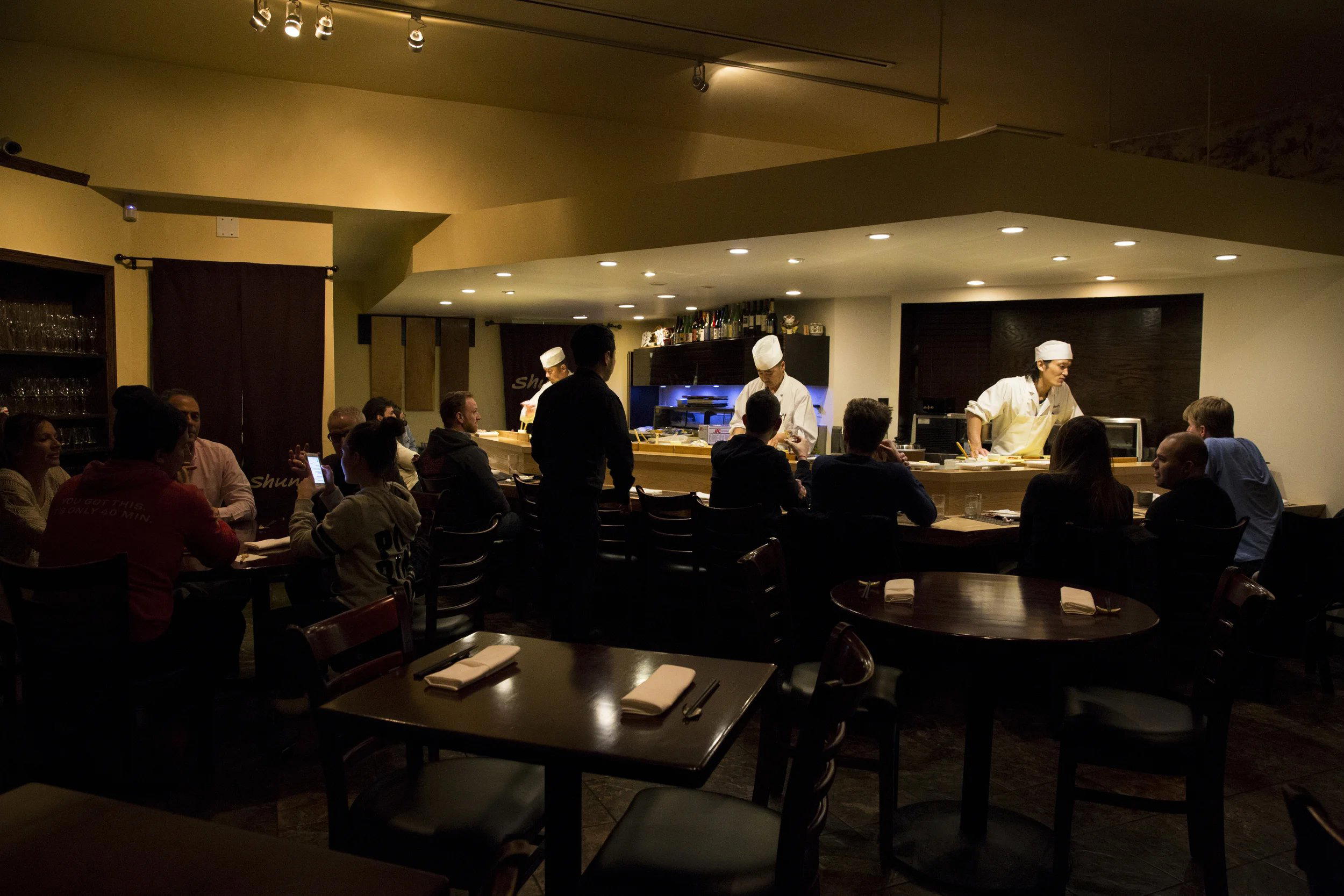
Dated, retro interior with old television playing basic cable, blonde wood sushi bar in a nondescript strip mall, deliberately unpretentious and focused entirely on the food.