
A Michelin Bib Gourmand recipient in both 2024 and 2025, Bao Du Jin Sheng Long in Beijing's Xicheng District serves hotpot in a neighbourhood that has fed locals for generations. The ¥¥ price point puts consistent Michelin-recognised quality within reach of most budgets, making it one of the more accessible entry points into Beijing's recognised dining circuit.
Pearl is the En Primeur Club membership app — saves, bookings, and concierge access live there. Same editors, same standards.
- Address
- China, Beijing, Xicheng District, 安德路六铺炕1巷 邮政编码: 100120
- Phone
- +86 10 6527 9051
- Directions
- Get directions
 Saves & bookings on Pearl
An Old District, a Persistent Habit
Xicheng is not where most visitors to Beijing begin their eating. The district sits west of the Drum Tower corridor, across from the more tourist-trafficked hutong clusters, and its food culture has developed largely for the people who live and work there rather than for those passing through. That orientation shapes what you find: fewer concept restaurants, more places where the format has stayed consistent for years because the neighbourhood keeps returning. Bao Du Jin Sheng Long occupies that second category. Its address on Andelu, in the Liupukang alley system near the northern edge of Xicheng, puts it in a residential pocket where the rhythm of the street is dictated by morning markets and evening foot traffic rather than hotel concierge maps.
Beijing's hotpot scene has expanded considerably over the past decade, splitting between high-production Sichuan chain formats and smaller, more localised operations that prioritise ingredient sourcing over theatre. The Michelin Bib Gourmand, awarded to Bao Du Jin Sheng Long in both 2024 and 2025, specifically recognises value alongside quality and signals a restaurant delivering food worth seeking out at a price point that doesn't require deliberate budgeting. In a city where the same guide awards three stars to Xin Rong Ji (Xinyuan South Road) at ¥¥¥¥ and three stars to Chao Shang Chao (Chaoyang) at the same price tier, the Bib Gourmand designation at ¥¥ marks a genuinely different competitive position.
What the Bib Gourmand Signals Here
The Michelin Bib Gourmand is sometimes misread as a consolation category, a rung below the star tiers. That reading is inaccurate. The distinction the Bib makes is not about ceiling, it's about the relationship between quality and price. A restaurant earning consecutive Bib recognition in 2024 and 2025 has demonstrated consistency over multiple inspection cycles, which is a harder standard than a single-year award might suggest. For hotpot specifically, where the quality of broth, the freshness of raw ingredients, and the calibration of table-side service all affect the outcome, maintaining that standard across inspections is not incidental.
Beijing's hotpot options range from the elaborate, venues like Bad Ass Lamb Hot Pot on Maizidian West Street with its own distinct positioning, to the deeply local, where the draw is proximity and habit. Bao Du Jin Sheng Long sits in a category where the Michelin recognition is the differentiating fact: a neighbourhood-rooted format that has attracted independent validation without moving upmarket to achieve it. The ¥¥ pricing holds, the location hasn't changed, and the award has returned. That combination is worth paying attention to.
The Neighbourhood as Context
The Liupukang area of Andelu is not a dining destination in the way that Sanlitun or Wangfujing are designated as such. There are no hotel clusters pulling visitors into the streets, and the area doesn't organise itself around tourism infrastructure. What it has is density of local use: the kind of block-by-block familiarity where a restaurant earns its position by feeding the same people repeatedly and well. For a hotpot format, that dynamic matters. Hotpot is a social format at its core, it rewards time, shared ordering, and a table that isn't being turned aggressively. Restaurants in residential neighbourhoods like this tend to run on a different clock than those in high-footfall commercial zones, and the experience of eating at a place embedded in that kind of street life reads differently than eating at a destination-formatted venue.
Visitors making the trip from central tourist circuits, from Yu De Fu on Dongzhimennei Street or from the hutong-facing end of the city, will find Xicheng's northern edge requires a deliberate choice. That deliberateness is part of the point. The restaurants in this part of the city are not competing for passing trade.
Hotpot in a Broader Chinese Dining Frame
Hotpot as a category has attracted serious critical attention across mainland China, from the Sichuan-dominant formats in Chengdu, where venues like #8 have built their own recognition, to the beef-focused shabu-shabu traditions that appear in formats like A-Yu Beef Shabu Shabu in Tainan. Beijing's own hotpot tradition leans toward lamb, with copper pots and clear broths that differ substantially from the numbing, oil-heavy presentations more common in the southwest. The city's Muslim-inflected food culture, visible across Xicheng and Niujie, runs through that tradition, and venues like Niujie Halal Man Heng Ji reflect how deeply halal practice has shaped what Beijing considers its native food repertoire.
Bao Du Jin Sheng Long fits within that Beijing-specific lineage. Its format and neighbourhood both position it as a practitioner of a local tradition rather than an importer of the Sichuan format that has expanded commercially across the country over the past decade.
Planning the Visit
The practical facts are useful. The restaurant sits on Andelu in Xicheng District, in the Liupukang alley cluster, at a price point of ¥¥, the kind of spend where two people eating well lands comfortably under what you'd pay for a comparable meal at a starred venue in the city.
Visitors building a broader Beijing itinerary can find complementary options across the city's recognition tier, from the refined Taizhou cooking at Xin Rong Ji to the Chaozhou precision of Chao Shang Chao, and across to fine dining in other Chinese cities including 102 House in Shanghai, Chef Tam's Seasons in Macau, Ru Yuan in Hangzhou, Imperial Treasure Fine Chinese Cuisine in Guangzhou, and Dai Yuet Heen in Nanjing.
Standing Among Peers
Comparable venues nearby, for context on price, style, and recognition.
| Venue | Cuisine | Price | Awards | Notes |
|---|---|---|---|---|
| Bao Du Jin Sheng Long (Dongcheng)This venue — the venue you are viewing | Hotpot | $$ | Bib Gourmand | Not listed |
| Hong Fan Qie (Yuyuantan South Road) | Hubei Cuisine | $$ | Bib Gourmand | Huichengmen |
| Pang Mei Noodles (Xiang'er Hutong) | Chongqing-Style Spicy Noodles | $$ | Bib Gourmand | Dongsi |
| Jingyi (Liulichang East Street) | Hubei Cuisine | $$ | Bib Gourmand | Dazhalan |
| Lao Chuan Ban | Sichuan | $$ | Bib Gourmand | Chaowai |
| Bao Bao Hao | Cantonese Claypot | $$ | Bib Gourmand | Chaowai |
Recognition history
Dated appearances from independent guides and award organizations, with the underlying list record or original source where available.
Michelin Bib Gourmand
Michelin
Michelin Bib Gourmand
Michelin

At a Glance
- Classic
- Cozy
- Group Dining
- Celebration
- Casual Hangout
- Business Dinner
- Standalone
Current opening hours
- Monday
- 11:30 AM–2 PM, 5–9:30 PM
- Tuesday
- 11:30 AM–2 PM, 5–9:30 PM
- Wednesday
- 11:30 AM–2 PM, 5–9:30 PM
- Thursday
- 11:30 AM–2 PM, 5–9:30 PM
- Friday
- 11:30 AM–2 PM, 5–9:30 PM
- Saturday
- 11:30 AM–2 PM, 5–9:30 PM
- Sunday
- 11:30 AM–2 PM, 5–9:30 PM
Hours can change for holidays and private events. Last verified .
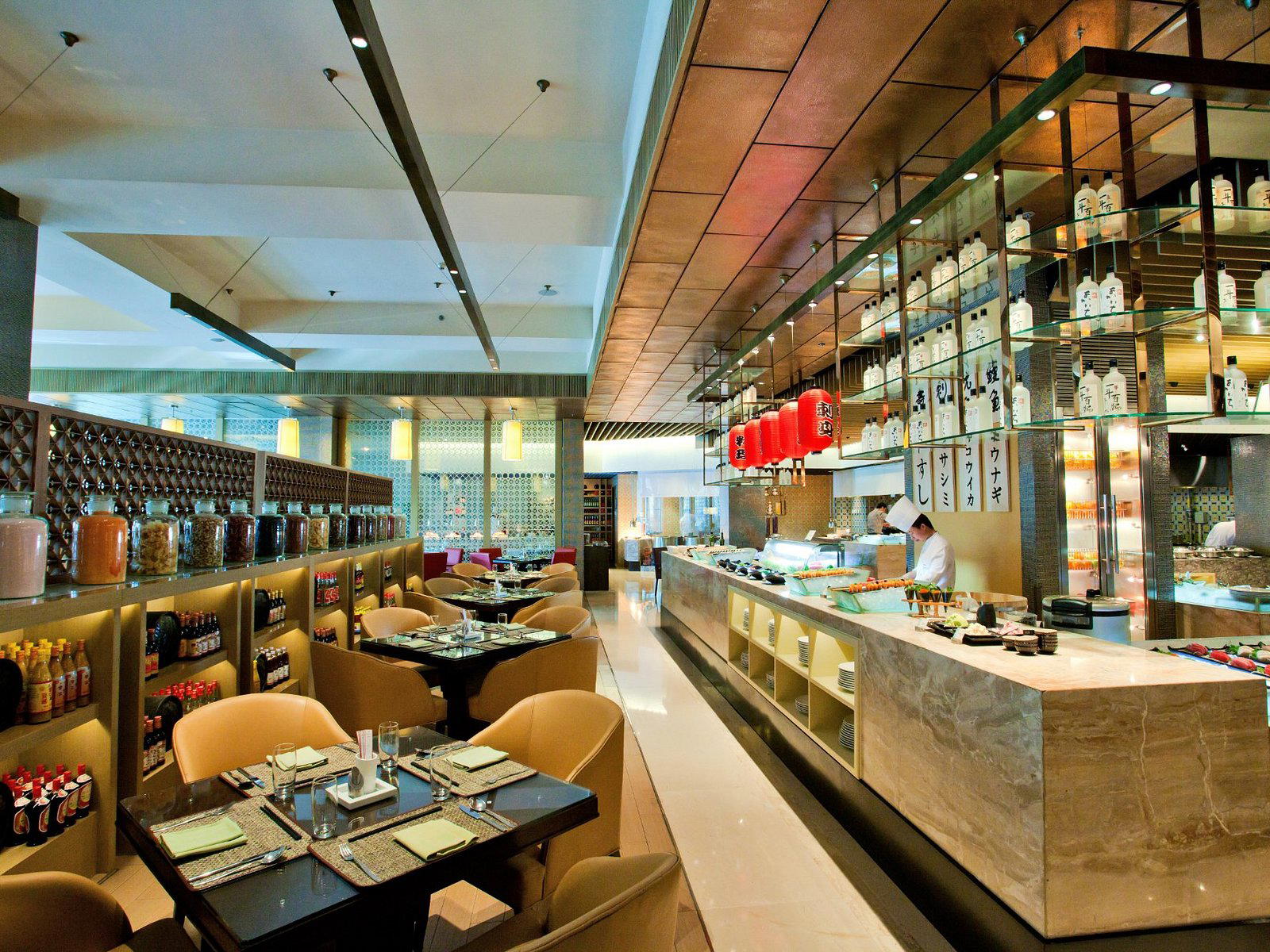
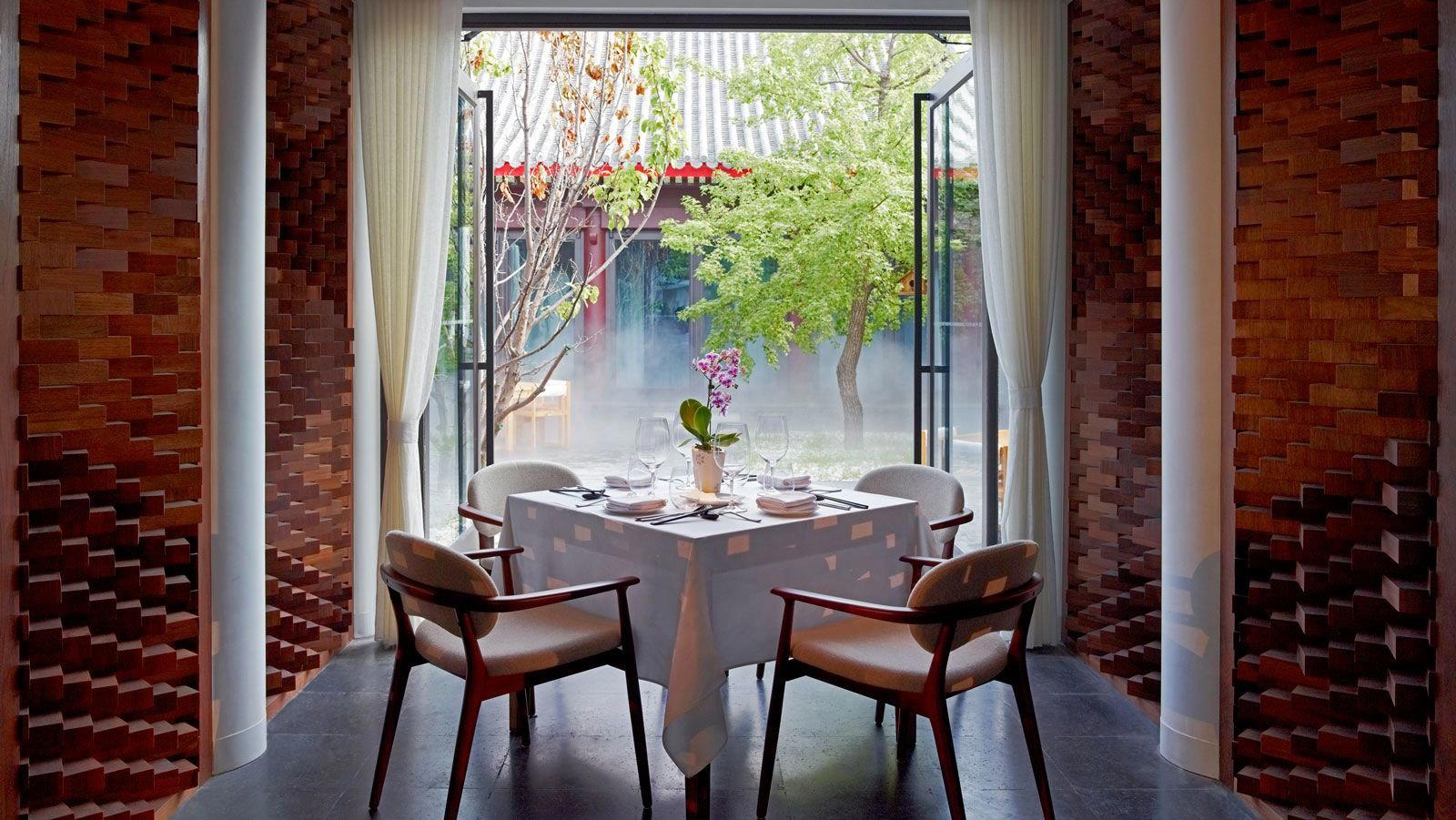
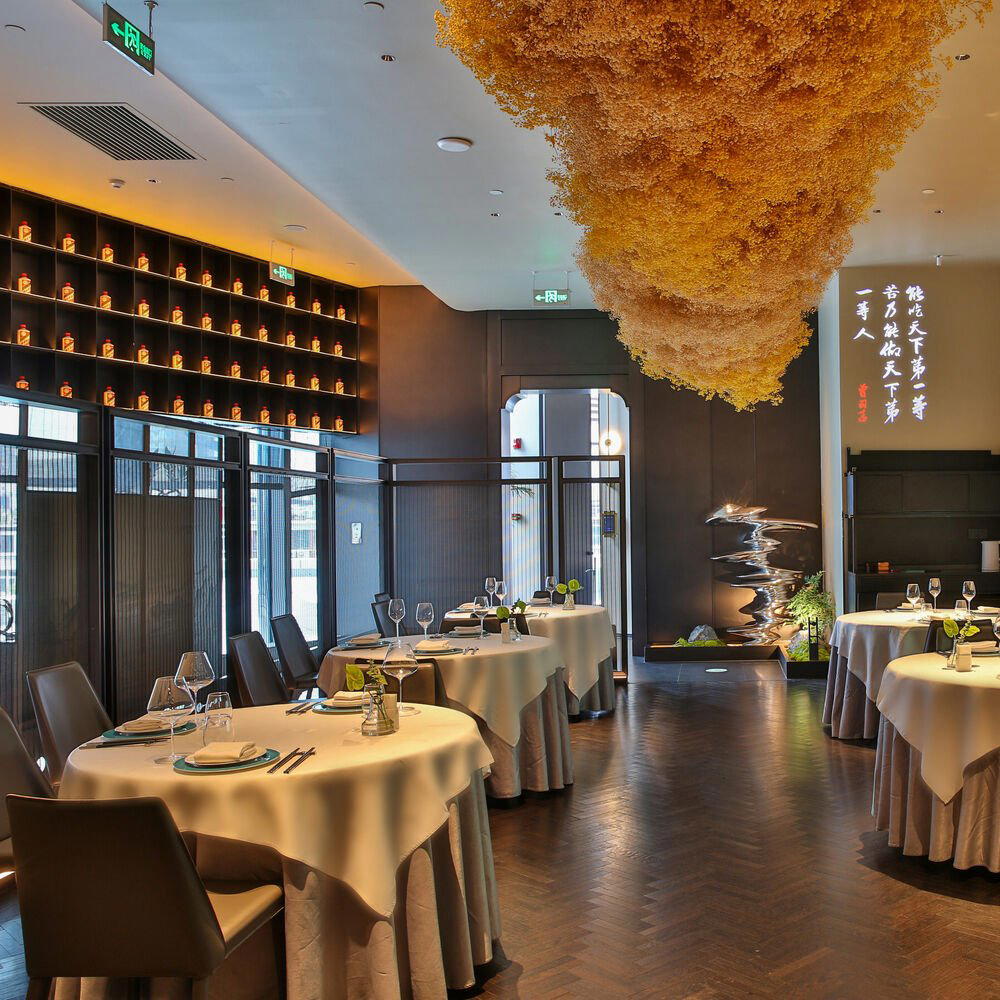
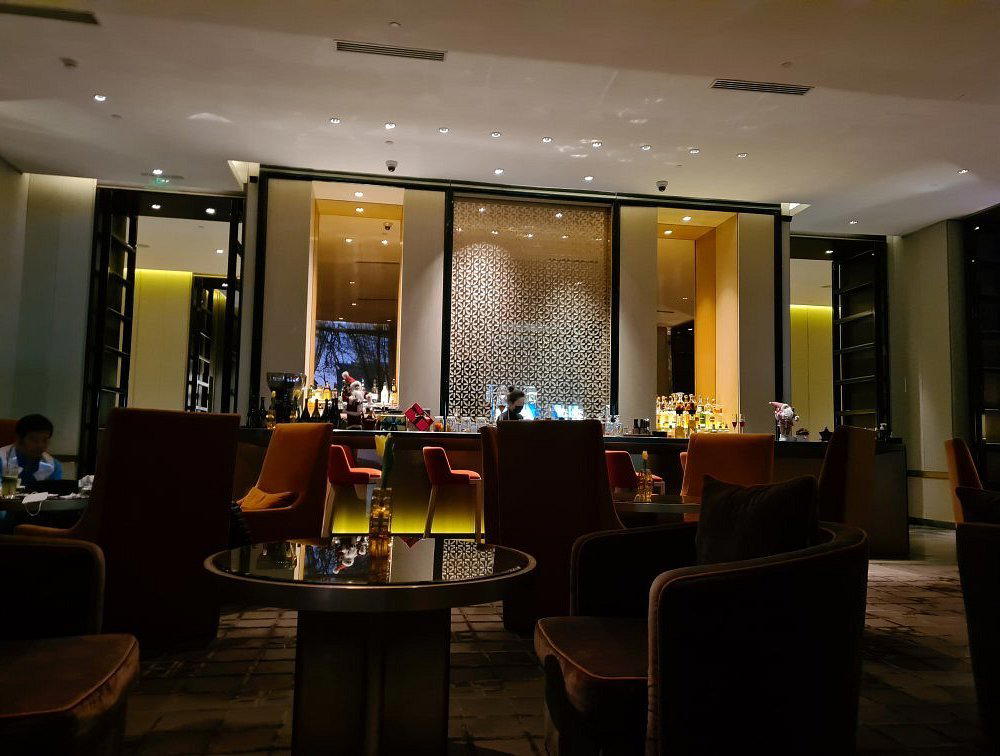
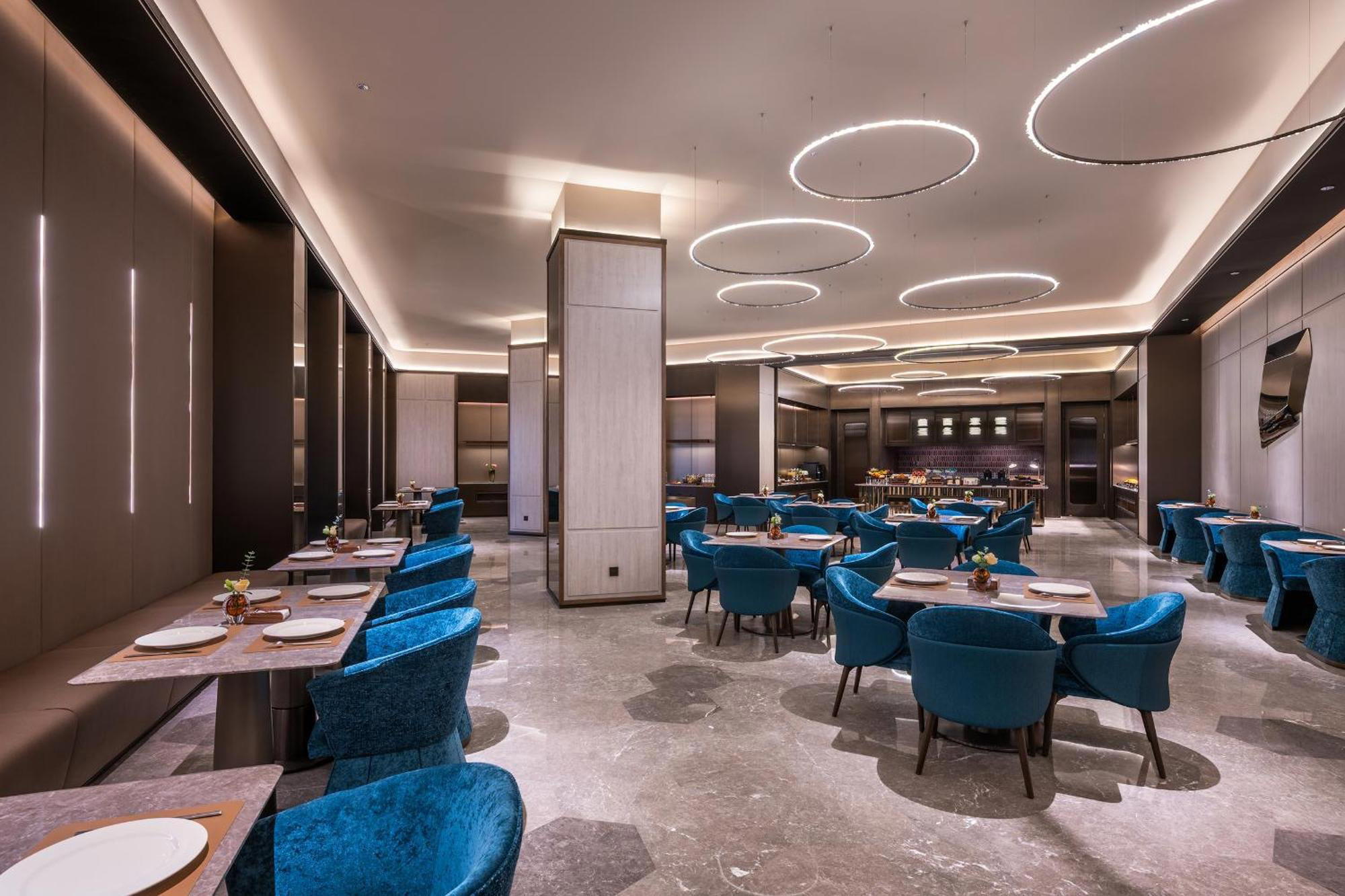
Traditional, neighborhood hotpot atmosphere with a practical, value-focused feel; press descriptions emphasize a heritage-style room centered on copper-pot hotpot and communal dining.