Japanese fine-dining restaurant at One Bryant Park
Our verdict
At One Bryant Park, New York's Midtown corridor hosts a Japanese fine-dining room where French technique and Japanese precision meet at the counter. The kitchen works within a tradition that has reshaped how New York reads haute Japanese cuisine, placing it alongside Per Se and Le Bernardin in the city's top-tier tasting-menu bracket. Bookings at this level require advance planning.

Pearl is the En Primeur Club membership app, where members save venues, book tables and use the concierge.

Where Midtown's Tasting-Menu Tier Meets Japanese-French Discipline
The stretch of Sixth Avenue anchored by One Bryant Park sits at the intersection of corporate Midtown and the more considered dining corridor that runs toward the Theater District. It is not a neighbourhood historically associated with the kind of precision Japanese cooking that defines Tokyo's Ginza or the Michelin-heavy blocks of the Upper West Side, which makes the presence of a serious Japanese fine-dining room here worth examining on its own terms. Over the past two decades, New York has developed a distinct tier of Japanese restaurants that sit outside the sushi-counter category entirely: kitchens applying kaiseki structure, French brigade organisation, and Western pastry logic to Japanese ingredient philosophy. This address belongs to that tier.
The broader evolution of Japanese fine dining in New York tracks a clear arc. In the early 2000s, the category was dominated by high-volume Japanese steakhouses and a handful of omakase counters. By the 2010s, a smaller cohort of kitchens had separated themselves through the application of classical French technique to Japanese seasonal produce, building menus structured more like European tasting progressions than traditional kaiseki sequences. Masa, at the Time Warner Center, established the upper ceiling for what the city would pay for Japanese counter dining, while the emergence of Japanese-French hybrids at the Chef's Table at Brooklyn Fare level demonstrated that the format could attract the same credentialed attention as Le Bernardin or Per Se. The restaurant at One Bryant Park enters that conversation as a Midtown representative of this evolved format.
The Format: Japanese Structure, French Architecture
Kitchens that combine Japanese fine-dining philosophy with French technique tend to operate within a specific set of conventions: multi-course progression built around seasonal Japanese produce, dashi-based saucing that replaces the butter and cream reductions of classical French cooking, and a plating discipline that emphasises negative space and temperature contrast over abundance. This is not fusion in the casual sense of the word. It is a formal cross-training that emerged from Japanese chefs who staged in Paris and Lyon before returning east, and which New York has imported in its most committed form through a small number of permanent addresses. The flagship Japanese fine-dining experience at One Bryant Park represents precisely this tradition.
At the top of this format in New York, menus rarely change on a weekly cycle. Seasonal pivots happen in earnest, driven by the availability of Japanese imports and the calendar of domestic producers aligned with the kitchen. Spring brings mountain vegetables and early shellfish; autumn shifts the weight toward root vegetables, game, and aged preparations. Diners returning across seasons encounter what is effectively a different menu architecture rather than incremental variation. This is the principle that separates the format from static tasting menus and aligns it more closely with the kaiseki tradition it partially descends from.
Placing It in New York's Competitive Set
New York's top-tier tasting-menu market is now firmly a four-figure-per-head proposition at its apex. Per Se and Le Bernardin define the French side of the bracket. Masa defines the Japanese counter ceiling. The Japanese-French hybrid occupies a position between those poles, attracting diners who want the formal European progression but with a flavour grammar rooted in dashi, yuzu, and precise knife work rather than classical French fond. Internationally, this format has produced some of the most decorated kitchens of the past decade: 8½ Otto e Mezzo Bombana in Hong Kong demonstrates how Western fine-dining technique transplanted to an Asian market can achieve sustained recognition, and the same logic applies in reverse when Japanese discipline arrives in New York.
Within the United States, the progression of high-technical tasting-menu culture can be traced through a set of addresses that pushed the format's ambitions city by city. Alinea in Chicago and The French Laundry in Napa set the standard for the progressive American tasting menu. On the Japanese-influenced side, Single Thread Farm in Healdsburg and Providence in Los Angeles represent how Japanese seasonality and technique have been absorbed into American fine-dining outside New York. The One Bryant Park address participates in this national conversation as a Midtown entry point with direct access to the city's most demanding dining audience.
The Evolution of the Address
One Bryant Park as a complex has gone through multiple iterations of its food and beverage programming since the tower's completion. The pattern at this level of commercial real estate is familiar: early anchor tenants in hospitality positions are replaced as the building's identity consolidates and operators with sharper concepts move in. A Japanese fine-dining format represents a deliberate positioning choice at an address like this, signalling that the building's management is targeting the same guest profile that books César or considers the room alongside Lazy Bear in San Francisco when planning a serious dinner. It is a commitment to a specific type of diner rather than a broad hospitality offer, and that specificity is what places it in the top tier of the Midtown dining conversation.
The format has also evolved in how it handles the wine and sake program. Early iterations of Japanese-French kitchens in New York defaulted to French wine lists with a small sake section appended. The current generation has moved toward fully integrated programs where premium sake, natural Japanese spirits, and European wine are given equivalent weight in the pairing structure. This is a measurable shift from even five years ago and reflects both growing sommelier expertise in fermented Japanese beverages and a customer base that now arrives with sake literacy that would have been uncommon a decade prior.
Planning Your Visit
Midtown dining at this level operates on booking windows that reward planning. The most serious tasting-menu rooms in New York routinely open reservations four to six weeks out, with weekend seats filling within days of release. For a destination like One Bryant Park, which draws both hotel guests and destination diners, the practical advice is to secure a booking as far in advance as the reservation system allows, particularly for Thursday through Saturday evenings. For broader context on where this address sits within New York's full dining spectrum, the EP Club New York City restaurants guide maps the city's top-tier rooms by neighbourhood and format. If you are building a full itinerary, the New York City hotels guide, bars guide, and experiences guide cover the surrounding programming at the same editorial standard.
Frequently asked questions
What's the must-try dish at the Japanese fine-dining restaurant at One Bryant Park?
Because the kitchen operates at the intersection of Japanese fine-dining structure and French technique, the courses most worth tracking are those where that cross-disciplinary approach is most visible, typically protein preparations that use classical French method applied to Japanese product philosophy. Specific dishes rotate with the tasting menu format, so the best approach is to ask the kitchen at the time of booking which courses define the current sequence. This is a tasting-menu format, meaning the kitchen determines the progression rather than individual selection.
Should I book Japanese fine-dining restaurant at One Bryant Park in advance?
Reservations are recommended for Japanese fine-dining restaurant at One Bryant Park in New York City. Confirm current policy via the venue's official channels.
Should I book the Japanese fine-dining restaurant at One Bryant Park in advance?
At the tasting-menu tier in New York City, advance booking is standard practice rather than optional. Comparable Midtown rooms at this level of Japanese-French cuisine open reservations weeks to months ahead, and prime weekend seatings move fastest. Booking as early as the reservation window allows is the practical approach for any specific date.
Cuisine and Recognition
Comparable venues nearby, for context on price, style, and recognition.
| Venue | Cuisine | Price | Notes |
|---|---|---|---|
| Japanese fine-dining restaurant at One Bryant ParkThis venue (the venue you are viewing) | Modern Japanese Fine Dining with Kaiseki & Omakase | Not listed | Not listed |
| Sushi Yoshitake | Edomae Omakase | $500+ | Midtown |
| ShabuShabu GEN | Japanese Shabu-Shabu | Not listed | East Village |
| Gari Columbus | Modern Japanese Sushi Omakase | $100–150 | Upper West Side (Central) |
| Koi | Upscale Japanese Fusion | Not listed | Midtown-Times Square |
| Sushi Inoue | Traditional Japanese Omakase | Not listed | Harlem |
Continue exploring
More in New York City
Restaurants in New York City
All restaurants in New York City →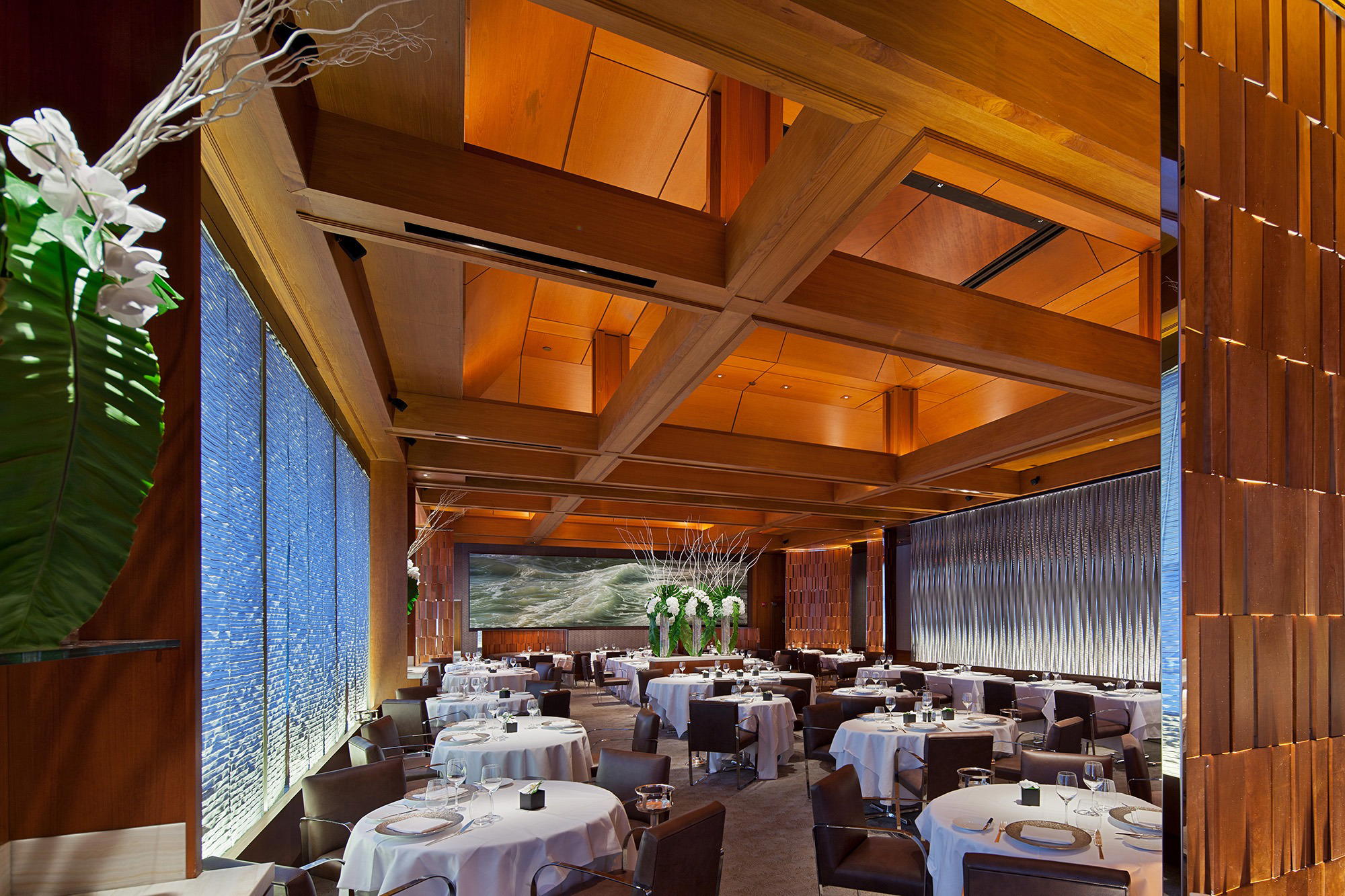
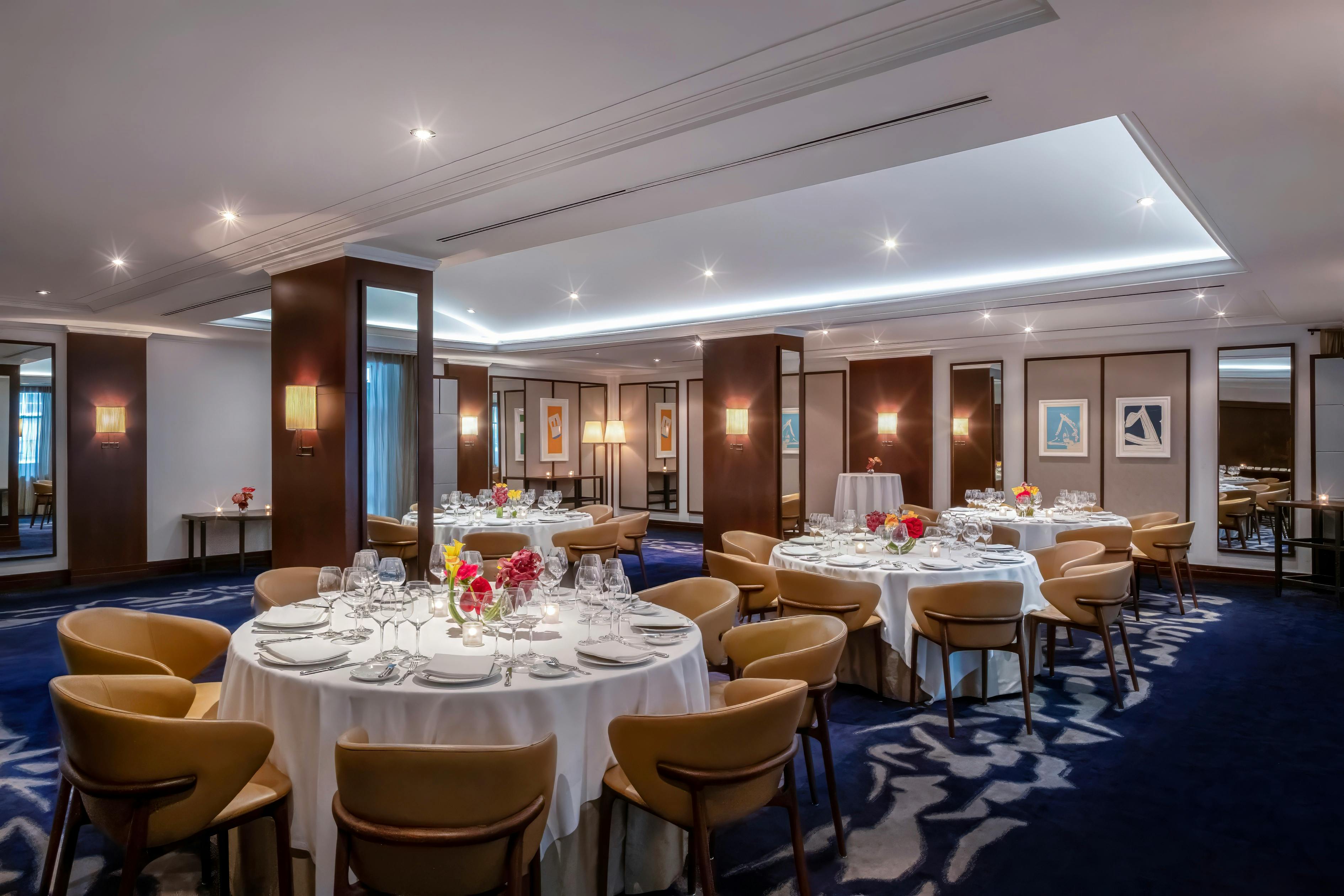
Bars in New York City
All bars in New York City →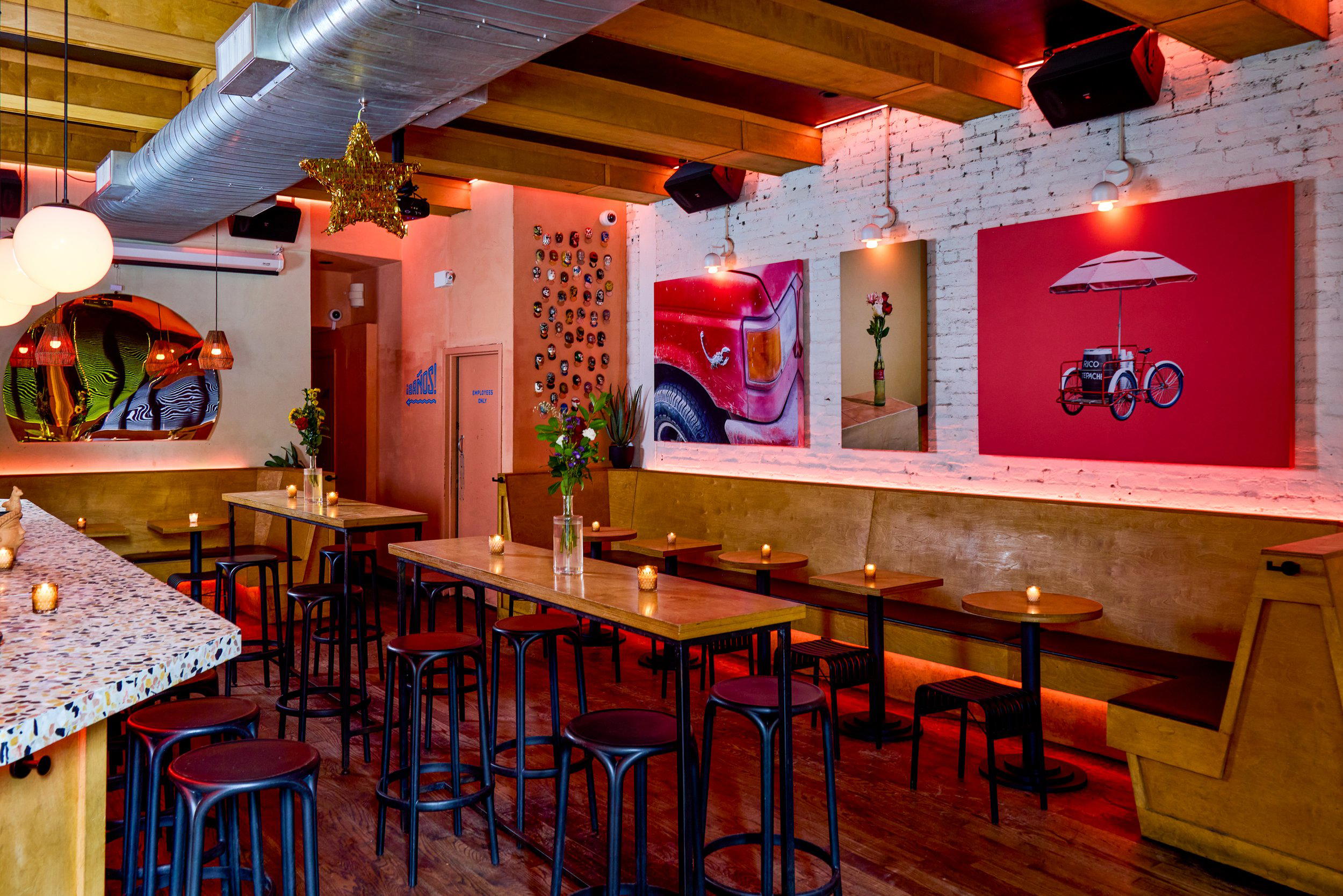
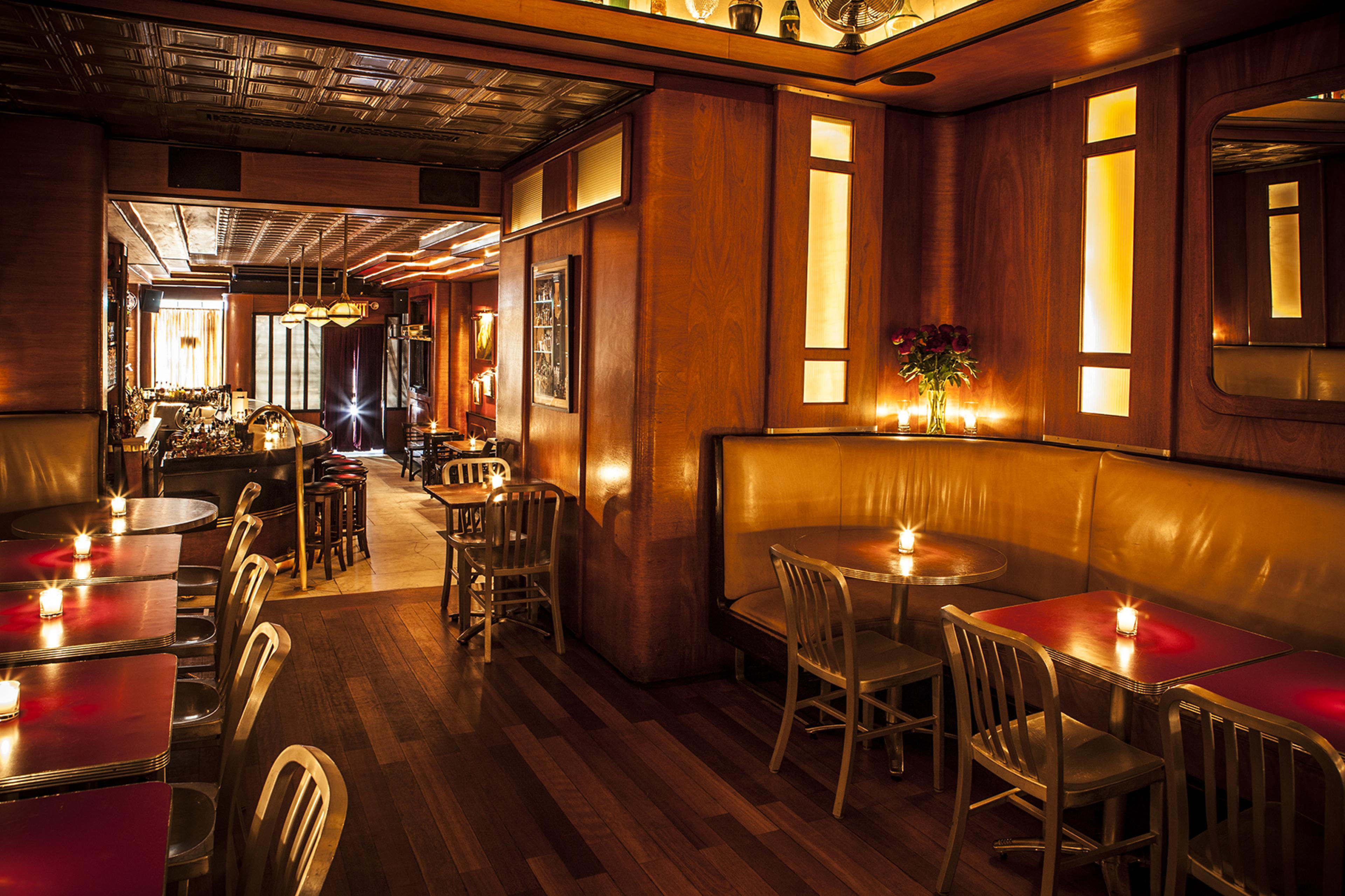
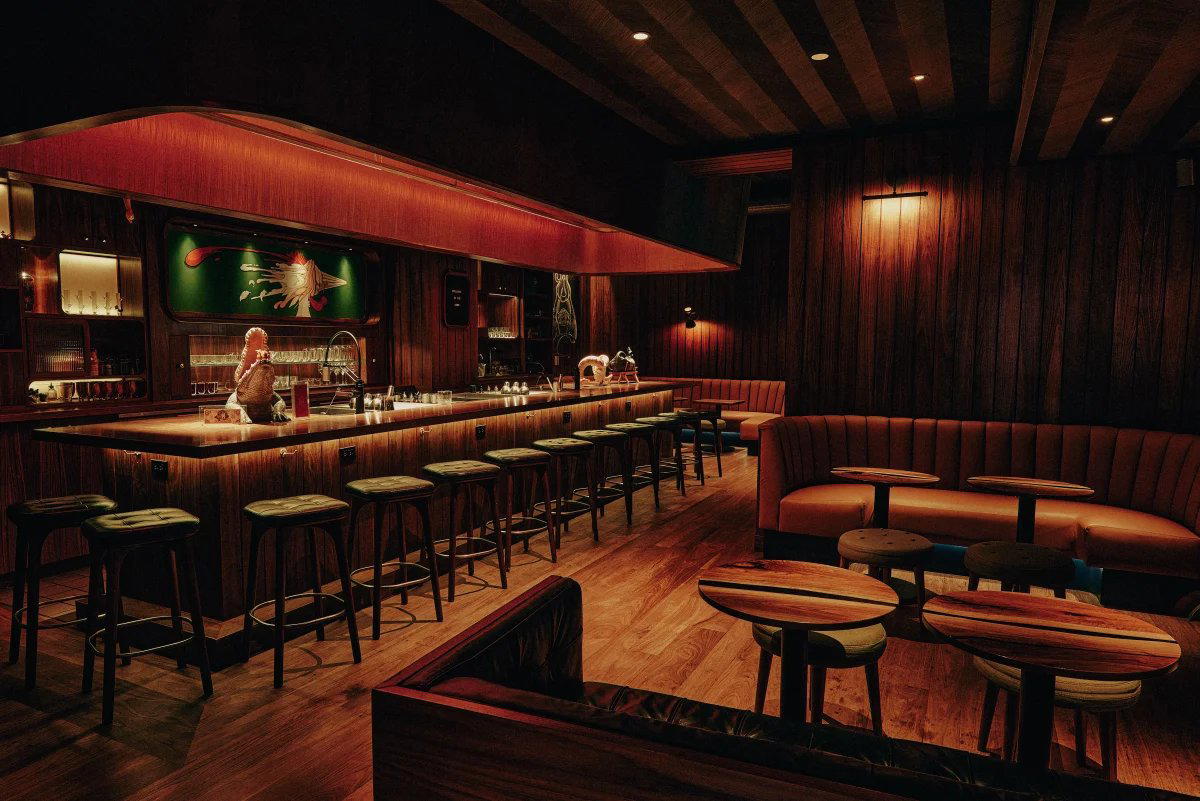
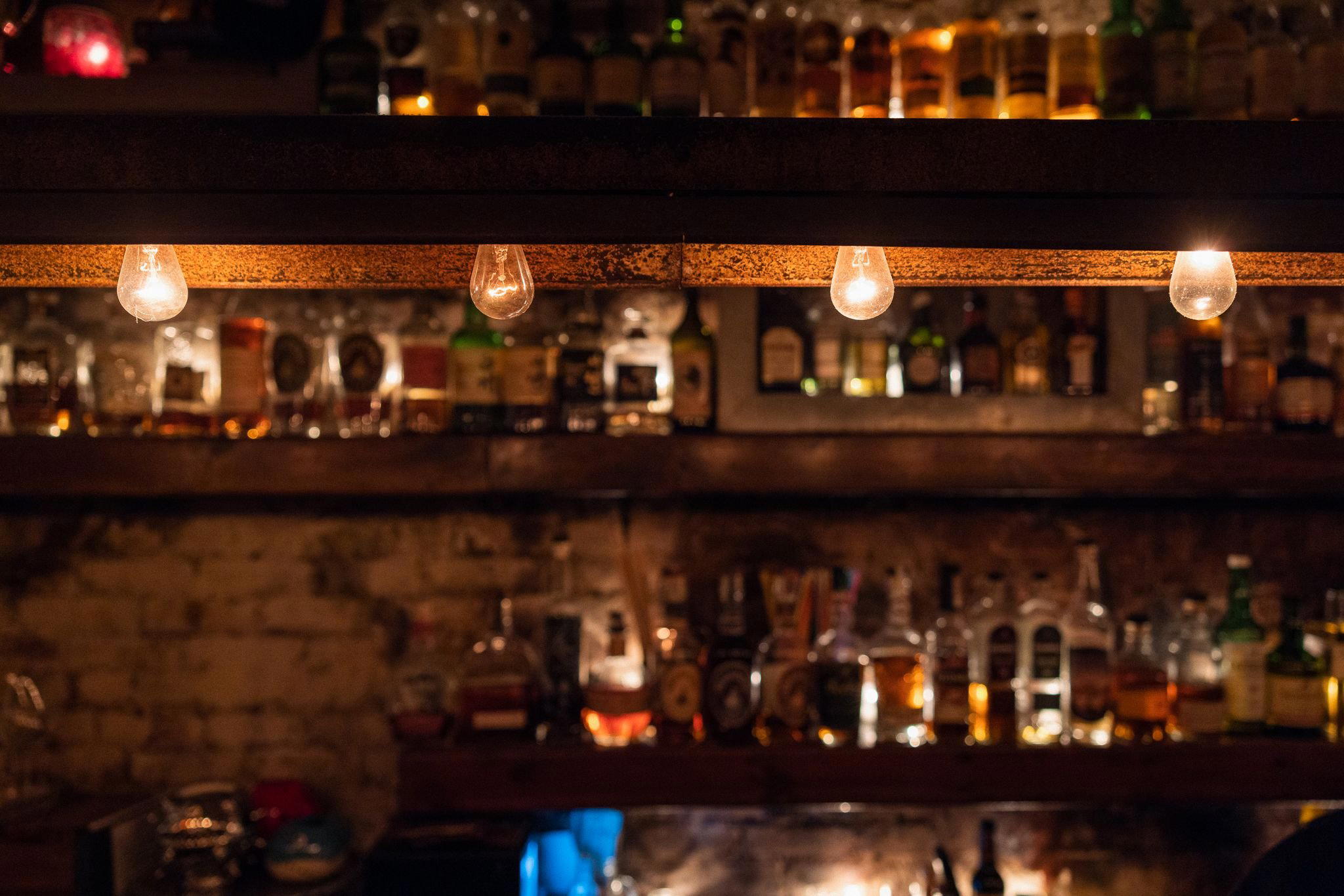
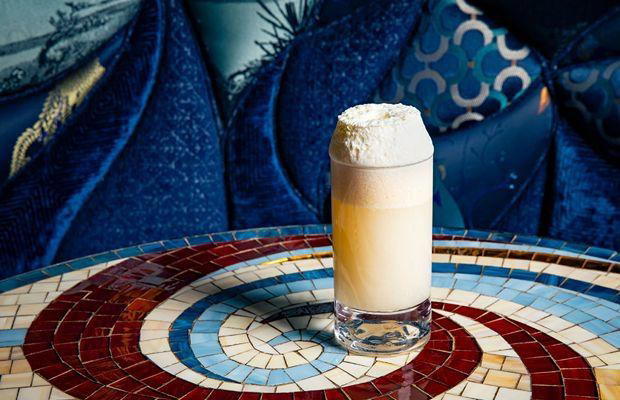
Hotels in New York City
All hotels in New York City →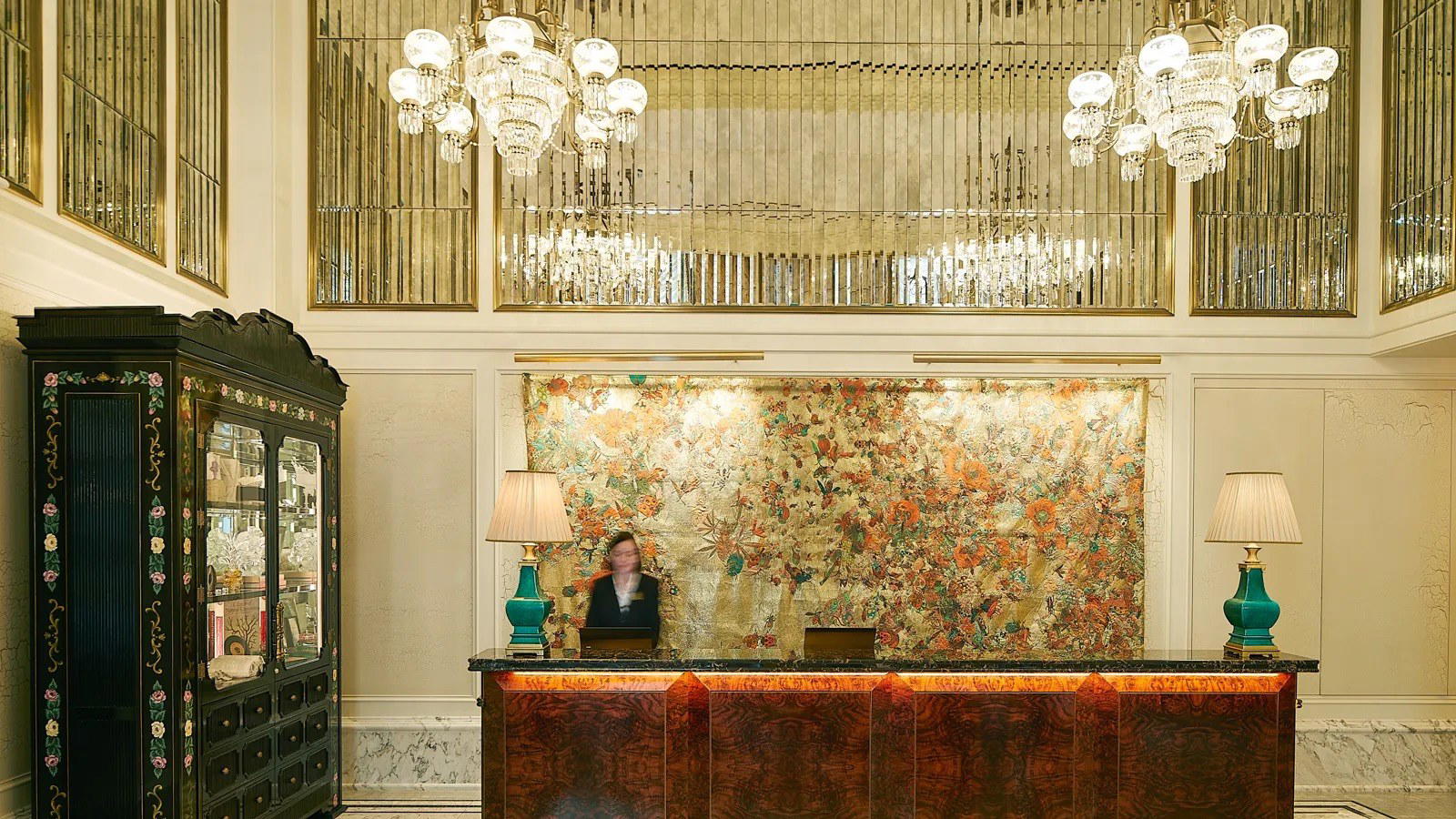
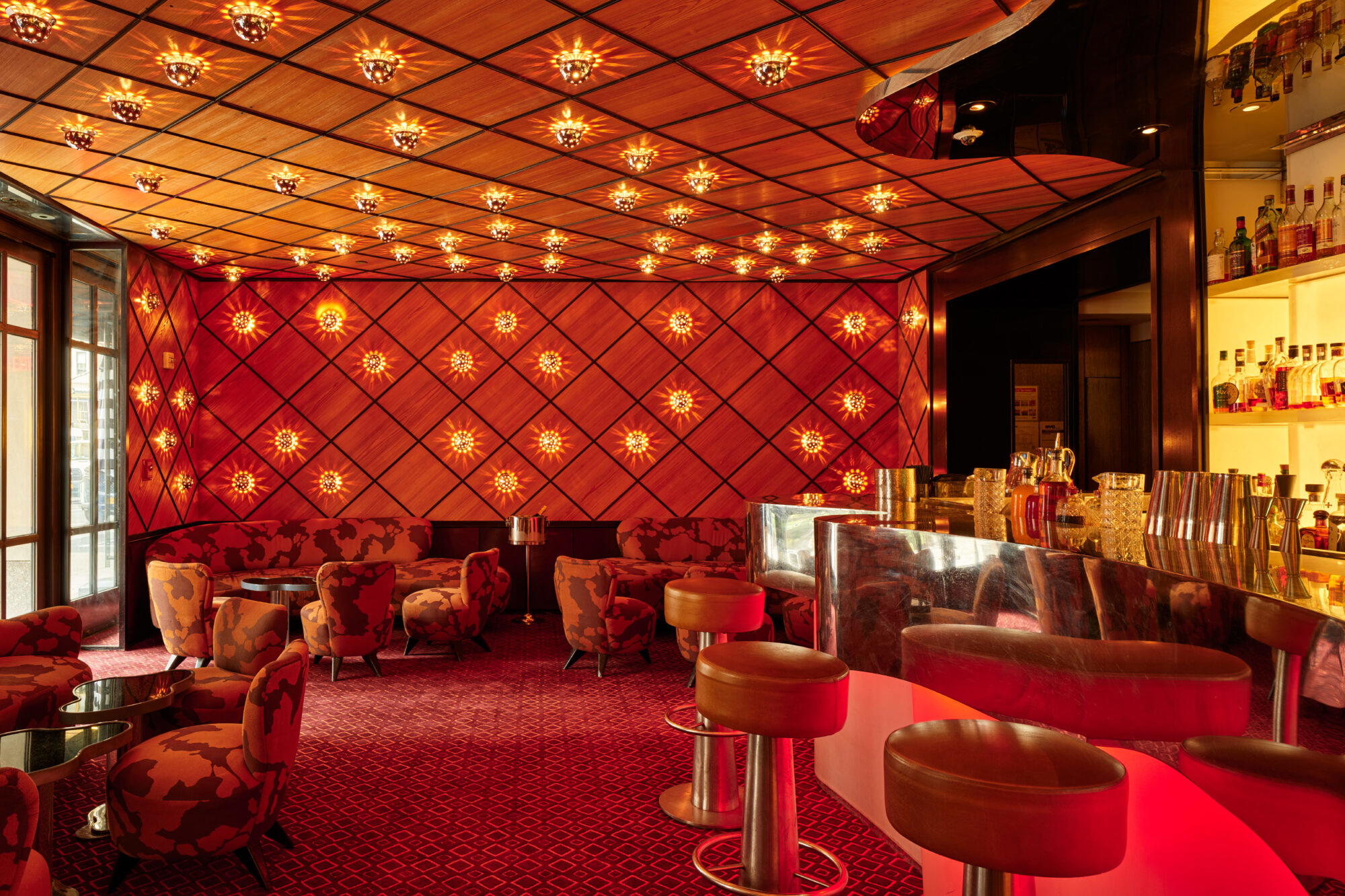
Wineries in New York City
All wineries in New York City →
Japanese fine-dining restaurant at One Bryant Park
The wine
- Extensive wine list
- Sommelier-led
- Sake program
Details
- Elegant
- Sophisticated
- Modern
- Well Known
- Special Occasion
- Date Night
- Business Dinner
- Chefs Counter
- Open Kitchen
- Design Destination
- Historic Building
- Sake Program
- Extensive Wine List
- Sommelier Led
- Tasting Menu
- Omakase
- Counter Dining
- Sake
- Wine
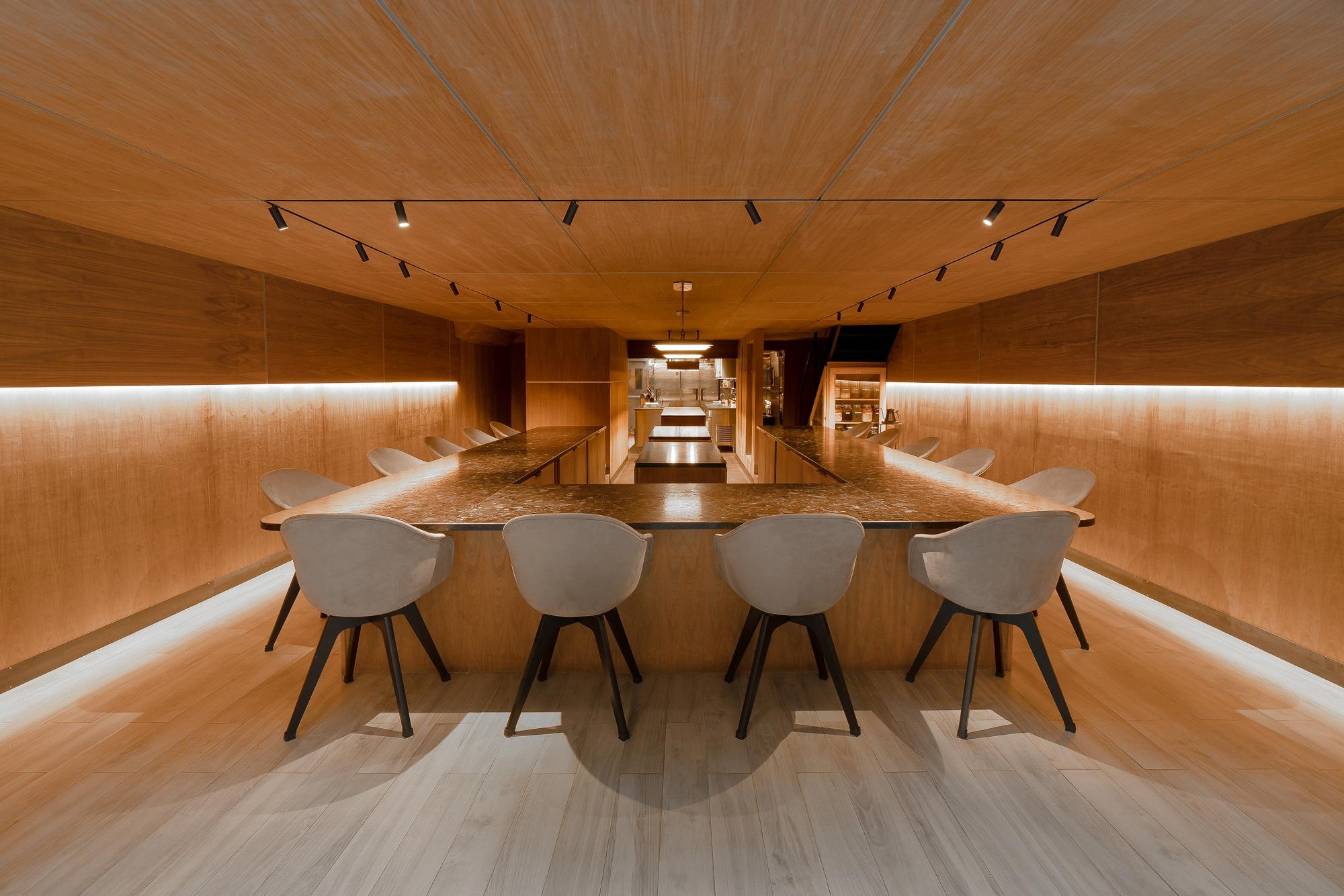
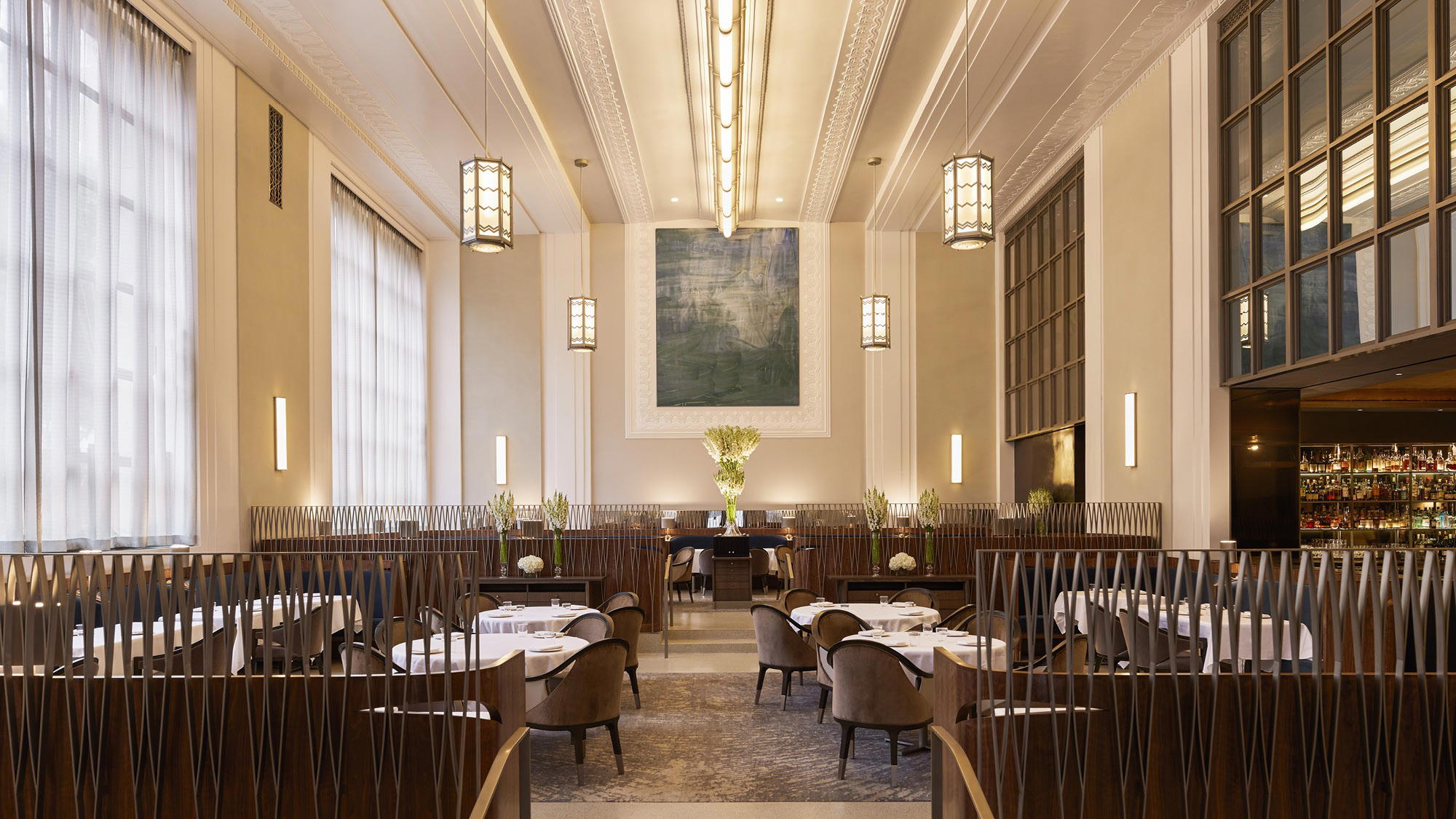
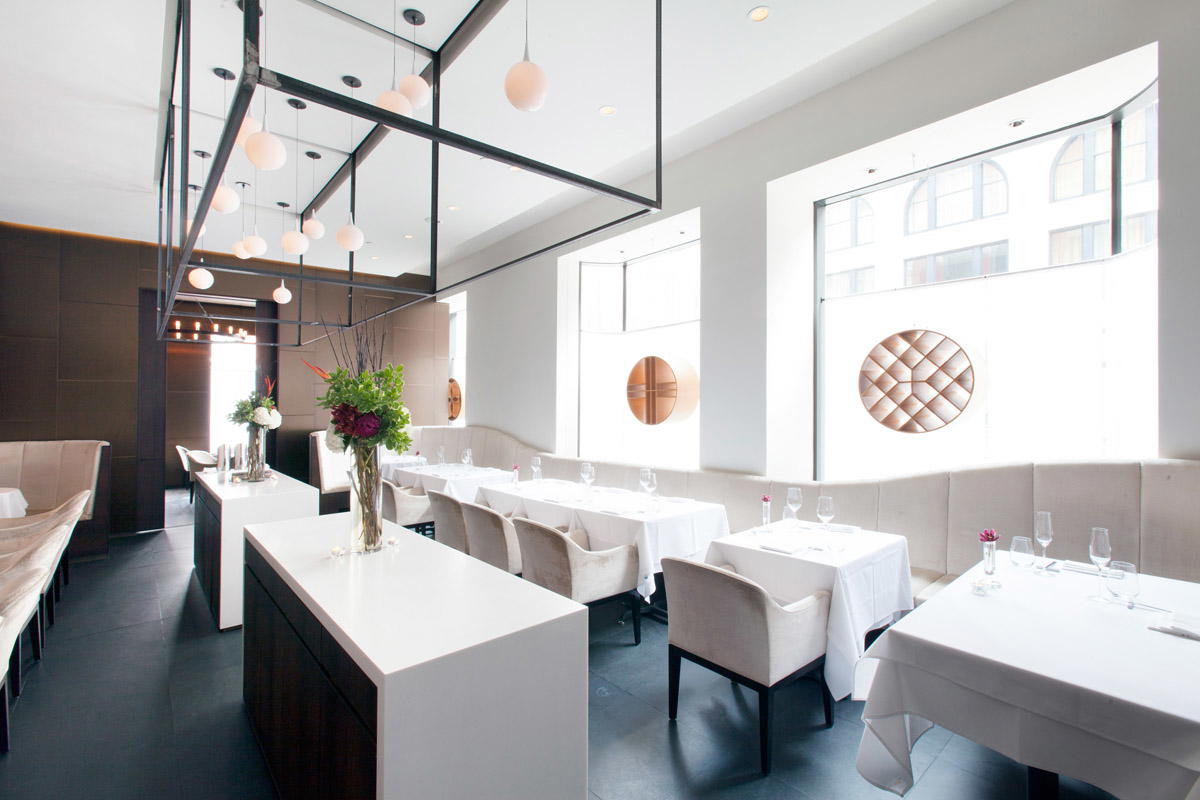
Modern, refined atmosphere with architectural distinction befitting the well-known One Bryant Park location; designed as a landmark dining destination with both indoor and outdoor spaces.