Yoshoku
Inside the Waldorf Astoria New York on Park Avenue, Yoshoku occupies one of midtown's more charged dining rooms, defined by the restored Wheel of Life art deco mosaic that anchors the space. The menu positions itself at the intersection of Japanese and Western culinary traditions, a format with serious precedent in both Tokyo and New York. Expect a setting that carries the weight of the building's history without turning that history into a theme.
Pearl is the En Primeur Club membership app — saves, bookings, and concierge access live there. Same editors, same standards.
- Address
- 301 Park Avenue
- Phone
- 212-355-3000
- Website
- yoshokunyc.com
- Directions
- Get directions
 Saves & bookings on Pearl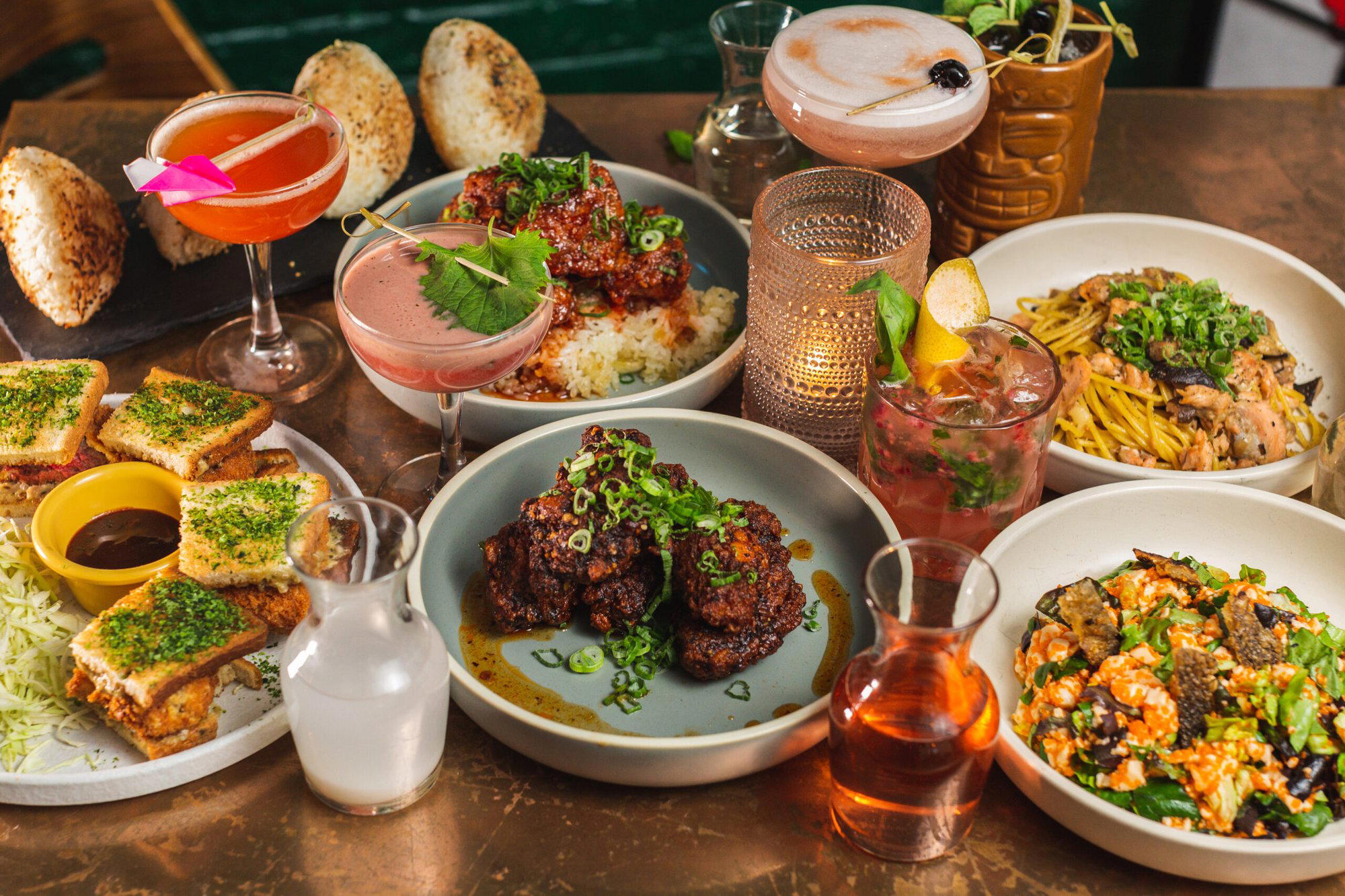
A Room With a Record
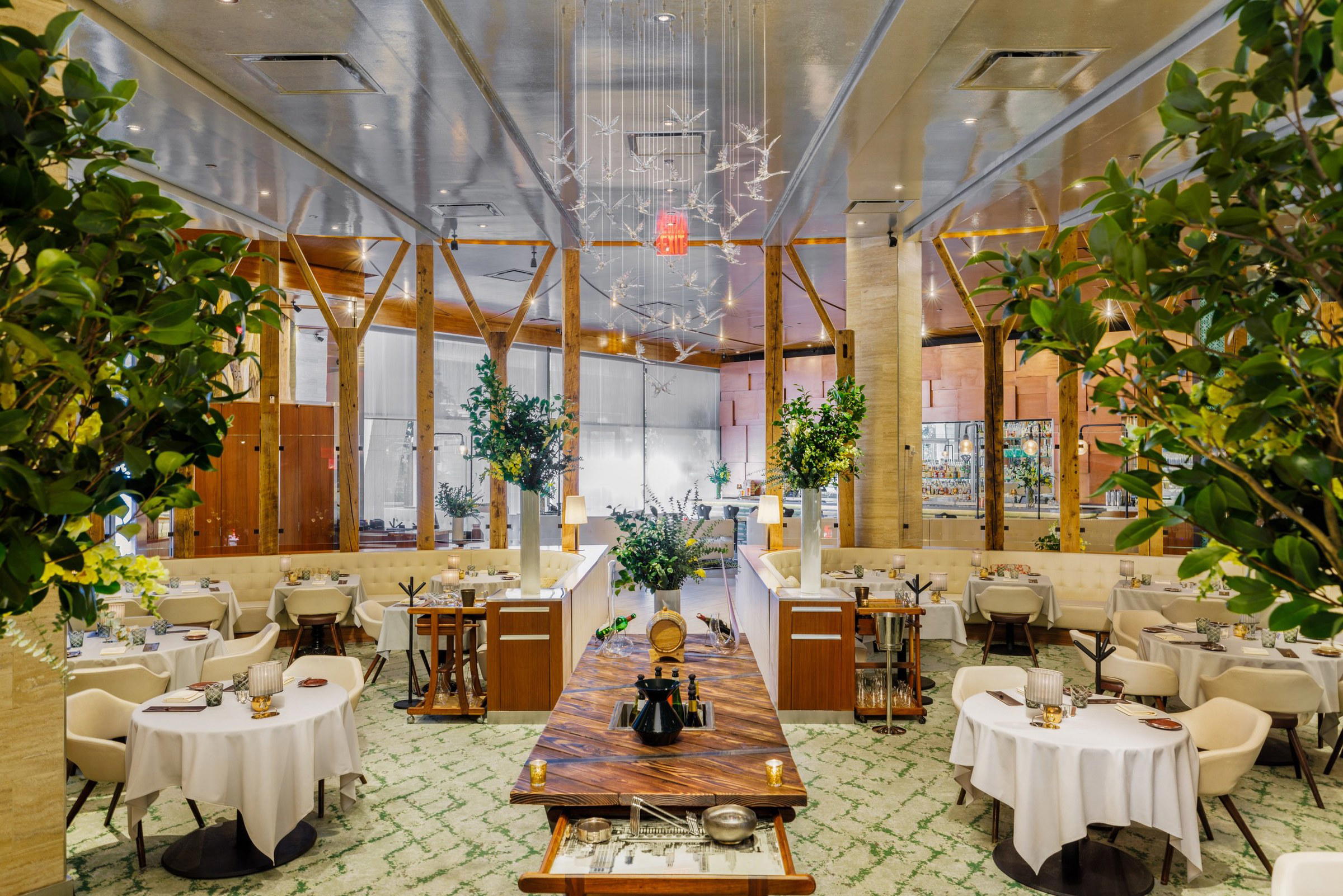
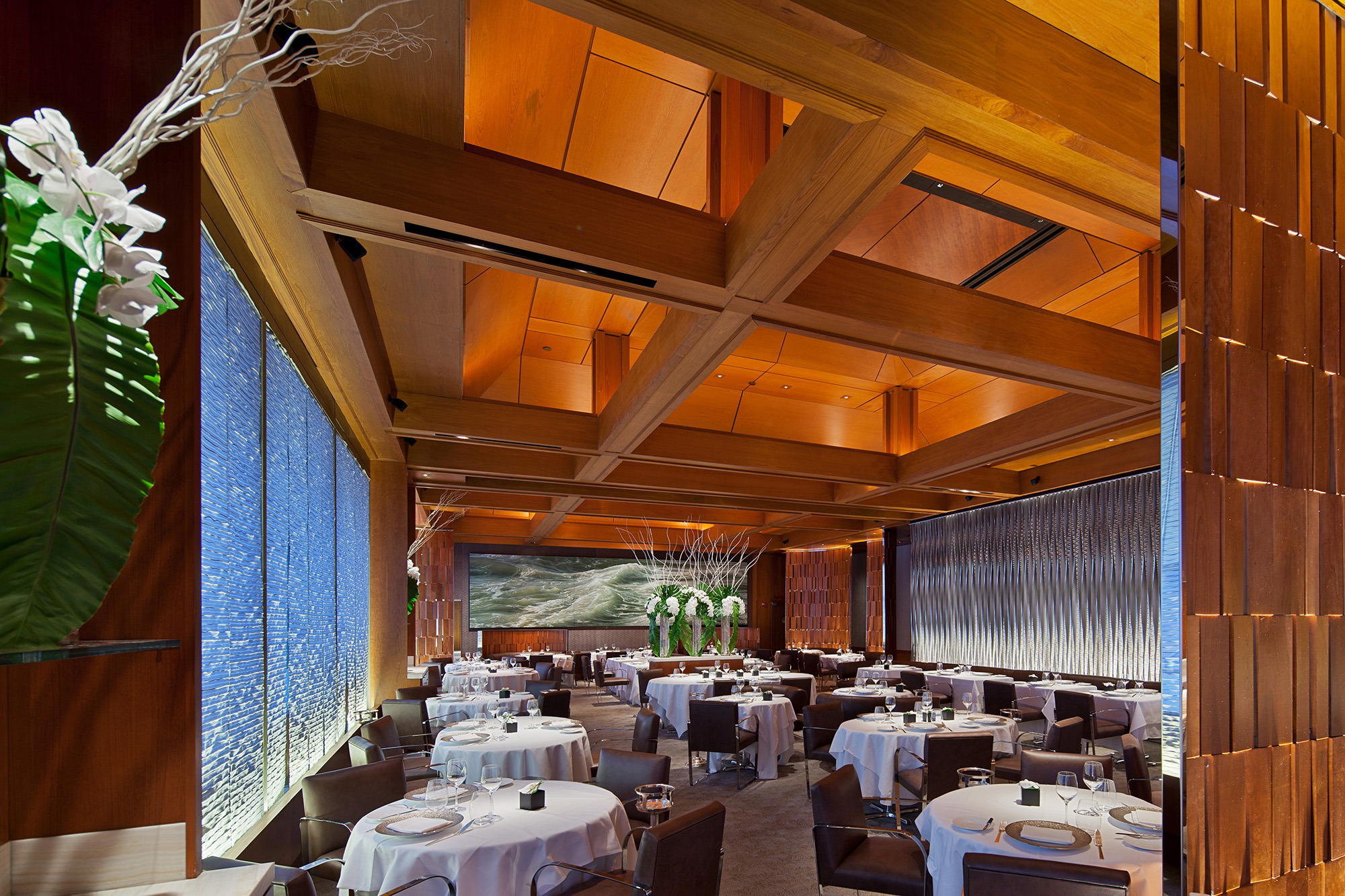
Park Avenue's dining rooms tend to broadcast ambition through size and material. Yoshoku is a kaiseki-inspired Japanese restaurant in New York City at 301 Park Avenue, with a price point around $188 per person. The room's most immediate reference point is the Wheel of Life, a restored art deco mosaic that predates virtually every restaurant currently receiving attention in this city. Entering the space means registering that object first, before any menu consideration. That sequencing matters: the Waldorf Astoria's midtown address has hosted heads of state and diplomatic functions for decades, and the weight of that institutional history shapes how the room reads. few new restaurant openings in New York City inherit a physical space with that kind of documented record.
The restoration of the Wheel of Life mosaic places Yoshoku in a category of dining rooms that treat heritage architecture as a primary offering rather than a backdrop. Comparable thinking appears in older European grand hotel restaurants, where the room itself is understood as a cultural artifact. In New York, this approach is rarer. Most high-end openings either occupy purpose-built contemporary spaces or strip period interiors back to raw elements. Yoshoku's decision to foreground the mosaic's restoration signals a different set of priorities.
The Yoshoku Tradition and What It Means Here
The restaurant's name carries specific culinary meaning. Yoshoku refers to a category of Japanese cooking that emerged in the Meiji era, when Western culinary techniques and ingredients were absorbed and reformulated through a Japanese sensibility. Dishes like omurice, hayashi rice, and demi-glace-based preparations are yoshoku classics, foods that look Western at first glance but carry Japanese logic in their execution and proportion. The category occupies a distinct position in Japanese food culture: neither fusion in the contemporary sense nor purely traditional, but a century-old synthesis with its own internal rules.
That culinary lineage is worth understanding before arriving at 301 Park Avenue. Yoshoku as a genre is not experimental cooking that blends Eastern and Western elements for novelty. It has a documented history in Japan's port cities, particularly Yokohama and Kobe, where contact with Western traders in the 19th century produced a durable, affectionate hybrid cuisine. When a New York restaurant adopts that name and frame, it positions itself against Tokyo yoshoku specialists and against New York's own Japanese restaurant tier simultaneously. The comparison set includes Masa, which holds a different position at the purist sushi end, and destinations like Le Bernardin or Per Se, which anchor the French side of New York's fine dining axis. Yoshoku's framing suggests a deliberate step away from both.
Across the United States, a smaller number of restaurants have engaged seriously with the Japanese-Western synthesis outside sushi and ramen contexts. Lazy Bear in San Francisco and Alinea in Chicago each work at the intersection of technique and cultural reference, though from different starting points. The yoshoku frame is more historically grounded than either of those models, which makes the conversation at Yoshoku potentially more interesting to trace.
Sustainability Within a Heritage Setting
The art deco room and the yoshoku culinary frame suggest a longer-cycle approach to hospitality. Sustainability in fine dining has typically been discussed in terms of supply chain: sourcing protocols, waste reduction systems, relationships with specific farms or fisheries. Restaurants like Single Thread Farm in Healdsburg and Providence in Los Angeles have built documented sourcing programs that function as core identity signals. The French Laundry in Napa has maintained on-site kitchen garden infrastructure for years.
Yoshoku's version of this conversation happens at a different register. Restoring a 20th-century mosaic rather than replacing it, occupying a building with a 90-year address history, and grounding the menu in a culinary tradition that is itself over a century old: these are choices that reflect a slower-burn relationship to value. The yoshoku format is inherently anti-waste in its original logic, born from making European ingredients work within Japanese domestic constraints. Demi-glace, in the yoshoku canon, gets used across multiple preparations. Proportions are calibrated for efficiency as much as flavour. That original frugality may or may not translate directly to Yoshoku's kitchen operation, but the tradition it draws from carries that DNA.
For diners tracking sustainability across New York's dining scene, the more visible programs remain at farm-to-table focused operations. But the Waldorf Astoria's scale and procurement infrastructure, combined with a culinary format that historically valued resourcefulness, creates a foundation for that conversation.
Where Yoshoku Sits in the Midtown Picture
Midtown's restaurant tier has consolidated significantly in the past decade. The neighbourhood's highest-volume hotel dining rooms often function as convenience anchors rather than destination restaurants. Against that context, a lobby restaurant that references a specific historical culinary tradition and houses a significant piece of restored decorative art occupies a different category. Saga, positioned in the financial district, and César represent the kind of contemporary American fine dining that has drawn critical attention in recent years. Yoshoku's frame is more historically specific than either.
The comparison extends internationally. Restaurants like 8½ Otto e Mezzo Bombana in Hong Kong and Alain Ducasse at Louis XV in Monte Carlo demonstrate how European culinary traditions can function inside grand hotel architecture without the setting overwhelming the food. Yoshoku inverts that model slightly: a Japanese culinary tradition inside one of America's most recognisable European-influenced hotel buildings.
Know Before You Go
- Address: 301 Park Avenue, New York City (Waldorf Astoria New York lobby)
- Cuisine frame: Japanese-Western synthesis, drawing on the yoshoku culinary tradition
- Setting: Historic art deco interior featuring the restored Wheel of Life mosaic
- Booking: Contact the Waldorf Astoria New York directly; no independent booking portal confirmed in current public record
- Pricing: about $188 per person
- Hours: Not listed in the record
- Nearby: Grand Central Terminal (walkable); multiple midtown cultural institutions within short distance
A Credentials Check
Comparable venues nearby, for context on price, style, and recognition.
| Venue | Cuisine | Price | Notes |
|---|---|---|---|
| YoshokuThis venue — the venue you are viewing | Kaiseki-inspired Japanese | $$$$ | Not listed |
| Sushi Sho | Edomae Omakase Sushi | $$$$ | Midtown East |
| Kumiko Room | Modern Japanese Cocktail Bar & Omakase | $$$$ | West Loop |
| Nobu Downtown | New Style Japanese | $$$$ | Financial District-Battery Park City |
| Tori Shin | Authentic Yakitori | $$$$ | Hell's Kitchen |
| Noz Market | Edomae Omakase Sushi | $$$$ | Upper East Side-Carnegie Hill |
Continue exploring
More in New York City
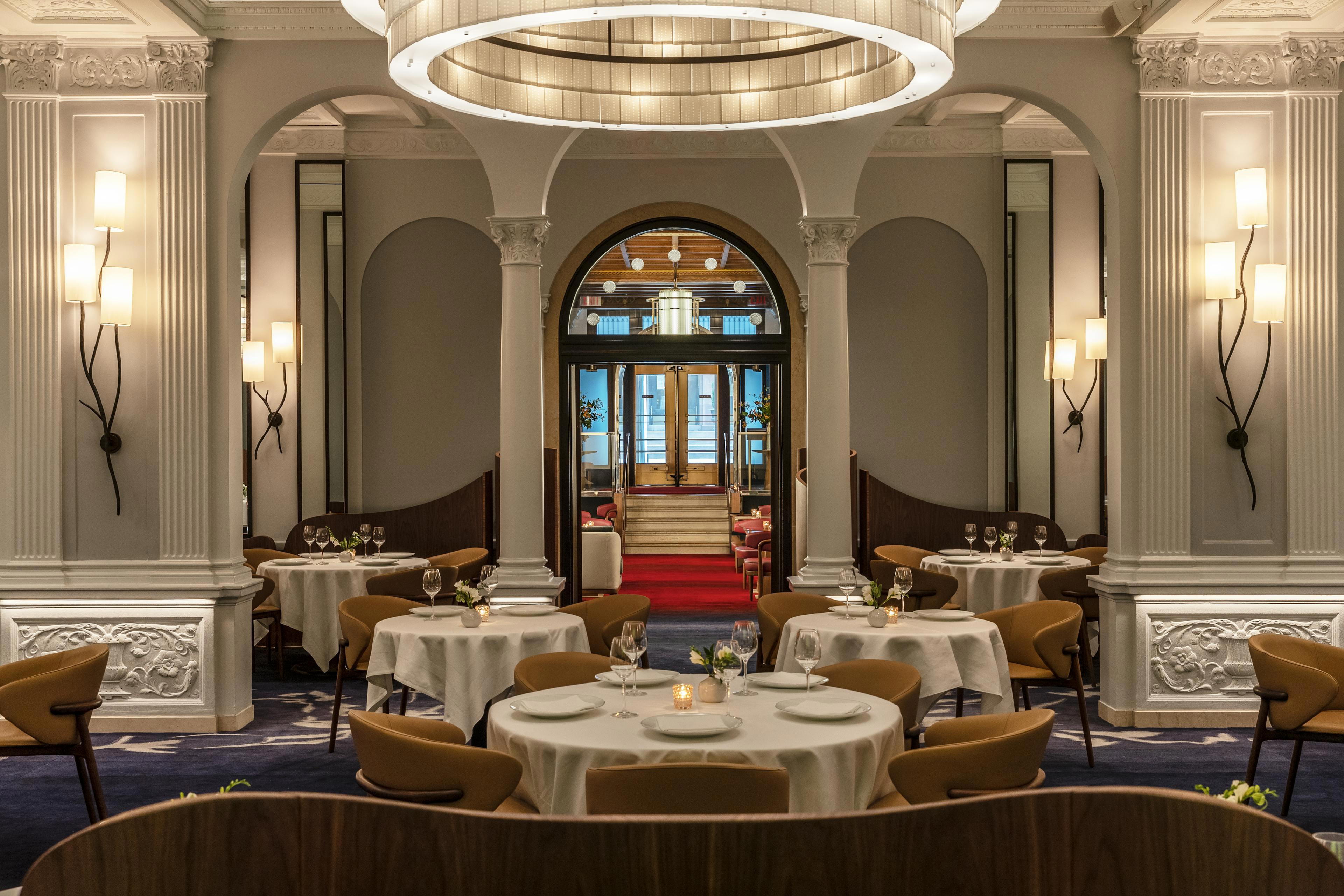
Restaurants in New York City
Browse all →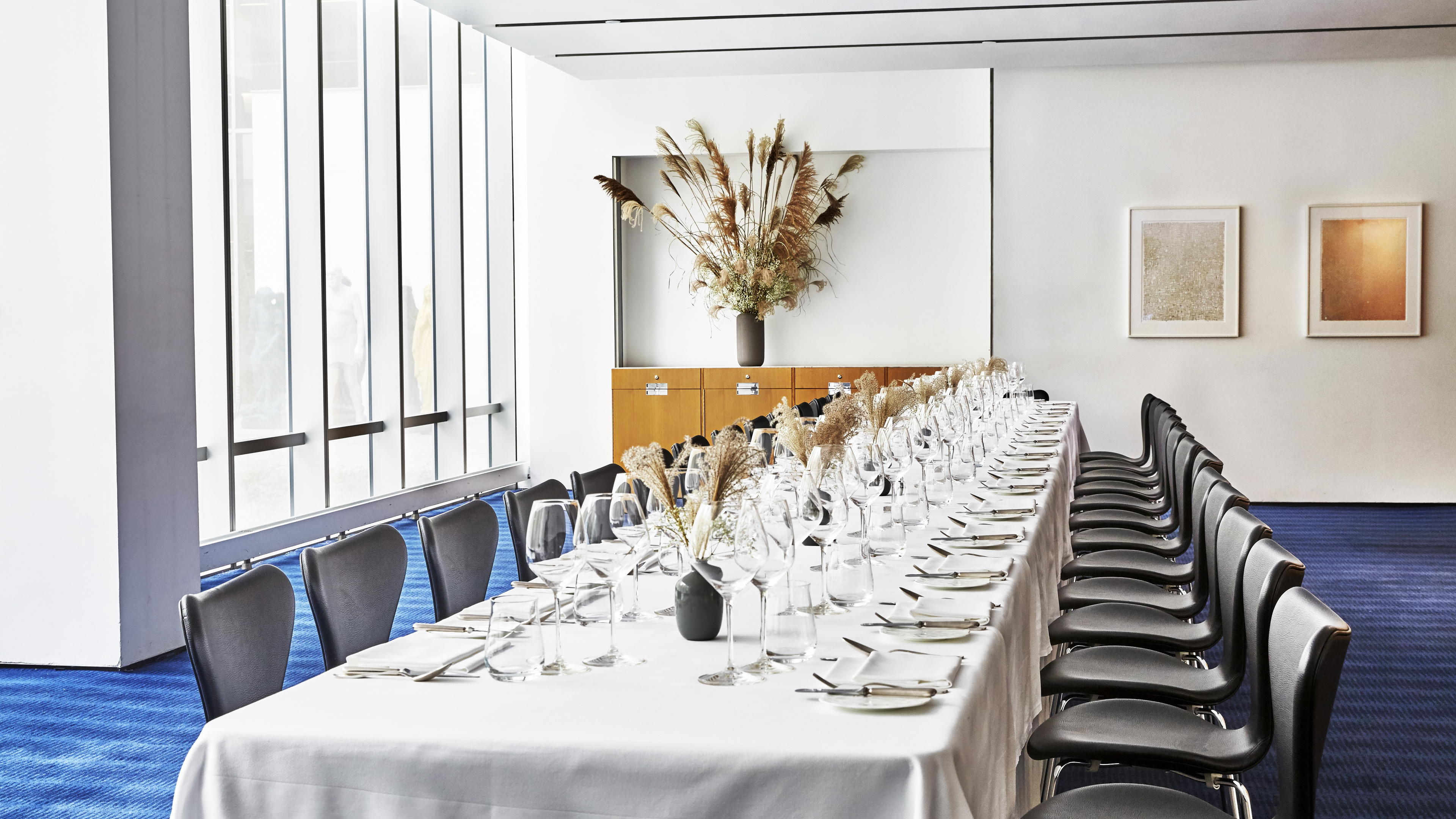
Bars in New York City
Browse all →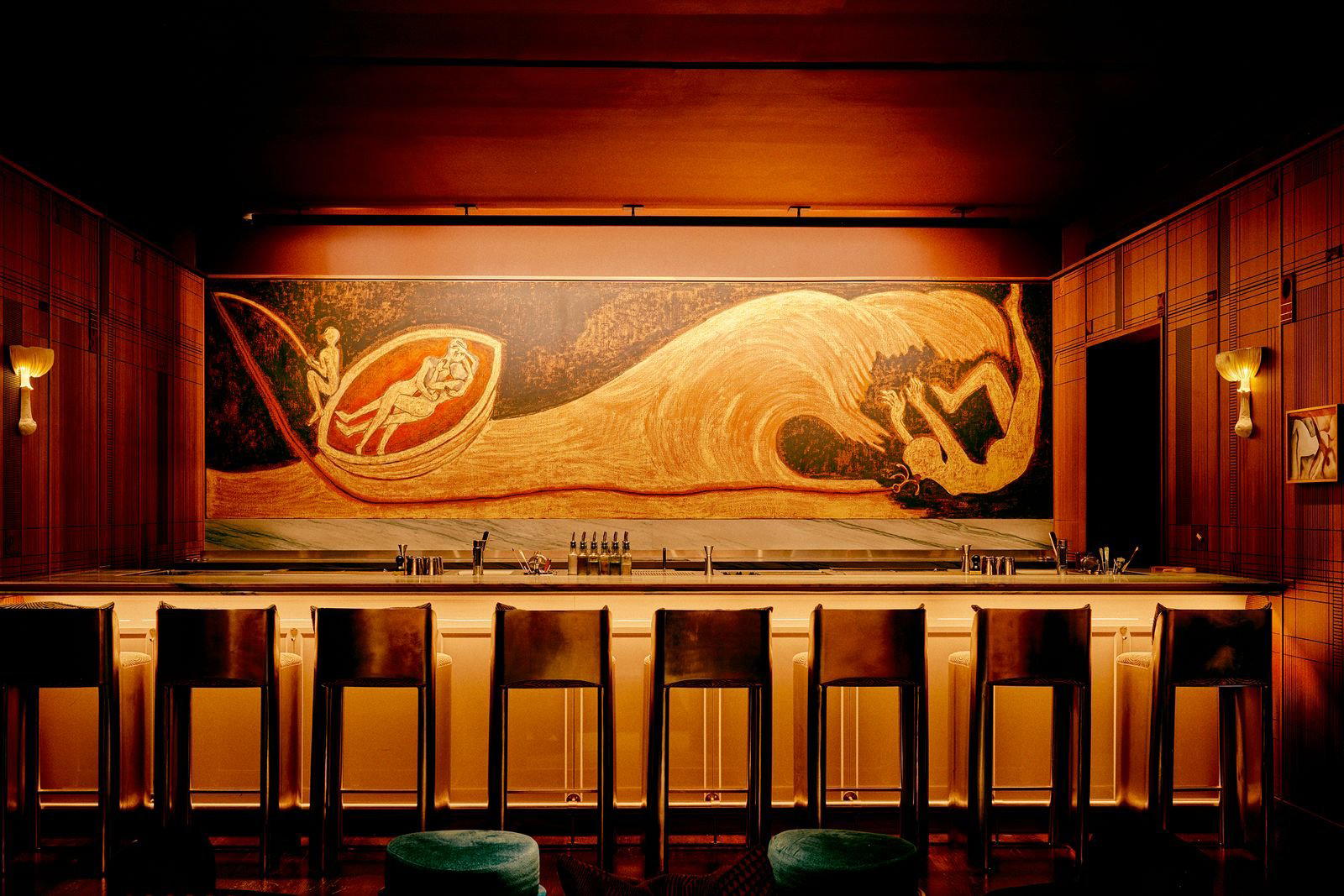
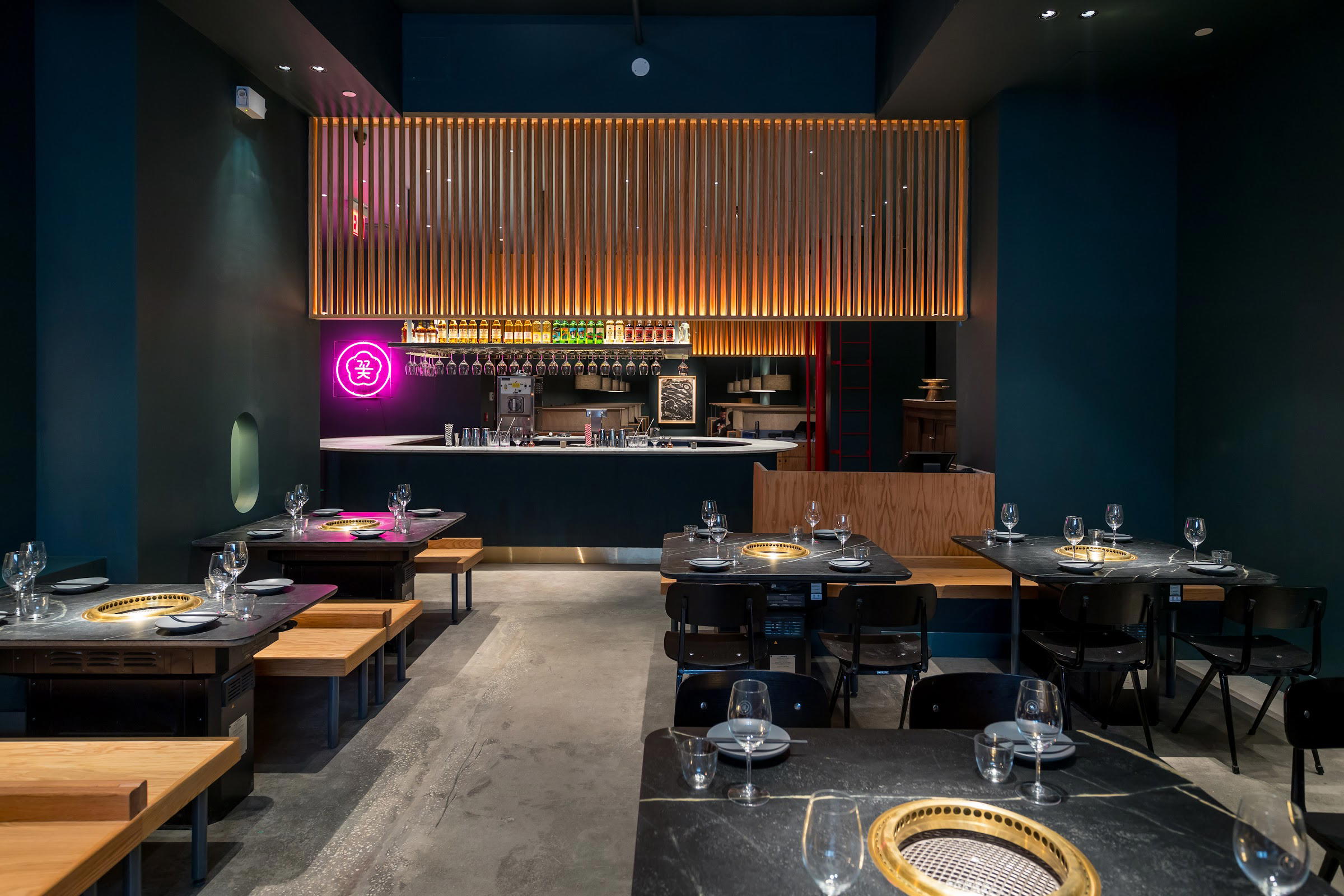
Hotels in New York City
Browse all →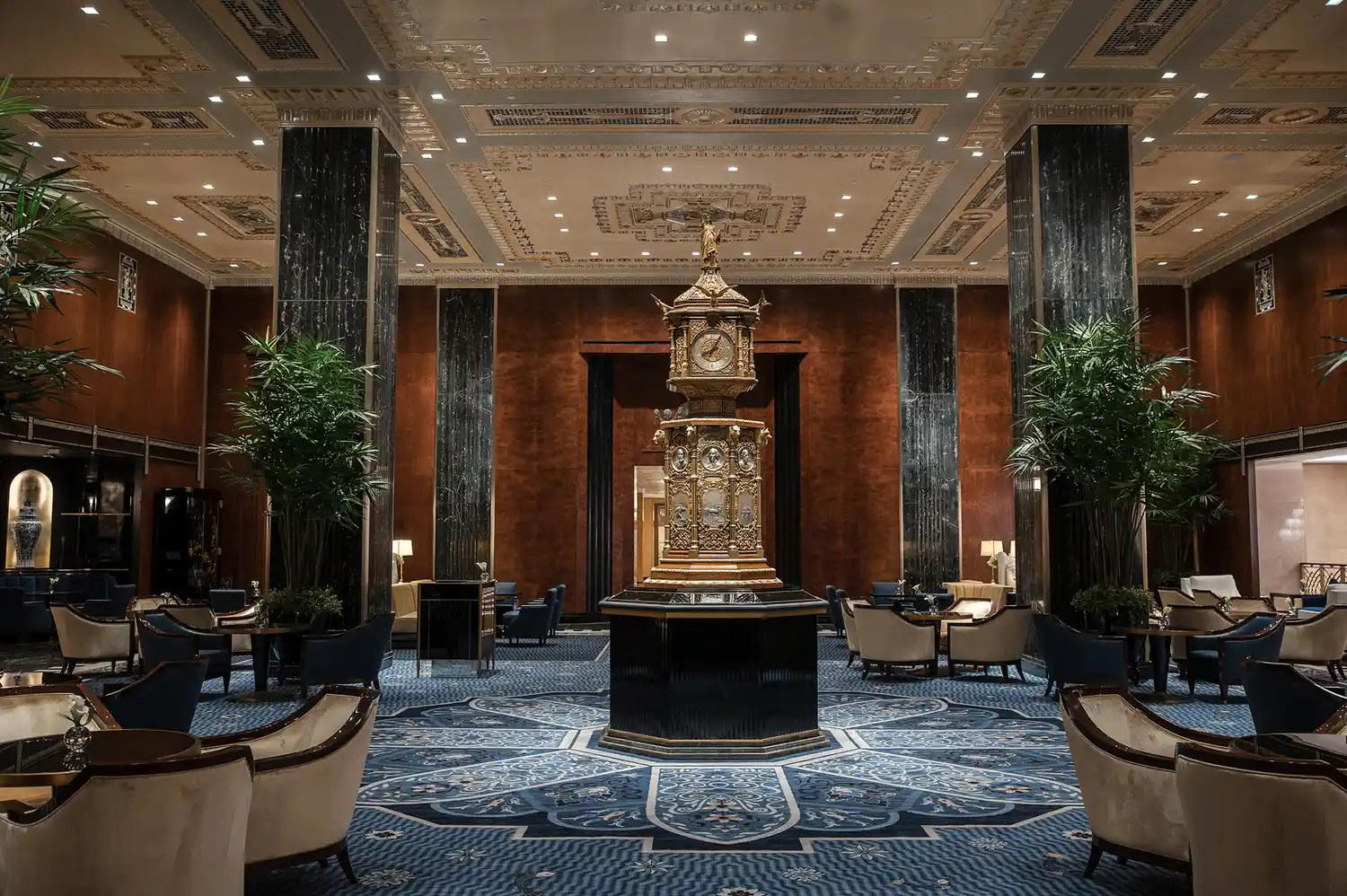





At a Glance
- Cozy
- Intimate
- Elegant
- Modern
- Date Night
- Special Occasion
- Business Dinner
- Hotel Restaurant
- Design Destination
- Historic Building
- Sake Program
- Craft Cocktails
- Street Scene
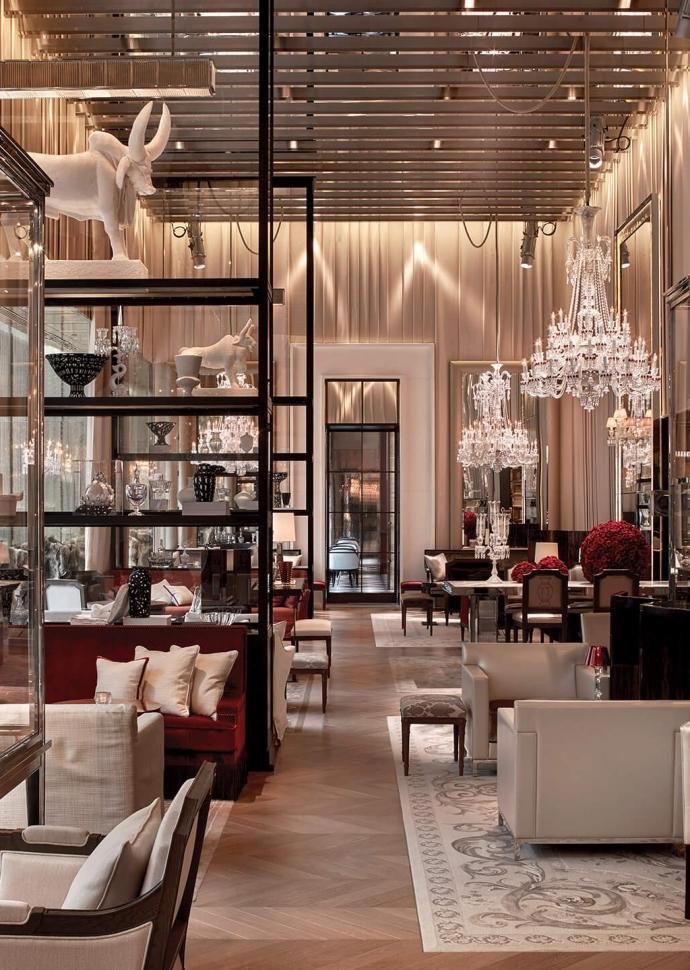
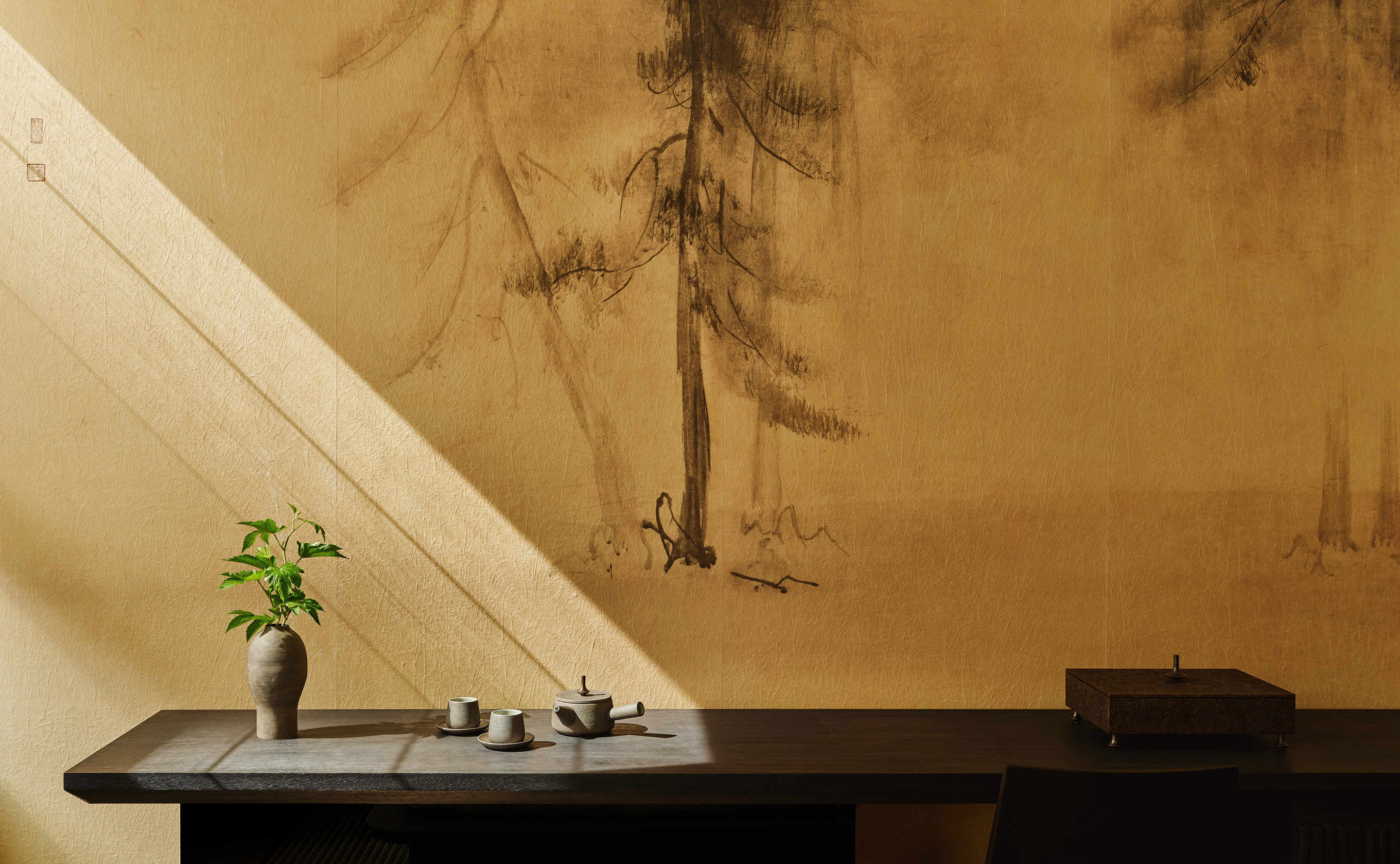
Stylish and sophisticated with minimalist wabi-sabi design, soft lighting, neoclassical murals, and an intimate formal dining area.