Nineteen 86 Steakhouse

Nineteen 86 Steakhouse brings a classic American steakhouse format to Glendale's West Northern Avenue corridor, where the genre's conventions, prime cuts, deliberate cooking, and a drinks program built for the long table, meet the particular appetites of a suburban Arizona dining scene that increasingly expects more from its beef-forward restaurants.
Pearl is the En Primeur Club membership app — saves, bookings, and concierge access live there. Same editors, same standards.
- Address
- 9431 W Northern Ave, Glendale, AZ 85305
- Phone
- +16236338986
- Website
- ddcaz.com
- Directions
- Get directions
 Saves & bookings on Pearl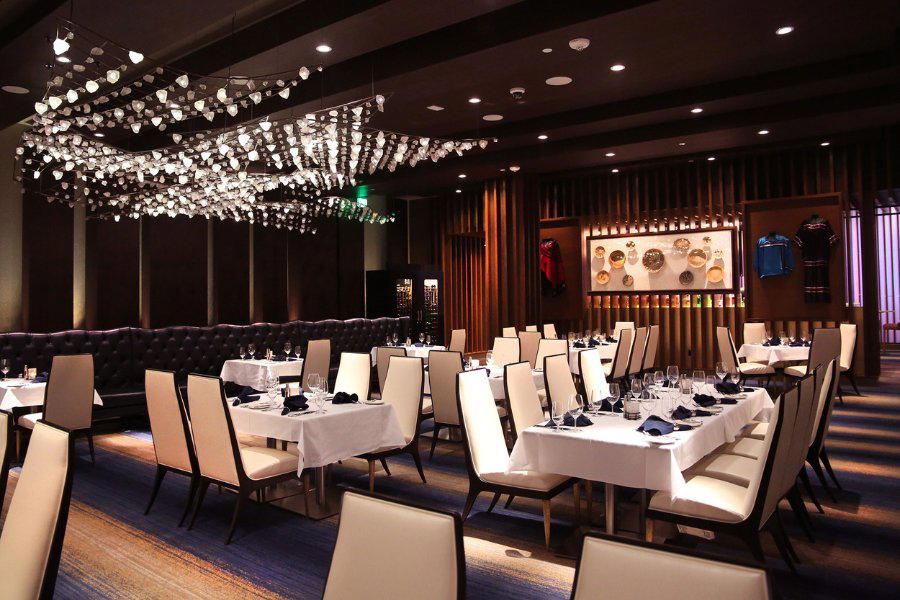
Where the Steakhouse Formula Meets the Arizona Table
The American steakhouse is one of the country's most codified dining formats: a room built around fire and protein, where the side dish arrives in a vessel large enough to share and the wine list skews heavy toward Cabernet. West of Phoenix, in Glendale's commercial corridor along Northern Avenue, that format has found a local address at Nineteen 86 Steakhouse. The name anchors the restaurant to a specific moment in American dining history, 1986 sat at the hinge between the old-guard steak house and the era when American chefs began looking seriously at sourcing, technique, and the question of what, exactly, justified a premium price for a piece of beef.
That historical context matters because it frames what a steakhouse in this part of the Valley must do to earn repeat visits. Glendale's dining scene has broadened considerably over the past decade. The stretch along and near Northern Avenue now includes Mexican kitchens like Acapulco and Caramba, the Eastern Mediterranean warmth of Adana, the casual Chinese-American offer at California Wok Glendale, and sweeter stops like Blackberry Bliss. Against that spread, a steakhouse earns its place not through novelty but through execution and the kind of reliability that justifies returning on occasion.
The Local Ingredients, Global Technique Question
One instructive frame for a contemporary American steakhouse, particularly one operating outside the traditional steakhouse capitals of Chicago and New York, is the tension between imported method and regional product. Arizona's cattle industry is real and consequential. The state runs a meaningful commercial herd, and ranchers in the high-country grasslands around Flagstaff and the San Rafael Valley have increasingly focused on quality-grade production that moves beyond commodity beef. The question any serious steakhouse in this region must answer is how it positions itself relative to that local supply: does it source nationally, as most steakhouses do for consistency, or does it make room for regional product that carries a different flavour profile and a different story?
That intersection of technique and provenance is precisely where steakhouses at the higher end of the American market have differentiated themselves over the past fifteen years. Restaurants like Single Thread Farm in Healdsburg and Blue Hill at Stone Barns in Tarrytown have made the sourcing argument central to their identity, though neither operates as a steakhouse in the traditional sense. More directly comparable are the upscale American restaurants that have folded steakhouse instincts, proper aging, high-heat cooking, tableside service conventions, into a broader menu that addresses the whole Southwest larder. The classic technique-led model, demonstrated at national reference points from Le Bernardin in New York City and Alinea in Chicago to Providence in Los Angeles, shows how rigorous method can turn regional produce into something worth the price of a destination meal.
Reading the Room: Glendale's Steakhouse Context
Glendale sits in a category of American suburban cities where the steakhouse functions as a social anchor rather than a chef-driven destination. The format serves anniversaries, business dinners, and post-game meals from the nearby sports venues with equal ease. That social utility has historically allowed the genre to coast on atmosphere and portion size. The shift in recent years, visible in markets from San Diego (where Addison has reset local expectations for American fine dining) to San Francisco (where Lazy Bear redefined what a prix-fixe room in that city could feel like), is that diners in secondary and suburban markets now arrive with more specific expectations about technique, sourcing transparency, and the quality of the non-beef elements on the plate.
For the full picture of what Glendale's dining scene currently offers across categories and price points, the EP Club Glendale restaurants guide maps the key options. The steakhouse tier specifically rewards attention because the gap between the better and lesser operators is wide, and the investment, in both money and calories, is significant enough to justify doing the research before you sit down.
Nineteen 86 Steakhouse addresses a corridor that also draws on the broader West Valley sports and entertainment economy. The proximity to State Farm Stadium means the restaurant participates in the rhythm of event-driven dining, where a room can shift from a quiet Tuesday service to a high-volume Friday in ways that test kitchen consistency. The steakhouses that hold up across that range are the ones with tighter mise en place discipline and a floor team trained to manage covers at speed without collapsing the experience for tables that want to linger.
What the American Steakhouse Tradition Demands in 2024
Across the country, the premium steakhouse category has polarised. At one end, large-format national chains offer a reliable if formulaic product. At the other, chef-driven rooms, like The French Laundry in Napa, Emeril's in New Orleans, Atomix in New York City, and The Inn at Little Washington, have pushed the definition of what a premium American dinner can mean, even when beef is on the menu. The middle tier, where most independent steakhouses operate, is where identity matters most. A name like Nineteen 86 stakes a claim to a particular era and, implicitly, to the values that era represented: American confidence in the primacy of the cut, classic preparation, and a dining room designed to feel substantial rather than minimal. Whether a kitchen can sustain that promise across a full service is the operative question for any steakhouse in this segment.
The side dish programme tells you a great deal about a steakhouse's seriousness. Creamed spinach, potato preparations, and bread service are the easiest places to coast. The better operators treat accompaniments as a parallel kitchen argument, with the same attention to sourcing and timing they give the protein. The same applies to the sauces: a béarnaise made to order differs categorically from one held in a bain-marie for a service, and the difference registers on the plate in ways that experienced diners notice immediately.
On the global technique side, the influence of dry-aging science, high-temperature broiler technology, and Josper-style charcoal cooking has migrated steadily into the mid-tier American steakhouse over the past decade. These are no longer exclusively the tools of fine dining rooms like 8 1/2 Otto e Mezzo Bombana in Hong Kong. A steakhouse on Northern Avenue in Glendale, if it is paying attention, has access to the same equipment, the same supplier networks, and the same published technique library as any serious urban operator.
Planning Your Visit
Nineteen 86 Steakhouse is located at 9431 W Northern Ave, Glendale, AZ 85305, in the commercial corridor that runs west toward the sports and entertainment district. For current hours, booking availability, and menu specifics, check directly with the restaurant before travelling, as service schedules in this part of the West Valley can shift around event calendars. The surrounding area provides ample parking typical of Arizona's suburban commercial format, making arrival by car the standard approach.
Comparable Venues
Comparable venues nearby, for context on price, style, and recognition.
| Venue | Cuisine | Price | Notes |
|---|---|---|---|
| Nineteen 86 SteakhouseThis venue — the venue you are viewing | Classic Steakhouse | $$$$ | Not listed |
| The Lola | American Brunch & Small Plates | $$ | Westgate Entertainment District |
| Thirsty Lion | Modern Gastropub | $$ | Westgate Entertainment District |
| Salt Tacos y Tequila | Modern Mexican Tacos y Tequila | $$ | Westgate Entertainment District |
| Haldi Indian GLENDALE | Authentic Indian Curry House | $$ | Glendale |
| State 48 Funk House Brewery | American Gastropub with Craft Beer | $$ | Westgate |
Recognition history
Dated appearances from independent guides and award organizations, with the underlying list record or original source where available.
Wine Spectator Award of Excellence
Wine Spectator
At a Glance
- Elegant
- Classic
- Sophisticated
- Date Night
- Special Occasion
- Business Dinner
- Private Dining
- Extensive Wine List
Current opening hours
- Monday
- Closed
- Tuesday
- Closed
- Wednesday
- 4–10 PM
- Thursday
- 4–10 PM
- Friday
- 4–10 PM
- Saturday
- 4–10 PM
- Sunday
- 4–10 PM
Hours can change for holidays and private events. Last verified .
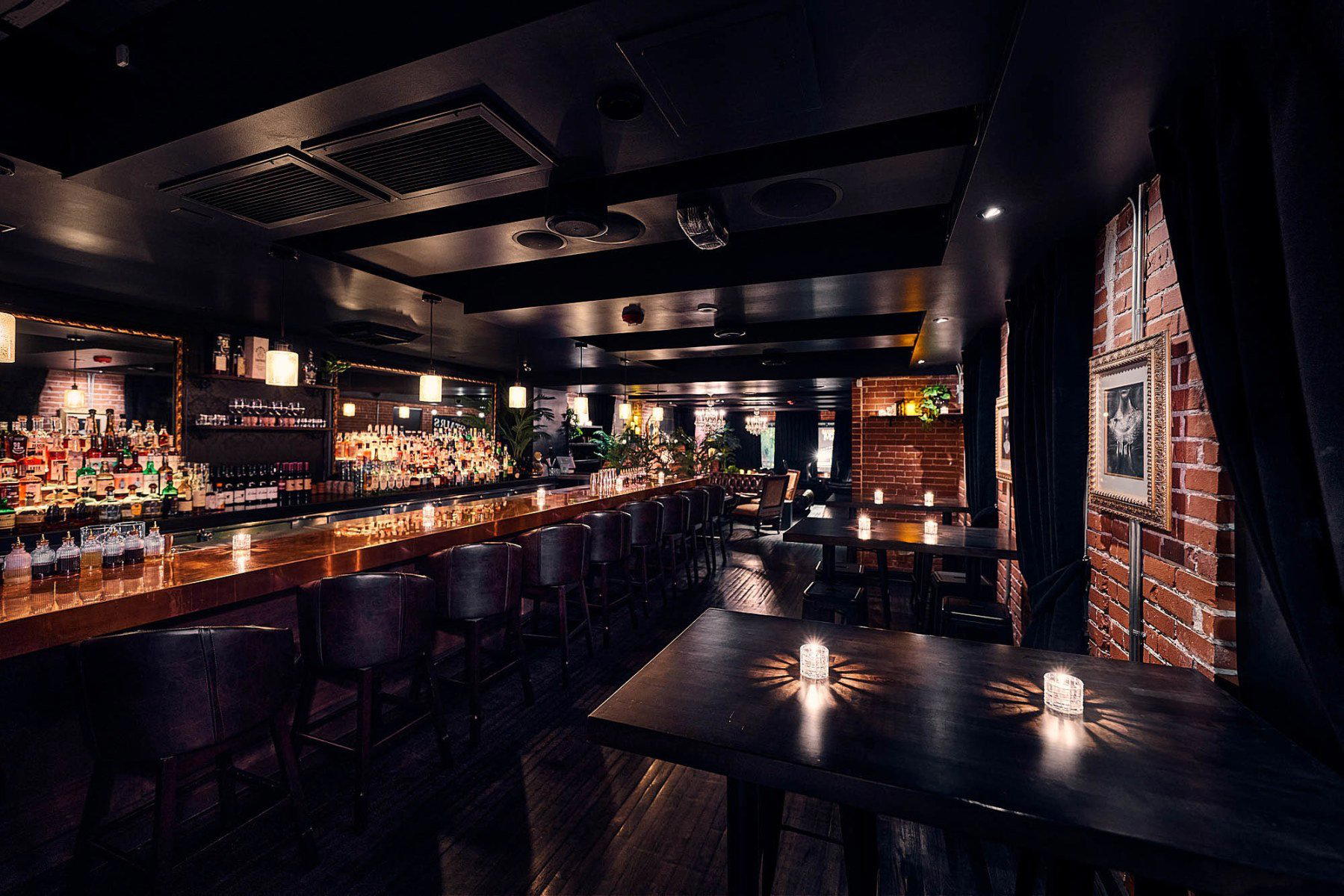
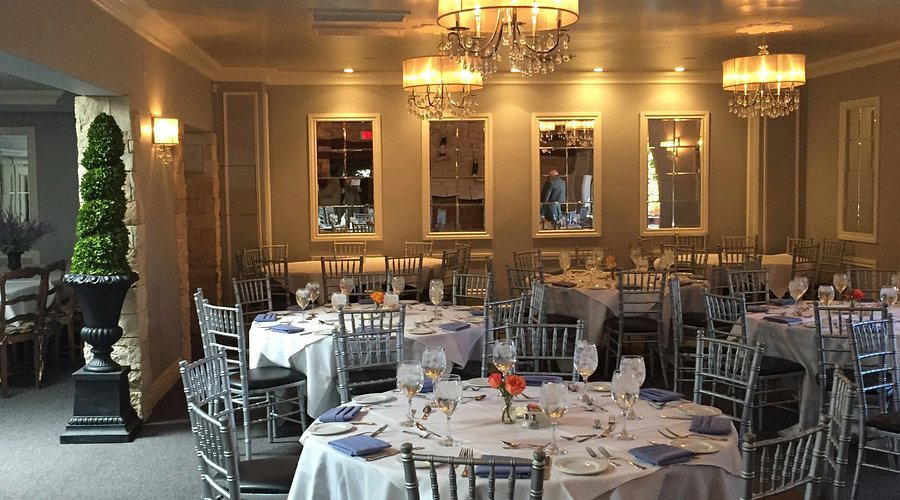
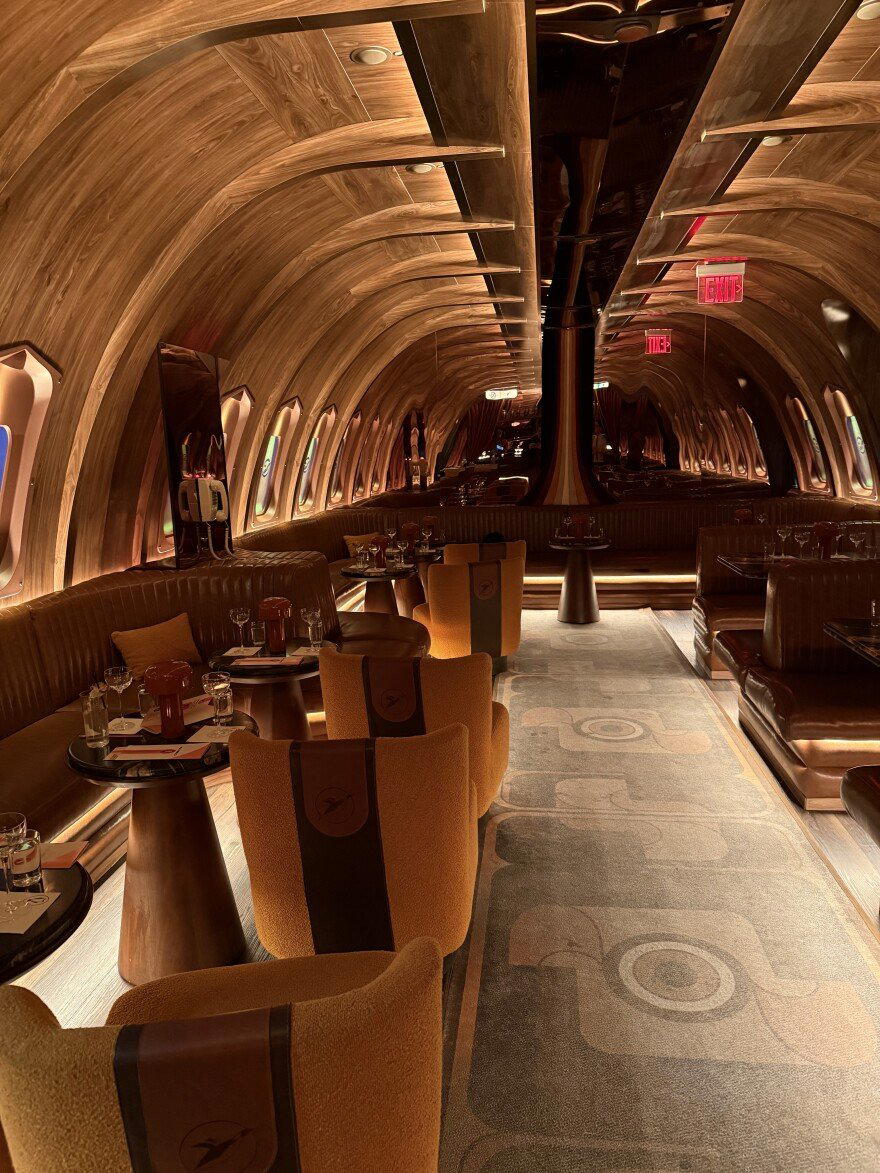
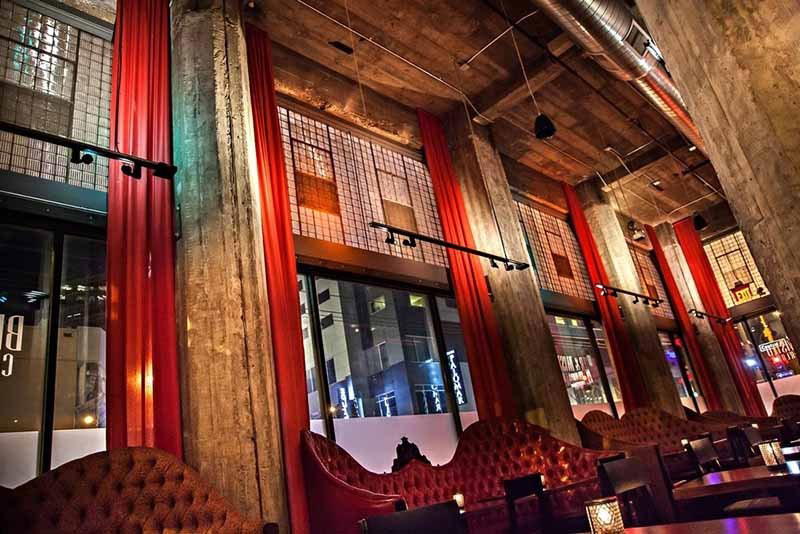
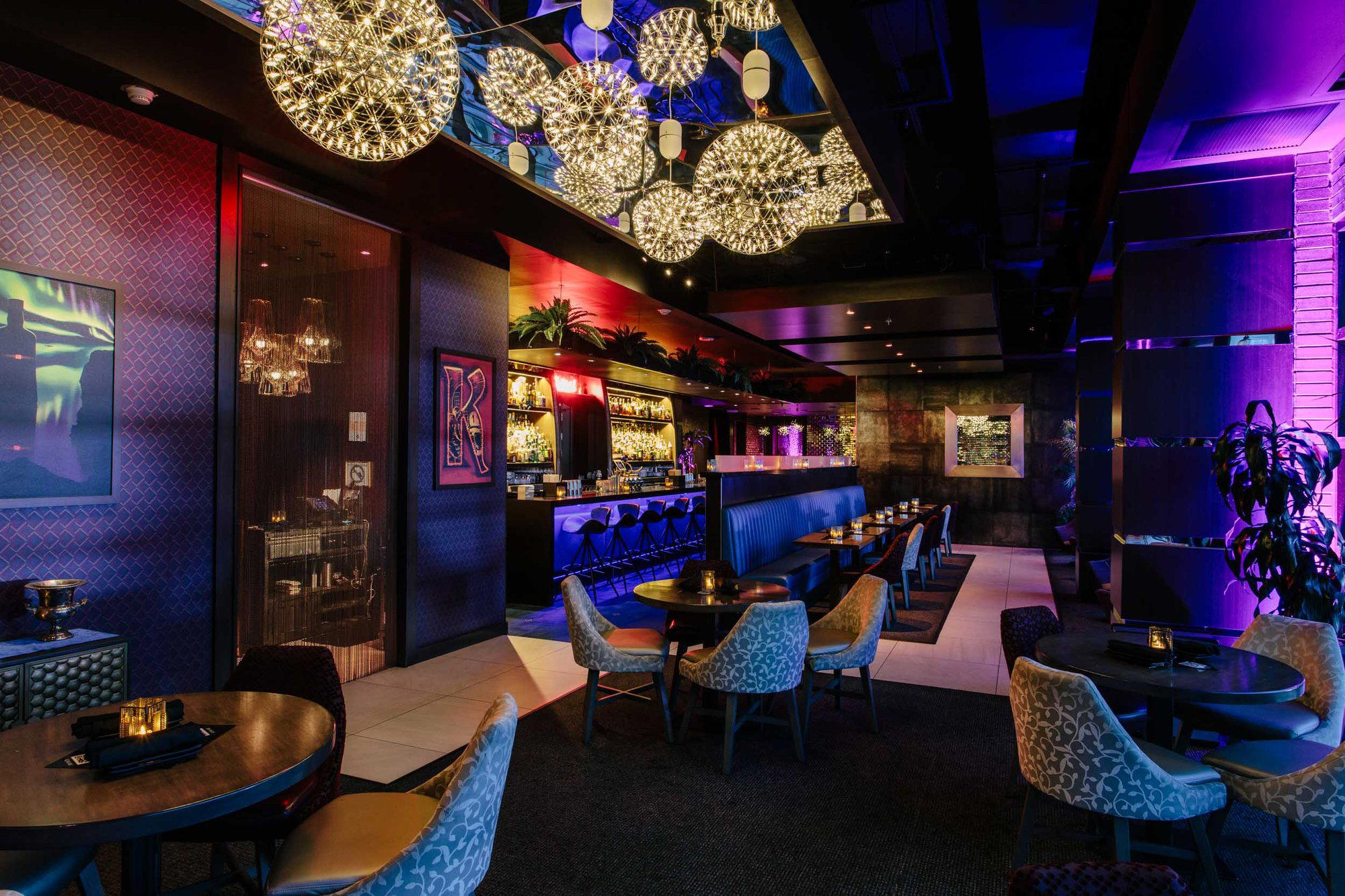
Casual elegance with oversized booths, marble and wood accents, and an upscale yet comfortable casino atmosphere.