Royal Palms Resort and Spa



Built in 1929 at the foot of Camelback Mountain, Royal Palms Resort and Spa sits between Phoenix's Biltmore corridor and Scottsdale in a Spanish Colonial mansion that earned a Michelin Key in 2024. With 116 casitas, estate rooms, and suites, a Mediterranean-focused restaurant in T.
Pearl is the En Primeur Club membership app — saves, bookings, and concierge access live there. Same editors, same standards.
- Address
- 5200 E Camelback Rd, Phoenix, AZ 85018
- Phone
- +1 602-283-1234
- Website
- hyatt.com
- Directions
- Get directions
 Saves & bookings on Pearl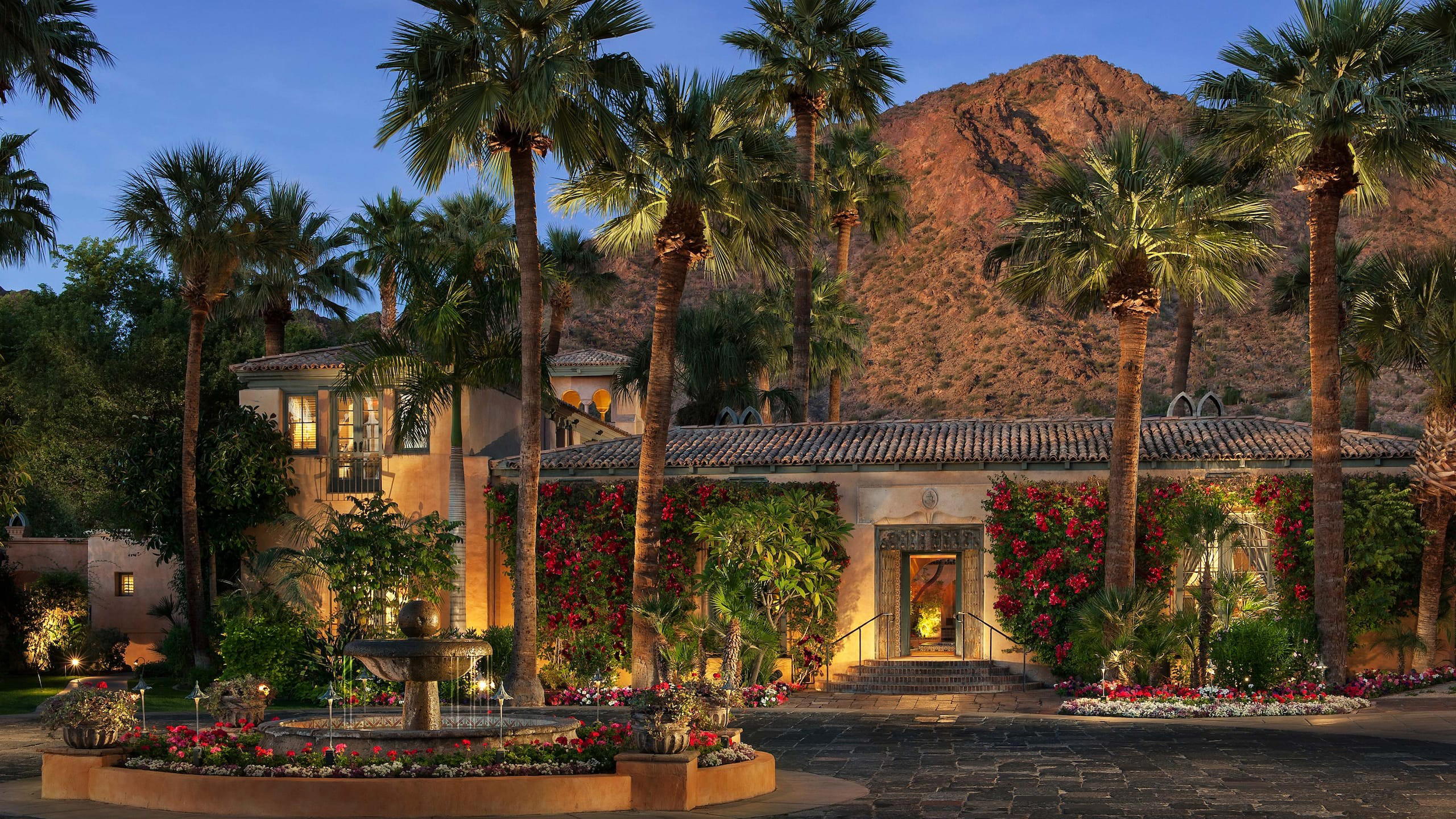
Where Phoenix's Biltmore Corridor Meets Camelback Mountain
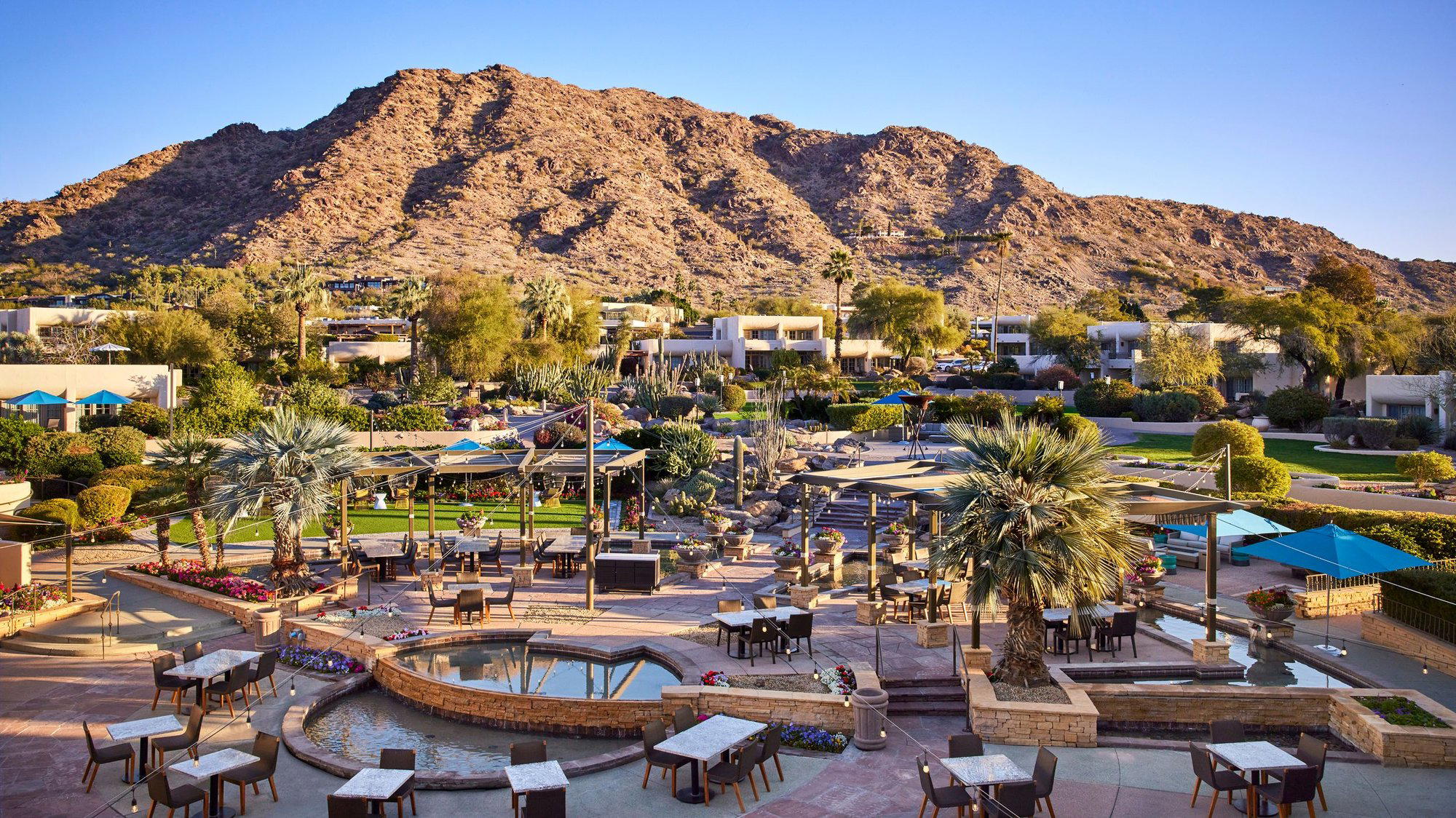
The approach to Royal Palms sets the tone before you cross the threshold. Rows of mature palms line the entrance drive, and the Spanish Colonial mansion at the end of it bears no resemblance to the corporate resort architecture that fills much of the Phoenix metro. Built in 1929 and first opened to guests in 1948, the property sits at the base of Camelback Mountain, occupying a precise geographic seam between the upscale Biltmore area to the west and Scottsdale to the east. That address is not incidental — it gives guests simultaneous access to two of the city's most concentrated pockets of restaurants, galleries, and retail, while the mountain itself provides a hiking and recreation anchor that sits within minutes of the front gate.
Phoenix's luxury hotel market has bifurcated sharply in recent years. On one side sit large-footprint resort complexes — the kind of property where convention groups and golf packages drive the calendar. On the other sits a smaller cohort of design-led, historically grounded hotels where scale is deliberately limited and atmosphere is the primary product. Royal Palms belongs firmly to the second group. With 116 rooms, casitas, and suites, it operates at a register closer to a well-appointed private estate than a full-service resort, and that compression of scale is what the Michelin Key recognition awarded in 2024 implicitly validates. Among Phoenix's Michelin-acknowledged properties, Royal Palms is the one that leans most explicitly into historical fabric rather than contemporary architecture.
For comparable properties that sit in the large-format resort tier, the JW Marriott Phoenix Desert Ridge Resort & Spa and Sheraton Grand at Wild Horse Pass offer a different proposition entirely, more amenities, more programming, more convention infrastructure. The Arizona Biltmore, LXR Hotels & Resorts, also historically significant, occupies a closer competitive position. What separates Royal Palms is the intimacy of its courtyard structure and the consistency of its Mediterranean design language, where Oriental rugs, wrought-iron terraces, exposed wood beams, and stucco fireplaces accumulate into something that reads less like a themed hotel and more like a residence with a strong curatorial point of view.
The Address as Amenity
The location at 5200 East Camelback Road functions almost like an additional amenity category. Camelback Mountain's Echo Canyon and Cholla trails are accessible without a car, a meaningful differentiator in a metro that typically requires driving to reach any natural terrain. Within a three-mile radius of the property, mountain biking routes, gallery districts, and some of Phoenix's most recognized restaurants cluster in a density unusual for this part of the American Southwest. The Global Ambassador and Kimpton Hotel Palomar Phoenix sit in the same general corridor, giving the area a concentration of upper-tier options that makes this stretch of the city the de facto address for guests prioritizing restaurant and cultural access alongside resort comfort.
Phoenix Sky Harbor International Airport sits approximately seven miles from the property, a drive that rarely exceeds twenty minutes in light traffic. That proximity is useful context for transit-heavy itineraries: guests can arrive from a flight, be through check-in, and be on a trail or at a restaurant table within an hour. For a city that demands car dependency for most movement, that compression of arrival-to-activity time matters. Our full Phoenix restaurants guide maps the broader dining options across the metro for those building itineraries around multiple neighborhoods.
Rooms, Casitas, and the Logic of the Estate Layout
Accommodations at Royal Palms spread across a mix of building types that reflect the property's evolution from private home to resort. Estate rooms occupy the original mansion structure and feature balconies along with deep-soaking tubs, a format that prioritizes architectural character over square footage. Casitas and suites are distributed through the surrounding gardens, some positioned on private courtyards, and these represent the property's highest expression of the residential-resort hybrid it has been building since its post-World War II opening. Spanish Colonial detailing, earth tones, marble bathroom floors, stucco gas fireplaces, runs through the room categories consistently, calibrated to feel rooted in the building's 1929 origin rather than grafted onto it.
The starting room rate of $599 positions Royal Palms firmly in the upper tier of Phoenix boutique hotel pricing. That figure is comparable to the entry point at other historically significant American properties in similar geographies, properties like Auberge du Soleil in Napa or Hotel Bel-Air in Los Angeles, both of which price against atmosphere and heritage rather than room count or amenity breadth.
T. Cook's, Alvadora Spa, and the Courtyard Infrastructure
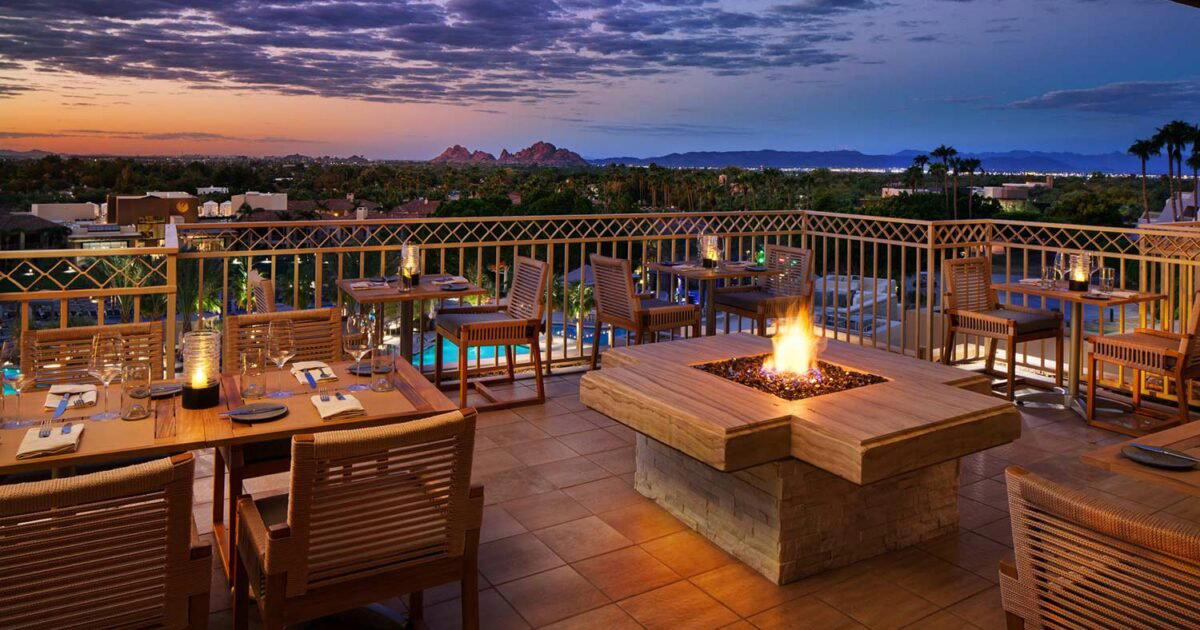
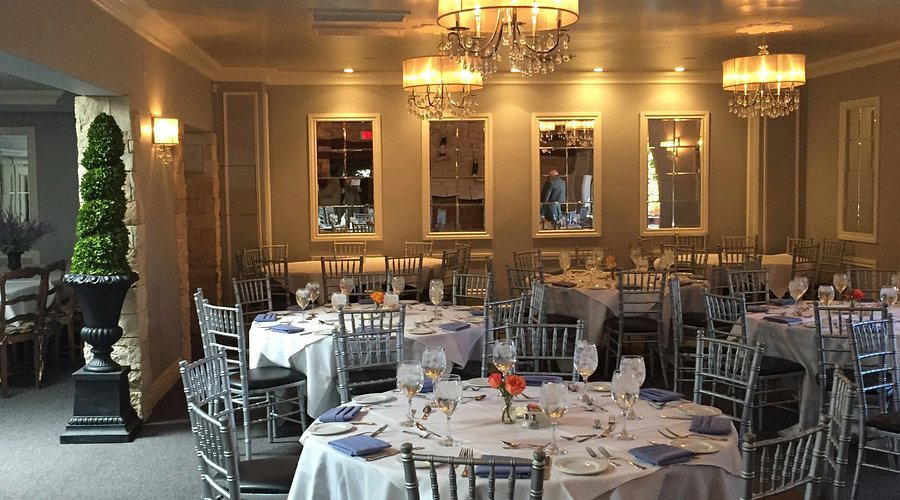
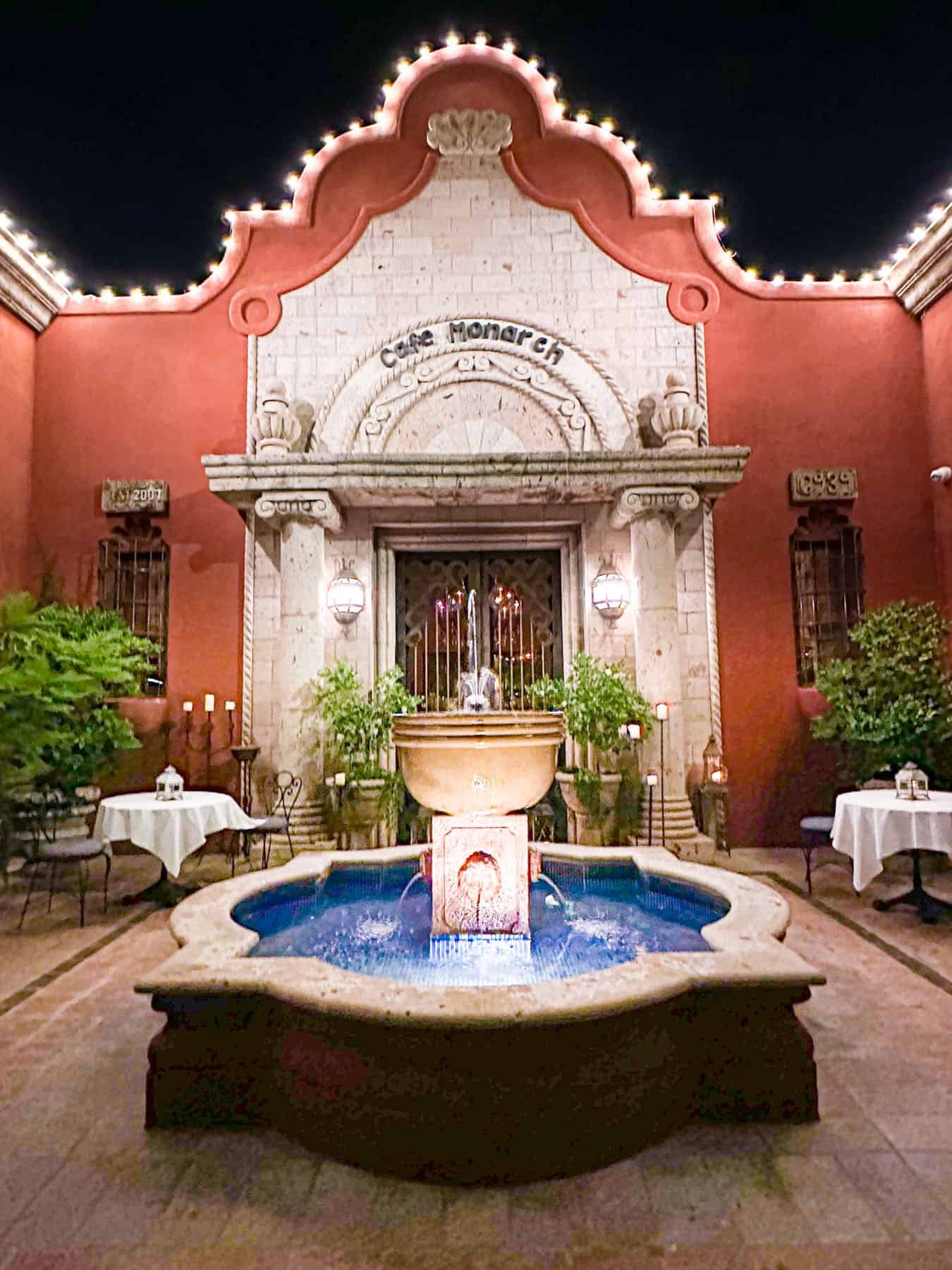
T. Cook's restaurant has held a consistent position in Phoenix's fine dining conversation for years, drawing on Mediterranean cooking approaches applied to seasonal ingredient sourcing. The Mix Up bar operates alongside it, with a cocktail program built around garden-to-glass preparation rather than conventional spirit-forward formats, a positioning that aligns with the broader shift in American hotel bar programs toward ingredient-led, lower-ABV compositions. Both dining outlets benefit directly from the resort's courtyard architecture: the cobblestone pathways, crackling fireplaces, and fountain-anchored courtyards that surround the restaurant create a dining approach context that indoor-only hotel restaurants cannot replicate.
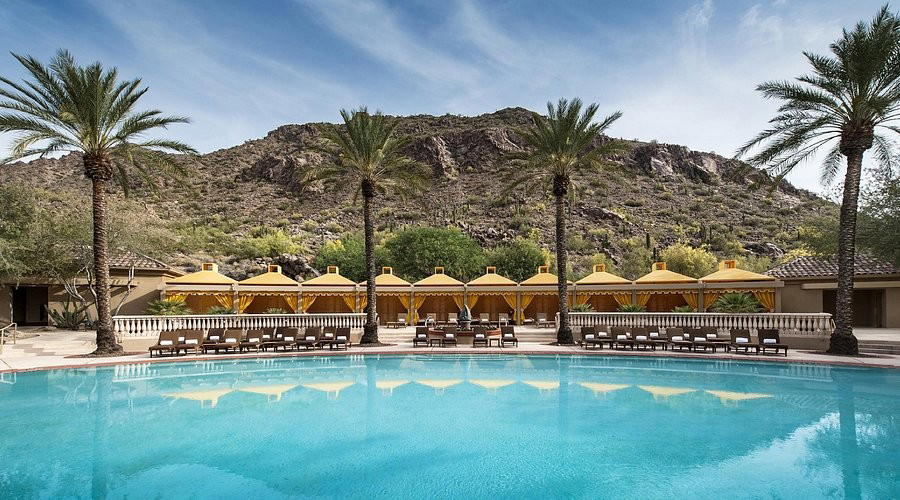
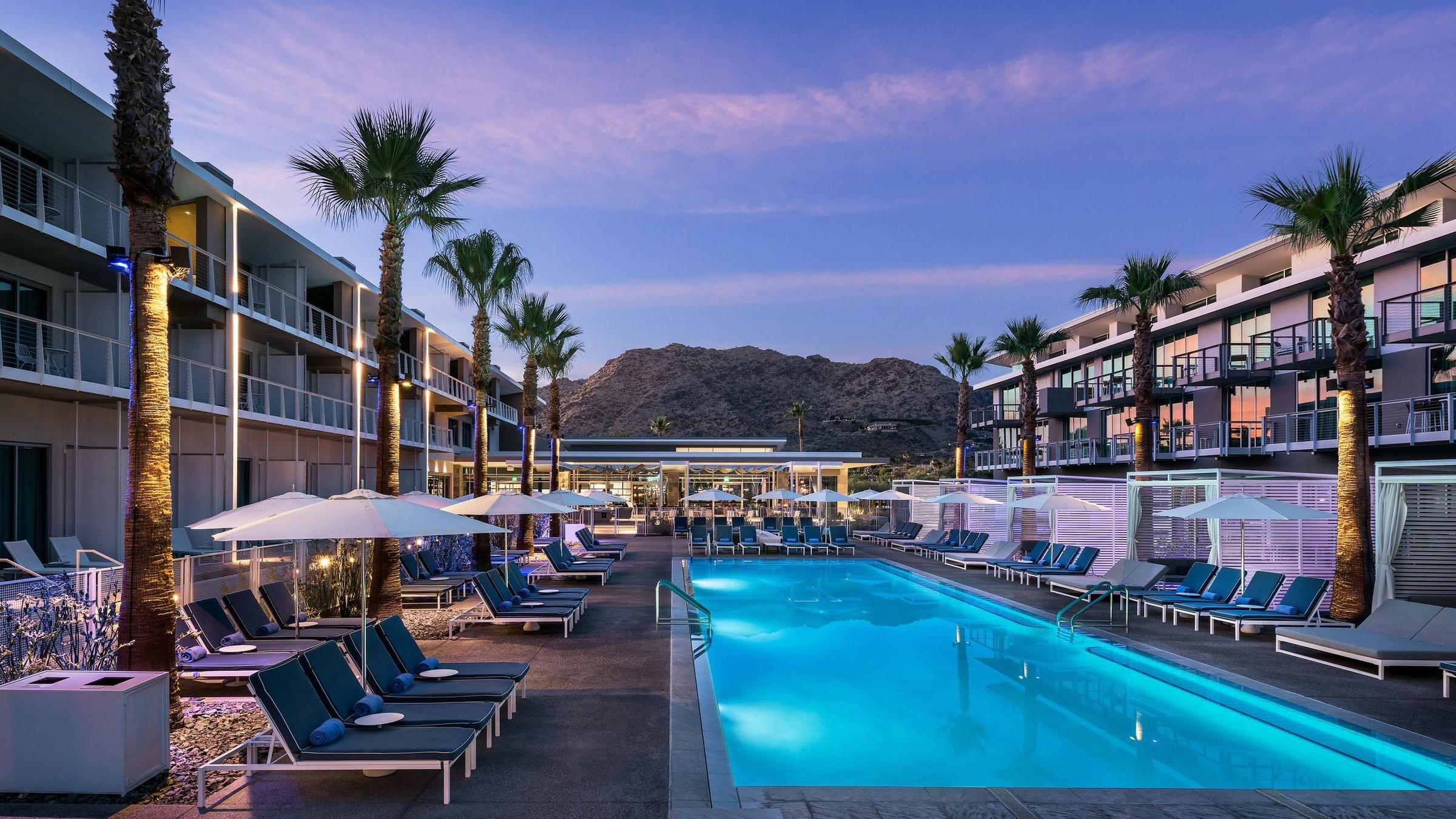
Alvadora Spa, which the property describes as four-star, anchors its treatment menu in Mediterranean wellness traditions. The spa's position within a resort of this scale, intimate, garden-adjacent, courtyard-framed, places it closer to destination wellness properties like Canyon Ranch Tucson in Tucson in its atmospheric intent, even if the service breadth operates at a different register. The Mother-of-Pearl-tiled pool, with private cabanas and a poolside bar, functions as the outdoor social infrastructure during the summer months of June through August, when Phoenix's heat concentrates guest activity into shaded or water-adjacent spaces from midday onward. A croquet lawn, fitness center with yoga classes, and whirlpool round out the activity infrastructure without overextending into the large-programmed-resort format that characterizes properties like Desert Ridge.
The concierge team includes a Les Clefs d'Or-credentialed member, a designation that signals access to the international concierge network and the booking relationships that come with it. For guests whose itineraries extend beyond the property, that credential has practical consequences: preferred tee times at Biltmore-area golf courses, reservations at restaurants that don't typically accommodate last-minute calls, and transport arrangements that account for the metro's car-dependency are all within that network's scope.
Among boutique historic properties in the American West that have maintained architectural integrity alongside active investment, Royal Palms occupies a position worth understanding alongside peers like Troutbeck in Amenia, Post Ranch Inn in Big Sur, and SingleThread Farm Inn in Healdsburg, each of which has made a similar wager that atmosphere, place-specificity, and culinary investment are sufficient to hold a premium rate against larger, more amenity-dense competitors. Those expecting the programming scope of a large desert resort, or properties like Little Palm Island Resort & Spa in Little Torch Key or Kona Village, A Rosewood Resort in Kailua Kona in terms of isolation and activity depth, will find Royal Palms a different kind of property. Those expecting a historically grounded, location-advantaged boutique resort with credible dining and a strong sense of place will find the proposition clear.
Planning Your Visit
Royal Palms Resort and Spa sits at 5200 East Camelback Road, Phoenix, AZ 85018, approximately seven miles and twenty minutes from Phoenix Sky Harbor International Airport (PHX). Summer months bring Phoenix's highest temperatures, but the resort's courtyard shade structure, pool infrastructure, and interior cooling make it a viable year-round destination; rates during June through August typically represent the most accessible entry point into the property's pricing tier. Families with children are accommodated, with the Cabana Grill and in-room dining flagged as the most practical dining formats for that demographic. For guests focused on spa access, booking Alvadora treatments in advance of arrival is advisable, particularly during the cooler months of October through April when resort occupancy in the Phoenix market peaks.
How Royal Palms Resort and Spa Phoenix compares with similar nearby venues.
| Venue | Awards |
|---|---|
| Royal Palms Resort and Spa | Michelin 1 Key |
Recognition history
Dated appearances from independent guides and award organizations, with the underlying list record or original source where available.
Forbes Recommended
Forbes
Virtuoso Luxury Hotel Partner
Virtuoso
Forbes Recommended
Forbes
Michelin 1 Key
Michelin
Michelin 1 Key
Michelin
At a Glance
- Romantic
- Elegant
- Sophisticated
- Ornate
- Scenic
- Honeymoon
- Romantic Getaway
- Wellness Retreat
- Anniversary
- Destination Wedding
- Infinity Pool
- Destination Spa
- Garden
- Terrace
- Panoramic View
- Wi Fi
- Pool
- Spa
- Fitness Center
- Room Service
- Concierge
- Business Center
- Valet Parking
- EV Charging
- Mountain
- Garden
- Wi Fi
- Pool
- Spa
- Fitness Center
- Room Service
- Concierge
- Business Center
- Valet Parking
- EV Charging
Intimate and tranquil with enchanting Spanish Colonial architecture, lush gardens, outdoor fireplaces, and serene reflecting pools creating a romantic, secluded retreat.
Know Before You Go
- Getting there
- 5200 E Camelback Rd, Phoenix, AZ 85018