The Global Ambassador





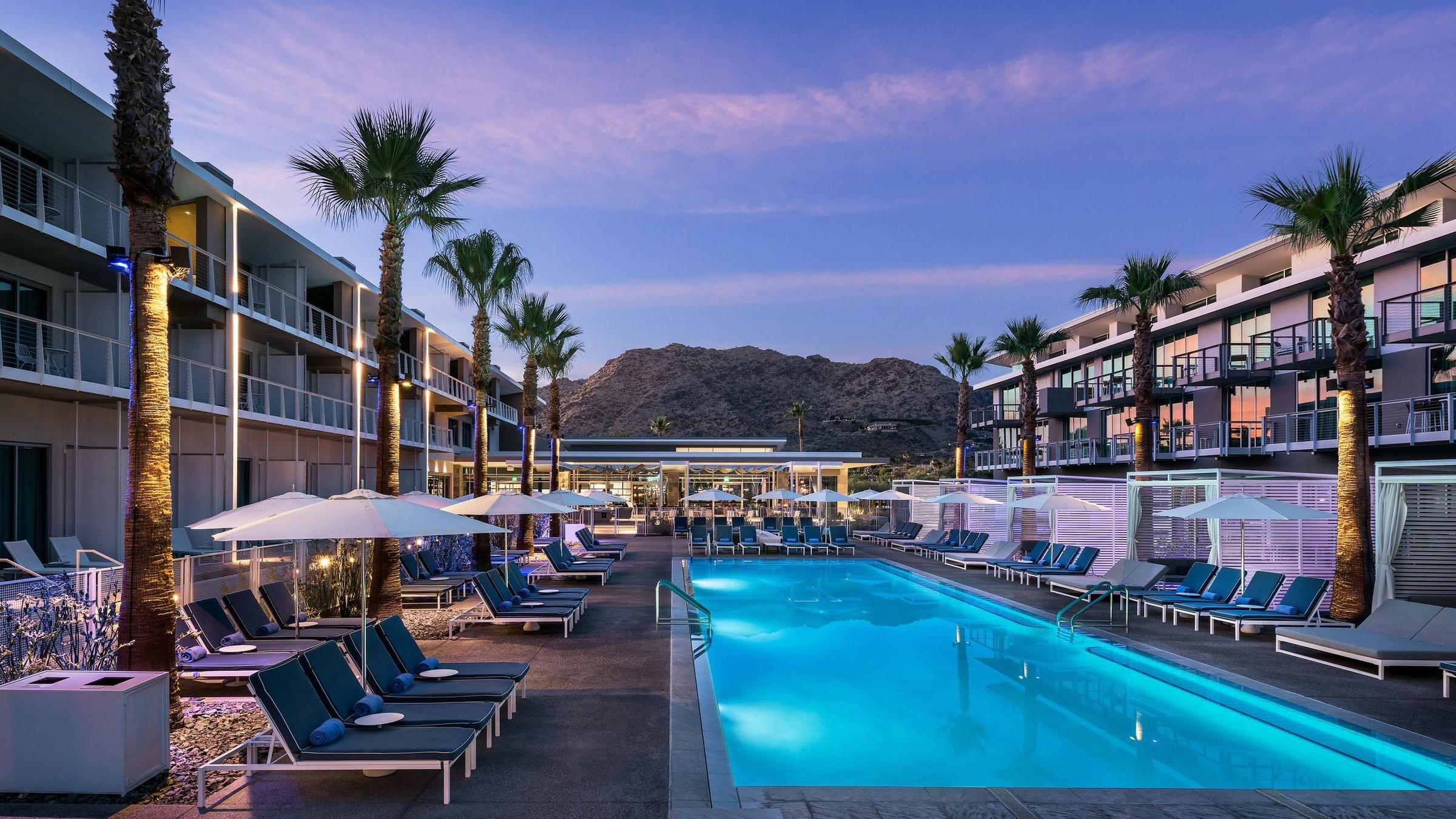
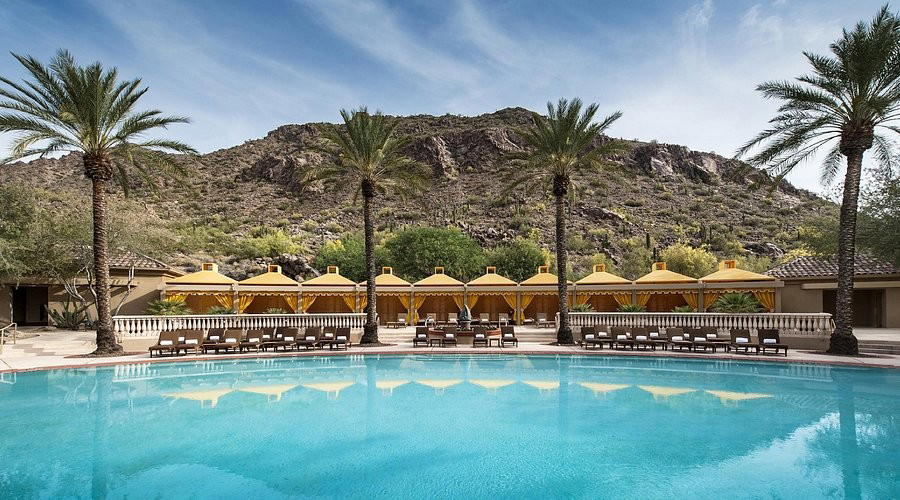
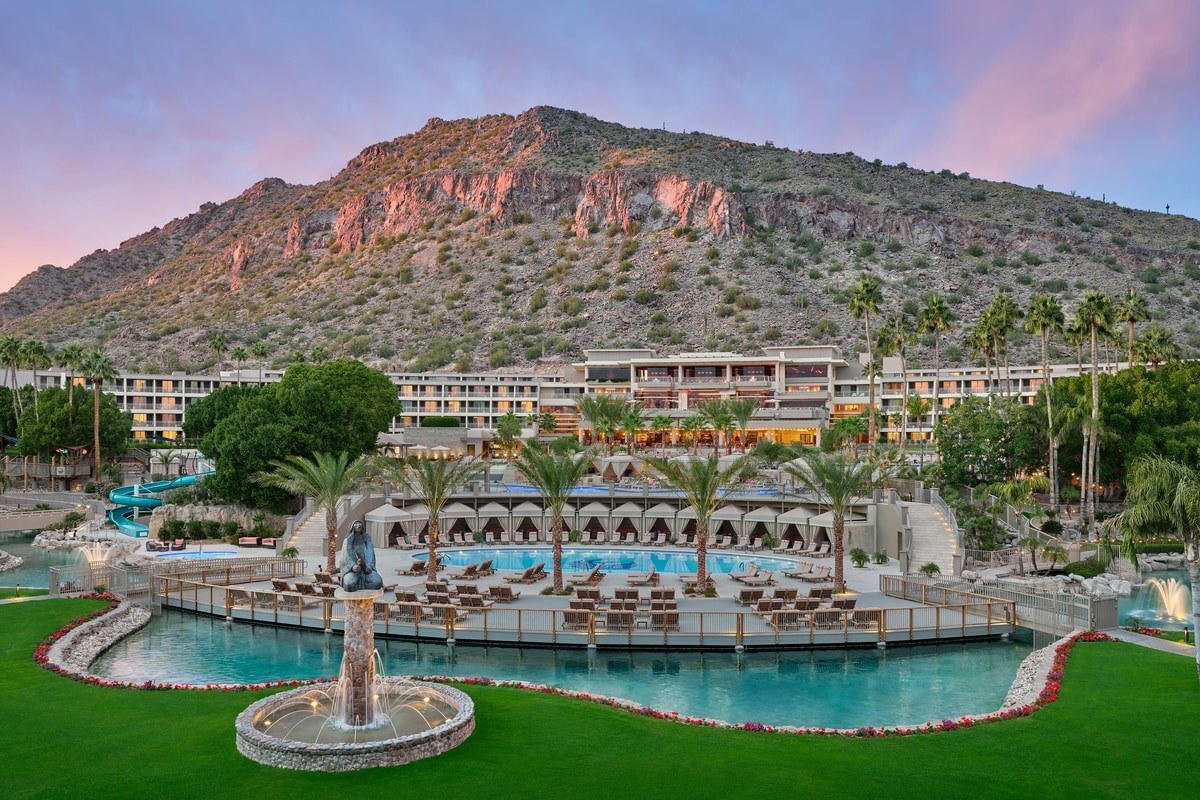
A 141-room hotel at the intersection of Phoenix, Scottsdale, and Paradise Valley, The Global Ambassador earned a Michelin Key in 2024 and anchors its identity around five distinct restaurants rather than treating F&B as a secondary amenity. Art Deco-inflected rooms, a comprehensive spa, and a location at the base of Camelback Mountain place it in the upper tier of Phoenix's independent luxury properties.
Pearl is the En Primeur Club membership app — saves, bookings, and concierge access live there. Same editors, same standards.
- Address
- 4360 E Camelback Rd, Phoenix, AZ 85018
- Phone
- +1 480-800-2211
- Website
- globalambassadorhotel.com
- Directions
- Get directions
 Saves & bookings on Pearl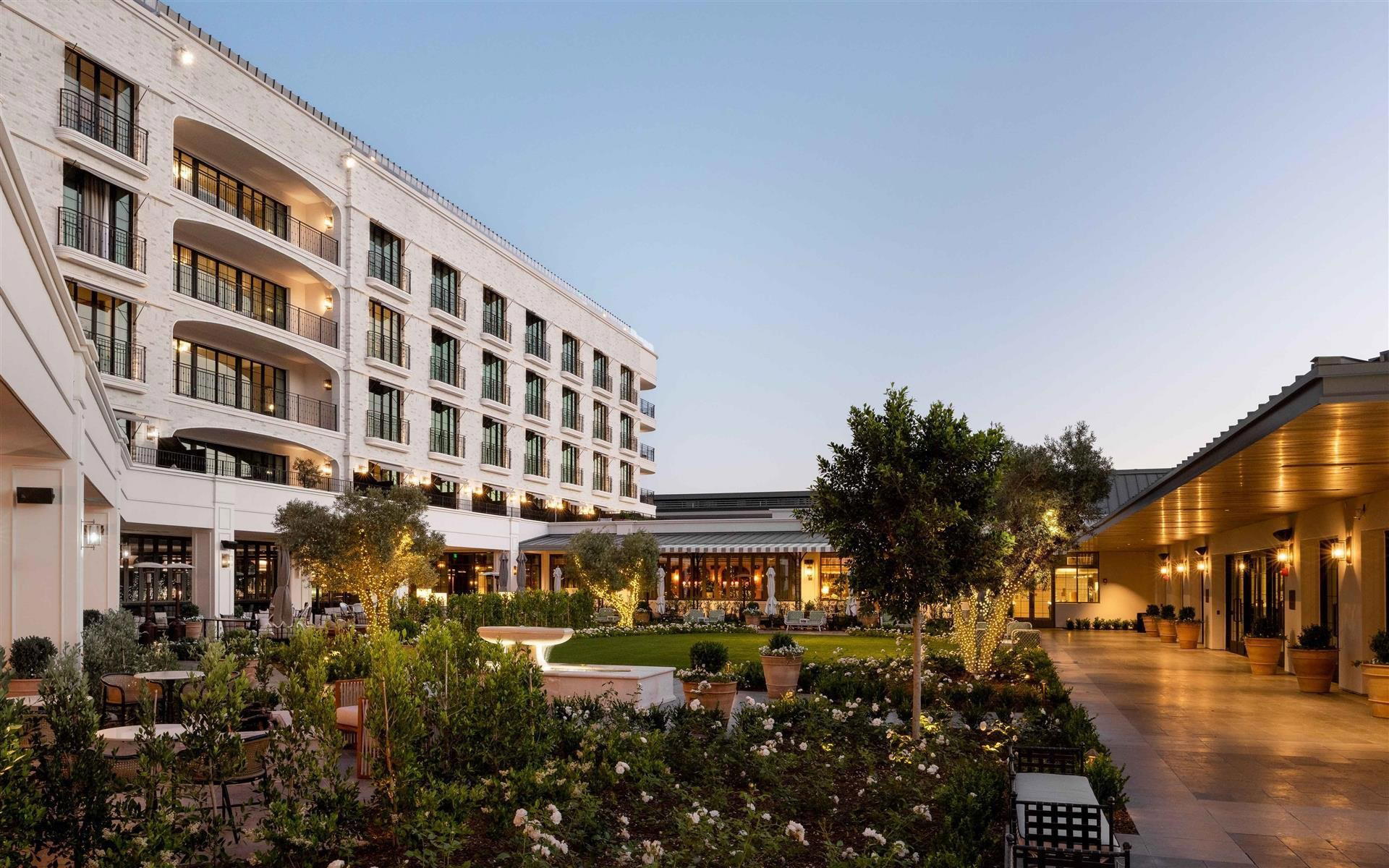
Where Camelback Mountain Meets a Different Kind of Phoenix Hotel
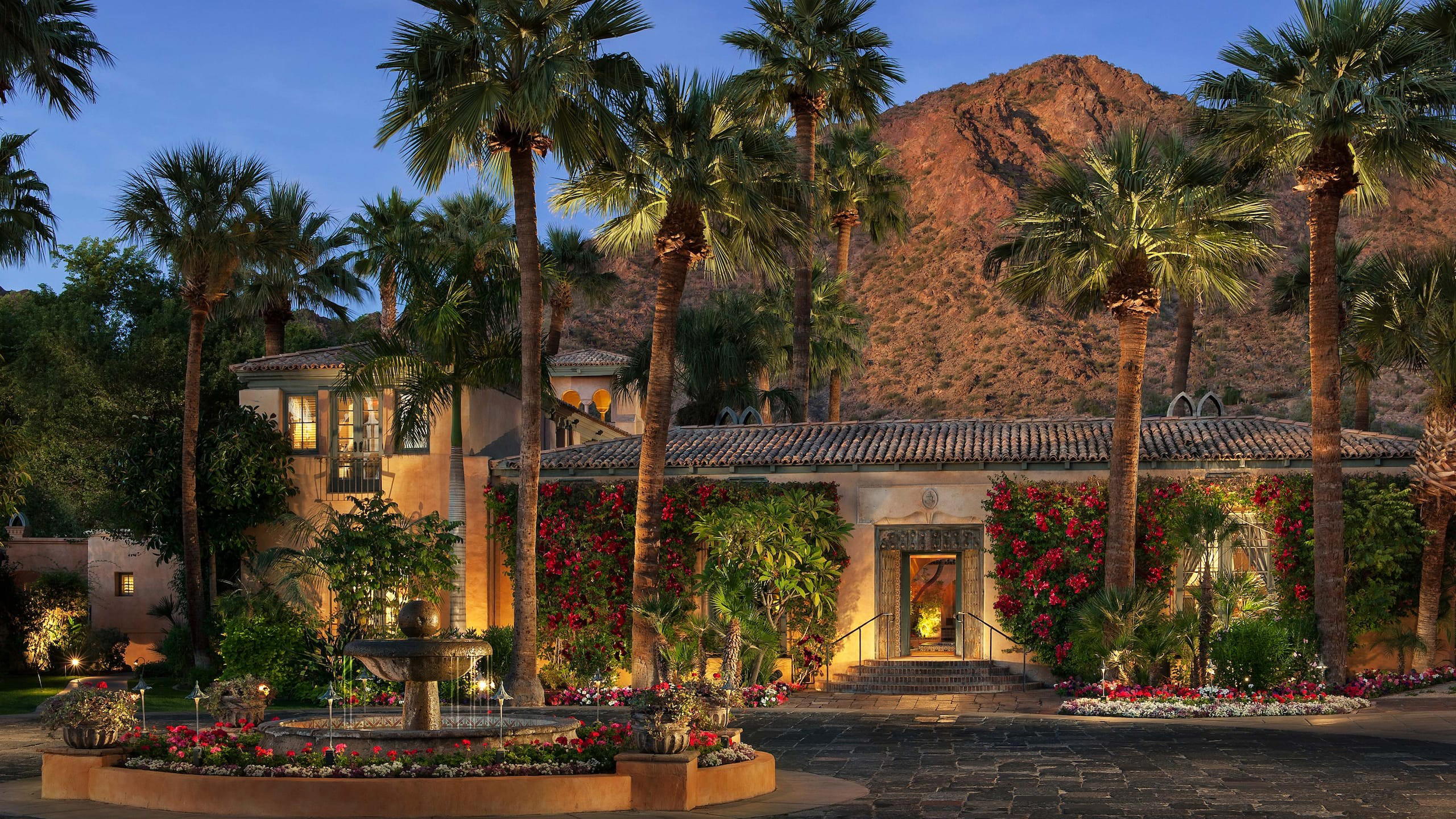
The convergence point where Phoenix, Scottsdale, and Paradise Valley meet at the base of Camelback Mountain has long attracted luxury development, and the competition there is real. The Royal Palms Resort and Spa trades on historic hacienda character; the Arizona Biltmore, LXR Hotels & Resorts carries the weight of Frank Lloyd Wright-influenced architecture and decades of institutional prestige. Into that competitive corridor, The Global Ambassador arrived with a different proposition: a 141-room independent property built around the argument that a hotel's restaurant program can function as its primary identity, not its amenity layer.
That argument earned a Michelin Key in 2024, a recognition that places The Global Ambassador in a select tier of American hotels where hospitality craft, not just room count or brand affiliation, drives the designation. The Michelin Key system, applied to hotels since 2024, assesses the overall experience rather than food alone, which means the acknowledgment speaks to how the rooms, service, and dining function as a coherent whole. In Phoenix's luxury hotel set, that credential matters for calibrating where this property sits relative to peers like the JW Marriott Phoenix Desert Ridge Resort & Spa or the Sheraton Grand at Wild Horse Pass, both of which operate at scale and within the assurances of global brand frameworks.
The Room as a Considered Space
Across luxury hotels, the Art Deco revival has become a reliable design language for properties that want to signal craft without resorting to regional cliché. At The Global Ambassador, that language is applied to all 141 rooms and suites, where the aesthetic is reinforced by hand-selected Maison Plage books and curated artwork rather than generic prints sourced from hospitality suppliers. The effect is a room that reads as assembled rather than specced, which is a meaningful distinction in a market where so many properties at this price point feel interchangeable once you close the door.
For guests whose experience of a hotel lives primarily in the overnight stay, the details of how a room is put together carry more weight than the lobby's design moment. The book curation and artwork selections at The Global Ambassador reflect an editorial sensibility applied to the in-room experience, a practice more common at smaller design-led independents than at properties of this scale. The approach has closer relatives in places like Troutbeck in Amenia or SingleThread Farm Inn in Healdsburg, where the in-room environment is treated as an extension of the property's intellectual character, than it does in the standard luxury-brand playbook.
The 141-room count keeps the property in a scale bracket where room-level personalisation remains operationally viable. Contrast that with larger resort formats, and the difference in how staff can attend to individual stays becomes apparent. For a property making the case that its identity rests on detail, maintaining a manageable key count is a structural choice, not just a market circumstance.
Five Restaurants, One Thesis
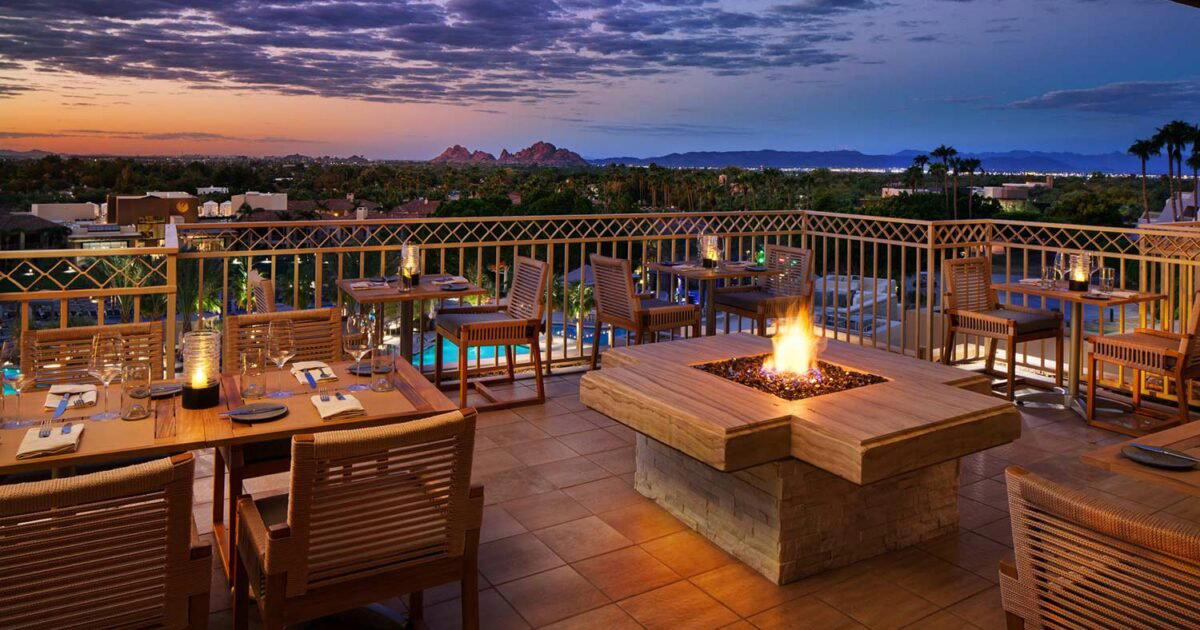
The hospitality industry's received wisdom is that hotel restaurants exist to serve guests who don't want to leave the building. The Global Ambassador is structured around a different premise: that five restaurants drawing genuine local patronage justify the property's positioning as a food-forward destination. The range moves from a Parisian steakhouse format at Le Âme to poolside Mexican and Peruvian influences at Pink Dolphin, Mediterranean sharing plates at the rooftop théa, and an all-day café format at Le Market. That geographic spread across five distinct venues is an ambitious programming decision for a 141-room property.
For context, the question of whether hotel restaurants can anchor a luxury property's identity rather than merely support it is one that a handful of American hotels have answered convincingly. Auberge du Soleil in Napa built its reputation substantially on its dining room's relationship to the valley. Post Ranch Inn in Big Sur treats the meal as inseparable from the landscape experience. For those wanting to explore Phoenix's broader restaurant scene alongside the hotel's in-house offerings, the full Phoenix restaurants guide maps what the city offers beyond Camelback Road.
The Spa and Wellness Tier
The wellness offering at The Global Ambassador positions itself at the intersection of clinical science and traditional spa treatment, a format that has become the benchmark for serious spa programming in American luxury hotels over the past decade. Comprehensive fitness infrastructure alongside treatment-focused spa facilities is now table stakes for properties competing in this tier. What differentiates programs at this level is less about the menu of treatments and more about the depth of the scientific framing and the quality of the practitioners delivering it.
For guests who orient their travel around wellness as a primary objective rather than a supplementary amenity, properties like Canyon Ranch Tucson represent the dedicated destination end of the spectrum. The Global Ambassador's spa operates within a full-service hotel context, which means the wellness program competes for attention with five restaurants and an active social scene rather than functioning as the singular focus of the stay.
Placing It in the Phoenix Luxury Set
Phoenix's upper luxury tier has diversified considerably. The branded resort segment, represented by properties like the JW Marriott Phoenix Desert Ridge, operates with amenity depth and brand infrastructure that independents cannot replicate. The design-led independent segment, where the Kimpton Hotel Palomar Phoenix and The Camby, Autograph Collection compete, emphasises personality over scale. The Global Ambassador occupies a specific position in that second group: independent in spirit, with a culinary program ambitious enough to attract the kind of Michelin attention that most Phoenix hotels haven't courted.
The ownership story, which involves an NBA figure, a former football player, a country music name, and a restaurant operator, is a detail worth noting not for celebrity association but because the restaurant operator's involvement helps explain why the food program reads as intentional rather than incidental. The hospitality industry is full of celebrity-backed hotels where the F&B; offering reflects the brand rather than any genuine culinary investment. The Michelin Key suggests something different happened here.
The Global Ambassador's challenge is that it operates in a Sun Belt market where the competition from large resort formats is especially strong and where independent properties must work harder to establish why smaller and more considered is worth the trade-off.
Internationally, the design-led independent model The Global Ambassador is executing has produced some of the most compelling luxury stays available, from Aman Venice to Badrutt's Palace Hotel in St. Moritz. Within the American West, Amangiri in Canyon Point and Kona Village, A Rosewood Resort demonstrate what the format achieves when landscape and design align. The Global Ambassador's version of that argument is urban rather than remote, and food-forward rather than landscape-driven.
Planning Your Stay
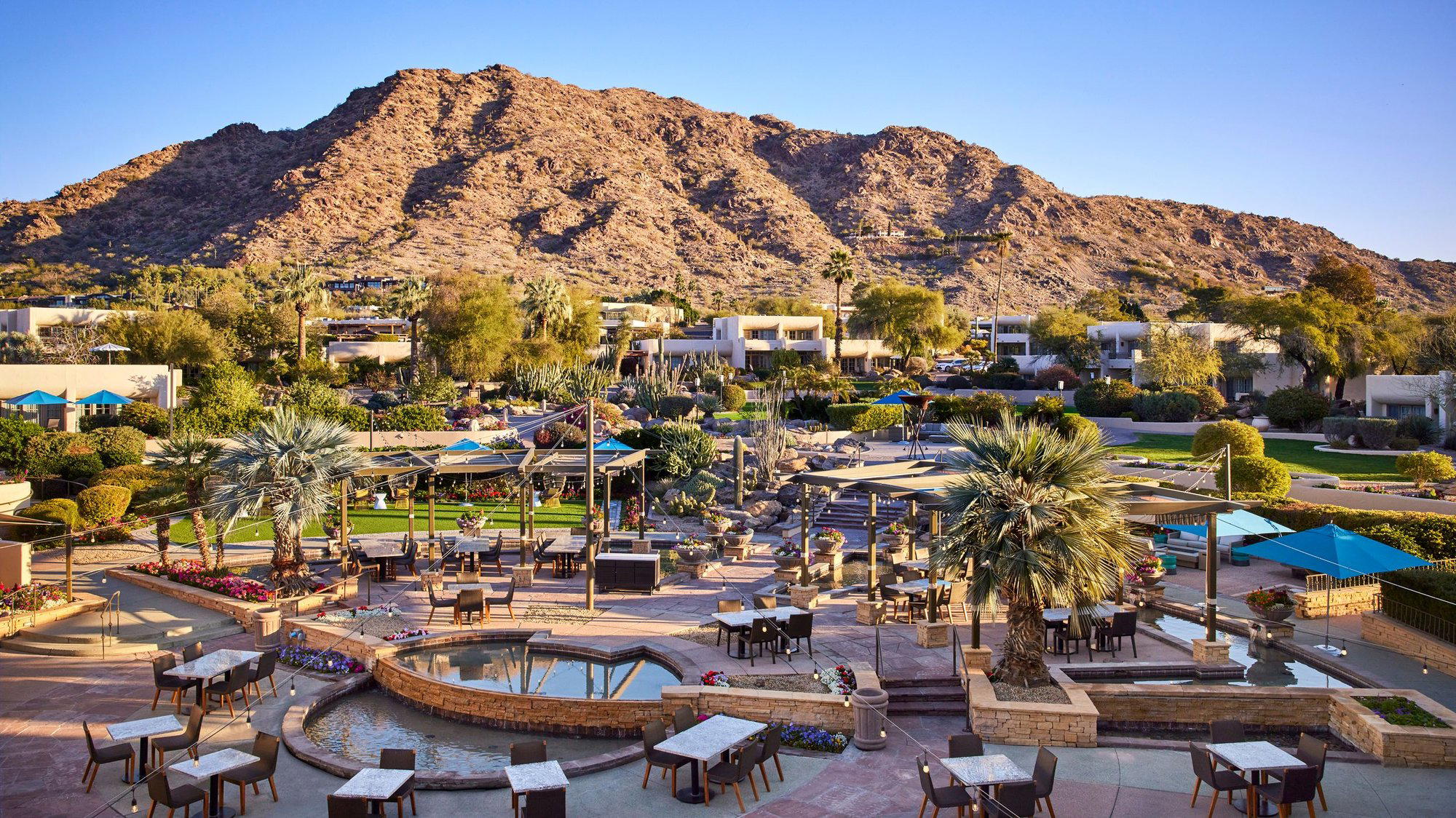
The hotel sits at 4360 E Camelback Road, Phoenix, AZ 85018, at the junction where three affluent communities meet and where Camelback Mountain's rugged profile frames the eastern horizon. The 141-room count and the property's positioning at the upper end of Phoenix's independent luxury market suggest demand that rewards advance booking, particularly during the October through April high season when the desert climate draws visitors away from colder climates. For those comparing options across the Phoenix luxury set before committing, the Royal Palms Resort and Spa and the Arizona Biltmore offer contrasting points of reference in the same geography.
How The Global Ambassador Phoenix compares with similar nearby venues.
| Venue | Awards |
|---|---|
| The Global Ambassador | Michelin 1 Key |
Recognition history
Dated appearances from independent guides and award organizations, with the underlying list record or original source where available.
Fodor's Most Incredible Hotels in the World
Fodor's
Forbes 4-Star
Forbes
Virtuoso Luxury Hotel Partner
Virtuoso
Michelin 1 Key
Michelin
Preferred Hotels Member
Preferred Hotels
Michelin 1 Key
Michelin
At a Glance
- Sophisticated
- Elegant
- Ornate
- Modern
- Scenic
- Business Trip
- Romantic Getaway
- Wellness Retreat
- Anniversary
- Weekend Escape
- Celebration
- Destination Spa
- Panoramic View
- Design Destination
- Terrace
- Private Dining
- Pool
- Spa
- Fitness Center
- Valet Parking
- Concierge
- Room Service
- Restaurant
- Bar
- Mountain
- Skyline
- Pool
- Spa
- Fitness Center
- Valet Parking
- Concierge
- Room Service
- Restaurant
- Bar
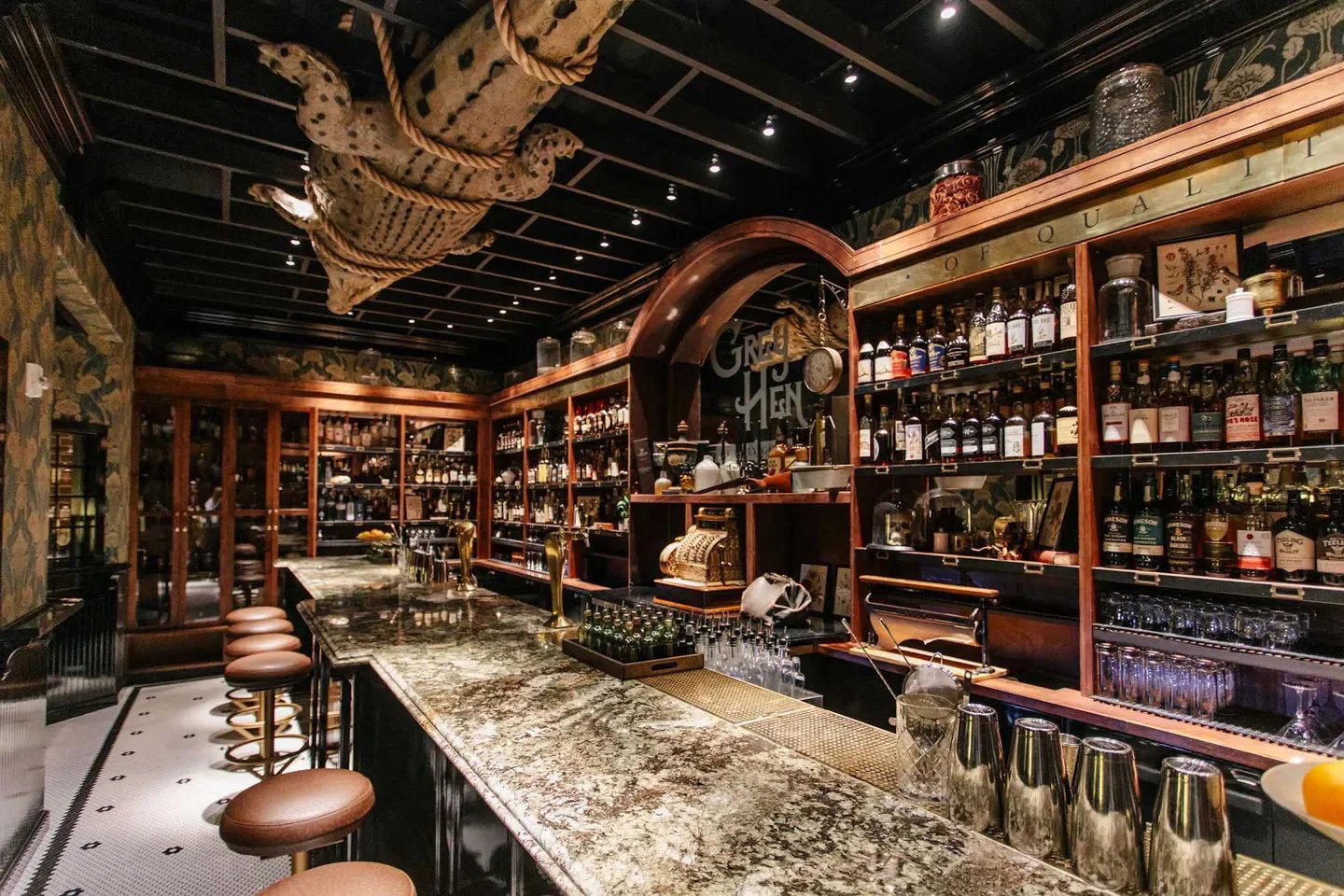
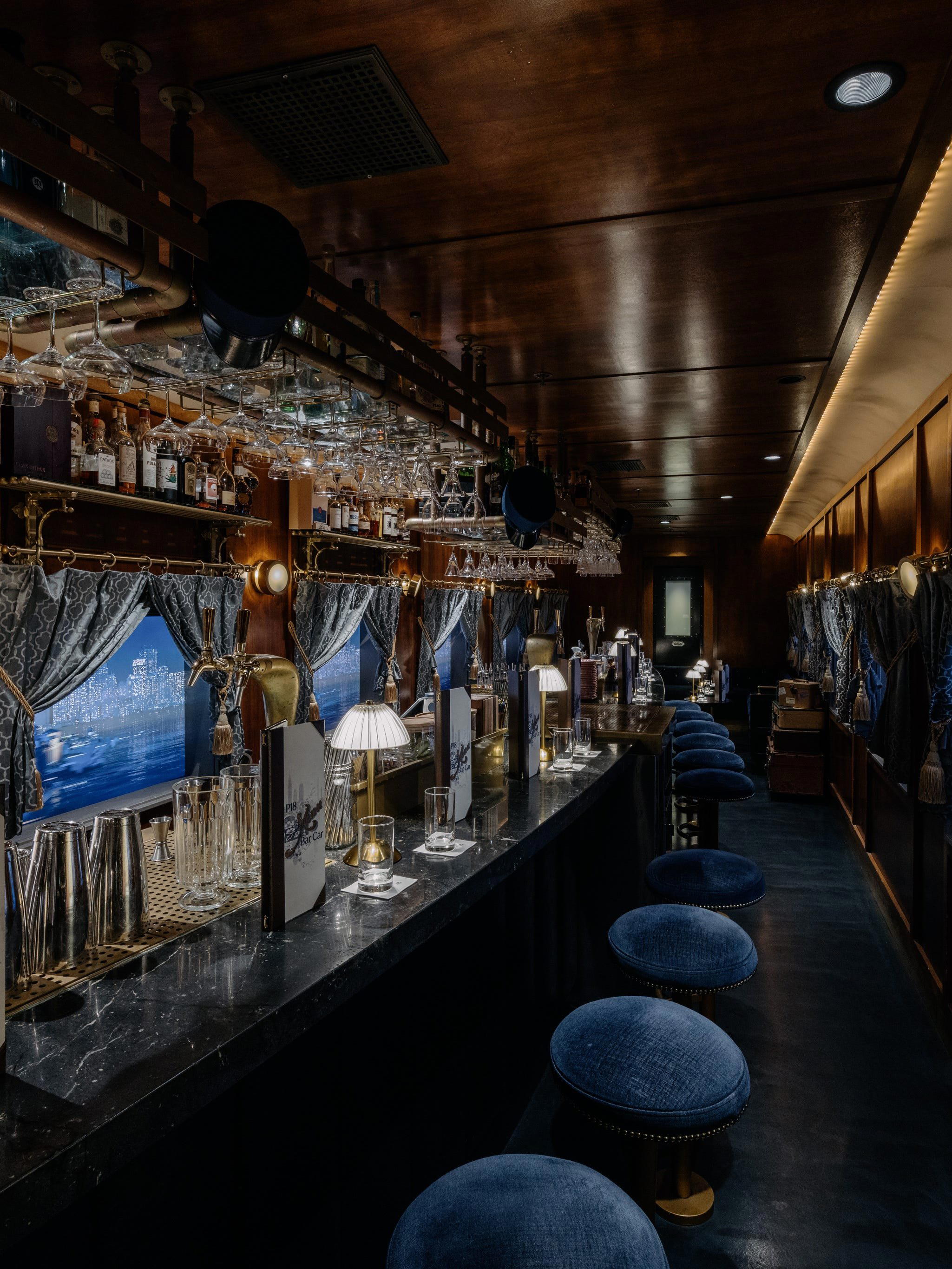
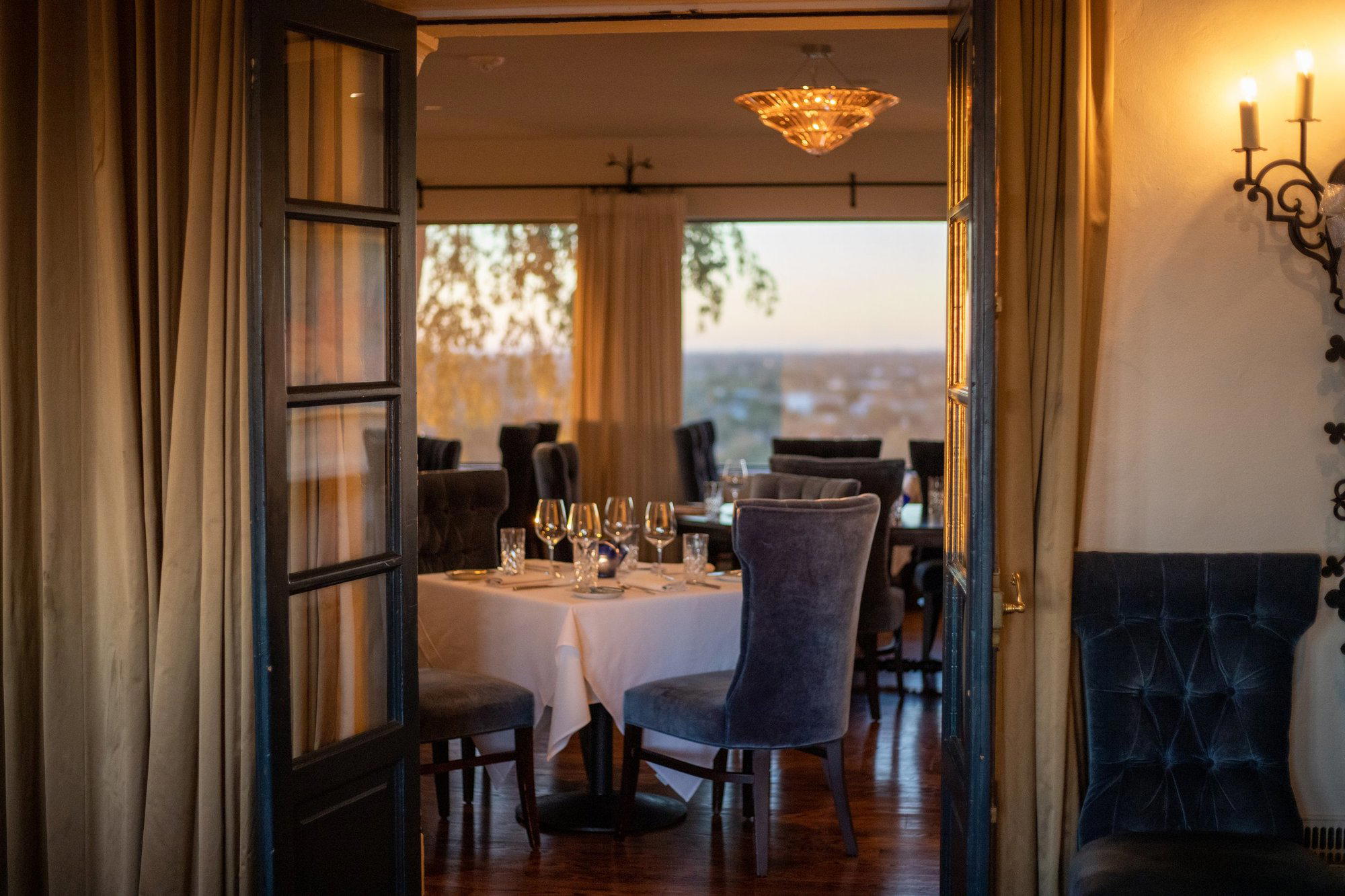
Warm, refined, and theatrical, with European grandeur, rich materials, dramatic lighting, and a cosmopolitan atmosphere that feels polished rather than casual.
Know Before You Go
- Getting there
- 4360 E Camelback Rd, Phoenix, AZ 85018