JW Marriott Scottsdale Camelback Inn Resort & Spa



Open since 1936, JW Marriott Scottsdale Camelback Inn Resort & Spa sits between Mummy Mountain and Camelback Mountain in the Sonoran Desert, earning a Star Wine List recognition in 2026. The property represents a tier of Arizona resort hospitality where longevity, scale, and landscape integration define the offer rather than boutique intimacy. It remains a reference point for desert resort stays in the greater Scottsdale area.
Pearl is the En Primeur Club membership app — saves, bookings, and concierge access live there. Same editors, same standards.
- Address
- 5402 East Lincoln Drive, Scottsdale
- Phone
- 480-948-1700
- Website
- marriott.com
- Directions
- Get directions
 Saves & bookings on Pearl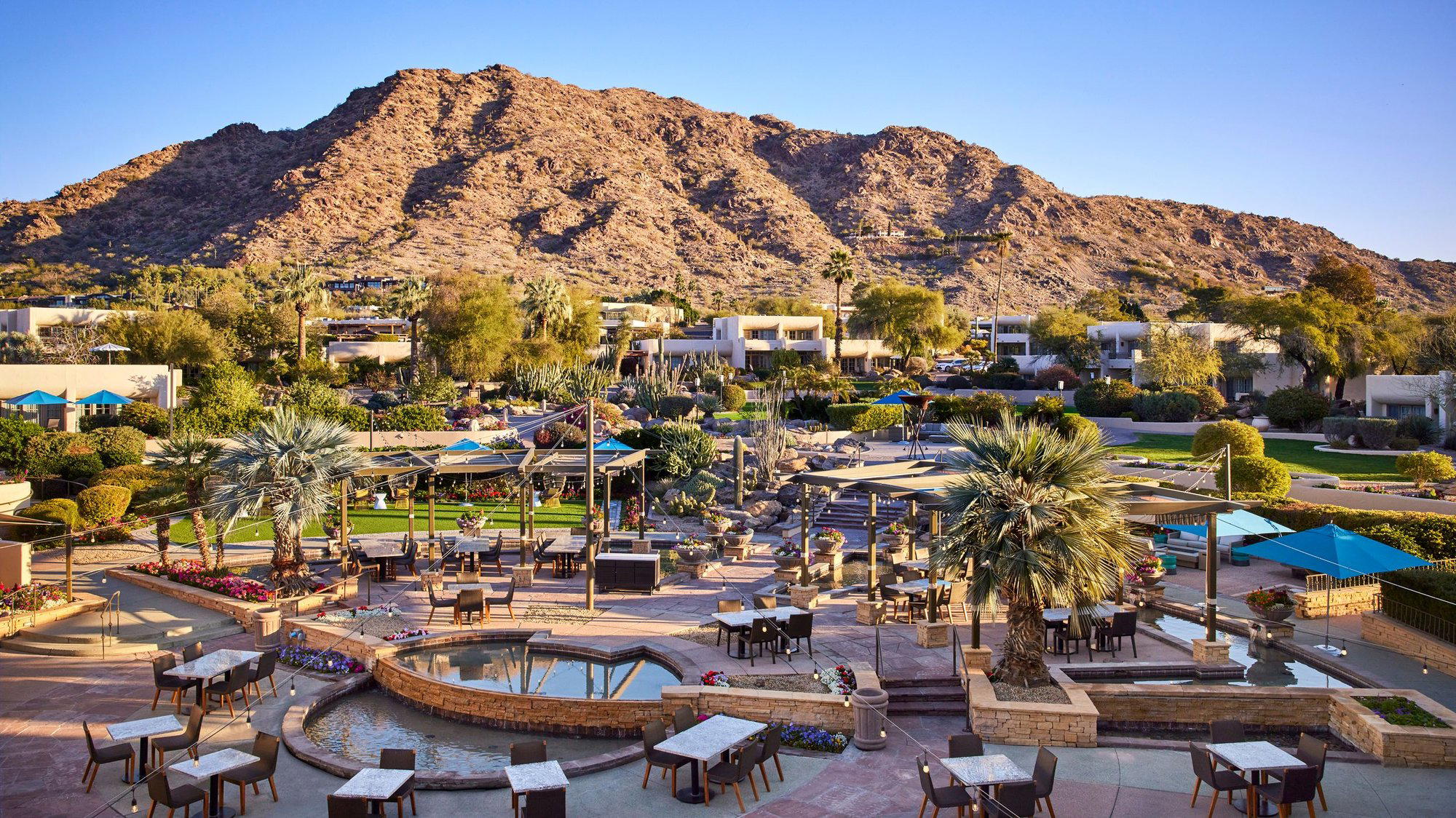
A Desert Resort Category Defined by Longevity
Scottsdale's luxury resort market has always split along a clear fault line: large-footprint properties that command broad recognition through scale, tradition, and amenity depth, versus smaller design-led alternatives that trade on intimacy and editorial cachet. JW Marriott Scottsdale Camelback Inn Resort & Spa sits firmly in the former category. Operating since 1936, it is a 5-star resort with 453 rooms in Scottsdale, Arizona, and that tenure places it in a different competitive conversation than relative newcomers like the Andaz Scottsdale Resort & Bungalows or the design-forward Bespoke Inn Scottsdale.
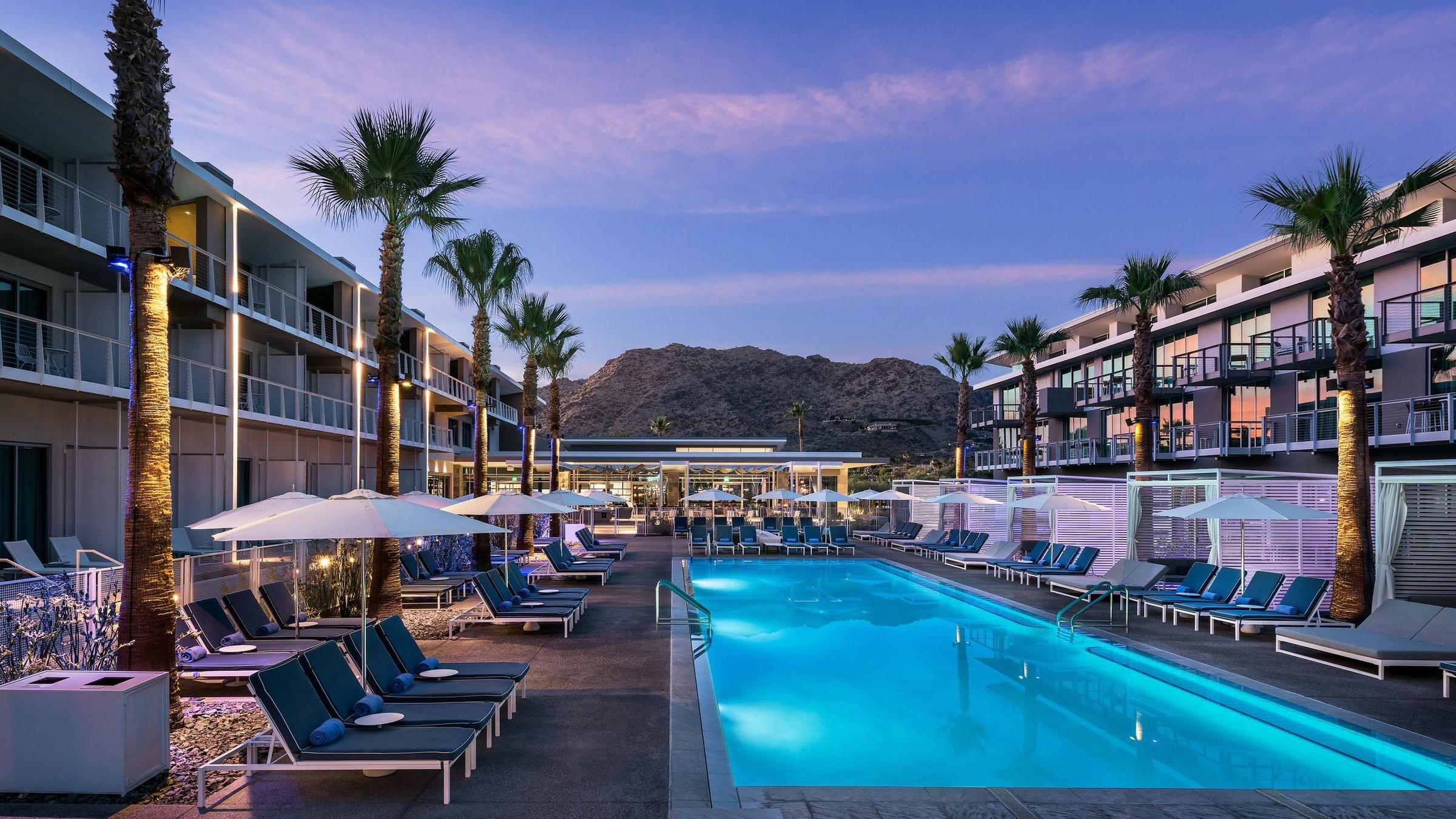
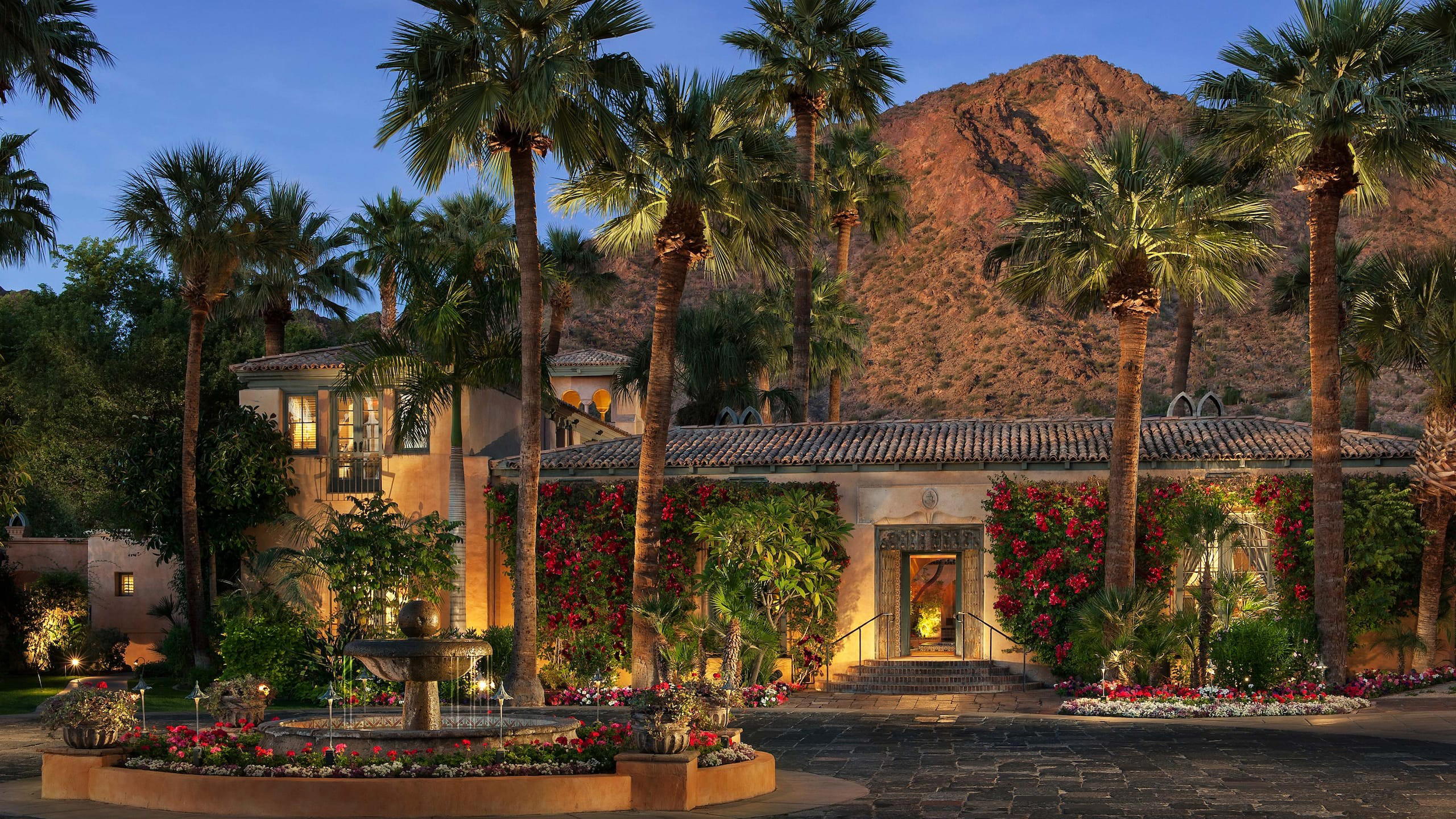
The property's position between Mummy Mountain and Camelback Mountain is not incidental to its identity. In a desert city where mountain adjacency is among the more sought-after attributes in real estate and hospitality, Camelback Inn's geography has anchored its reputation for nearly nine decades. The approach along Lincoln Drive, with the Santa Catalina foothills visible in the distance and saguaro-studded slopes framing the entrance, establishes a sense of place that purpose-built properties elsewhere in the Valley cannot replicate through design alone.
Wine Recognition in a Desert Context
The property's 2026 Star Wine List recognition signals something worth examining about Arizona's evolving hospitality standards. Its 2026 Star Wine List recognition points to a notable wine program. For a Sonoran Desert resort, that credential places the Camelback Inn's wine offering alongside programs at properties that tend to occupy cooler, more wine-adjacent markets.
Arizona's own wine industry has matured considerably over the past two decades, with producers in Willcox and the Verde Valley gaining traction in serious trade circles. A property of Camelback Inn's history and scale has the opportunity to carry that regional story through its wine program in ways that smaller properties cannot, both in terms of depth of selection and the sommelier infrastructure to support it.
Sourcing and Food in a Resort of This Scale
Large desert resorts operate under sourcing pressures that boutique properties can sidestep. The logistics of feeding a high-volume resort in a desert climate, where local agriculture is concentrated and seasonal, demands supply chain decisions that inevitably shape what appears on the plate. The Sonoran Desert is not without its ingredient story: heritage grains, Medjool dates, local ranching traditions, and foraged desert botanicals have all found their way into serious Scottsdale kitchens over the past decade.
The resort's longevity also means it operates across multiple dining venues rather than a single destination restaurant. That format characterizes large Arizona resort properties generally, from the Fairmont Scottsdale Princess to the Grand Hyatt Scottsdale Resort, and reflects the expectation of guests who may eat every meal on property across a multi-night stay. The Star Wine List recognition suggests at least one of those venues operates with a focused wine program.
How Camelback Inn Compares Within Scottsdale's Resort Tier
Scottsdale's upper resort tier is genuinely competitive. The Four Seasons Resort Scottsdale at Troon North occupies a different geographic pocket of the city, further north and oriented toward Pinnacle Peak rather than Camelback Mountain, and tends to draw guests prioritizing golf adjacency and a more secluded feel. The Canyon Suites at The Phoenician operates as the within-property premium tier of a major Camelback Corridor resort, offering a more curated experience inside a larger operation. The Boulders Resort & Spa Scottsdale takes the desert landscape integration further north still, with boulder formations as the architectural anchor.
Against that comparable set, Camelback Inn's 1936 pedigree and mountain-framed setting represent differentiation that no amount of renovation capital can simply replicate at a newer address. For travelers comparing it with large-footprint resorts in other warm-weather markets, the closest analog in terms of historical weight and landscape scale might be Amangiri in Canyon Point for desert seriousness, though the two properties occupy entirely different price tiers and formats. For guests weighing broader American luxury resort options, Post Ranch Inn in Big Sur and Kona Village, A Rosewood Resort in Kailua Kona represent the landscape-defined resort model in other American contexts.
Internationally, properties like Aman Venice and Badrutt's Palace Hotel in St. Moritz represent the category of historically anchored luxury properties that draw authority from age and setting rather than novelty. Camelback Inn occupies an analogous position within its American desert context.
Practical Considerations for Guests
Scottsdale's resort season peaks between October and May, when desert temperatures sit in ranges that make outdoor activities viable throughout the day. The summer months bring intense heat that reshapes how a property of this scale is used, shifting emphasis toward covered outdoor dining, spa programming, and pool-focused stays. Guests timing a visit should note that service can vary during peak holiday weeks.
For guests accustomed to properties like Hotel Valley Ho or Auberge du Soleil in Napa, Camelback Inn operates at a materially different scale. The value proposition is breadth of amenity, historical weight, and landscape setting, not the kind of curated personal attention a ten-room property can deliver.
For the guest choosing between Camelback Inn and peer-tier Arizona properties, the decision often comes down to location within the Valley. Lincoln Drive puts the property closest to the Camelback Mountain trailhead and within reach of central Scottsdale's restaurant corridor, which is a logistical advantage for guests planning to eat out as well as on property.
Cuisine Lens
Comparable venues nearby, for context on price, style, and recognition.
| Venue | Cuisine | Price | Awards | Notes |
|---|---|---|---|---|
| JW Marriott Scottsdale Camelback Inn Resort & SpaThis venue — the venue you are viewing | Pueblo-style casitas with private patios amid lush desert gardens | $$$$ | 5-Star | Not listed |
| Fairmont Scottsdale Princess | Spanish hacienda-style luxury resort | $$$$ | 5-Star | Scottsdale |
| Andaz Scottsdale Resort & Bungalows | Luxury desert resort with mid-century modern design philosophy emphasizing indoor-outdoor living and connection to the natural landscape. | $$$$ | 5-Star | Scottsdale |
| Boulders Resort & Spa Scottsdale, Curio Collection by Hilton | Adobe-style casitas and villas harmoniously blended with Sonoran Desert landscape | $$$$ | 5-Star | North Scottsdale |
| TPC Scottsdale | Championship golf resort | $$$$ | 5-Star | North Scottsdale |
| The Phoenician, A Luxury Collection Resort, Scottsdale | Palatial family-friendly resort with contemporary elegance and Sonoran Desert-inspired luxury. | $$$$ | 5-Star | Paradise Valley |
Recognition history
Dated appearances from independent guides and award organizations, with the underlying list record or original source where available.
Forbes Recommended
Forbes
Star Wine List
Star Wine List
World Spa Awards Arizona's Best Resort Spa 2025 Nominee
World Spa Awards
At a Glance
- Elegant
- Scenic
- Sophisticated
- Classic
- Cozy
- Romantic Getaway
- Wellness Retreat
- Family Vacation
- Anniversary
- Destination Spa
- Golf Course
- Infinity Pool
- Panoramic View
- Garden
- Spa
- Pool
- Fitness Center
- Golf Course
- Room Service
- Concierge
- Valet Parking
- Mountain
- Garden
- Spa
- Pool
- Fitness Center
- Golf Course
- Room Service
- Concierge
- Valet Parking
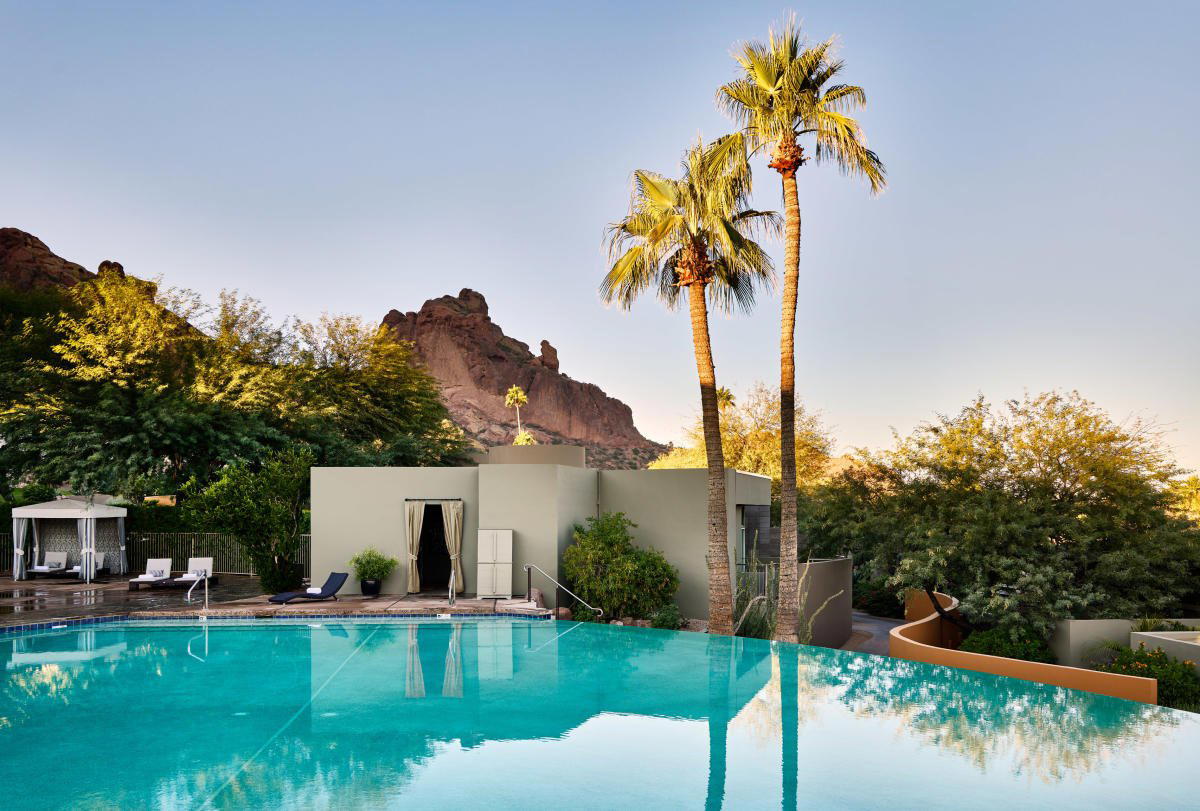
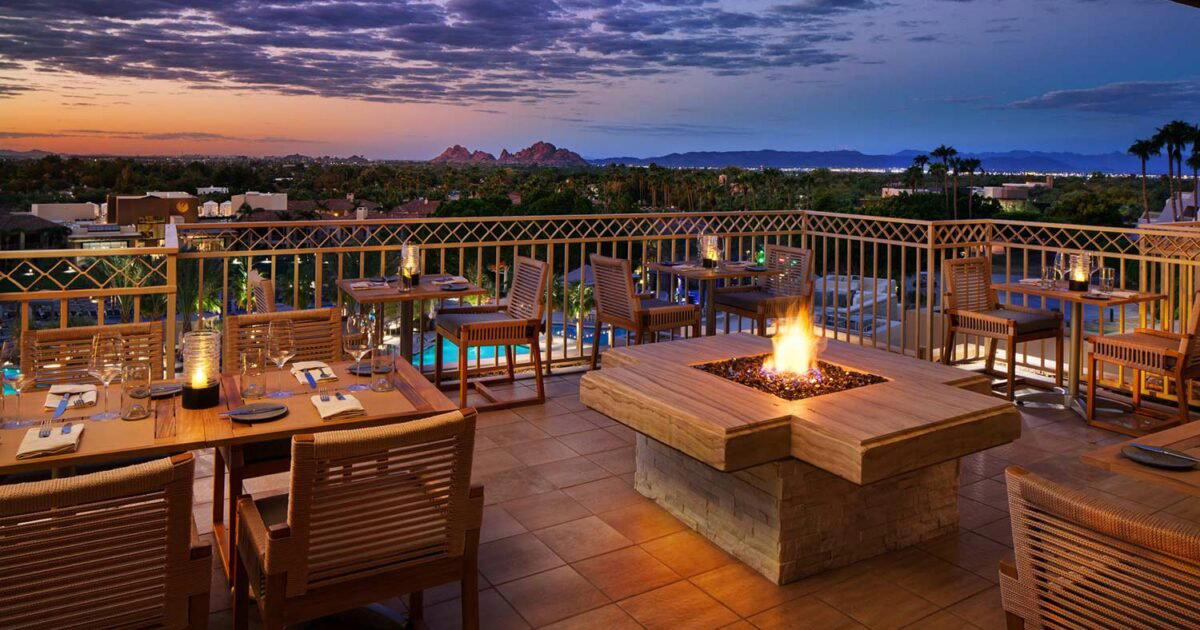
Tranquil and soothing with lush gardens, desert-inspired décor, soft natural light, and intimate pathways evoking peaceful Sonoran Desert serenity.