Acapulco
A Glendale fixture at 722 N Pacific Ave, Acapulco sits inside the city's broad Mexican dining tradition, where casual-format restaurants carry serious regional ambition. The address places it in a corridor where Armenian-inflected dining culture meets longstanding Latin American presence, making the meal a study in how Glendale absorbs and reframes culinary influence from multiple directions.
Pearl is the En Primeur Club membership app — saves, bookings, and concierge access live there. Same editors, same standards.
- Address
- 722 N Pacific Ave, Glendale, CA 91203
- Phone
- +18182468175
- Website
- acapulcorestaurants.com
- Directions
- Get directions
 Saves & bookings on Pearl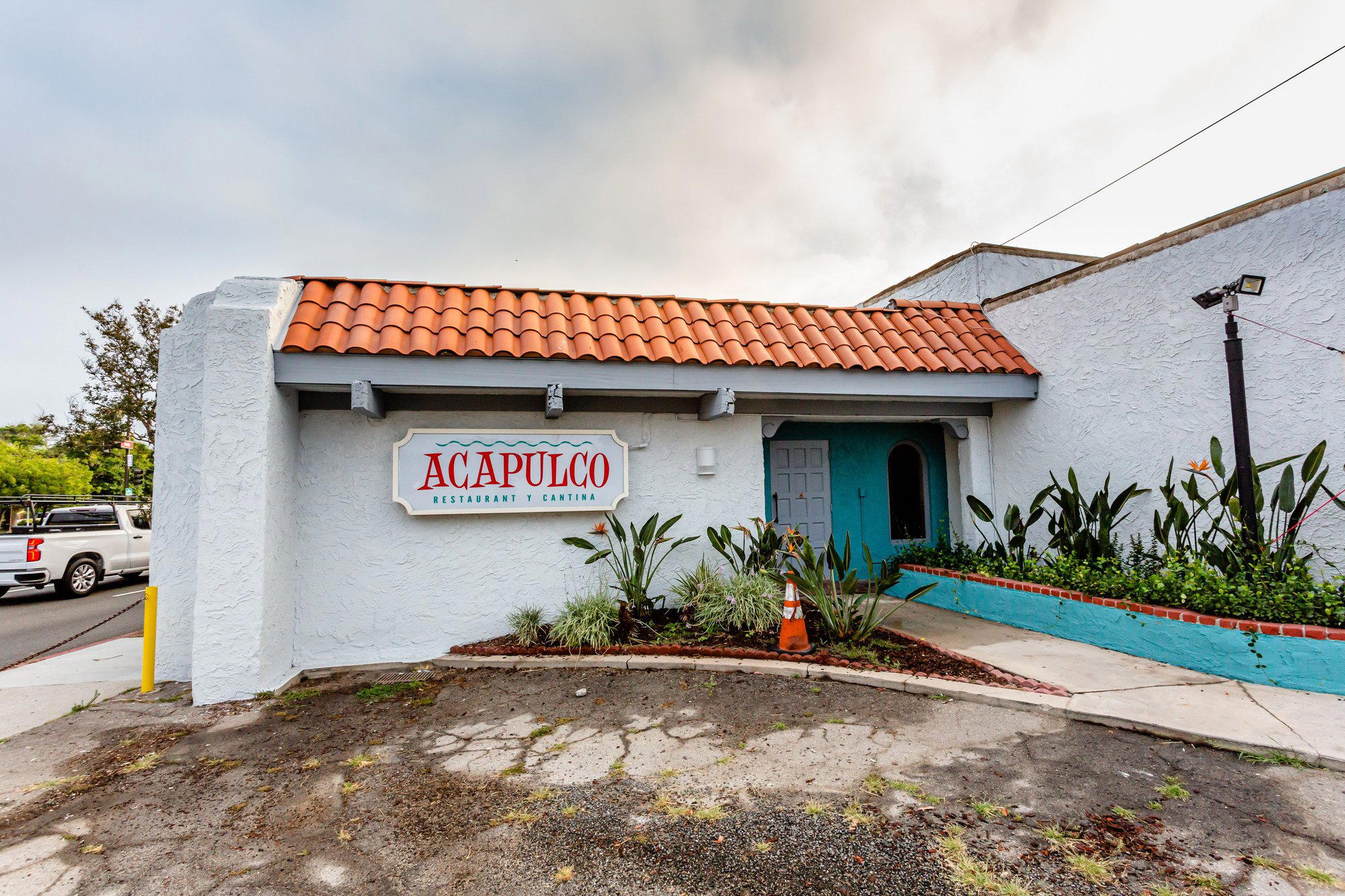
Where Glendale's Mexican Dining Tradition Takes Shape
North Pacific Avenue in Glendale runs through a stretch where the city's dining character is most legibly itself: a compressed corridor of Armenian bakeries, pan-Asian storefronts, and Latin American restaurants that have held their ground across decades of neighbourhood change. Acapulco, at 722 N Pacific Ave, sits inside that corridor — a physical fact that matters more than it might first appear. In cities like Los Angeles and its satellite municipalities, Mexican restaurants tend to sort into two broad tiers: the fast-casual, counter-service format oriented toward lunch traffic, and the sit-down, full-service model that carries regional Mexican ambition across a longer meal. Acapulco occupies the second category, which means the dining arc here has shape: it moves from arrival through to a sequence of dishes, with the pacing and structure of a proper meal rather than a transaction.
Glendale's Mexican dining scene is smaller than the broader San Gabriel Valley corridor to the east, but it is not thin. Venues like Caramba and Carousel (the latter Armenian-Lebanese in orientation) demonstrate that the city holds a mixed and competitive dining field. Within that field, Mexican restaurants that sustain a full-service model over time are doing something structurally correct: they are reading what a neighbourhood of this density and demographic breadth actually wants from a meal.
The Architecture of a Mexican Meal at This Level
Discussing the tasting progression at a mid-format Mexican restaurant requires some calibration. This is not the high-wire sequencing of, say, Alinea in Chicago or the farm-to-counter discipline of Single Thread Farm in Healdsburg. But the arc of a Mexican meal done correctly has its own internal logic — and it is one that rewards attention. It typically opens with something acidic and textural: chips with salsa, or a ceviched preparation, designed to reset the palate and signal the kitchen's confidence with heat and brightness. The middle registers shift toward protein and depth, where mole, braised meats, or slow-cooked preparations carry the weight of the meal. The close, if the kitchen is paying attention, lightens again, a dessert that cuts richness rather than compounding it.
That arc is the template against which any Mexican restaurant in the full-service tier is implicitly measured. Regional Mexican cooking, particularly in Southern California, has a documented history of carrying complexity at every stage of that sequence: Oaxacan moles that involve upwards of thirty ingredients, Veracruz-style fish preparations that bridge Spanish and coastal Mexican technique, and Yucatecan dishes built on achiote and citrus marinades with pre-Columbian roots. The question for any Glendale address is how far into that regional depth the kitchen reaches.
Glendale as a Dining City: Context and Competitive Set
Glendale is not typically the first name that surfaces in Los Angeles County dining conversations, which tend to default to WeHo, Silver Lake, or the Westside. That geographic blind spot is partly structural: the city's restaurant scene skews toward neighbourhood regulars rather than destination diners, which means some of its most consistent kitchens receive less editorial attention than their Los Angeles counterparts. Venues like Adana and Blackberry Bliss demonstrate that Glendale has restaurants worth crossing the city for; the broader point is that the city's dining field rewards lateral research rather than following Los Angeles media consensus.
For frame of reference: nationally awarded restaurants like Providence in Los Angeles, Le Bernardin in New York City, and Addison in San Diego represent the formal, Michelin-tier end of the American dining spectrum. Glendale's Mexican casual-formal tier operates in a very different register, lower price points, higher volume, neighbourhood loyalty as the primary trust signal. That is not a diminishment; it is a different set of criteria, and the restaurants that survive over time in this format are typically doing the fundamentals well: consistent cooking, value-for-money at the mid-price tier, and a dining room that reads its regulars correctly.
Other Chinese-American and Asian-fusion venues like California Wok Glendale operate in adjacent format territory, illustrating that Glendale's dining public is comfortable moving across cuisines and formats without demanding a single dominant style. That pluralism gives Mexican restaurants in the city more room to operate on their own terms rather than competing for a thin slice of a fixed market.
Planning the Visit
Acapulco is located at 722 N Pacific Ave, Glendale, CA 91203, reachable from central Los Angeles via the 2 or 5 freeway, with street parking and structure parking available in the surrounding blocks. Walk-in dining is the standard model for this format category in Glendale, though weekend evenings at consistently busy addresses can carry a wait. For a broader map of what else the city offers, the full Glendale restaurants guide covers the field across cuisine types and price tiers.
Visitors oriented toward the high end of the American dining spectrum, the tasting-menu tier represented by Lazy Bear in San Francisco, Blue Hill at Stone Barns in Tarrytown, or Atomix in New York City, will be calibrating to a different register here. Acapulco is a neighbourhood-format Mexican restaurant, and the value proposition is about consistent regional cooking at accessible price points, not about progressive tasting structure or chef-driven innovation. The two modes are not in competition; they serve different occasions and different reader decisions.
Continue exploring
More in Glendale
Restaurants in Glendale
Browse all →
Bars in Glendale
Browse all →

Hotels in Glendale
Browse all →
Wineries in Glendale
Browse all →
At a Glance
- Lively
- Casual
- Group Dining
- Casual Hangout
- Family
- Open Kitchen
- Craft Cocktails
Current opening hours
- Monday
- 11 AM–10 PM
- Tuesday
- 11 AM–10 PM
- Wednesday
- 11 AM–10 PM
- Thursday
- 11 AM–10 PM
- Friday
- 11 AM–11 PM
- Saturday
- 9 AM–11 PM
- Sunday
- 9 AM–10 PM
Hours can change for holidays and private events. Last verified .
Upbeat and welcoming casual atmosphere with lively music, festive bar scene, and friendly service.
Know Before You Go
- Getting there
- 722 N Pacific Ave, Glendale, CA 91203