Arizona Biltmore, LXR Hotels & Resorts



Open since 1929, the Arizona Biltmore sits in Phoenix's Camelback Corridor on 39 acres of Frank Lloyd Wright-influenced architecture, desert gardens, and pools. Recognised by Star Wine List 2026, the property operates within Hilton's LXR portfolio and draws comparisons to other historically-grounded American resort addresses. Fifteen minutes from Sky Harbor International Airport, it positions itself as a full-service retreat with golf, spa, and multiple dining venues.
Pearl is the En Primeur Club membership app — saves, bookings, and concierge access live there. Same editors, same standards.
- Address
- 2400 East Missouri Avenue
- Phone
- 800-950-0086
- Website
- arizonabiltmore.com
- Directions
- Get directions
 Saves & bookings on Pearl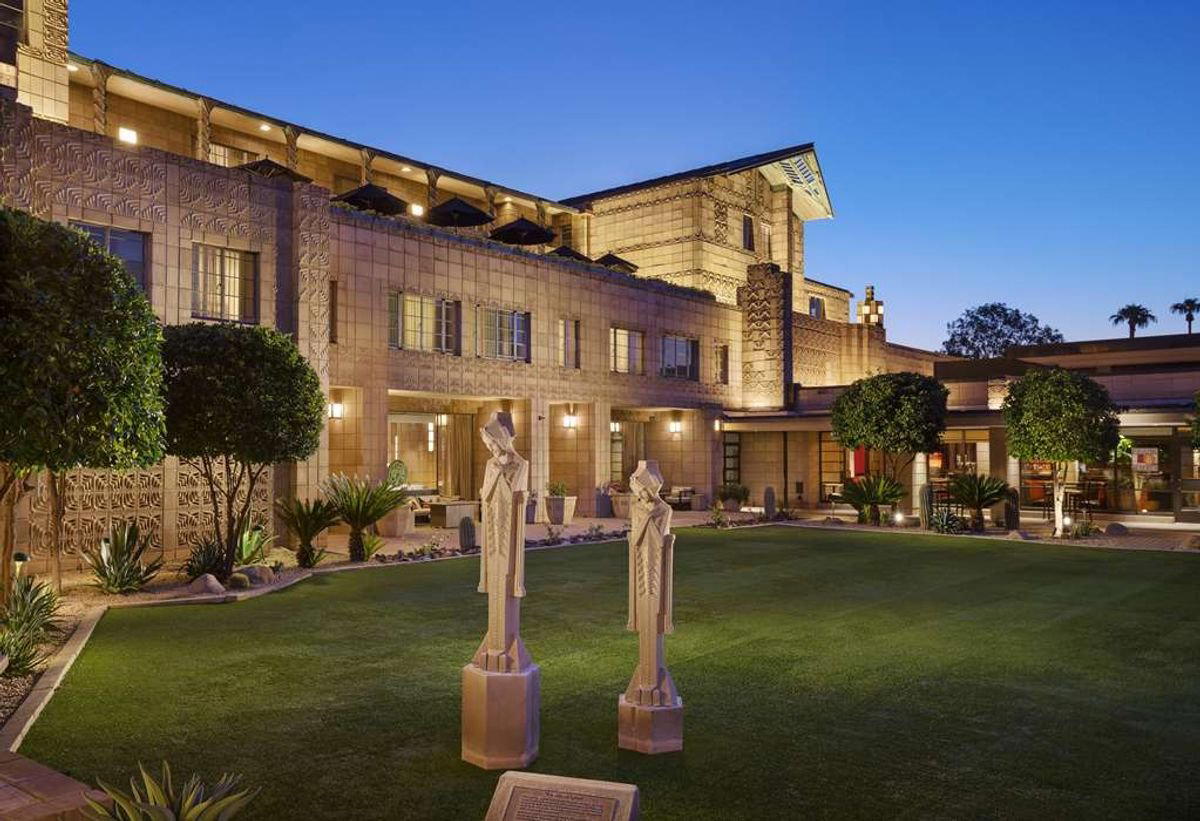
A Century of Architecture in the Desert
Phoenix has always maintained an uneasy relationship between preservation and reinvention, and the Arizona Biltmore, LXR Hotels & Resorts is a 4-star hotel in Phoenix. Opened in 1929 on what is now the Camelback Corridor, the property was designed with the geometric textile-block aesthetic associated with Frank Lloyd Wright's influence, layered over an art deco sensibility that was, at the time, as forward-looking as it was theatrical. Nearly a century later, that architecture remains the sharpest argument for staying here rather than at any of the newer resort addresses further north along the corridor.
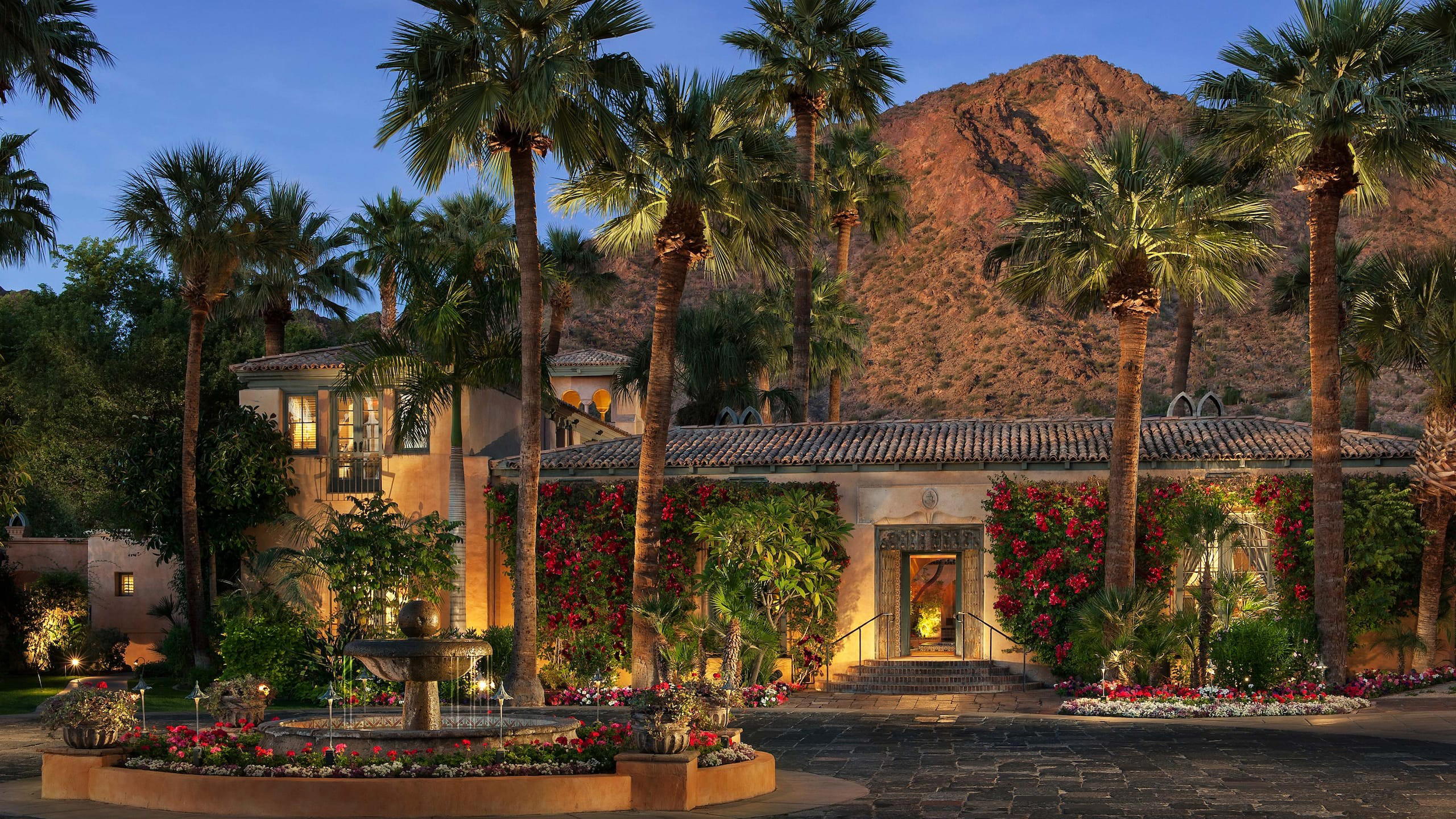
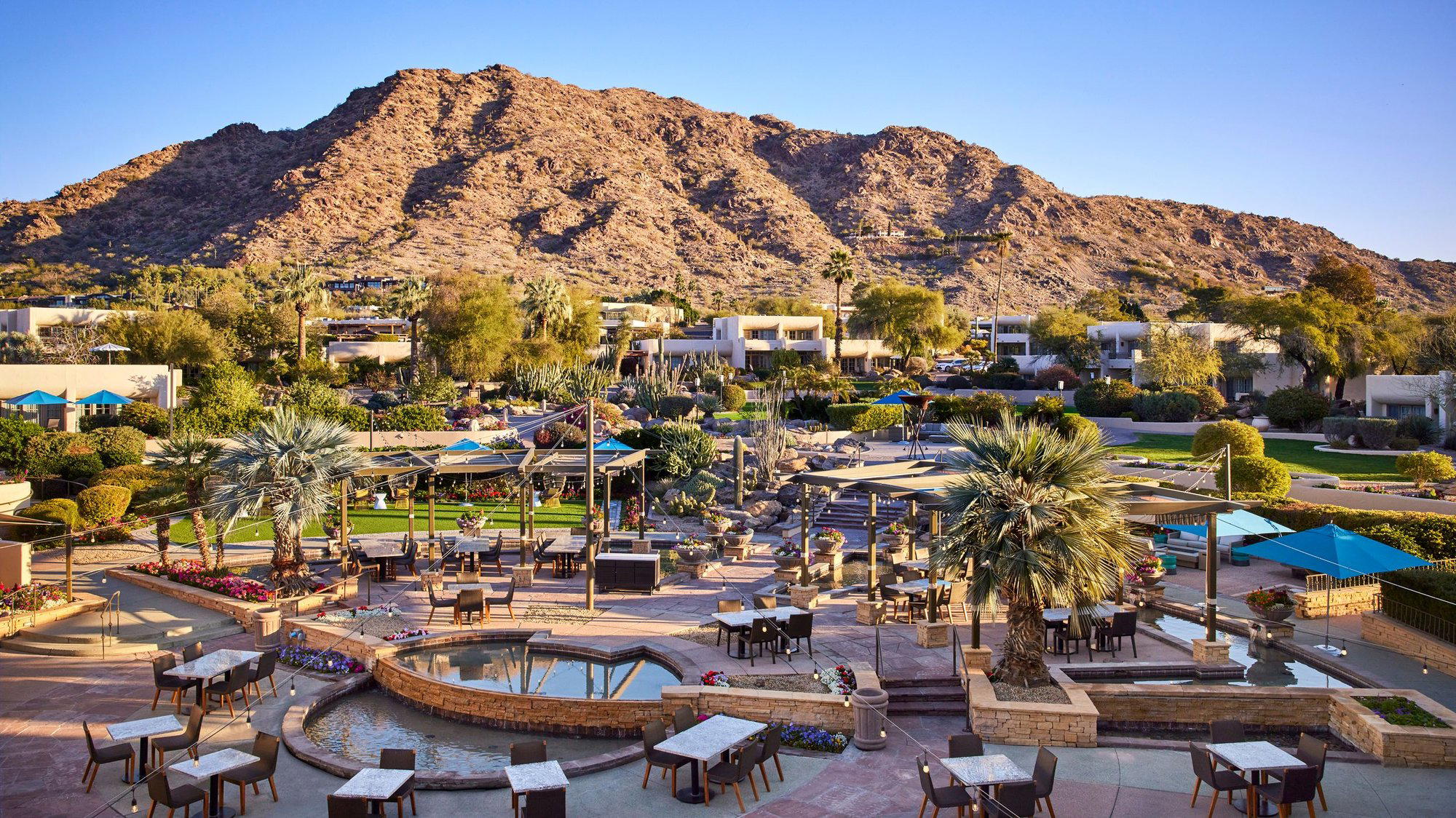
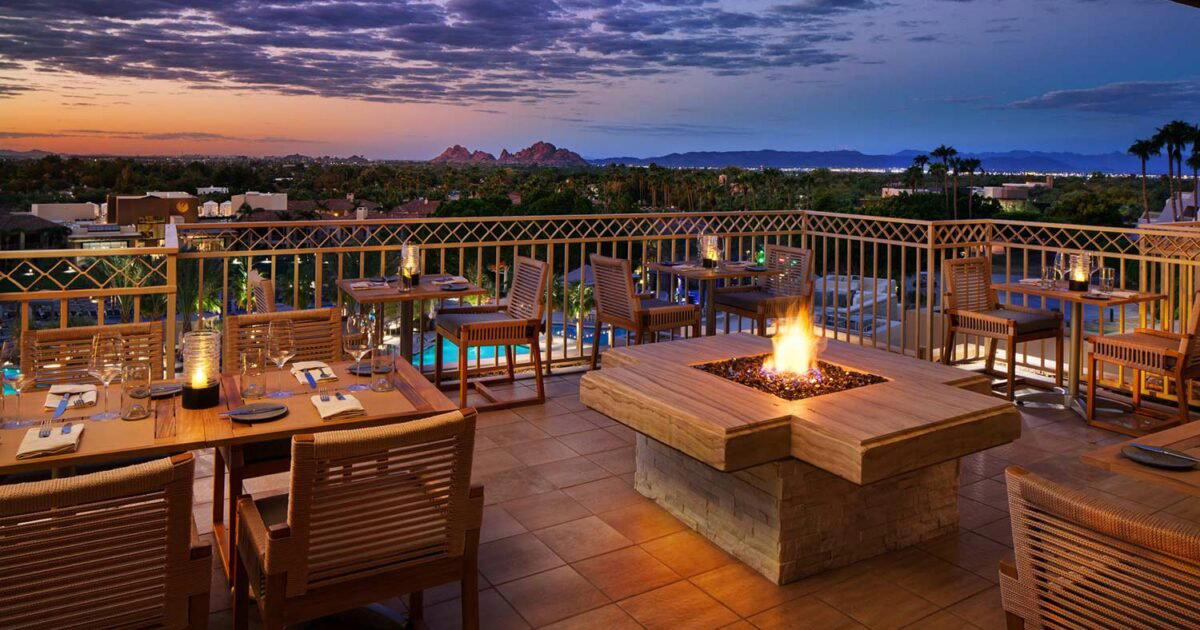
The approach to the property gives a sense of how the setting positions itself: royal palms line the drive, the Scottsdale mountains sit behind in the middle distance, and 39 acres of desert botanical gardens frame the main building before you reach the entrance. For travellers arriving from Sky Harbor International Airport, the transfer takes roughly 15 minutes, which places the Biltmore in a different tier of accessibility from properties like the JW Marriott Phoenix Desert Ridge Resort & Spa, which sits considerably further north and requires a longer drive from the city's air hub.
Where the Biltmore Sits in Phoenix's Hotel Tier
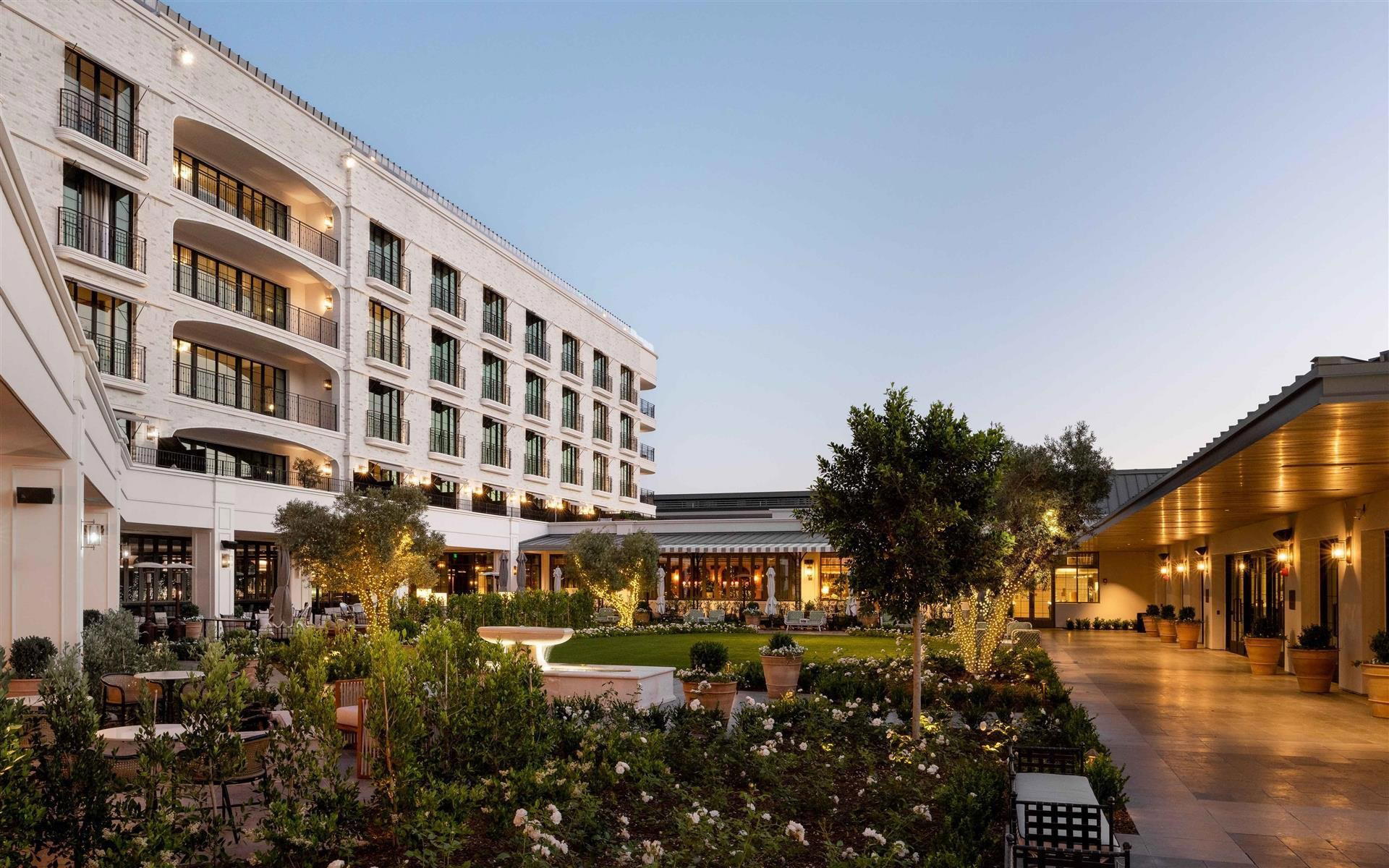
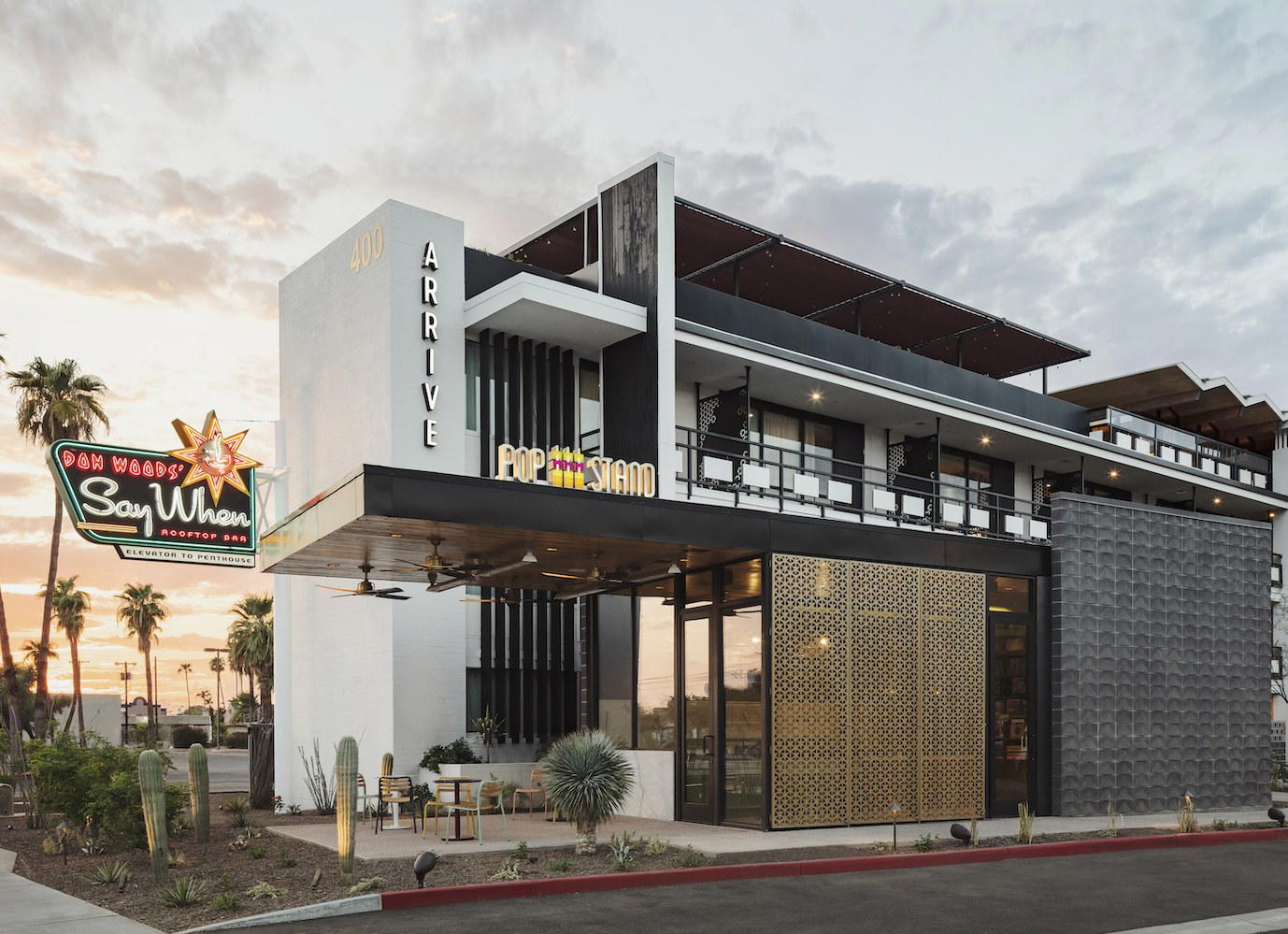
Phoenix's upper-end hotel market divides roughly into three patterns: large-footprint resort complexes with full conference infrastructure, boutique design properties pitched at a style-led traveller, and historic-heritage properties that trade on architectural and cultural provenance. The Biltmore occupies the third category almost exclusively. Its comparable set within the city includes Royal Palms Resort and Spa, which also draws on an older, Spanish Colonial Revival identity, and the newer The Global Ambassador, which represents Phoenix's more contemporary luxury push. The Kimpton Hotel Palomar Phoenix and The Camby, Autograph Collection sit in a different urban footprint altogether, closer to the downtown core, and operate without the resort-scale amenities the Biltmore offers.
As an LXR Hotels & Resorts property within the Hilton portfolio, the Biltmore benefits from a brand positioning that emphasises independent character within a managed luxury tier, a structure that places it alongside properties like The Fifth Avenue Hotel in New York City in terms of how the group frames distinctive, story-led addresses within a corporate support infrastructure. That matters less for the walk-in guest and more for the frequent traveller who is tracking loyalty points alongside editorial quality.
The Dining Programme and Its Wine Recognition
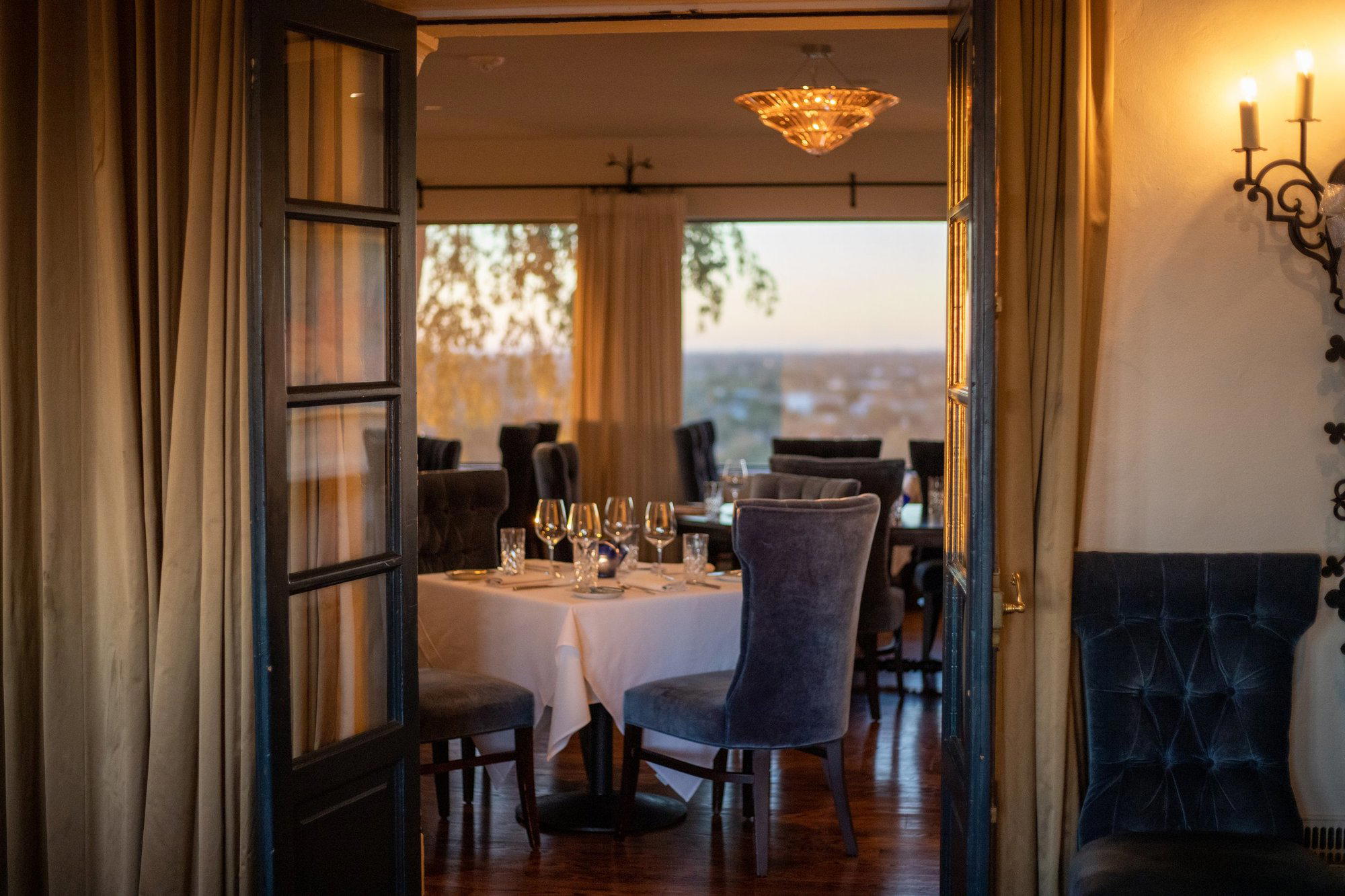
The editorial angle on the Biltmore's food and beverage programme sharpened in 2026 when Star Wine List recognised the property, a signal that the wine offering meets a threshold of programme seriousness that many resort dining operations in the Southwest do not. Star Wine List recognition, which is awarded based on list depth, producer diversity, and overall programme rigour, is less common at resort properties than at standalone restaurants, making its appearance here notable context for guests who are choosing the Biltmore partly on dining terms.
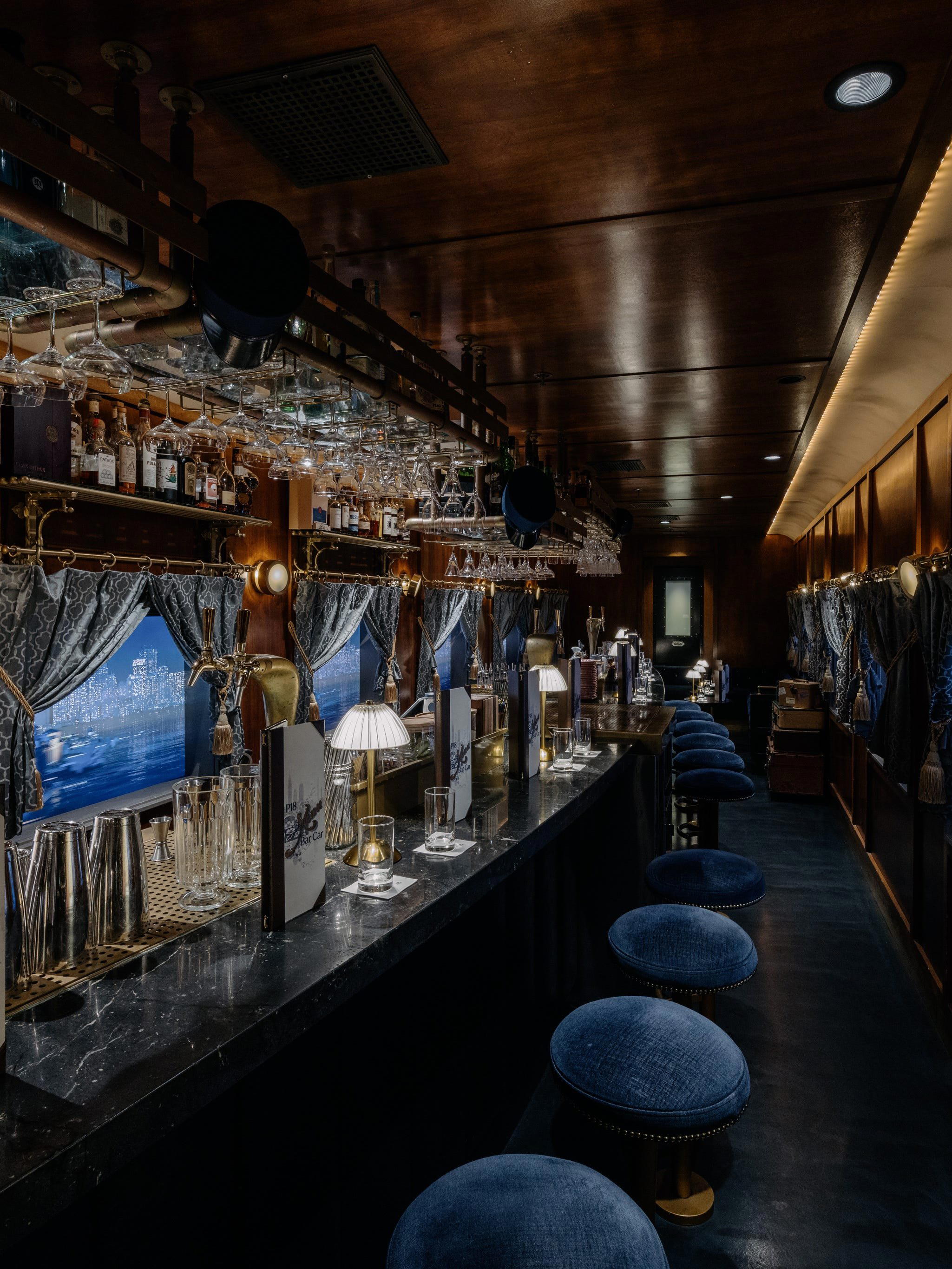
Resort dining in Arizona has historically been split between two modes: the casual poolside format that defaults to crowd-pleasers, and the more structured signature restaurant that positions itself against Phoenix's broader dining scene. The stronger resort programmes, like those at Sheraton Grand at Wild Horse Pass with its focus on Native American culinary traditions, have tended to succeed by anchoring the food identity to something geographically specific. The Biltmore's dining identity, backed by Star Wine List 2026 recognition, points toward a more classical programme, one that treats the wine list as part of the formal dining argument rather than an afterthought to the room-and-amenities pitch.
For guests whose reference points include wine-serious hotel dining programmes at properties like Auberge du Soleil in Napa or Raffles Boston in Boston, the Biltmore's 2026 recognition puts it in a credible conversation, even if the specific restaurants and current menus are best confirmed directly with the property before arrival. For our broader restaurant coverage in the city, the full Phoenix restaurants guide gives useful context on where the hotel sits relative to the standalone dining scene.
The Grounds and Amenities as the Real Offer
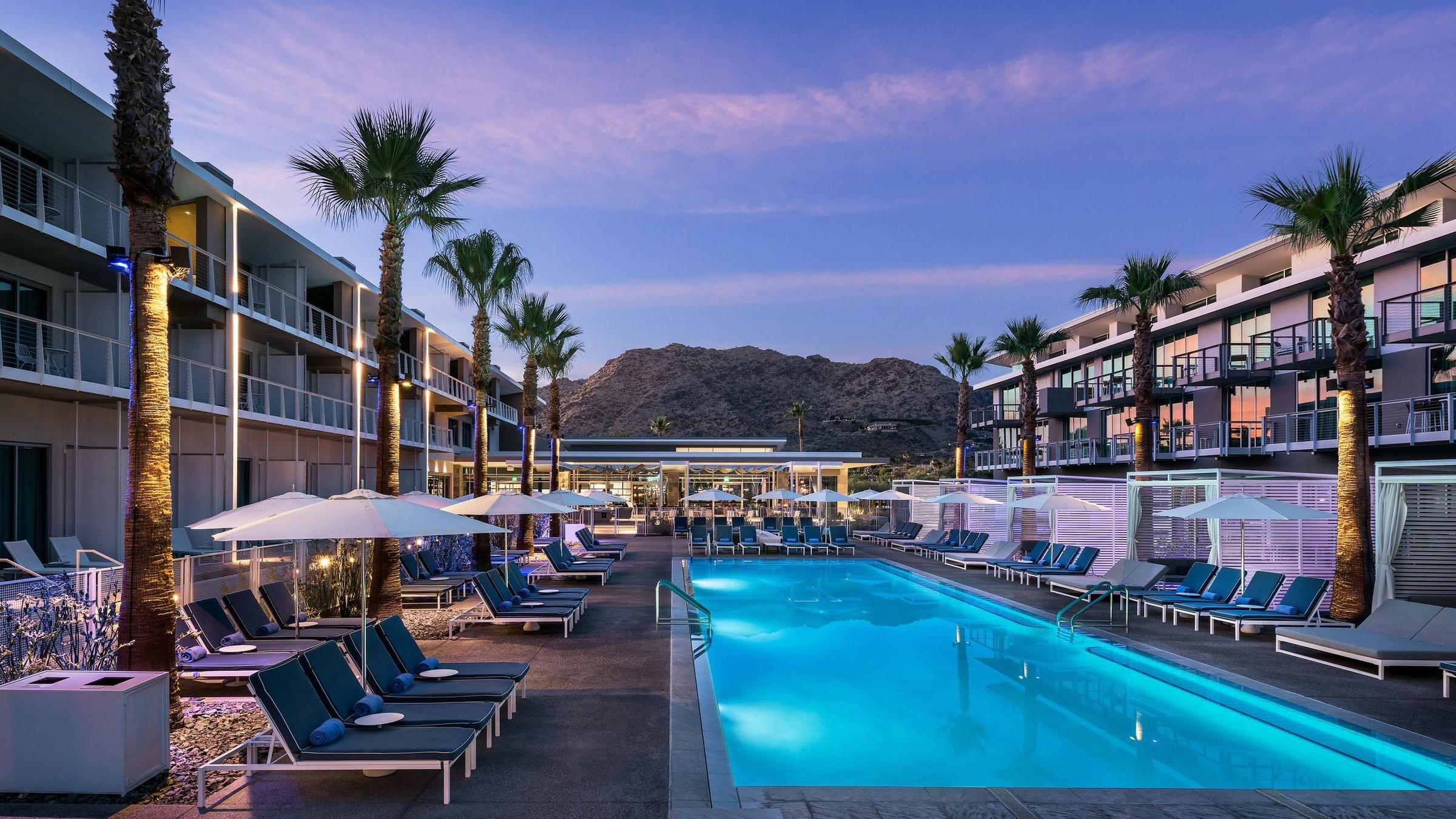
The 39-acre footprint is not incidental to the Biltmore's positioning, it is the positioning. Championship golf, the Tierra Luna Spa, multiple swimming pools, and fitness facilities operate at a scale that smaller Phoenix properties simply cannot replicate. Guests comparing the Biltmore to boutique alternatives like Royal Palms should understand that they are choosing between depth of amenities and intimacy of experience. The Biltmore optimises for the former.
That said, the resort's old Hollywood provenance carries real weight. Marilyn Monroe's visits and poolside photographs are part of a documented public record that stretches through presidents and diplomats, placing the Biltmore in the same category of American resort addresses with verifiable cultural histories as Hotel Bel-Air in Los Angeles or, at a different scale, Badrutt's Palace Hotel in St. Moritz. For guests who find the idea of historically-layered spaces meaningful rather than merely decorative, that provenance translates into something tangible in the atmosphere of the public rooms and pools.
Travellers whose desert itinerary extends to more remote terrain can use the Biltmore as a comfortable base before heading toward addresses like Amangiri in Canyon Point or wellness-oriented properties like Canyon Ranch Tucson in Tucson. The Biltmore's urban accessibility and resort scale make it a practical entry or exit point for a broader Southwest itinerary.
Planning Your Stay
The Camelback Corridor location, central Phoenix, 15 minutes from Sky Harbor, means the Biltmore works for both leisure guests and travellers with business in the city. The resort's size and amenity depth suit peak-season demand, particularly from October through April when Phoenix draws the bulk of its leisure travel. Advance booking during the cooler months is advisable. Rate and availability should be confirmed directly with the property. For comparable properties in other American resort markets, Post Ranch Inn in Big Sur, Sage Lodge in Pray, Little Palm Island Resort & Spa in Little Torch Key, Kona Village, A Rosewood Resort in Kailua Kona, Four Seasons at The Surf Club in Surfside, Troutbeck in Amenia, SingleThread Farm Inn in Healdsburg, 1 Hotel San Francisco in San Francisco, Chicago Athletic Association in Chicago, and Aman New York in New York City each offer their own regional version of a historically or architecturally-grounded luxury stay.
A Pricing-First Comparison
Comparable venues nearby, for context on price, style, and recognition.
| Venue | Price | Awards | Notes |
|---|---|---|---|
| Arizona Biltmore, LXR Hotels & ResortsThis venue — the venue you are viewing | $$$$ | 4-Star | Not listed |
| JW Marriott Phoenix Desert Ridge Resort & Spa | $$$$ | 4-Star | Paradise Valley, Luxury desert resort with family-friendly waterpark and championship golf. |
| Sheraton Grand at Wild Horse Pass | $$$$ | 5-Star | Ahwatukee, Native American heritage-inspired luxury resort blending Pima and Maricopa cultural traditions with contemporary desert hospitality. |
| The Camby, Autograph Collection | $$$$ | 5-Star | Biltmore Villas, Reimagined luxury retreat balancing classical elegance with contemporary desert-inspired design; formerly a Ritz Carlton transformed into a playful, sophisticated lifestyle hotel. |
| Kimpton Hotel Palomar Phoenix | $$$ | 4-Star | Downtown, Newly renovated urban boutique hotel with desert-inspired design. |
| Atari Hotel Phoenix | Not listed | Not listed | Roosevelt Row Arts District, Large-scale experiential entertainment hotel that blends lodging with esports, concerts, and nightlife venues. |
Recognition history
Dated appearances from independent guides and award organizations, with the underlying list record or original source where available.
Star Wine List
Star Wine List
Virtuoso Luxury Hotel Partner
Virtuoso
Michelin Selected
Michelin


At a Glance
- Well Known
- Elegant
- Sophisticated
- Scenic
- Romantic Getaway
- Family Vacation
- Wellness Retreat
- Anniversary
- Destination Wedding
- Golf Course
- Destination Spa
- Garden
- Historic Building
- Design Destination
- Panoramic View
- Private Dining
- Wi Fi
- Pool
- Spa
- Fitness Center
- Room Service
- Concierge
- Business Center
- Valet Parking
- EV Charging
- Kids Club
- Golf Course
- Tennis Court
- Restaurant
- Garden
- Mountain
- Wi Fi
- Pool
- Spa
- Fitness Center
- Room Service
- Concierge
- Business Center
- Valet Parking
- EV Charging
- Kids Club
- Golf Course
- Tennis Court
- Restaurant
Glamorous and sophisticated with lush gardens, elegant alcoves, and refined poolside atmosphere; recently renovated with modern amenities while preserving historic character.