The Wigwam

A historic resort property in Litchfield Park, Arizona, The Wigwam occupies a category of American resort design shaped by mid-century ambition and Southwest scale. Across 331 rooms set within low-rise adobe-influenced architecture, it anchors the western Phoenix suburbs as a benchmark for destination resort stays in the region.
Pearl is the En Primeur Club membership app — saves, bookings, and concierge access live there. Same editors, same standards.
- Address
- 300 E Wigwam Blvd, Litchfield Park, AZ 85340
- Phone
- +1 844-239-1641
- Website
- wigwamarizona.com
- Directions
- Get directions
 Saves & bookings on Pearl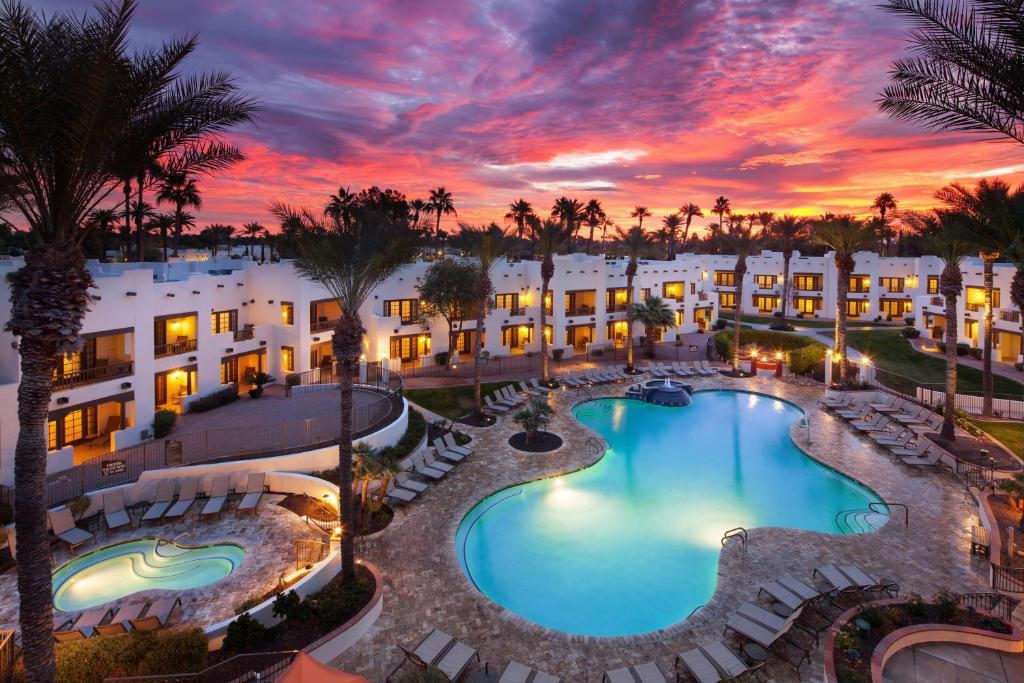
Adobe Scale and Open Sky: The Physical Logic of The Wigwam
There is a particular tradition in American resort design that prizes horizontal spread over vertical height, preferring to let the landscape set the ceiling rather than the building itself. The Wigwam is a 4-star hotel in Litchfield Park, Arizona, at 300 E Wigwam Blvd, and it belongs firmly to that tradition. The property's architecture reads as a deliberate argument against the tower-hotel format: low-slung structures, warm earth tones, and a campus layout that asks guests to move through space rather than be contained by it. This is design in conversation with the Sonoran Desert context, where the sky is the dominant architectural feature and buildings work leading when they acknowledge that fact.
Litchfield Park itself is a planned community west of Phoenix, developed in the early twentieth century with a particular sense of order and intention that still defines its character. That civic planning instinct is visible in the resort's relationship to its grounds. The 331-room count spreads across a footprint generous enough to make density feel irrelevant. Guests arriving from the Phoenix metropolitan area, roughly 20 miles to the east, cross from urban sprawl into something that registers differently, where the pace of movement slows and the visual field opens. This is the architectural promise the property makes before a guest crosses a threshold.
Where The Wigwam Sits in the American Resort Conversation
American resort hotels occupying the mid-century heritage tier now operate in a market defined by two competing forces: the demand for historic atmosphere and the expectation of contemporary amenity. Properties that opened in the postwar period, particularly those designed around outdoor recreation and warm-weather escapes, have had to adapt that legacy without erasing it. The hotel sits in this conversation alongside a broader Southwest cohort. For context, properties like Amangiri in Canyon Point represent the newer, design-led desert hotel that emerged from a different architectural philosophy, while Ambiente, A Landscape Hotel in Sedona takes a more contemporary conceptual approach to integrating built form with terrain. The hotel's 331 rooms place it at a scale considerably larger than either, which changes the character of the guest experience in fundamental ways. Large-format resorts carry a different social energy: more activity, more programming options, greater anonymity if wanted.
That scale also positions the hotel in a comparable set that includes other full-service Arizona destination resorts rather than the boutique properties increasingly common in Sedona and the Verde Valley. For wellness-oriented alternatives within the state, Canyon Ranch Tucson occupies a more programmatically intensive niche, with a deeply structured wellness model that differs from a traditional resort format. The hotel's approach to space and activity is broader in scope.
The Architecture as Experience
The adobe-influenced vernacular that defines the property's aesthetic is not merely decorative. In the Southwest context, thick-wall construction and low-profile forms respond to climate logic: heat management, shade creation, and the relationship between indoor and outdoor temperature. Whether the hotel's structures strictly follow adobe construction methods or adapt them visually, the design language signals a regional identity that distinguishes it from the glass-and-steel resort formats common in other American vacation markets.
This matters for the guest who arrives with an interest in place-specific design. The resort's architecture communicates something about where you are in a way that a generic tower hotel does not. Comparable estates in other regions solve the same problem differently: Troutbeck in Amenia uses a Hudson Valley stone manor tradition; Blackberry Farm in Walland works within an Appalachian farmstead vernacular. Each property anchors its identity in a regional design logic. The hotel's version is Southwest desert: open corridors, clay-colored surfaces, and an organizational grammar that privileges outdoor circulation.
Planning a Stay: What to Know Before You Book
Litchfield Park is accessible via the greater Phoenix airport network, and the property's address on Wigwam Blvd is direct from the I-10 corridor. For those comparing it with the Phoenix metropolitan alternatives, the western suburban setting creates a quieter buffer from urban density than hotels positioned closer to Scottsdale or downtown Phoenix. The 331 rooms mean availability is generally less constrained than at smaller boutique properties, though peak winter season in Arizona, roughly November through March when temperatures attract visitors seeking relief from colder northern climates, sees the highest demand across the region. Booking ahead of that window is prudent. For planning context across comparable Arizona and Southwest properties, our full Litchfield Park restaurants guide covers the broader hospitality picture of the area.
Guests who have recently experienced properties like Hotel Bel-Air in Los Angeles or Four Seasons at The Surf Club in Surfside will find the hotel operates at a different register, prioritizing grounds and outdoor scale over the intimate urban-luxury format those properties represent. It is a different kind of destination proposition, one more aligned with resort stays built around recreation and open space than with city-hotel sophistication. For East Coast travelers accustomed to properties like Raffles Boston or The Fifth Avenue Hotel in New York City, the tonal shift is significant and worth anticipating.
Side-by-Side Snapshot
Comparable venues nearby, for context on price, style, and recognition.
| Venue | Cuisine | Price | Awards | Notes |
|---|---|---|---|---|
| The WigwamThis venue — the venue you are viewing | Historic Southwestern luxury resort with territorial adobe architecture and contemporary amenities, positioned as a multi-generational desert destination. | $$$$ | 4-Star | Not listed |
| Kimpton Miralina Resort & Villas | Large, luxury desert resort with a relaxed, residential feel that blends indoor-outdoor living across 40 acres beneath Camelback and Mummy Mountains. | $$$$ | 4-Star | Paradise Valley |
| Arizona Biltmore, LXR Hotels & Resorts | Luxury heritage resort blending Frank Lloyd Wright-inspired architecture with contemporary Waldorf Astoria service standards. | $$$$ | 4-Star | Biltmore Gates |
| The Wilde Resort & Spa | Mediterranean-inspired boutique resort with Red Rock infused design | $$$$ | 4-Star | West Sedona |
| W Scottsdale | urban resort with high-energy social scene | $$$$ | 4-Star | Old Town Scottsdale |
| Boulders Resort & Spa Scottsdale, Curio Collection by Hilton | Adobe-style casitas and villas harmoniously blended with Sonoran Desert landscape | $$$$ | 5-Star | North Scottsdale |
Recognition history
Dated appearances from independent guides and award organizations, with the underlying list record or original source where available.
Preferred Hotels Member
Preferred Hotels
Continue exploring
More in Litchfield Park
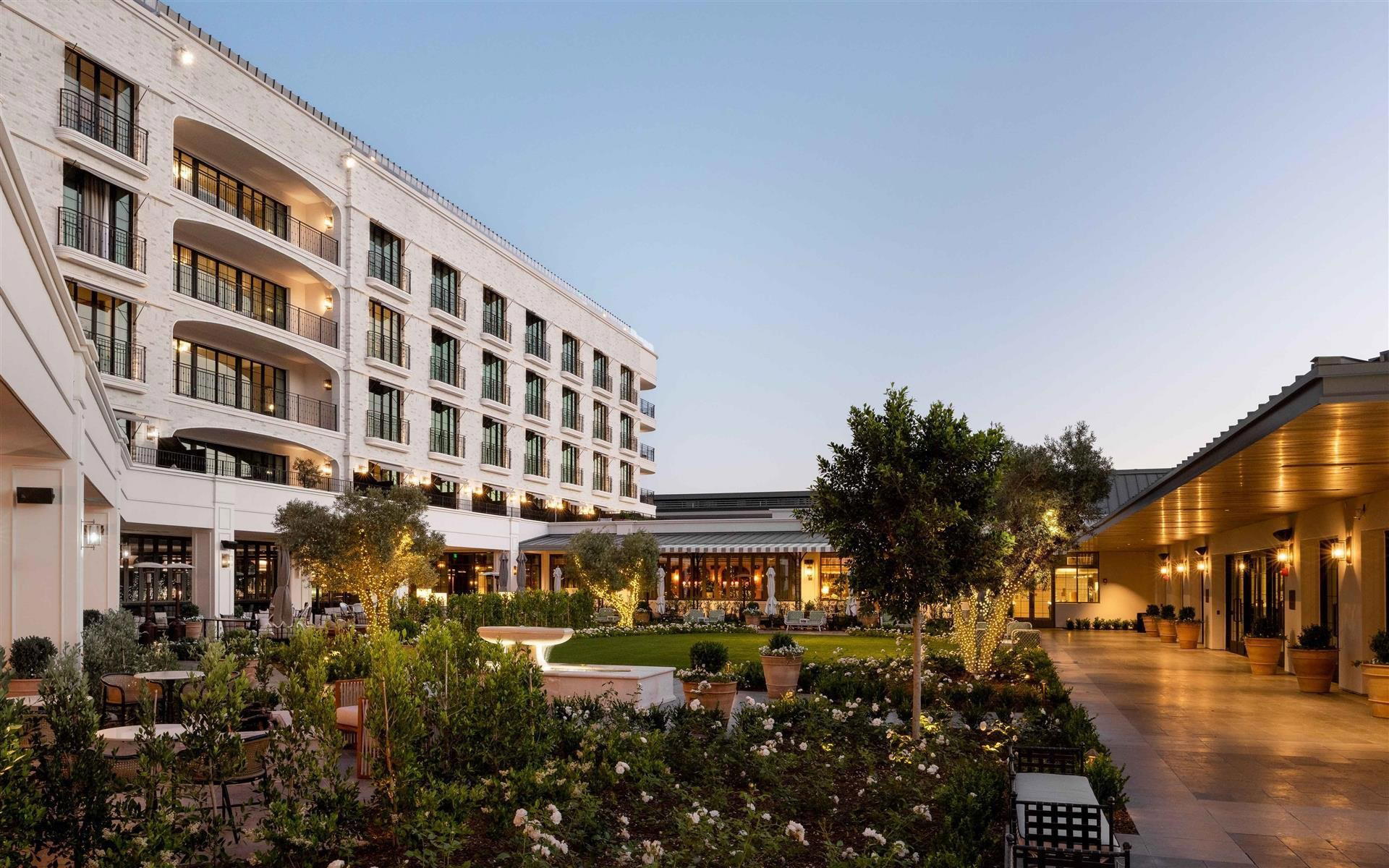
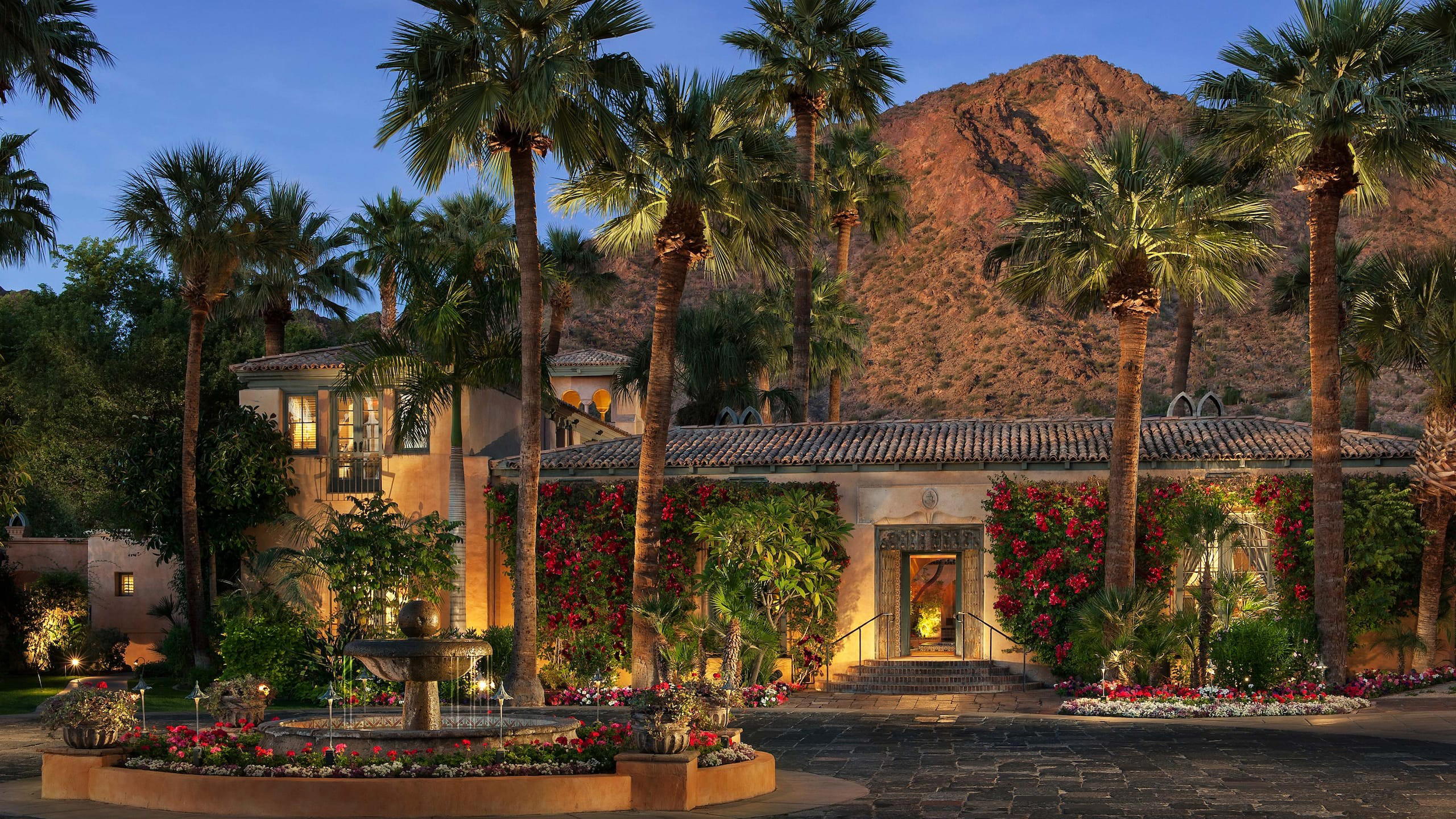
Hotels in Litchfield Park
Browse all →
Bars in Litchfield Park
Browse all →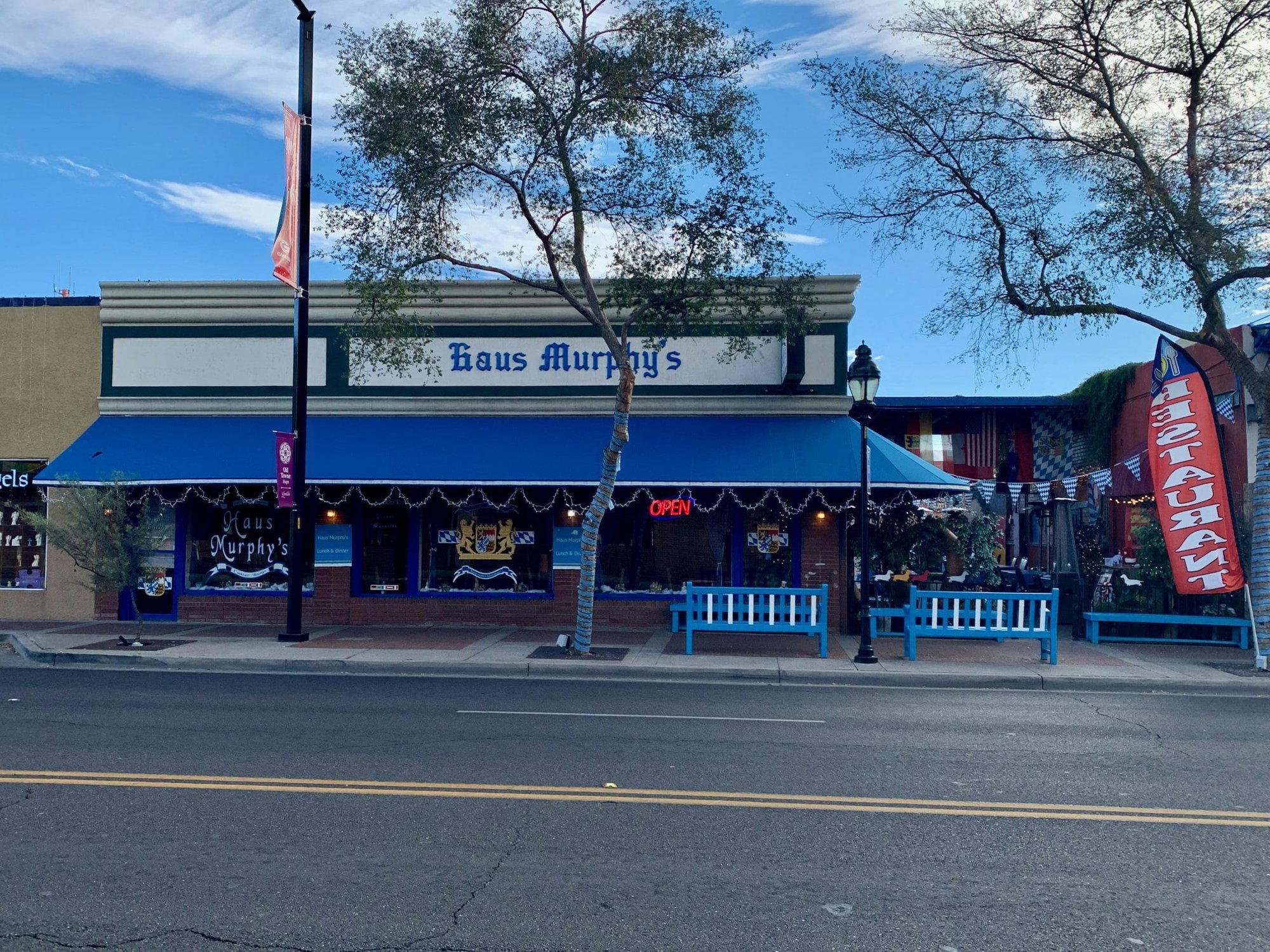
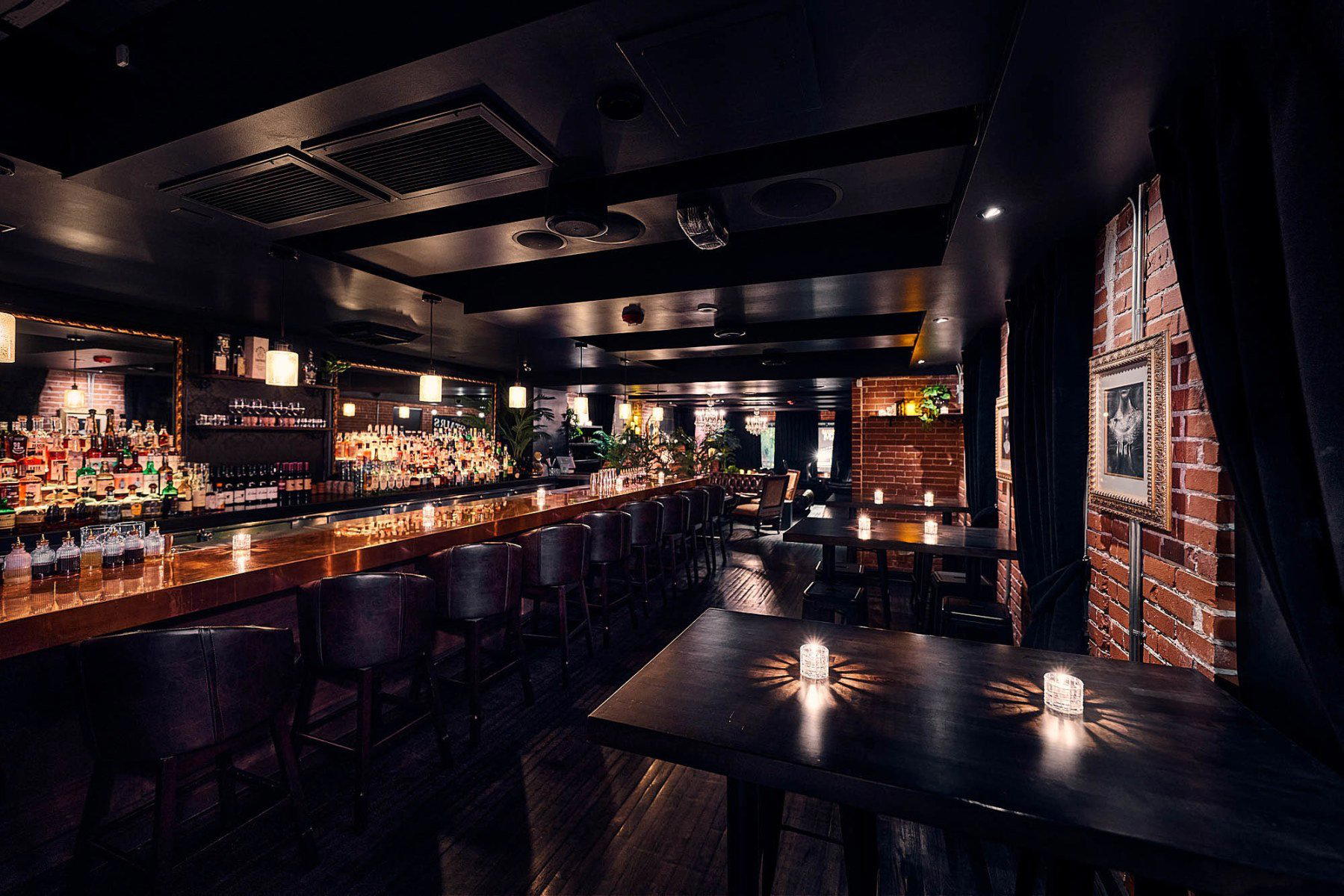
Restaurants in Litchfield Park
Browse all →
At a Glance
- Elegant
- Scenic
- Classic
- Sophisticated
- Family Vacation
- Romantic Getaway
- Wellness Retreat
- Anniversary
- Celebration
- Golf Course
- Destination Spa
- Garden
- Terrace
- Historic Building
- Panoramic View
- Private Dining
- Wi Fi
- Pool
- Spa
- Fitness Center
- Golf Course
- Restaurant
- Bar
- Valet Parking
- EV Charging
- Business Center
- Concierge
- Room Service
- Sauna
- Hot Tub
- Garden
- Wi Fi
- Pool
- Spa
- Fitness Center
- Golf Course
- Restaurant
- Bar
- Valet Parking
- EV Charging
- Business Center
- Concierge
- Room Service
- Sauna
- Hot Tub
Warm and inviting with Southwestern territorial adobe architecture, elegant comfort, and a blend of historic charm with modern amenities; guests highlight the serene desert setting with lively poolside atmosphere on weekends.