NIJŪ

A Mayfair Japanese restaurant built around the concept of katei ryōri, Japanese home-style sharing, NIJŪ sits at 20 Berkeley Street across two distinct rooms, one sushi counter, and a menu designed by Endo Kazutoshi. The cooking moves between sharing plates, wagyu over charcoal, and precision sushi, with a Michelin Plate in both 2024 and 2025. The Nipperkin cocktail bar anchors each end of the visit.
Pearl is the En Primeur Club membership app — saves, bookings, and concierge access live there. Same editors, same standards.
- Address
- 20 Berkeley St, London W1J 8EE, United Kingdom
- Phone
- +44 20 3327 3691
- Website
- nijulondon.com
- Directions
- Get directions
 Saves & bookings on Pearl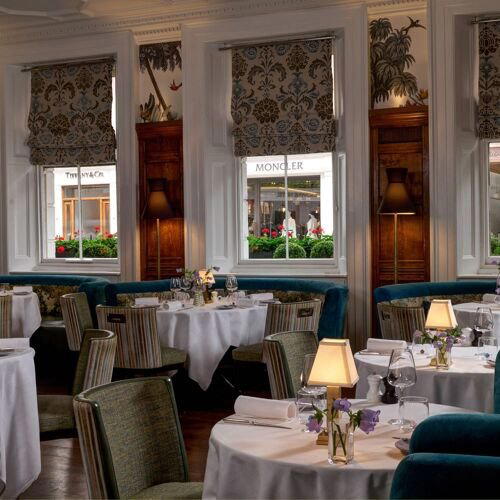
Two Rooms, One Logic: How NIJŪ Frames Japanese Home Cooking in Mayfair
Mayfair's Japanese dining scene has always occupied a particular register, formal, expensive, and often counter-led. The neighbourhood houses some of London's most established Japanese addresses, from the kaiseki precision of Umu to the izakaya-influenced energy of spots further toward Soho. What has been less common in this postcode is the katei ryōri format: the Japanese tradition of home-style, family-shared cooking, applied here with the production values of a polished Mayfair operation. It positions itself inside that gap.
The address is not incidental. Berkeley Street sits at the edge of Mayfair proper, close enough to the neighbourhood's luxury hotel cluster to draw the clientele those hotels attract, but with the independence of a standalone restaurant. That independence matters for how the space has been designed and divided.
The Architecture of the Room
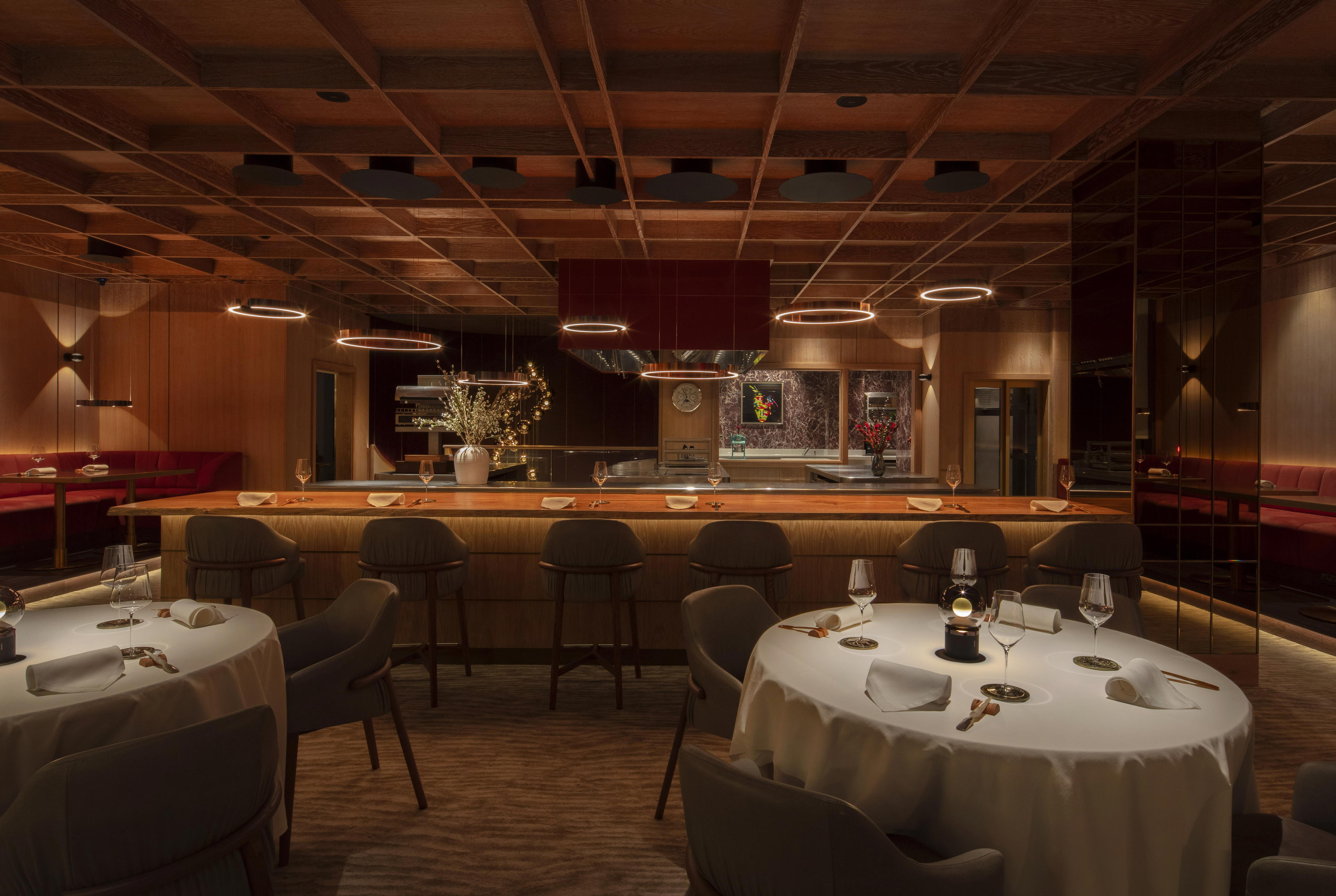
The interior split at NIJŪ is the first thing that signals intention. Two rooms, deliberately differentiated in tone, allow the restaurant to serve two dining registers without contradiction. The first room is darker and more clubby, lower light, the kind of atmosphere that suits late-evening drinking as much as eating. The second is brighter, more open, and features a small sushi counter where the restaurant's more technically precise work becomes visible.
This dual-room architecture is a considered response to how contemporary diners actually use restaurants. The same group may want quiet intimacy over a bottle of sake or the engagement of counter dining and conversation with whoever is working the fish. Few London Japanese restaurants of this price bracket give you both options under the same roof. The sushi counter in the second room draws a particular kind of diner: those who want to watch preparation, ask questions, and eat at a pace set by the counter rather than a kitchen sequence.
The Nipperkin cocktail bar, positioned as a bookend to the dining experience rather than a waiting area, reinforces that NIJŪ is thinking about the full arc of a night out rather than just the food service window. This kind of bar-restaurant integration has become more common in London's higher-end Japanese addresses, where the cocktail program is expected to carry serious weight rather than function as an afterthought. For comparison, Humble Chicken in Soho handles the same integration with its ground-floor yakitori bar; NIJŪ does it with a named bar space that operates with its own identity.
The Menu: Katei Ryōri as Organising Principle
Katei ryōri, literally, home-style cooking, is the conceptual thread running through the menu. In the Japanese domestic tradition, this means food designed for sharing, dishes that reference comfort and familiarity rather than formality, and an emphasis on the quality of primary ingredients rather than elaborate technique. Transposing that framework into a Mayfair restaurant at the £££ price point requires some editorial choices, and the menu reflects them clearly.
Endo Kazutoshi has designed the menus, a credential that carries weight in London Japanese dining. The format combines the katei ryōri sharing dishes with a sushi selection and Japanese beef cooked over charcoal. The charcoal element is significant: it introduces a rougher, more primal texture to what could otherwise be a polished exercise, and it aligns with the home-cooking premise more than, say, a lacquered eight-course kaiseki sequence would. Wagyu over charcoal, hamachi for the sushi counter, roasted turbot with furikake and miso butter, the produce list reads like a kitchen prioritising sourcing decisions above all else.
That produce orientation is what connects the menu's disparate elements. The same logic that governs a great omakase counter, that technique is in service of the fish, not the other way around, applies here to a broader repertoire. Within London's Japanese dining tier, this approach places NIJŪ in a peer group that includes Akira and Chisou, restaurants where the sourcing argument is central to the offer. For those interested in how this produce-led Japanese sensibility translates at the Tokyo source, Myojaku and Azabu Kadowaki provide useful reference points.
Michelin awarded the restaurant a Plate in both 2024 and 2025. At £££, the restaurant sits below the upper tier of London Japanese dining, where the likes of Ginza St James's operate at ££££ with star credentials. That price positioning means NIJŪ functions as a serious but accessible point of entry into Mayfair Japanese dining rather than an occasion-only destination.
Where NIJŪ Sits in the Wider Mayfair Context
Mayfair as a dining neighbourhood has shifted significantly in recent years. The area's dominant mode used to be formal European fine dining, anchored by French-influenced kitchens with long wine lists and tasting menus. That model persists, it is visible in the longevity of addresses like Restaurant Gordon Ramsay and the continued presence of haute European cooking across the neighbourhood, but it now coexists with a more varied international scene. Japanese restaurants in particular have multiplied across the W1 postcodes, covering everything from ramen counters in the lower price brackets to high-end omakase in the upper.
NIJŪ's dual-room format, charcoal grill, and sharing-plate structure put it in a different category from the formal counter restaurants. It reads less like a restaurant designed for solitary omakase dining and more like one designed for groups, for extended evenings, for the kind of hospitality that involves ordering several dishes and sharing them across the table. That is, precisely, the katei ryōri premise applied to a London context.
Know Before You Go
- Address: 20 Berkeley St, London W1J 8EE
- Cuisine: Japanese (katei ryōri sharing format, sushi counter, charcoal grill)
- Price range: £££
- Awards: Michelin Plate 2024, Michelin Plate 2025 4 from 426 reviews
- Bar: Nipperkin cocktail bar on site, recommended as a pre- or post-dinner stop
- Seating: Two rooms with different atmospheres; a small sushi counter in the brighter second room
A Pricing-First Comparison
Comparable venues nearby, for context on price, style, and recognition.
| Venue | Cuisine | Price | Awards | Notes |
|---|---|---|---|---|
| NIJŪThis venue — the venue you are viewing | Japanese | $$$$ | Michelin Plate | Not listed |
| Dinings SW3 | Knightsbridge, Modern Japanese Izakaya | $$$$ | Not listed | Not listed |
| Zuma | Knightsbridge, Modern Japanese Izakaya | $$$$ | Michelin Plate | Not listed |
| Aragawa | Mayfair, Premium Japanese Tajima Wagyu | $$$$ | Michelin Plate | Not listed |
| Sumi | Not listed | $$$ | Michelin Plate | Notting Hill, Modern Japanese Sushi & Robata |
| Dinings | Marylebone, Modern Japanese Fusion | $$$$ | Not listed | Not listed |
Recognition history
Dated appearances from independent guides and award organizations, with the underlying list record or original source where available.
Michelin Plate
Michelin
Michelin Plate
Michelin
Michelin Plate
Michelin
Continue exploring
More in London
Restaurants in London
Browse all →
Bars in London
Browse all →
Hotels in London
Browse all →

At a Glance
- Elegant
- Sophisticated
- Intimate
- Modern
- Date Night
- Business Dinner
- Special Occasion
- Chefs Counter
- Private Dining
- Open Kitchen
- Craft Cocktails
- Sake Program
- Local Sourcing
Current opening hours
- Monday
- 12–2:30 PM, 5:30 PM–12 AM
- Tuesday
- 12–2:30 PM, 5:30 PM–12 AM
- Wednesday
- 12–2:30 PM, 5:30 PM–12 AM
- Thursday
- 12–2:30 PM, 5:30 PM–1 AM
- Friday
- 12–2:30 PM, 5:30 PM–1 AM
- Saturday
- 5 PM–1 AM
- Sunday
- 5 PM–12 AM
Hours can change for holidays and private events. Last verified .
Quiet, elegant spaces with subdued lighting, including a moody clubby room, brighter sushi counter area, and private dining options.