Nica Trattoria
Our verdict
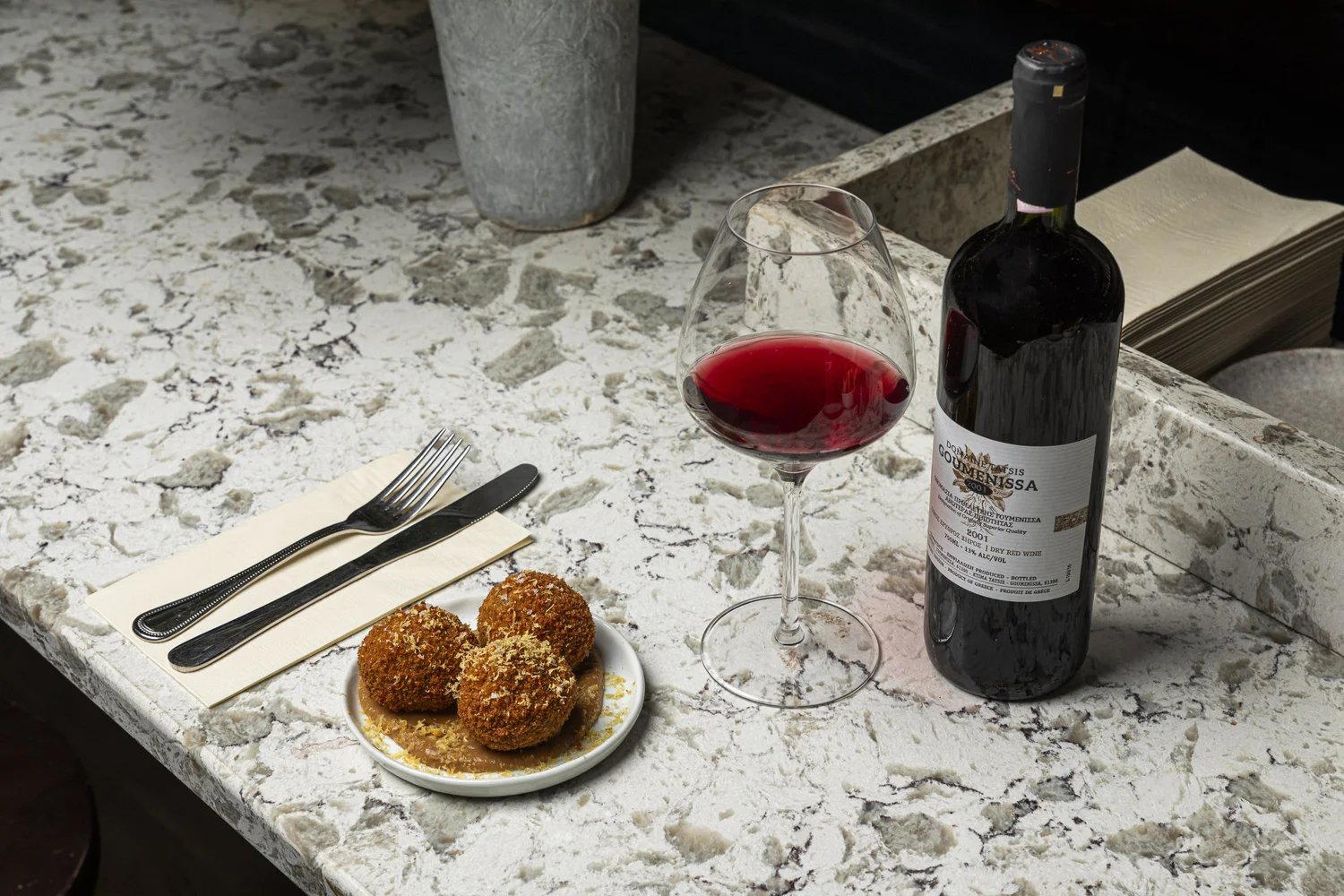
Nica Trattoria serves Authentic Sicilian Trattoria cooking at 354 E 84th St, with dinner pacing set for a leisurely, conversational meal.

Pearl is the En Primeur Club membership app, where members save venues, book tables and use the concierge.

Italian-American Dining on the Upper East Side: Where Nica Trattoria Fits the Neighbourhood Pattern
The Upper East Side has maintained a consistent appetite for neighbourhood Italian restaurants across several decades, and East 84th Street sits within a residential corridor that has historically rewarded dining rooms prioritising familiarity and repetition over spectacle. Trattoria-format restaurants in this part of Manhattan tend to draw their staying power from regulars rather than destination diners, which separates them structurally from the tasting-menu flagships further downtown. Per Se, Le Bernardin, and Masa occupy a different register entirely, built for occasions and operating at price points that frame Italian-American neighbourhood dining as a separate category rather than a lesser one.
Nica Trattoria operates at 354 East 84th Street in the Yorkville section of the Upper East Side, a neighbourhood that shifted over the postwar decades from a largely Central European immigrant enclave to a mixed residential area with a strong concentration of families, professionals, and long-term residents. The Italian trattoria format, with its emphasis on shared plates, regional pasta traditions, and wine-forward service, has found durable footing in this kind of neighbourhood because the format rewards repeat visits rather than demanding them to be special occasions.
The Sustainability Turn in Italian Dining: What It Means at the Trattoria Level
Across American Italian restaurants of the past decade, the conversation around sourcing has moved from optional talking point to operational expectation. The shift is particularly pronounced in New York City, where proximity to regional producers in the Hudson Valley, the Catskills, and coastal New England gives restaurants genuine alternatives to industrial supply chains. The question for any given dining room is how seriously that access is taken and how it shapes the menu's construction.
At the trattoria level, sustainability commitments tend to take a different form than at destination restaurants. Blue Hill at Stone Barns in Tarrytown built its entire identity around farm-to-table rigour, with the farm physically attached and menu construction driven by what the season produces. Single Thread Farm in Healdsburg takes a similarly disciplined Japanese-inflected approach in a fine-dining context. At the neighbourhood level, the sustainability story is typically quieter but not necessarily less genuine: shorter supply chains, daily market buying, reduced portion-level waste, and a pasta program that uses whole ingredients rather than trimmed components. These practices rarely make headlines, but they shape the rhythm of a kitchen in ways that matter.
Italian cuisine as a tradition is unusually well-aligned with low-waste cooking. The cucina povera framework, which gave rise to pasta al pomodoro, ribollita, and the whole category of braised secondary cuts, was built from the principle of using every part of an ingredient. Contemporary sourcing ethics, at their leading, trace back to the same logic. A trattoria that takes this seriously is working with a deep inherited vocabulary rather than grafting a trend onto a pre-existing format.
Yorkville and the Upper East Side: Reading the Neighbourhood's Dining Tier
The Upper East Side produces a range of dining environments, from Museum Mile adjacents drawing tourists to Carnegie Hill spots that function almost as private clubs for long-term neighbourhood residents. Yorkville occupies the northern end of the UES, with a slightly less transient dining population than the blocks closer to the museums and a stronger reliance on repeat custom. Restaurants here live or die on neighbourhood trust, which means consistency and sourcing credibility carry more weight than opening buzz.
Italian concepts have a particular durability in this part of the city. The format travels well across income levels, handles seasonal variation without requiring a full menu rebuild, and benefits from wine programs that can be structured to accommodate both bottle orders and casual glass service. For context, Atomix and Jungsik New York operate in an entirely different register, with multi-course tasting formats, significant booking lead times, and price points that place them firmly in the occasion-dining category. A neighbourhood trattoria occupies a different position on that spectrum, one that arguably requires more resilience because it must justify return visits rather than one-time destination choices.
Comparable Italian trattoria and regional concepts in other American cities illustrate the range of approaches possible within the format. Bacchanalia in Atlanta has built a farm-sourcing model into an upscale American context. Emeril's in New Orleans takes a regional-ingredient approach with different geographical inputs. And at the fine-dining end of Italian abroad, 8½ Otto e Mezzo Bombana in Hong Kong and Alain Ducasse at Louis XV in Monte Carlo demonstrate how Italian culinary logic can be applied at the very best of the pricing and prestige spectrum. The trattoria format exists at the opposite end: more accessible, more local, more dependent on daily operational decisions than on reputation capital.
What Ethical Sourcing Looks Like in Practice at the Neighbourhood Scale
For diners interested in restaurants that prioritise supply chain integrity, the practical signals to look for in any Italian neighbourhood restaurant include the specificity of produce descriptions on the menu, the presence of secondary cuts and whole-animal preparations in pasta fillings and braises, and the wine list's orientation toward smaller producers. These are not guarantees, but they are consistent indicators. Lazy Bear in San Francisco and Alinea in Chicago have built sourcing into their identities at the fine-dining level; at the trattoria tier, the same values appear in less theatrical form but often with comparable operational seriousness.
Regional Italian pasta traditions, which form the backbone of any credible trattoria menu, are inherently sympathetic to seasonal buying. Pici, bigoli, and the broader category of hand-rolled pastas are built around flour, egg, and water, with fillings and sauces that can pivot with the season. A kitchen buying from nearby farms in the Hudson Valley or at the Union Square Greenmarket can shift its ragù or vegetable-forward preparations weekly without disrupting the structural logic of the menu.
Planning a Visit
Nica Trattoria is located at 354 East 84th Street, Yorkville, Upper East Side, New York. The nearest subway access is via the 4/5/6 line at 86th Street, placing the restaurant a short walk from one of the most used express stops on the East Side. For the fullest picture of Italian and broader dining options across the city, see our full New York City restaurants guide. Visitors planning a broader American fine-dining itinerary may also want to consider Providence in Los Angeles, Addison in San Diego, The French Laundry in Napa, and The Inn at Little Washington for comparison across format and price tier.
Reservations: Contact the restaurant directly; booking policies were not confirmed at the time of publication. Dress: Not formally specified; smart-casual is standard for Upper East Side trattoria dining. Budget: Getting there: 4/5/6 train to 86th Street, then a short walk south and east.
Frequently asked questions
What dish is Nica Trattoria famous for?
Is Nica Trattoria reservation-only?
What has Nica Trattoria built its reputation on?
What if I have allergies at Nica Trattoria?
Is Nica Trattoria worth the price?
How does Nica Trattoria fit into the Upper East Side's Italian dining scene compared to other neighbourhood options?
Price and Positioning
| Venue | Cuisine | Price | Awards | Notes |
|---|---|---|---|---|
| Nica TrattoriaThis venue (the venue you are viewing) | Sicilian and Italian Trattoria | $30–50 | Not listed | Not listed |
| Le Bernardin | French Seafood Fine Dining | $300–500 | 3 Michelin Stars · World's 50 Best #13 | French, Seafood |
| Atomix | Modern Korean Tasting Menu | $300–500 | 2 Michelin Stars · World's 50 Best #7 | Modern Korean, Korean |
| Masa | Traditional Japanese Omakase | $500+ | 2 Michelin Stars · World's 50 Best #27 | Sushi, Japanese |
| Per Se | French Fine Dining Tasting Menu | $300–500 | 3 Michelin Stars · World's 50 Best #40 | French, Contemporary |
| Jungsik New York | Modern Korean Fine Dining | $200–300 | 3 Michelin Stars · World's 50 Best #18 | Progressive Korean, Korean |
Continue exploring
More in New York City
Restaurants in New York City
All restaurants in New York City →
Bars in New York City
All bars in New York City →


Details
- Cozy
- Intimate
- Classic
- Date Night
- Casual Hangout
- Private Event
- Standalone
- Extensive Wine List
- Local Sourcing
- A La Carte
- Wine
- Vegetarian Friendly
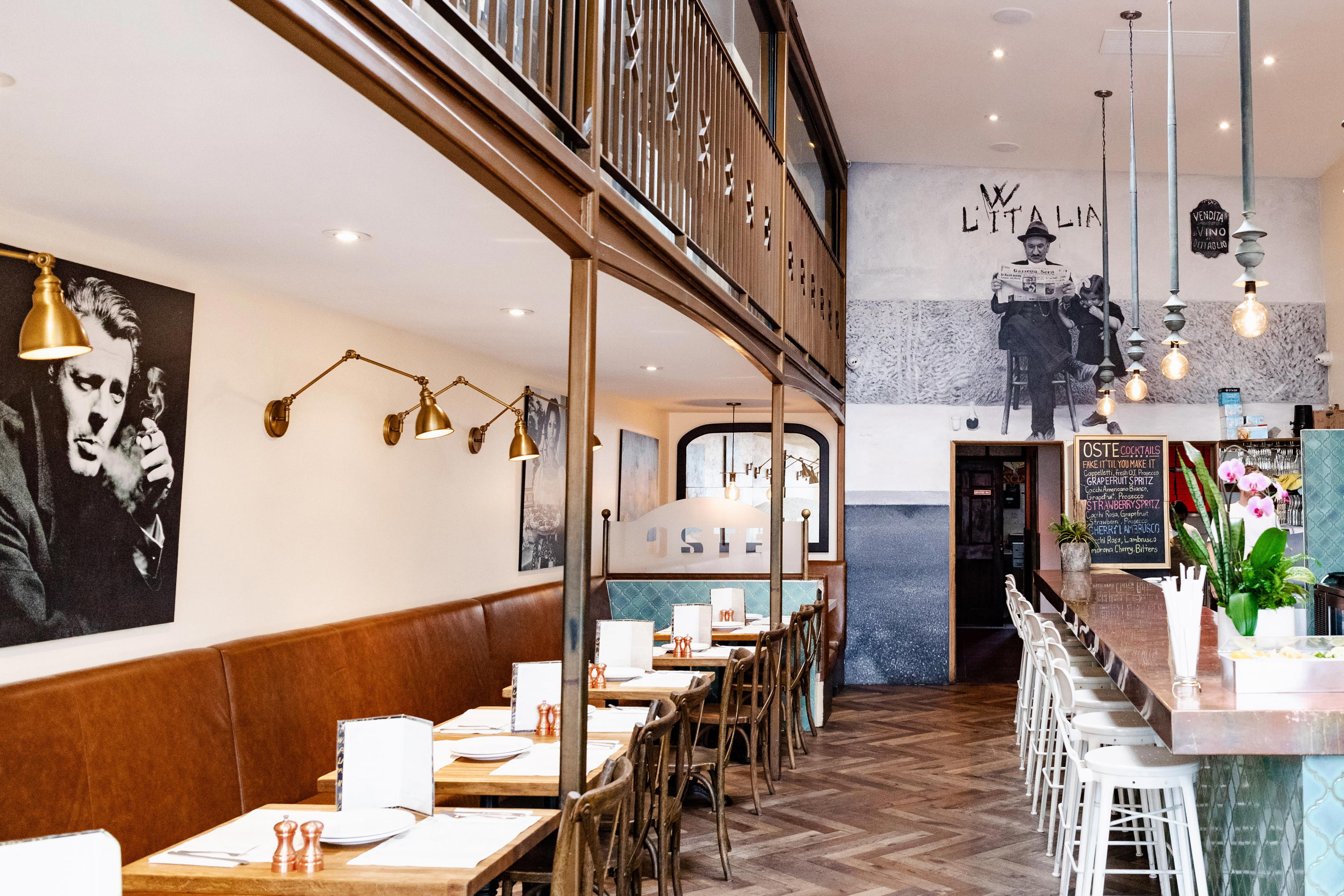
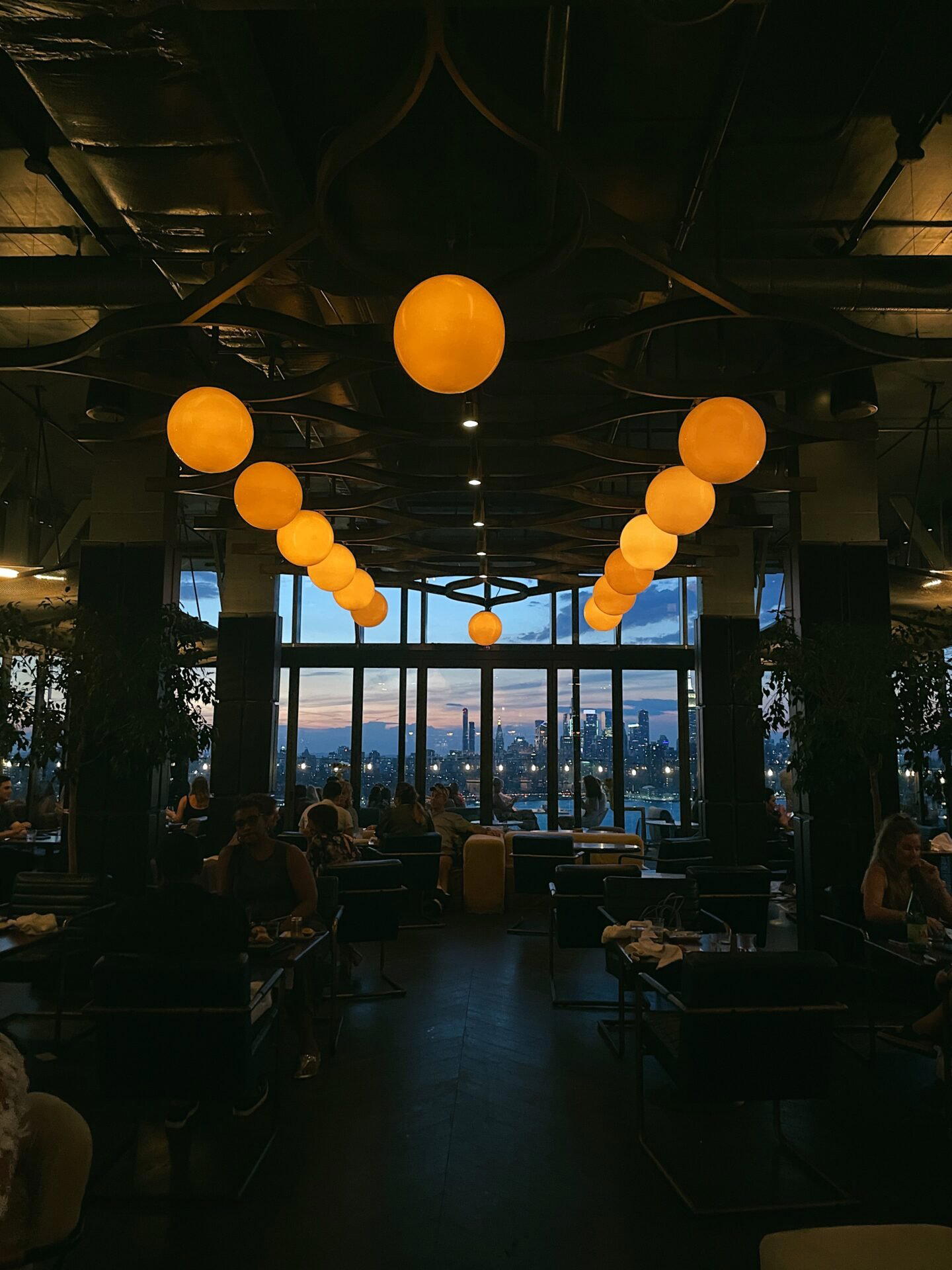
Familial, friendly, and quirky, with a small-room neighborhood atmosphere that feels welcoming and personal.